Jobs Time Forgot...Did You?
If you grew up in the 60s, 70s or 80s, a lot of these careers probably felt completely normal. Some were genuinely prestigious. Some paid surprisingly well. Others just seemed like they'd be around forever. Well...spoiler alert: They weren't.
These jobs didn’t just change over time. In many cases, they were erased so completely that plenty of people born after 2000 have never even heard of them.
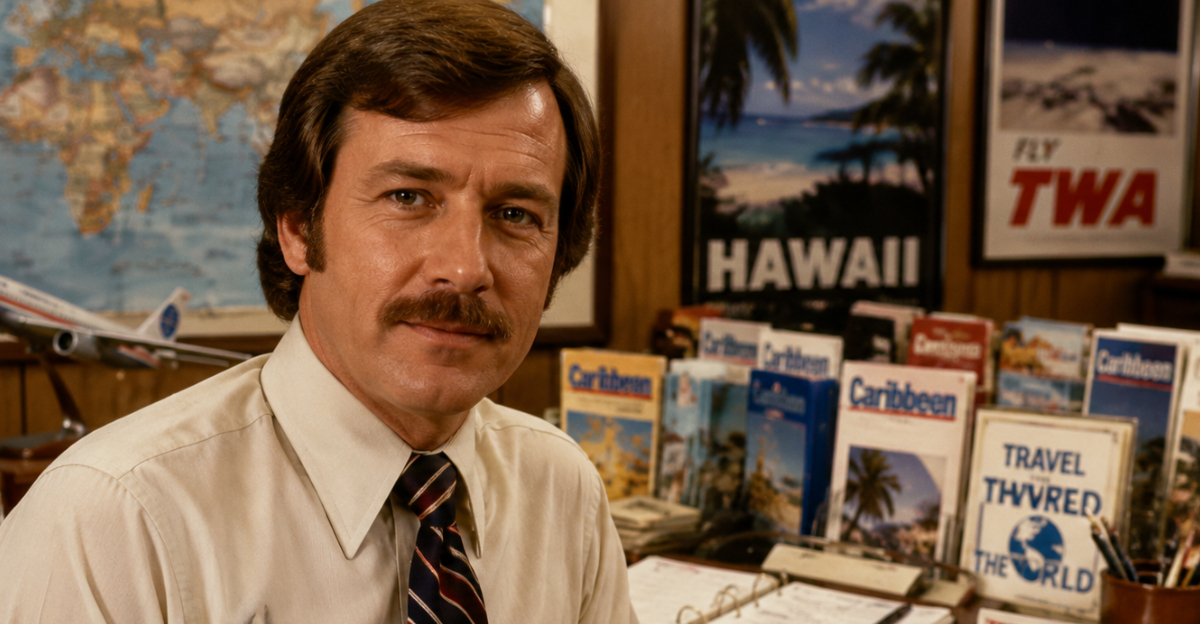
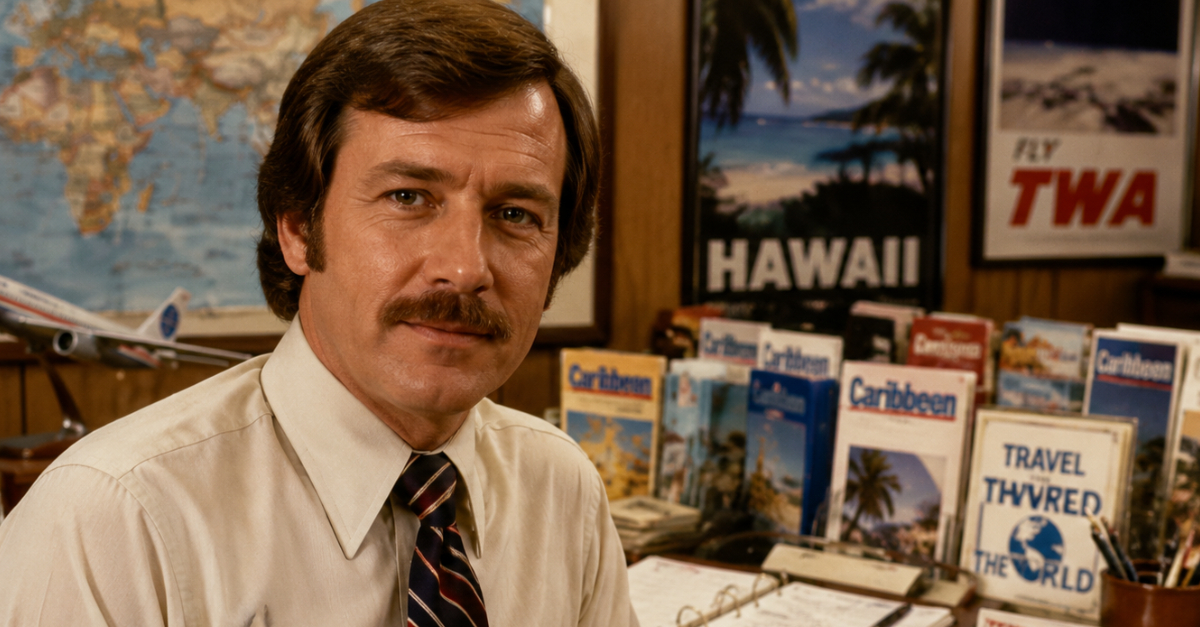
Travel Agent
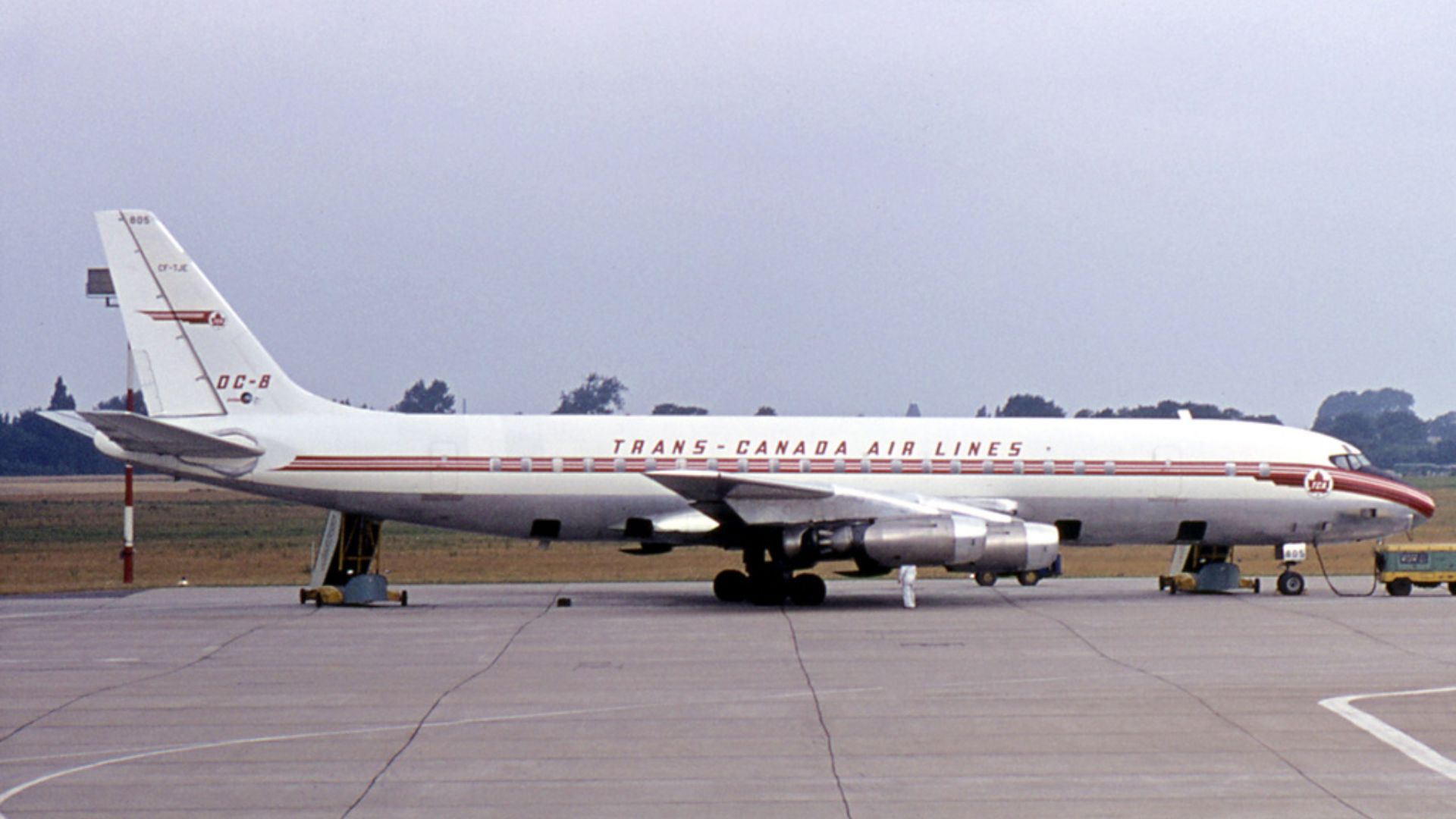
Before everyone became their own unpaid travel agent at 1 a.m., this was a real career people wanted. Travel agents knew airline routes, hotel chains, cruises, and secret vacation tricks ordinary people could never figure out alone. They had brochures, phone numbers, and power. Basically, they were Google with better outfits.
The job never completely disappeared, but the version millions of people remember mostly did. Once anyone could compare flights and book vacations online, the neighborhood travel agency became far less common. Today, travel agents are much more likely to specialize in luxury trips, cruises, or complex itineraries.
 Ralf Manteufel, Wikimedia Commons
Switchboard Operator
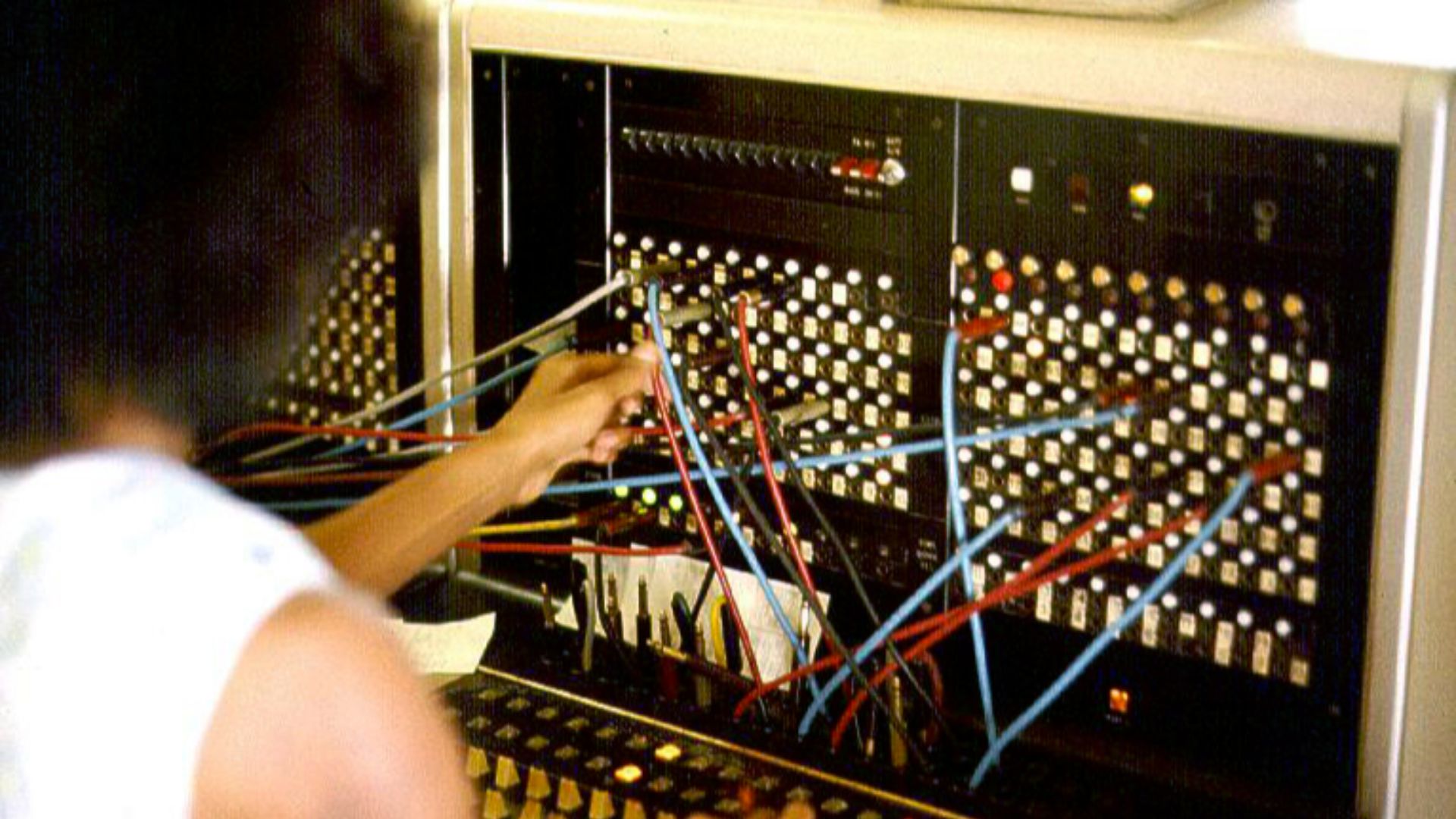
Before phones got smart, people had to be smart for them. Switchboard operators connected calls manually, plugging cords into boards like they were running the nervous system of an entire city. It was once steady, respected work. Now it looks like something a movie uses to prove it is set long ago.
 Joseph A. Carr, Wikimedia Commons
Keypunch Operator
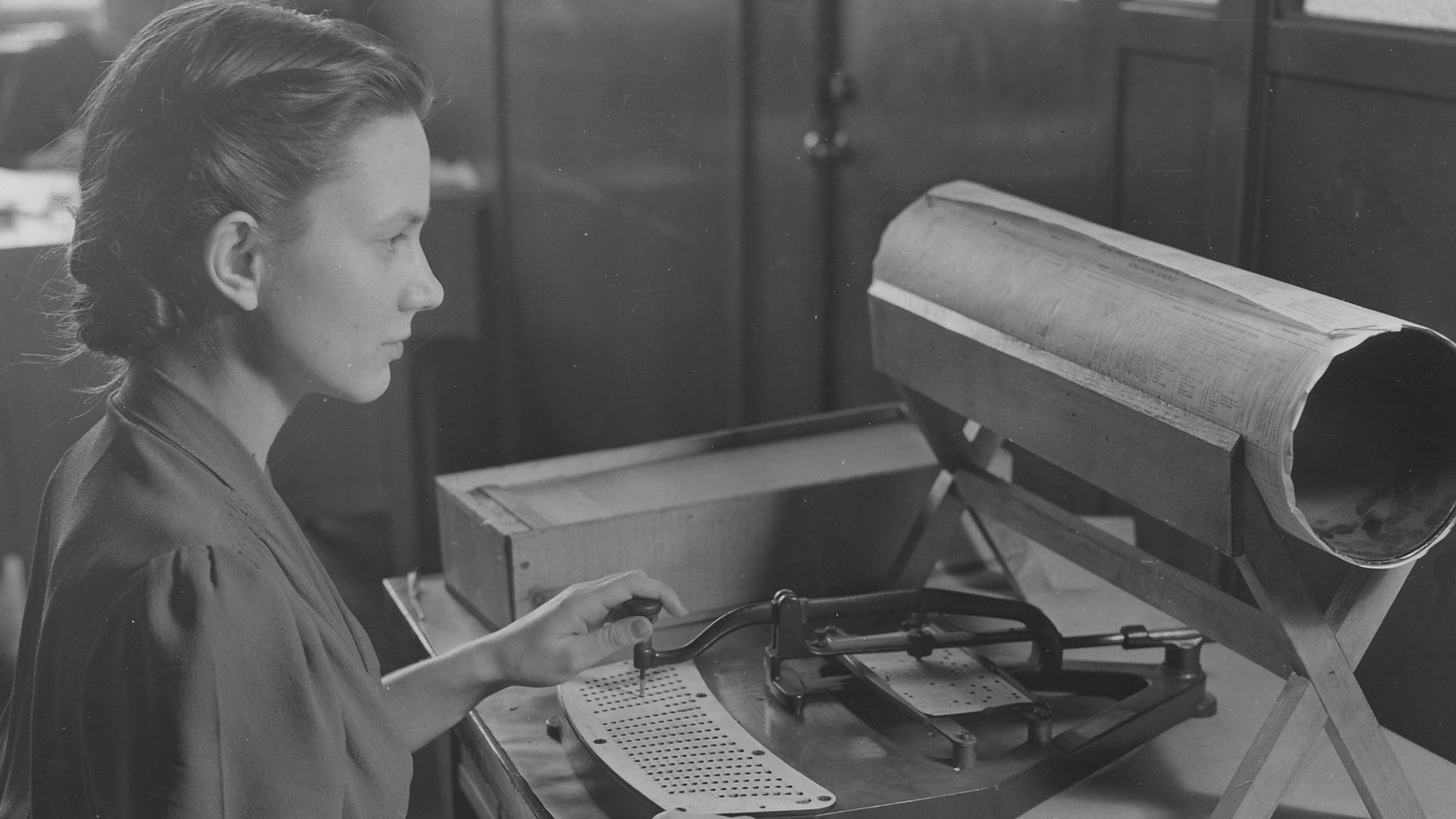
In the 70s, computers were not sitting on desks. They were giant machines in cold rooms, and keypunch operators helped feed them information using punched cards. It sounded futuristic at the time. Today, someone born after 2000 would probably look at a punch card and ask why the printer gave up.
 The U.S. National Archives, Wikimedia Commons
Mapmaker
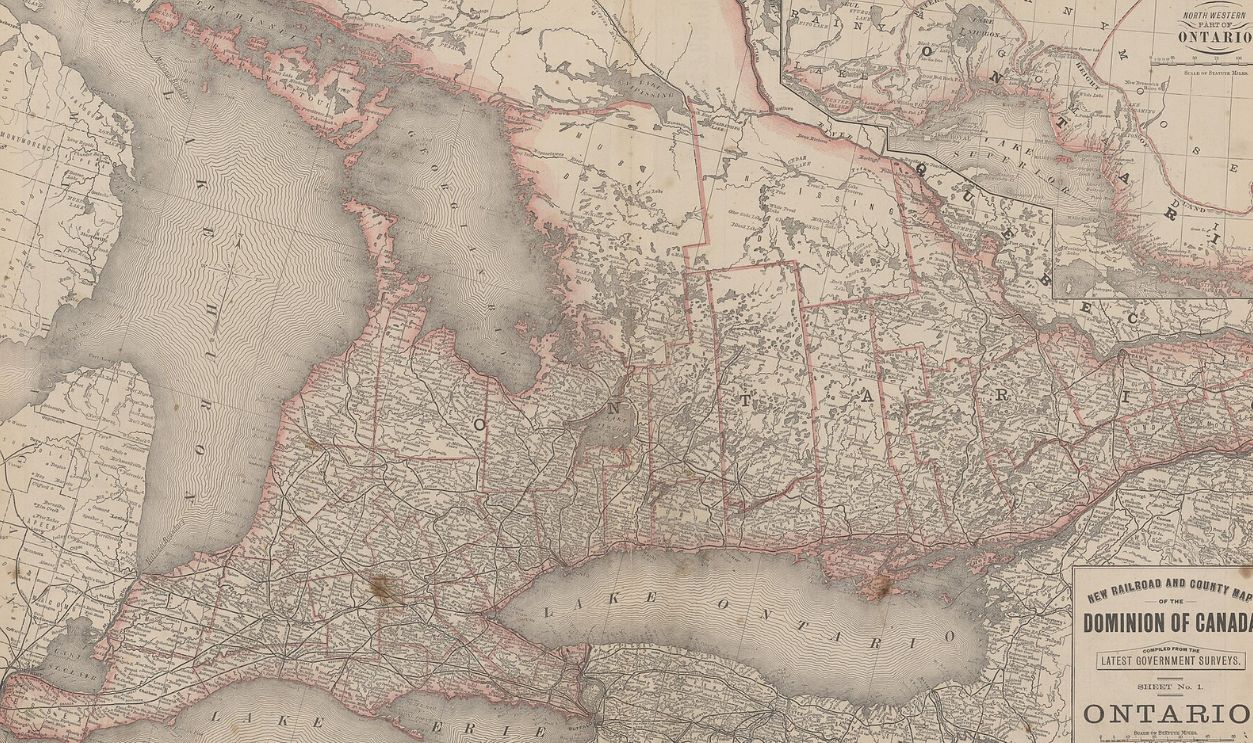
Yes, cartographers still exist, but hand-drawn commercial mapmaking used to be a much bigger, more visible craft. People needed road atlases, city maps, travel maps, and printed guides. A good mapmaker made the world readable. Then GPS arrived and started yelling “recalculating” at everyone like a disappointed parent.
 Historical Atlas of the County of Huron, Ont., Wikimedia Commons
Film Projectionist
Running a movie theater used to take skill. Projectionists threaded 35mm film, changed reels, fixed jams, watched focus, and made sure the show did not suddenly melt on screen. Today, most multiplexes run digital files instead of 35mm film. Skilled projectionists still exist at some specialty theaters and film festivals, but the job is only a fraction of what it once was.
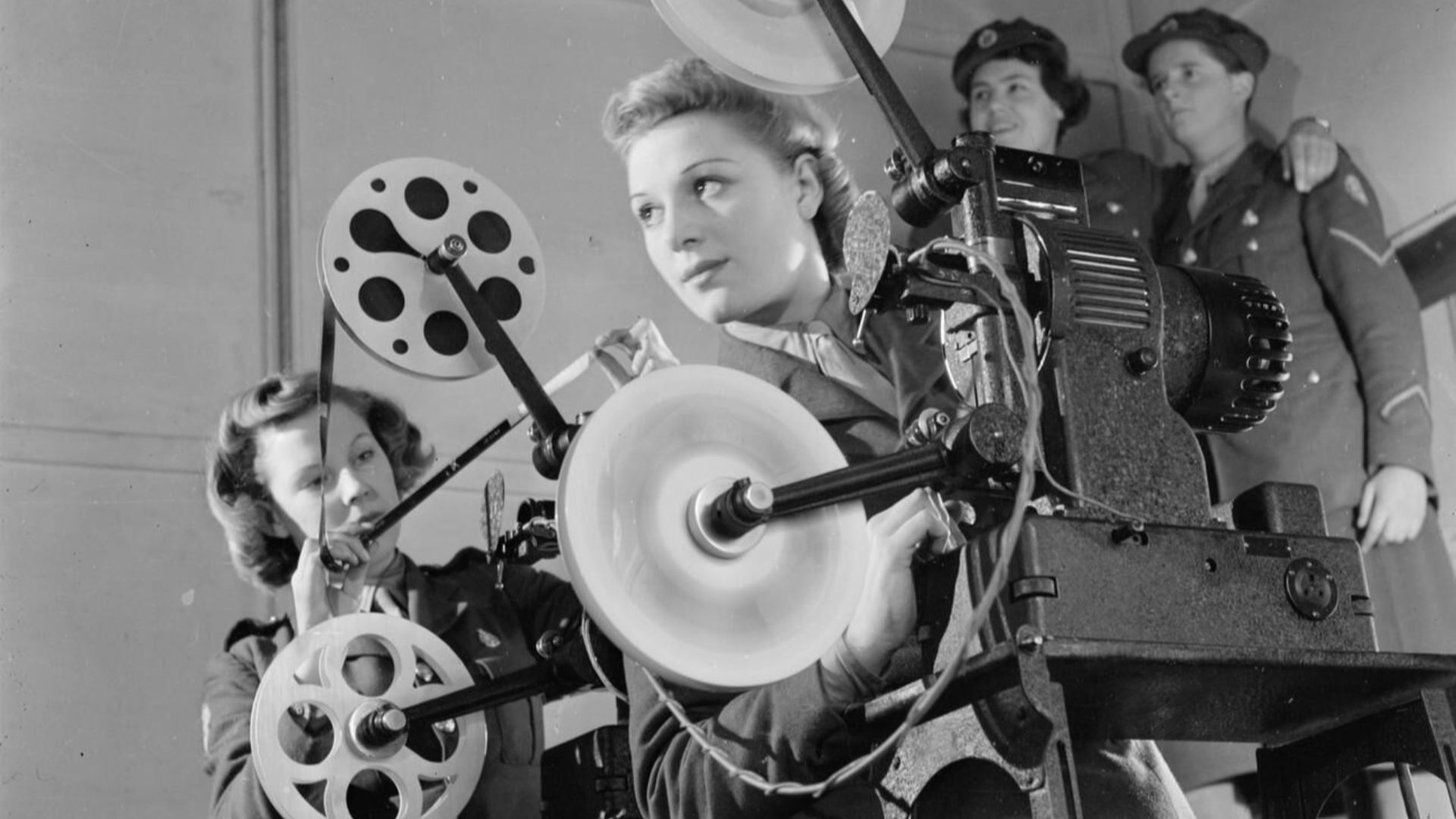 Ministry of Information Photo Division Photographer, Wikimedia Commons
Typist
Being a fast typist was once a marketable skill all by itself. Offices needed people who could turn handwritten notes, memos, reports, and letters into clean copy without making a mess. Then word processors arrived. Then personal computers arrived. Then suddenly everyone had to do their own typing. Terrible development, honestly.
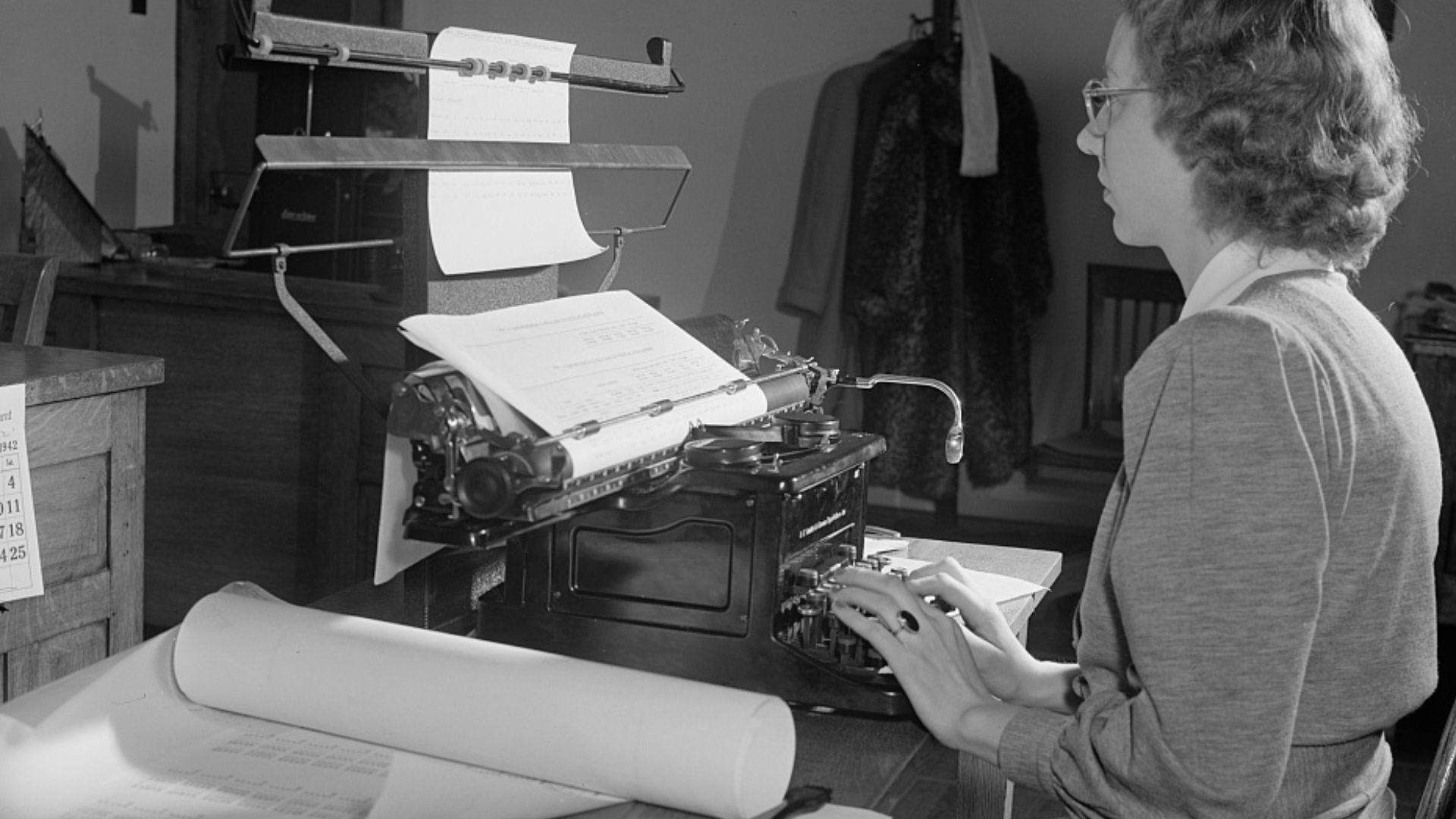 Jack Delano, Wikimedia Commons
Word Processing Specialist
This was not just “someone who typed.” In the 80s, word processing specialists knew the machines, the commands, the formatting, and the office systems that confused everyone else. They were the person you called when the document had to look professional. Today, that job title sounds like Microsoft Word got promoted.
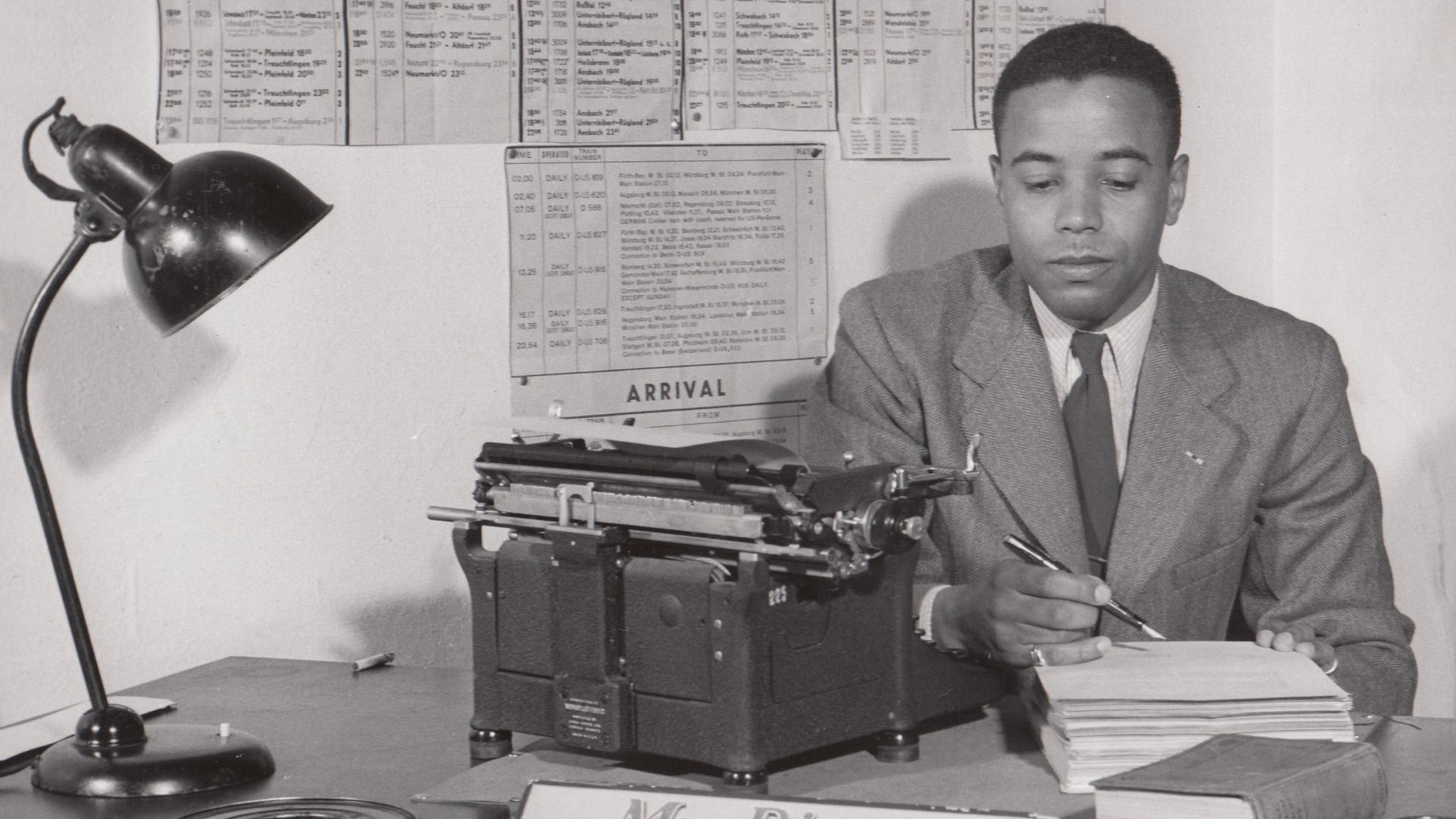 Office of Military Government, United States (OMGUS), Wikimedia Commons
Typesetter
Before desktop publishing, someone had to physically prepare text for newspapers, books, ads, and magazines. Typesetters understood spacing, fonts, columns, and layout long before everyone started pretending they were designers because they opened Canva. It was a skilled trade. Then computers walked in and quietly rearranged the whole industry.
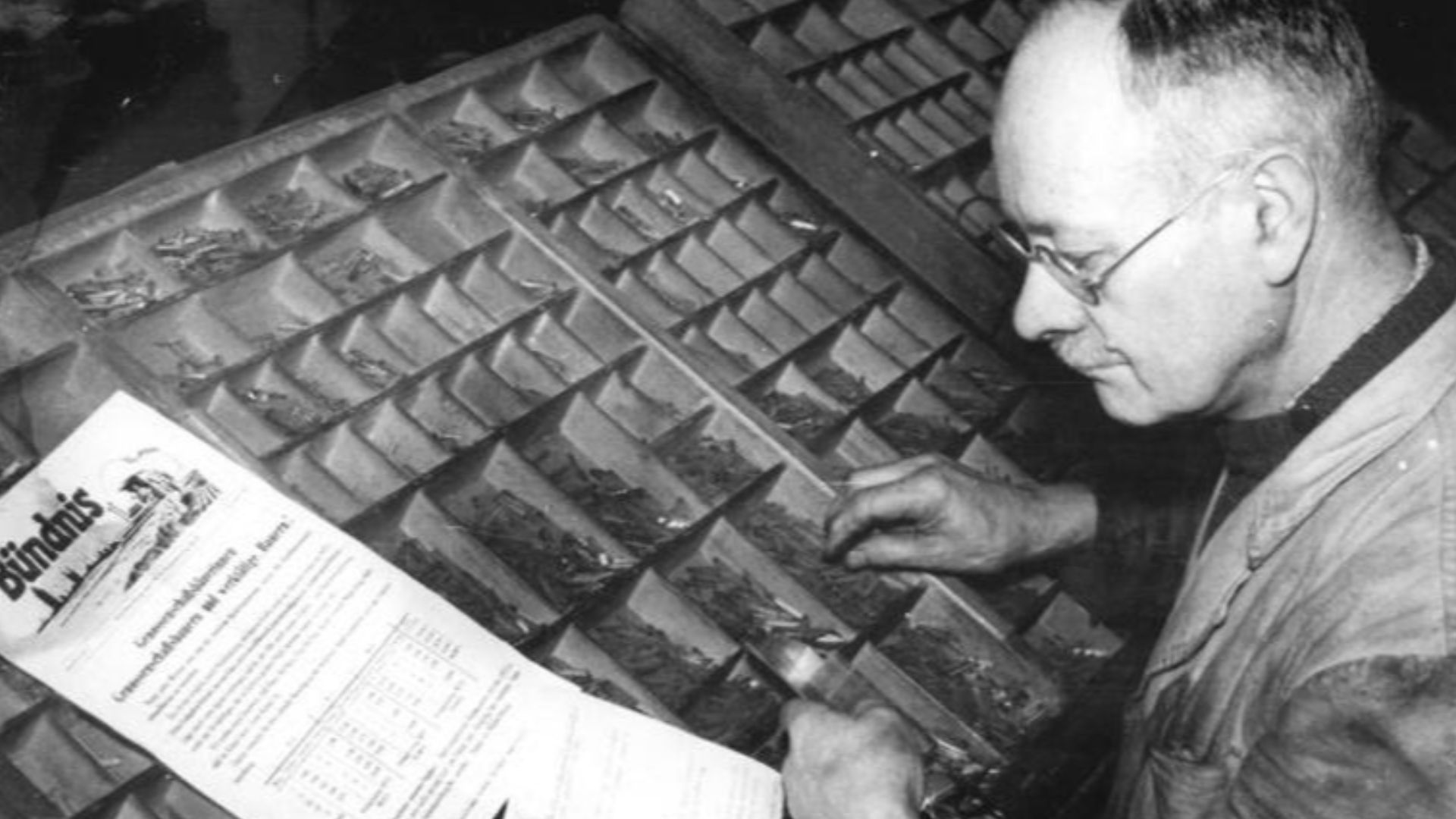 Wilhelm Biscan, Wikimedia Commons
Linotype Operator
This was one of those newspaper jobs that looked almost magical if you had never seen it. Linotype operators used huge machines to create lines of metal type for printing. It took training, rhythm, and nerve. Now the machine looks like a steampunk piano designed to eat your fingers.
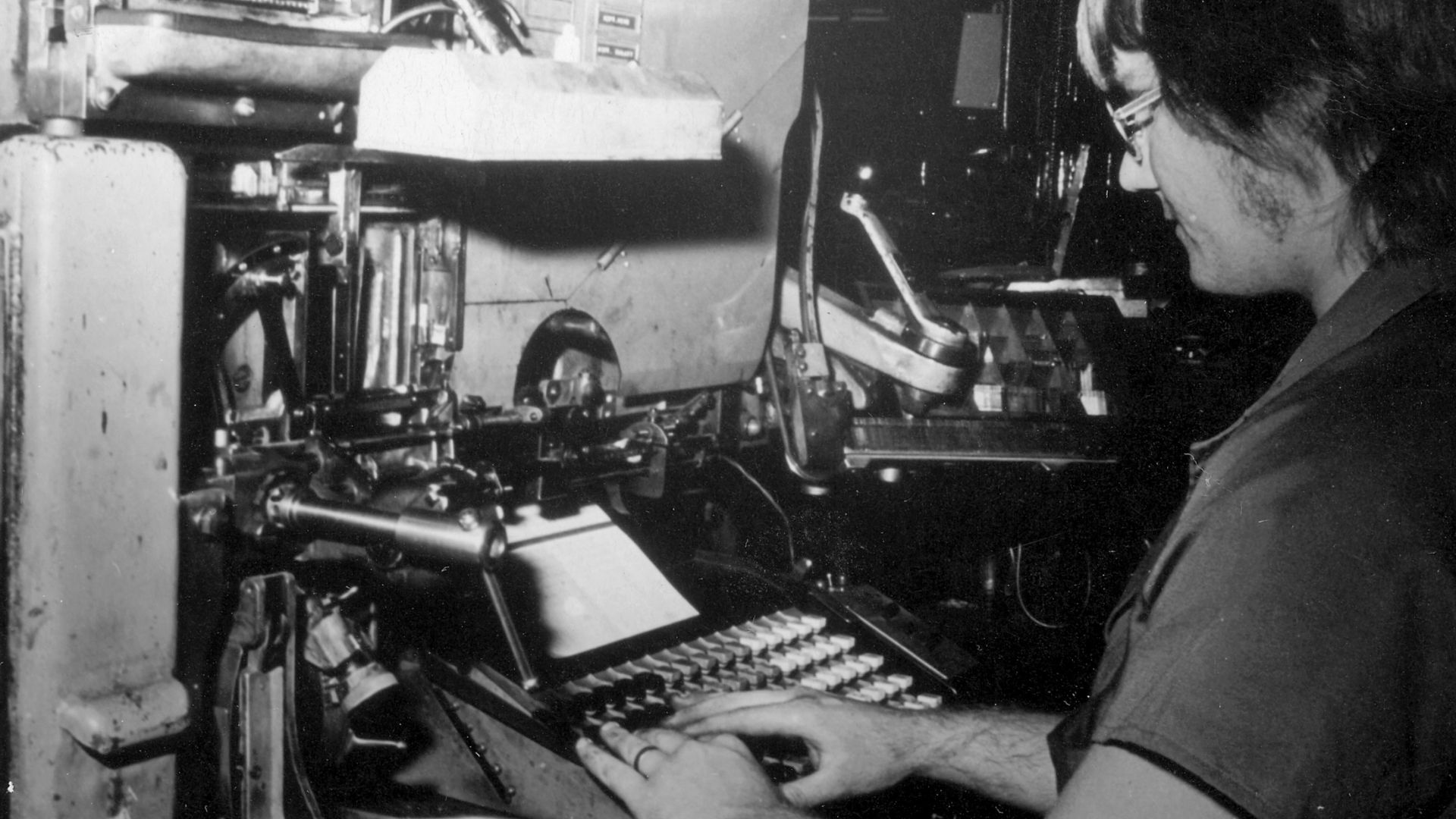 Queensland State Archives, Wikimedia Commons
Darkroom Photo Technician
Before every bad photo could be deleted instantly, pictures had to be developed. Darkroom technicians handled film, chemicals, enlargers, and prints. They could rescue memories from tiny strips of negatives. Today, most people’s “darkroom” is just a phone app making everything slightly orange.
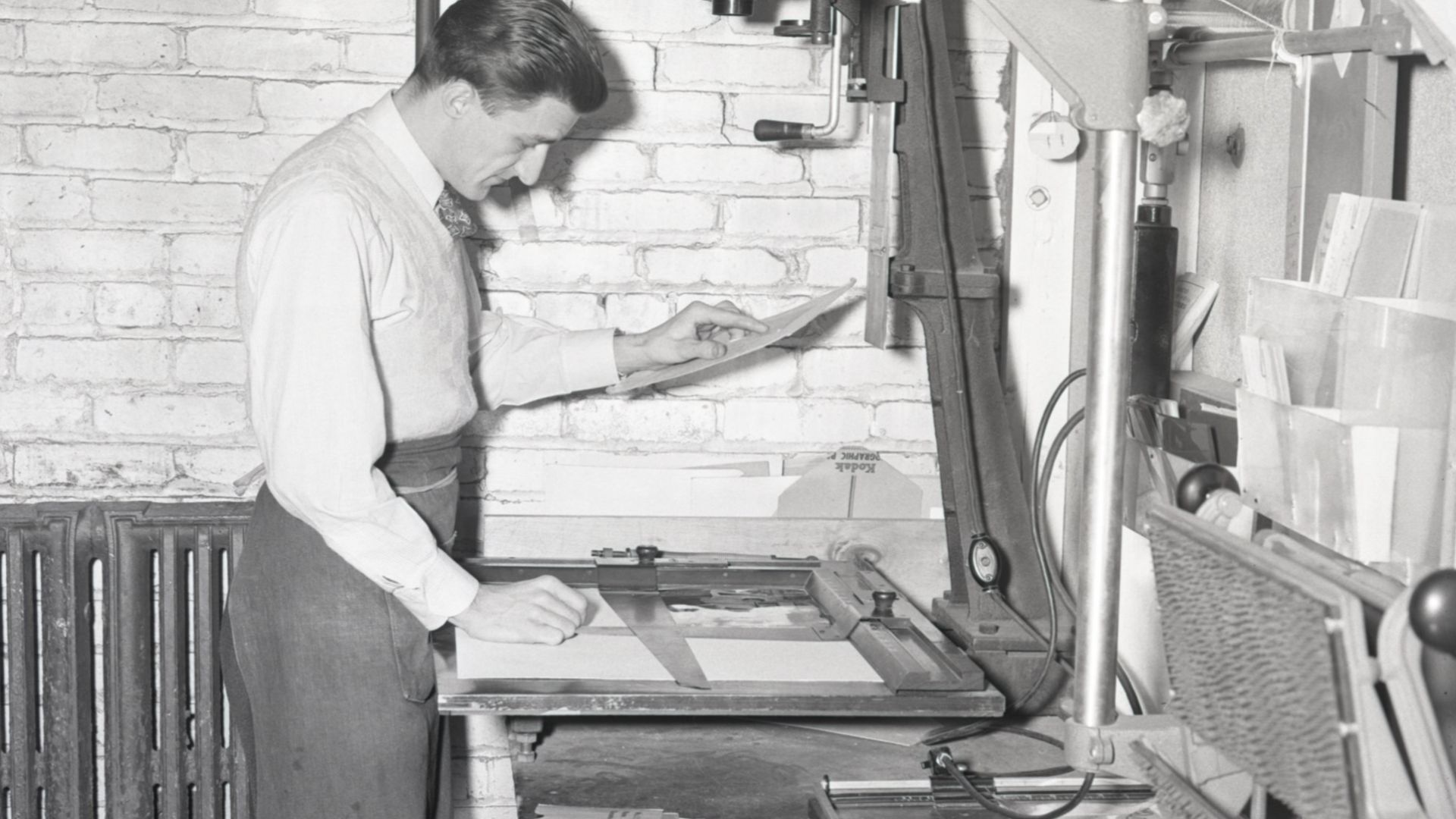 Dow Chemical Company, Wikimedia Commons
TV Repair Technician
There was a time when a broken TV did not mean buying a new TV. It meant calling someone who came to the house with tools, tubes, parts, and mysterious knowledge. A good TV repair technician could bring the living room back to life. Now the advice is usually, “Have you tried replacing it?”
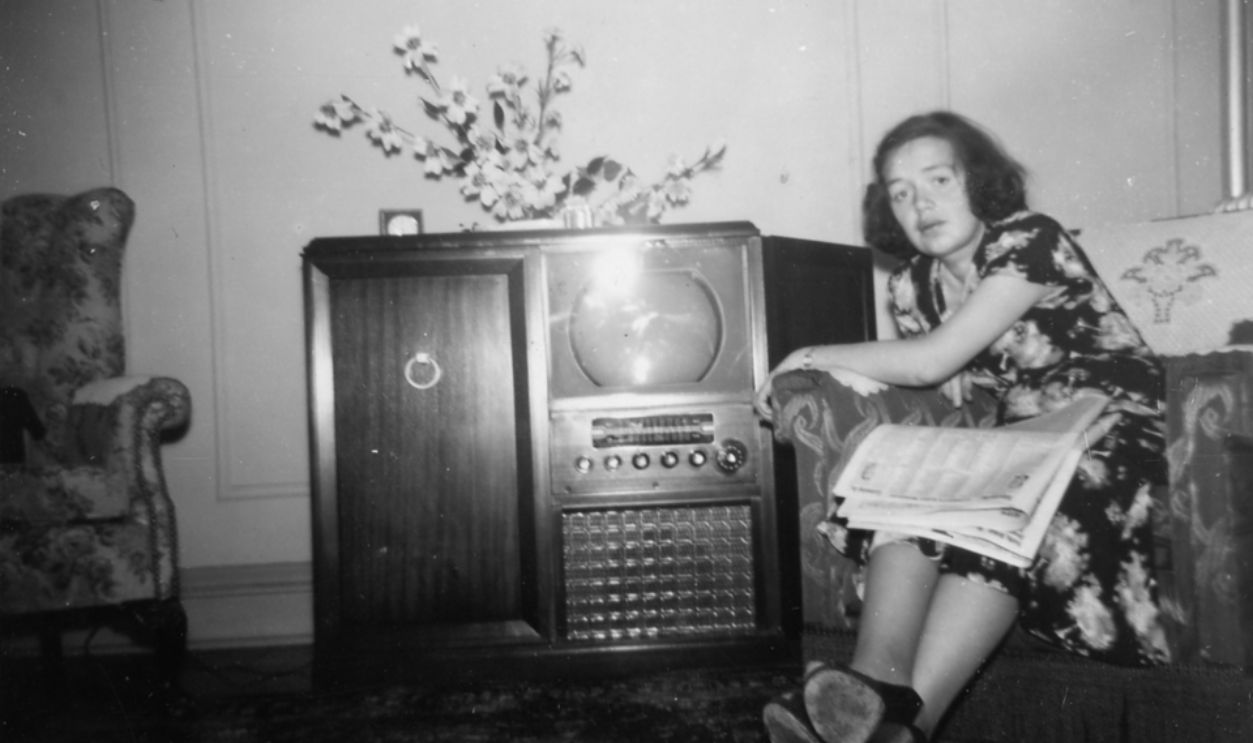 Kathy Vreeland, CC BY 4.0, Wikimedia Commons
VCR Repair Technician
For a while, VCRs were expensive enough to fix and complicated enough to break constantly. If your machine ate a tape, flashed 12:00 forever, or refused to eject your copy of Top Gun, someone could actually repair it. Then DVD players got cheap, streaming arrived, and the whole career hit stop.
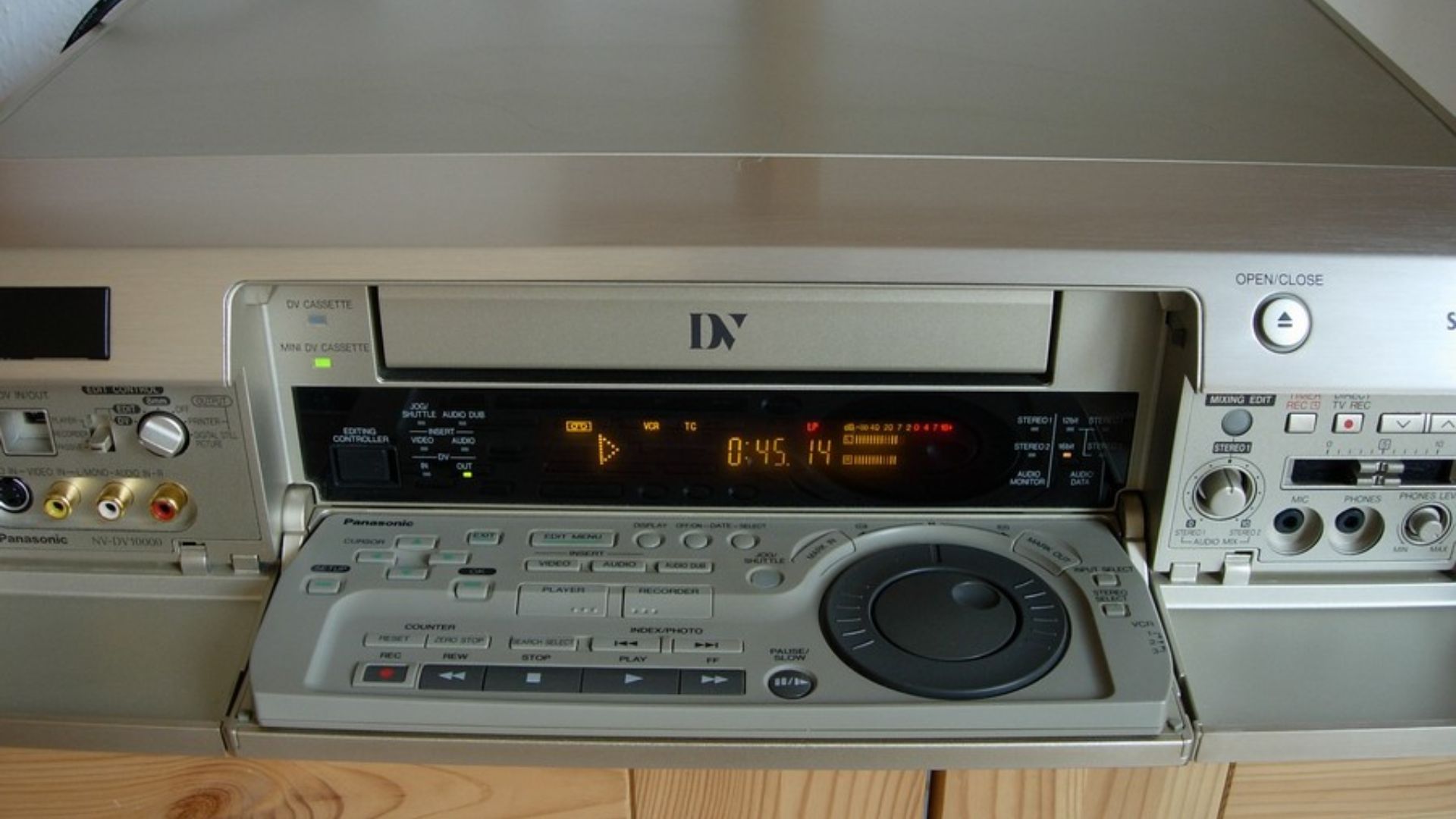 Zlois at de.wikipedia, Wikimedia Commons
Video Store Manager
This one was cooler than it sounds. In the 80s, a good video store manager knew every new release, every cult movie, and exactly which tapes were always rented out. They were local entertainment experts. Today, an algorithm recommends movies. Somehow it still thinks you want to watch the same superhero film again.
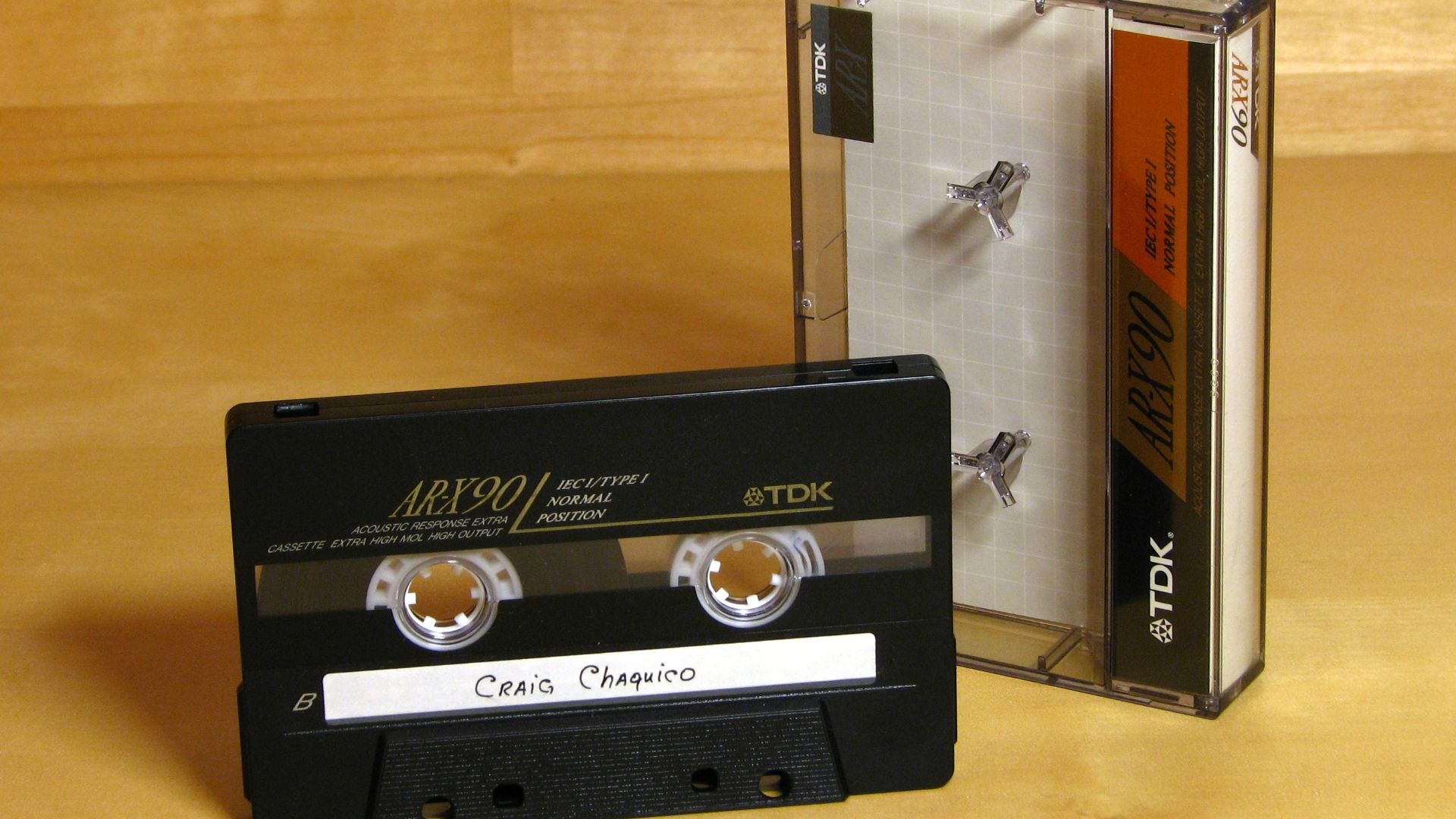 Andrey Korzun, Wikimedia Commons
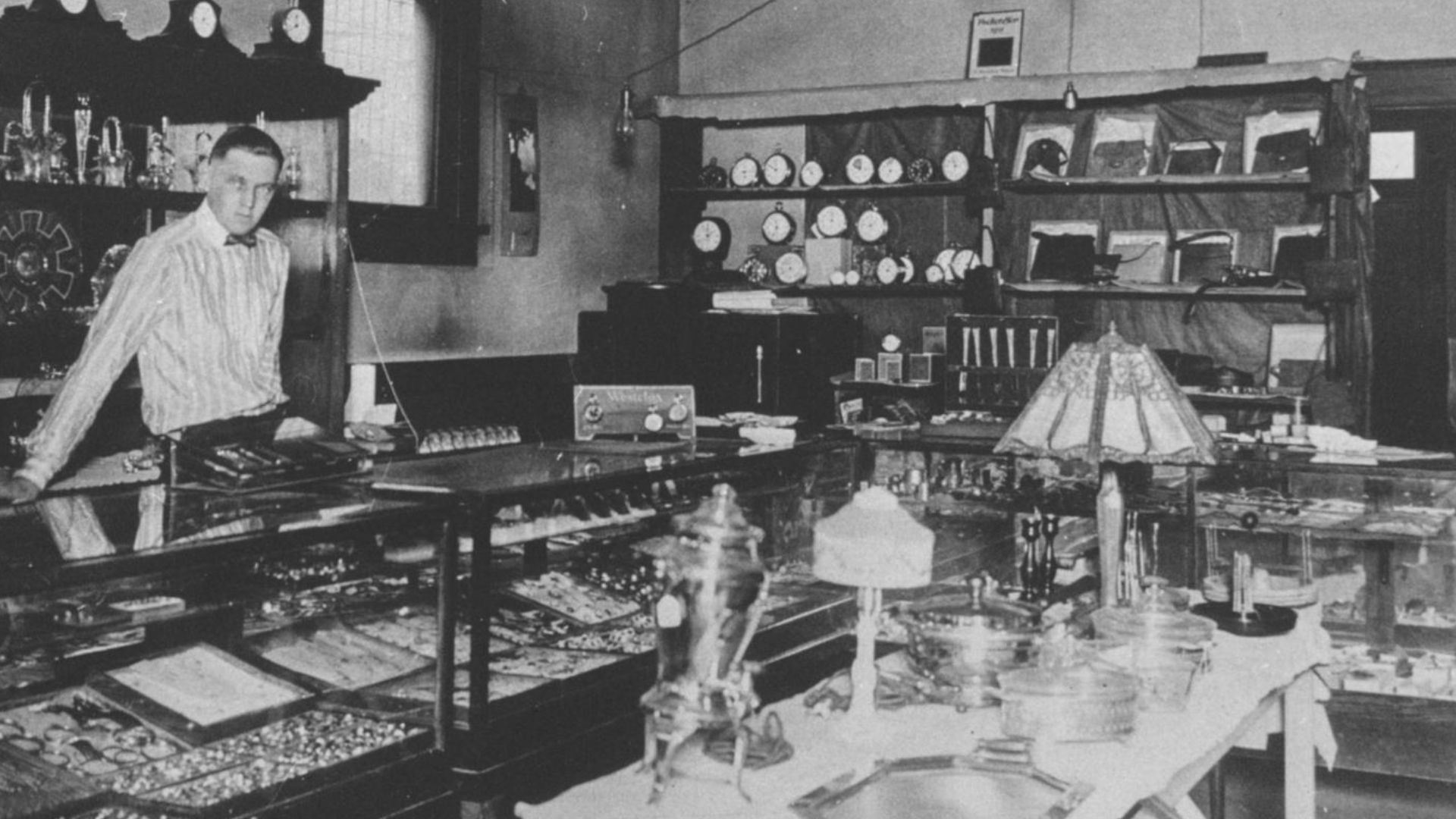
Record Store Clerk
For music lovers, this was one of the coolest retail jobs you could land. They could judge your taste, recommend obscure albums, and make you feel uncool in under eight seconds. Streaming took the job away, but not the attitude. That survived on the internet.
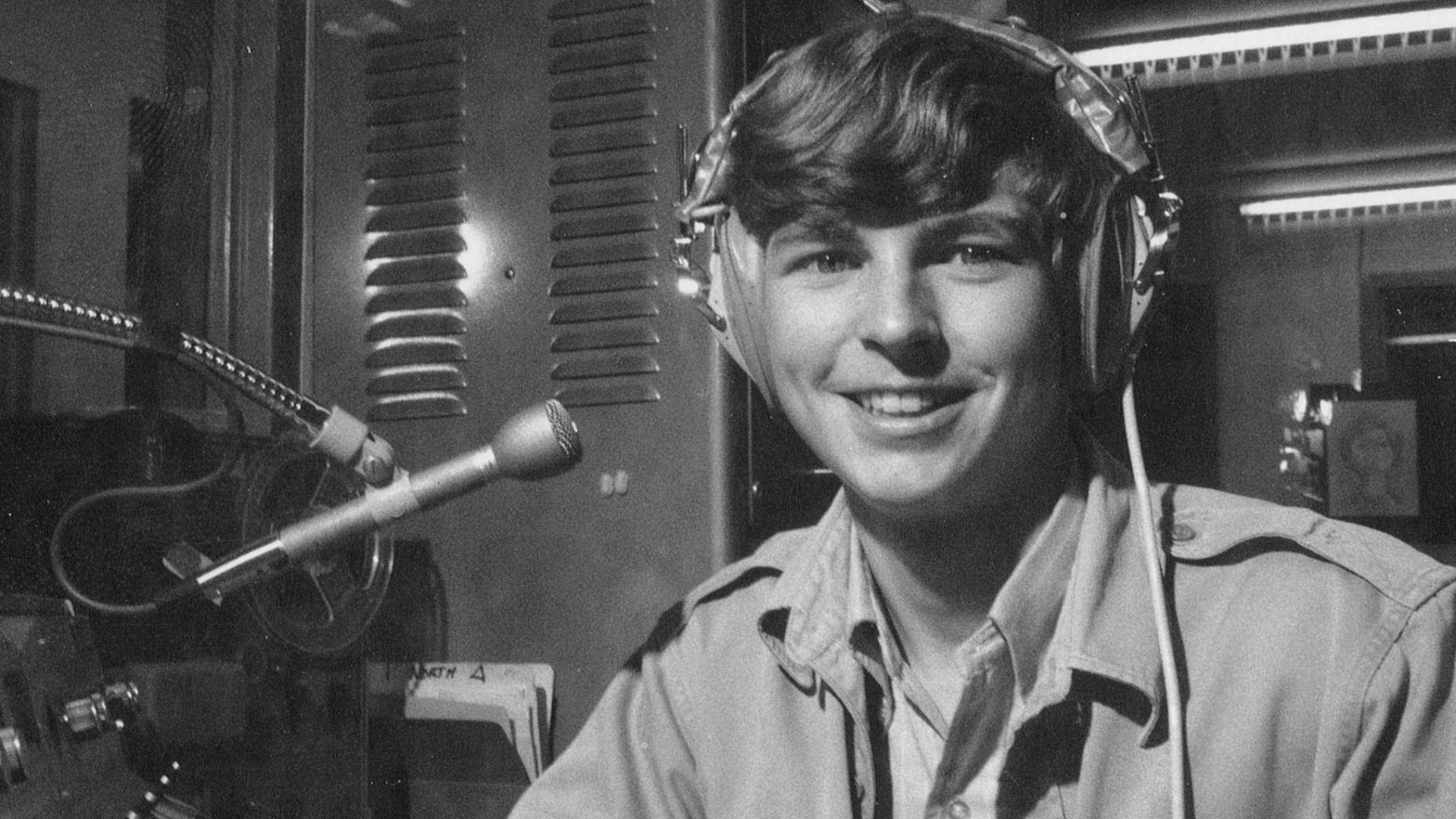
Radio Disc Jockey
Before playlists and satellite radio, local DJs mattered. They broke songs, talked to callers, hosted events, and became familiar voices in people’s cars and kitchens. Some became real local celebrities. Now half the time, radio sounds like one person recorded 12 stations from inside a corporate closet.
Telephone Installer
Getting a new phone line used to be an event. A telephone installer came to the house, ran wires, set up jacks, and made the whole thing work. In the Bell System era, this was stable, technical work with real respect. Now people complain if their phone case takes two days to arrive.
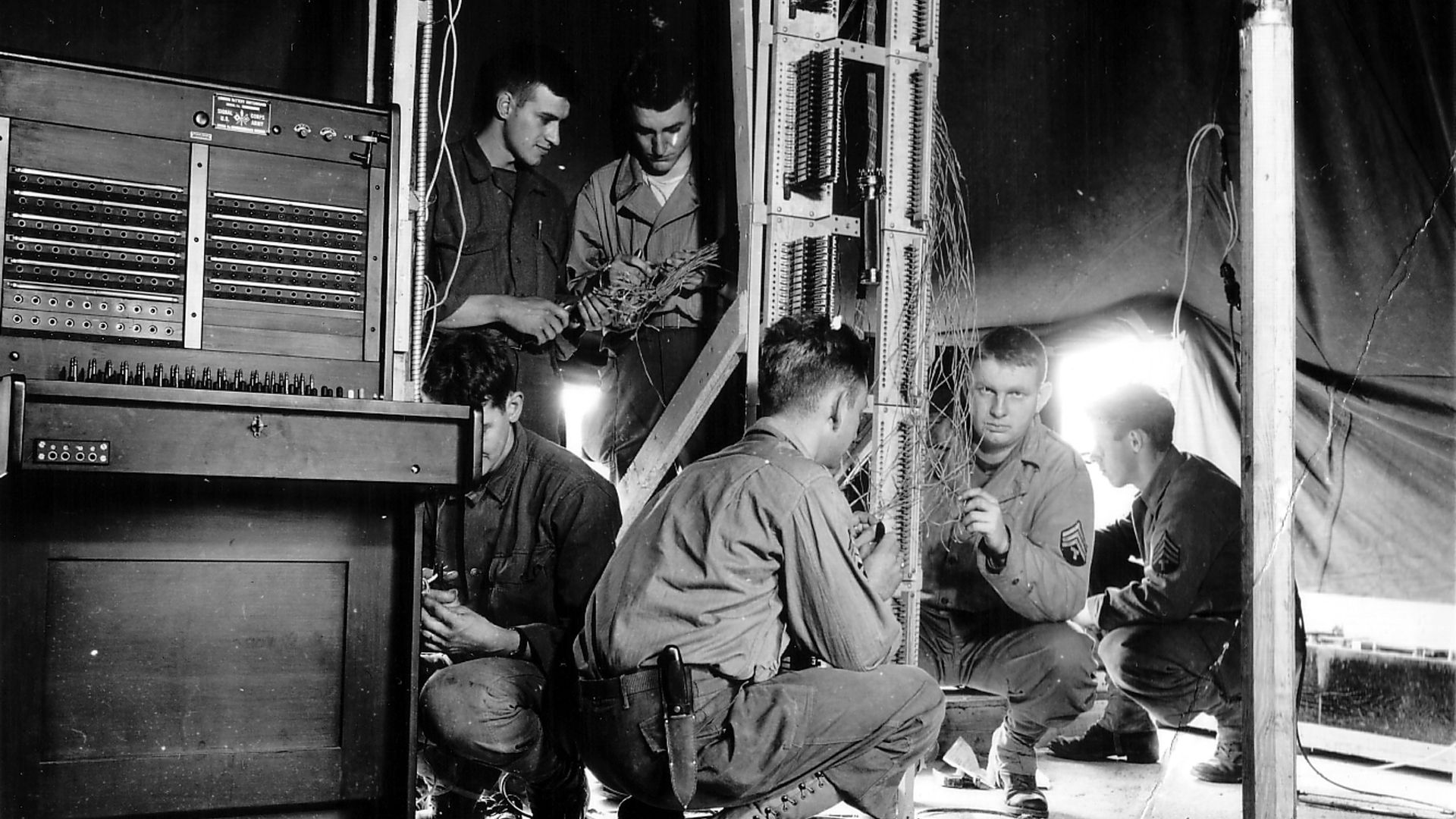 PhotosNormandie, Wikimedia Commons
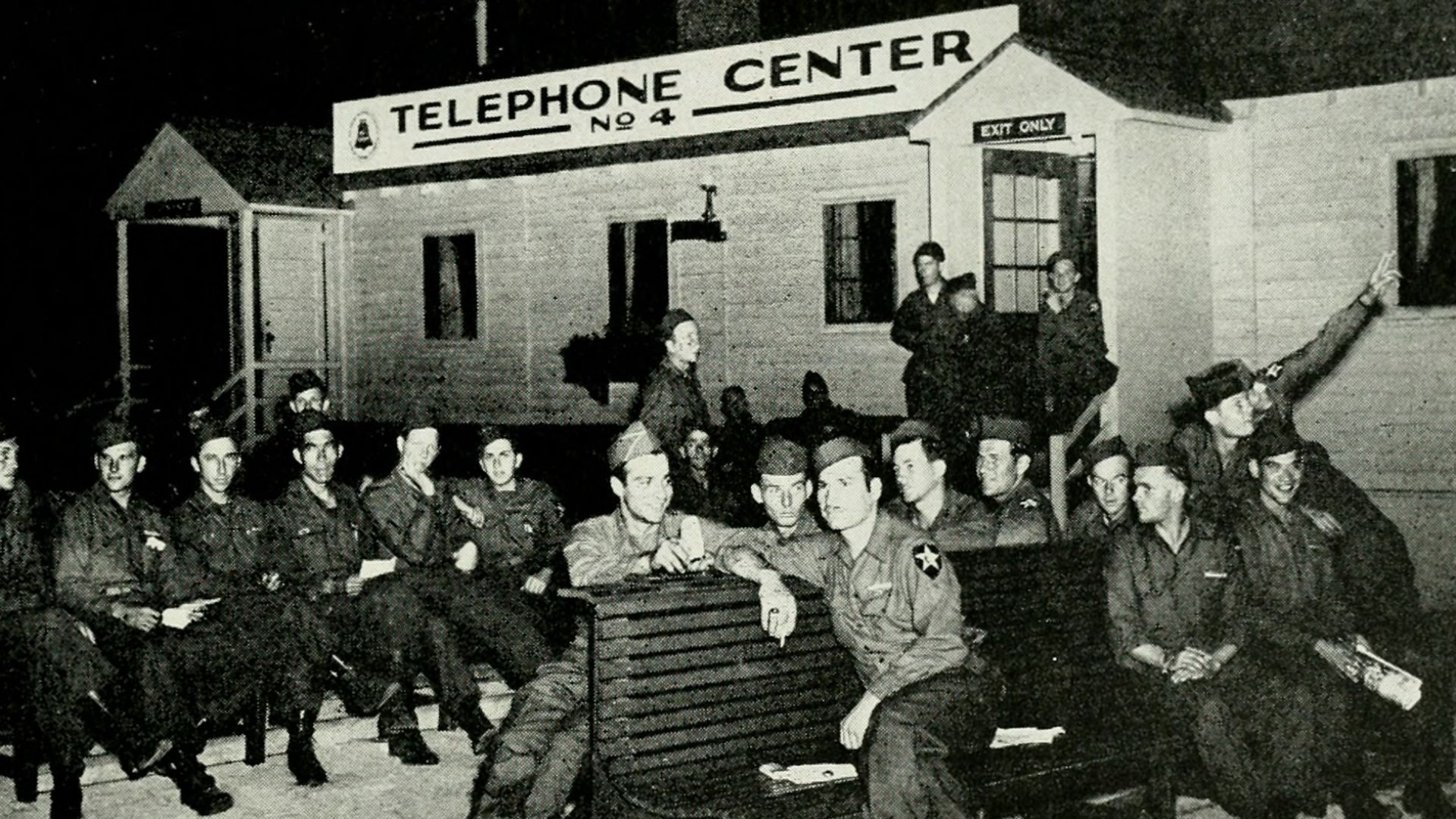
Directory Assistance Operator
Need a number? You called 411. A real person helped find it. That was the system. Directory assistance operators were human search engines before search engines became search engines. Today, asking someone born after 2000 to call directory assistance would sound like asking them to send a telegram from horseback.
 Internet Archive Book Images, Wikimedia Commons
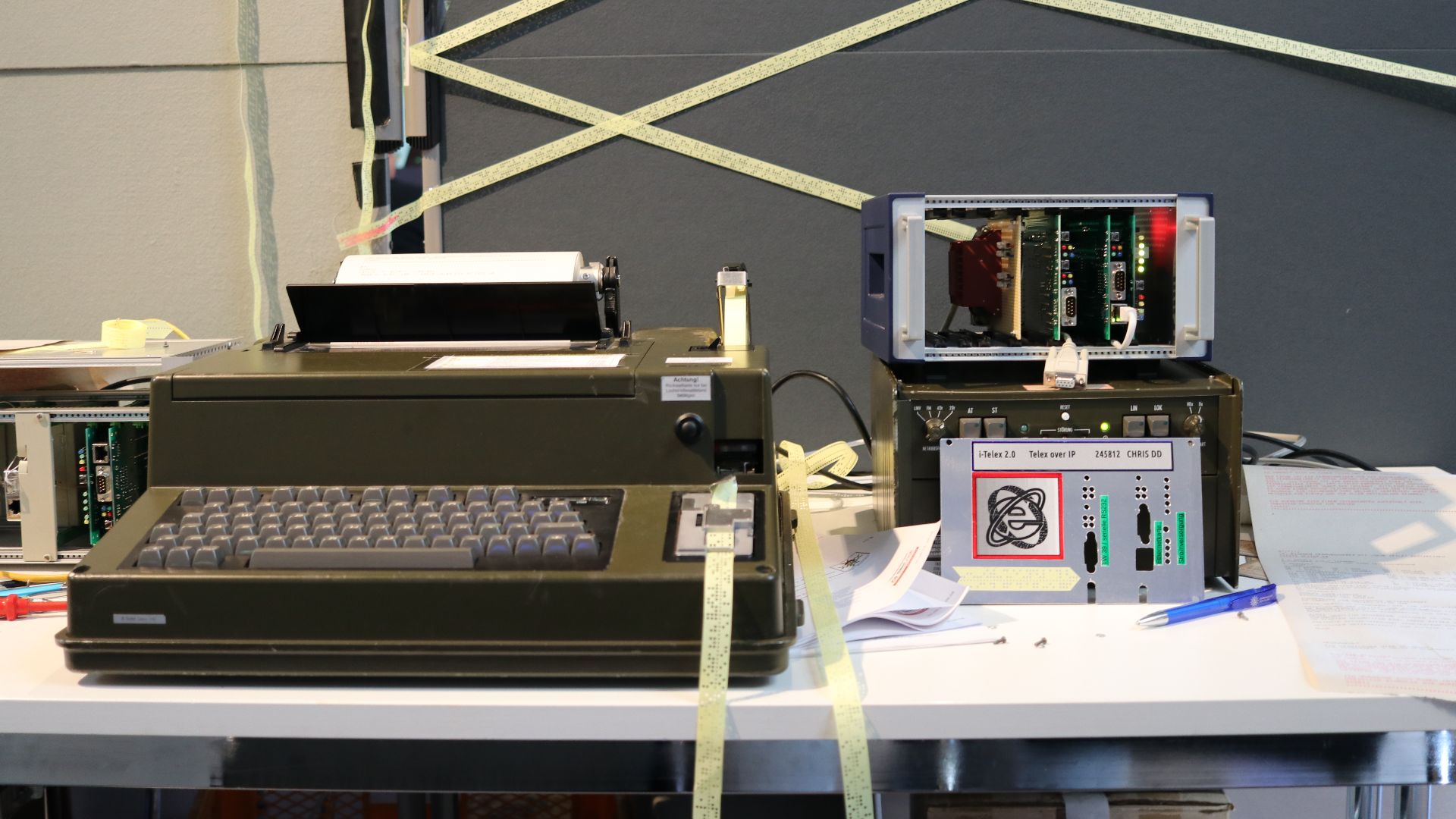
Telex Operator
Before email and instant messaging, businesses used telex machines to send written messages over telecommunications networks. Telex operators handled communication that felt fast and modern at the time. Now it sounds painfully slow. Back then, though, this was serious office technology. The future arrived one clattering message at a time.
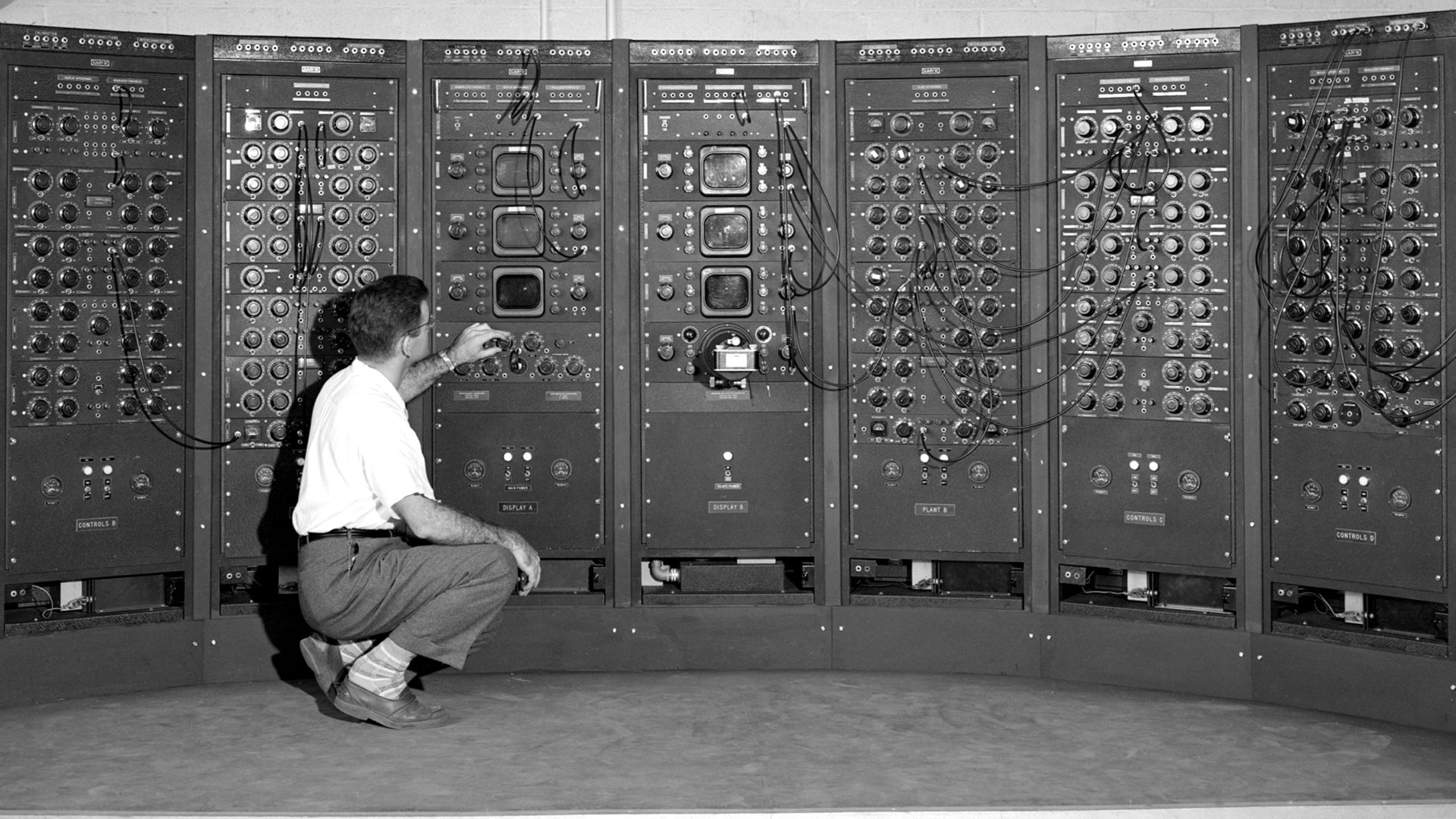
Computer Tape Librarian
Early computer systems stored data on big reels of magnetic tape, and someone had to organize them, load them, track them, and keep them from becoming a giant expensive mess. Computer tape librarian sounded extremely high-tech. Today, it sounds like a job created by a library and a spaceship having a meeting.
 NASA Headquarters - GReatest Images of NASA (NASA-HQ-GRIN), Wikimedia Commons
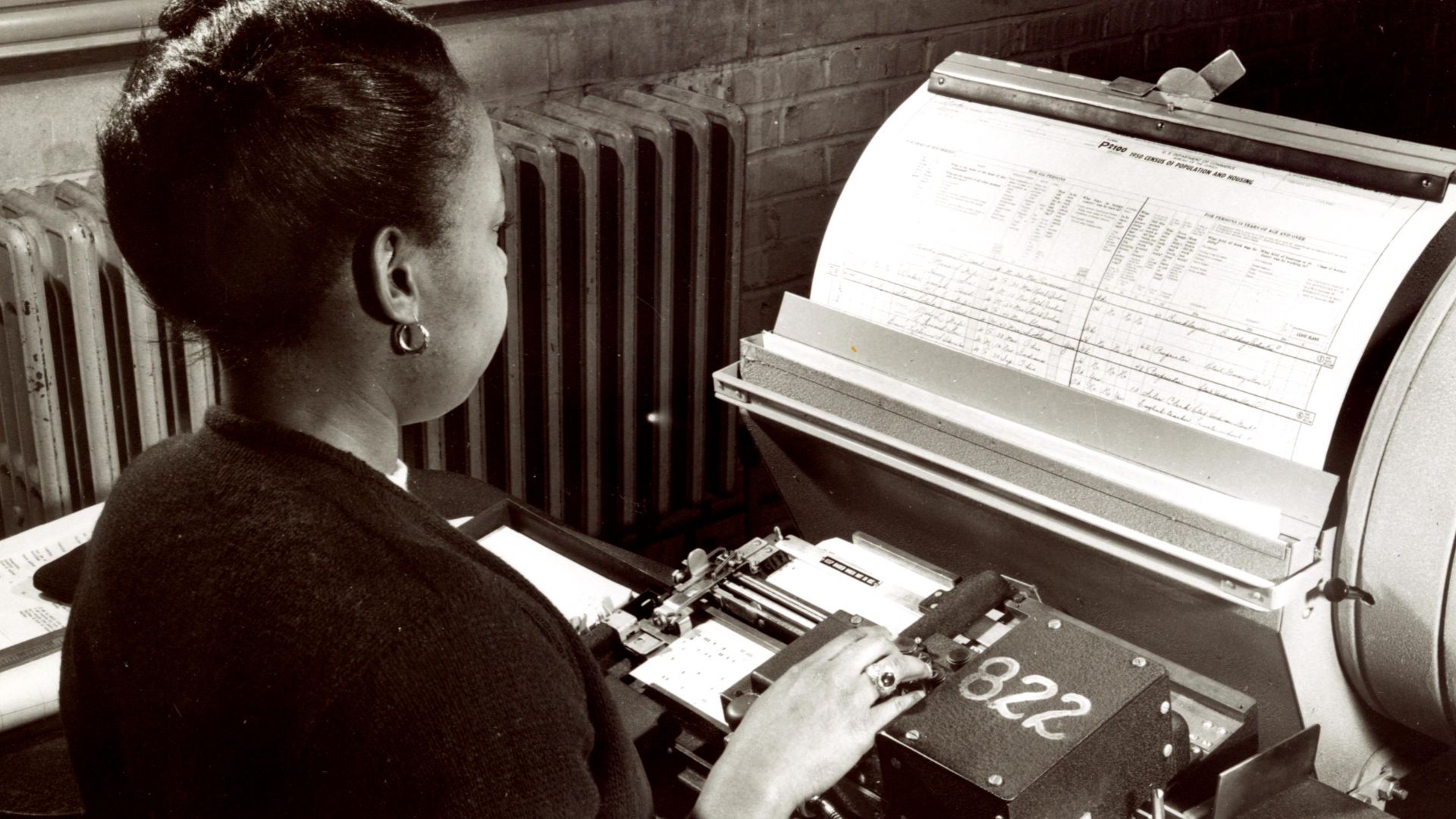
Data Entry Clerk
Data entry still exists in some form, but in the 70s and 80s it was a major office pipeline. Companies needed armies of people entering information into systems, forms, ledgers, databases, and terminals. It was steady work. The job still exists today, but automation, scanning technology, and better software have dramatically reduced the number of people needed to do it.
 U.S. Census Bureau employees, Wikimedia Commons
Bank Proof Machine Operator
Banks once needed workers to process checks using proof machines, encoding and balancing huge batches of paper transactions. It was detailed, important, and easy to mess up if you were careless. Today, most people deposit checks by taking a blurry phone photo and hoping the app feels generous.
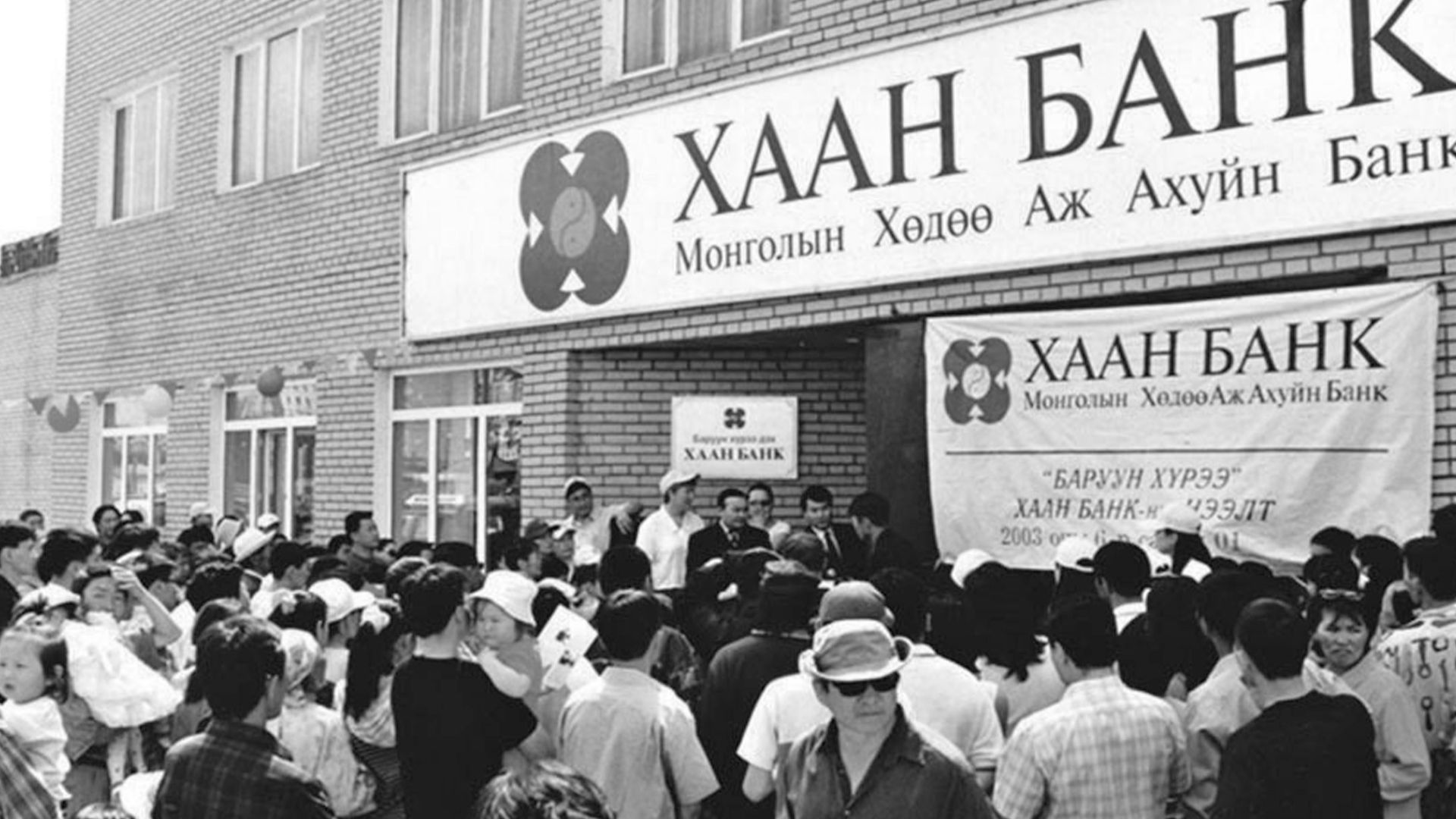
Toll Booth Collector
For decades, toll collectors were part of the road trip experience. You slowed down, paid cash, maybe got change, and kept moving. It was simple, steady public-facing work. Electronic toll transponders and license-plate billing have emptied thousands of toll booths, turning a once-common public-facing job into a much rarer sight.
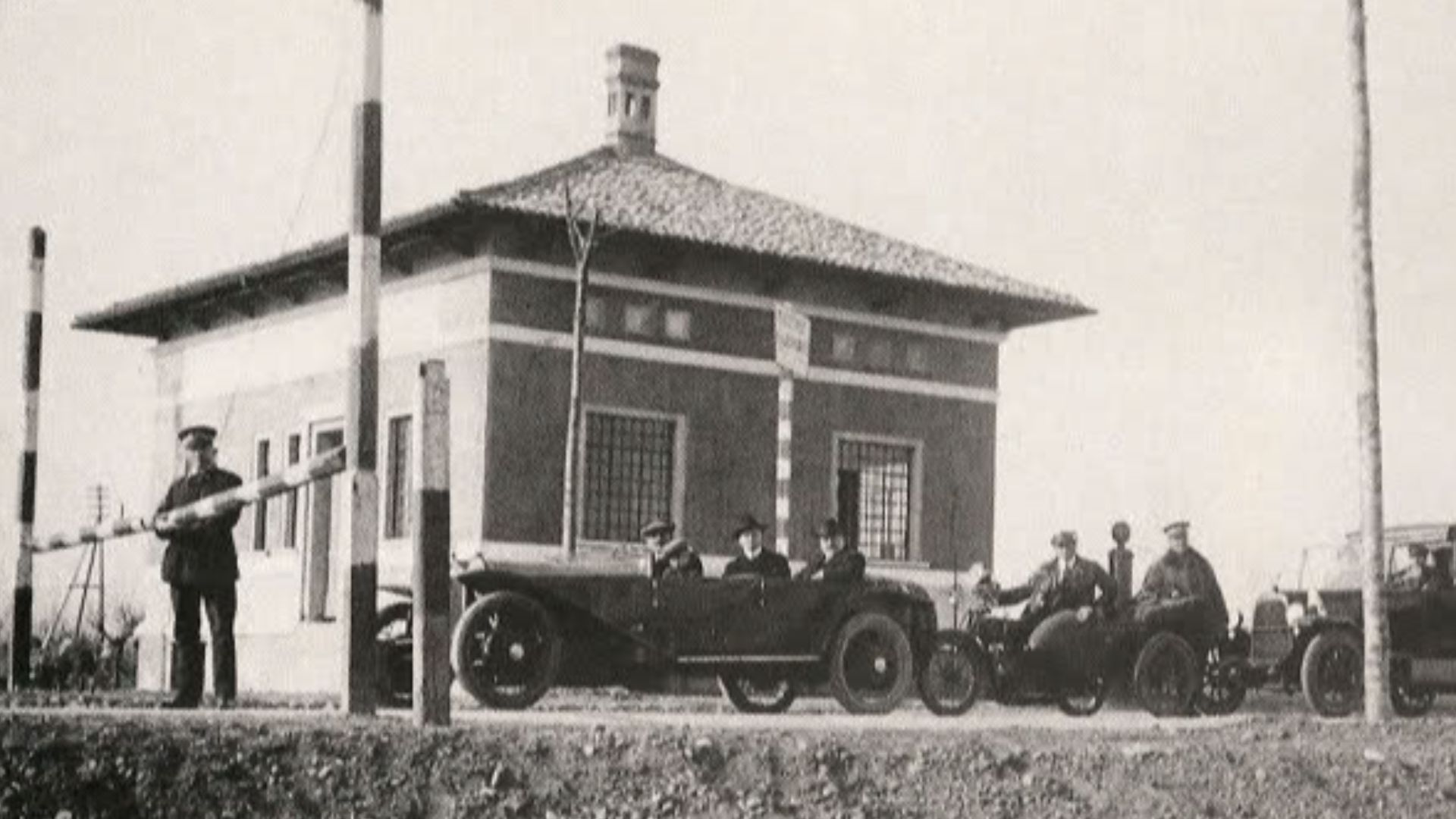 AnonymousUnknown author, Wikimedia Commons
Gas Station Attendant
In many places, pumping gas used to be someone else’s job. Attendants filled the tank, checked oil, cleaned windshields, and made the stop feel like actual service. It was a common job, especially before self-serve took over. Self-service gradually became the norm across most of North America, although a few places—notably New Jersey—still require attendants to pump gas.
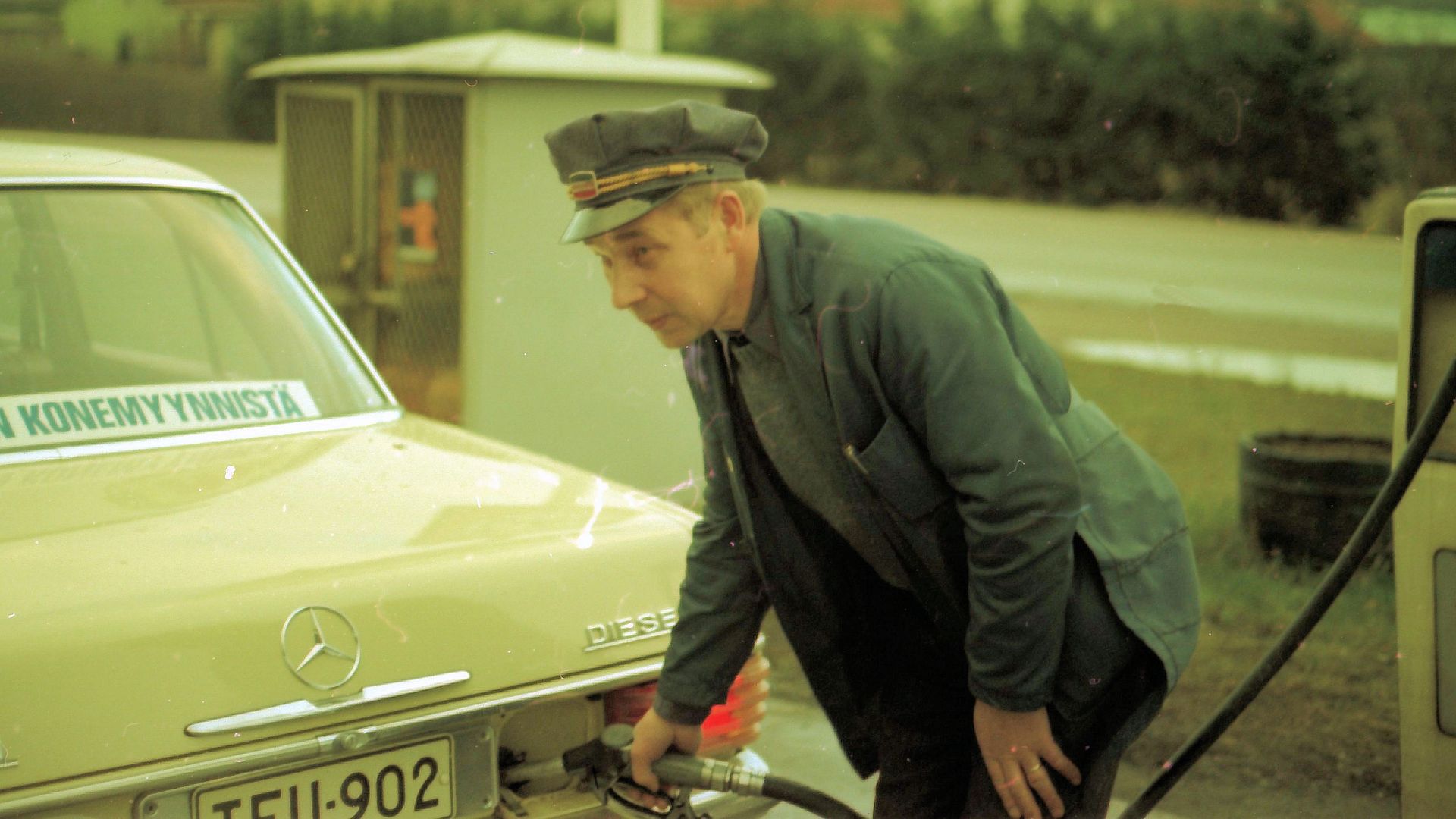
Elevator Operator
Once upon a time, elevators needed an operator. They opened doors, controlled the lift, announced floors, and made department stores, hotels, and office buildings feel fancy. Automatic elevators made the job mostly vanish. Now the closest thing is someone silently judging you for pressing the close-door button five times.
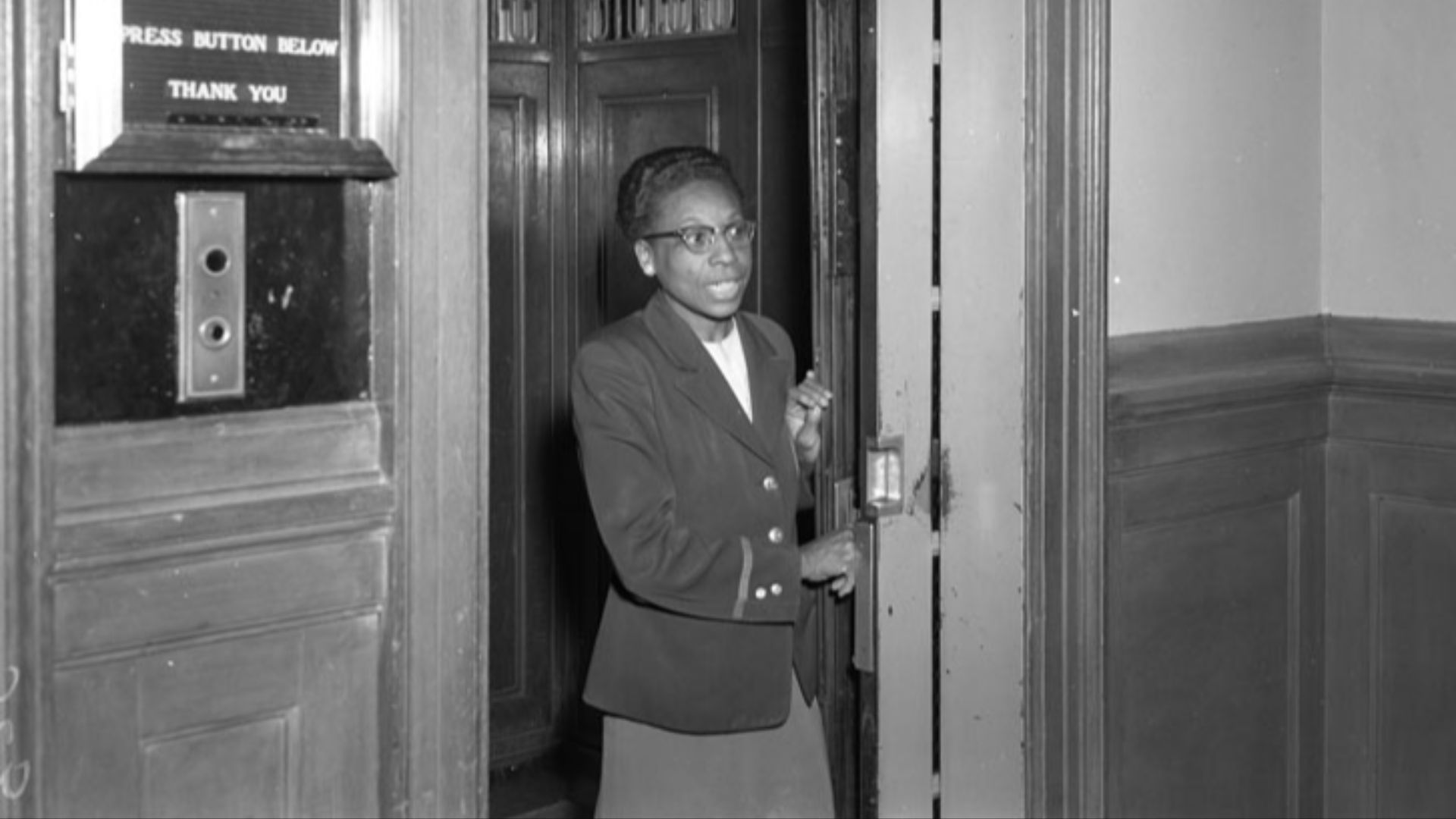 The Library of Virginia from USA, Wikimedia Commons
Milkman
Having milk delivered to your door was normal for millions of families. The milkman brought bottles, collected empties, and became part of the neighborhood routine. Supermarkets and changing shopping habits pushed the job aside. Today, doorstep delivery is back—but somehow with more apps, more fees, and fewer glass bottles.
 Geoff Charles, Wikimedia Commons
Door-To-Door Encyclopedia Salesman
This was once a real path for ambitious salespeople. Families bought huge encyclopedia sets because they wanted kids to have knowledge at home. The salesman brought the future in 26 heavy volumes. Then CD-ROMs arrived. Then the internet arrived. Now the whole business sounds impossible and weirdly exhausting.
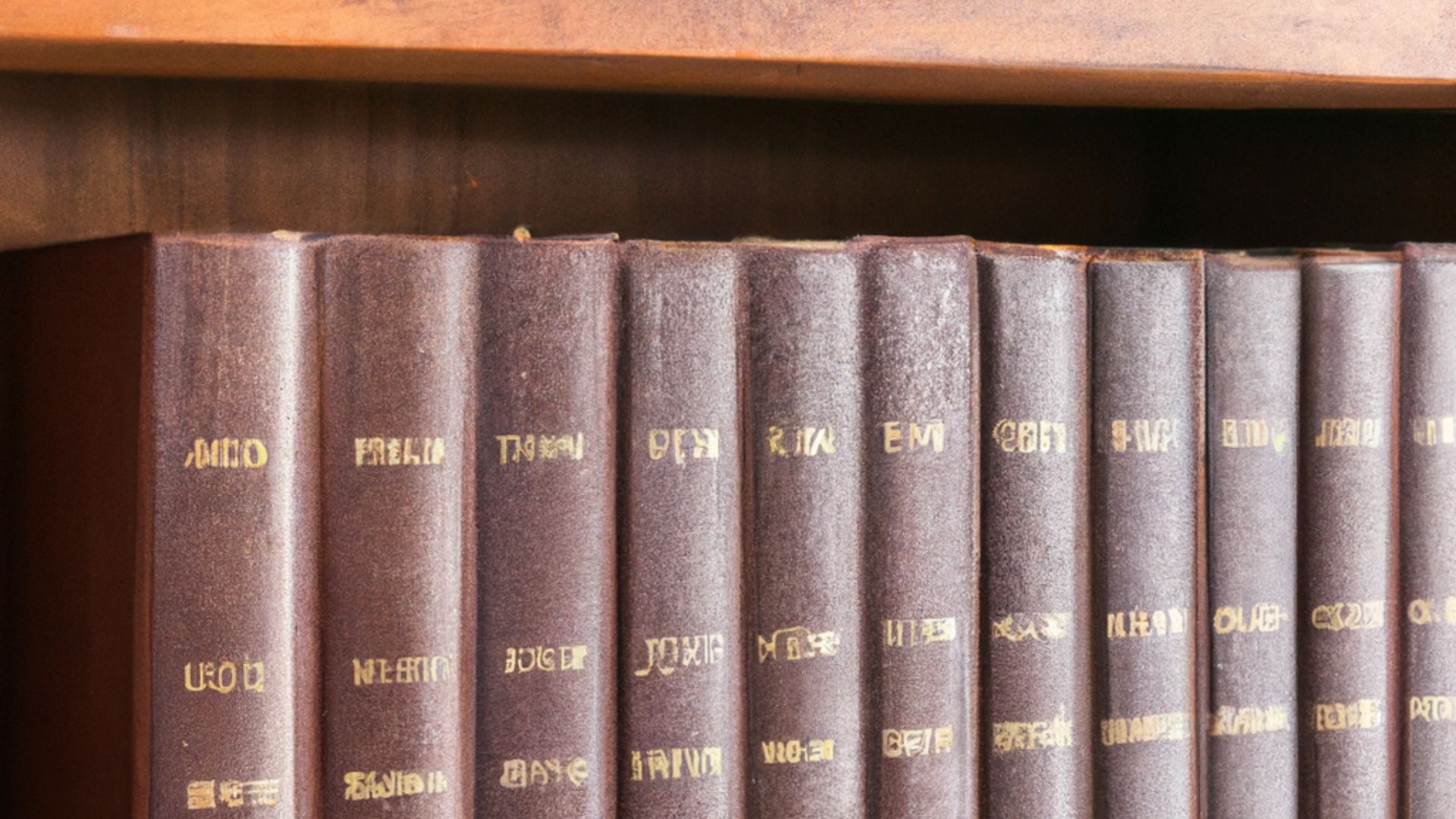 DALL-E, with text prompt from Aaron Lucas, Wikimedia Commons
Fuller Brush Salesman
The Fuller Brush man was once so recognizable that the job became part of American pop culture. Door-to-door salespeople sold brushes, cleaning products, and household goods directly to families. It took charm, confidence, and comfortable shoes. Today, knocking on doors to sell brushes sounds less like a career and more like a prank.
Drafting Board Draftsman
Before CAD software took over, drafting was done by hand on large boards with pencils, rulers, triangles, and serious precision. Draftsmen helped create plans for buildings, machines, and products. It was skilled, respectable work. Now the board is mostly gone, replaced by screens, software, and endless zooming.
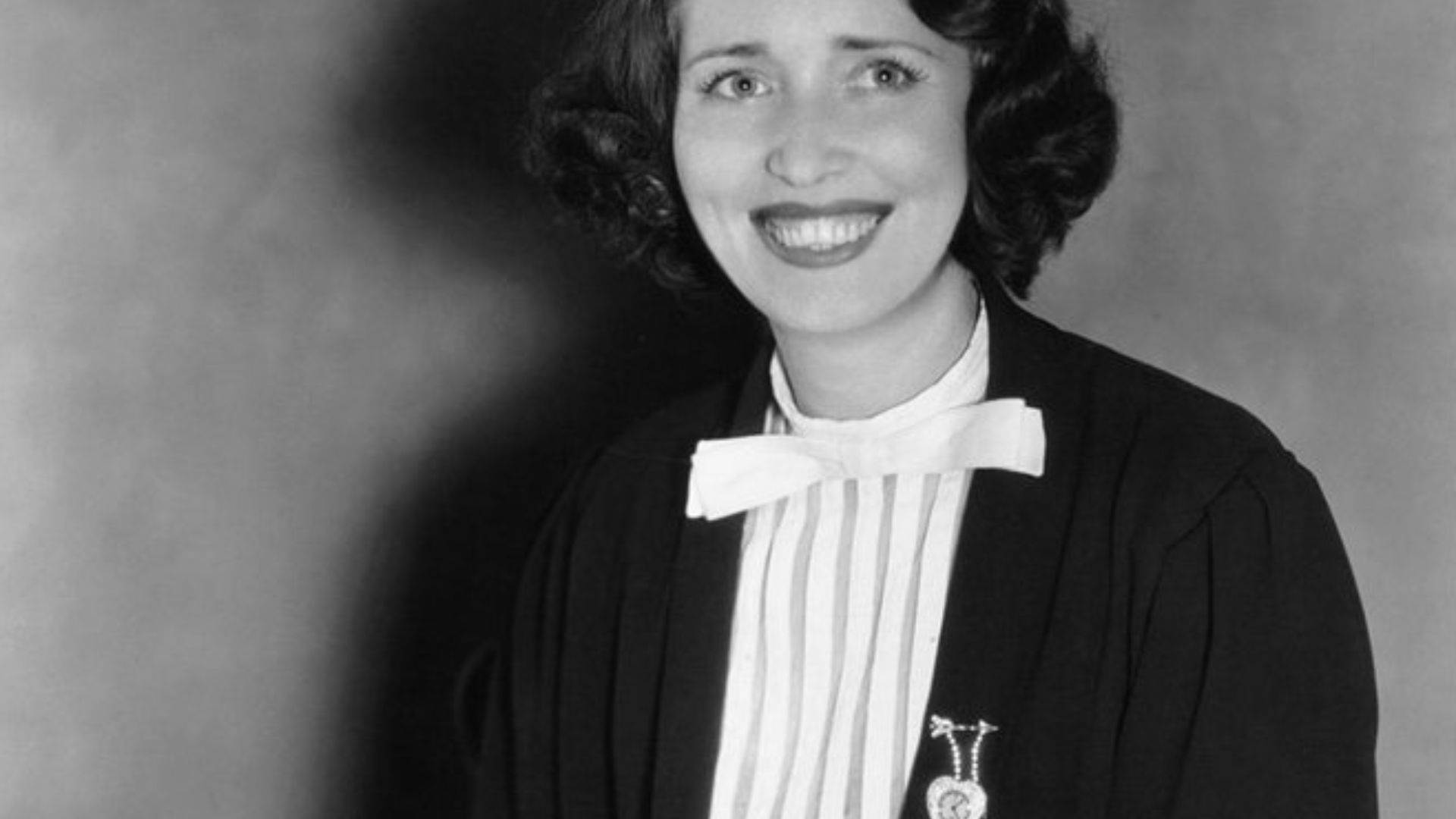 Unknown authorUnknown author, Wikimedia Commons
Commercial Artist
Before digital design swallowed everything, commercial artists created advertising art, layouts, signs, packaging, and illustrations by hand. It was a creative career with real business value. Today, parts of the job survive under new names, but the old-school version—with markers, paste-up, and physical boards—feels like another planet.
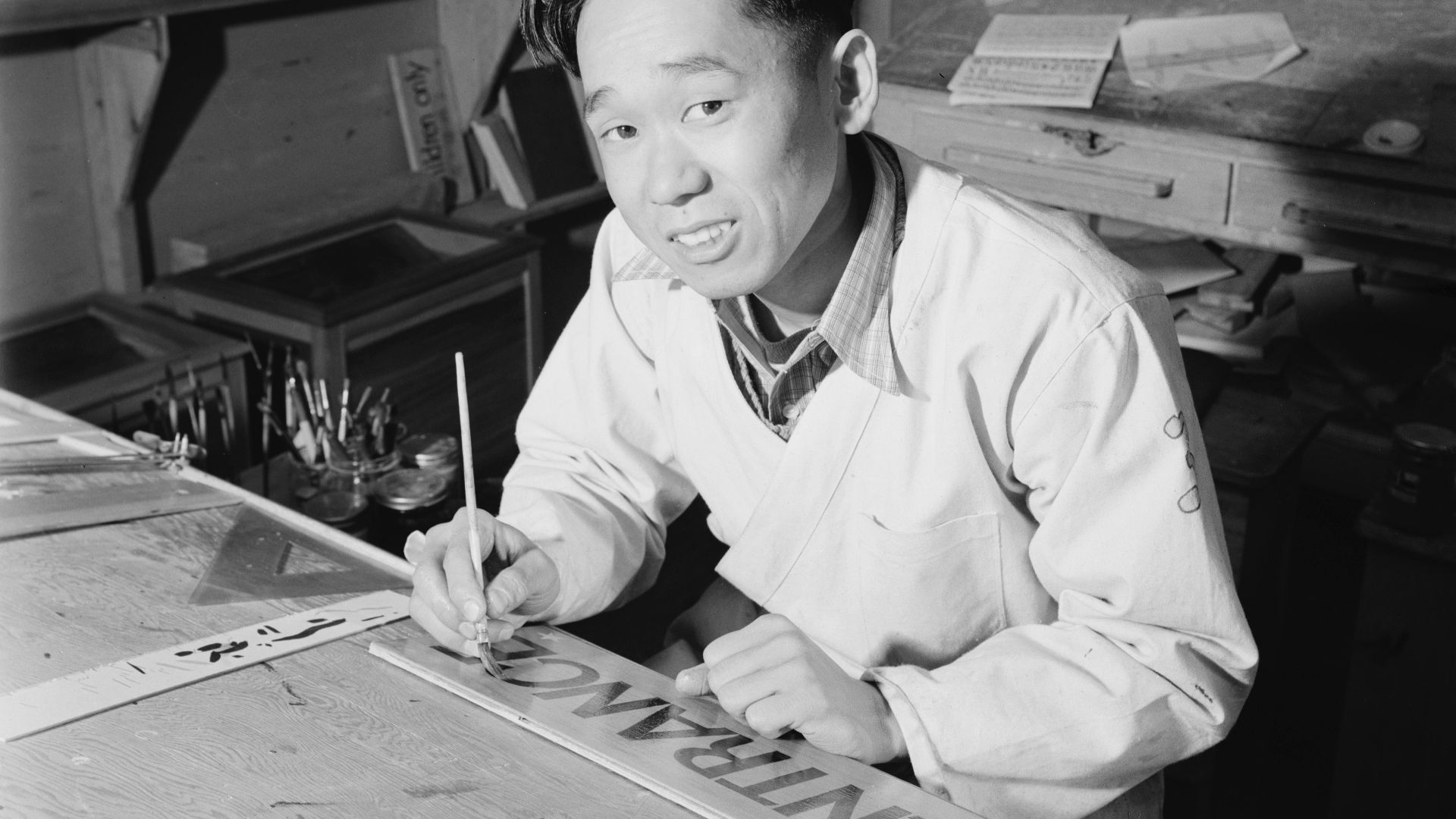 Ansel Adams, Wikimedia Commons
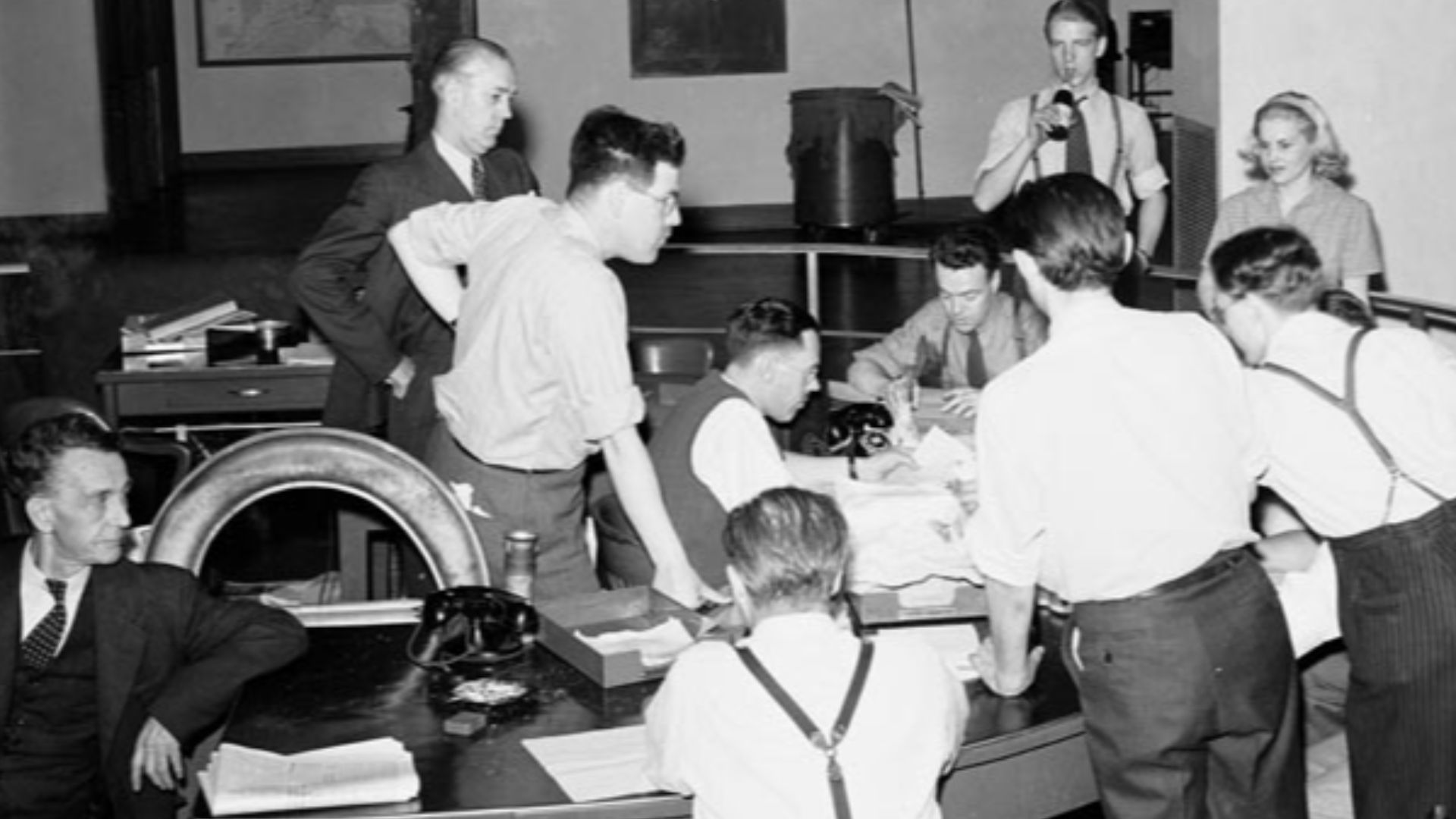
Paste-Up Artist
Magazines and newspapers once needed people to physically assemble pages before printing. Paste-up artists cut, placed, waxed, aligned, and built layouts by hand. One mistake could throw off the whole page. Desktop publishing changed everything. Now “paste up” sounds like something a kindergarten teacher says before snack time.
 John H. Boyd, Wikimedia Commons
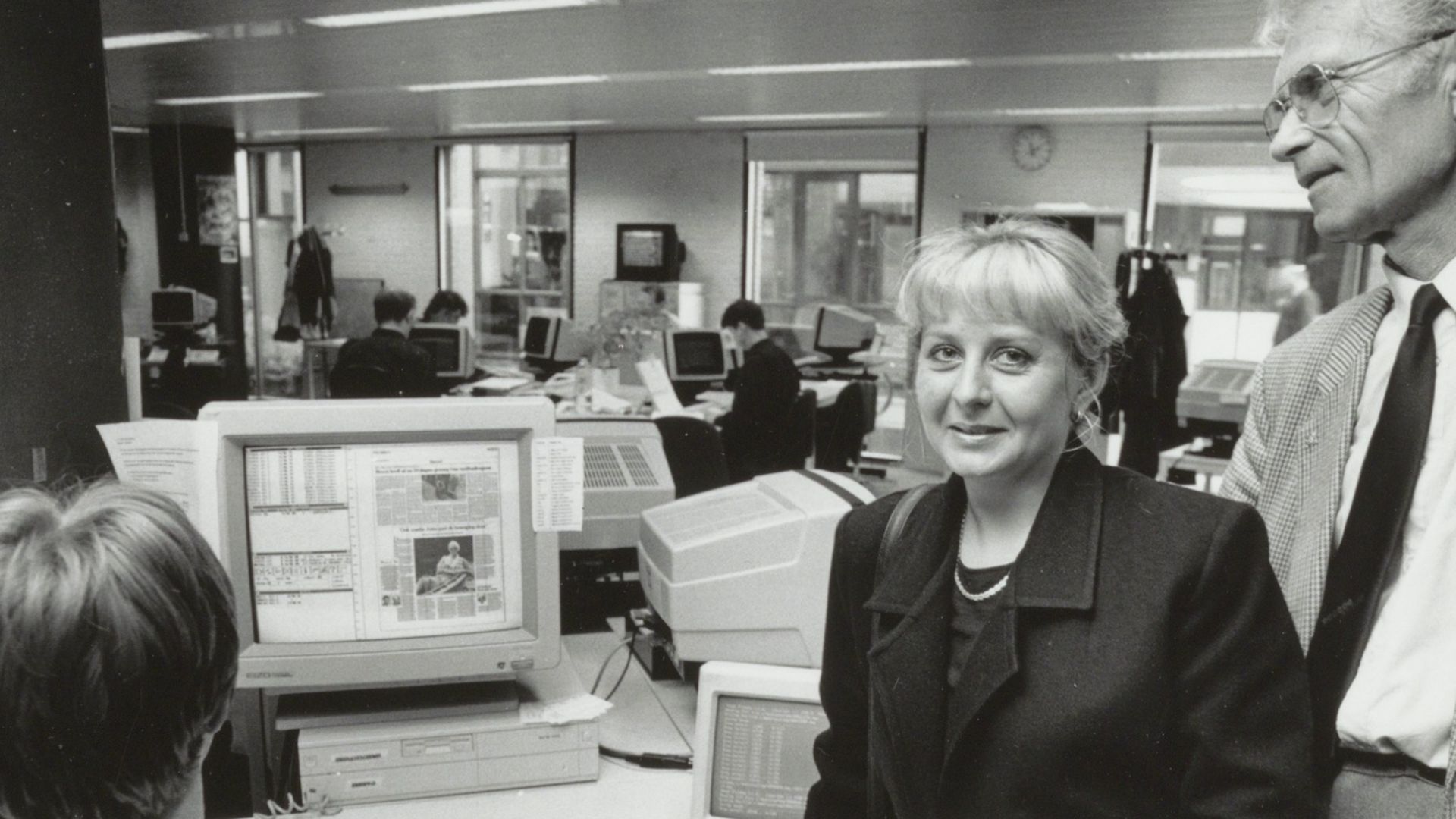
Newspaper Copy Boy
This was once an entry-level path into journalism. Copy boys ran pages, delivered notes, fetched materials, and absorbed the chaos of a newsroom from the inside. Plenty of ambitious young people saw it as a foot in the door. Today, the door is smaller, the newsroom is thinner, and the job is basically gone.
 Rob Hendriks, Wikimedia Commons
You Might Also Like: