When A Job Really Was A Job For Life
Back in the early 1960s, getting a good job was a pretty big deal. You found a respectable company, worked hard, collected your paycheck, and hopefully stayed until retirement. These days? Some of those once-reliable careers are shrinking so quickly that Millennials might wonder whether they'll still be around in another decade.
Telephone Switchboard Operators
Remember when you called a company and an actual person answered the phone? Switchboard operators were everywhere, from hospitals to hotels. It was steady work, too. Unfortunately, automated phone systems have taken over much of the job. By 2035, employment is expected to fall by 26%.
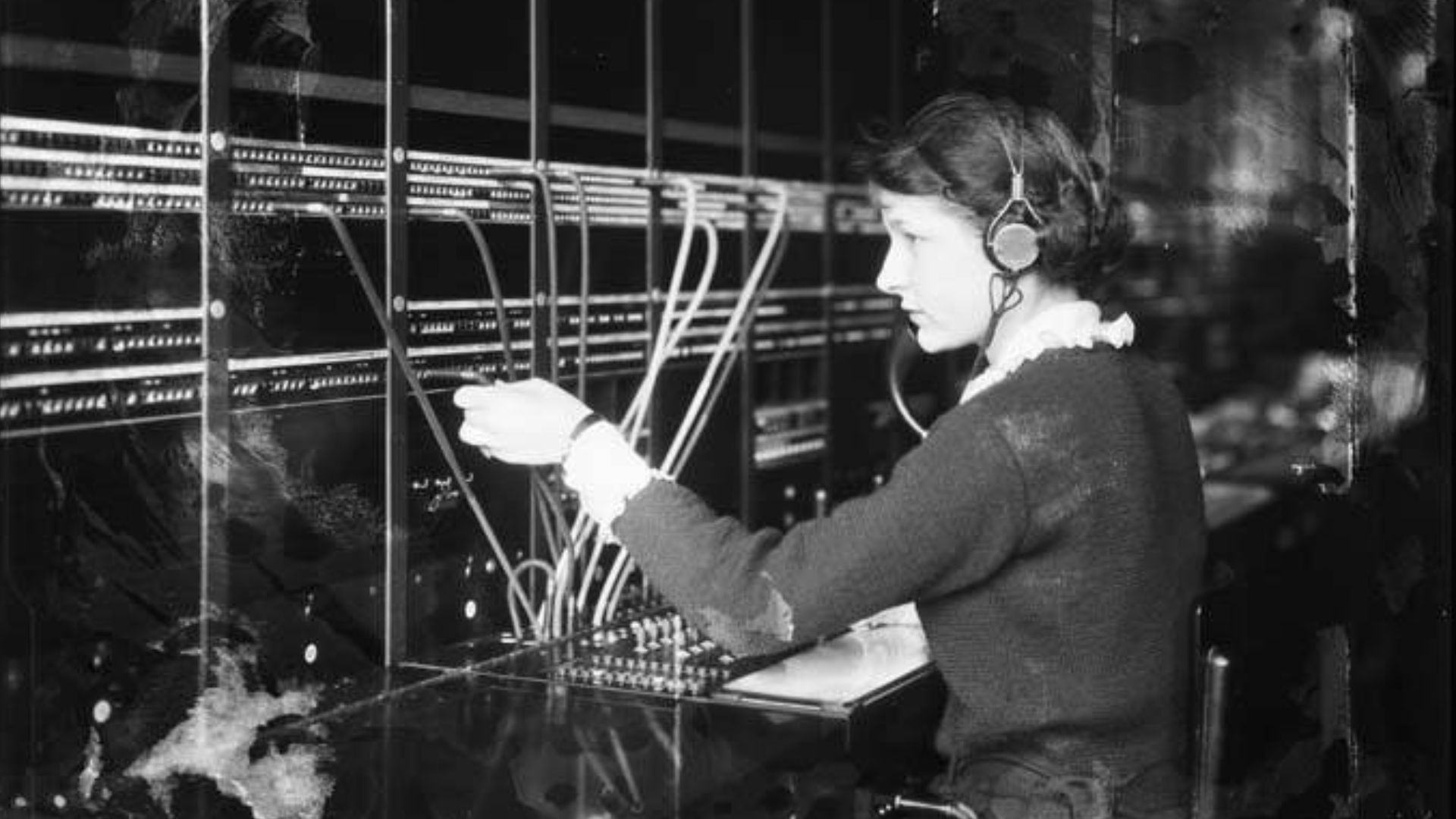 Webster & Stevens, Wikimedia Commons
Bank Tellers
Working at the local bank used to be a pretty respectable way to make a living. You knew your customers, enjoyed regular hours, and had a decent shot at moving up. Now, with ATMs and banking apps doing much of the work, teller positions are expected to decline 13% by 2035.
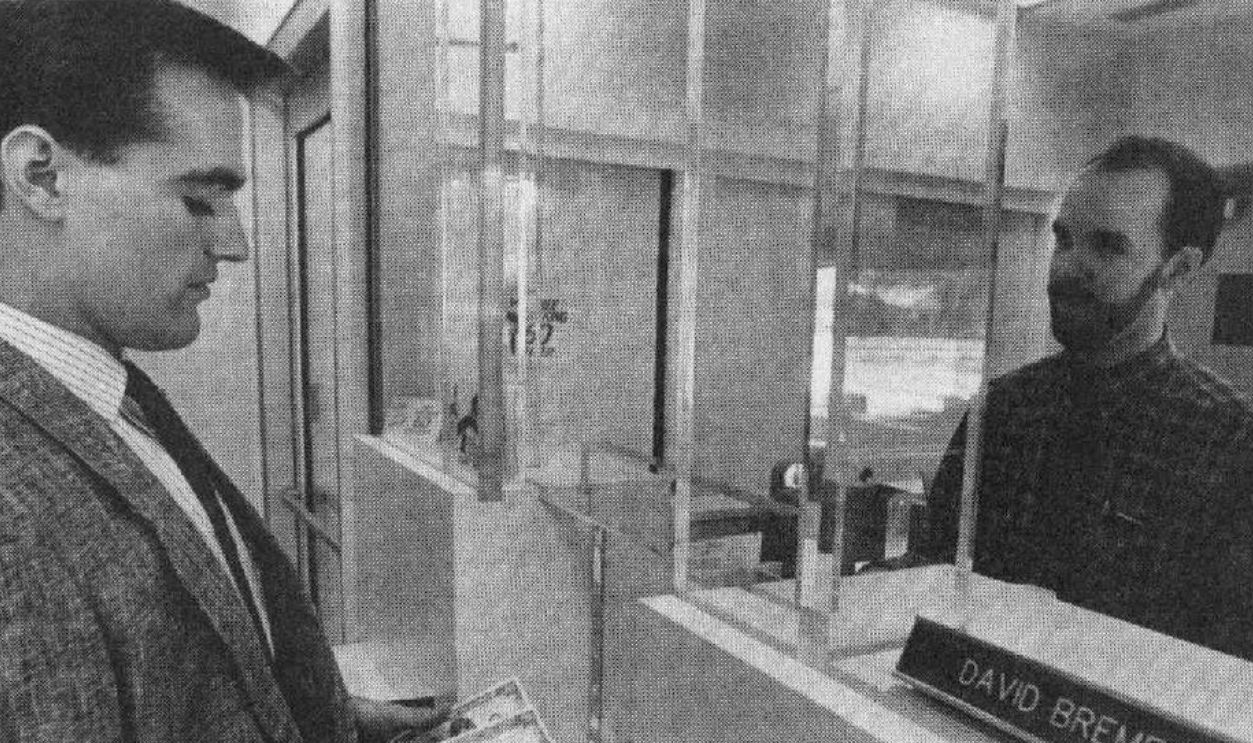 Bureau of Labor Statistics, Wikimedia Commons
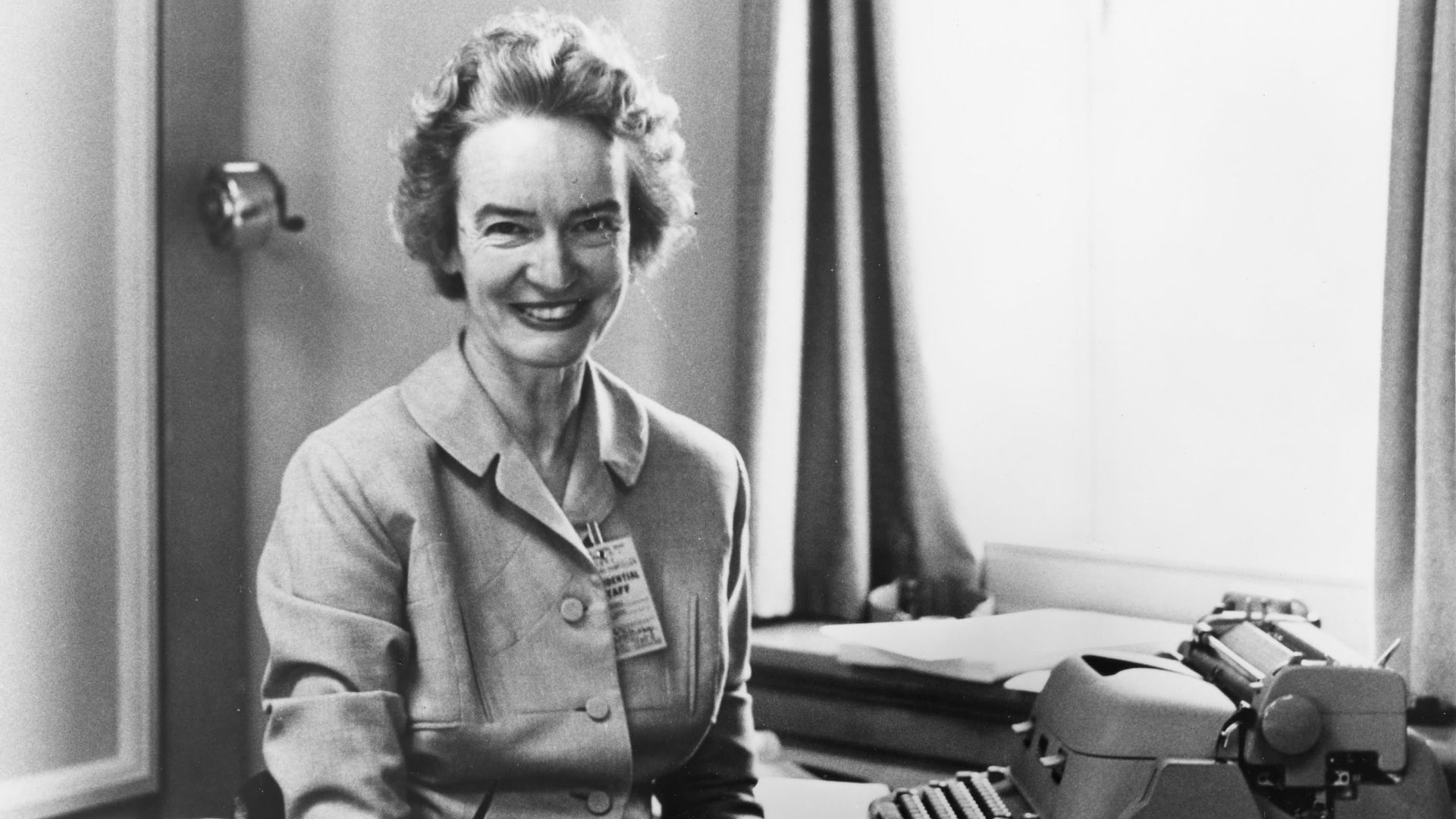
Secretaries
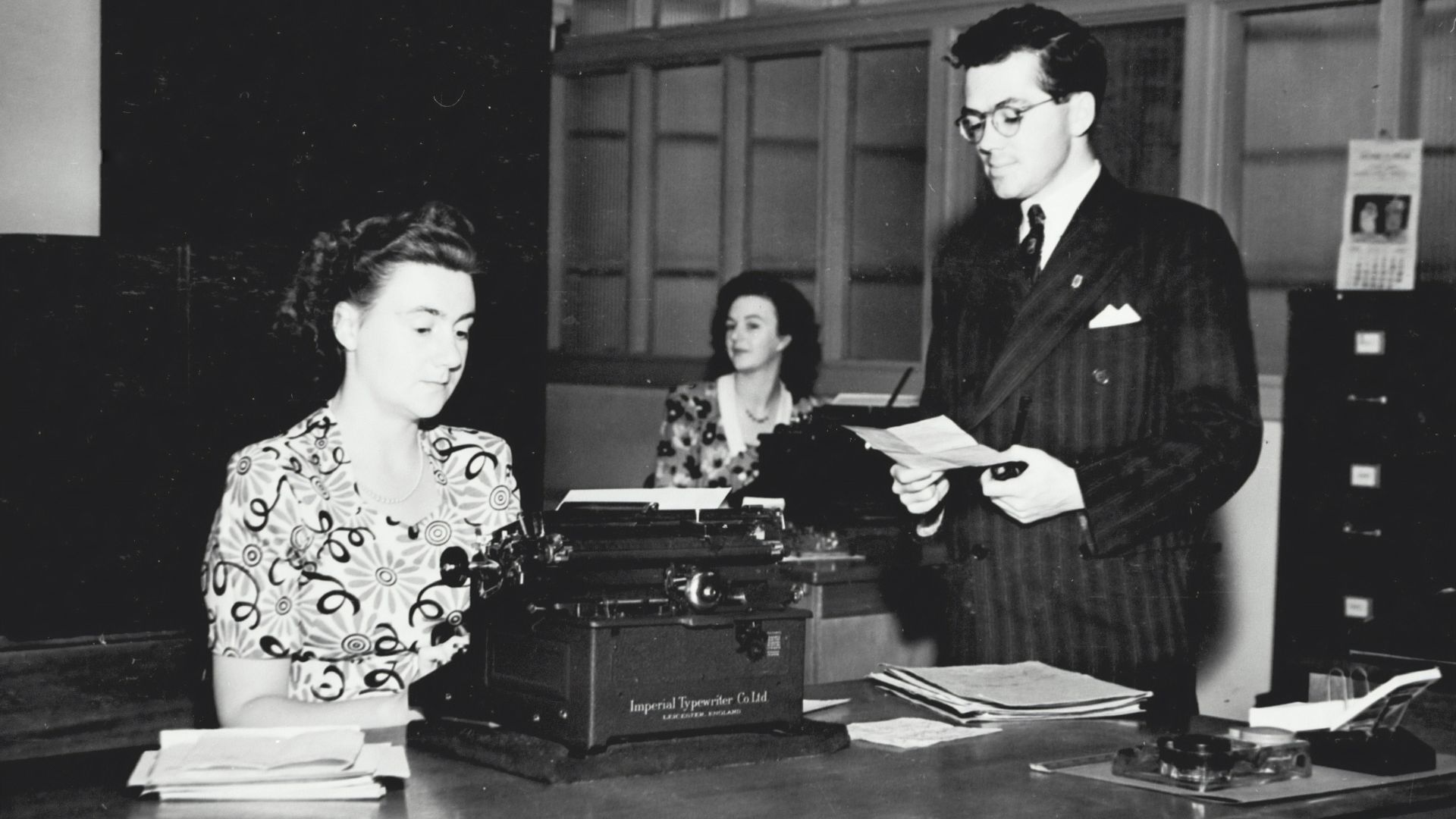
Every successful businessman seemed to have a secretary who knew absolutely everything about the office. They managed appointments, typed letters, and somehow kept everything running smoothly. Nowadays, computers and scheduling apps do much of that work. Traditional secretarial positions aren't disappearing entirely, but they're certainly not what they used to be.
Typists
If you could type 80 words a minute without making mistakes, you were practically guaranteed to impress a hiring manager in the 1960s. Businesses needed typists by the dozen. Today, everybody types their own documents, and employment for word processors and typists is projected to decline 34% by 2035.
Postal Mail Sorters
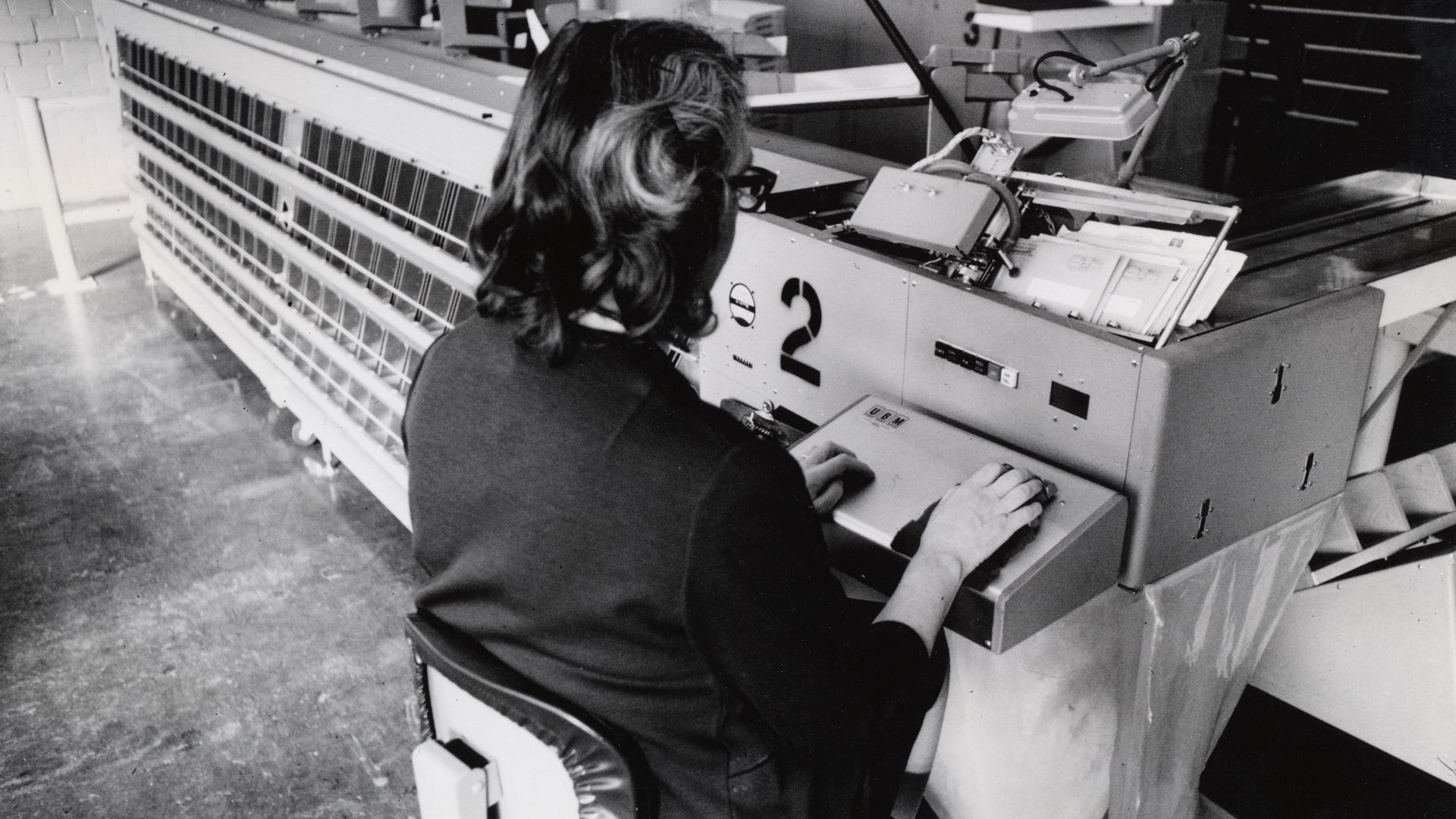
Getting hired by the post office once felt like winning the employment lottery. You had steady hours, benefits, and a career you could build a life around. But machines now sort enormous quantities of mail automatically, and Americans send fewer letters. Those once-dependable sorting positions are becoming harder to find.
 Smithsonian Institution from United States, Wikimedia Commons
Cashiers
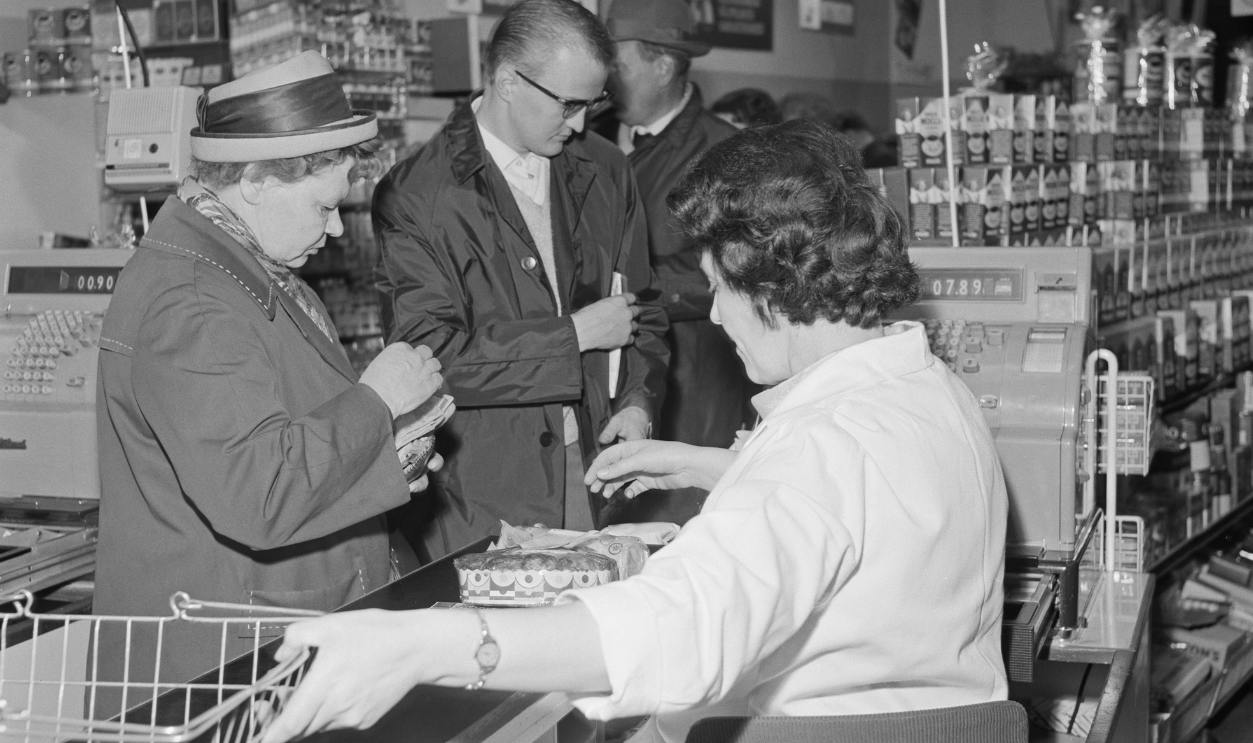
There was a time when the neighborhood grocery store had the same familiar cashier for 20 years. They remembered your name, your family, and sometimes even your usual purchases. Today, self-checkout machines are doing more of the work. By 2035, America is projected to have roughly 200,600 fewer cashier jobs.
 U. A. Saarinen, CC BY 4.0, Wikimedia Commons
Bookkeeping Clerks
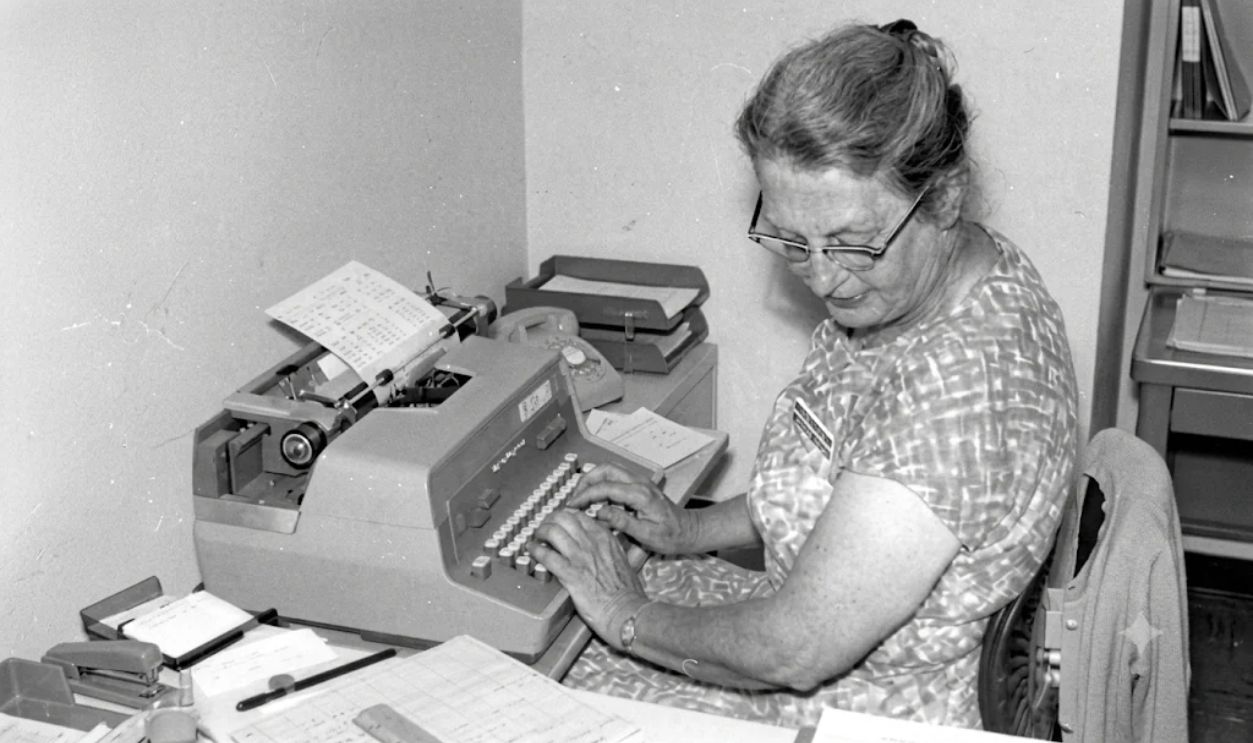
Remember those giant accounting ledgers that seemed to contain every number known to mankind? Bookkeeping clerks spent their days recording transactions and balancing accounts by hand. It was important, dependable work. Now, accounting software handles much of the number-crunching, and businesses simply don't need as many people doing it.
 Mennonite Church USA Archives, Wikimedia Commons
File Clerks
Before computers, offices had filing cabinets everywhere. Somebody had to organize all those folders, and file clerks made careers out of doing just that. Today, a quick computer search can accomplish what once took an afternoon. File clerk employment is projected to decline nearly 16% by 2035.
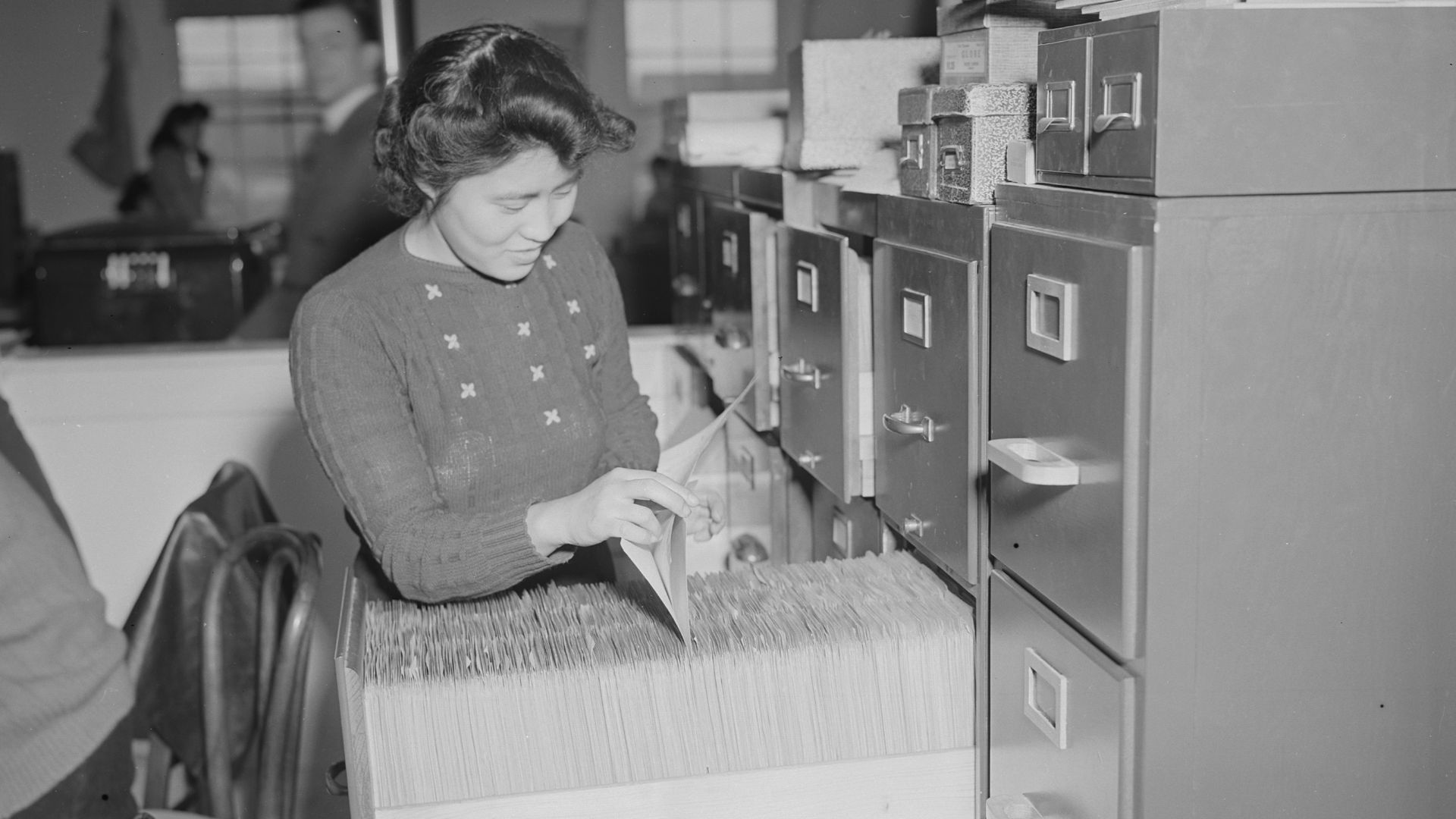 Francis Stewart, Wikimedia Commons
Printing Press Operators
If you worked at a newspaper or commercial printing plant in the 1960s, chances were you expected to stay awhile. Printing presses needed skilled operators, and there was always something to print. These days, digital publishing has changed everything, and fewer traditional press operators are needed.
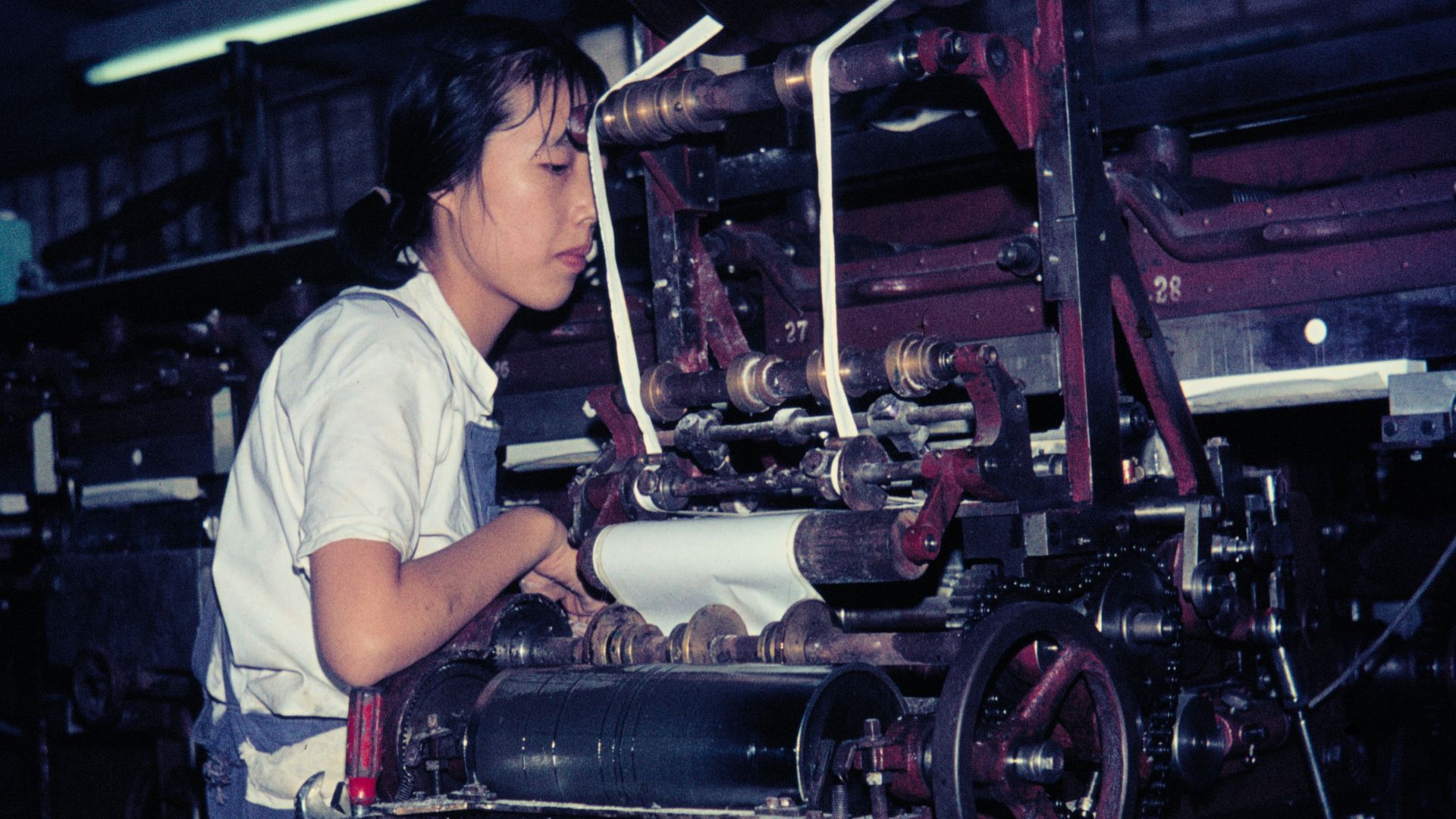 Karl-Heinz Wellmann, Wikimedia Commons
Payroll Clerks
Remember when payday meant somebody in the accounting department had spent hours calculating everyone's wages? Payroll clerks checked timecards, figured out deductions, and made sure the numbers added up. Nowadays, software handles much of that work automatically. Employment for payroll and timekeeping clerks is projected to fall 16% by 2035.
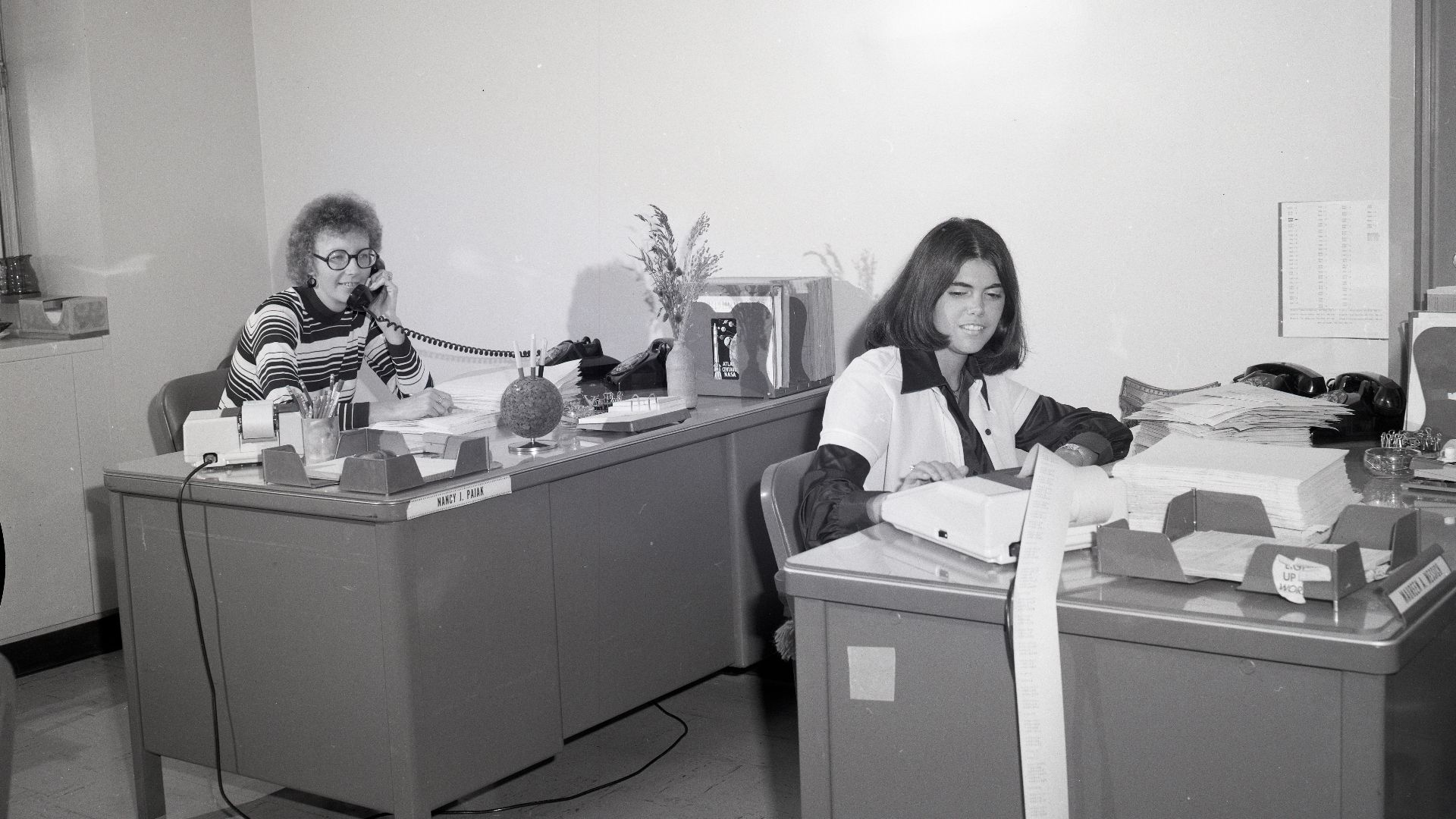 Martin Brown, Wikimedia Commons
Telephone Operators
There was a time when making a long-distance call meant asking an operator for help. These workers were an essential part of everyday communication, and plenty made lifelong careers out of it. Then direct dialing came along, followed by automated networks. Today, telephone operator jobs are increasingly rare.
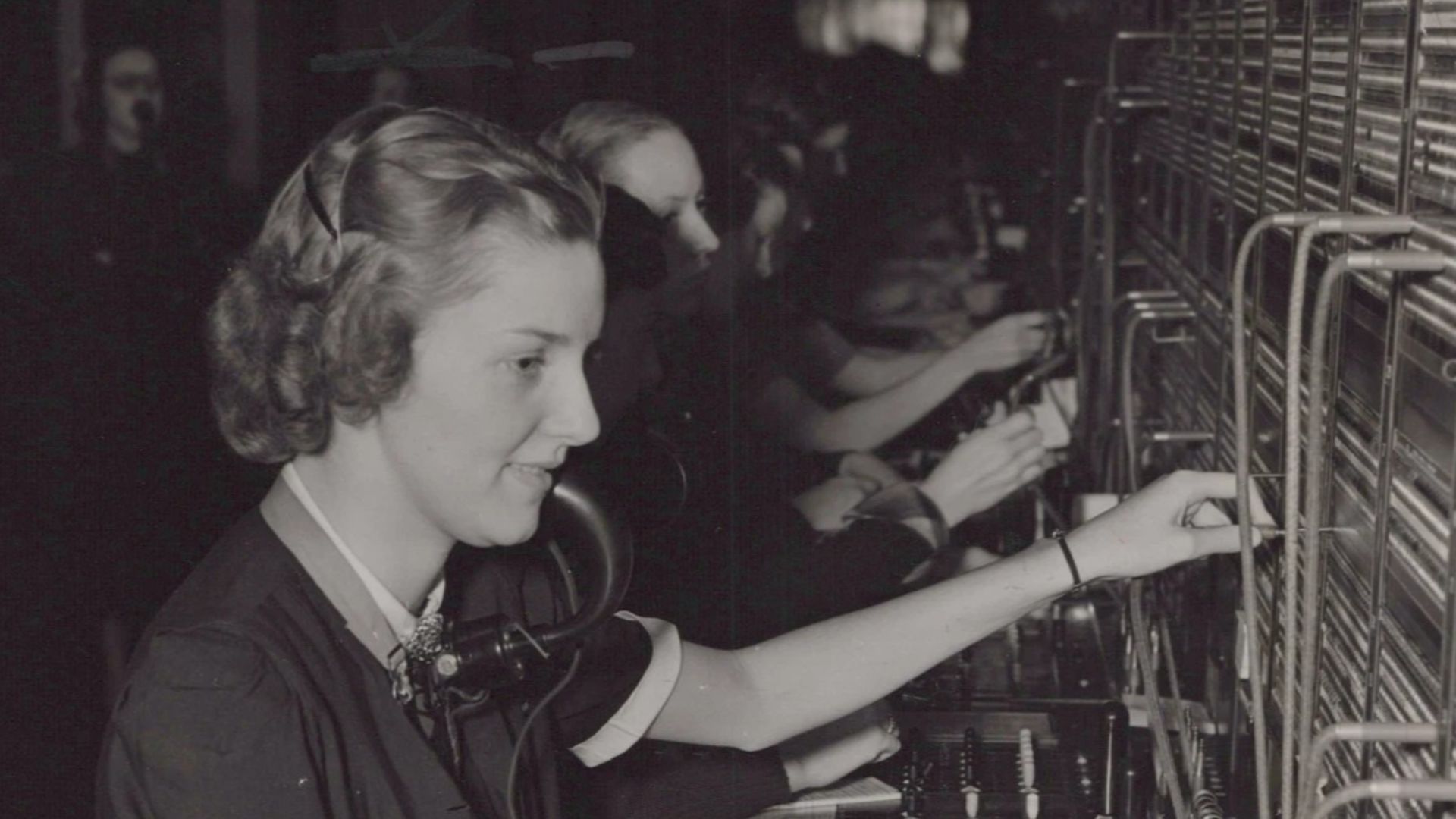 International News Photos, Wikimedia Commons
Shipping And Receiving Clerks
Warehouses once relied on clerks who knew exactly what came in, what went out, and where everything was supposed to be. They checked deliveries, filled out paperwork, and kept the whole operation organized. Now, barcode scanners and computerized inventory systems have taken over many of those responsibilities.
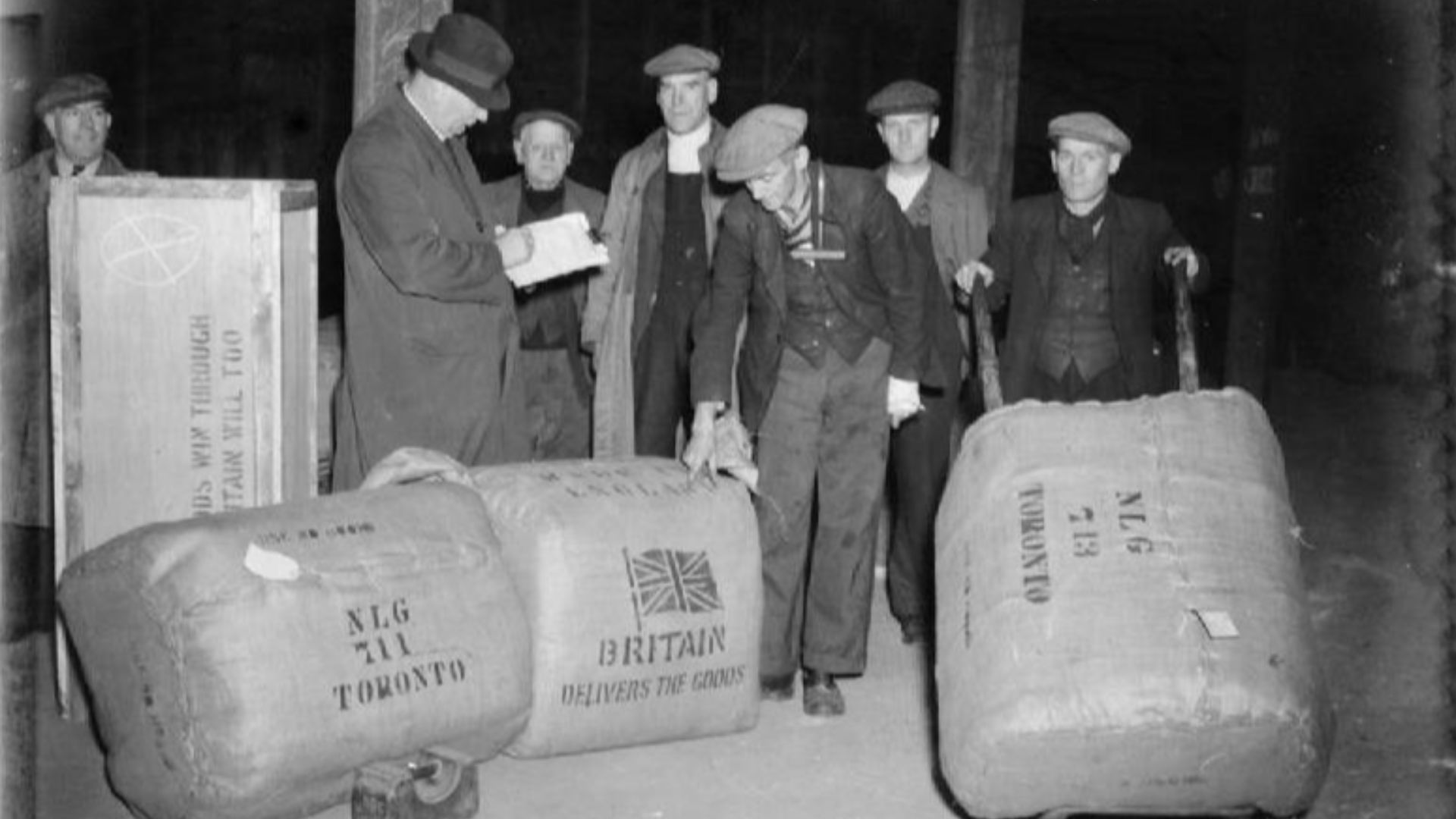 Ministry of Information Photo Division Photographer, Wikimedia Commons
Order Clerks
Before online shopping, ordering merchandise usually involved speaking to someone on the telephone or sending paperwork through the mail. Order clerks made sure everything was processed correctly. It was a perfectly respectable office career. Today, customers enter their own orders online, and employment is projected to decline 17.5% by 2035.
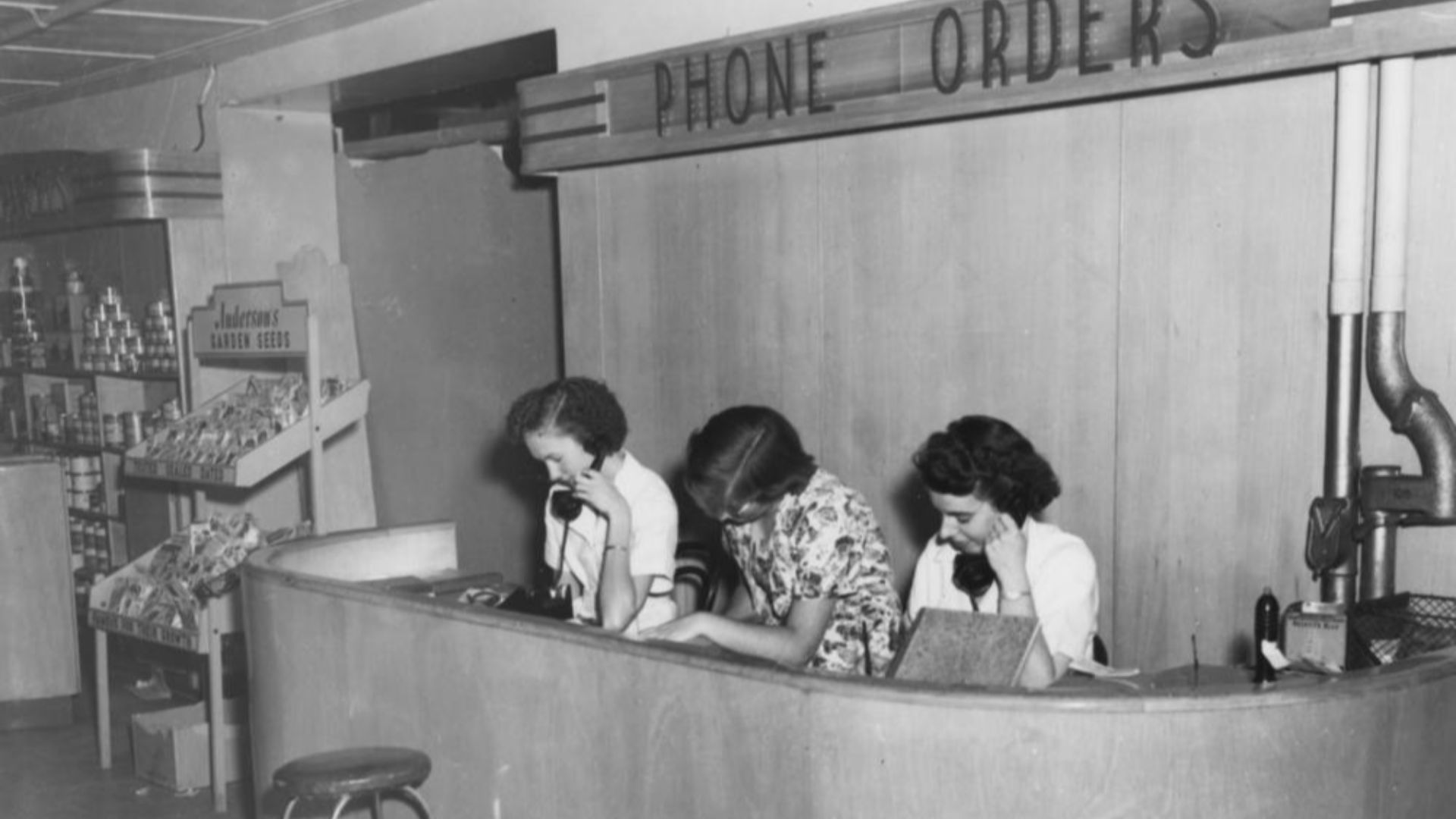 State Library of Queensland, Australia, Wikimedia Commons
Textile Factory Workers
In certain American towns, practically everyone knew somebody who worked at the local textile mill. Those factories provided steady paychecks for entire families, sometimes across generations. But overseas competition and automated machinery changed the business dramatically. Many traditional textile jobs are still disappearing from the American workforce.
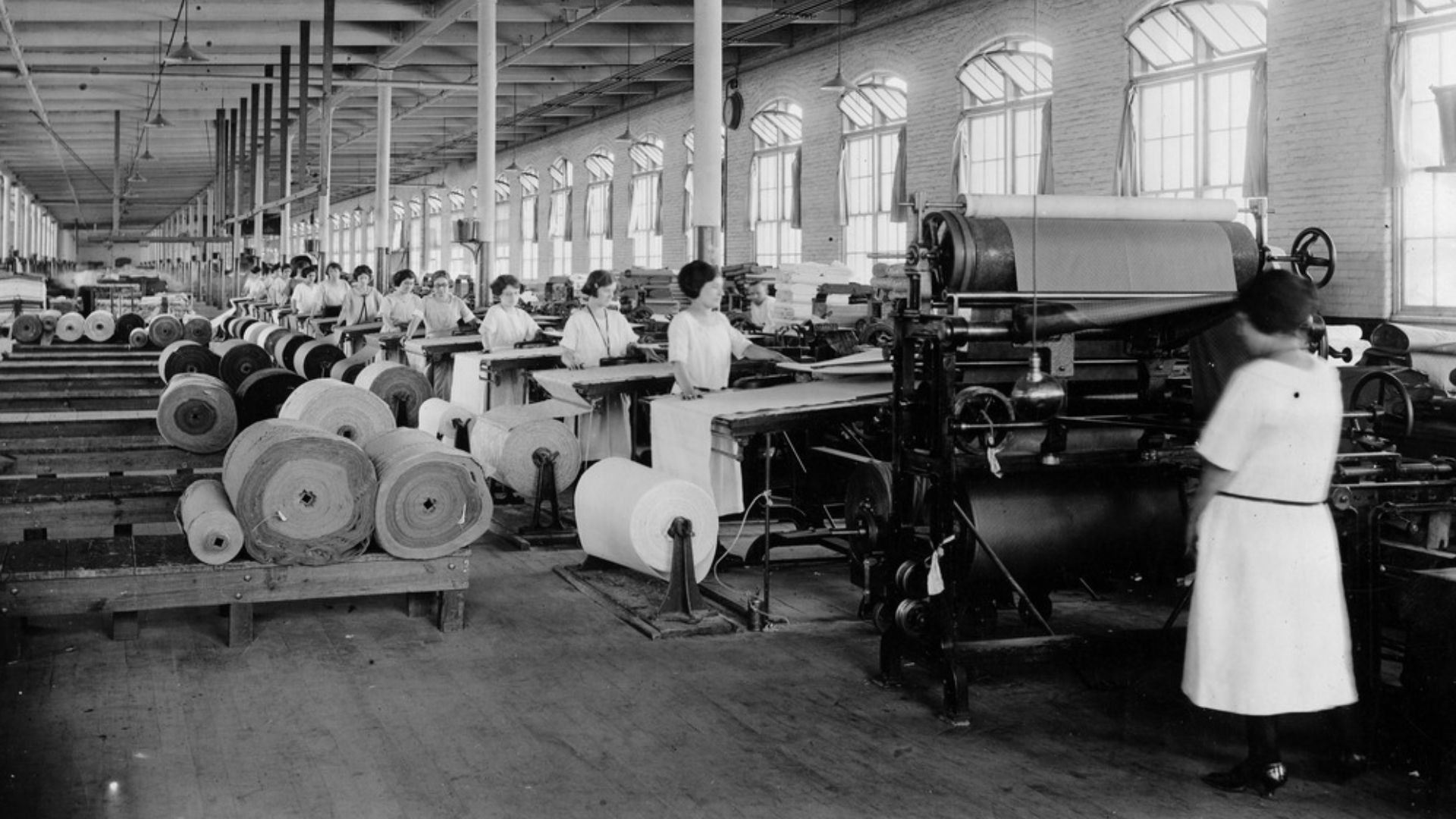 Unknown authorUnknown author, Wikimedia Commons
Sewing Machine Operators
For years, American clothing factories employed thousands of sewing machine operators who spent their days producing garments. It wasn't glamorous work, but it paid the bills. Then clothing production increasingly moved overseas. By 2035, employment for sewing machine operators is expected to decline another 15%.
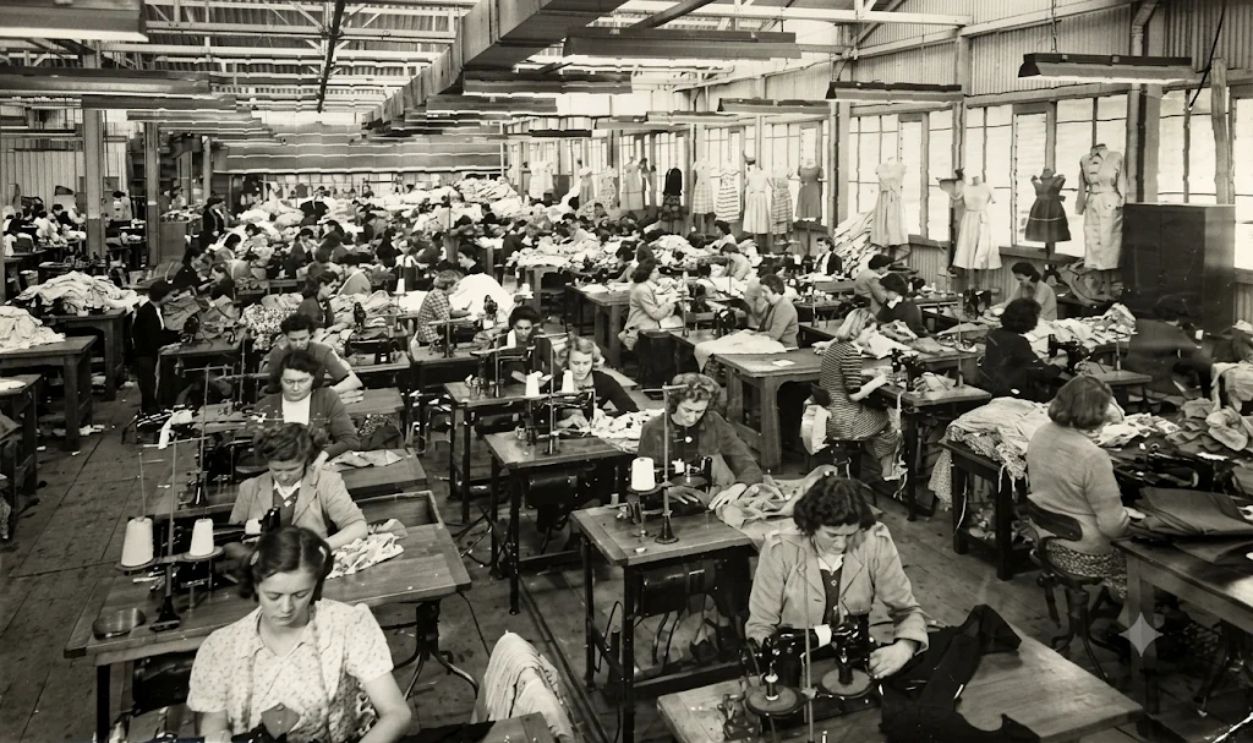 Gawler History, CC BY-SA 2.0, Wikimedia Commons
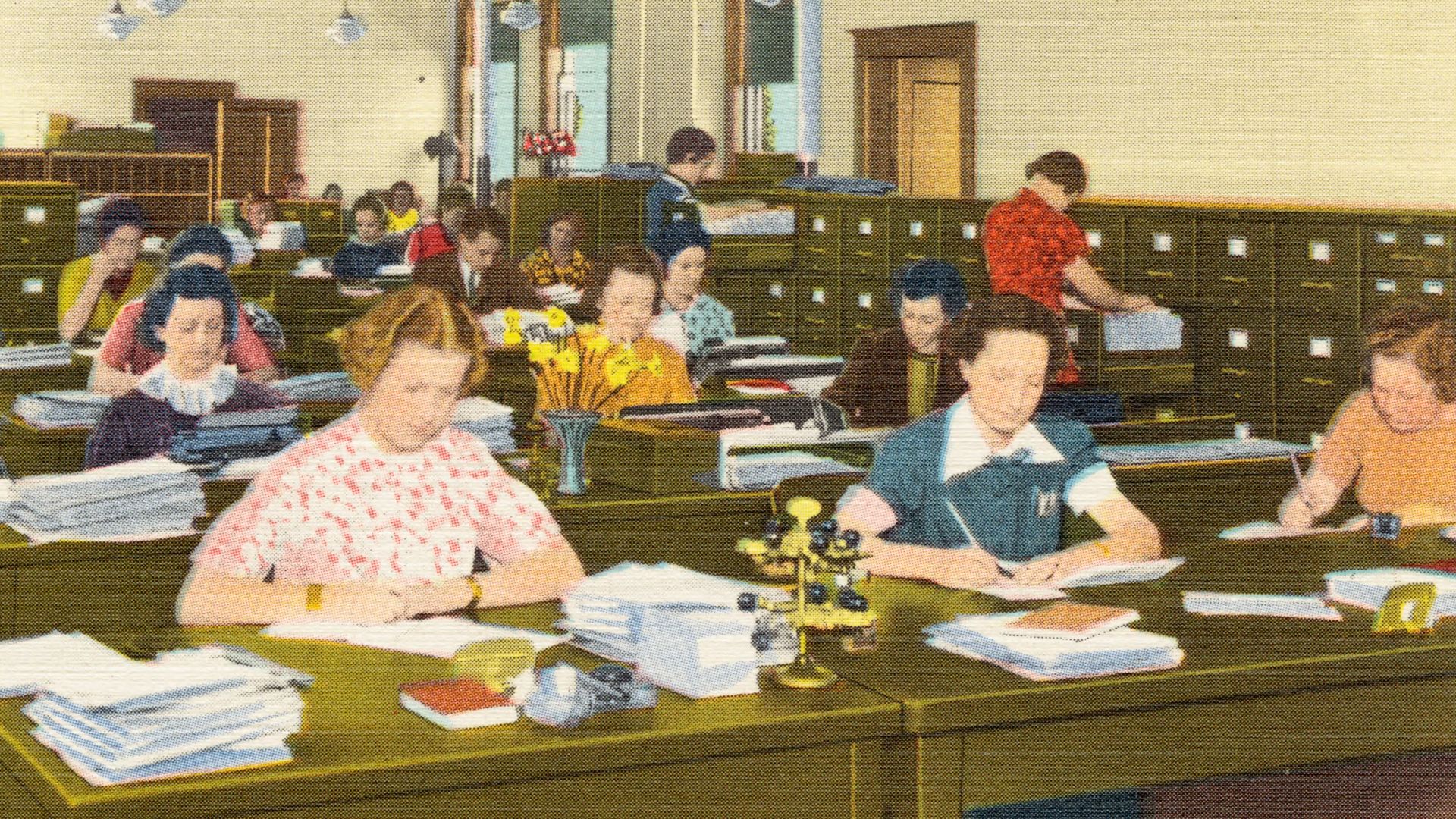
Insurance Claims Clerks
Anyone who worked in an insurance office during the 1960s probably remembers the mountains of paperwork. Claims clerks reviewed forms, updated records, and kept everything moving. Today, much of that information gets processed digitally. The job still exists, but there's less need for people handling routine administrative work.
 Tichnor Brothers, Publisher, Wikimedia Commons
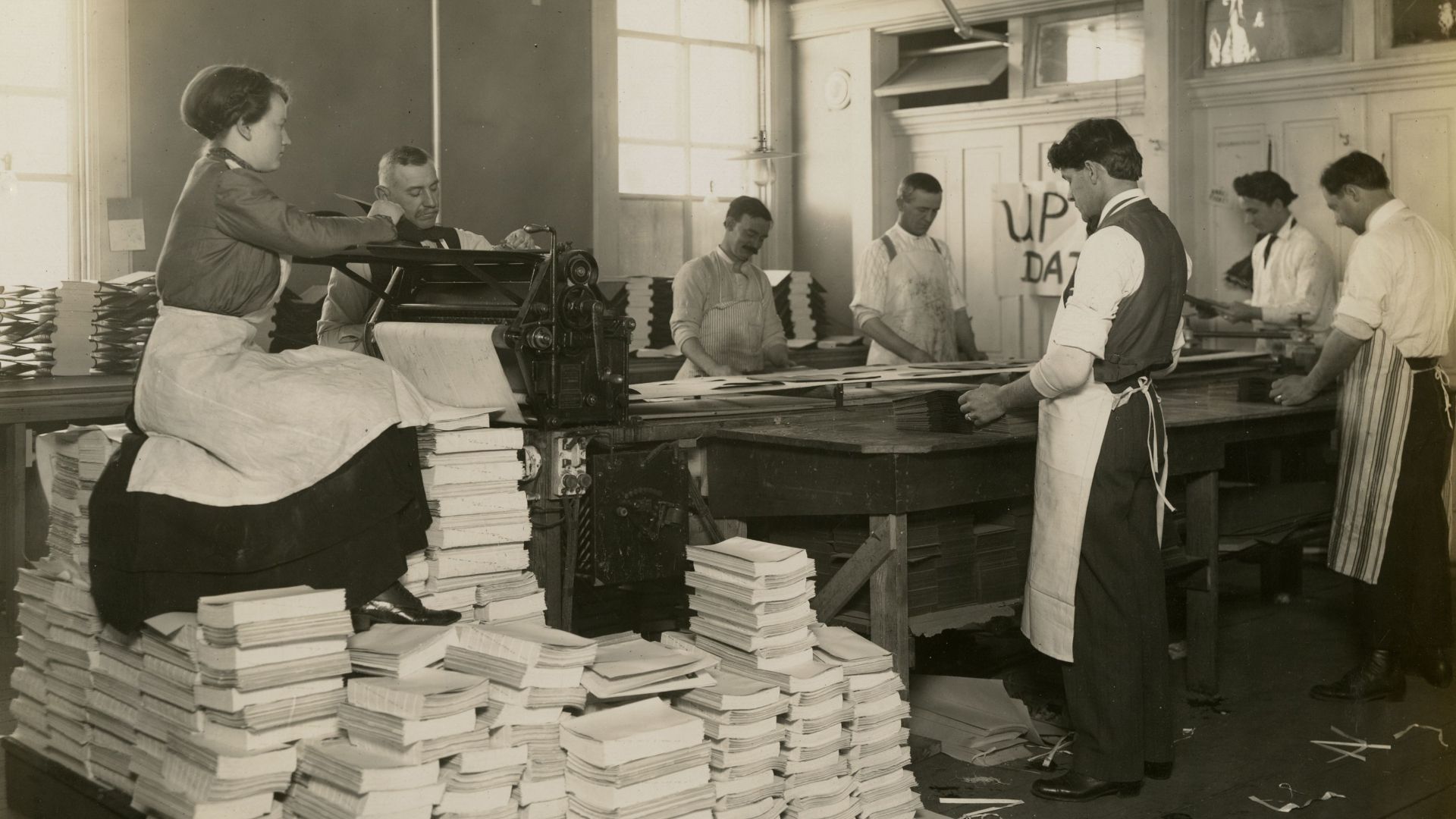
Printing Bindery Workers
Remember when practically every business had thick catalogs, printed manuals, and stacks of brochures? Somebody had to put those materials together. Bindery workers trimmed, assembled, and finished all kinds of printed products. With more information moving online, employment in this once-busy trade is projected to fall 17.5% by 2035.
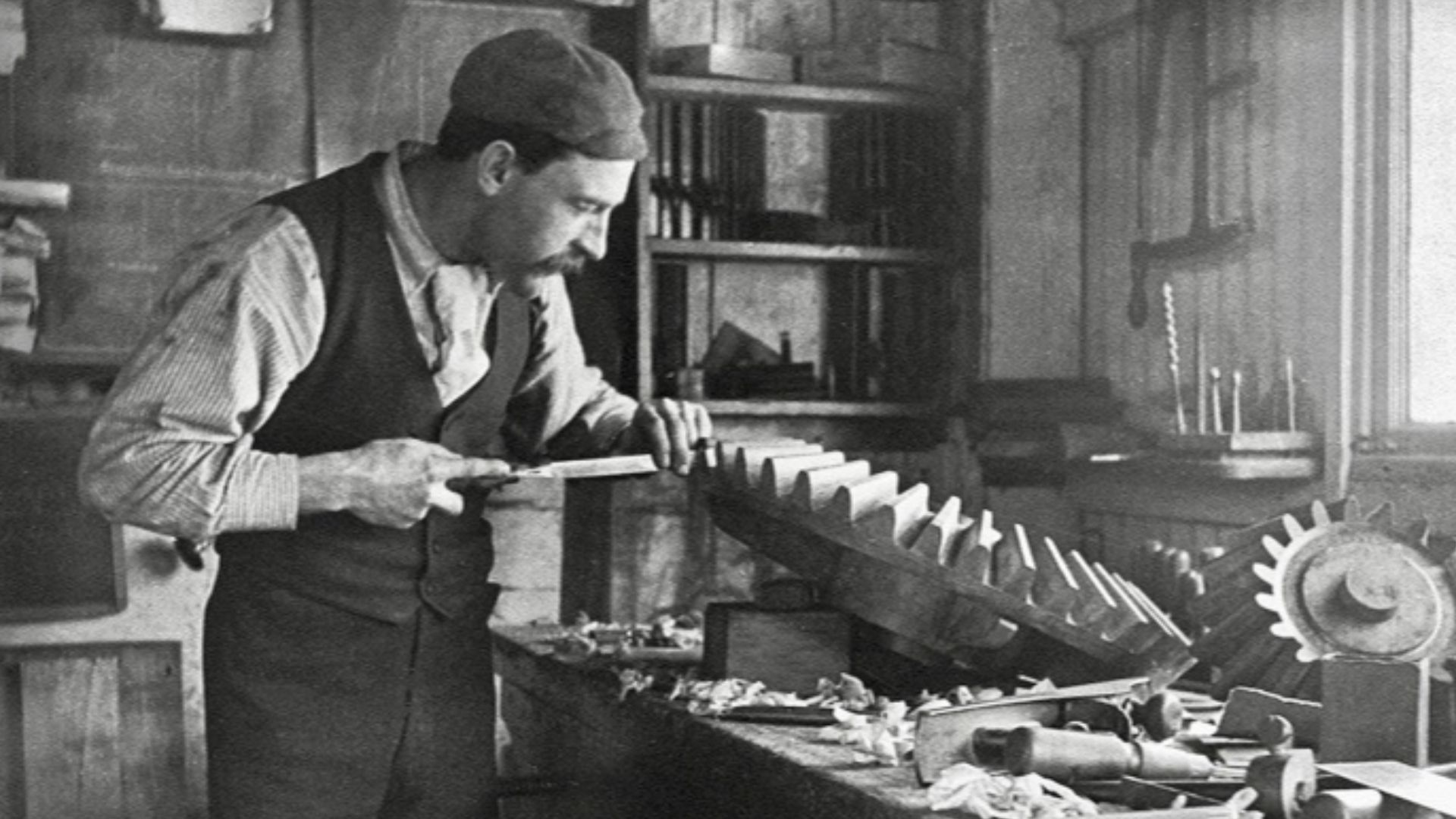
Metal Patternmakers
If you grew up near a manufacturing town, chances are you knew somebody who worked in a foundry. Patternmakers were skilled tradespeople who created forms used to manufacture metal parts. It took years to master the work. Today, computer-aided manufacturing has changed how many of those parts are produced.
 Unknown authorUnknown author, Wikimedia Commons
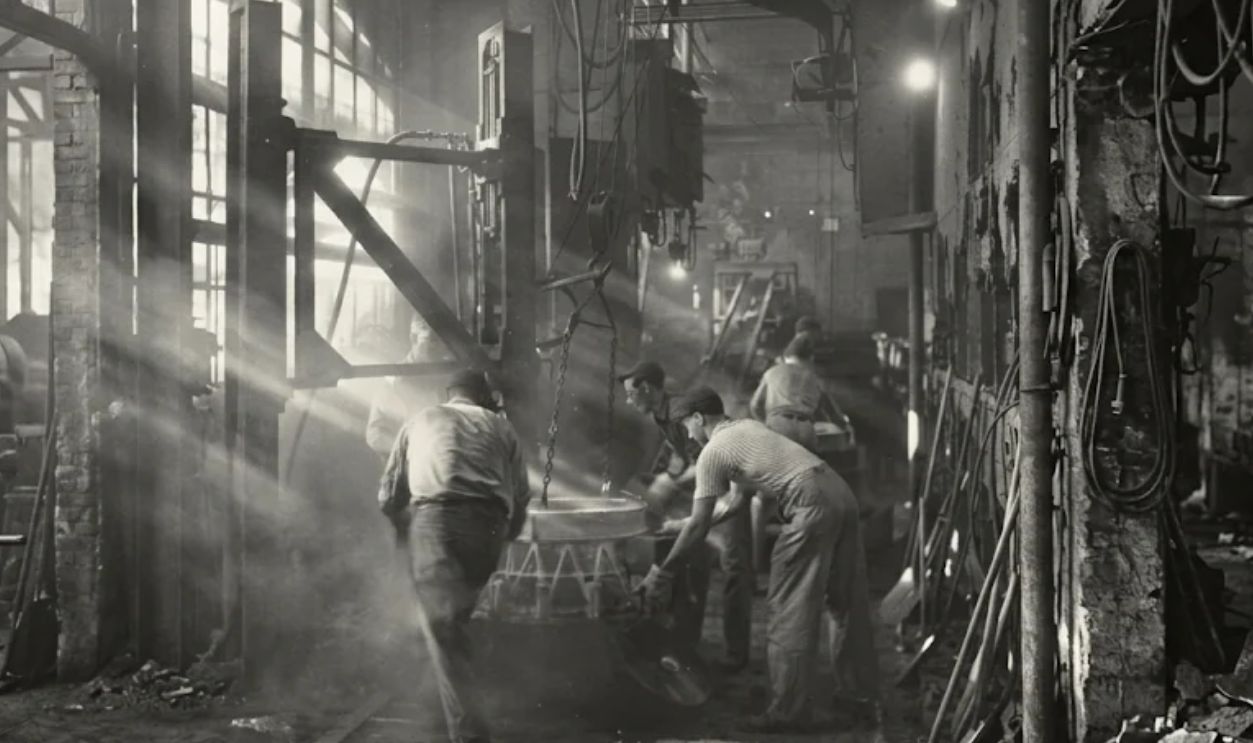
Foundry Mold Makers
Making molds for metal casting wasn't something you learned overnight. It required real skill, steady hands, and years of experience. In the 1960s, that expertise could provide a solid career. Modern manufacturing technology has changed the equation, with employment projected to decline 23% by 2035.
 Science History Institute, Wikimedia Commons
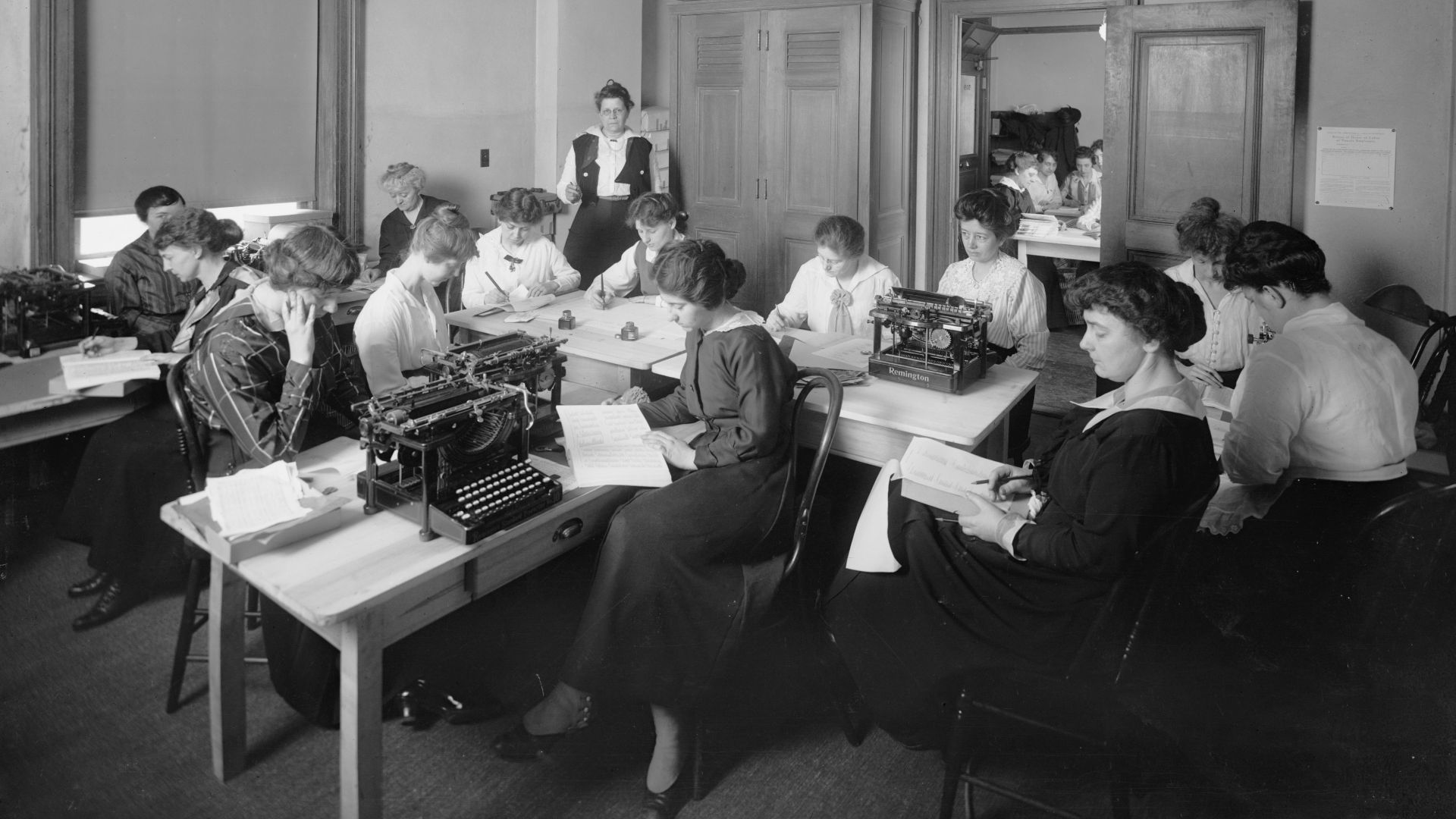
Office Clerks
Every decent-sized business once seemed to employ a small army of office clerks. They answered phones, prepared documents, handled correspondence, and kept paperwork moving. Today, a lot of that work happens on computers. By 2035, approximately 156,000 general office clerk positions are expected to disappear.
 National Photo Company Collection, Wikimedia Commons
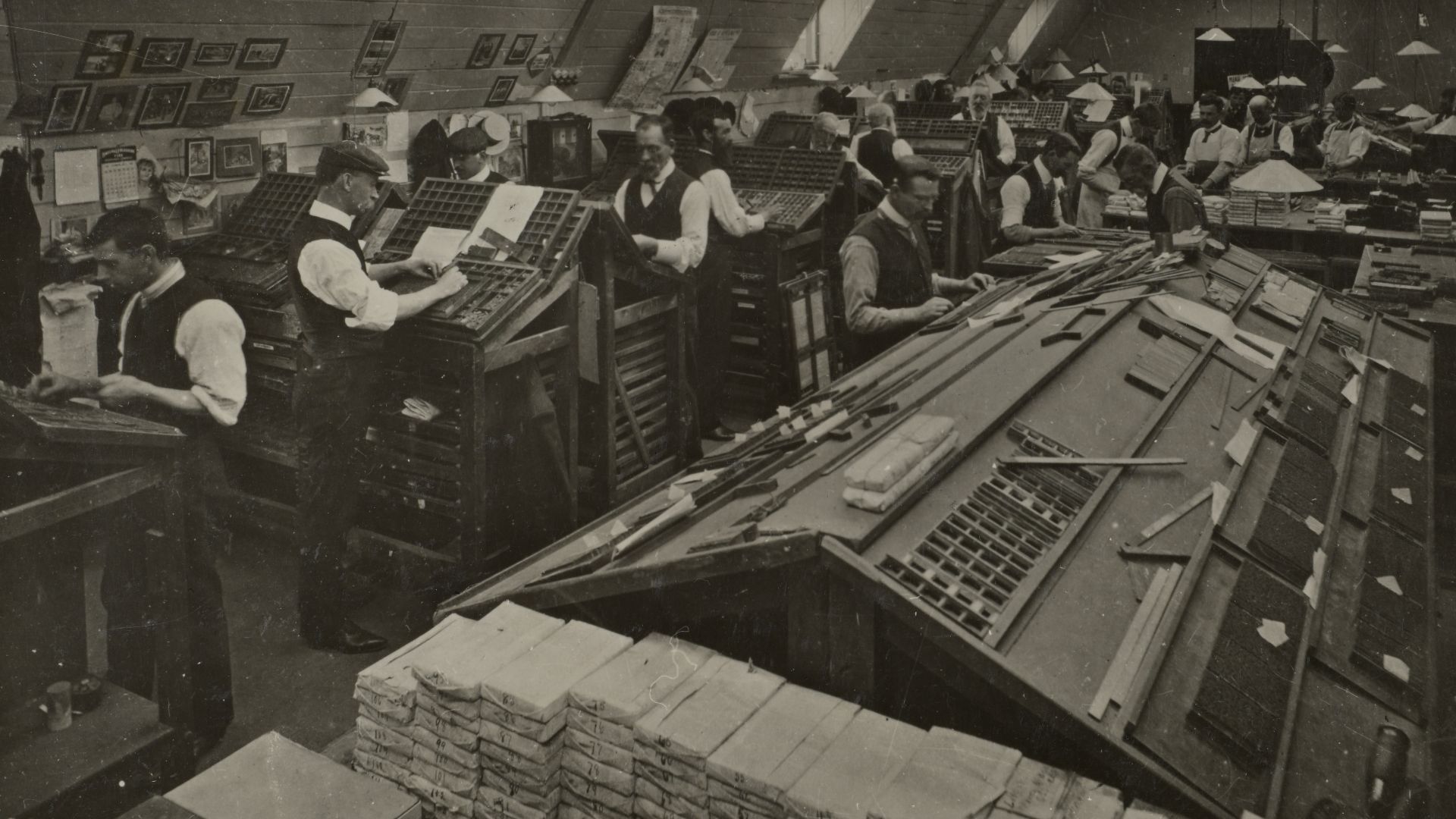
Prepress Technicians
Before a newspaper or magazine could go to print, somebody had to prepare everything for the presses. Prepress technicians handled layouts, images, and printing materials. It was specialized work that businesses depended on. Digital production has simplified the process considerably, and employment is projected to fall around 15% by 2035.
 UnknownUnknown / Archives New Zealand, Wikimedia Commons
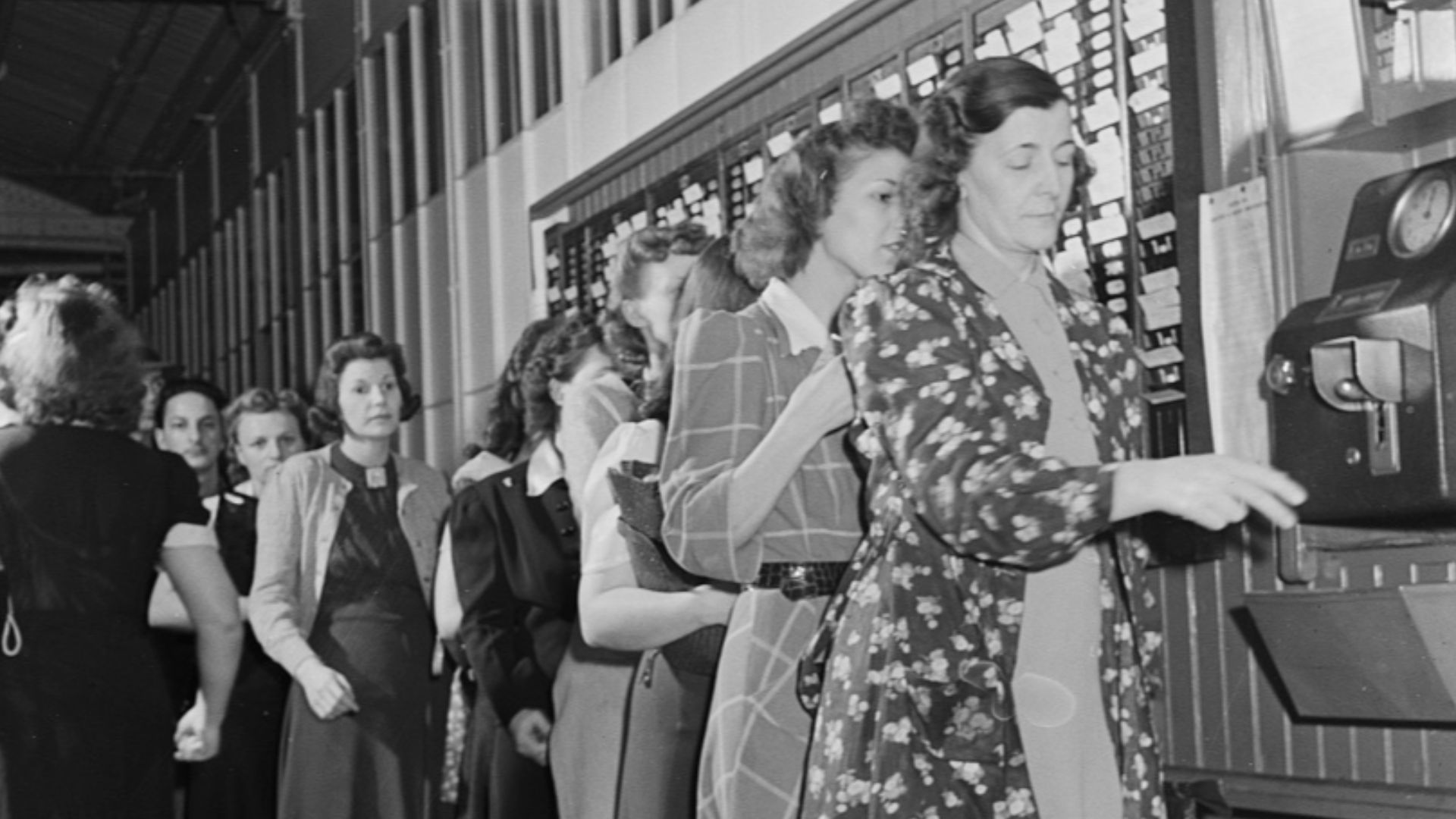
Timekeeping Clerks
Remember those big mechanical time clocks hanging near factory entrances? Workers punched their cards when they arrived and left, and somebody had to check all those hours. That was the timekeeping clerk's job. Today, electronic systems do the calculations automatically, making dedicated timekeeping positions increasingly uncommon.
 Marjory Collins, Wikimedia Commons
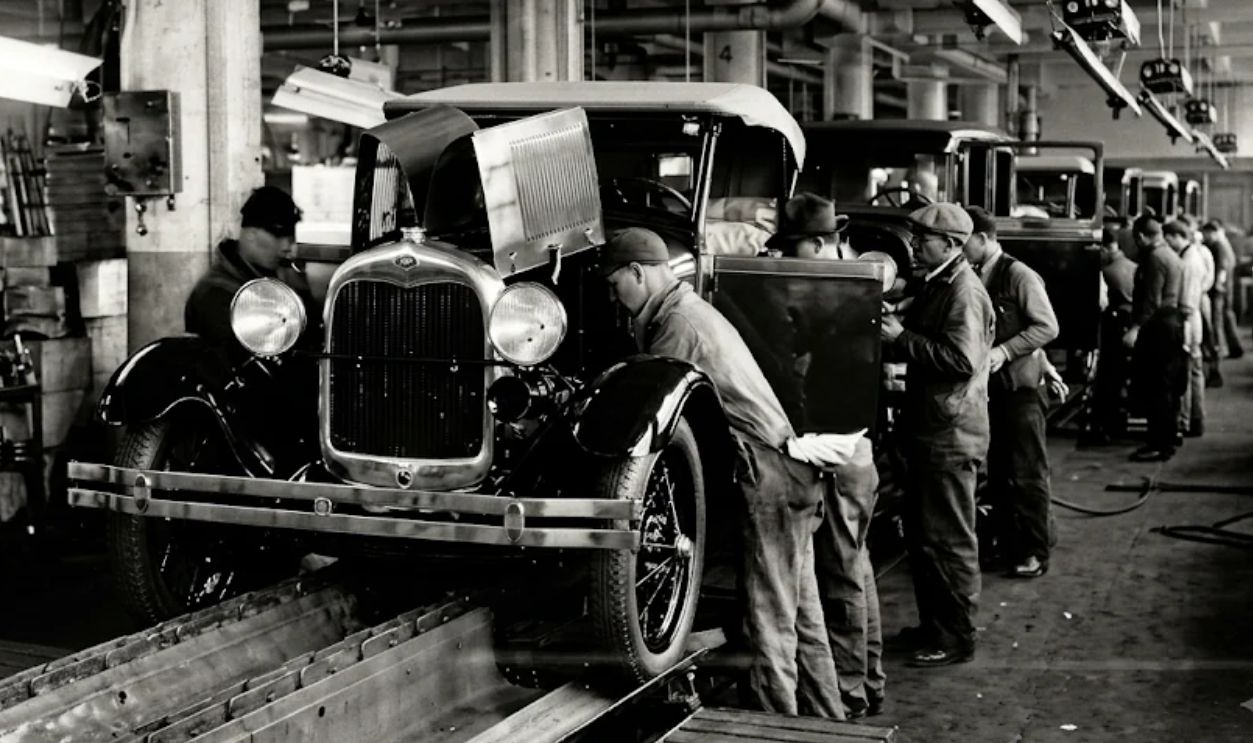
Engine Assembly Workers
For Baby Boomers growing up around Detroit, working in an automobile factory could mean a steady paycheck and a comfortable retirement. Engine assembly was an important part of that world. But robots and changing manufacturing methods now handle more of the work. Employment is projected to decline 17% by 2035.
 https://commons.wikimedia.org/wiki/File:Ford_Motor_Company_assembly_line.jpg
Office Machine Operators
Long before every desk had a computer, offices relied on specialized equipment to copy documents and process paperwork. Operating those machines was a legitimate career. These days, one multifunction printer can do the work of several older machines, and employees usually operate it themselves.
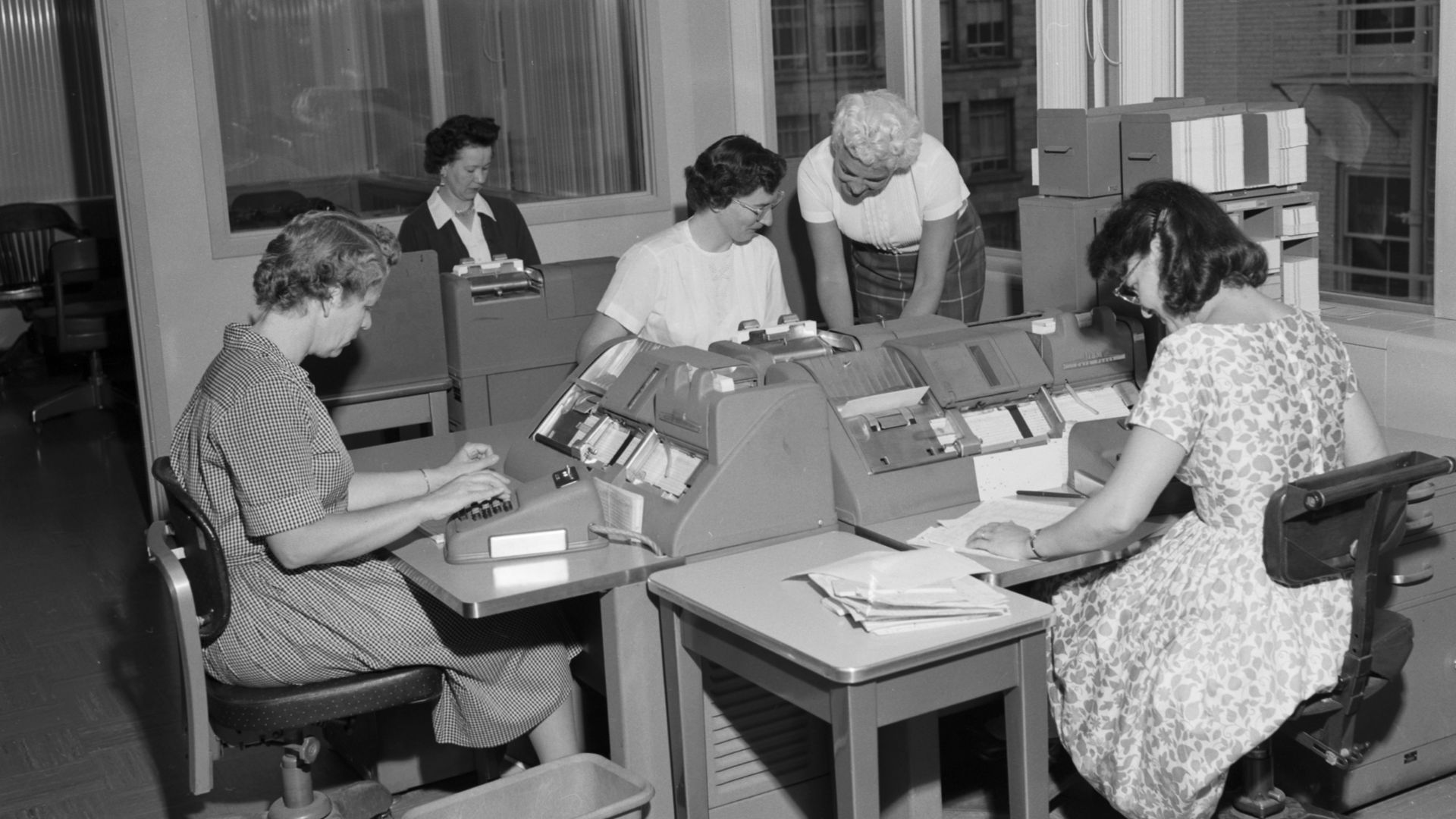 Seattle Municipal Archives from Seattle, WA, Wikimedia Commons
Retail Salespeople
Remember when working at a department store could turn into a lifelong career? You might start on the sales floor and eventually become a department manager. Some employees spent decades at the same store. Online shopping and changing retail habits have made that kind of career path much less predictable.
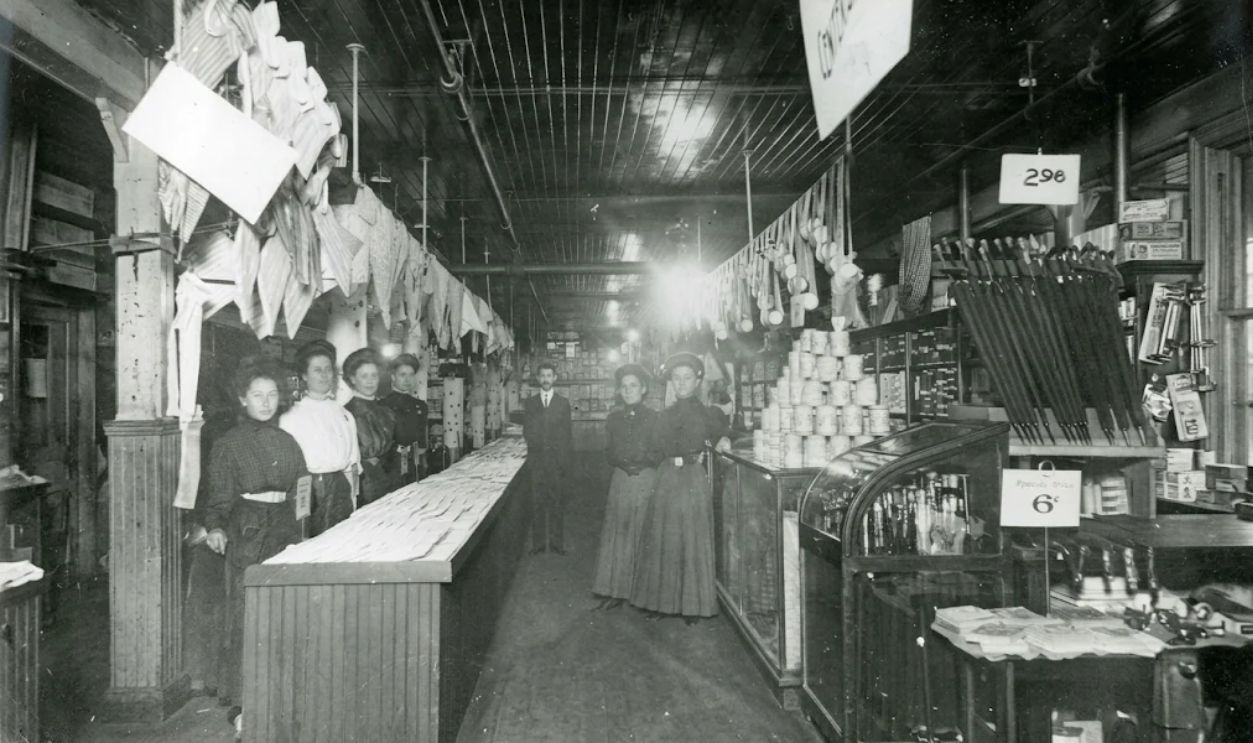 Toledo Lucas County Public Library, Wikimedia Commons
Whatever Happened To The Gold Watch?
For many Baby Boomers, finding a good job meant finding somewhere to spend the next 30 or 40 years. Millennials have grown up with a very different idea of job security. Most of these careers won't vanish completely by 2035, but the days of assuming they'll provide a lifetime of steady employment are fading fast.
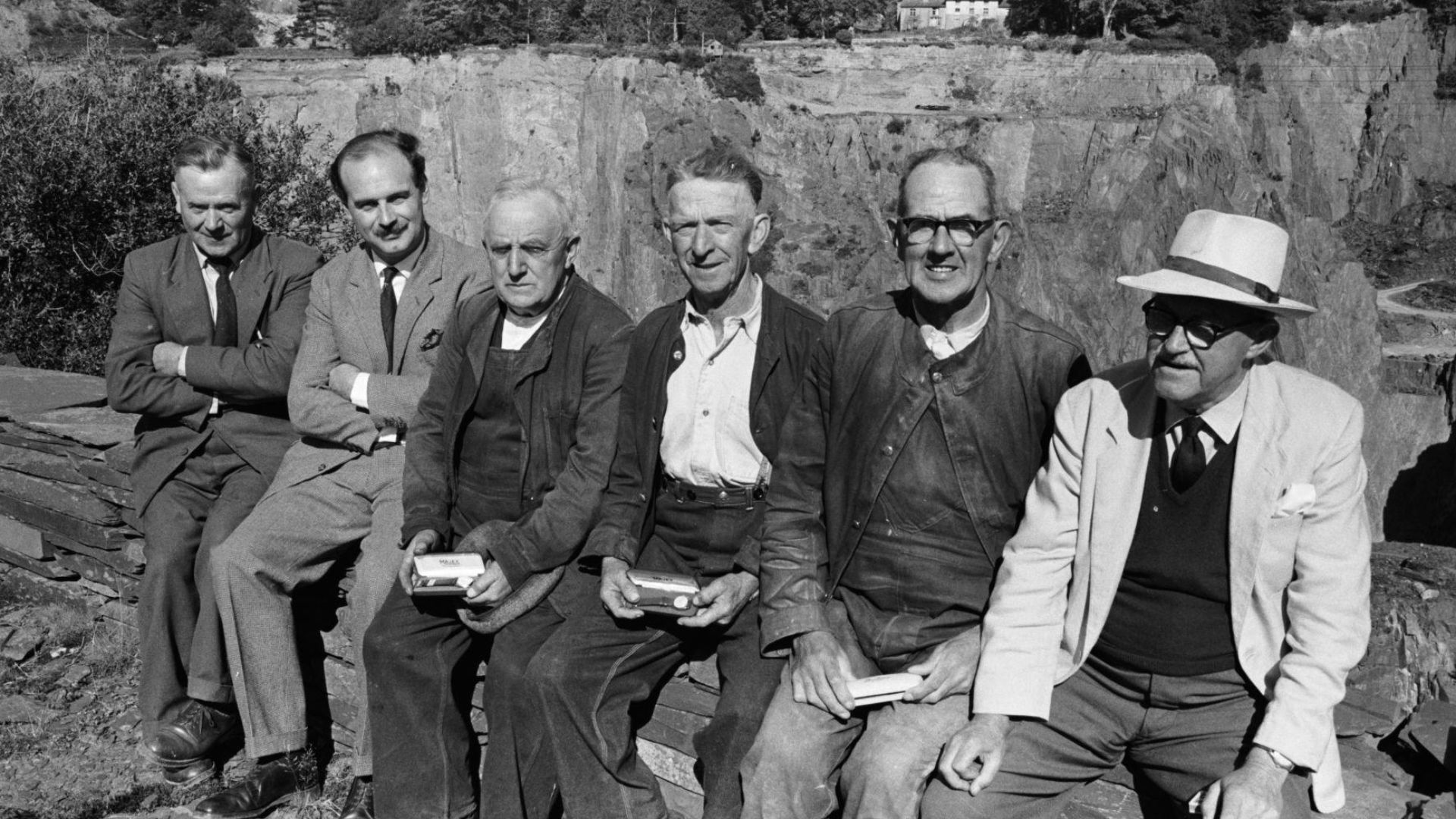 Geoff Charles, Wikimedia Commons
You May Also Like:
That $20-A-Week Sofa Could Cost You Thousands: The Hidden Price Of Rent-To-Own Furniture