
When Does “Team Spirit” Cross a Line?
Being asked to help with a true workplace event is one thing. Being told to wash your boss’s personal car during your unpaid lunch break is something else entirely. If you refused and are now facing backlash, the key question is whether the request was actually part of your job or an inappropriate use of authority.

Your Lunch Break Matters
In many workplaces, lunch breaks are supposed to be uninterrupted personal time. If you are unpaid during that period, employers generally cannot require you to perform work duties. Calling it “team-building” does not automatically change the reality of what was happening.

Ask Yourself Whether This Was Truly Voluntary
A real team-building exercise is usually optional, collaborative, and connected to workplace morale or development. If employees felt pressured to participate because the boss was watching, it may not have been voluntary at all. The fact that you faced consequences for refusing is an important detail that weakens the argument that this was “just for fun.”

Consider Whether the Task Was Job-Related
There is a major difference between cleaning shared workplace equipment and cleaning a manager’s personal vehicle. Most employees are not hired to perform personal errands for supervisors unless that duty is clearly part of the role. If washing the car had nothing to do with your actual position, that matters.

Retaliation Changes the Situation
The moment discipline, threats, reduced hours, or hostility enter the picture, the situation becomes more serious. Employers can often assign reasonable work tasks, but punishing workers for refusing questionable personal requests may create legal and HR concerns. Documentation becomes very important at that stage.

Think About How the Request Was Presented
Tone matters more than people realize. Were employees laughing and freely opting in, or was the boss clearly expecting obedience? If coworkers felt uncomfortable but complied anyway to avoid trouble, that suggests the power dynamic may have crossed a line.

Your Employment Contract Could Matter
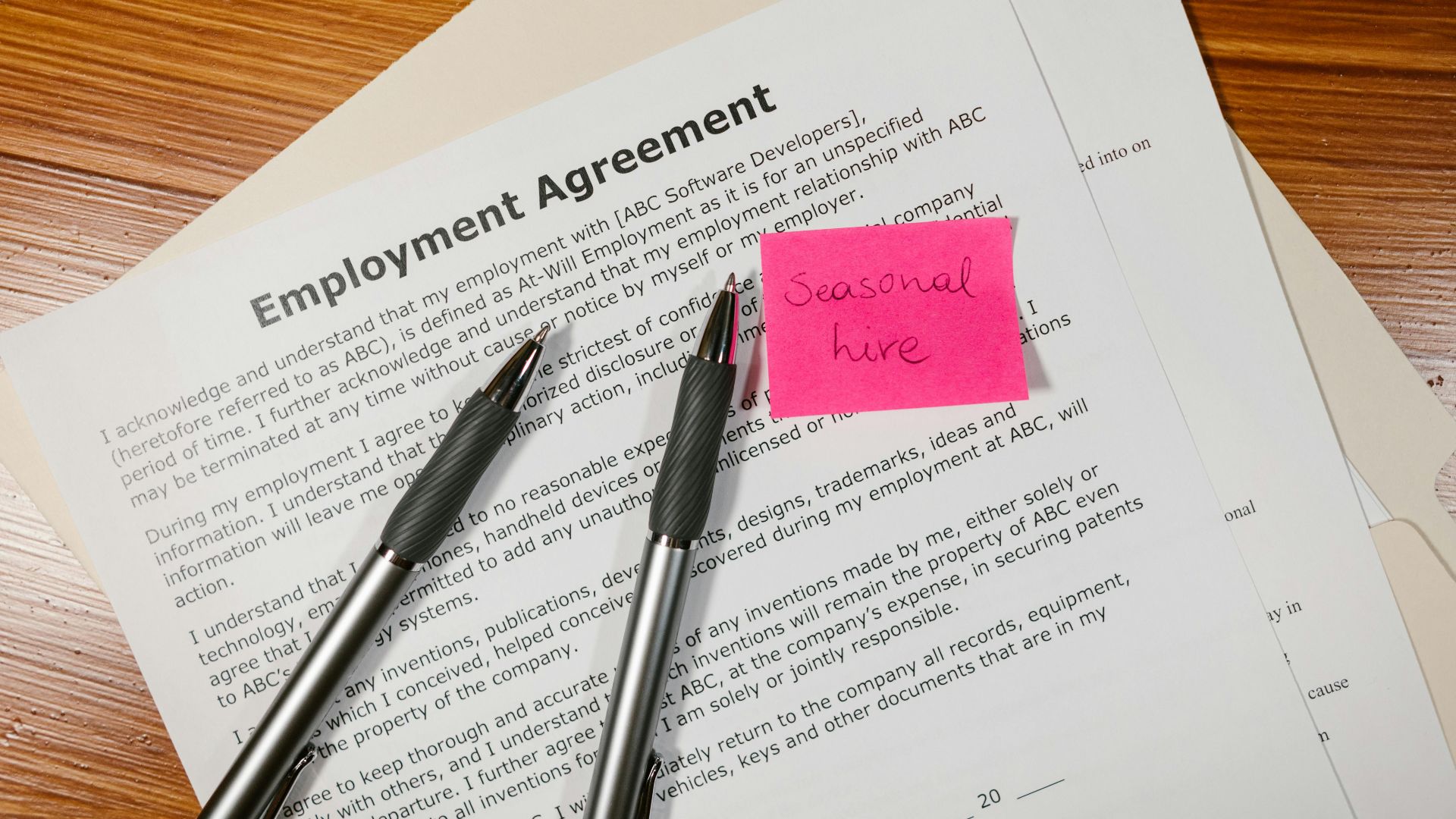
Some jobs contain broad language requiring “other duties as assigned.” Employers sometimes rely on that wording to justify unusual requests. However, even broad clauses do not usually give unlimited power to demand unrelated personal services.
Company Policies May Help You
Many workplaces already have policies against misuse of authority, workplace bullying, or inappropriate conduct. A manager using employees for personal chores could potentially violate internal standards even if no law was technically broken. Reviewing the employee handbook may reveal more protection than you expect.

Witnesses Could Be Important
If multiple employees experienced the same pressure, your situation becomes stronger. A single complaint can be dismissed as a misunderstanding, but a pattern affecting an entire team is harder to ignore. Quietly asking trusted coworkers how they viewed the situation may help you understand the bigger picture.

Keep Records While Things Are Fresh
Write down exactly what happened, including the date, time, location, and who was present. Save texts, emails, or chat messages if they exist. Even small details become valuable later if the situation escalates into HR involvement or disciplinary action.

Be Careful About Emotional Reactions
It is understandable to feel angry or humiliated. Still, avoid venting publicly online or sending emotional messages to management. Staying calm and factual protects your credibility if you later need to defend yourself.
 Vitaly Gariev, Pexels, Modified
HR Is Not Always Neutral
Many people assume HR automatically protects employees, but HR primarily protects the company’s interests. That does not mean you should avoid reporting concerns, but it does mean you should approach the conversation carefully and professionally. Focus on facts instead of accusations.

Frame the Issue Professionally
Instead of saying “My boss exploited us,” try framing it as confusion about expectations and unpaid work during breaks. That language is often taken more seriously in workplace settings. Calm professionalism tends to be more effective than outrage.

Wage Laws May Be Relevant
If employees were effectively required to work during unpaid lunch periods, wage and hour rules may come into play. Even short periods of required labor during breaks can create legal complications for employers. The “team-building” label does not necessarily erase that issue.

Public Embarrassment Can Be a Red Flag
Some bosses blur personal and professional boundaries because they assume employees will tolerate it. However, making workers perform personal chores in front of colleagues can create humiliation and resentment. That can damage morale far more than any genuine team-building exercise would.

Think About the Bigger Workplace Culture
One strange request may simply reflect poor judgment. But if your workplace regularly pressures employees into uncomfortable situations, ignores boundaries, or punishes people who speak up, that points to a larger cultural problem. Pay attention to patterns, not just isolated incidents.

Decide What Outcome You Actually Want
Not every situation needs to become a legal battle. Some employees mainly want the disciplinary action reversed, while others want an apology, a transfer, or simply reassurance it will not happen again. Knowing your goal helps you respond more strategically.

Employment Lawyers Often Offer Consultations
If you were formally disciplined, lost pay, or fear retaliation, speaking with an employment lawyer may be worthwhile. Many offer brief consultations that can clarify whether your situation is merely inappropriate or potentially unlawful. Sometimes even a short conversation provides clarity and leverage.

Protect Your Position Going Forward
Continue doing your actual job well and avoid giving management unrelated reasons to criticize your performance. If tensions rise, professionalism becomes one of your strongest protections. Employers often struggle to justify retaliation against employees with clean records and calm communication.

“Team-Building” Is Not a Magic Word
Employers cannot automatically make questionable conduct acceptable by labeling it culture-building or morale-boosting. A true team-building activity should strengthen respect within the workplace, not pressure employees into performing personal favors. If the exercise left people uncomfortable, embarrassed, or fearful of punishment, that says a lot about whether it was appropriate in the first place.