Tree Troubles
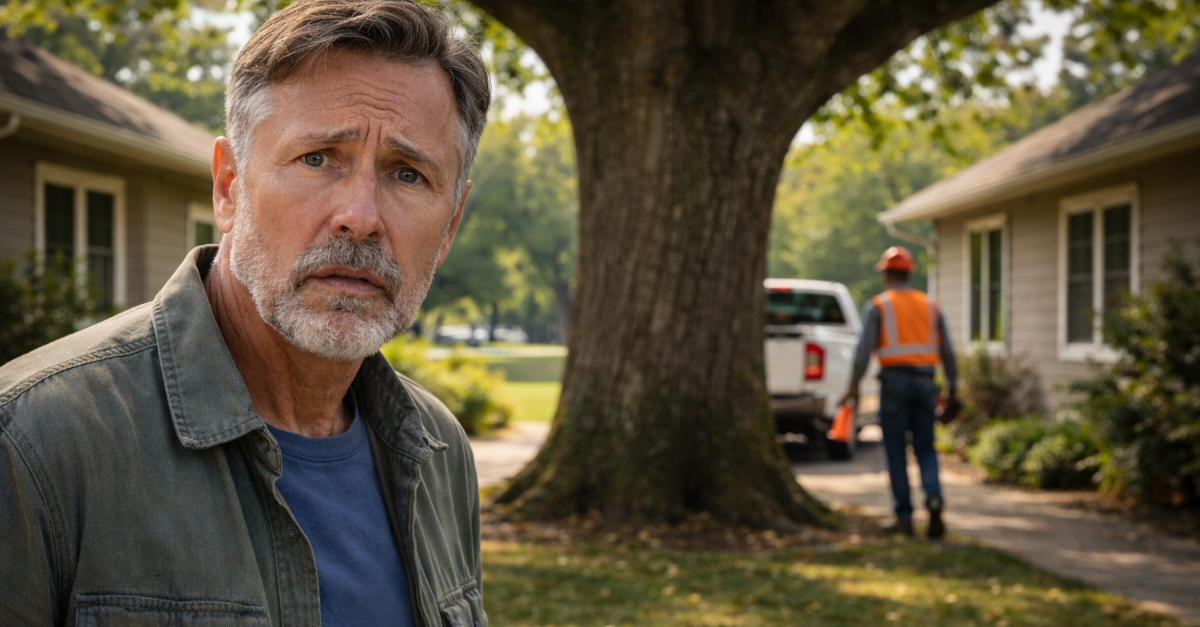
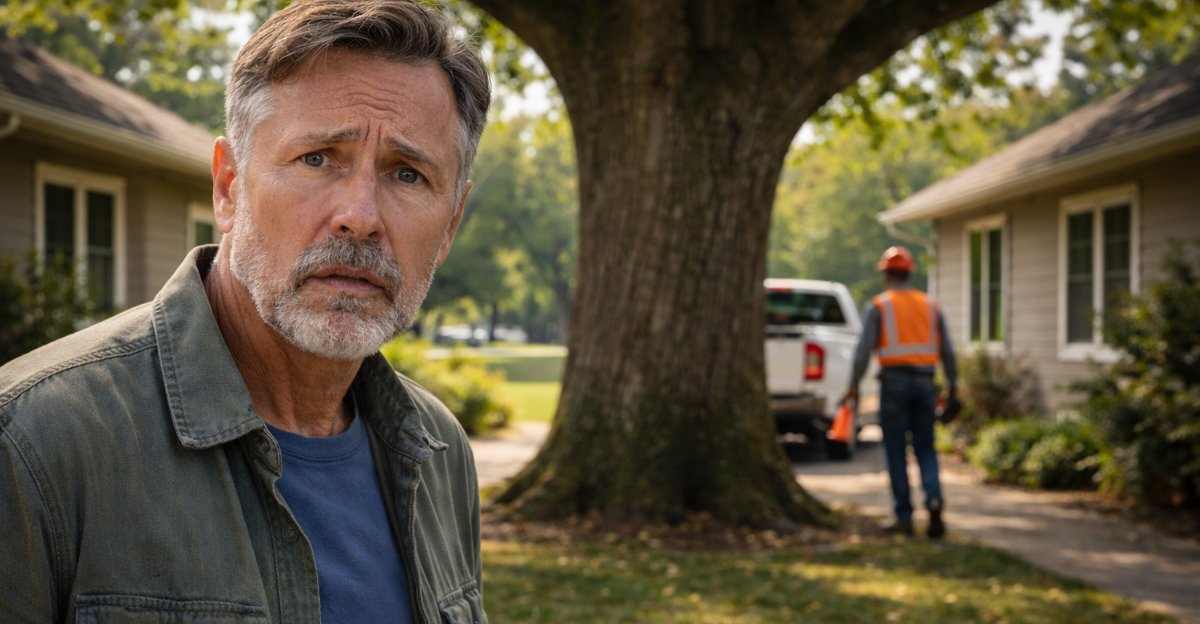
There’s a 100-year-old tree right on the line between your yard and your neighbor’s—and now it’s about to be cut down. You didn’t agree to it. You don’t want it gone. So…can you actually do anything about it?
It Matters Exactly Where The Tree Sits
The entire situation hinges on one key detail: where the trunk is located. If the trunk is fully on your neighbor’s property, it’s usually his tree. If it’s fully on yours, it’s yours. But if the trunk sits directly on the property line, that’s when things change significantly—and become a shared issue.
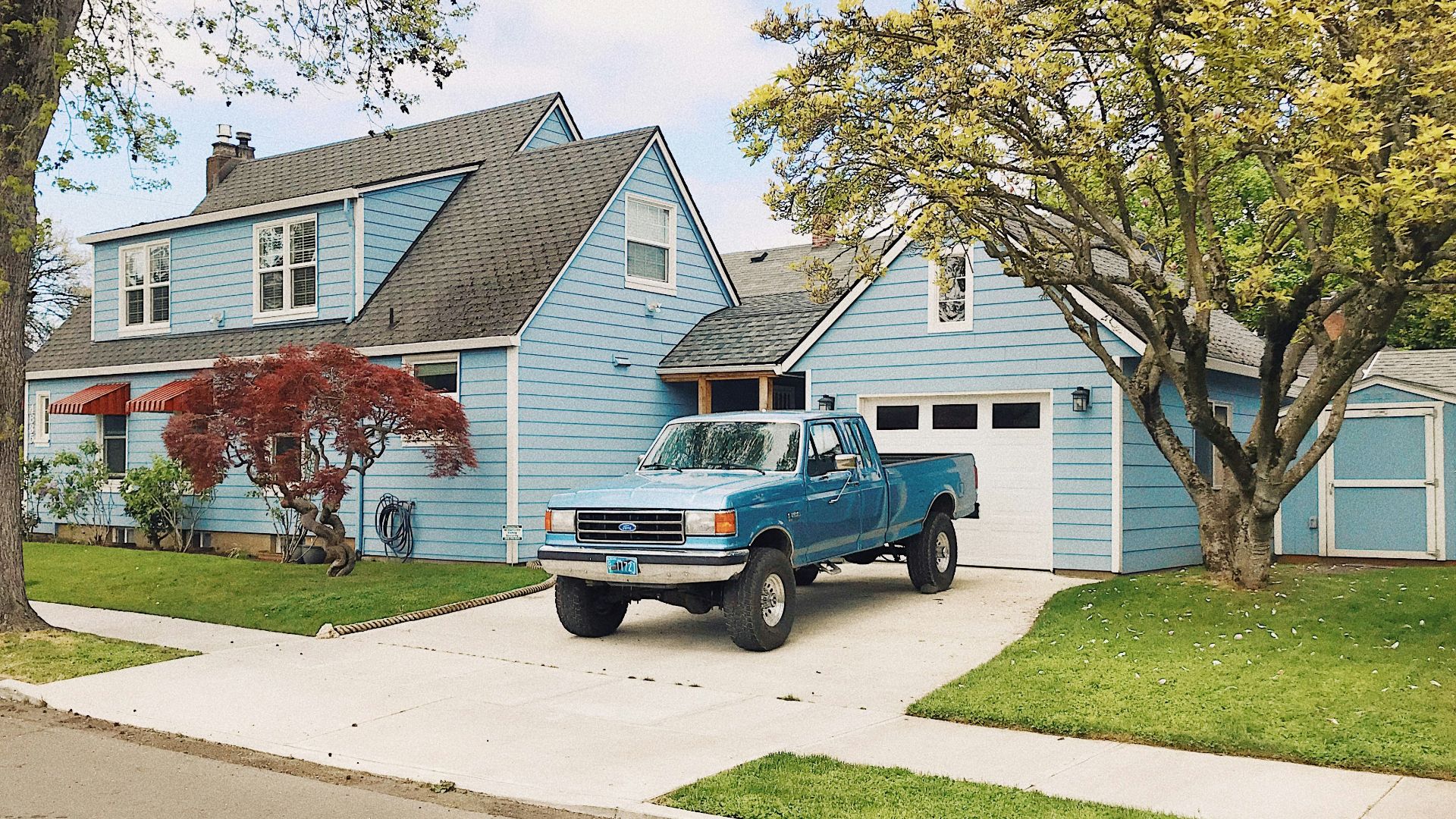
A Tree On The Property Line Is Usually Shared
In most places, a tree that grows directly on the boundary line is considered jointly owned. That means both neighbors share responsibility—and rights. One person typically can’t just remove it without the other’s consent. This is where your ability to stop him starts to come into play.
Cutting It Down Without Permission Can Be A Problem
If the tree is jointly owned, your neighbor cutting it down without your approval could actually be considered property damage. In many areas, this falls under “wrongful tree cutting,” which can lead to legal claims or financial penalties. So no, this isn’t always something he can just “go ahead and do.”
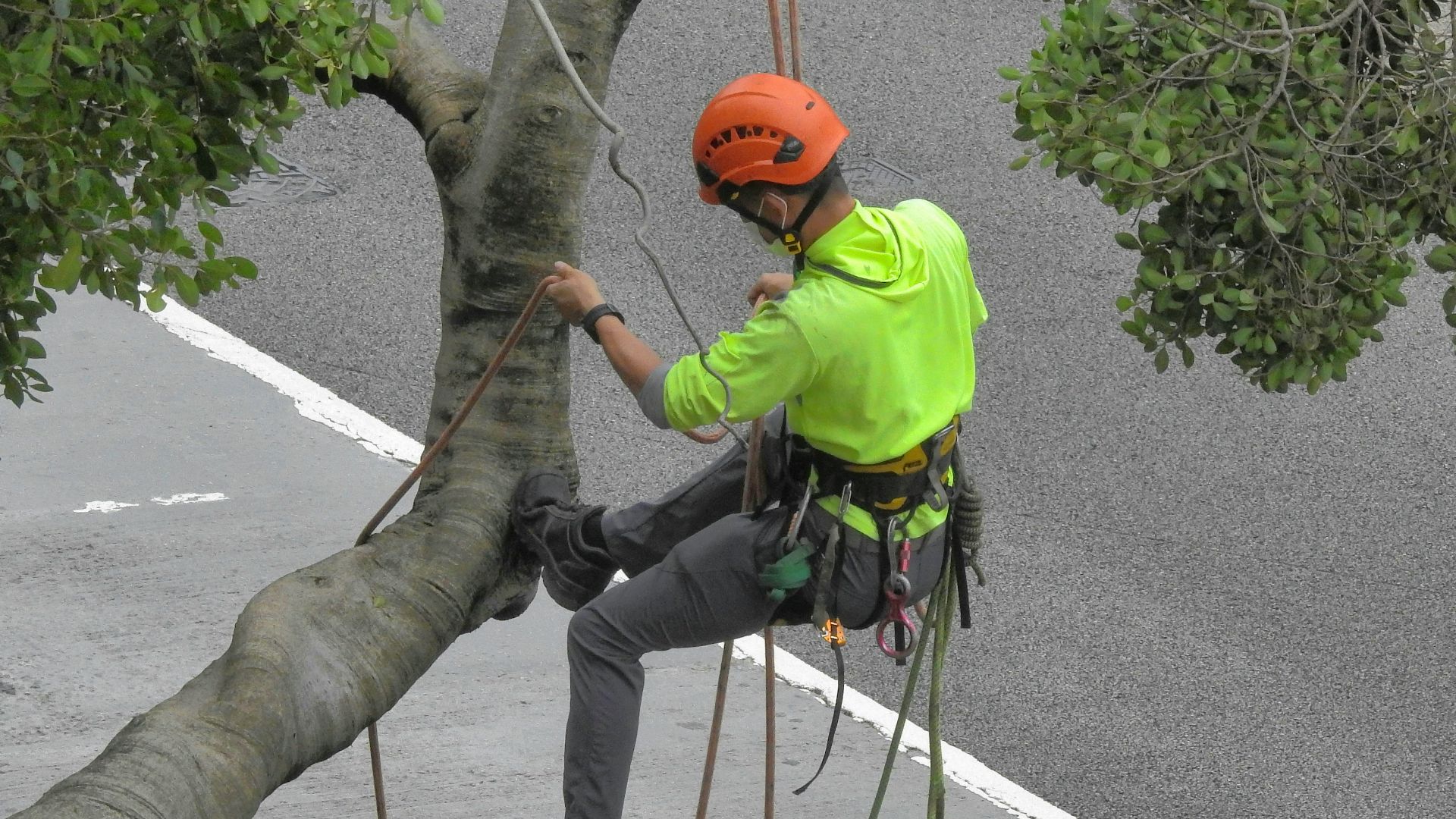
But You Need To Be Sure About The Property Line
Before anything else, you need clarity. Property lines aren’t always where people think they are. A survey or official property map can confirm whether the tree truly sits on the boundary. Without that, everything else is guesswork—and weak ground legally.
Old Trees Sometimes Have Extra Protections
A 100-year-old tree isn’t just any tree. In some cities or municipalities, older or larger trees may be protected by local bylaws. That can mean permits are required before removal—or that cutting it down is restricted entirely. This could work strongly in your favor.

Permits May Be Required To Remove It
Even if your neighbor owns the tree outright, removal rules can still be local. Some cities require permits for private trees once they reach a certain size, and those size thresholds can be surprisingly low. For example, some municipalities regulate trees starting around 6 to 12 inches in diameter, while others use different cutoffs. That gives you another reason to check local rules before anyone starts cutting.
Laws Can Vary More Than You Think
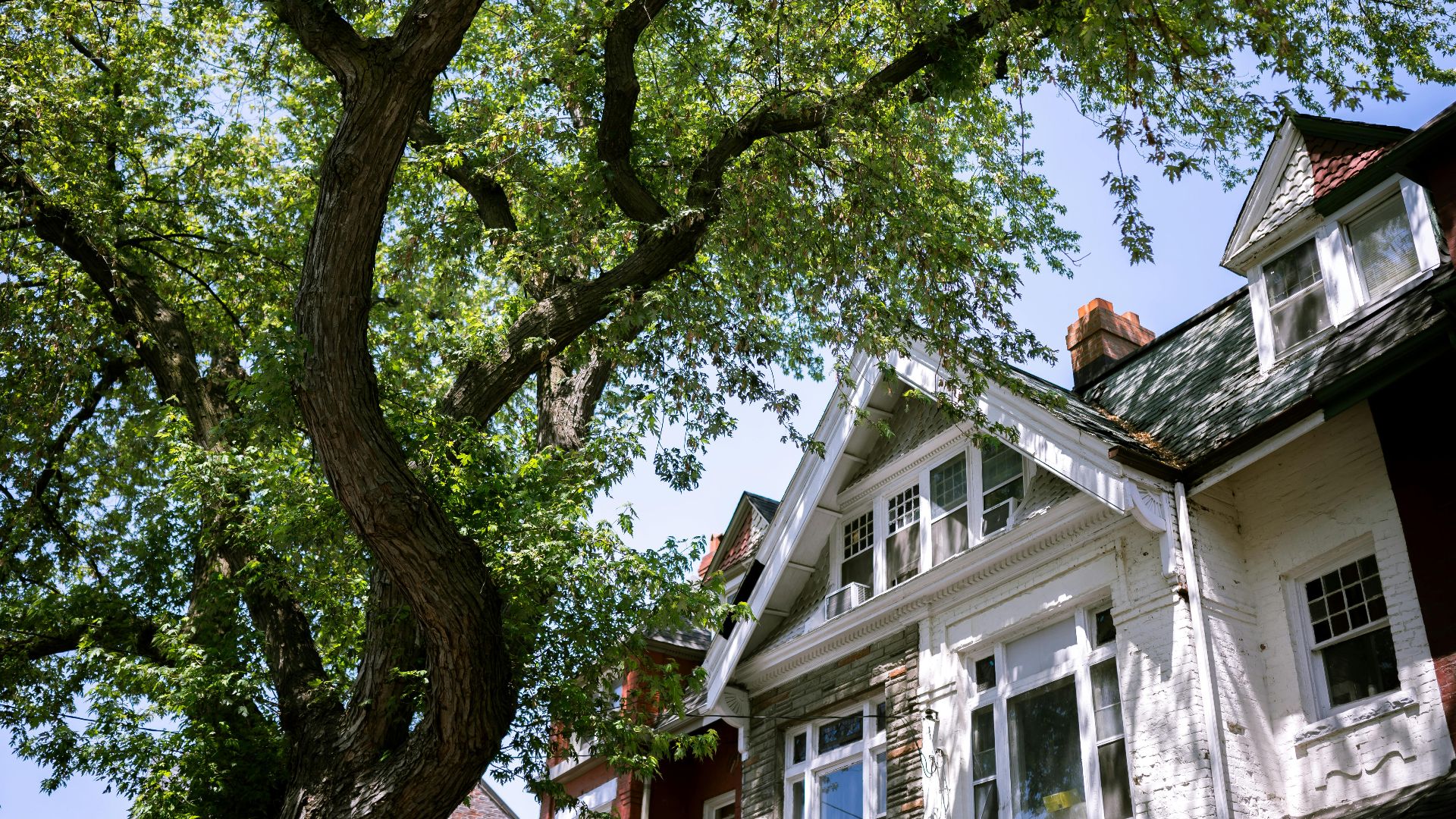
There isn’t one universal rule for property line trees. Most places follow similar principles, but state, provincial, and even local laws can change the details in important ways. What counts as a “boundary tree,” whether both neighbors must agree, and what rights each person has can all vary depending on where you live. That means the answer in one place might be completely different somewhere else.
 Tingey Injury Law Firm, Unsplash
In Some Places, Cutting It Can Get Very Expensive
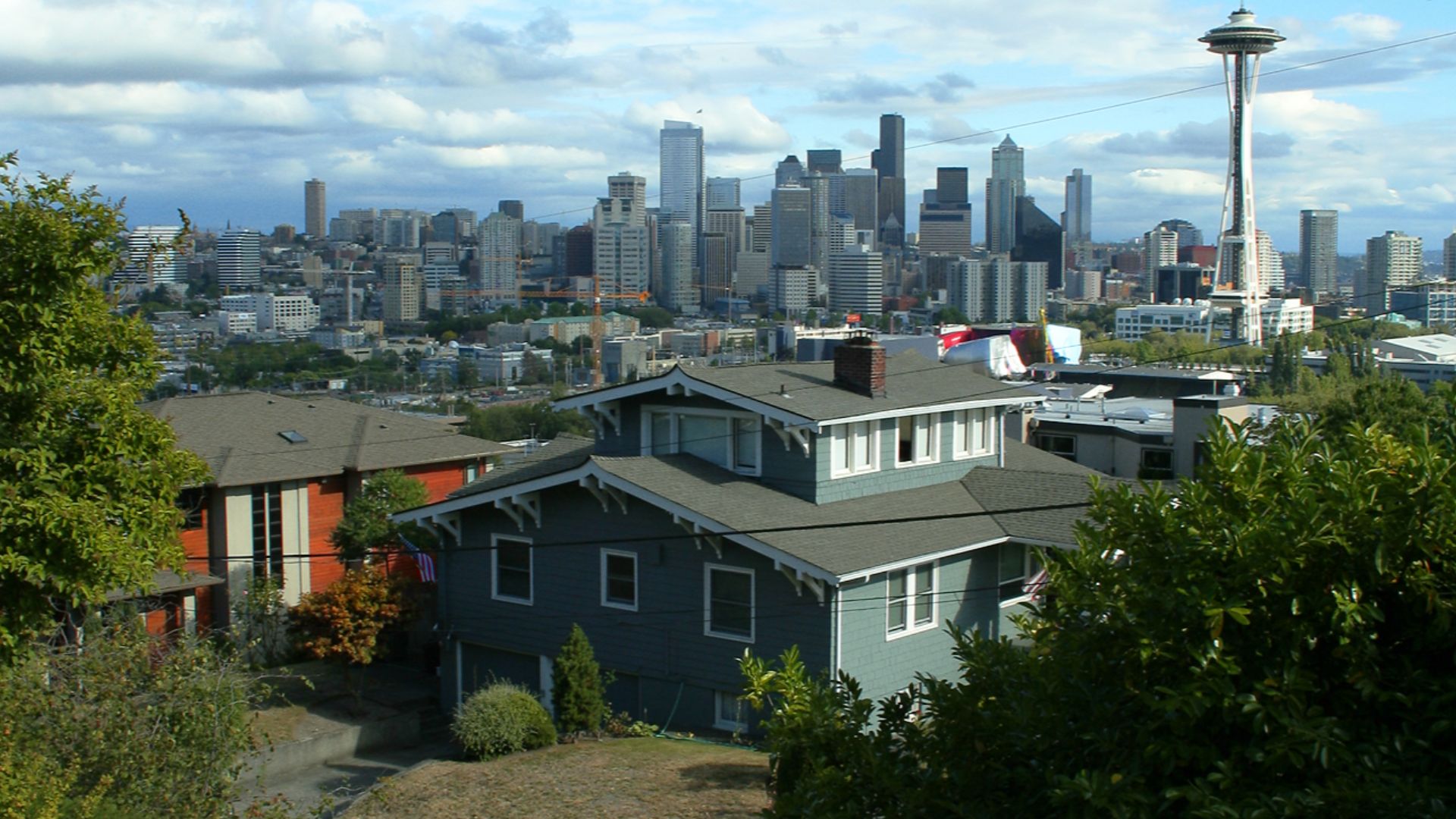
This is where things really diverge. In some areas, unauthorized removal or damage to trees can lead to significantly increased penalties. In places like Washington State, courts may award up to triple the value of the tree in damages. In others, like California, damages may be increased depending on the circumstances. In Canada, provinces like Ontario can also penalize someone for cutting a boundary tree without consent.
 Altairnouveau, Wikimedia Commons
You May Be Able To Delay Things Quickly
If the situation feels urgent, timing matters. A practical first move is to contact your city or municipality right away to ask whether the tree is protected, whether a permit is required, and whether any enforcement action is available. Some places can step in quickly on permit violations, but that kind of fast intervention depends heavily on local rules and response times.

Talking First Might Still Be The Best Move
Before going legal, it’s often worth having a direct conversation. Your neighbor may not realize the tree could be jointly owned—or protected. A calm discussion can sometimes stop things before they escalate into something more serious. And if you do reach an agreement, it’s smart to get it in writing—verbal agreements can lead to disputes later.

If It’s Fully On His Property, Your Options Shrink
If a survey shows the tree is entirely on your neighbor’s land, things change. In most cases, he has the right to remove it—even if you don’t like it. At that point, your ability to stop him legally becomes much more limited.
But There Are Still Some Exceptions
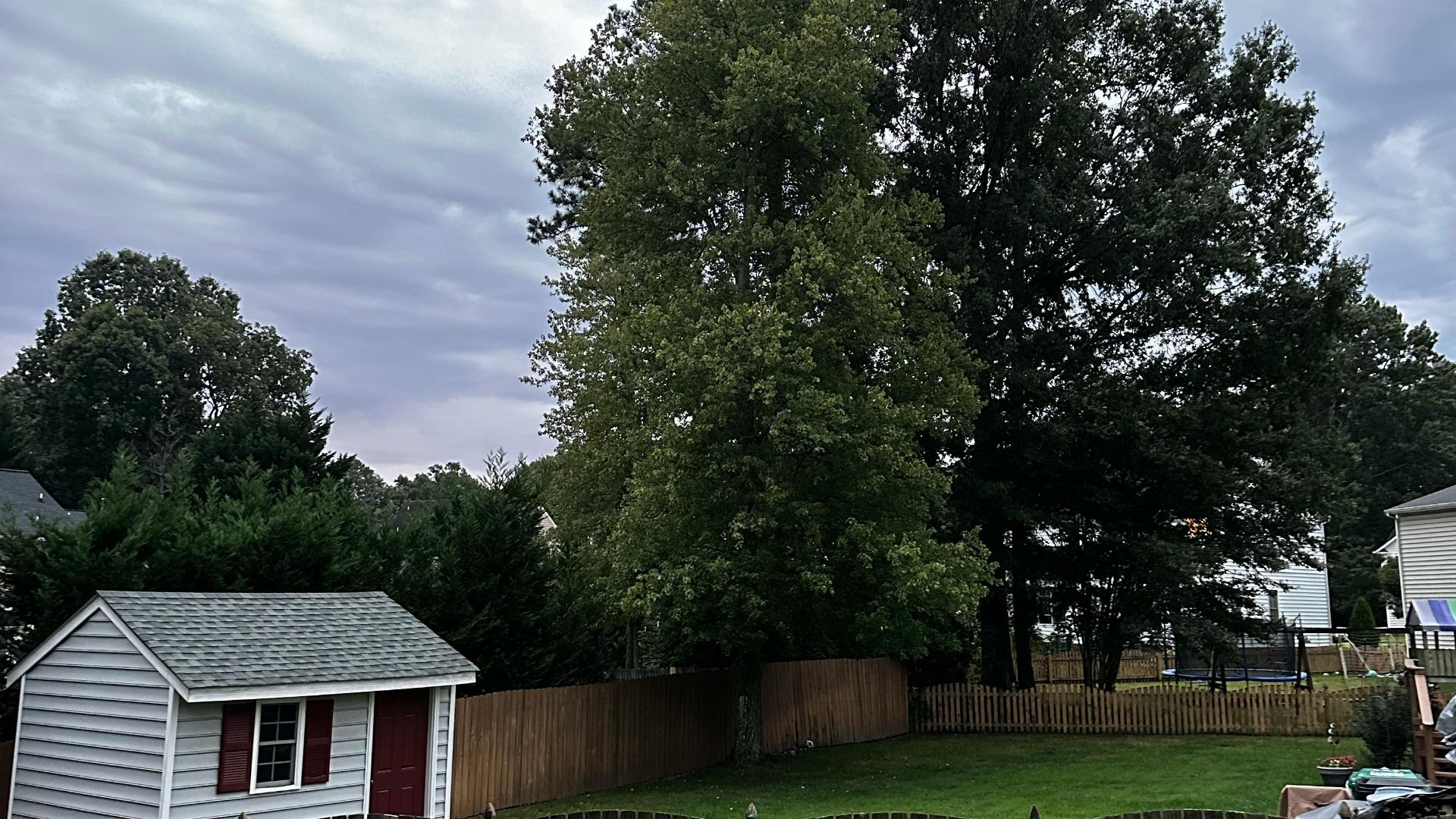
Even if it’s his tree, local bylaws or environmental protections may still apply. Some areas protect large, heritage, shoreline, or environmentally significant trees. And in some places, hazardous trees are treated differently and may be allowed to be removed more quickly. So it’s still worth checking before assuming there’s nothing you can do.
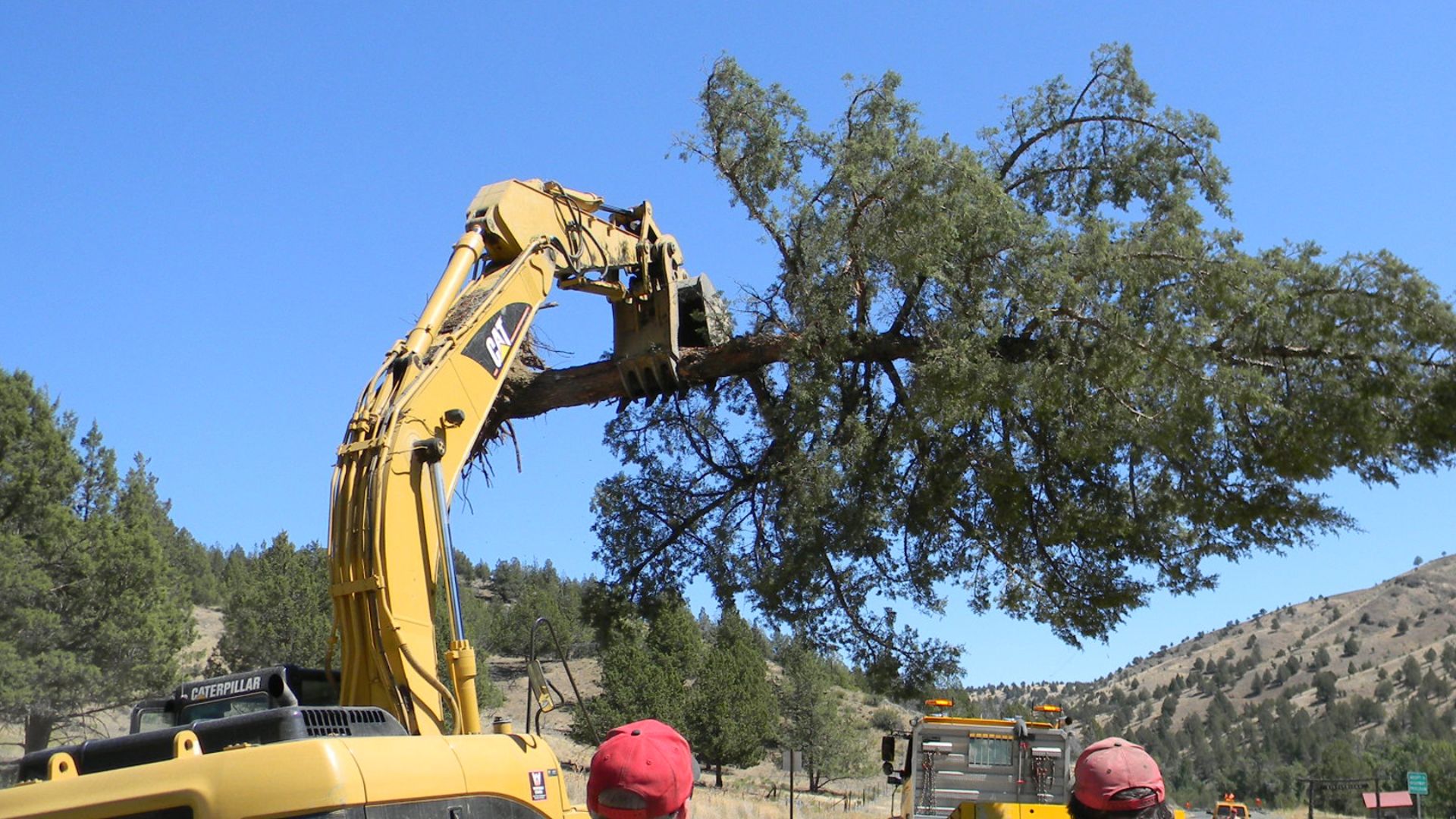 Oregon Department of Transportation, Wikimedia Commons
Overhanging Branches Are A Separate Issue
Even if the trunk is on his side, branches that extend over your property give you certain rights. In many places, you can trim branches that cross into your space—as long as you don’t harm the overall health of the tree.
You Can’t Damage The Tree Either
Just like your neighbor can’t always cut it down without consent, you can’t take actions that would damage or kill the tree either. That includes aggressive trimming or interfering with its roots. Shared or not, both sides have limits.
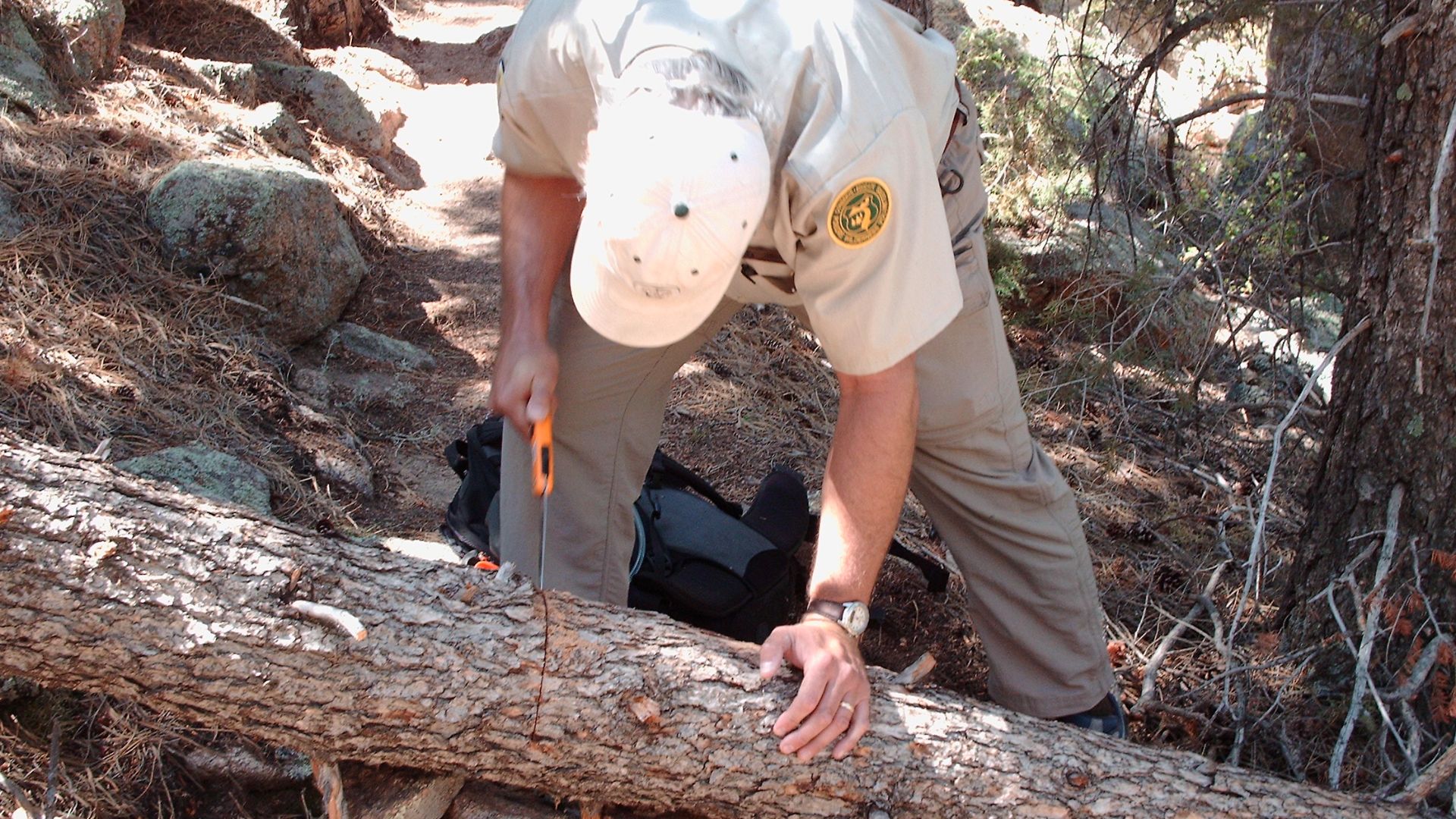 Oneliketadow (talk), Wikimedia Commons
Root Damage Can Become A Bigger Dispute
Large trees often have root systems that spread across both properties. If those roots cause damage—like lifting a driveway or affecting a foundation—that can introduce a whole new layer of legal complexity.
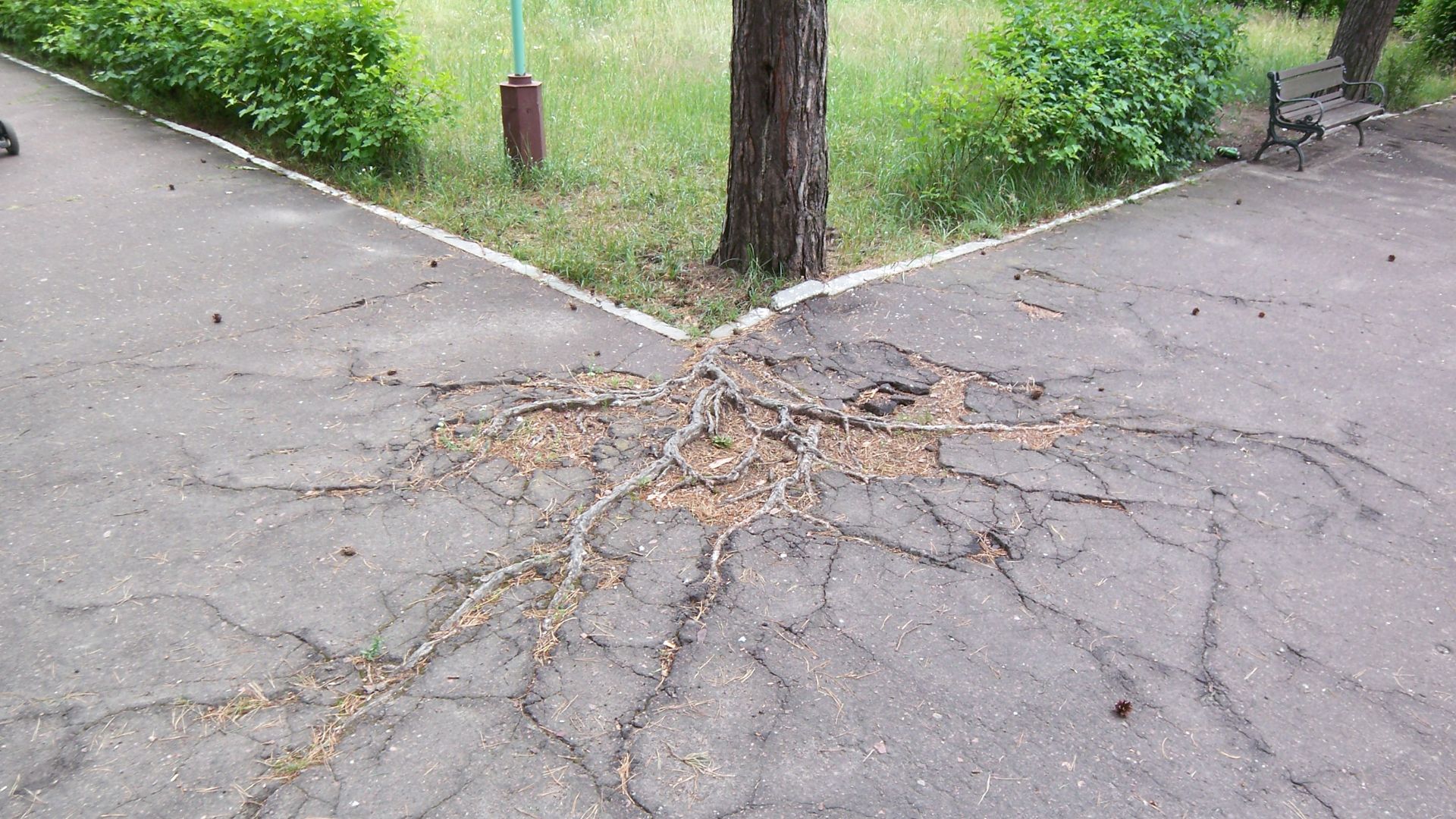 Arseny Khakhalin, Wikimedia Commons
Replacement Value Can Be Shockingly High
Here’s something most people don’t realize: mature trees can be extremely valuable. Courts often rely on certified arborists to calculate that value based on size, species, and age—not just simple replacement cost. If someone removes a shared or protected tree without permission, they could be liable for thousands—or even tens of thousands—of dollars in damages.
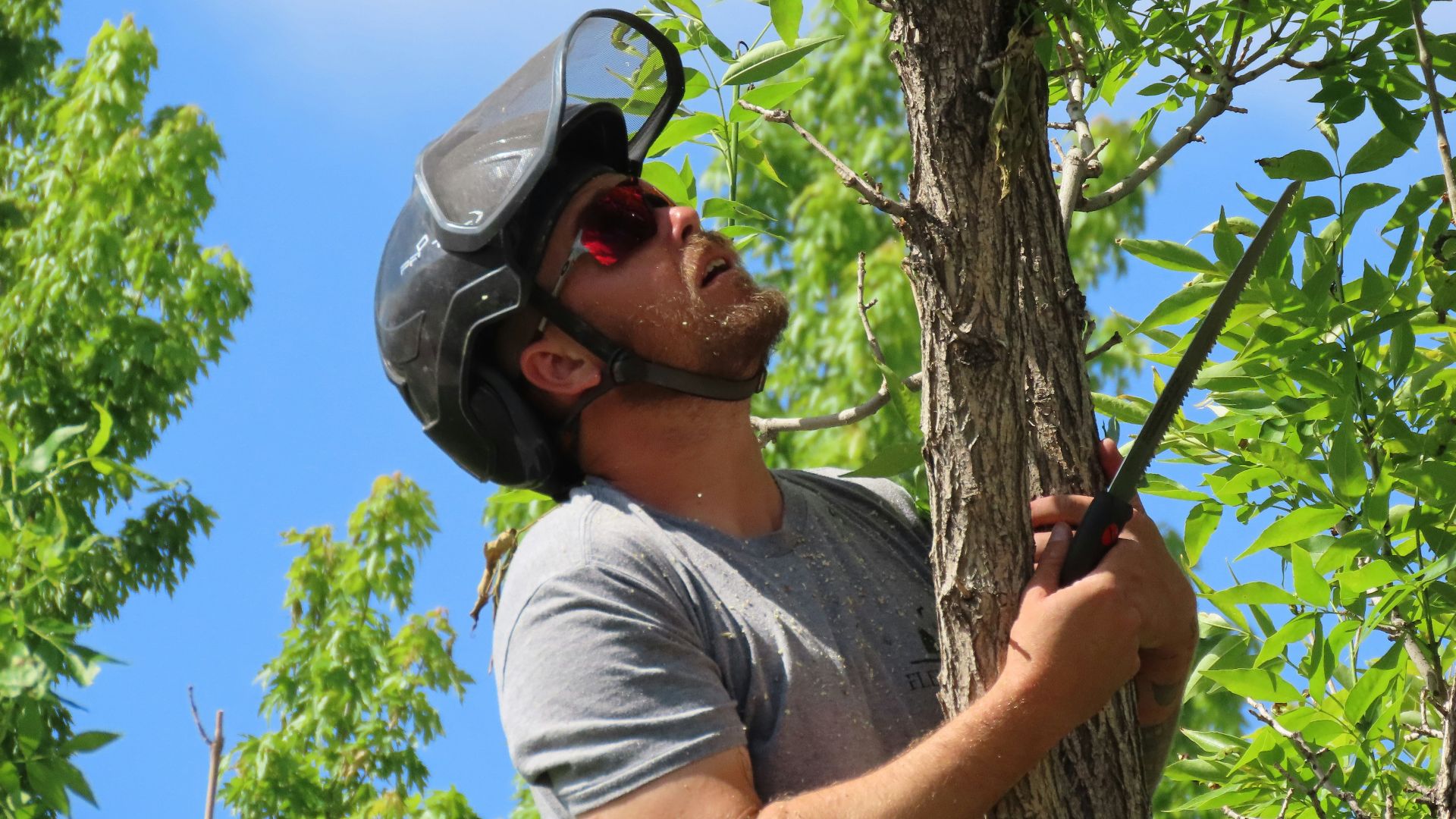
Courts Often Treat Boundary Trees Seriously
There have been cases where courts ruled strongly against neighbors who removed shared trees without agreement. Judges tend to view boundary trees as joint property, not something one person can decide on alone.
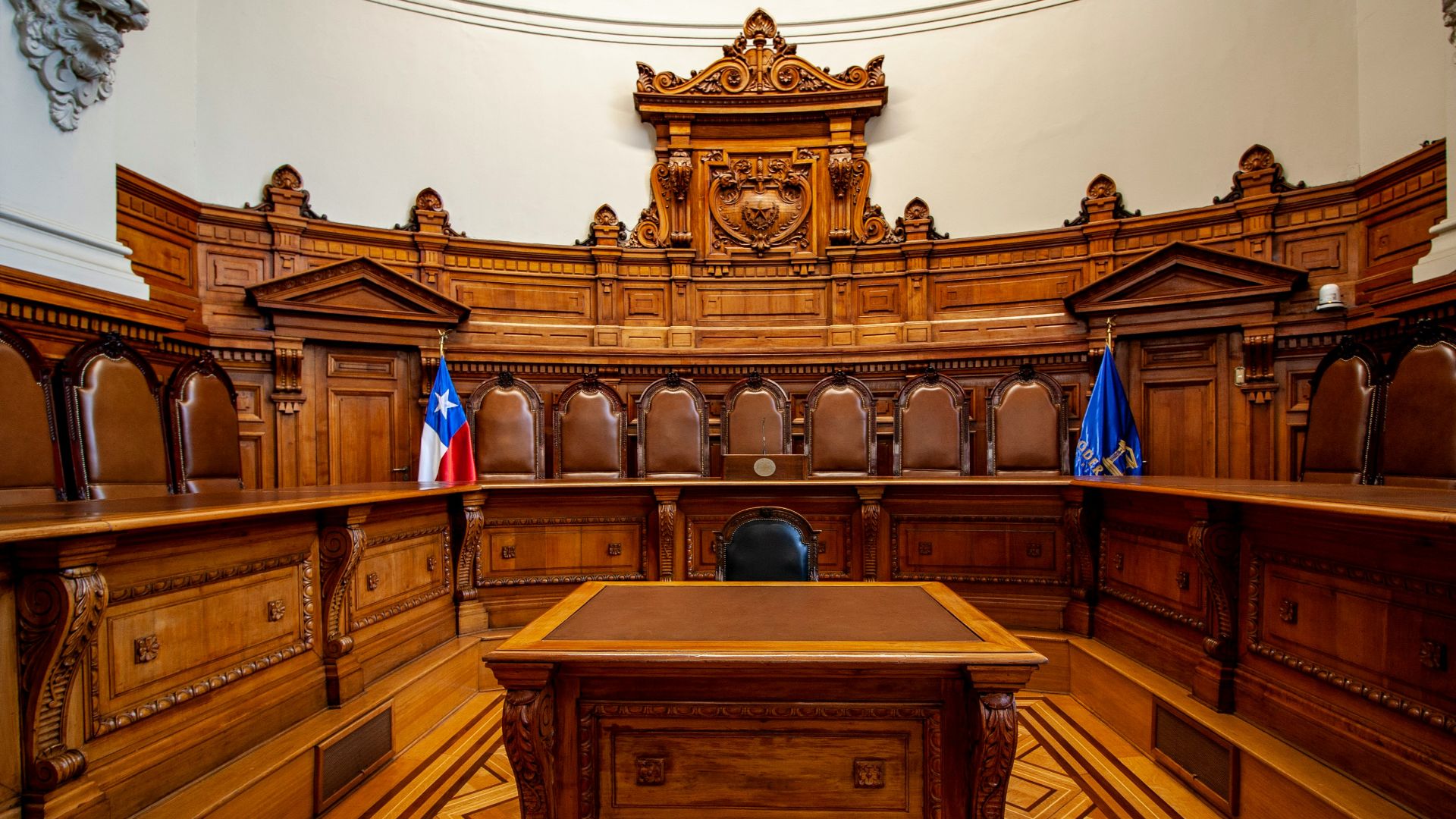
Documentation Can Protect You
If things start heading toward a dispute, document everything. Take photos, note conversations, and keep any messages. If you need to escalate, having a record can make a big difference.

A Surveyor Or Arborist Can Help
If there’s disagreement about the tree’s location or condition, professionals can help. A land surveyor can confirm boundaries, and an arborist can assess the tree’s health or risk level—which can matter legally.
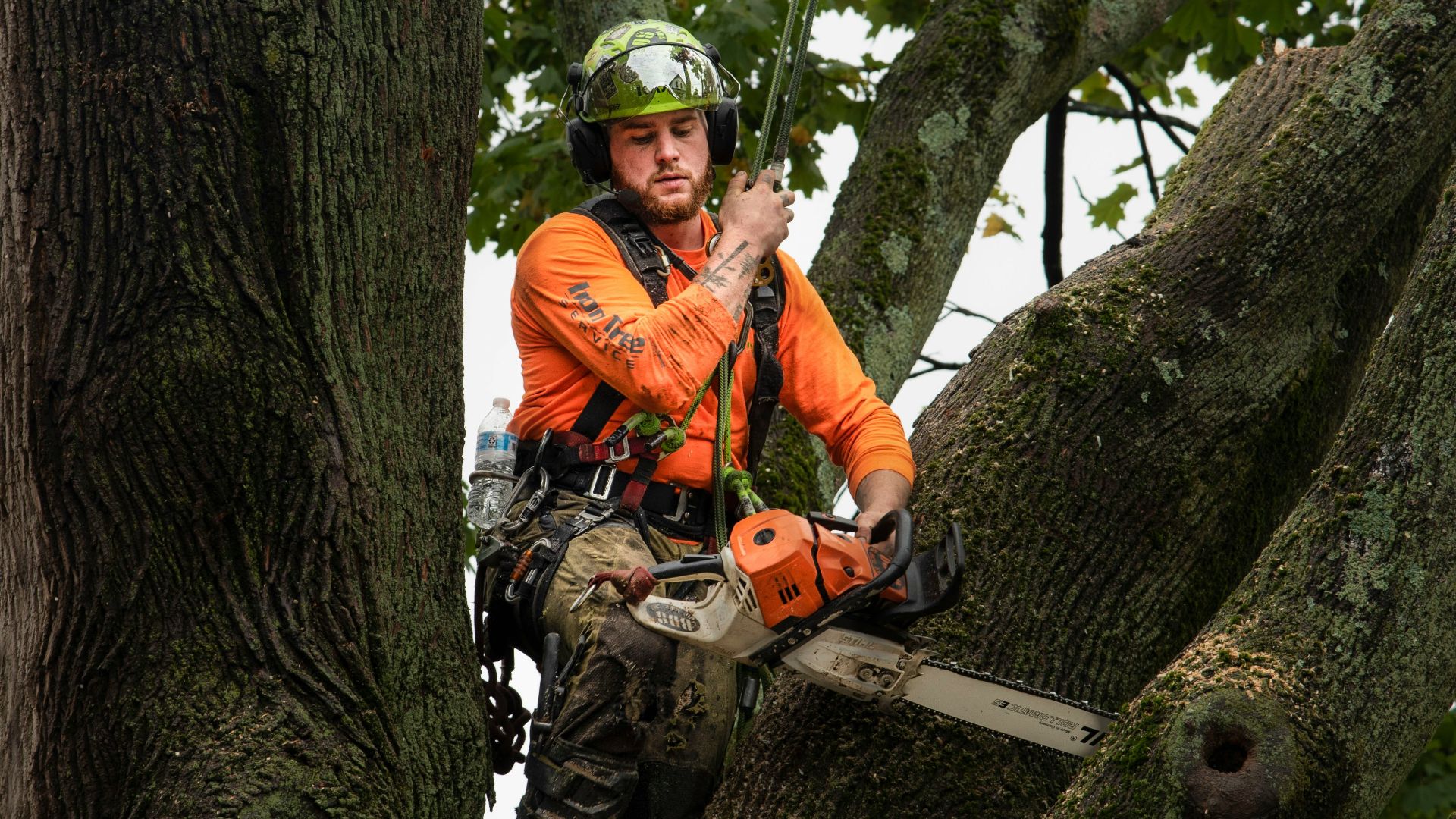
Legal Advice Might Be Worth It
If your neighbor is moving ahead anyway, a quick consultation with a property or real estate lawyer can clarify your rights. In some cases, a formal letter is enough to stop the situation before it goes further.

You May Be Able To Seek An Injunction
In more serious situations, you could potentially seek a court order (injunction) to temporarily stop the tree from being cut down until ownership and rights are sorted out. This is more involved—but it’s an option.

Timing Matters More Than You Think
Once the tree is gone, you can’t undo it. That’s why acting early is critical. Waiting too long could limit your options to seeking compensation instead of actually saving the tree.
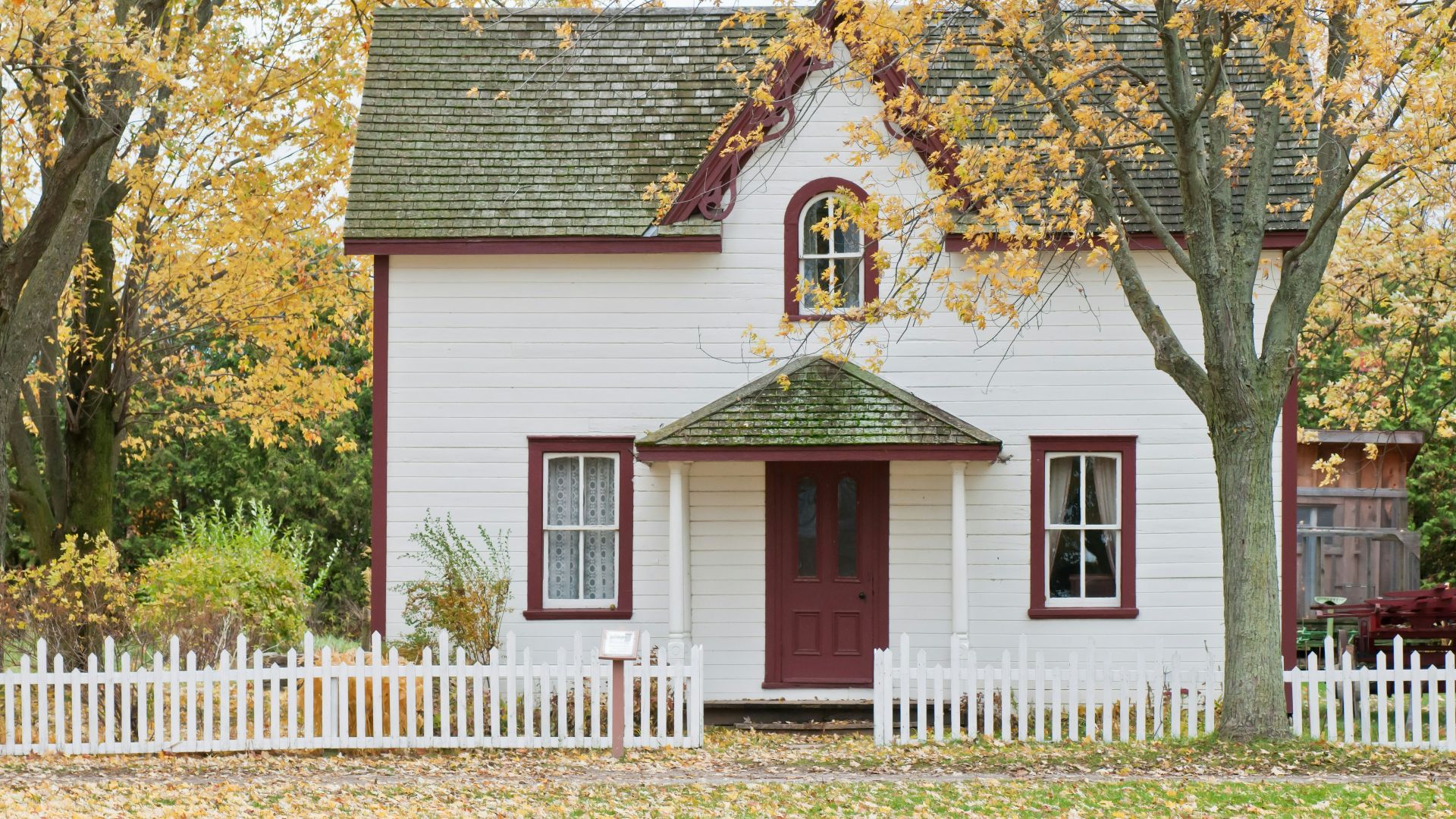
This Comes Down To Ownership And Local Rules
At the end of the day, two things matter most: where the tree sits and what your local laws say. If it’s on the line, you likely have a say. If it’s not, your options depend heavily on permits and protections.
So…Is There Anything You Can Do Before It’s Too Late?
If the tree truly sits on the property line, there’s a strong chance you do have the right to stop him—at least until both sides agree. But if it’s fully on his land, your power is limited unless local laws step in. Either way, this isn’t something to ignore—the outcome can come down to details most people never think about until it’s too late.

You Might Also Like:
My neighbor installed security cameras pointed at my backyard. Can they do that?