
When Is Enough Enough?
You've got ten credit cards, you pay your balances in full, and your credit score is excellent. Clearly, you're doing something right. But if opening more cards means bigger rewards, higher credit limits, and more financial flexibility, why stop now? The answer is that having lots of credit cards isn't necessarily a problem, but constantly opening new ones can eventually work against you.
Ten Cards Isn't Automatically Too Many
There's no legal limit on how many credit cards you can own, and credit scoring systems don't automatically penalize you for having ten or more. What matters is how responsibly you manage them. If you're paying on time, keeping balances low, and avoiding unnecessary fees, your collection isn't inherently dangerous.

Your Credit Limits Matter
One advantage of having multiple cards is greater available credit. Suppose your ten cards provide a combined $100,000 limit. If your reported balances total $2,000, you're using just 2% of your available credit. That low credit utilization ratio can help support an excellent credit score.

More Credit Can Help
Opening another card with a $20,000 limit could reduce that same $2,000 balance from 2% utilization to approximately 1.7%. That's technically an improvement, but the difference may be too small to matter. If your utilization is already exceptionally low, adding more credit might accomplish very little.

Understand The Thirty Percent Rule
You've probably heard that credit utilization should stay below 30%. That's a useful guideline, not a magic threshold. Lower utilization generally supports stronger scores, although the ideal figure varies. Both your overall utilization and individual card balances can matter, so one heavily used card may still affect your score.

New Applications Have Consequences
Every time you apply for another credit card, the issuer will typically perform a hard credit inquiry. That can temporarily reduce your credit score by a few points. One application usually isn't disastrous, but several applications close together can create a more noticeable decline.
 LinkedIn Sales Navigator, Pexels
Hard Inquiries Don't Last Forever
Hard inquiries generally remain on your credit reports for two years, but FICO scores only consider them for the first 12 months. Their influence also tends to diminish over time. Still, repeatedly applying for cards means you're continually adding fresh inquiries, potentially preventing your score from fully recovering between applications.

Your Average Credit Age
Credit scoring models consider how long you've maintained your accounts. Opening another card reduces the average age of your credit accounts, even if your oldest card remains open. If you've spent decades building a strong credit history, continually adding new accounts could weaken this part of your credit profile.

Credit History Rewards Patience
Length of credit history accounts for approximately 15% of a typical FICO score. New credit accounts for another 10%. Those percentages don't mean every application costs a predictable number of points, but they explain why constantly opening cards can undermine some benefits of your otherwise excellent financial habits.
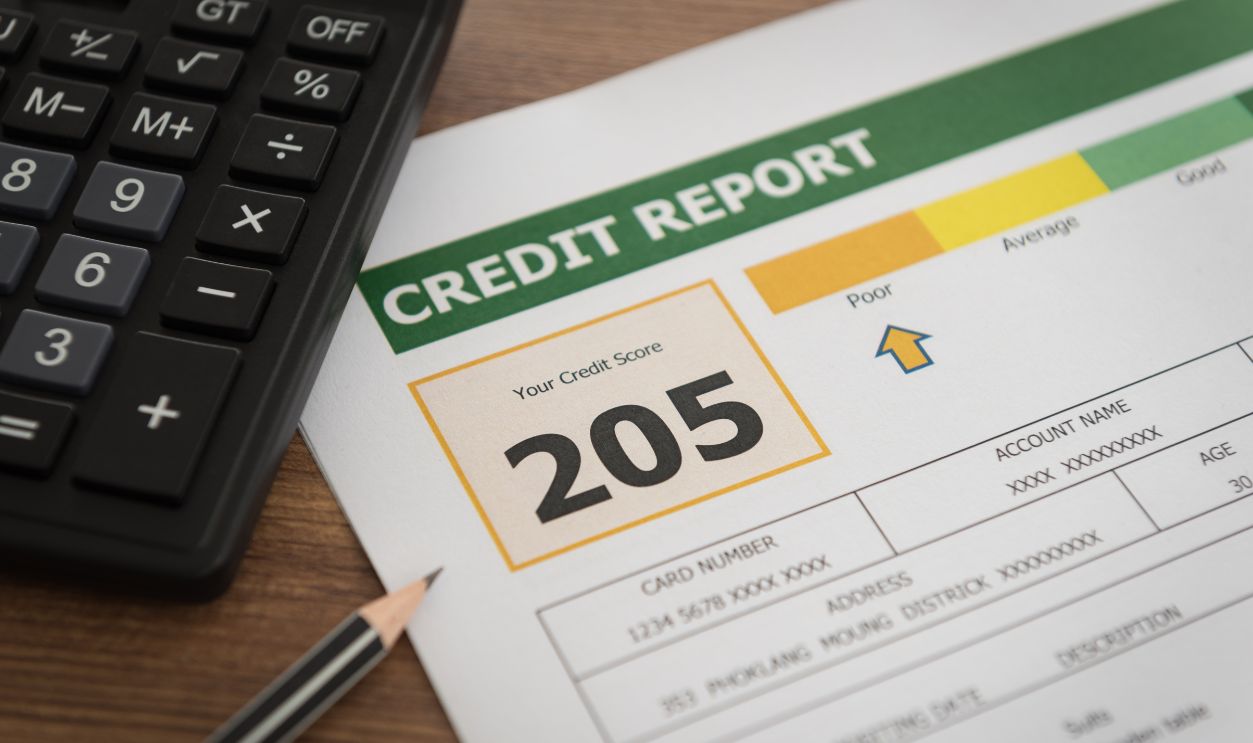
Lenders Notice Recent Activity
Even with an excellent score, a lender may become concerned if you've opened several credit accounts recently. Frequent applications can suggest you're seeking more borrowing capacity than usual. Different lenders have different approval standards, and some may reject an application despite your strong payment history and lack of outstanding debt.

Credit Cards Aren't Loan Shopping
When you're comparing mortgage or auto loan offers, certain credit scoring models combine qualifying inquiries made within a designated shopping period. Credit card applications generally don't receive that treatment. Applying for five cards in one afternoon can therefore create five separate inquiries, rather than a single consolidated credit check.

Rewards Can Make Sense
Multiple cards can be financially useful when they reward different spending categories. You might earn extra cash back on groceries, travel, gasoline, or restaurants. If you're already spending money in those categories and paying every statement balance in full, strategically choosing the right card can increase your rewards without generating interest.

Welcome Bonuses Are Tempting
New credit cards frequently advertise attractive introductory bonuses, sometimes worth hundreds of dollars. However, qualifying may require spending several thousand dollars within a few months. If you wouldn't otherwise make those purchases, chasing a bonus can quickly become counterproductive. A reward isn't really free if it encourages unnecessary spending.

Annual Fees Add Up
Some premium cards charge substantial annual fees in exchange for travel credits, lounge access, insurance benefits, and other perks. Having several such cards can become expensive. Before opening another, calculate whether its benefits genuinely exceed its annual fee, particularly when you already receive similar privileges from cards you own.

Rewards Have Hidden Limitations
Rewards programs aren't always straightforward. Points may have different redemption values, travel credits may come with restrictions, and promotional benefits can change. Managing ten separate programs is already complicated. Adding more could mean accumulating rewards you never redeem, particularly when you forget expiration rules or minimum redemption requirements.

More Cards Mean More Administration
Every additional credit card brings another statement, due date, account login, and set of terms. Even if you're financially disciplined, the administrative burden grows. Missing a payment because you overlooked an unfamiliar account could cause far more damage to your credit score than opening another card could ever repair.

Automate Your Payments Carefully
Automatic payments can help you manage a large collection of cards, especially when you schedule full statement-balance payments. But automation isn't foolproof. You still need enough money in your checking account, and you should regularly review statements for errors, unexpected charges, and transactions that might otherwise go unnoticed.

Unused Cards Aren't Risk-Free
You might assume that a card sitting untouched in a drawer requires no attention. However, unused accounts can still experience unauthorized transactions, changes to account terms, or annual fees. Card issuers may also close inactive accounts, potentially reducing your available credit. Even cards you rarely use deserve regular monitoring.

Fraud Monitoring Gets Harder
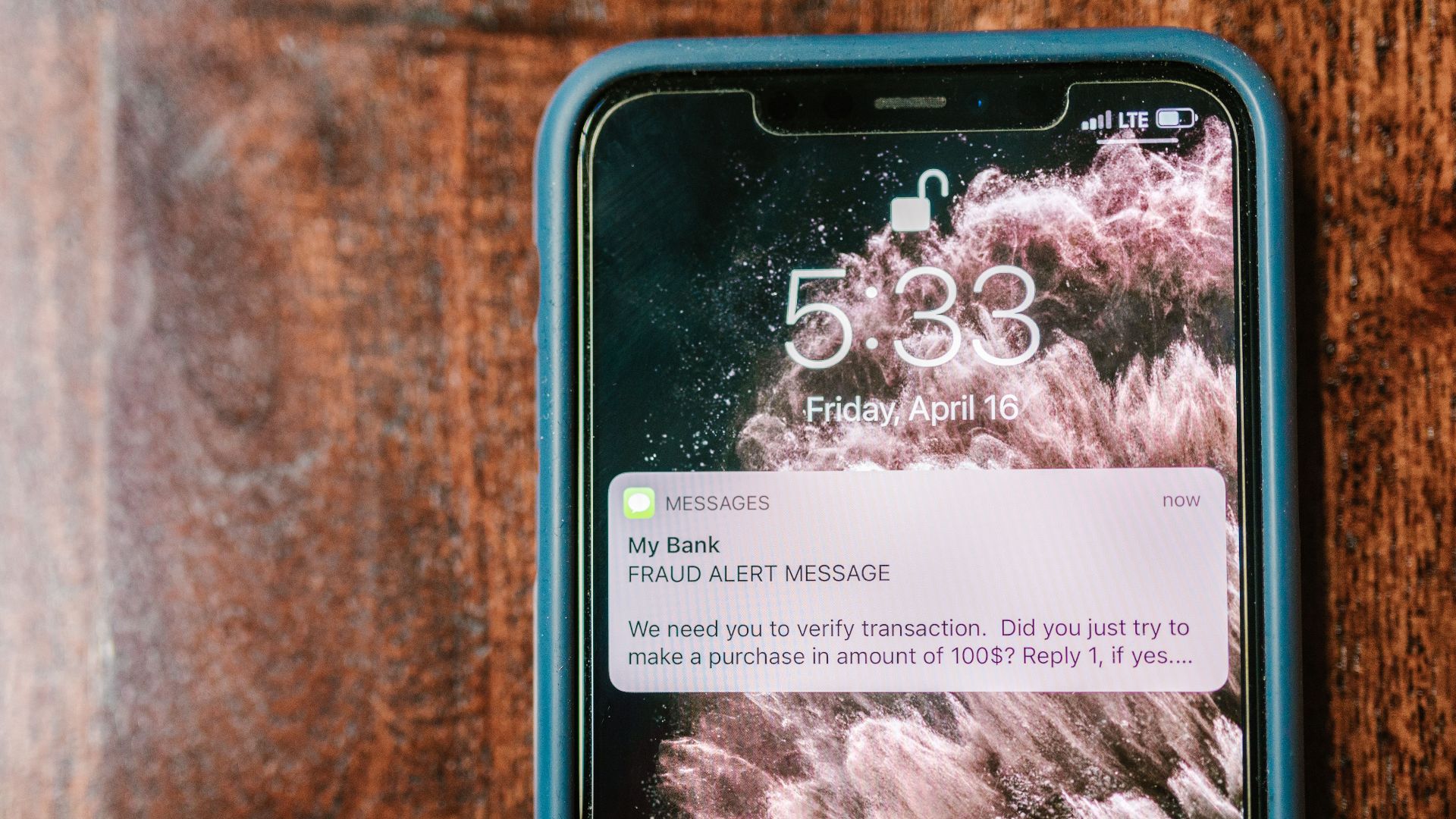
The more accounts you maintain, the more places you need to monitor for suspicious activity. Although federal law generally limits your liability for unauthorized credit card charges, discovering and disputing fraud still takes time. Transaction alerts and regular account reviews become increasingly important as your collection expands.
Your Spending Could Creep Up
Having $150,000 in available credit doesn't mean you can afford to spend $150,000. Multiple cards can make purchases feel disconnected from your actual bank balance. Even disciplined borrowers should occasionally review their total monthly spending across every account. Your excellent score won't protect you from overspending if your habits change.

Consider Your Mortgage Plans
If you're planning to apply for a mortgage or refinance your home soon, opening additional credit cards may be especially unwise. New inquiries and accounts can temporarily affect your credit score and raise questions during underwriting. Even a modest change could matter if it moves you into a less favorable lending category.
 Vodafone x Rankin everyone.connected, Pexels
Existing Limits Might Increase
If your main objective is increasing available credit, consider asking an existing issuer for a higher limit instead. That could improve your utilization without creating another account or reducing your average account age. However, some issuers perform hard inquiries for credit limit increases, so ask about their procedure before requesting one.

Don't Close Cards Automatically
You might decide that ten cards are enough and start closing accounts you rarely use. But closing a card reduces your available credit and could increase utilization. An account closed in good standing can remain on your credit report for up to ten years, so its age doesn't immediately disappear.

Keep Your Oldest Accounts
Your oldest credit cards can be particularly valuable because they contribute to your established credit history. If they don't charge annual fees, keeping them open may make sense. Occasional small purchases can help prevent inactivity closures, provided you monitor the accounts and pay every statement balance in full.

Credit Mix Still Matters
Having 15 credit cards doesn't necessarily demonstrate more financial versatility than having ten. Credit scoring models also consider your mix of account types, including installment loans and revolving credit. You shouldn't borrow money unnecessarily to diversify your credit, but opening another card won't improve that variety if you already have plenty.

Know When To Stop
Ask yourself what an eleventh or twelfth card would actually accomplish. Would it provide a meaningful reward, replace an expensive card, or offer a benefit you genuinely need? If you can't identify a practical advantage, you're probably adding complexity without improving your finances. There's no prize for collecting the most accounts.

Your Excellent Score Is Enough
With ten cards, no revolving debt, and an excellent credit score, you've already demonstrated responsible credit management. Additional cards might offer worthwhile rewards, but they aren't necessary simply to build credit. Focus on preserving your strong payment history, maintaining low balances, and avoiding unnecessary applications. Sometimes the smartest financial move is doing nothing.

You May Also Like:
I missed one payment, and my credit score dropped sharply. Is that really all it takes?
I paid off a debt, but it still shows up on my credit report. How do I fix it?