
A Gift With Strings Attached?
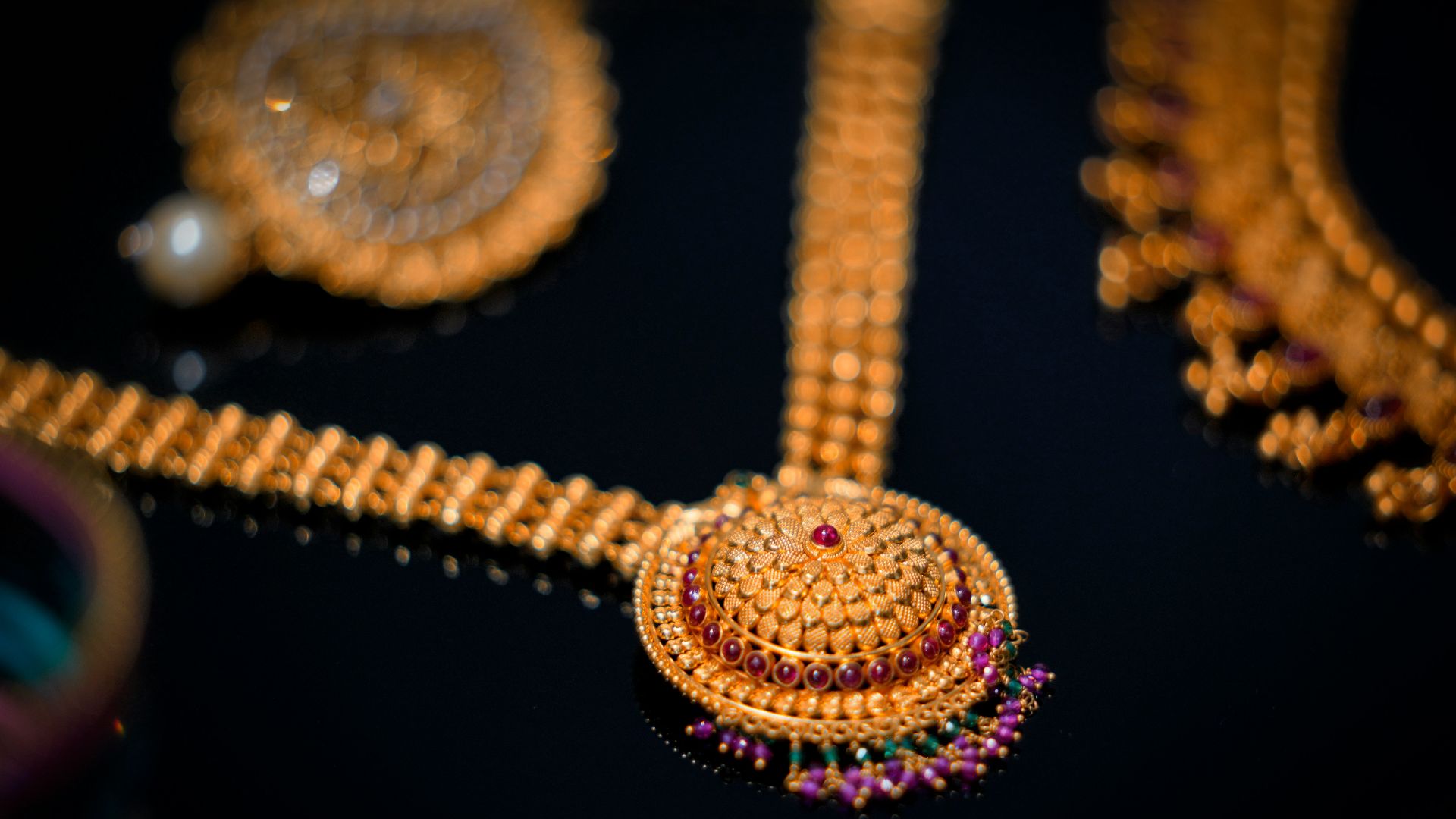
You bought your mom a 24-karat gold necklace with a glowing emerald centrepiece. It was thoughtful, generous, and expensive. Now it is worth around $5,000, and you have discovered she plans to leave it to your brother’s wife. Naturally, your feelings are doing cartwheels.

The Shock Is Understandable
Let’s be honest: this is not just about jewellery. If it were a random sweater or a casserole dish, you probably would not be spiralling. This necklace carries love, sacrifice, and meaning. You gave it to your mom, so hearing it may go elsewhere stings.

First, Take A Breath
Before marching into the family group chat with receipts and dramatic punctuation, pause. Hurt feelings can make us say things that are technically honest but emotionally explosive. Give yourself time to sort out what is bothering you most: the money, the meaning, or the surprise.

Remember What A Gift Means
Once you give someone a gift, it usually becomes theirs to keep, wear, sell, donate, or pass on. That part can feel unfair when the gift is valuable, but socially and practically, your mom owns the necklace now. That does not mean your emotions are silly.

But Feelings Still Count
You can understand the rules of gifting and still feel crushed. Maybe you imagined the necklace staying close to you one day. Maybe you thought your mom saw it as a bond between the two of you. Feeling disappointed does not make you greedy.

Ask Yourself What You Wanted
This is the tricky part. Did you give the necklace because you wanted your mom to enjoy it? Or did you also hope it would eventually return to you? Many gifts carry quiet expectations. That is human. But hidden expectations can become heartbreak later.

The Daughter-In-Law Detail Hurts
It may feel especially painful because the necklace is going to your brother’s wife, not your brother. That can make it seem like your gift is leaving your side of the emotional map. Try not to turn your sister-in-law into the villain automatically.

She May Not Know Anything
Your brother’s wife may have no idea this is happening. She might not have asked for the necklace. She might even feel awkward if she knew. Before resentment grows, remember that your mom made the decision, so any conversation should start with her.

Do Not Ambush Your Mom
This is not a kitchen-counter sneak attack conversation. Pick a calm moment. Do not open with, “So I hear you’re giving away my necklace.” That sounds like a courtroom drama. Instead, lead with honesty: “Mom, I heard something that hurt me.”

Say What It Meant To You
Explain the emotional meaning before the financial one. Tell her you bought the necklace because you wanted her to have something beautiful and lasting. Say that finding out it would go to someone else made you feel overlooked, even if that was not her intention.

Avoid Accusing Her Of Betrayal
Words like “betrayed,” “used,” or “ungrateful” may be tempting, but they can shut the conversation down fast. Your mom may become defensive instead of reflective. Keep the focus on your feelings, not her character. You want clarity, not a family thunderstorm.

Ask Why She Chose That Plan
There may be a reason you do not know. Maybe your mom believes your sister-in-law loves the necklace. Maybe she thinks you do not wear gold. Maybe she already plans to leave you something else. Ask gently and let her answer fully.

There May Be A Bigger Estate Plan
Families often treat inheritance like a secret treasure map, and then everyone acts shocked when people get lost. Your mom may have divided items in a way that makes sense to her. The necklace might be one piece of a larger plan.
 Alexander Suhorucov, Pexels, Modified
Be Honest About The Value
It is okay to mention the necklace is worth around $5,000 now. Money matters. But try not to make it sound like an invoice. A good line might be, “Because it has become so valuable, I also feel confused about where it should go.”
 Krakenimages.com, Shutterstock
Do Not Demand It Back
Demanding the necklace back could turn you from hurt daughter into “person causing holiday tension.” Unless your mom offers, asking for it back may feel harsh. Instead, ask whether she would reconsider leaving it to you because of the story behind it.

Suggest A Sentimental Compromise
Maybe your mom keeps wearing it for life, then leaves it to you. Maybe she leaves another meaningful item to your sister-in-law. Maybe the necklace stays in the family line. A compromise can protect relationships while still honouring the gift’s emotional history.

Consider Having It Documented
If your mom does change her mind, vague promises are risky. Memories shift. Relatives disagree. Jewellery disappears into drawers. Encourage her to update her will or write a clear note with her wishes. This is practical, not dramatic.

Keep Your Brother Out At First
Unless your brother is already involved, do not drag him in immediately. Sibling conversations about inheritance can get spicy very quickly. Speak to your mom first. If needed, bring others in later with calm intentions and very low volume.

Watch For Old Family Patterns
Sometimes one necklace lights up years of feeling ignored. Ask yourself whether this hurts because of the item, or because your brother’s household often gets priority. If this is part of a pattern, the conversation may need to be bigger than jewellery.
Do Not Punish Your Sister-In-Law
Being chilly, making comments, or glaring at her neckline at brunch will not help. If she receives the necklace someday, she may simply be following your mom’s wishes. Keep your frustration aimed at the decision, not the person who may benefit.

Protect Your Future Generosity
This experience may teach you something important: expensive gifts should be given freely, or not at all. In the future, if an item has family-heirloom expectations, say so upfront. “I’d love you to have this, and someday I hope it comes back to me.”

You Can Set New Boundaries
You do not have to keep giving costly gifts if this has changed how you feel. That is not petty; it is wise. Give within your comfort zone. Choose presents you can release emotionally, especially if the recipient may make choices you dislike.

If Your Mom Refuses
Your mom may listen kindly and still say, “I understand, but this is what I want.” That will hurt. But once you have expressed yourself clearly, you have done your part. You cannot force her estate choices without damaging the relationship.

Decide What Matters Most
At some point, you may have to choose between being right and staying close. That does not mean swallowing your feelings. It means deciding how much power this necklace gets over your connection with your mom, your brother, and yourself.

A Legal Fight Is Probably Not The Move
Unless there is fraud, coercion, or a formal agreement, this is likely not a legal issue. It is an emotional and family issue. A lawyer may explain your options, but the best first step is almost always a direct, calm conversation.

Turn The Moment Into Clarity
This situation is painful, but it can also clear the fog. You now know that sentimental gifts need spoken expectations. You know your feelings deserve a voice. And you know that family inheritance conversations are better before the will is read.

The Bottom Line
Talk to your mom gently but honestly. Tell her what the necklace meant to you, ask why she made that choice, and request that she reconsider. You may not control the outcome, but you can protect your dignity, your boundaries, and maybe even the relationship.

You May Also Like: