
Grocery Money Gone In A Week?
You gave your college-age son money to buy groceries so he'd have food for the week. Instead, most of it disappeared on food delivery apps, and now he's asking for more money again. How can you help him eat properly without becoming his personal ATM? The answer isn't as simple as giving him a bigger budget.

This Is More Common Than Many Parents Realize
For many students, college is the first time they've had to manage food expenses on their own. Budgeting, meal planning, and resisting convenience can take practice.

Delivery Apps Make Overspending Easy
Ordering dinner takes less than a minute, but the true cost often isn't obvious. Delivery fees, service fees, small-order fees, taxes, and tips can quickly turn a $15 meal into a $25–35 purchase.

A Few Orders Add Up Fast
If someone orders four or five delivered meals each week, they can easily spend well over $100 weekly. In many cities, that same amount could buy groceries for numerous breakfasts, lunches, dinners, and snacks.

Here's The Question Worth Asking
Is your son actually struggling financially—or is he struggling with planning? Those are two very different problems, and they often require different solutions.

Start With A Simple Budget
One of the best lessons you can teach is dividing food money into weekly amounts instead of treating it as one large pool. A weekly limit is often much easier to manage than a monthly one.

Show Him Where The Money Goes
Many young adults have never added up what they spend on convenience meals. Reviewing a month's worth of purchases together can be eye-opening without being judgmental.

Build A Basic Grocery List
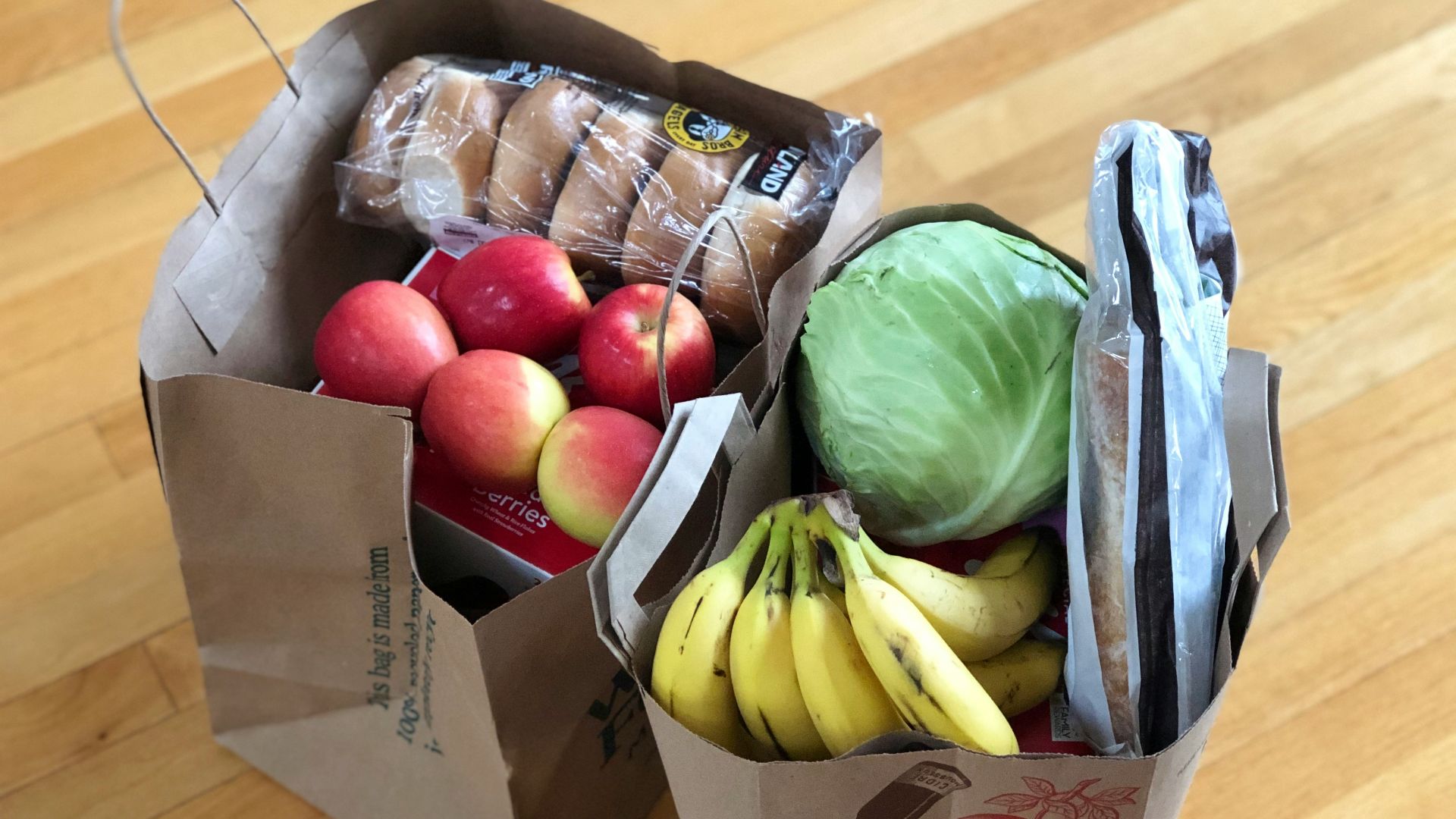
You don't need gourmet meals. Affordable staples like rice, pasta, oats, eggs, frozen vegetables, canned beans, peanut butter, yogurt, fruit, chicken, and whole-grain bread can stretch a food budget much further than repeated deliveries.
Teach Cost Per Meal
A simple homemade pasta dish might cost only a few dollars per serving, while one delivered dinner could cost several times as much. Understanding the cost per meal helps students make smarter spending decisions.

Plan Before Shopping
Going to the grocery store without a list often leads to impulse purchases and forgotten essentials. Even a five-minute meal plan before shopping can reduce waste and unnecessary spending.

Don't Forget The Freezer
Frozen vegetables, fruit, cooked chicken, and leftovers can reduce food waste and make quick meals almost as convenient as ordering delivery.

Consider Giving Groceries Instead Of Cash
Some parents occasionally place an online grocery order for pickup or delivery rather than transferring additional spending money. That helps ensure food is actually available at home.

But Avoid Controlling Every Purchase
College is also a time for learning financial independence. Completely taking over every decision may solve today's problem but delay important money-management skills.

Encourage Emergency Meals
Keeping inexpensive backup foods—like soup, pasta, frozen meals, or shelf-stable ingredients—can prevent the temptation to order expensive last-minute meals.
 Monkey Business Images, Shutterstock
Set Expectations Up Front
If you choose to provide grocery money, make it clear whether it's intended to last one week, two weeks, or the entire month. Clear expectations reduce misunderstandings later.

It's Okay To Say No Sometimes
If the money was spent exactly as intended but simply wasn't enough, that's one conversation. If it was repeatedly spent on convenience purchases instead of groceries, constantly replacing it may reinforce the habit.

Budgeting Is A Skill—Not A Personality Trait
Some students naturally manage money well. Others need practice, feedback, and a few mistakes before the lessons stick. That's completely normal.

Technology Can Actually Help
Budgeting apps, banking alerts, and spending trackers can help students see where their money is going in real time instead of being surprised at the end of the month.

The Goal Isn't Perfect Spending
It's helping your son build habits he'll still use years after graduation—planning purchases, comparing prices, and avoiding unnecessary convenience costs.

Here's The Question That Really Matters
Are you trying to solve this week's empty refrigerator—or teach the financial skills that will help him avoid the same problem next month?

So... How Can You Help Him Eat Properly?
The most effective approach is usually a combination of financial coaching and reasonable boundaries. Help him create a realistic grocery budget, show him how delivery costs affect that budget, encourage simple meal planning, and consider providing groceries instead of extra cash when appropriate. If he repeatedly spends grocery money on convenience purchases, it's reasonable to avoid automatically replacing those funds. Learning to budget is part of becoming financially independent.

Good Habits Are Worth More Than Another Grocery Transfer
The ultimate goal isn't making sure this week's refrigerator is full—it's helping your son learn how to keep it full on his own. A few practical budgeting lessons today can pay off for decades.

You May Also Like:
I earned $500 freelancing last year and didn’t report it, and now I’m panicking. Am I in trouble?