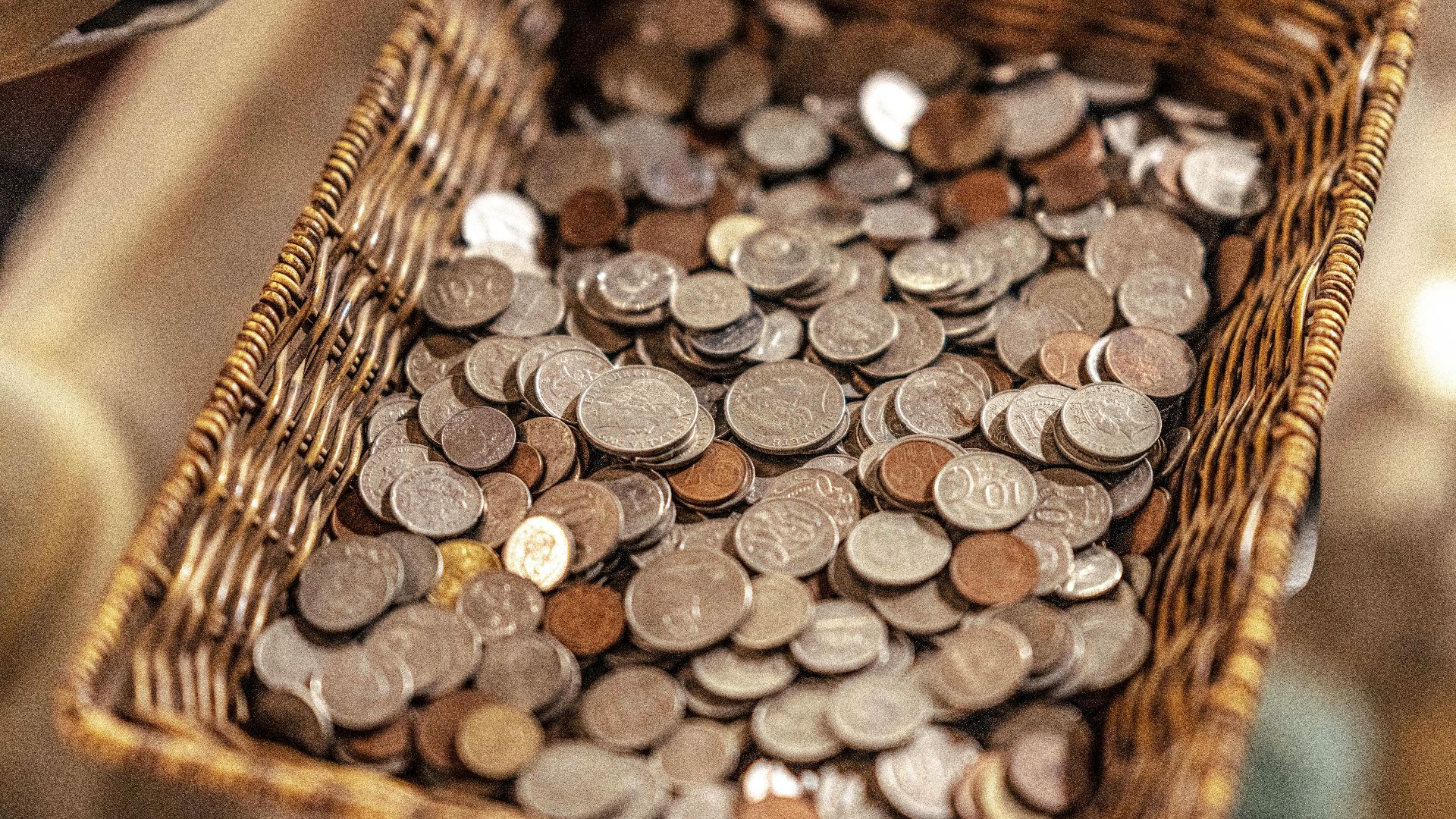
The Coin Mountain Meets The Car Lot
Imagine inheriting $5,000 in small change and strutting into a dealership like a human slot machine. It is a great story, but not necessarily a great payment strategy. The big question is whether the dealer had to accept it. The answer is surprisingly simple: usually, no.

What “Legal Tender” Actually Means
People hear “legal tender” and assume it means every business must accept every penny, nickel, dime, and quarter you lovingly drag through the door. But the phrase is narrower than most people think. Federal law says U.S. coins and currency are legal tender for debts, public charges, taxes, and dues.

The Key Word Is “Debts”
That little word, “debts,” does a lot of heavy lifting. If money is already owed, legal tender matters more. But when you are trying to buy something on the spot, a business can usually set payment terms before the deal is final. That is where many consumers get tripped up.

A Car Purchase Is Usually A Proposed Transaction
At a dealership, you are not just tossing cash on a counter for gum and driving away. A car sale involves contracts, fees, financing choices, title work, and internal policies. Until the seller agrees to the terms, it is generally still a proposed transaction, not an existing debt they must accept.

Yes, A Private Business Can Usually Refuse Cash
The Federal Reserve says there is no federal statute requiring a private business, person, or organization to accept currency or coins for payment for goods or services. Private businesses can make their own policies unless a state law says otherwise. That is the headline answer most drivers need.

And That Includes Buckets Of Coins
So can a dealership refuse a wagon full of coins? Under federal law, yes, it usually can. In fact, a business that does accept cash can still create reasonable conditions around how payment is made, especially for large purchases that create handling, counting, security, and administrative headaches.

Why Dealerships Say No
Dealerships are not trying to crush your quirky inheritance dream just for sport. Huge coin payments create practical problems: storage, transport, counting time, fraud concerns, employee safety, and bank deposit issues. A $5,000 coin payment is memorable, yes, but it is also a logistical workout nobody requested.

Legal Tender Is Not A Magic Override Button
This is the part people hate, because it feels unfair. If U.S. money is real money, why can a seller say no? Because legal tender does not automatically erase a merchant’s right to decide which forms of payment they will accept before a sale is completed.
Existing Debt Versus New Sale
Think of it this way: if you already owe money, the legal-tender issue becomes more important. If you are still negotiating a purchase, the seller can often say, “We only take cashier’s checks, wire transfers, or regular cash in reasonable form.” The distinction sounds fussy, but it matters.

Why “Reasonable Form” Matters In Real Life
Even people who love cash usually do not want to count thousands of coins by hand in a showroom. Businesses often choose payment methods that are faster to verify and easier to document. For a car purchase, dealers may prefer a cashier’s check or wire simply because it is cleaner and safer.

Your Coins Are Still Real Money
Now for the comforting part: the dealership rejecting your coin avalanche does not make the money worthless. It is still valid U.S. currency. The issue is not whether the coins count as money. The issue is whether that particular seller must take them in that particular transaction. Usually, it does not.

There May Be State Or Local Twists
Federal law is only part of the story. The Federal Reserve also notes that state law can change the picture. Some jurisdictions have rules affecting cash acceptance, though those laws vary. That means the broad answer is “yes, they can probably refuse,” but local rules are worth checking.

But Do Not Assume A State Law Saves The Day
Even where cash-acceptance rules exist, that does not necessarily mean a business must accept sacks of mixed change for a large-ticket purchase. Laws may focus on refusing cash entirely, not on requiring a merchant to process your dramatic pirate-chest scenario exactly as presented. That is an important difference.

The Dealership Can Also Set Contract Terms
Car dealers often spell out payment terms in writing. If the contract or purchase process says payment must be by certified funds, wire, or approved financing, that policy may be part of the deal itself. In other words, they are not rejecting money so much as defining the transaction upfront.

What If You Already Signed Something?
This is where the story could get more interesting. If you had already signed documents creating an obligation and then tried to satisfy it with legal tender, the analysis could be different. But for most everyday dealership situations, the dealer can refuse before the sale is finalized.

Why The Myth Persists
The myth survives because “legal tender” sounds absolute and dramatic, like a phrase from a courtroom movie. In normal conversation, people use it to mean “they have to take my money.” In actual law and commerce, it does not work that broadly. The phrase is real, but the myth is oversized.

A Dealership Is Not The Mint’s Problem Child
Also, remember that businesses are not public utilities for your inherited coin collection. They are private sellers trying to move inventory, process paperwork, and keep the showroom from turning into an arcade redemption center. The law usually gives them room to decide how they want to be paid.

So What Should You Do With $5,000 In Change?
First, resist the urge to stage a cinematic coin dump on someone’s desk. A smarter move is to convert the change before making a major purchase. That lets you keep the value while avoiding the practical and legal mess of asking a dealer to accept payment in bulky coin form.

Start With Your Bank Or Credit Union
Many banks and credit unions will help customers deposit rolled coins, and some have coin-counting options. Policies vary, but financial institutions are the obvious first stop. Turning the coins into a deposit gives you a much easier path to a check, debit payment, or transfer for the car.
Watch Out For Coin-Counting Fees
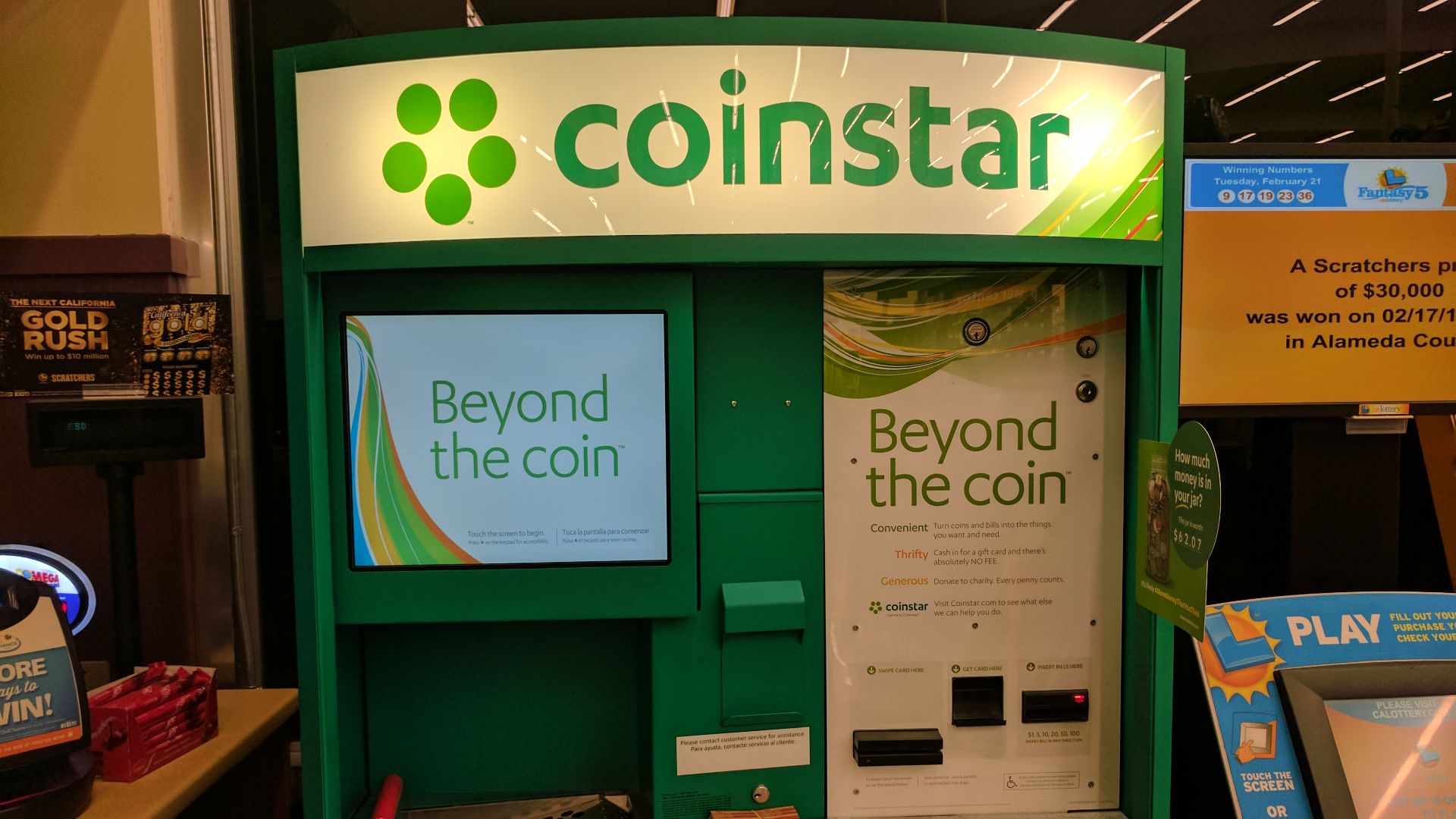
If you use a third-party coin machine, fees can nibble away at your inheritance. A convenience fee may not sound terrible until you realize it is quietly eating lunch with your money. On a large amount, even a modest percentage can sting, so compare options before you dump the jar.
Keep A Record Of The Deposit
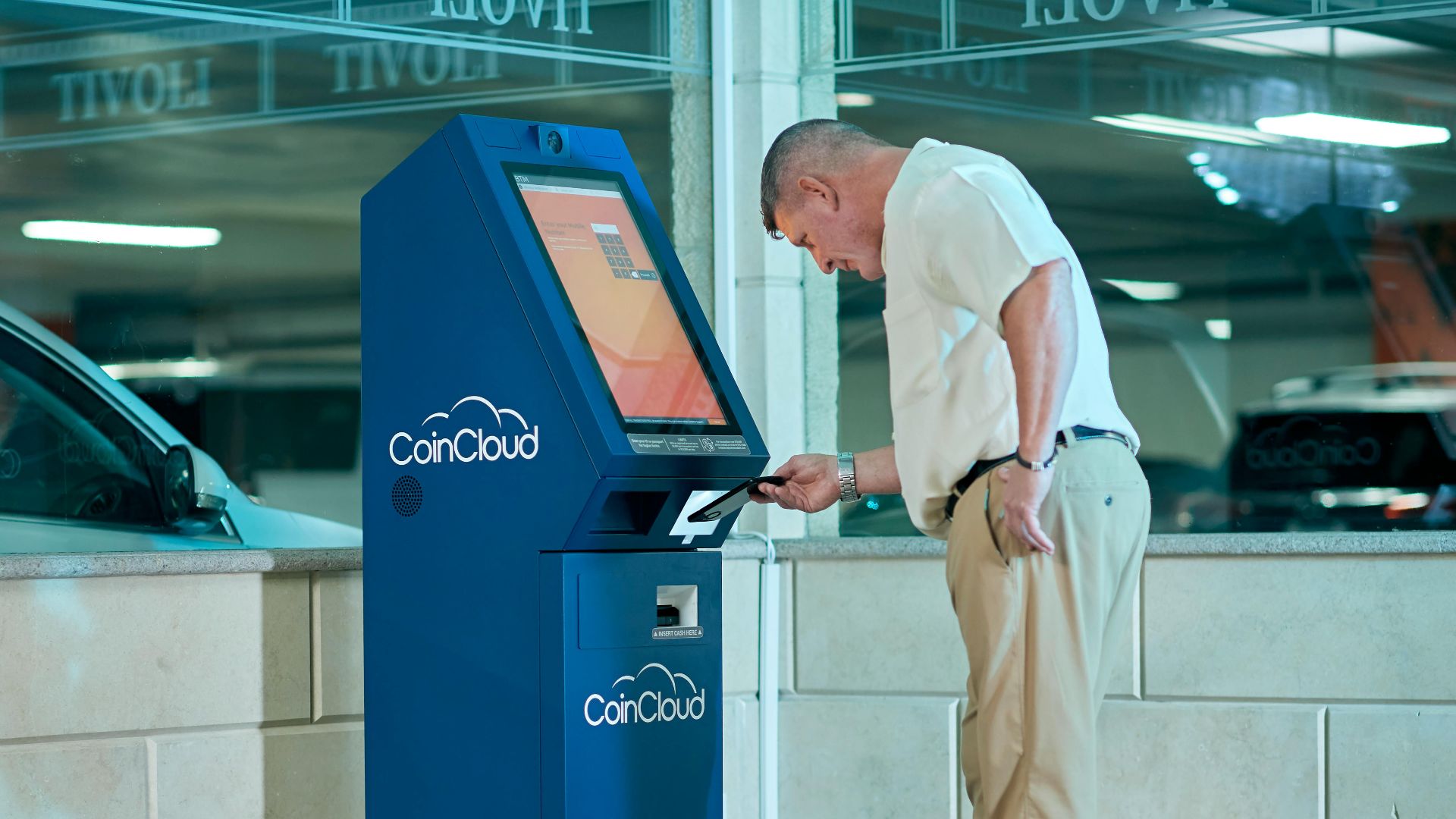
This is not just neat-freak advice. If you inherited the money, you may want a clear record showing how it was counted and deposited, especially if questions ever come up about the amount. Once the funds are in an account, paying for the car becomes much less theatrical and much more normal.

Could The Dealer Accept It Anyway?
Absolutely. A dealer could choose to accept the coins if it wanted to. Nothing in the basic federal rule stops a business from saying yes. The point is that it is usually a choice, not a requirement. So the answer is not “they cannot,” but rather “they do not have to.”

Negotiation Still Exists
If you are determined, you could ask whether the dealership would accept a bank-certified total after the coins are counted and deposited. That is the adult compromise version of the story. You still use the inheritance for the car, but nobody has to spend the afternoon counting quarters like casino staff.

This Is Not About Whether Coins “Count”
It is tempting to treat a refusal like an insult to the very concept of money. But legally, that is not what is happening. Your coins still count as U.S. currency. The dealer is simply declining that form of payment for that sale under its own business policy.

The Fast Answer You’d Tell A Friend
If a friend asked, “Can they really refuse legal tender?” the plain-English reply would be: yes, probably. Federal law does not force private businesses to accept cash or coins for goods and services, and dealerships can usually set their own payment rules unless state law says otherwise.

The Smarter Consumer Move
Instead of arguing on the showroom floor, convert the coins through a bank, get the money into usable form, and focus your energy on negotiating the car price. That is where the real dollars are won or lost anyway. The payment method should be the boring part, not the headline.

The Bottom Line
Yes, the dealership can usually refuse your $5,000 in small change, even though the coins are legal tender. Federal law recognizes the coins as money, but it does not generally force a private seller to accept them for a new purchase. So cash may be king, but coin mountains still need an appointment.
You May Also Like: