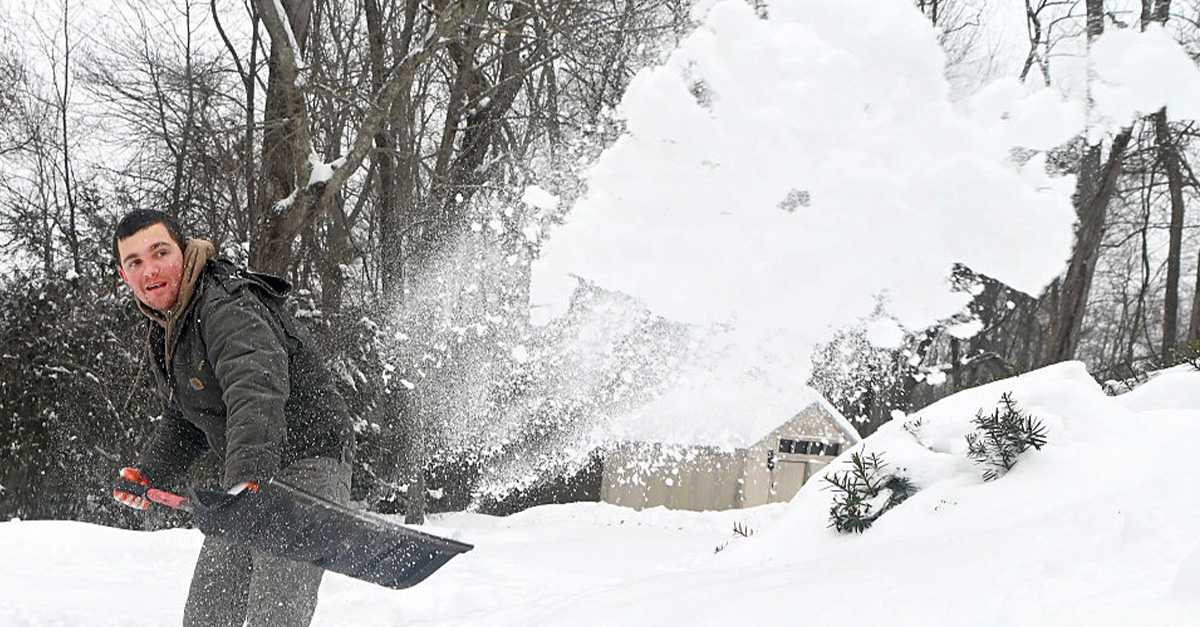
A Snowy Surprise On An Otherwise Normal Morning
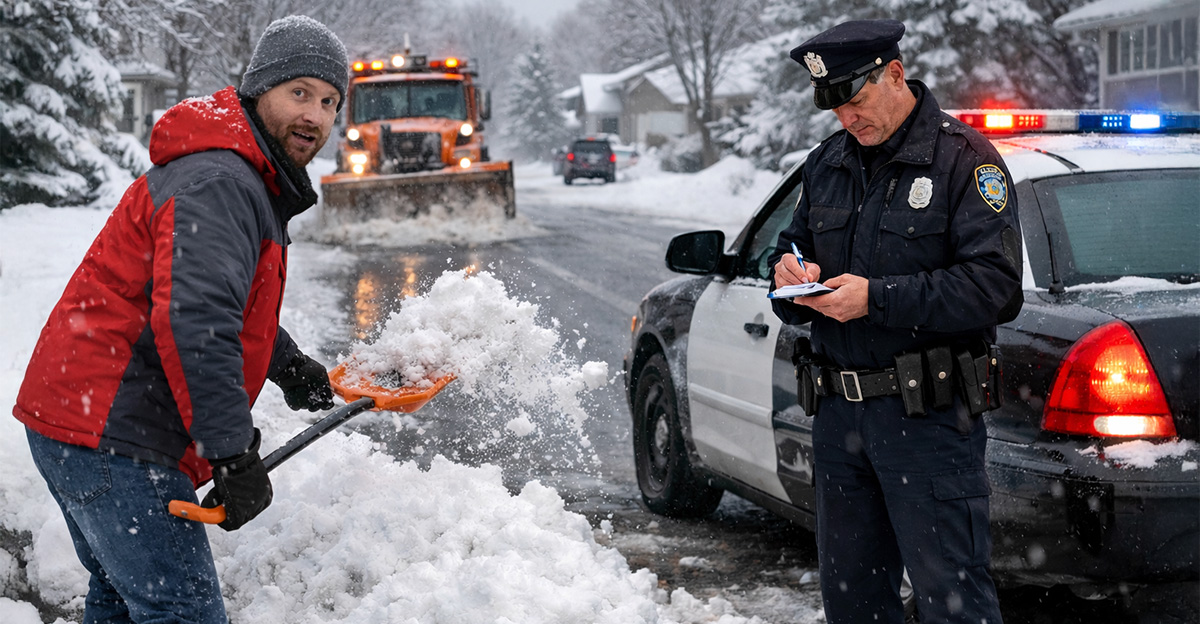
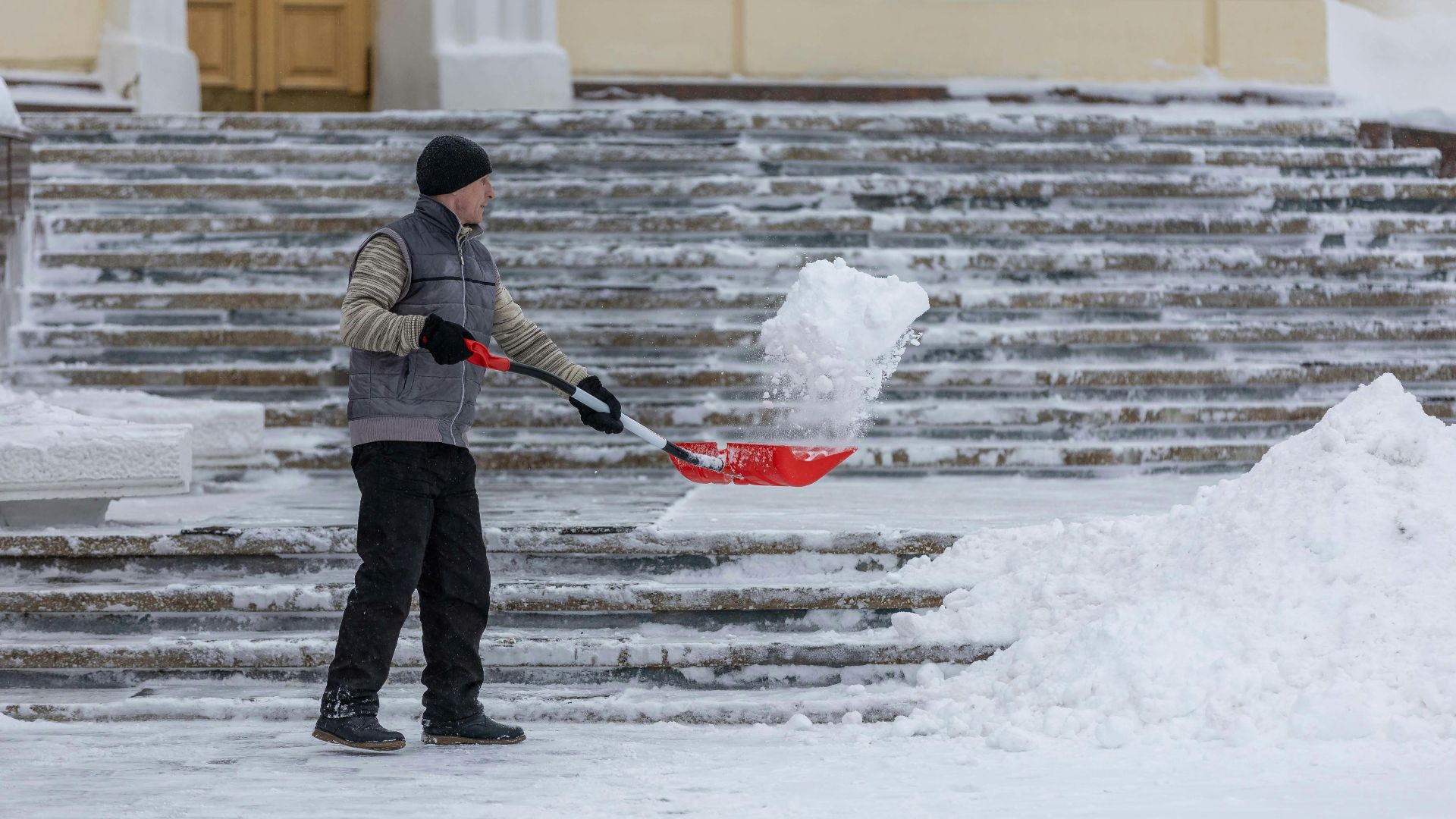
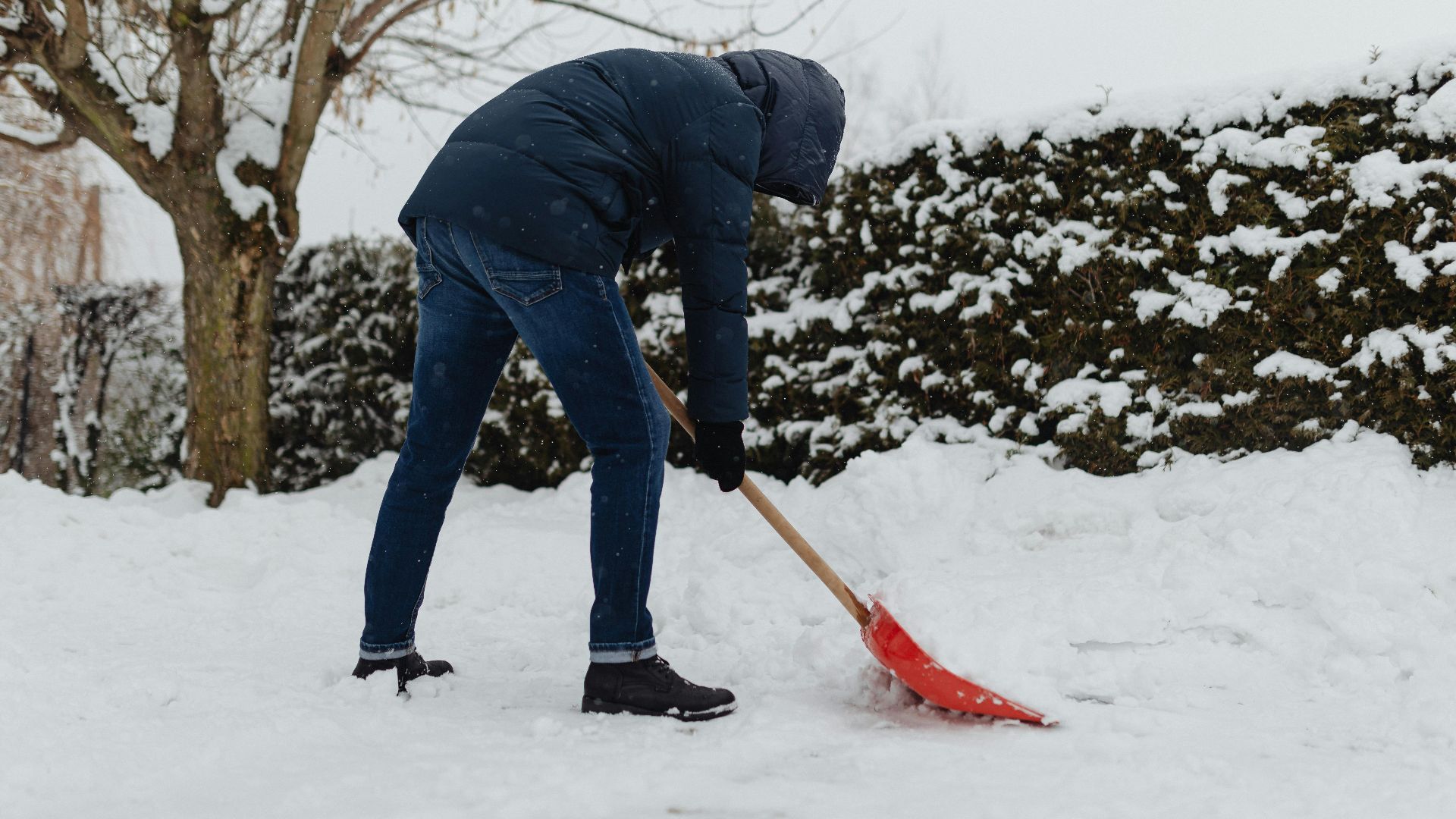
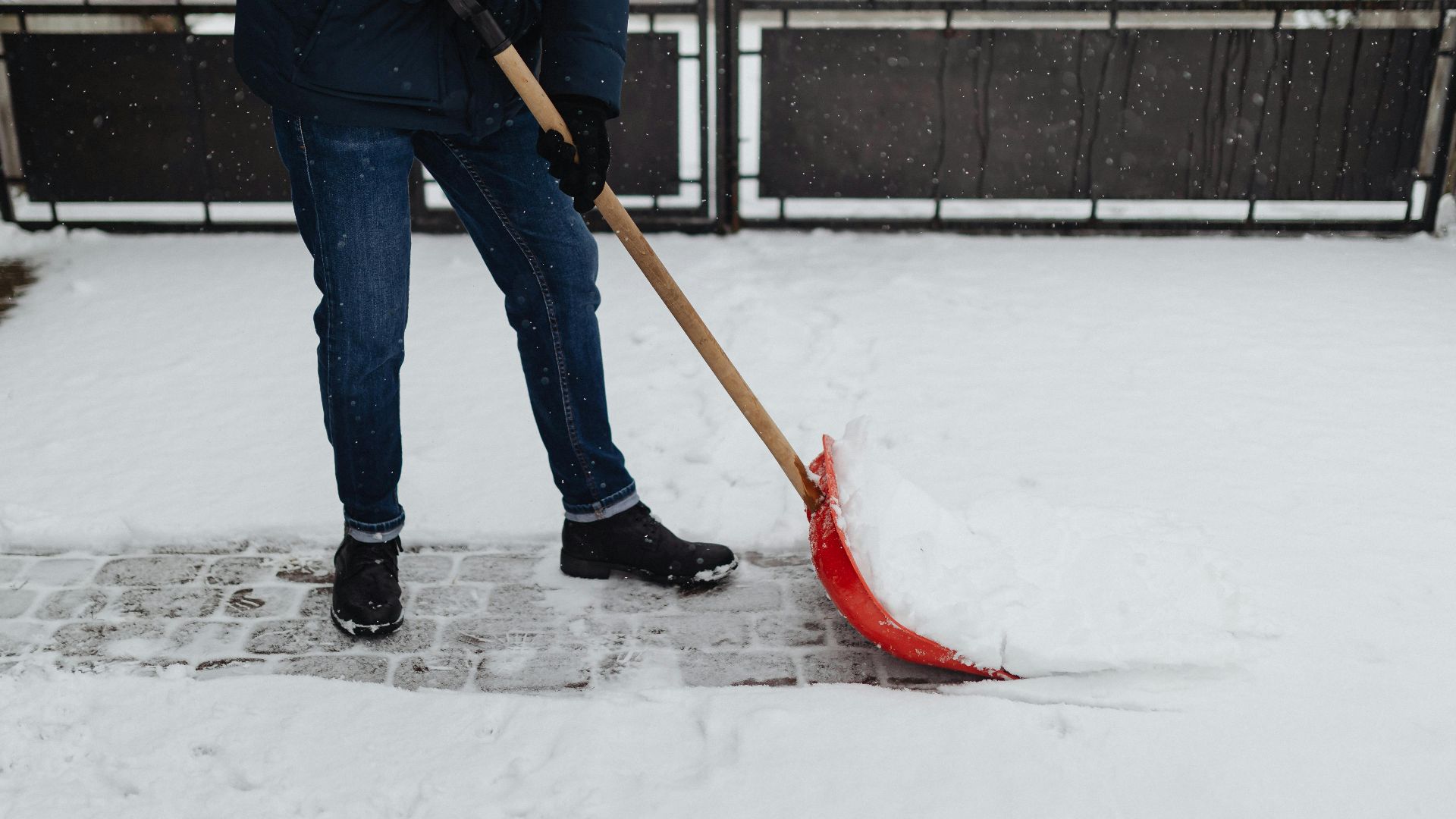
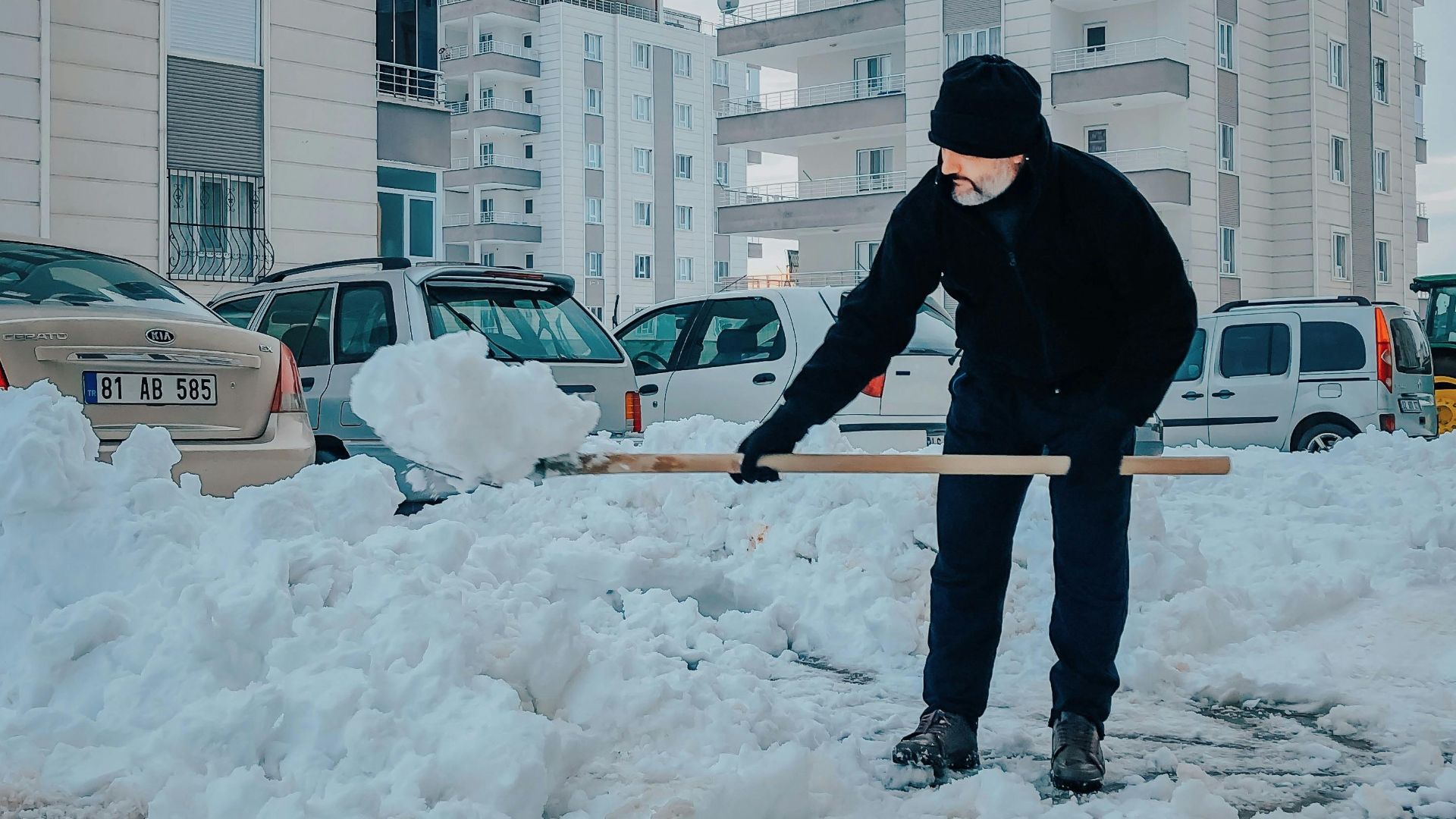
You finish shoveling the driveway, muscles aching, coffee calling your name. In a moment of practical brilliance, you push the snow pile into the road so the plow can take it away. Problem solved… right? Not quite. Instead of gratitude from the universe, you get flashing lights, a lecture, and a $500 fine. It feels absurd, even unfair—but there’s a very real reason this happens, and it has nothing to do with police officers hating winter chores.
The Temptation We All Feel After A Snowstorm
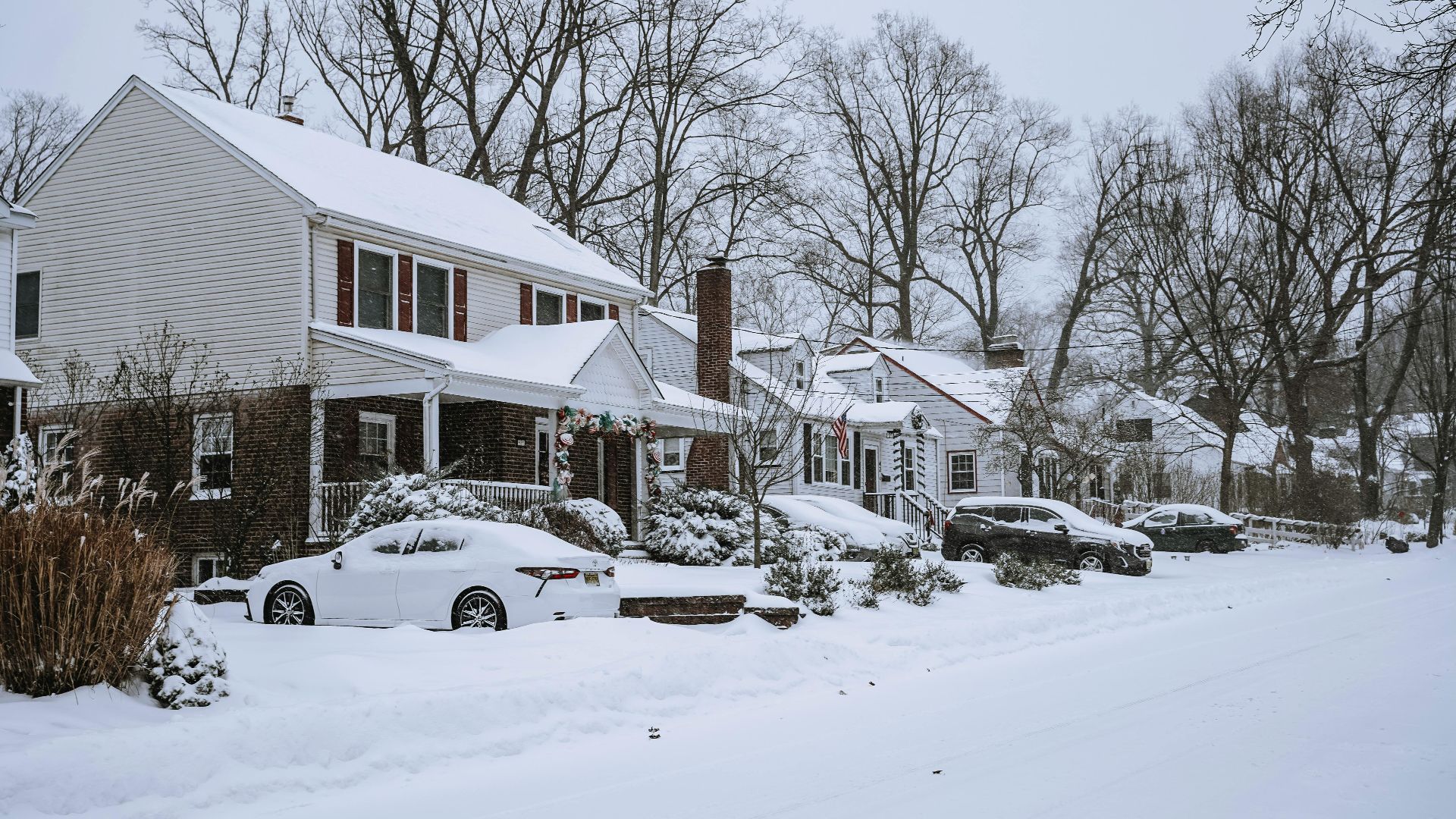
After a big snowfall, every homeowner faces the same question: where does all this snow go? Lawns fill up fast, snowbanks grow taller than mailboxes, and the road looks like free real estate. After all, plows are coming anyway. Surely they can just scoop up your extra pile while they’re at it. That logic feels sound—until you look at the law.
The Road Is Not An Extension Of Your Driveway
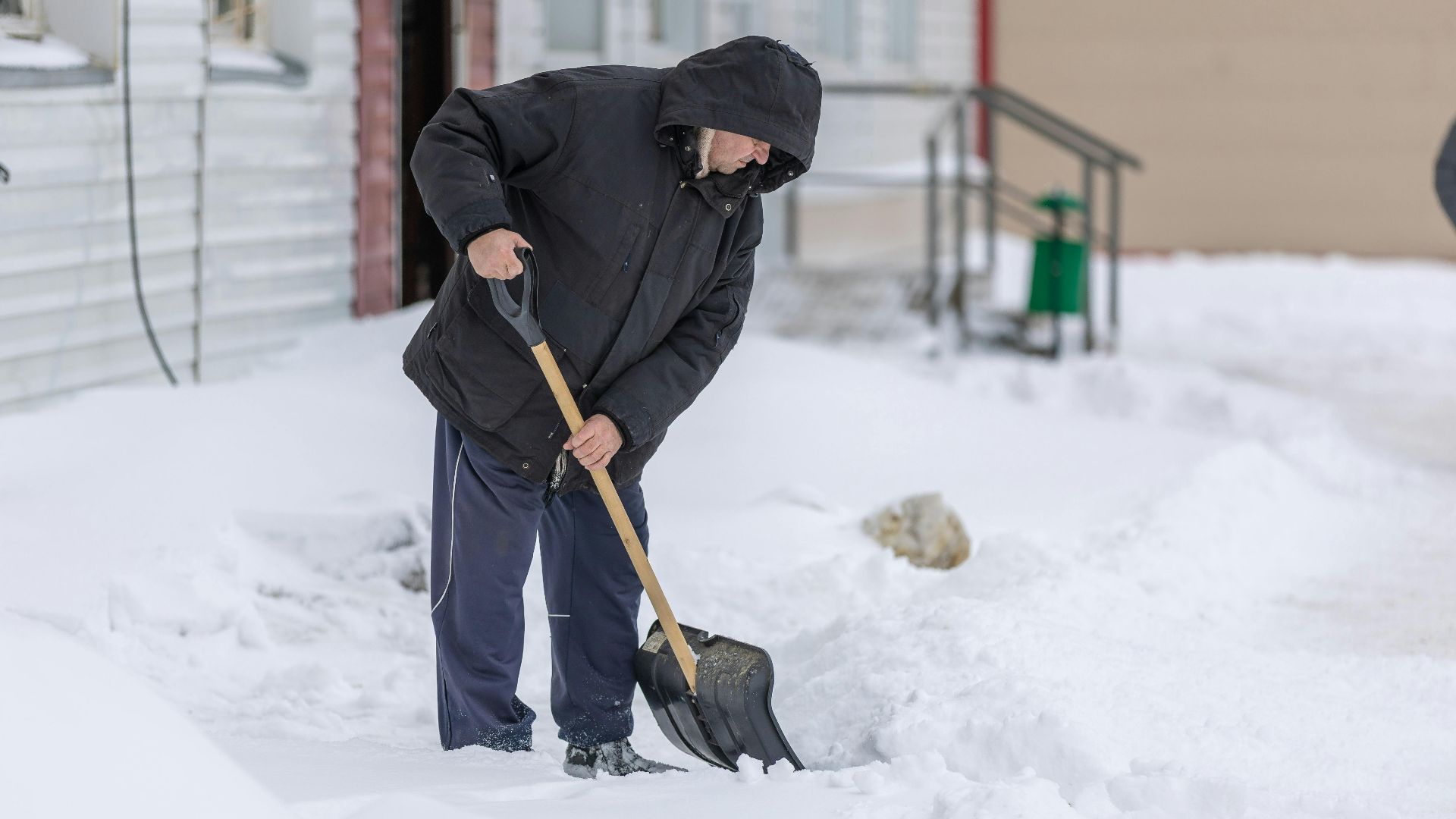
Here’s the key thing many people don’t realize: the road is public property. Your driveway is private. The moment snow leaves your property and enters the street, it becomes the city or town’s problem—and you’ve just made that problem worse. Most municipalities explicitly prohibit placing anything, including snow, onto public roadways.
Snow Counts As An Obstruction Under The Law
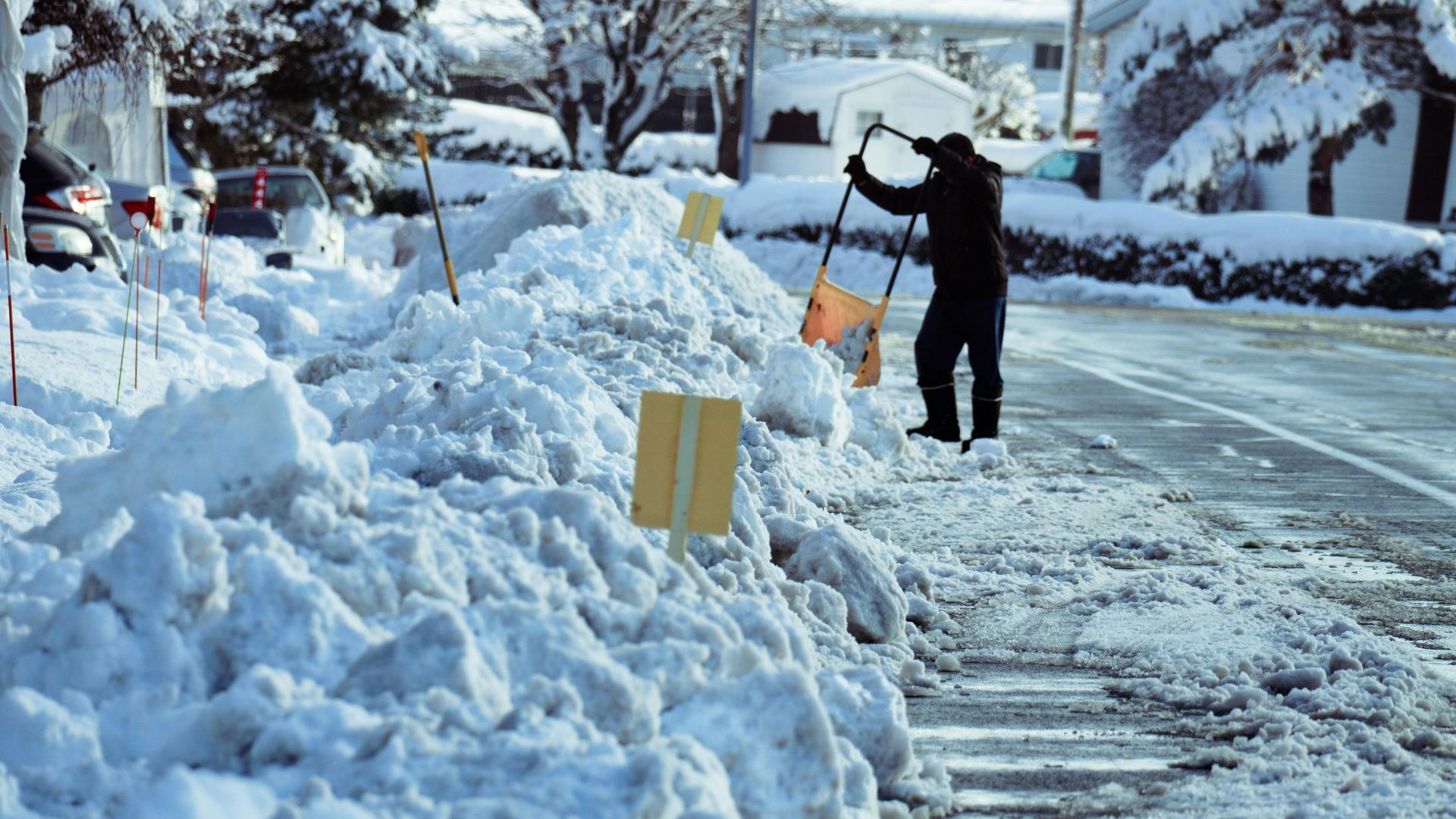
Legally speaking, snow isn’t treated as a harmless pile of fluff. It’s considered a roadway obstruction. Just like dumping furniture, trash, or yard debris into the street, placing snow there interferes with traffic flow and public safety. That’s why tickets are written under obstruction or nuisance ordinances, not winter-specific rules.
Plows Are Designed For Natural Snowfall, Not Yours
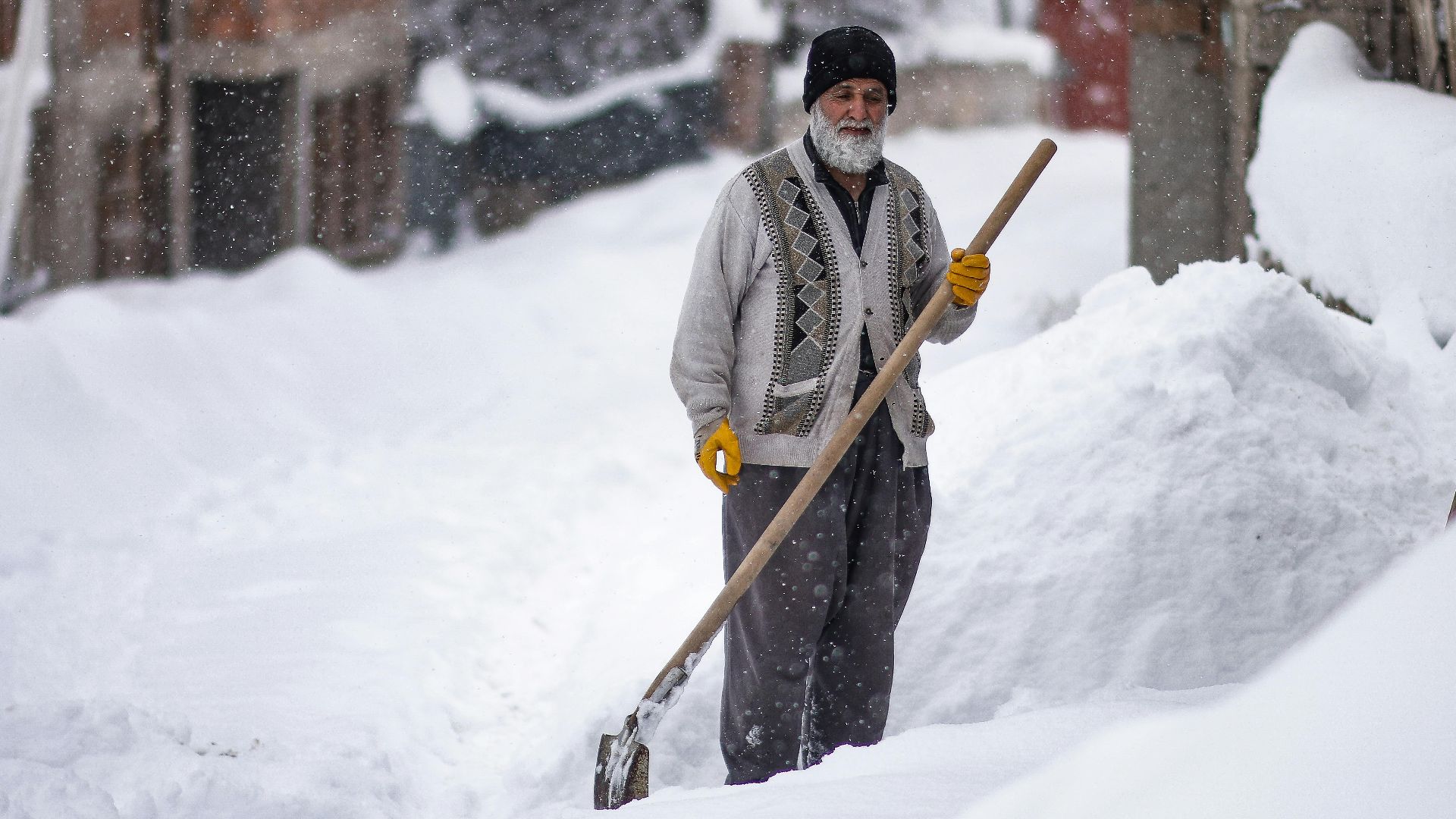
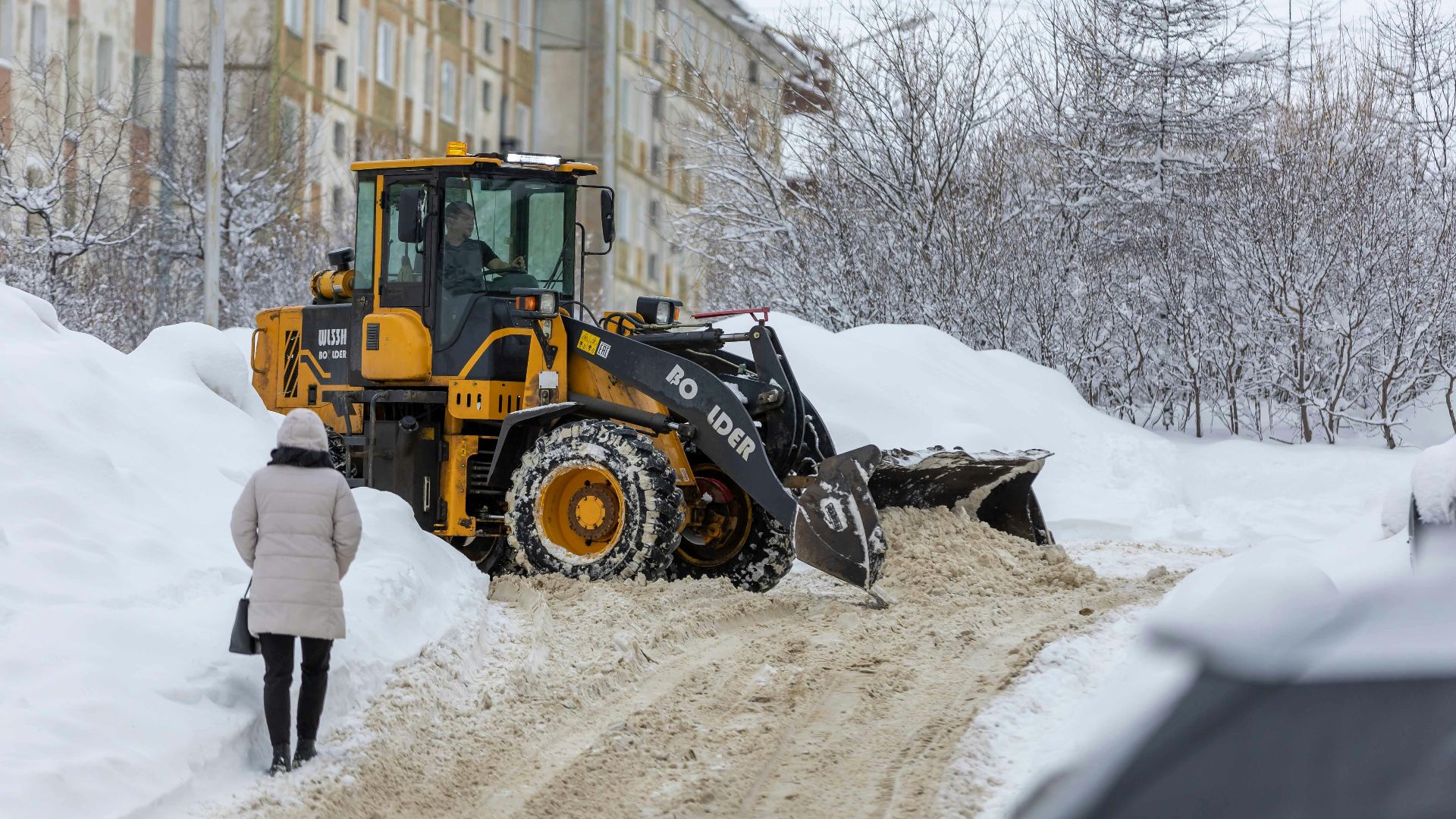
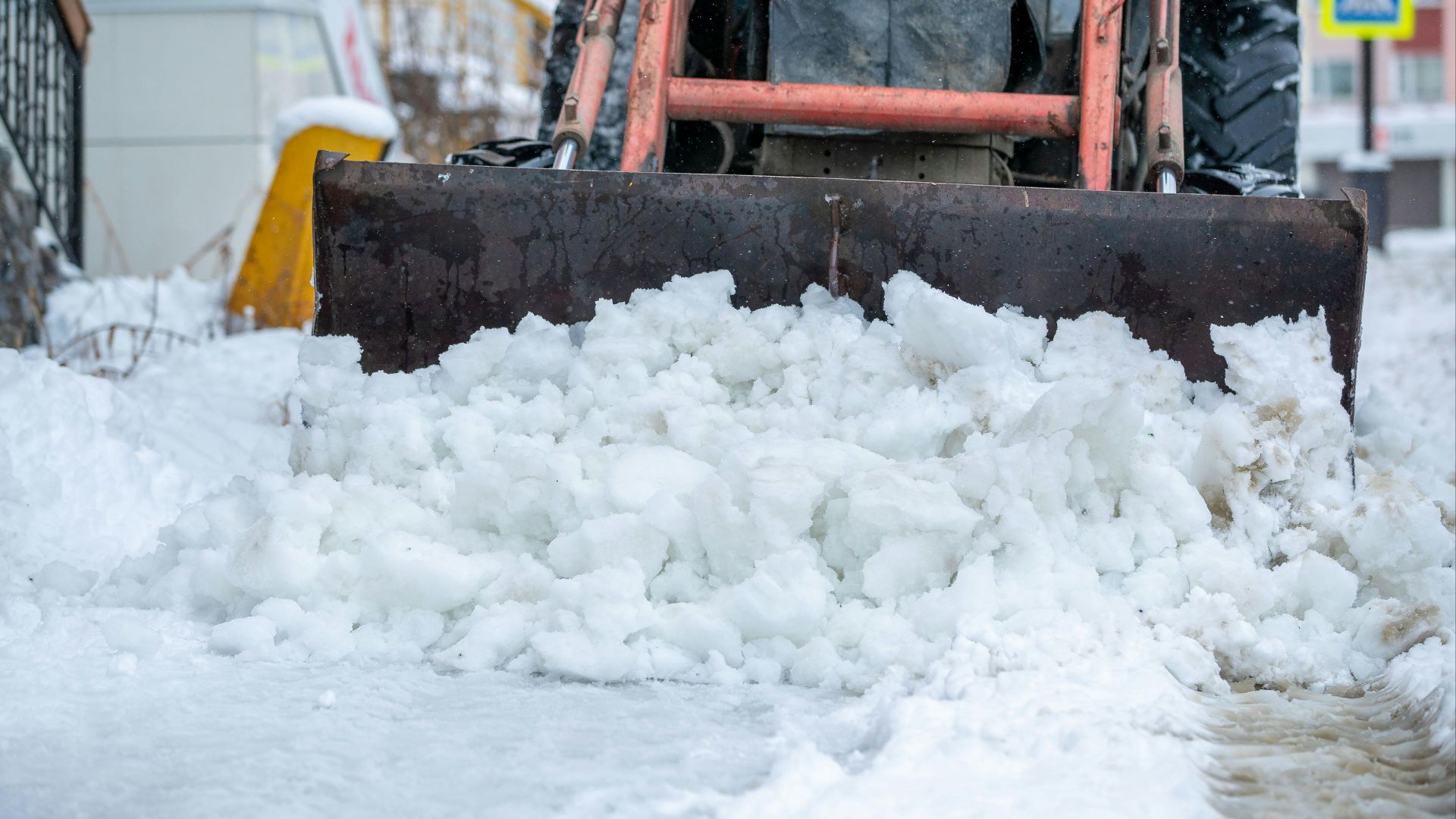
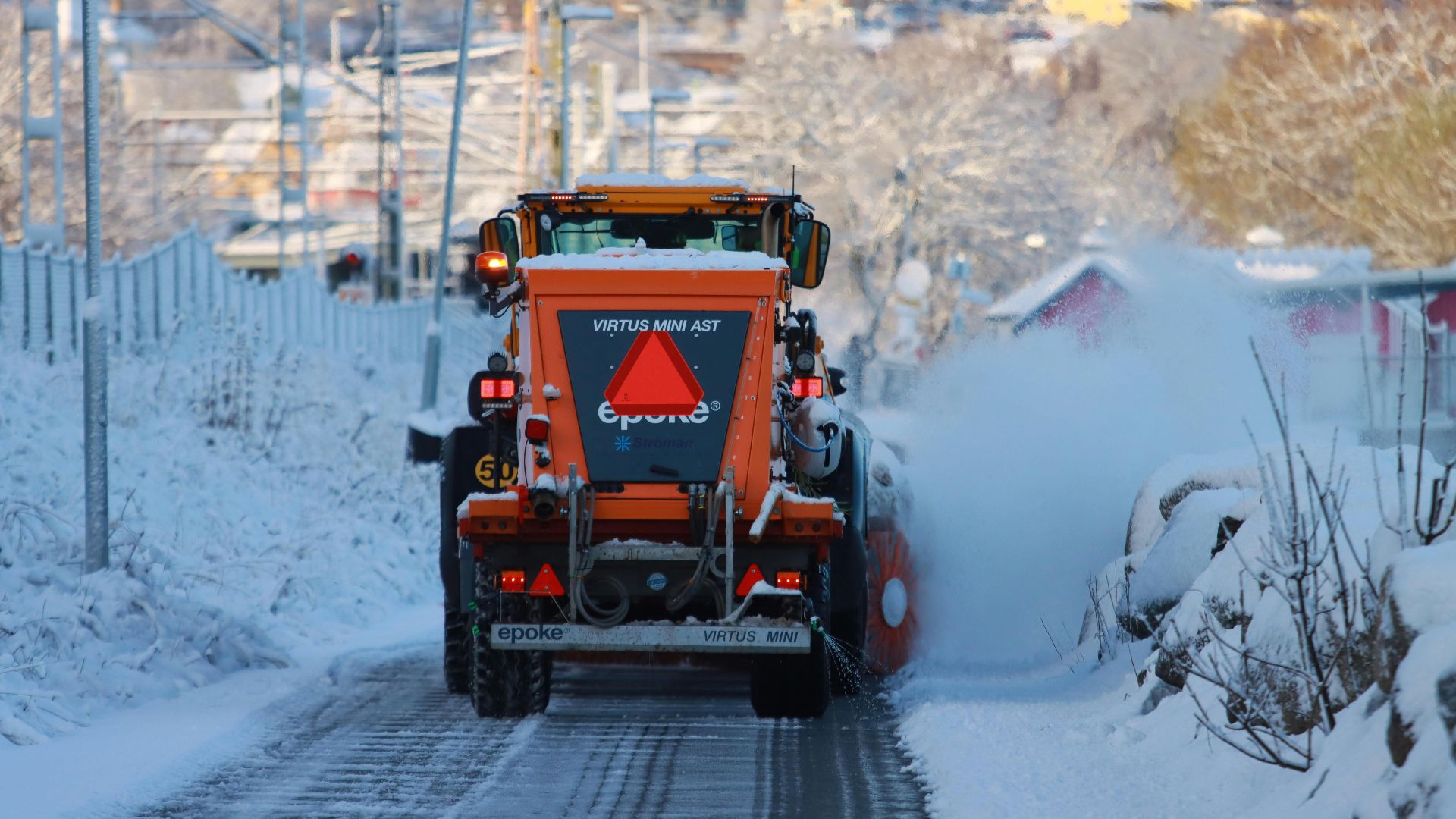
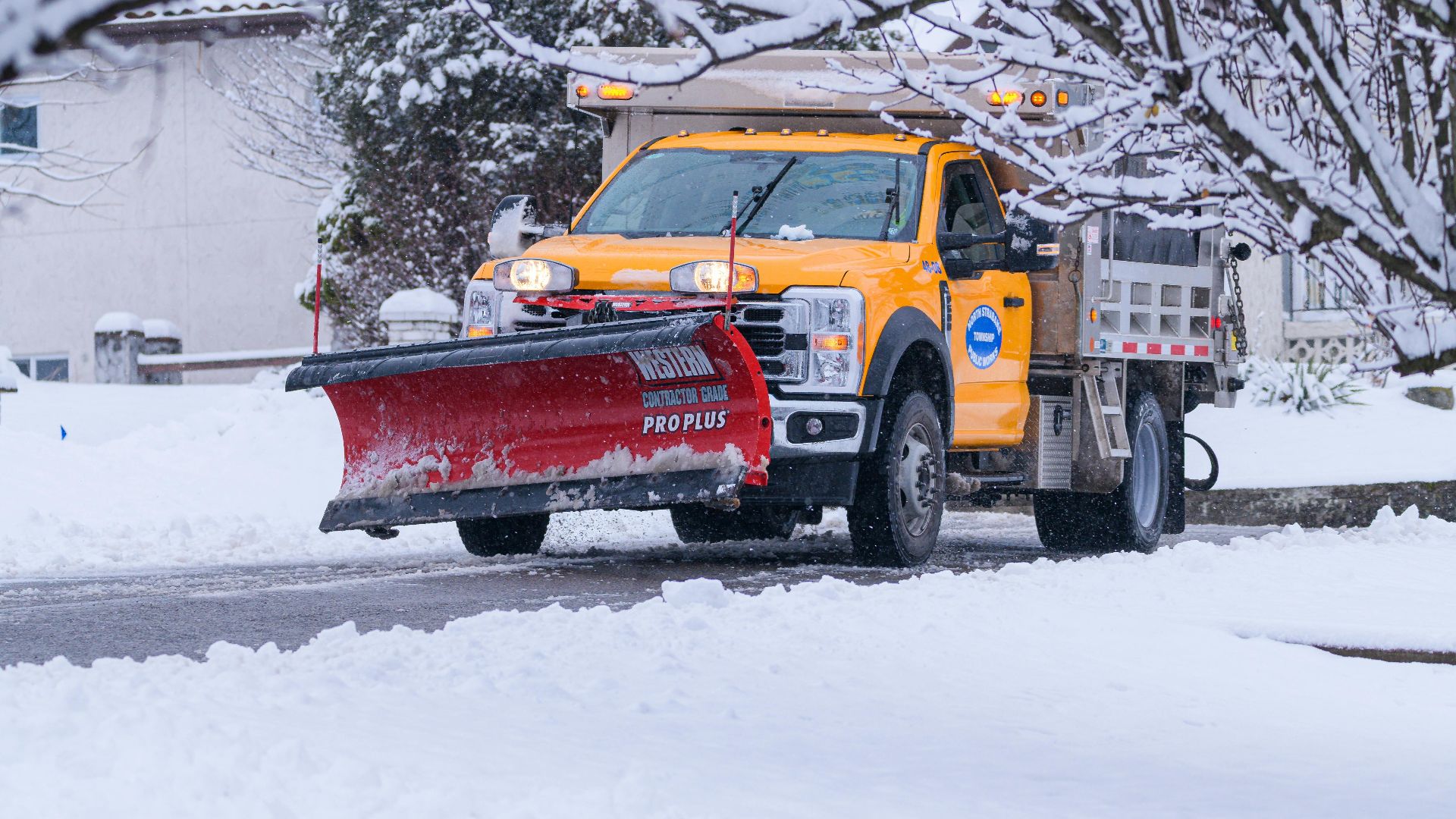
Snowplows are engineered to clear snow that falls on the road—not extra piles pushed in from driveways. When homeowners add to that snow load, it creates uneven, dense mounds that can damage plow blades, slow operations, and force drivers to make dangerous maneuvers. What feels helpful actually makes the plow operator’s job harder.
It Creates A Hazard For Other Drivers
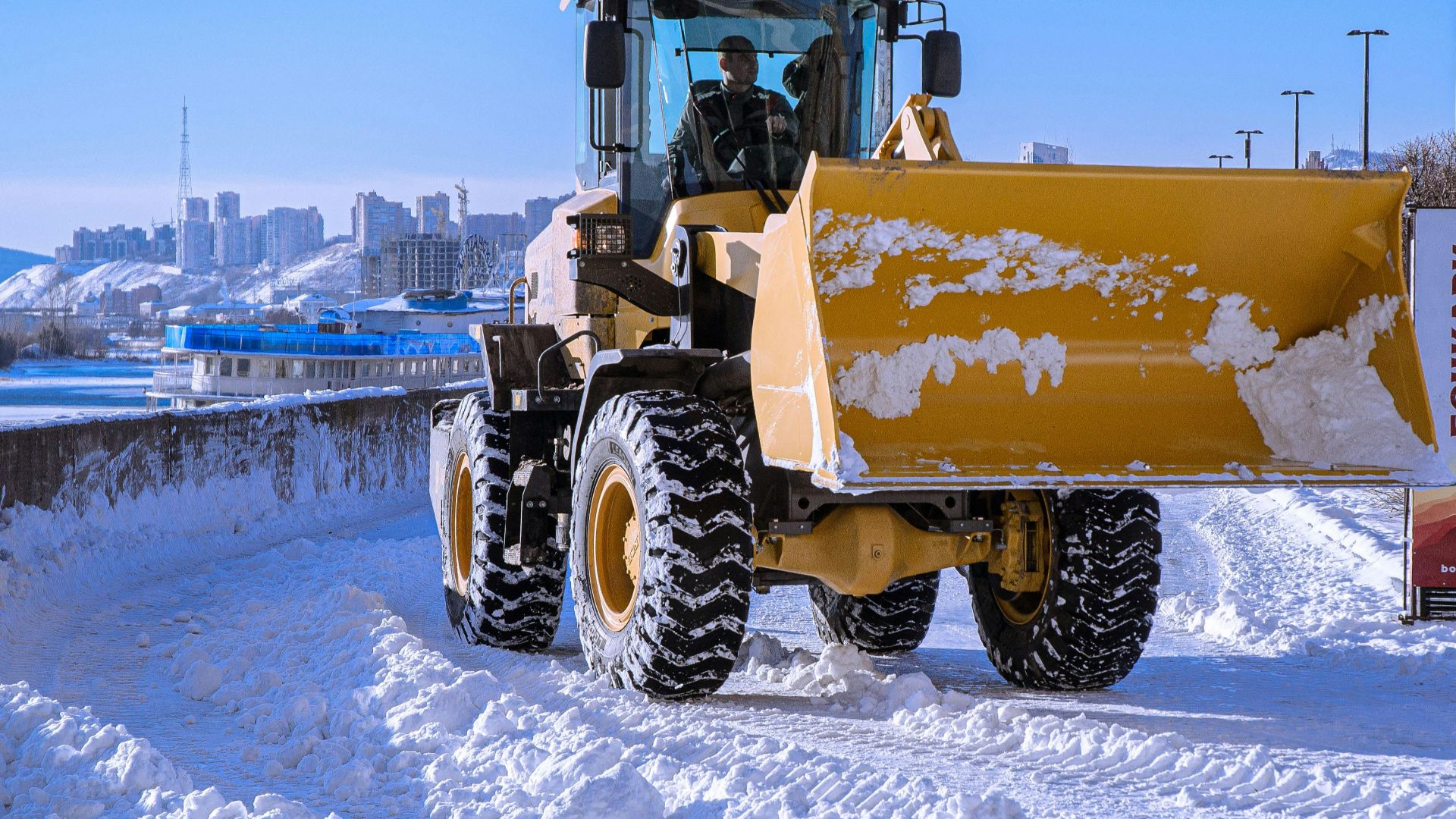
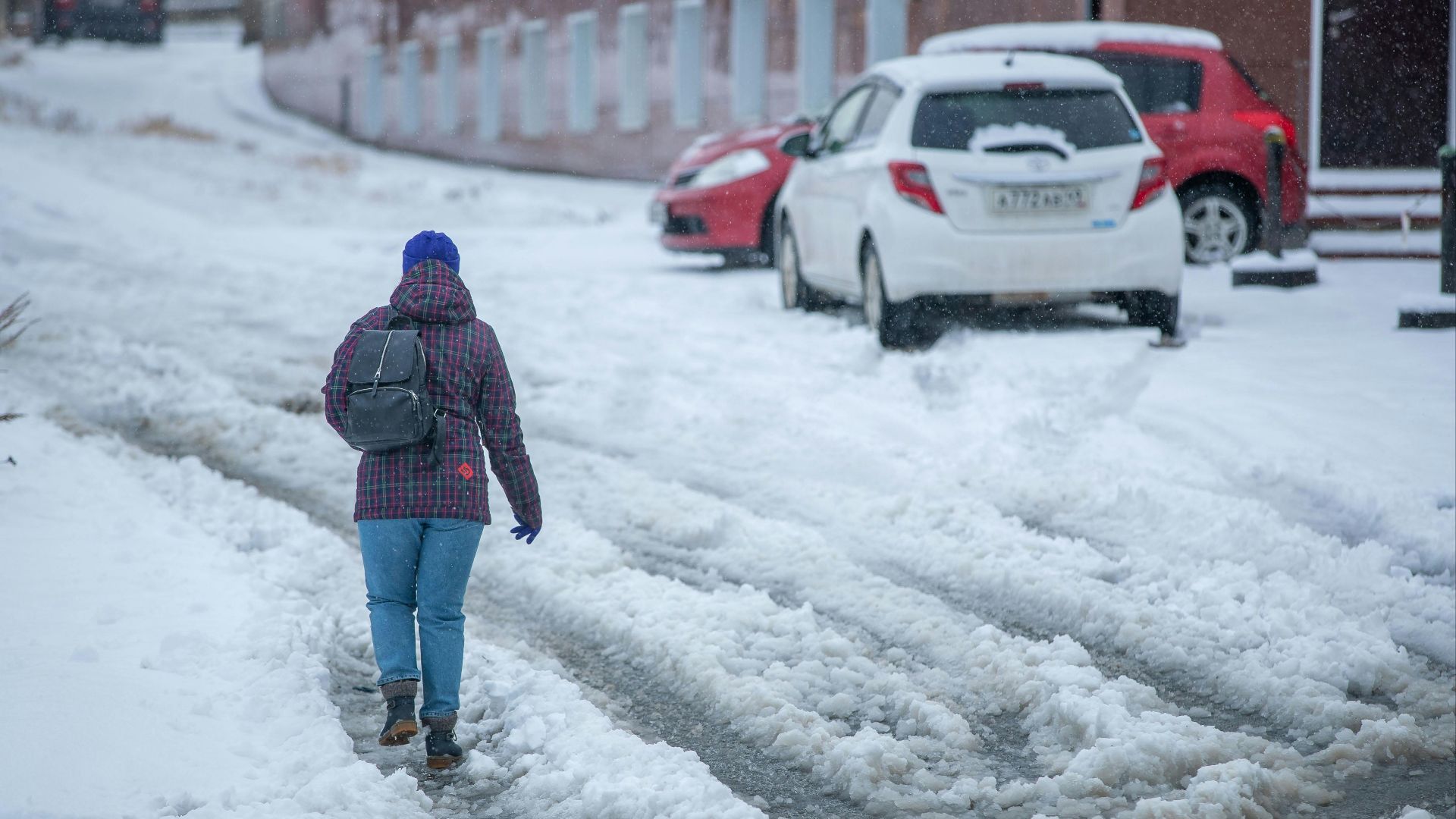
A pile of driveway snow dumped onto the road doesn’t magically flatten itself. It can refreeze into a rock-solid ridge that causes cars to skid, scrape, or lose control. At night or during active snowfall, those piles may be nearly invisible, turning your well-intended shortcut into a genuine accident risk.
Emergency Vehicles Need Clear Roads
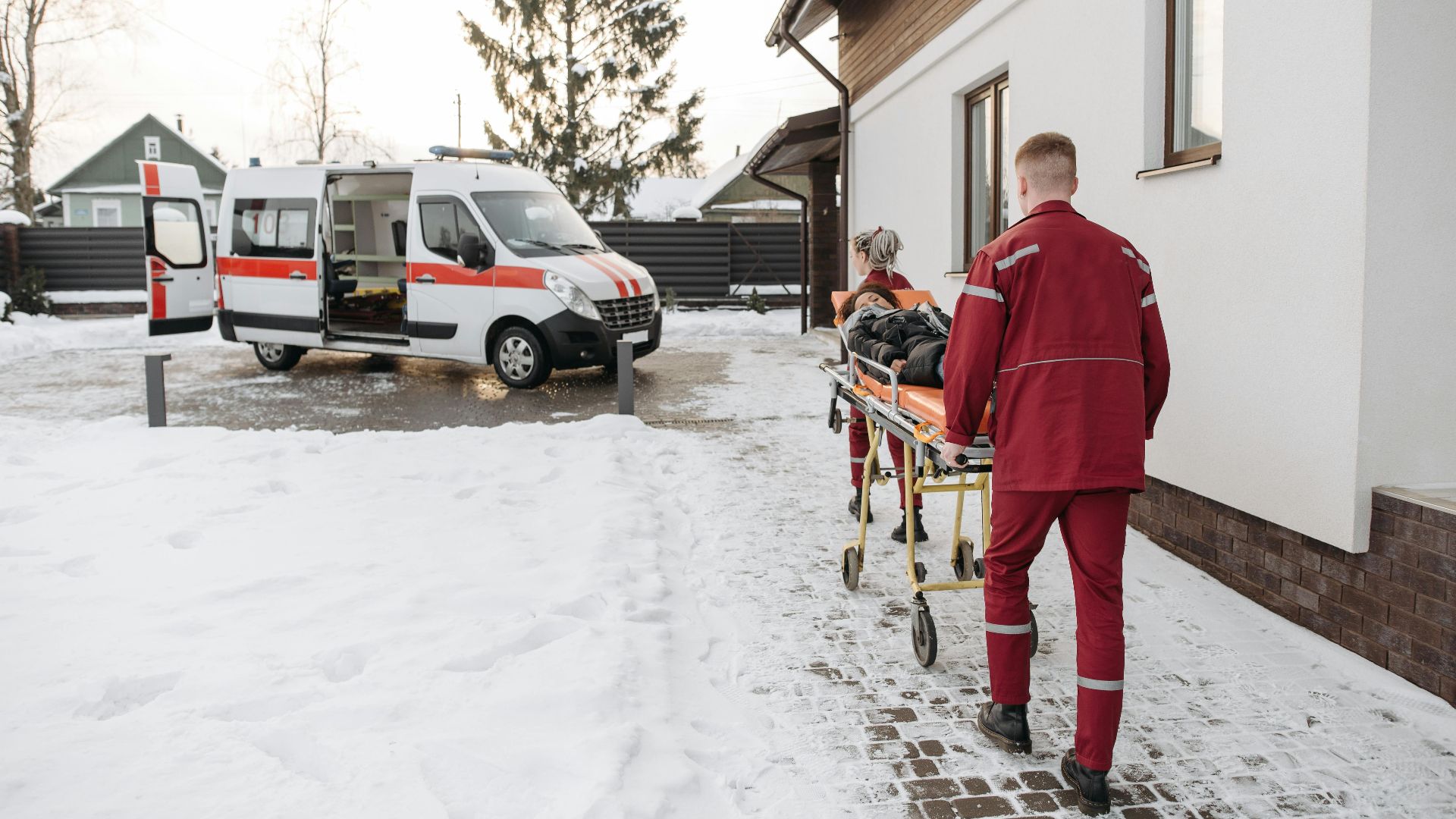
Fire trucks, ambulances, and police vehicles rely on predictable road conditions. Extra snow piles narrow lanes and reduce traction, slowing response times when seconds matter. Municipal snow rules prioritize keeping roads passable for emergencies above all else—even above homeowner convenience.
Meltwater Makes The Problem Even Worse
Snow doesn’t just sit there politely. It melts, refreezes, and spreads. When driveway snow melts on the roadway, it can turn into black ice overnight. That invisible ice patch can be far more dangerous than fresh snow, and if it’s traced back to a homeowner’s actions, liability becomes a serious issue.
Yes, You Can Be Held Liable For Accidents
If someone crashes because of snow or ice you pushed into the road, you could be legally responsible. Cities don’t want that risk—and neither should you. Fines are partly about deterrence and partly about protecting everyone from lawsuits that stem from avoidable hazards.
Local Ordinances Spell This Out Clearly
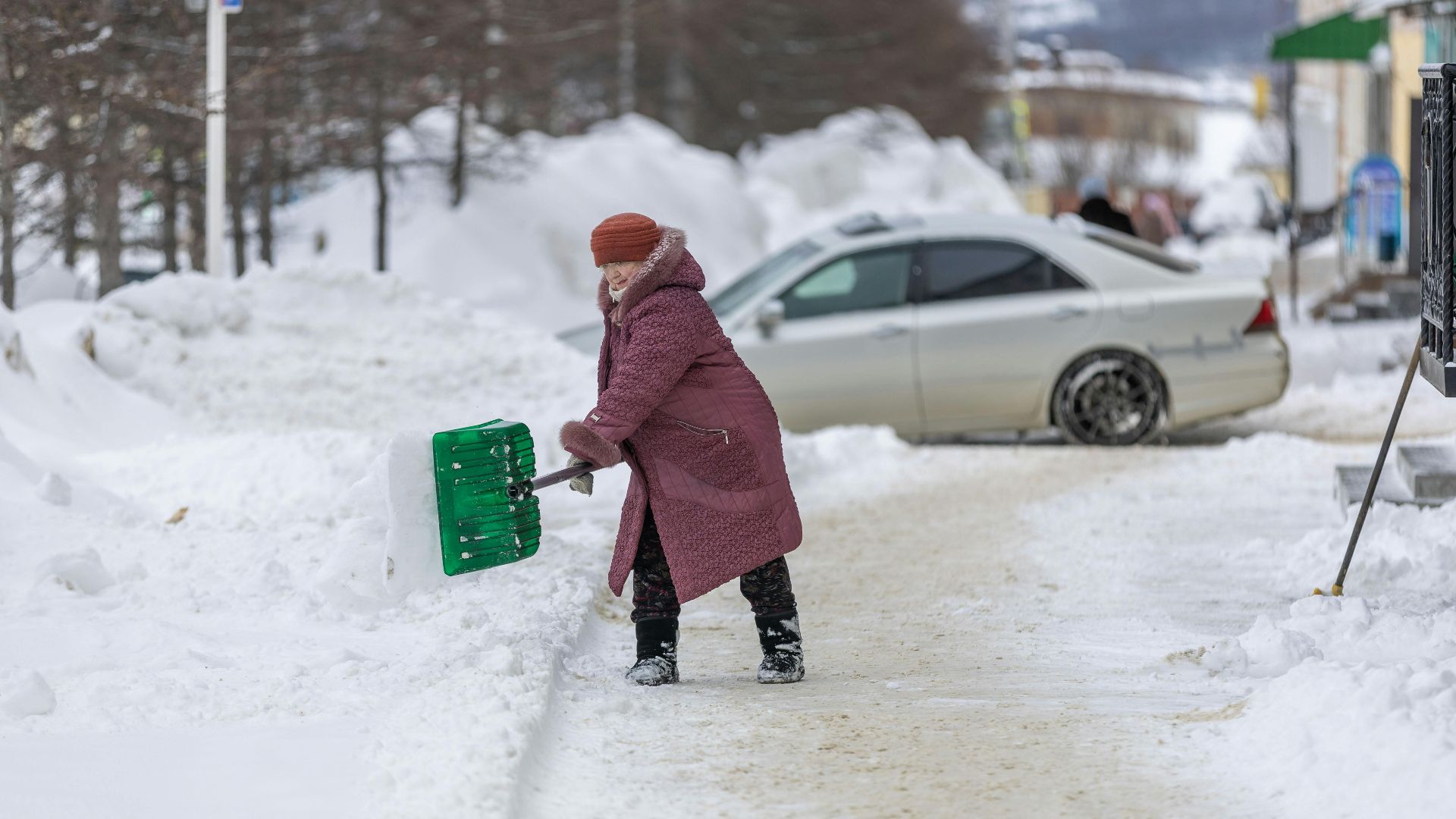
Most towns and cities have snow removal rules buried in municipal codes. They often state that no person may deposit snow, ice, or slush onto public streets or sidewalks. The fine amounts vary, but $250 to $1,000 penalties are common, especially after repeated warnings.
 Karolina Grabowska www.kaboompics.com, Pexels
Police Enforcement Usually Follows Complaints
Contrary to popular belief, police aren’t cruising neighborhoods hunting for snow-shovel offenders. Enforcement typically happens after a complaint—often from a neighbor, plow operator, or city worker. If someone reports the issue, officers are obligated to respond.
Plow Drivers Can And Do Report Violations
Plow operators know immediately when a driveway pile has been added to their route. It stands out. Many municipalities encourage drivers to log addresses where snow is repeatedly pushed into the road, triggering follow-up visits or fines once the storm clears.
The Fine Is Meant To Change Behavior
A $500 fine feels extreme until you realize it’s designed to stop repeat offenses. Smaller fines often get ignored. Municipalities learned that meaningful penalties are the only way to prevent widespread road dumping during major storms.
Why Warnings Aren’t Always Given
People often ask, “Why didn’t I get a warning?” The answer is simple: ignorance of the law isn’t a defense. Snow dumping is considered an immediate safety issue, not a minor paperwork violation. Officers are allowed—and often instructed—to issue tickets on the spot.
Sidewalk Rules Are Similar But Slightly Different
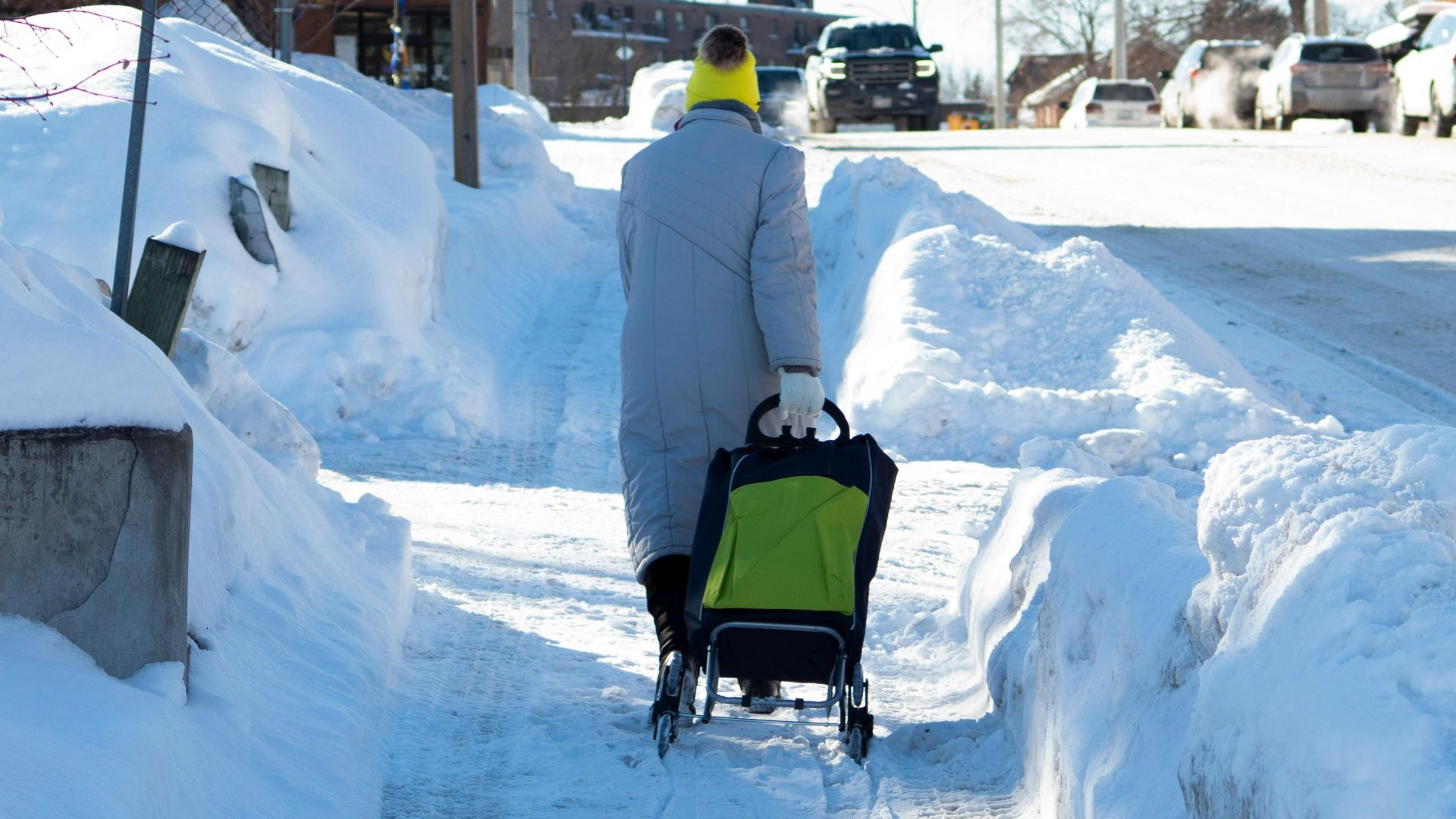
Many areas also prohibit shoveling snow from driveways onto sidewalks. Blocking pedestrian routes creates accessibility issues, especially for people with disabilities, strollers, or mobility aids. Snow rules tend to be strict anywhere public travel is involved.
Rural Areas Aren’t Exempt
Even in rural or low-traffic areas, the rules usually still apply. Fewer cars doesn’t mean zero risk, and plows still operate on tight schedules. A quiet road today might be an emergency route tomorrow.
What You’re Supposed To Do Instead
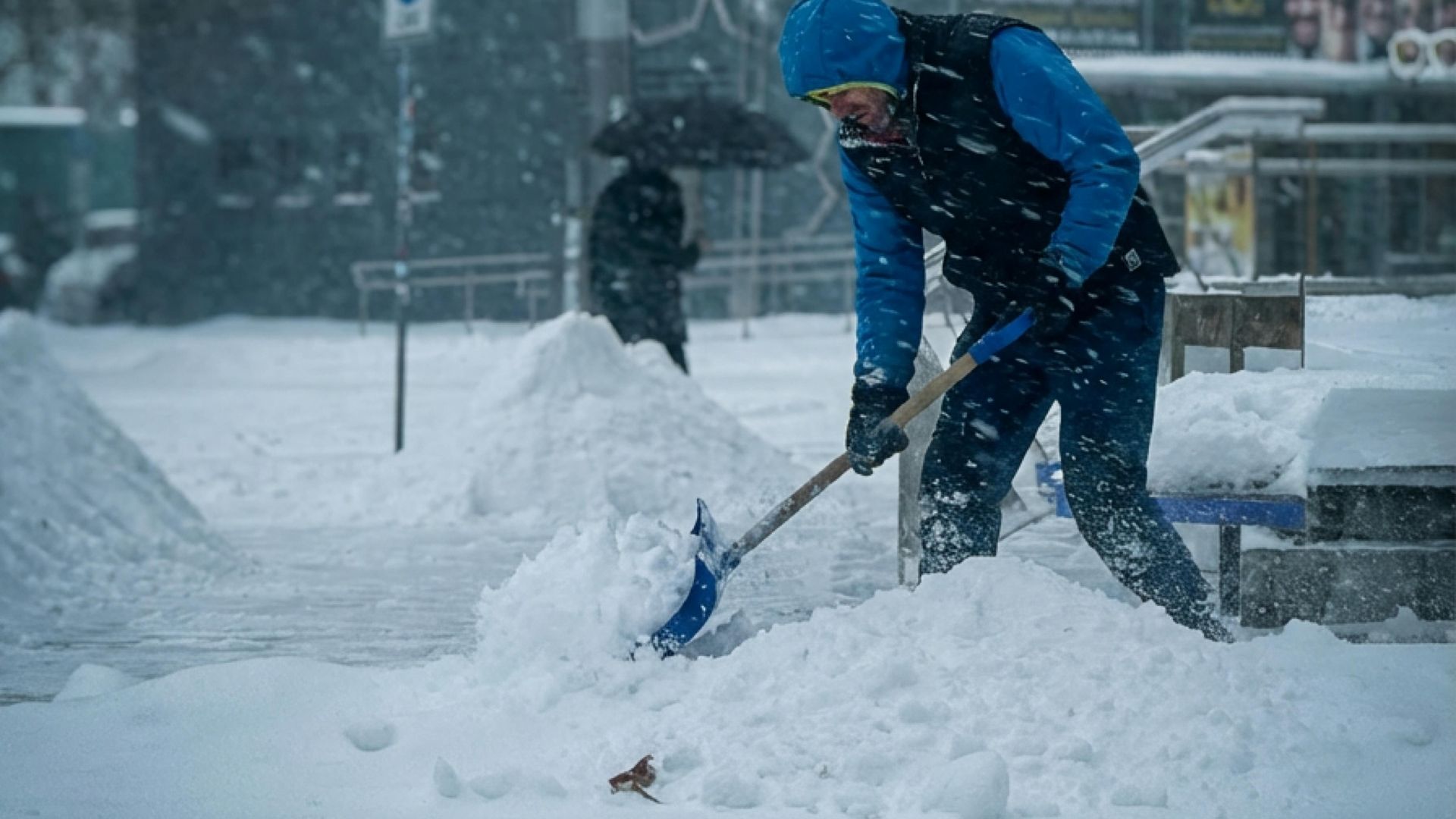
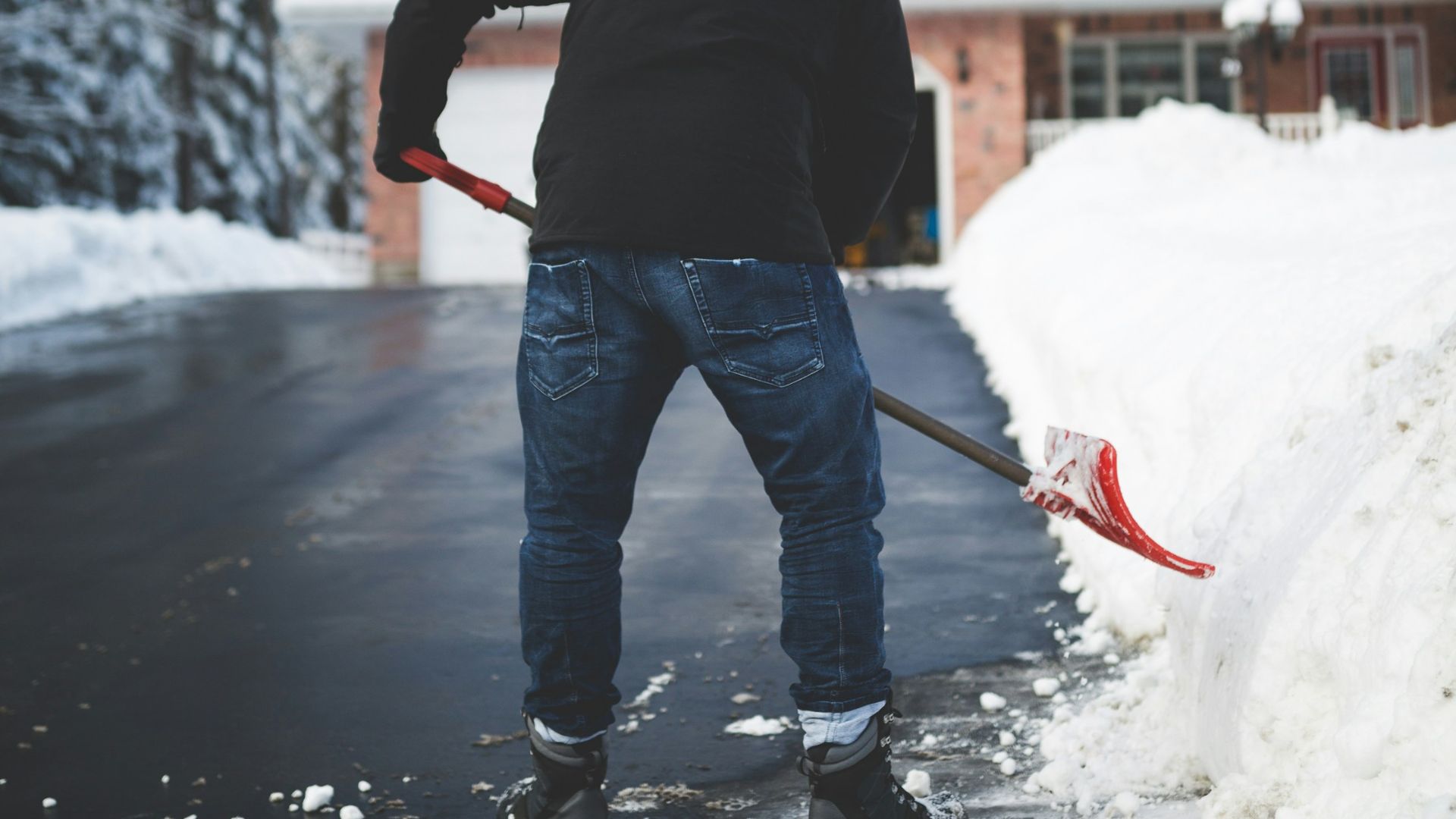
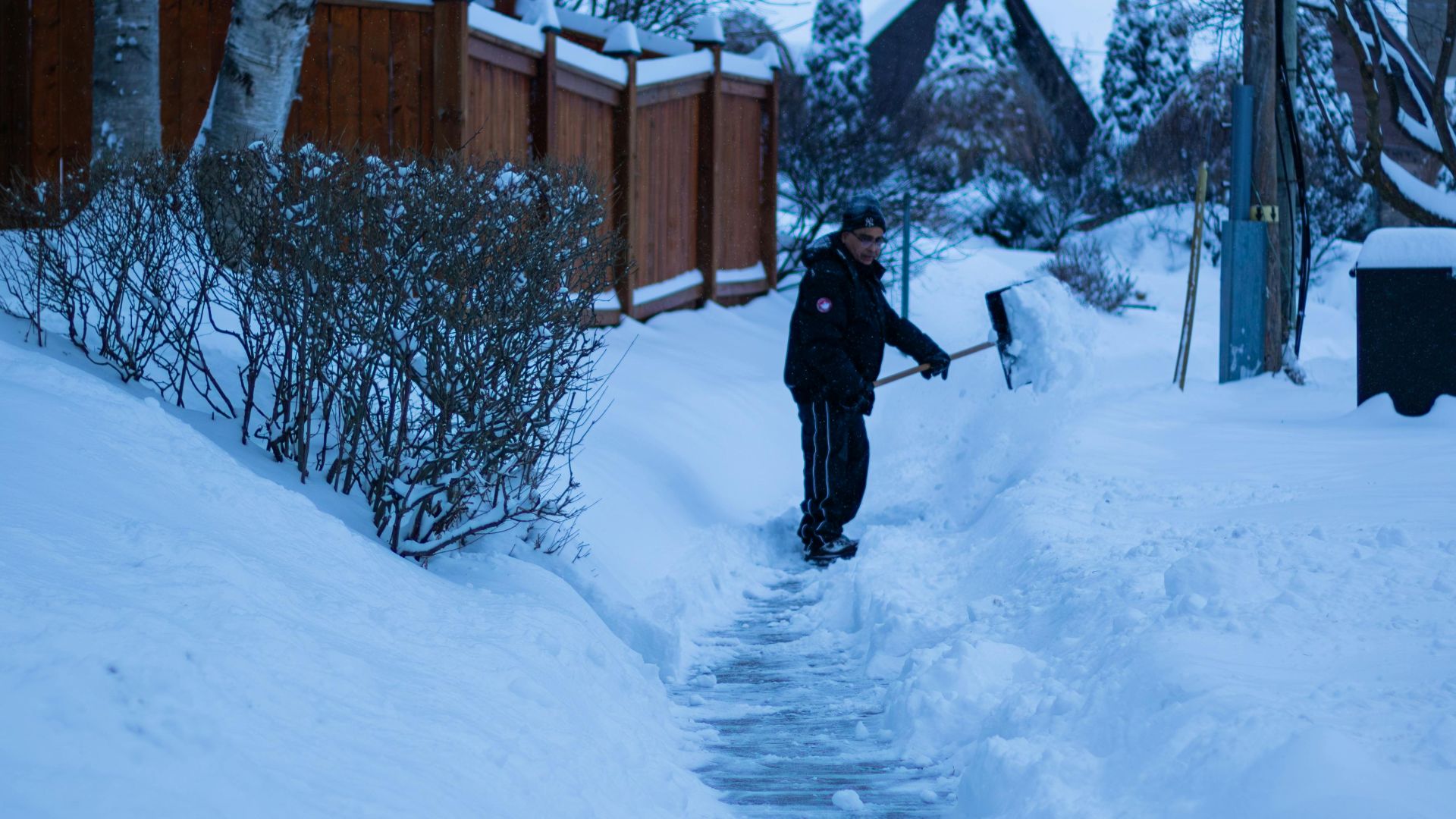
Annoyingly, the legal answer is also the hardest one: keep the snow on your property. That means piling it higher, spreading it out, or placing it where melting won’t run into the street. It’s more work, but it’s the compliant option.
Strategic Shoveling Can Help
Experienced snow veterans shovel with the next storm in mind. They push snow farther back early in the season, leaving room for future accumulation. It’s not fun, but it beats fines—and repeat shoveling after the plow comes through.
Snow Blowers Don’t Get A Free Pass
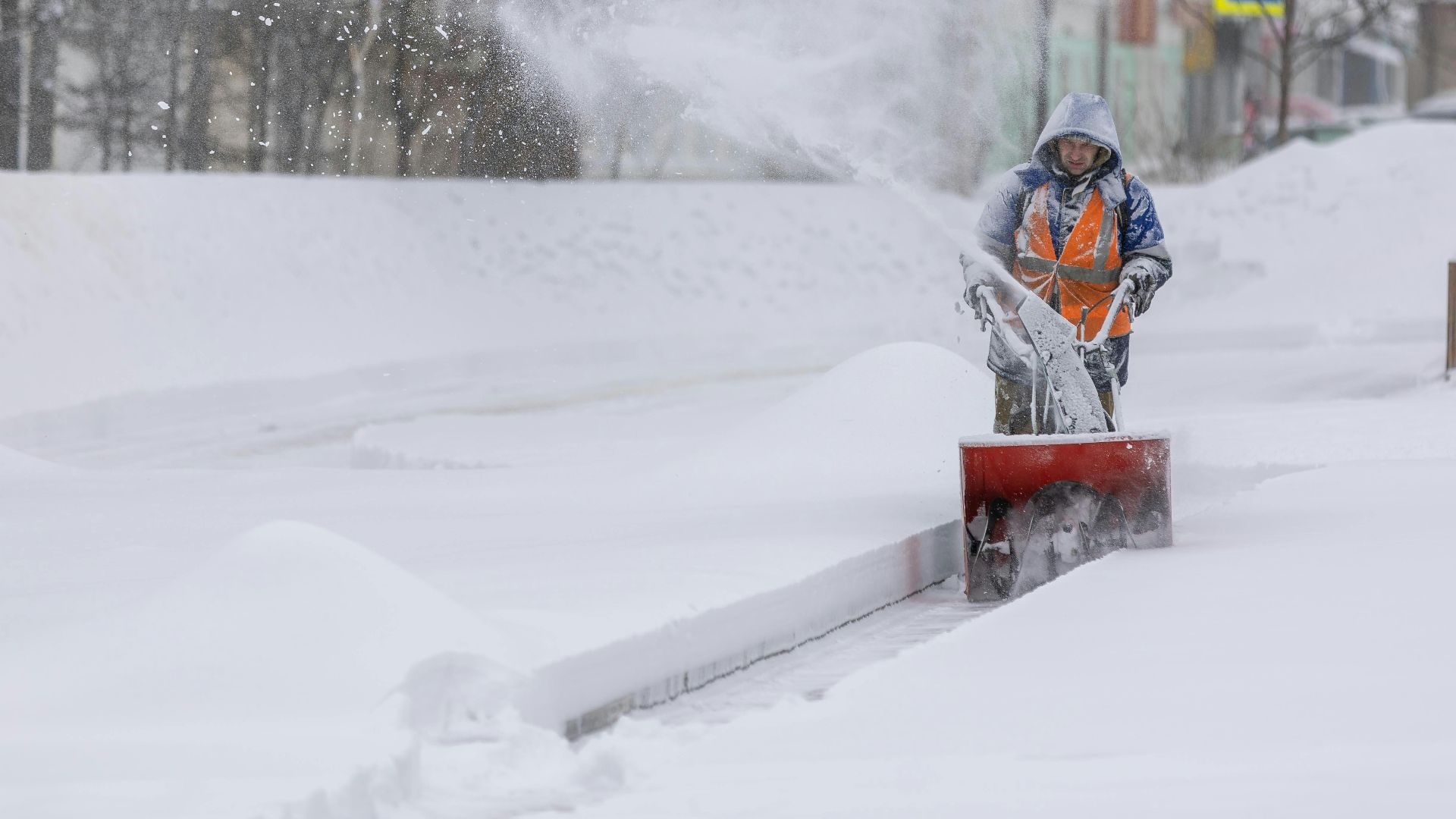
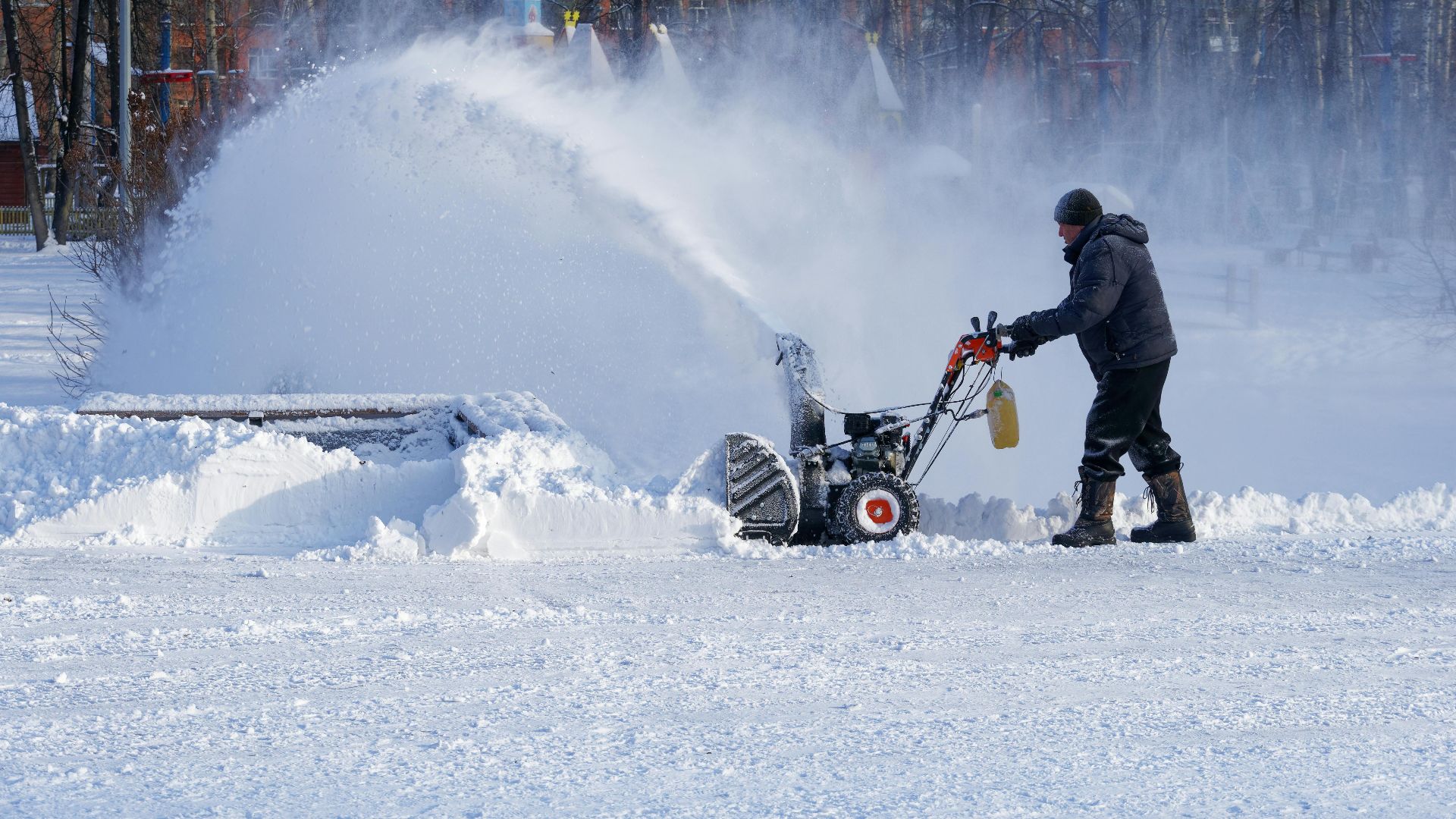
Using a snow blower doesn’t change the rule. Blowing snow into the street is treated exactly the same as shoveling it there. Some municipalities even specify blowers by name in their ordinances.
Why Plows Leave That Annoying Ridge
The snow ridge left by plows at the end of your driveway is frustrating, but it’s unavoidable. Plows must clear the road first. Clearing driveway entrances is the homeowner’s responsibility, not the city’s—even if it feels unfair at 6 a.m.
Cities Couldn’t Function Without These Rules
Imagine if everyone pushed snow into the road. Streets would become impassable within hours. Snow removal only works when responsibility is clearly divided: the city handles the road, and homeowners handle their property.

Climate And Infrastructure Make It A Bigger Deal Now
Heavier snowfalls, freeze-thaw cycles, and aging infrastructure have made snow management more critical than ever. What once seemed like a harmless habit now creates outsized risks in modern conditions.
The Fine Is Cheaper Than The Alternatives
From the city’s perspective, fines are far cheaper than lawsuits, damaged plows, or accident investigations. That economic reality drives strict enforcement, even when the violation feels small.

Why This Law Isn’t Going Away Anytime Soon
As cities grow and traffic increases, snow rules are becoming stricter—not looser. Expect higher fines, better enforcement, and less tolerance for “everyone does it” defenses in the future.
A Painful Lesson In Winter Responsibility
Getting fined for shoveling snow into the road feels ridiculous—until you understand the risks involved. Roads are shared spaces, and winter turns small decisions into big safety issues. The next time the shovel is in your hands, remember: keeping snow off the road protects drivers, plow crews, and your wallet.
 Karolina Grabowska www.kaboompics.com, Pexels
The Bottom Line On That $500 Fine
You weren’t punished for being lazy or careless—you were fined for creating a public hazard, even unintentionally. In winter, good intentions don’t matter nearly as much as where the snow ends up. Keep it on your property, and you’ll keep the police—and your bank account—far away from your driveway.
You May Also Like: