
Lease Breakups And Wallet Breakdowns
Breaking a lease sounds simple in theory. The frustrating part is that many renters don’t fully understand what happens when they break a lease early until the costs start piling up. But while landlords often have protections built into lease agreements, tenants still have options. Depending on your situation, there may be ways to reduce the damage, negotiate a better outcome, or avoid some of those terrifying charges altogether.
 StockPhotoDirectors, www.shutterstock.com
The Lease Probably Warned You Somewhere
Most leases contain language explaining what happens if you move out early, but let’s be honest—almost nobody reads every paragraph like they’re studying for a law exam. Buried in the fine print are often clauses about penalties, continued rent obligations, or forfeited deposits. The surprise comes later when those clauses suddenly become very real.

Landlords Usually Want Their Money Covered
When you sign a lease, you’re agreeing to pay rent for the entire term. From the landlord’s perspective, an early move-out creates lost income and extra work finding a replacement tenant. That’s why many leases include financial penalties tied to early termination.
Some Fees Are Flat, Others Keep Growing
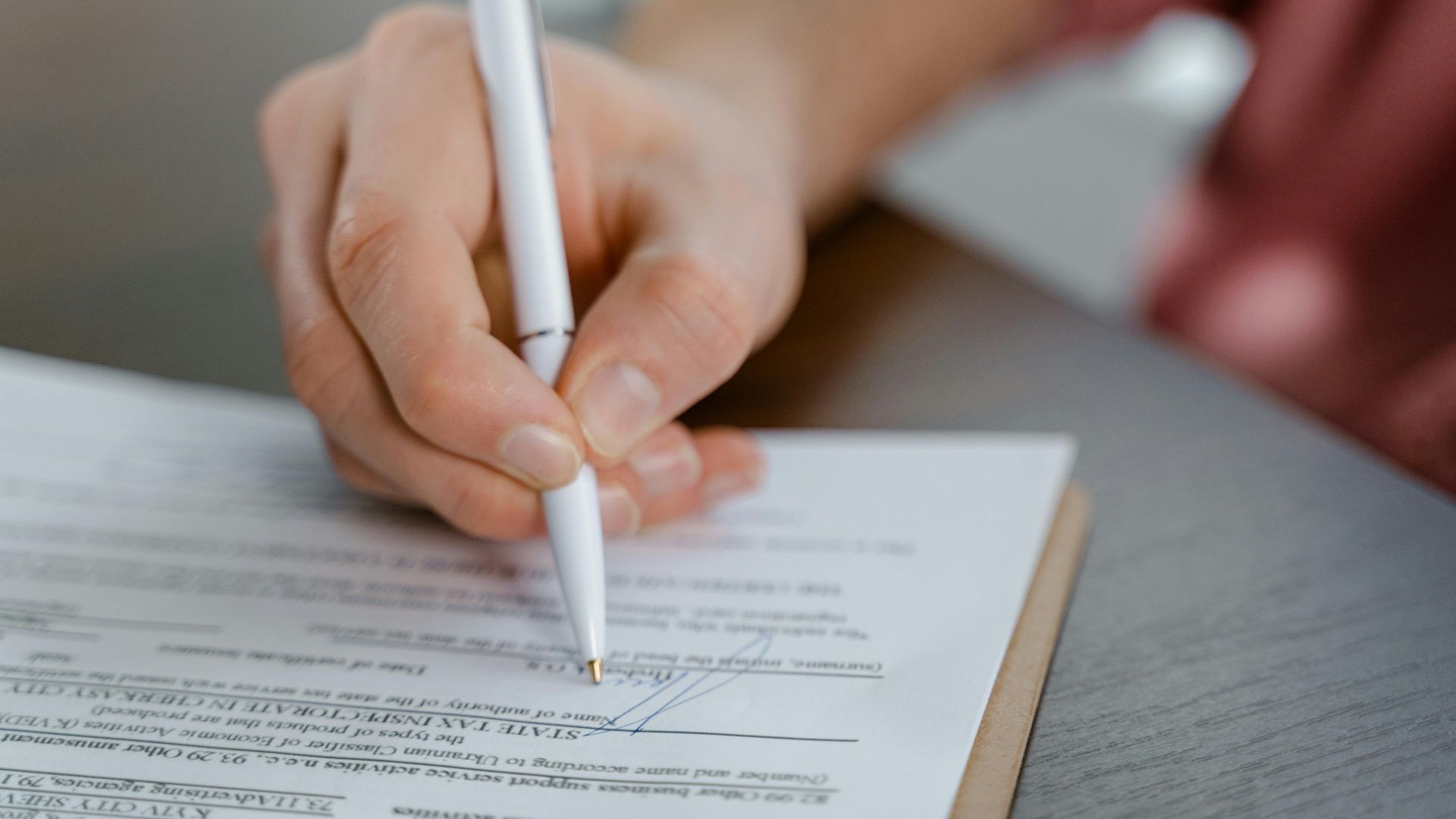
Certain leases charge a specific lease-break fee, like two months’ rent. Others are less straightforward and hold tenants responsible until a new renter moves in. That means the total cost can keep increasing the longer the property stays vacant, which is where things can spiral quickly.

You May Still Owe Rent After Moving Out
This is the part that catches many people off guard. Even after turning in your keys, you could still be responsible for monthly rent payments until the lease officially ends or a replacement tenant is found. Moving out doesn’t automatically erase the agreement.

A Replacement Tenant Can Change Everything
Finding someone to take over the unit is often the fastest way to limit financial damage. Some landlords allow subletting or lease transfers, while others prefer approving a brand-new tenant themselves. Either way, getting another renter in place usually helps stop the bleeding.
Landlords Often Have To Mitigate Damages
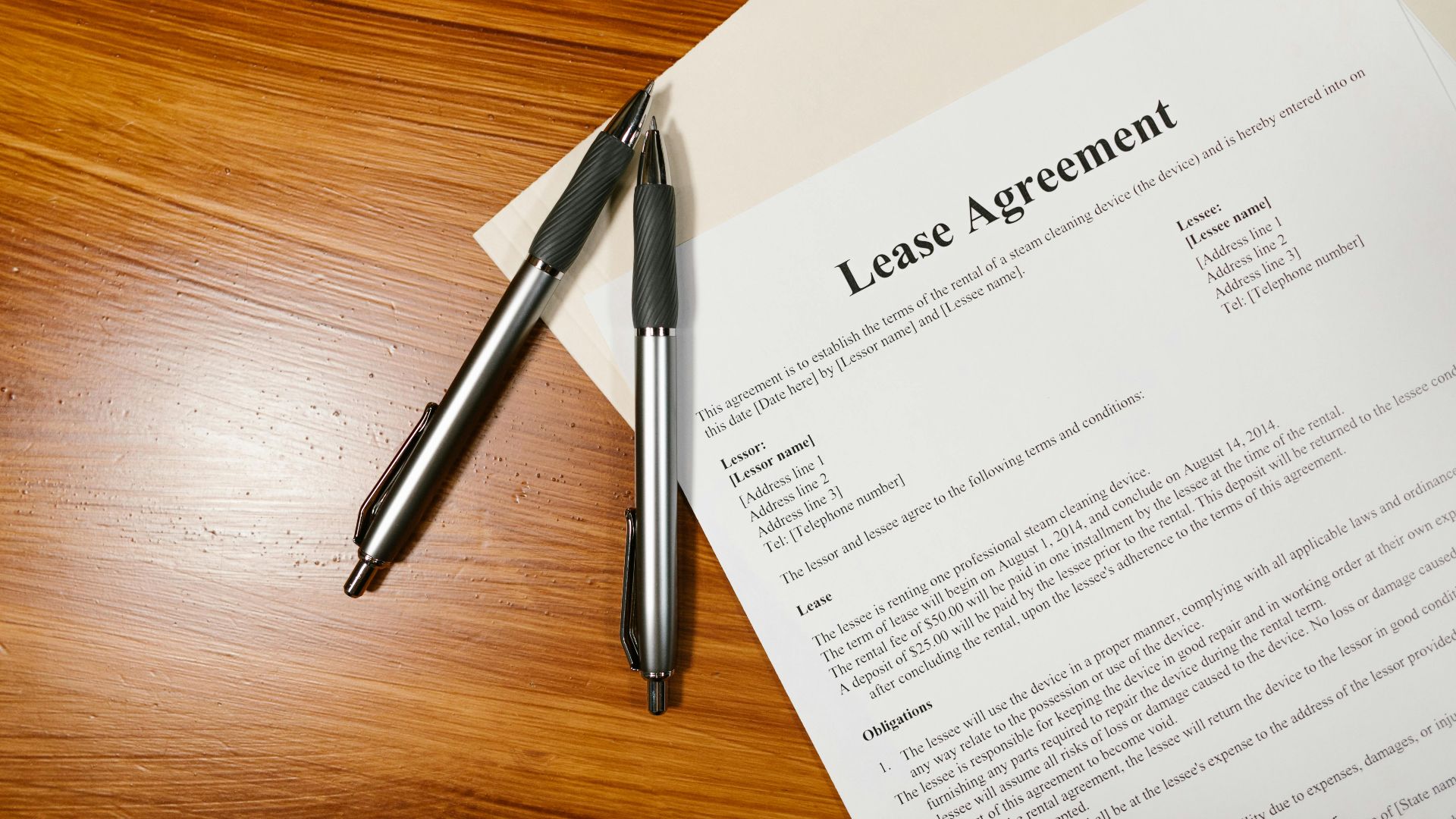
In many places, landlords can’t simply leave the apartment empty while charging you forever. They’re generally expected to make reasonable efforts to re-rent the property. That means advertising the unit, showing it to prospective tenants, and actively trying to replace you instead of collecting double rent indefinitely.
 Pavel Danilyuk, Pexels, Modified
Documentation Becomes Extremely Important
Once money disputes start, paperwork suddenly becomes your best friend. Emails, lease agreements, move-out notices, repair photos, and payment records can all become useful later. Without documentation, these situations often turn into frustrating “he said, she said” battles.

Some Reasons For Breaking A Lease Carry More Weight
Certain situations may give tenants stronger grounds for leaving early. Major safety issues, deployment, domestic protections, or uninhabitable living conditions can sometimes provide protections depending on local rules. A simple desire to move somewhere cheaper usually doesn’t carry the same protection.

Communication Can Save You Thousands
Ghosting your landlord after moving out is almost always a terrible strategy. The earlier you communicate, the better chance you have of negotiating reduced fees or a smoother exit. Landlords are often more cooperative when tenants are upfront instead of disappearing overnight.
 LinkedIn Sales Solutions, Unsplash
Negotiation Happens More Often Than People Think
Many renters assume lease penalties are completely non-negotiable, but that isn’t always true. Some landlords will reduce fees if you help find a replacement tenant or agree to leave the unit spotless for quick turnover. Others may accept a payment plan instead of demanding everything immediately.
 Centre for Ageing Better, Pexels
Your Security Deposit Is Probably At Risk
If there’s still unpaid rent or damage charges after you leave, the security deposit is usually the first thing landlords apply toward the balance. That means tenants expecting a nice refund check often end up getting nothing back instead.

Timing Matters More Than You’d Expect
Breaking a lease during a busy rental season may work out better than moving during slower months. If landlords know they can quickly fill the unit, they may be more flexible about early termination. Trying to leave during a weak rental market usually creates a tougher situation.

Subletting Isn’t Always Automatically Allowed
Some renters assume they can simply hand the apartment to a friend and walk away. Unfortunately, many leases restrict or outright prohibit subletting without landlord approval. Ignoring those rules can create even more problems on top of the original lease issue.

Credit Damage Can Become Part Of The Fallout
If unpaid balances end up in collections, your credit score may take a hit too. Suddenly, the cost of breaking the lease follows you long after you’ve moved into the next apartment. Future landlords may also see those unpaid rental debts during screening checks.

Payment Plans Are Sometimes An Option
If the charges are overwhelming, it may be worth asking whether the landlord would accept monthly payments instead of demanding a lump sum. Not every landlord agrees, but some prefer consistent payments over chasing unpaid debt through collections or court disputes.

A Lease Buyout Clause Can Be Helpful
Some leases include a specific buyout option that outlines exactly how much you must pay to end the agreement early. While it still hurts financially, having a fixed number is often better than unpredictable ongoing rent obligations that drag on for months.

Emotional Decisions Often Make Things Worse
A breakup, job loss, or sudden life change can push people into quick decisions. Unfortunately, rushing out without reviewing the lease or exploring alternatives can dramatically increase costs. Taking even a few extra days to plan can sometimes save thousands.

Small Mistakes During Move-Out Add Up Fast
Even after paying lease-break fees, tenants can still get hit with cleaning charges, repair deductions, or unpaid utility balances. That’s why documenting the condition of the apartment before leaving matters so much. Tiny disputes suddenly feel enormous once everyone’s already arguing about money.

Advice May Actually Be Worth It
If the landlord’s demands seem excessive or confusing, speaking with a tenant advocacy group or housing expert may help clarify your options. Some renters discover the landlord failed to follow required procedures or included unenforceable clauses in the lease. That doesn’t guarantee you’ll walk away free, but it may strengthen your position.

The Situation Usually Feels Worse At First
Getting hit with unexpected lease-break costs can feel overwhelming, especially when the numbers start climbing into the thousands. But many situations improve once communication starts, replacement tenants are found, or payment arrangements are negotiated. The key is acting quickly instead of freezing up while the problem keeps growing.

You May Also Like: