
When A Pothole Swallows Your Wheels
You’re cruising along on your mobility scooter, minding your business, maybe heading to the store or meeting a friend for coffee—when suddenly, bam. A pothole big enough to qualify as a municipal landmark sends you jolting forward. Maybe you’re bruised. Maybe your scooter’s damaged. And when you call the town to report it, they shrug and say, “Not our fault.” So what now? If you rely on a mobility scooter to get around, this isn’t just inconvenient—it’s personal. Let’s break down your options, your rights, and how to fight back (without falling into another crater).

First, Make Sure You’re Safe
Before you even think about lawsuits or legal letters, take care of yourself. Falls involving mobility scooters can cause serious injuries, especially to wrists, hips, shoulders, and knees. Seek medical attention right away, even if you think you’re “probably fine.” Not only is this critical for your health, but medical records will also serve as key evidence if you decide to pursue a claim.

Document The Scene Like A Detective
If you’re physically able—or have someone who can help—document everything. Take photos and videos of the pothole from multiple angles. Capture its depth, width, and location relative to street signs or intersections. Photograph your scooter damage and any visible injuries. The more evidence you gather at the scene, the harder it is for anyone to pretend the pothole was a minor crack.
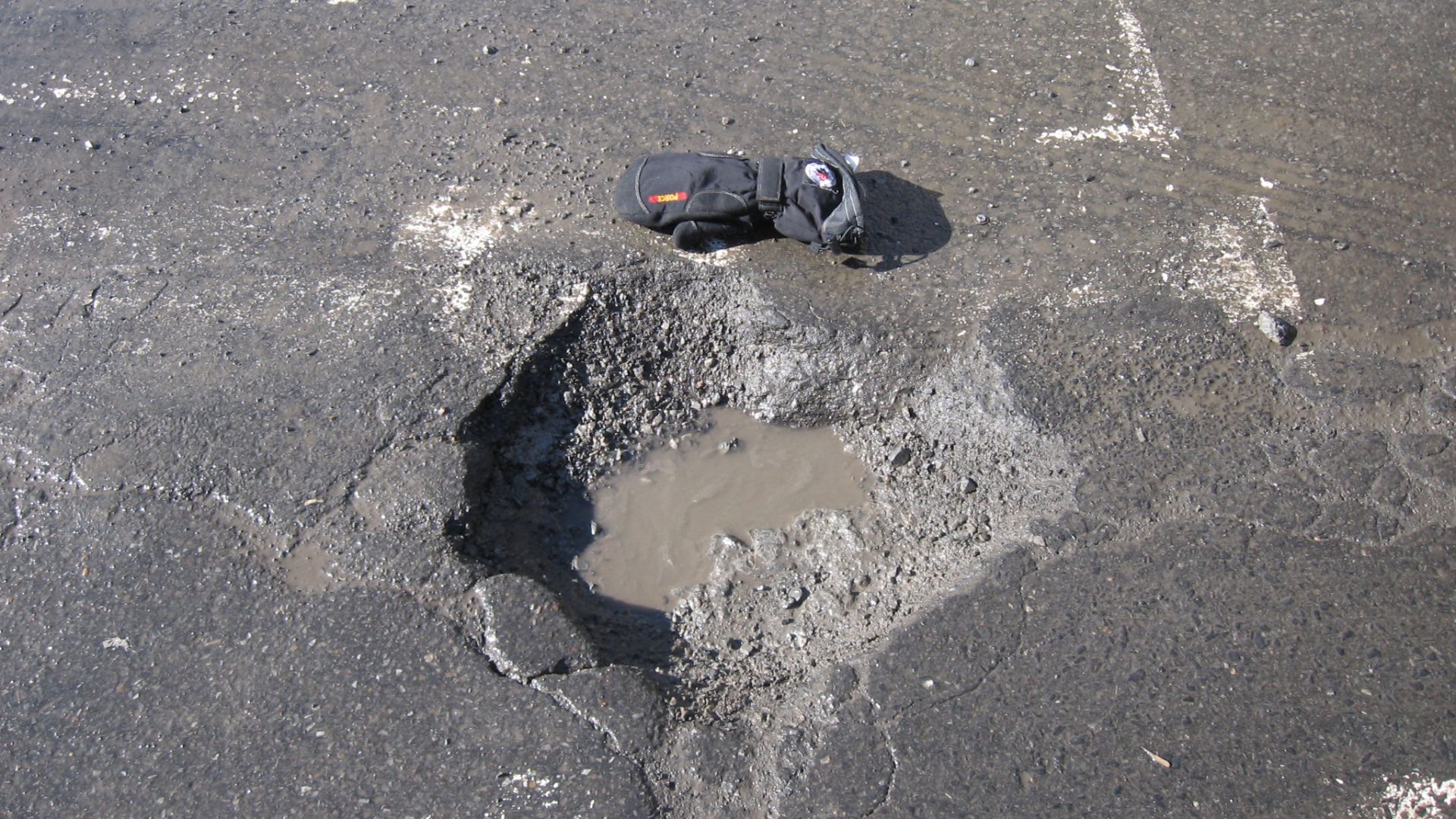 Miguel Tremblay, Wikimedia Commons
Get Witness Information
Were there pedestrians nearby? Did someone help you up? Ask for names and contact information. Independent witnesses can be invaluable if the town later claims the pothole wasn’t that big or that you were somehow at fault. A short written statement or even a quick phone video testimonial can make a big difference.

Report The Pothole Immediately
Even if the town is already claiming it’s not their responsibility, you should formally report the pothole. File a complaint through the town’s website, public works department, or clerk’s office. Get confirmation in writing. If the town knew about the pothole before your fall—or should have known—that becomes very important later.

Understand Government Immunity
Here’s where things get tricky. Cities and towns often have something called “sovereign immunity,” which can limit their liability. In plain English, that means you can’t sue them as easily as you could a private business. However, most states have exceptions that allow lawsuits when the government is negligent in maintaining public roads or sidewalks.

Notice Requirements Matter
Many states require you to file a formal “notice of claim” within a short window—sometimes as little as 30 to 90 days after the incident—before you can sue a municipality. Miss that deadline, and your case could be over before it begins. This is one reason it’s wise to consult an attorney sooner rather than later.

Was The Road Public Or Private?
Not all pavement is created equal. If you fell in a pothole on a private road, in a shopping center parking lot, or inside a residential complex, the responsible party might be a private property owner—not the town. Determining who owns and maintains the area is step one in identifying who may be liable.
 John Robert McPherson, Wikimedia Commons
Proving Negligence Is Key
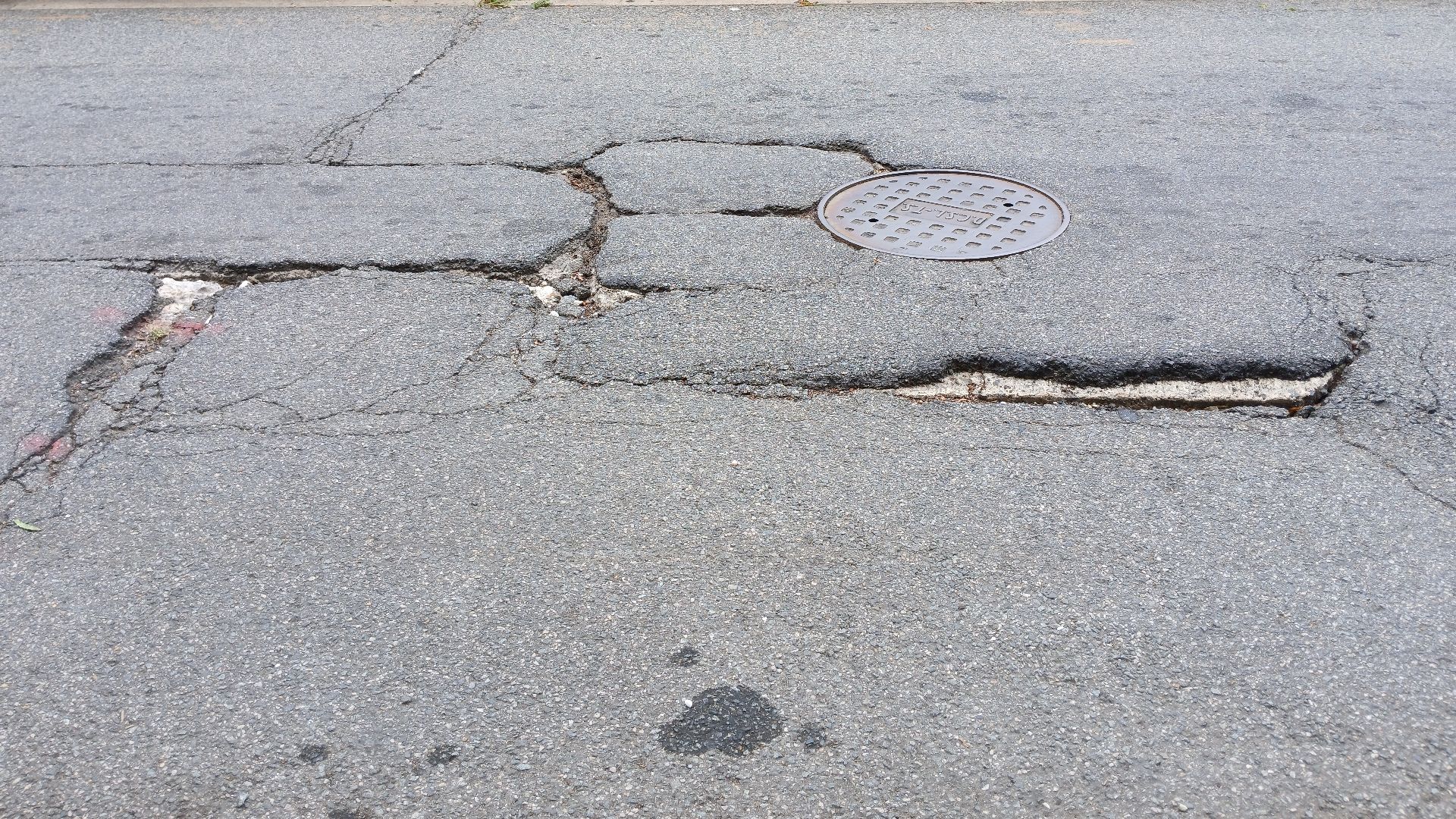
To win a claim, you generally must prove the town was negligent. That means showing they knew—or reasonably should have known—about the pothole and failed to fix it within a reasonable time. If the crater formed overnight after a storm, that’s one thing. If it’s been there for six months and half the neighborhood has complained, that’s another.
 Ser Amantio di Nicolao, Wikimedia Commons
Prior Complaints Can Strengthen Your Case
Public records can reveal whether others reported the same pothole before your accident. Freedom of Information requests may uncover maintenance logs, inspection records, and complaint histories. A paper trail of ignored warnings can turn your claim from a long shot into a serious legal issue.

Maintenance Policies Come Into Play
Municipalities often have written road inspection and repair schedules. If they failed to follow their own policies, that can bolster your argument that they were careless. On the flip side, if they can show they inspected the area regularly and the pothole appeared suddenly, they may use that as a defense.

Accessibility Laws Add Another Layer
If the pothole was located on a sidewalk, curb ramp, or pedestrian pathway, accessibility laws like the Americans with Disabilities Act (ADA) could enter the conversation. Public pathways must be maintained in accessible condition. A severe pothole that blocks or endangers mobility device users could potentially raise compliance issues.

Comparative Fault Could Be Raised
Be prepared: the town may argue that you were partially responsible. They might claim you were traveling too fast, not paying attention, or using the scooter improperly. Many states follow comparative fault rules, which can reduce your compensation if you’re found partly at fault—but not necessarily eliminate it.

Insurance May Cover Some Losses
Check your own insurance policies. Homeowners or renters insurance sometimes includes medical payments coverage that applies beyond the home. If a car was involved in any way, auto insurance might also come into play. While this doesn’t prevent you from pursuing a claim, it can help with immediate expenses.

Mobility Scooter Damage Counts
These devices aren’t cheap. Repairs or replacements can cost hundreds or thousands of dollars. Keep repair estimates, invoices, and proof of purchase. Property damage is part of your potential claim, along with medical bills and pain and suffering.
 Lei Hermans, Wikimedia Commons
Pain And Suffering Is Real
A fall like this can do more than bruise your body—it can shake your confidence and independence. If you now feel anxious about going out alone or using your scooter, that emotional toll matters. Courts recognize non-economic damages, though calculating them can be complex.

Small Claims Court May Be An Option
If your damages are relatively modest, small claims court might offer a faster, less expensive route. However, suing a municipality in small claims court isn’t always straightforward and may still require compliance with notice-of-claim rules. Check your local court’s procedures carefully.

Consulting A Personal Injury Attorney
An experienced personal injury attorney who handles claims against municipalities can assess your case quickly. Many offer free consultations and work on contingency, meaning they only get paid if you recover money. They’ll also know the specific notice deadlines and immunity rules in your state.

Time Is Not On Your Side
Beyond notice-of-claim deadlines, statutes of limitation also apply. These legal time limits vary by state and by whether the defendant is a government entity. Waiting too long can permanently bar your claim, even if the town was clearly negligent.

Settlement Is Common
Most claims against towns don’t end in dramatic courtroom showdowns. Instead, they’re often resolved through negotiated settlements. If the evidence is strong and your injuries are well-documented, the municipality may prefer to settle rather than litigate.

When The Town Truly Isn’t Liable
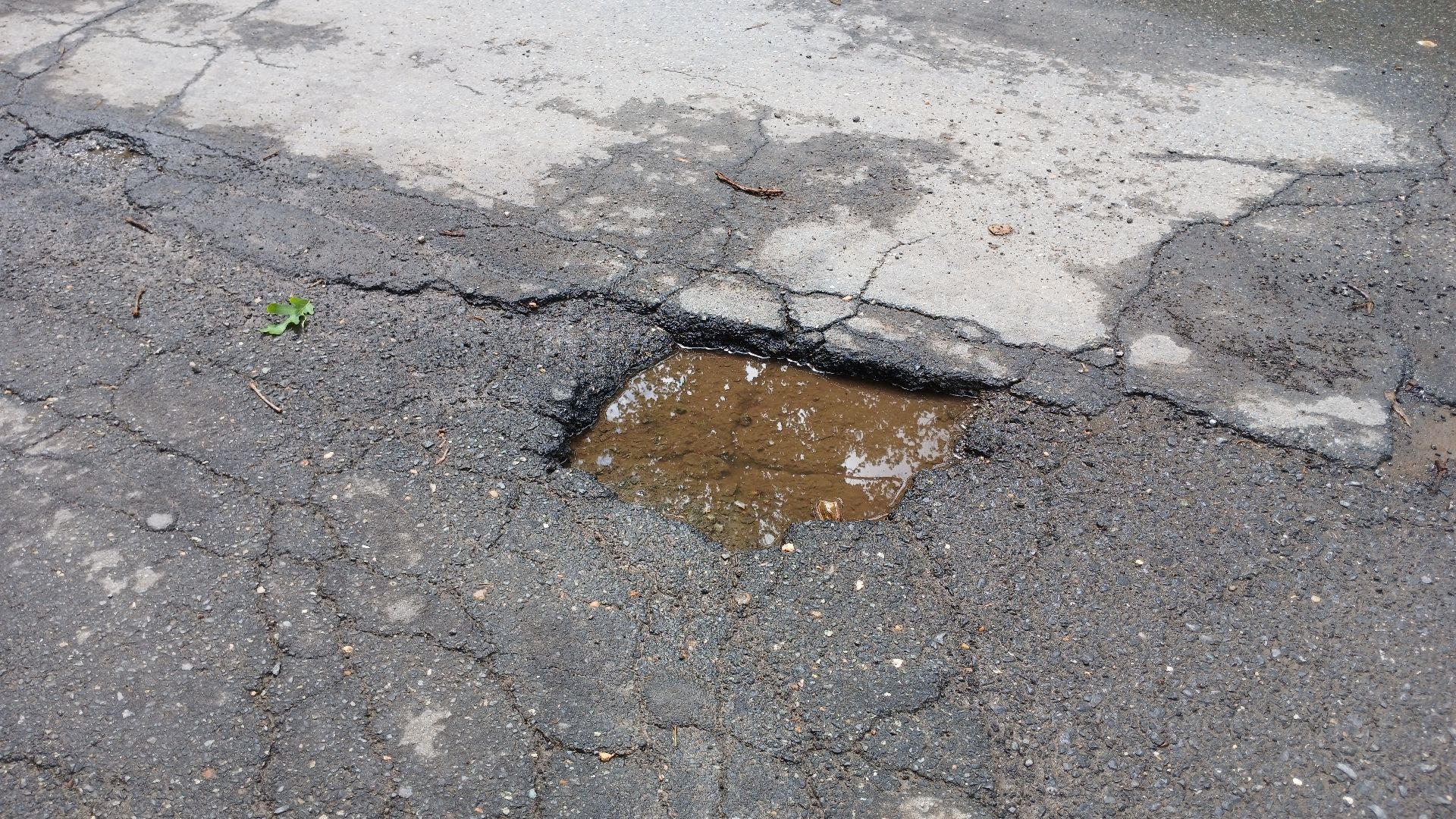
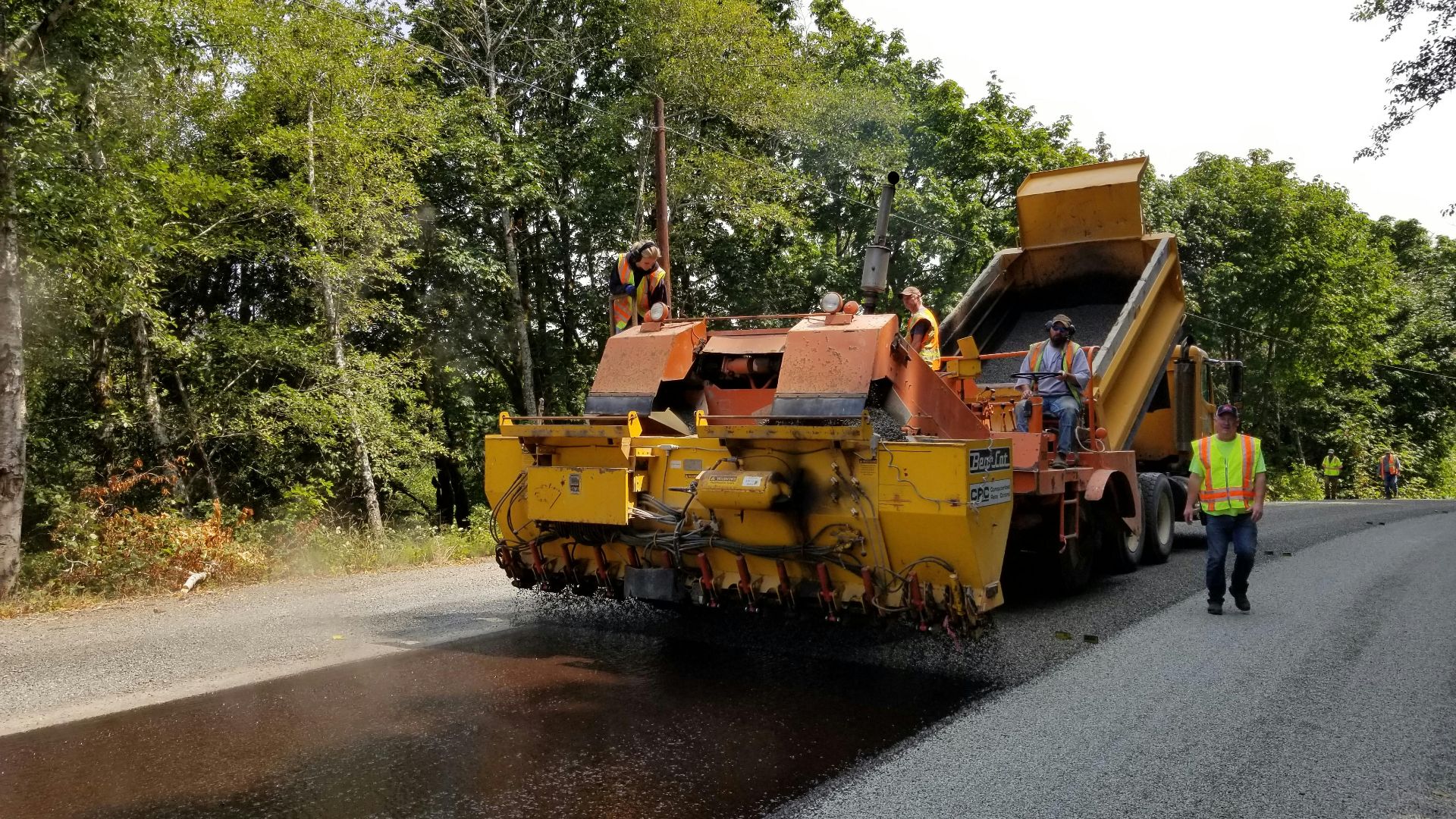
Sometimes, frustratingly, the town may genuinely not be responsible. If the pothole was on state property, a utility company cut into the pavement, or a contractor recently performed work, liability could lie elsewhere. Identifying the correct defendant is crucial.
 Ser Amantio di Nicolao, Wikimedia Commons
Filing A Complaint Beyond Court
If your goal is as much about fixing the hazard as recovering money, consider escalating your complaint. Attend a city council meeting, contact your local representative, or involve a disability advocacy group. Public pressure can move mountains—or at least fill holes.

The Role Of Expert Witnesses
In more serious cases, engineers or road safety experts may be brought in to evaluate whether the pothole violated safety standards. Medical experts can also testify about the extent of your injuries and long-term prognosis, strengthening your negotiating position.
Keep A Recovery Journal
Document your recovery in a daily or weekly journal. Note pain levels, mobility limitations, missed activities, and emotional impacts. This contemporaneous record can provide compelling evidence of how the fall affected your life.

Don’t Accept A Quick Dismissal
When a town says, “Not our fault,” that’s often just an opening position—not the final word. Municipalities deny claims routinely, sometimes hoping injured residents will give up. A polite but persistent follow-up, especially through legal counsel, can change the conversation.

Weigh The Costs And Benefits
Litigation can be stressful and time-consuming. Before proceeding, weigh potential compensation against the emotional and financial costs of a legal battle. A frank discussion with an attorney can help you decide whether pursuing the claim makes sense.

Protecting Yourself Going Forward
While you can’t control every hazard, you can reduce risk by scouting routes, reporting road damage proactively, and ensuring your scooter is well-maintained. Community apps and local forums can also alert you to problem areas before they become personal.
 Phasmatisnox at English Wikipedia, Wikimedia Commons
Turning A Setback Into Action
Falling into a pothole while using a mobility scooter isn’t just bad luck—it may be a sign of a bigger maintenance problem. Even if the town initially denies responsibility, you have options: document the evidence, understand your state’s notice requirements, consult legal counsel, and push for accountability. At the very least, your efforts could help prevent the next person from taking the same tumble. And that’s a win worth pursuing.
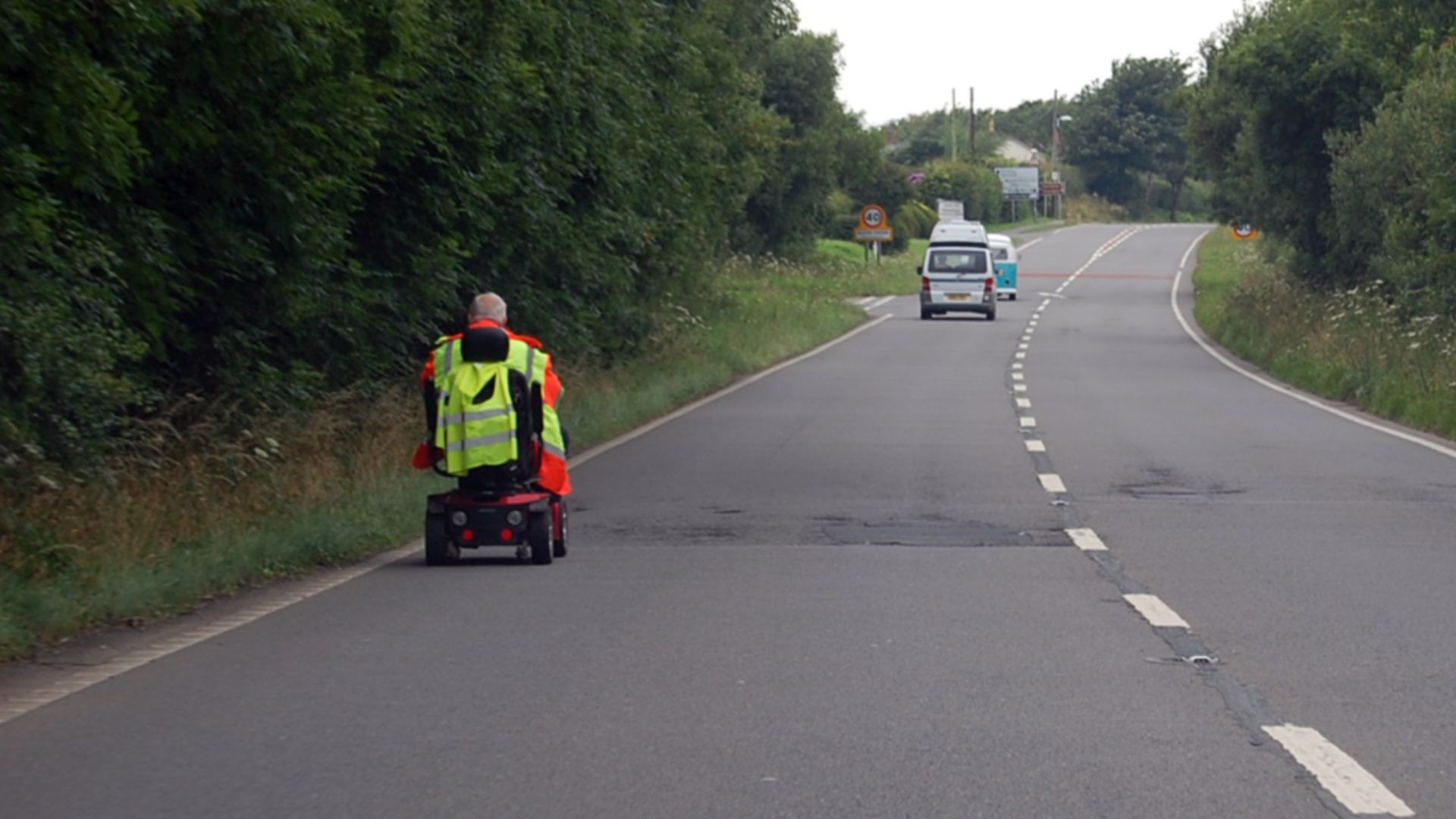 J.Hannan-Briggs , Wikimedia Commons
You May Also Like:
I split a large cash deposit into two smaller ones—did that make things worse?
I traded in a paid-off car for a $45K loan. Can I undo this mistake?