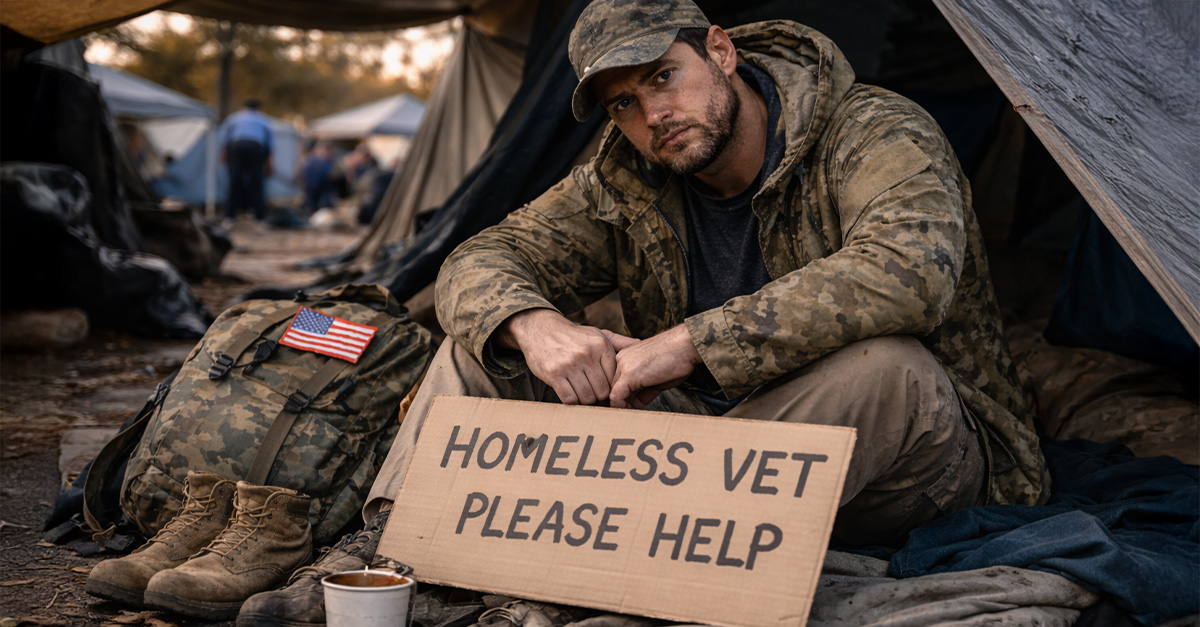
The Day You Realize The Safety Net Isn’t There
You did what you were asked. You served, you were injured or became ill, and you were medically discharged with the understanding that you’d be looked after. Then reality hit: no home, no job, and a creeping sense that the system lost your paperwork—and maybe your name. First, take a breath. This situation is unfair, but it is not unfixable. This guide walks through practical, money‑smart steps to stabilize today and rebuild tomorrow.
Know This Isn’t A Personal Failure
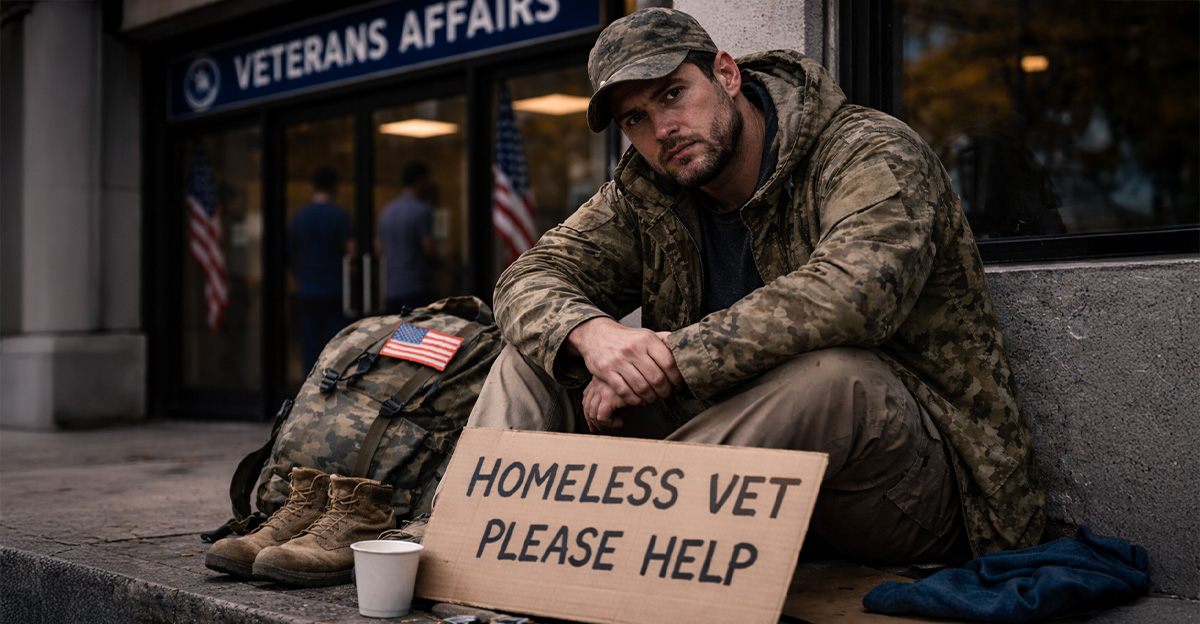
Homelessness after medical discharge isn’t about laziness or bad decisions. It’s usually a collision of bureaucracy, slow benefits, and health limitations. Reframing the story matters because shame keeps people from asking for help—and asking for help is a financial strategy. You earned support. The goal now is to claim it, methodically and without apology.

Secure Immediate Shelter And Food First
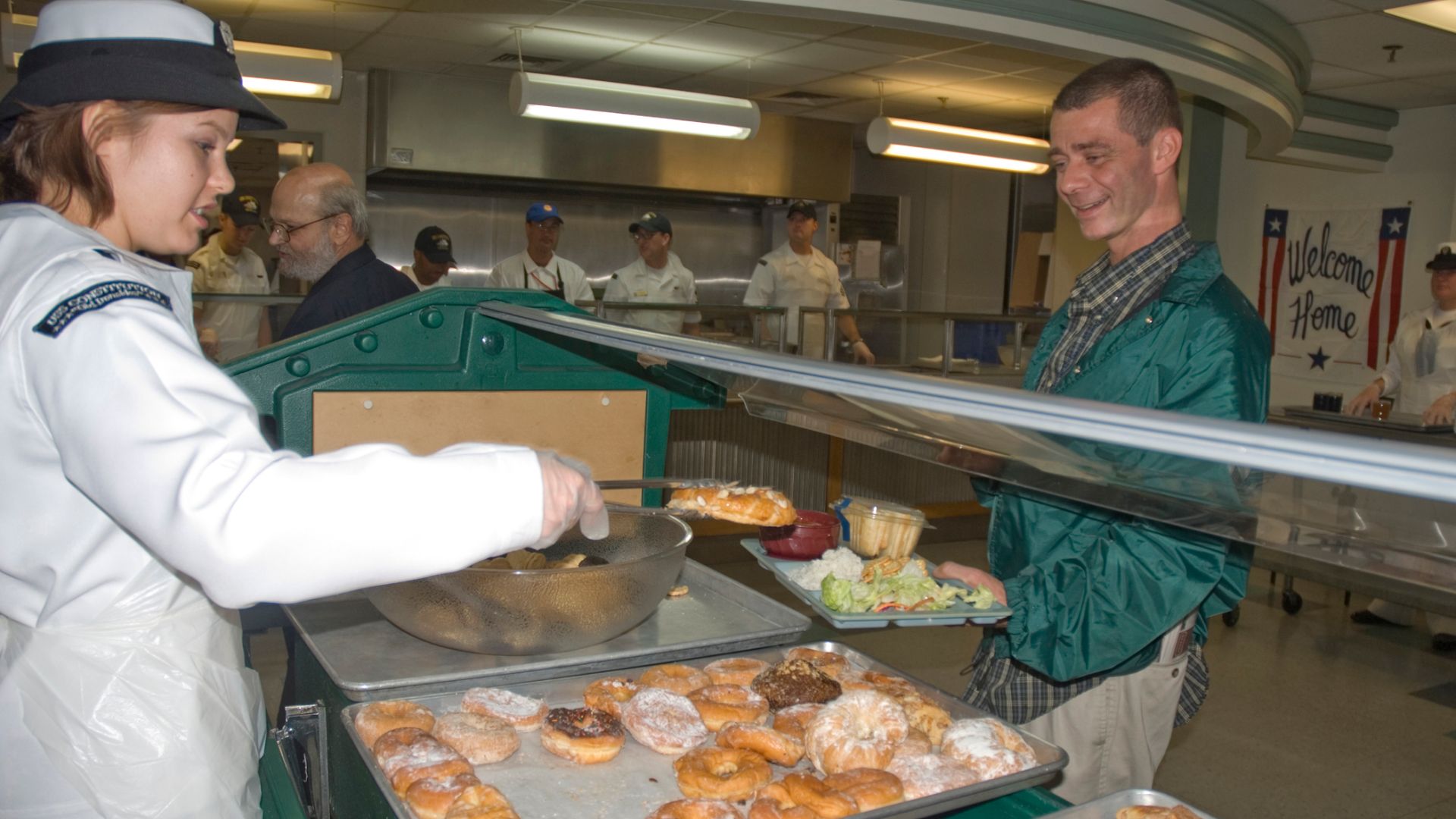
Money advice starts with survival. If you’re unsheltered, prioritize emergency housing: veteran shelters, transitional housing, or short‑term hotel vouchers through charities. Food banks, soup kitchens, and community fridges are bridges, not failures. Stabilizing meals and a bed gives you the bandwidth to tackle paperwork and planning without burning out.
 U.S. Navy photo by Mass Communication Specialist 3rd Class Anna Kiner, Wikimedia Commons
Get Your Discharge Paperwork In Order
Your DD‑214 and medical discharge records are financial documents now. They unlock benefits, housing, healthcare, and sometimes cash assistance. If you don’t have copies, request them immediately through official channels or a veteran service organization. Create a simple folder—physical or digital—and guard it like a wallet.

Register With Veteran Support Organizations
You don’t have to navigate this alone. Veteran service organizations exist to translate the system and advocate on your behalf. Many offer caseworkers who know exactly which forms stall and which offices answer the phone. Think of them as free financial concierges who specialize in your situation.

Apply For Disability Benefits Immediately
If your discharge was medical, disability benefits may be available—and they can be life‑changing. Apply as soon as possible because approvals can take time, and back pay often starts from the application date. Be thorough, include medical evidence, and don’t be discouraged by initial denials. Appeals are common, not a dead end.

Use Interim Financial Assistance Programs
While benefits process, look for stopgap help: emergency grants, temporary cash assistance, or hardship funds targeted at veterans. These programs are designed to prevent exactly what you’re experiencing. Small amounts can cover transportation, phone service, or document fees—tiny expenses that otherwise block progress.

Get Healthcare Locked In
Medical issues don’t pause because you’re broke. Accessing veteran healthcare or community clinics reduces out‑of‑pocket costs and creates documentation that strengthens benefit claims. Consistent care also improves employability later. Treat healthcare as an investment with compounding returns.

Replace Or Secure Identification
No ID means no job, no benefits, no bank account. If your documents were lost, prioritize replacement. Many states waive fees for people experiencing homelessness, and veteran organizations can help expedite the process. Once replaced, store copies safely and consider a low‑cost safe‑deposit option when possible.

Open Or Reopen A Basic Bank Account
Cash is fragile; accounts are safer. Credit unions and banks often offer second‑chance or low‑fee accounts for people rebuilding. Direct deposit speeds up benefits, reduces check‑cashing fees, and creates a financial footprint. This isn’t about fancy budgeting—it’s about keeping money from leaking.

Understand Your Housing Options Long Term
Emergency shelter is a starting line, not the finish. Explore transitional housing, supportive housing, and veteran‑specific programs that combine rent assistance with services. These options stabilize costs while you recover health and income. Waiting lists exist, so apply early and broadly.

Document Everything Like An Accountant
Every appointment, call, form, and receipt matters. Keep a simple log with dates and names. This habit saves money by preventing delays, duplicate applications, and missed deadlines. It also gives you confidence when agencies ask, “When did you last…?” You’ll know.

Explore Job Paths That Fit Your Health
Employment after medical discharge may look different—and that’s okay. Remote work, part‑time roles, flexible schedules, or retraining programs can align income with health limits. Focus on sustainability, not heroics. A job you can keep beats one that burns you out in a month.

Use Veteran Education And Retraining Benefits
Training benefits can fund certificates, licenses, or degrees that boost earning power. Short programs often deliver faster returns than long ones. Choose fields with demand and accommodations. Education isn’t just personal growth—it’s a balance‑sheet upgrade.

Build A Bare‑Bones Budget For Now
Traditional budgets assume stable income. Yours doesn’t—yet. Create a survival budget: shelter, food, transport, phone, healthcare. Everything else waits. This clarity prevents guilt spending and helps caseworkers target assistance where it matters most.
Protect Your Credit From Further Damage
Medical bills and missed payments can snowball. Ask providers about hardship programs and payment holds. Check your credit report for errors tied to deployment or hospitalization. Preventing new damage is easier than repairing old scars—and it saves real money later.

Leverage Community Legal Help
Benefits denials, housing disputes, and debt issues often have legal solutions. Free legal clinics and veteran‑focused attorneys can unblock stalled cases. Think of legal help as preventative maintenance for your finances.

Stay Connected With A Phone And Address
A working phone and a reliable mailing address are lifelines. Programs exist to provide free or discounted phones and data. Many shelters or organizations allow mail pickup. Missed calls and letters cost time—and time costs money.

Advocate For Yourself Without Burning Out
Persistence pays, but exhaustion is real. Schedule follow‑ups, set reminders, and tag in advocates when needed. You’re not being difficult—you’re being diligent. Treat self‑advocacy like a marathon, not a sprint.

Watch For Scams And Bad Deals
Desperation attracts predators. Be wary of “guaranteed approvals,” upfront fees, or high‑interest loans. If an offer pressures you to decide today, walk away. Slow and steady beats fast and broke.

Rebuild Routine And Momentum
Structure reduces stress and improves outcomes. Set daily goals: one call, one form, one appointment. Momentum compounds, just like money. Progress doesn’t need to be dramatic to be effective.

Lean On Peer Support
Other veterans understand the maze—and the emotions. Peer groups share tips, leads, and morale. Connection isn’t just good for mental health; it’s practical intelligence you can’t Google.

Plan For Income Before Big Purchases
When money finally arrives, pause. Catch up on essentials, build a small buffer, and avoid long‑term commitments until income is steady. Future you will thank present you for the restraint.
 Karolina Grabowska www.kaboompics.com, Pexels
Start A Tiny Emergency Fund
Even $10 at a time counts. A small cushion prevents setbacks from becoming crises. Automate savings once income stabilizes. This is how financial confidence quietly returns.
 Karolina Grabowska www.kaboompics.com, Pexels
Measure Progress In Months, Not Days
Systems move slowly, especially when you’re unwell. Track progress monthly to avoid despair. Each approval, appointment, and deposit is proof the arc is bending your way.

Remember: You’re Entitled To Help
This isn’t charity—it’s compensation and care you earned. Asking for it is not weakness; it’s responsibility. The goal isn’t just to survive, but to regain control of your money, health, and future.

A Future That Looks Like Yours Again
Being homeless and jobless after a medical discharge is a brutal contradiction. But with shelter stabilized, benefits in motion, and income aligned to your health, the picture changes. Step by step, the system can be made to work. You’re not starting from zero—you’re starting from experience. And that counts.

You May Also Like: