
The Vacation Sit That Took A Turn
You signed up for a cozy pet-sitting gig: a comfy couch, a sweet dog, and a few daily walks while the owners sip cocktails somewhere sunny. Then, out of nowhere, the dog stops eating, starts vomiting, or just isn’t herself. One rushed vet visit later, you’re staring at a treatment plan that costs $2,000. Your heart drops. You’re not the owner, you’re not rich, and you definitely didn’t budget for this. Welcome to one of the most stressful scenarios a pet sitter can face.

First, Take A Breath
Before panic takes over, pause. Seriously. This situation feels urgent and emotional because it is—but clear thinking matters. You didn’t cause this illness by existing near the dog, and you’re not a monster for worrying about money. Taking a breath helps you make rational decisions that protect the dog, the owners, and yourself.
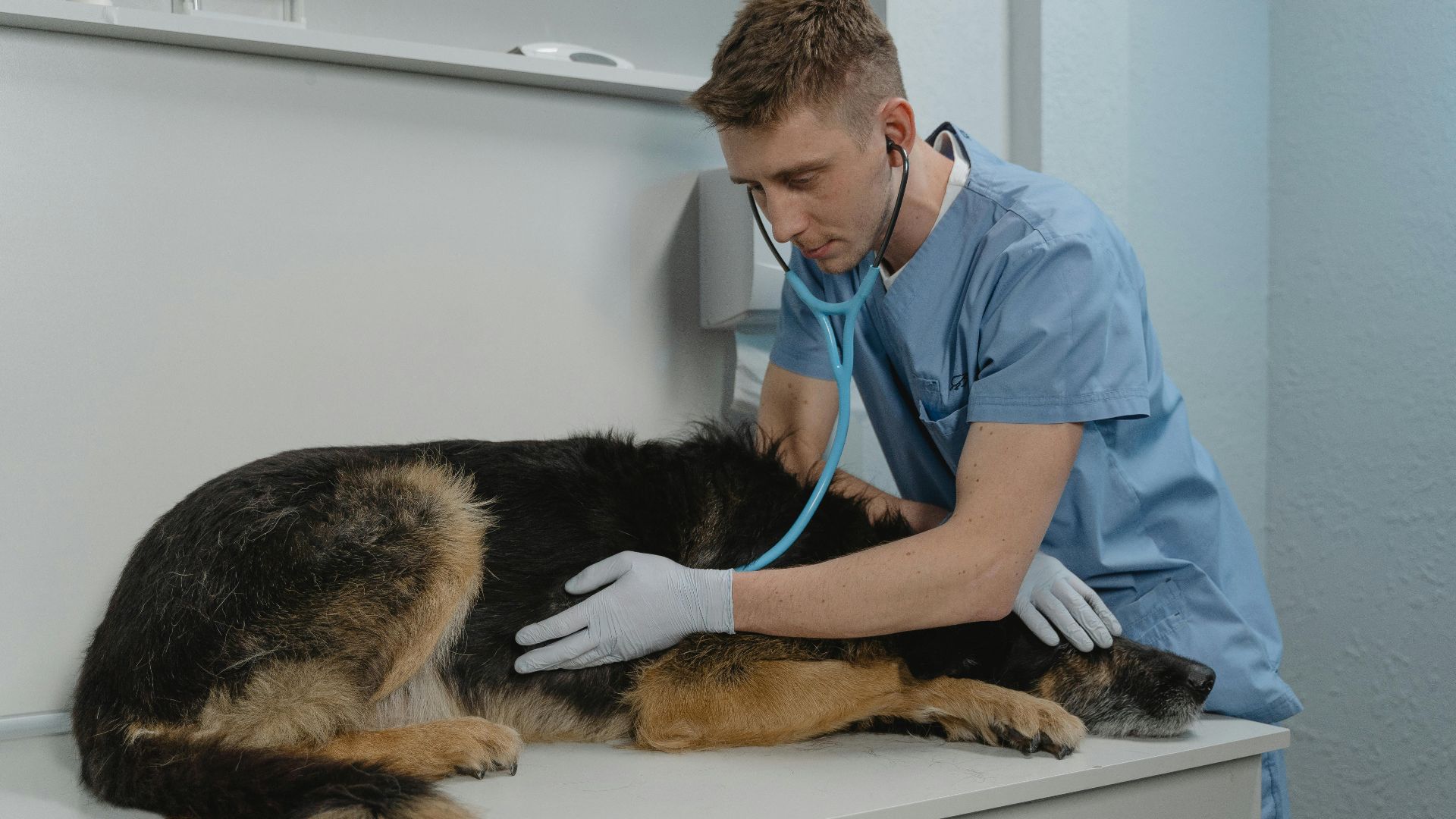
Check The Care Agreement
If you’re a professional sitter or even a very organized friend, you may already have a care agreement. Read it closely. Many contracts spell out emergency procedures, spending limits, and who authorizes treatment. If there’s a clause about emergency vet care or reimbursement, this document is your first line of defense against confusion and conflict.

Call The Owners Immediately
This is not a “text later” situation. Call. FaceTime if you can. Owners need to know what’s happening as soon as possible, even if they’re in a different time zone. Stick to facts: symptoms, vet recommendations, costs, and urgency. Most owners would much rather be woken up on vacation than find out later that a major decision was made without them.

Assess The Urgency
Not every expensive treatment is an emergency. Ask the vet directly: is this life-threatening right now, or can it wait 12–24 hours? Some conditions need immediate intervention, while others allow time to talk to the owners, seek alternatives, or plan finances. Urgency changes everything.
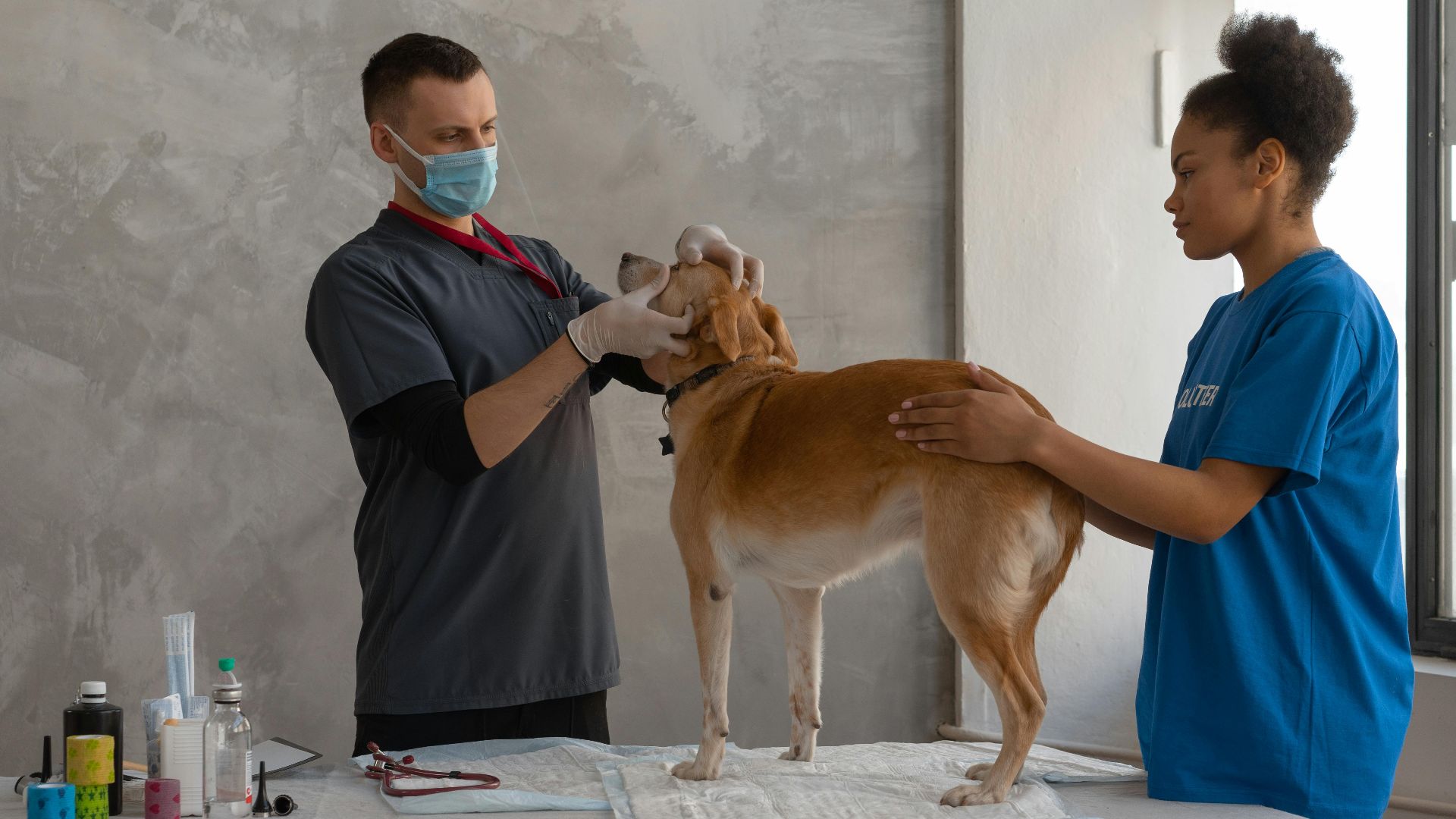
Get A Second Opinion
You are allowed to ask questions. You are allowed to ask for another vet’s opinion. Especially with a $2,000 estimate, it’s reasonable to confirm the diagnosis and treatment plan. A second clinic might suggest a less invasive—or less expensive—approach without compromising the dog’s health.

Ask For An Itemized Estimate
“$2,000” is a scary number, but it’s also vague. Ask the vet to break it down line by line: diagnostics, medications, hospitalization, follow-up care. Sometimes there are optional items or alternative treatments that can reduce costs. Transparency helps everyone make better decisions.

Discuss Payment Options
Many clinics offer payment plans, third-party financing, or staged treatment. Ask. It might feel awkward, but it’s normal. Vets know that emergency costs are shocking, especially when the person standing at the desk isn’t the owner.
 Karolina Grabowska www.kaboompics.com, Pexels
Understand Your Authority As A Sitter
Unless explicitly stated otherwise, you usually do not have legal authority to approve major medical expenses. Your role is to advocate for the pet and communicate with the owners—not to financially commit on their behalf. Knowing this boundary protects you from being stuck with a bill you never agreed to pay.

Pet Insurance Changes Everything
If the dog is insured, this crisis looks very different. Ask the owners if they have insurance and what it covers. Some plans reimburse quickly, others slowly, but insurance often turns a $2,000 panic into a paperwork headache instead.

Emergency Funds And Credit Cards
Sometimes owners ask, “Can you put it on your card and we’ll reimburse you?” Only do this if you are 100% comfortable and trust them completely. Reimbursement delays happen. If covering the cost would harm your own finances, it’s okay to say no.

When The Owners Are Unreachable
This is the nightmare scenario. If the dog’s life is at immediate risk and you cannot reach the owners, most vets will proceed with necessary lifesaving care under implied consent. Document your attempts to contact the owners and keep receipts and records of every decision.

Know Your Legal And Ethical Duties
Legally, you’re limited. Ethically, you care about the animal in front of you. The goal is to prevent suffering while respecting ownership and consent. Acting in good faith, with documentation and professional guidance, is key if questions arise later.

Consider The Dog’s Quality Of Life
Not every expensive treatment is the right choice. Some conditions involve invasive procedures with uncertain outcomes. These are heartbreaking conversations, but they belong with the owners whenever possible. Your job is to relay information compassionately, not to decide the dog’s future alone.

Communicate With Empathy And Facts
Owners may panic, cry, or react defensively. Stick to calm, factual updates and acknowledge how hard this is. “I know this is overwhelming. Here’s what the vet says, and here are our options.” Clear communication builds trust in a crisis.

Document Everything
Keep notes: times, symptoms, vet names, estimates, approvals, and messages. Save invoices and medical reports. Documentation protects you and helps owners understand exactly what happened while they were away.

Set Boundaries Around Your Finances
You are providing care, not becoming the dog’s emergency fund. It’s okay to say, “I can help coordinate care, but I can’t personally cover this cost.” Boundaries aren’t selfish—they’re professional.

When To Walk Away From A Vet
If a vet pressures you aggressively or dismisses reasonable questions, that’s a red flag. You’re allowed to seek another clinic that communicates clearly and respectfully. The dog deserves good care, and you deserve to feel informed.

Choosing Another Clinic
Look for a practice with transparent pricing, clear explanations, and a willingness to speak directly with the owners by phone. Many vets are happy to collaborate when they know the sitter is in a tough spot.
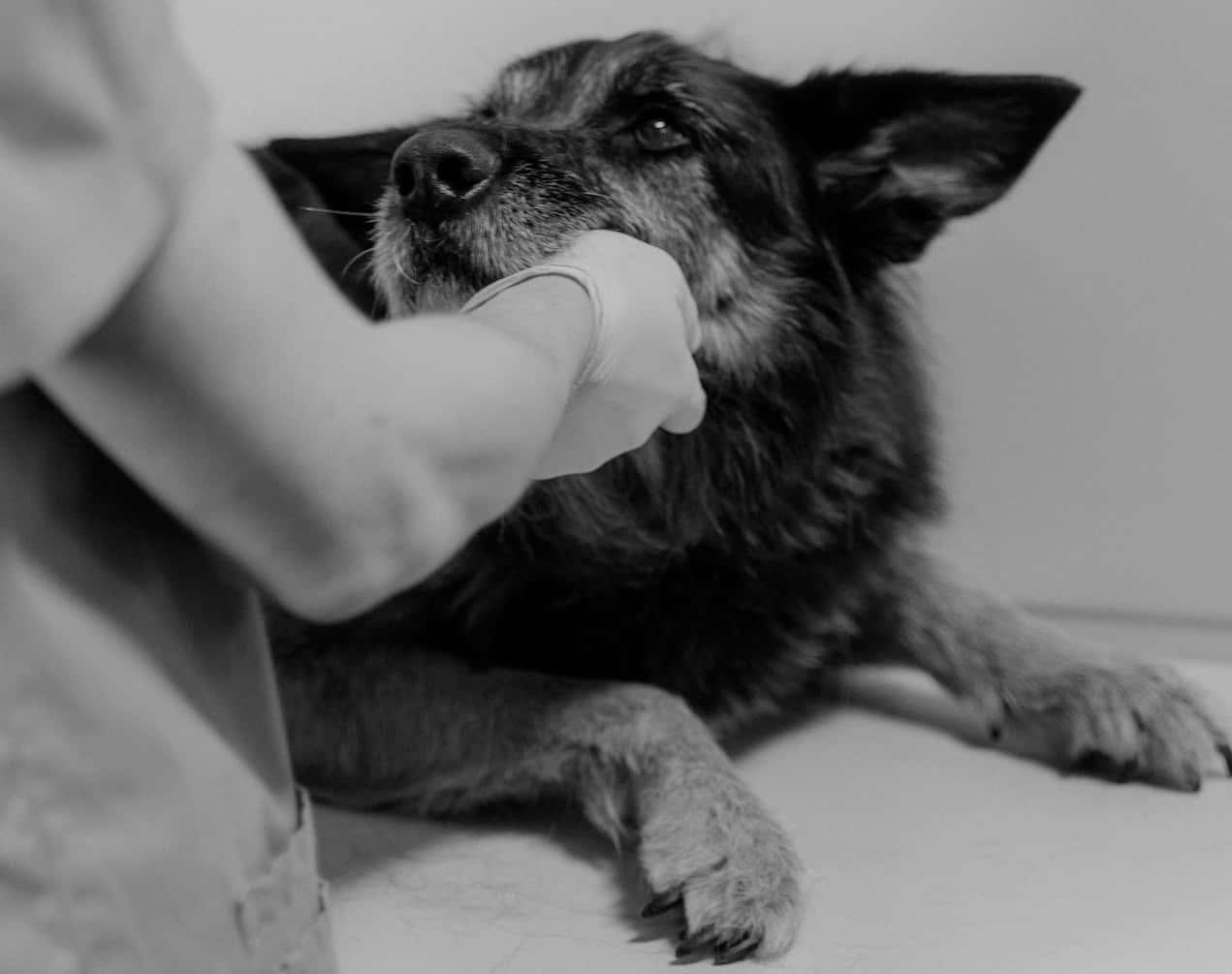
What If You Can’t Afford It
If no solution emerges and the owners cannot or will not authorize treatment, focus on comfort care and continued communication. This is emotionally brutal, but financial reality is real. You are not a villain for acknowledging it.

How This Affects Your Reputation
Handled well, this situation can actually strengthen your reputation. Calm communication, documentation, and compassion show professionalism. Most reasonable owners understand that medical emergencies are unpredictable.

Learning From The Crisis
Every sitter who goes through this learns fast. What felt unimaginable becomes a hard-earned lesson in preparation, boundaries, and advocacy.

Updating Future Contracts
After this, update your agreements. Include emergency spending limits, insurance info, vet preferences, and clear authorization rules. Future you will be grateful.

Emergency Planning For Sitters
Keep vet numbers handy, know the nearest emergency clinic, and ask owners about insurance and payment preferences before they leave. Preparation doesn’t remove risk, but it reduces chaos.

Self-Care In High-Stress Sits
Caring for a sick animal is draining. Eat, sleep when you can, and talk to someone you trust. Your emotional health matters too.

The Best Possible Outcome
In the best case, the dog recovers, the owners are grateful, and everyone learns something. Even when it’s messy, doing your best with honesty and care counts.

Don't Let A Fun Gig Become The Pet-Sit Of Nightmares
A $2,000 vet bill when you’re “just the sitter” is terrifying—but you’re not powerless. Communicate early, ask questions, respect your limits, and advocate for the dog without sacrificing yourself. Pet sitting isn’t just cuddles and walks; sometimes it’s crisis management. And when you handle it with clarity and compassion, you’re doing right by everyone involved.

You May Also Like: