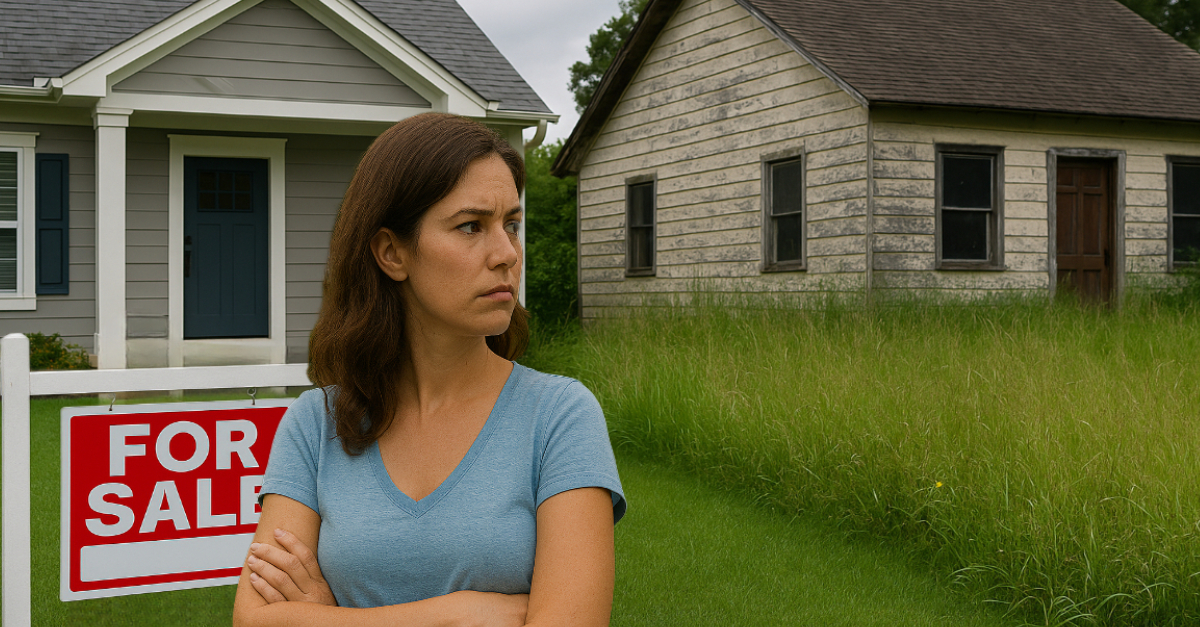
Your Neighbor’s Overgrown Yard Is Costing You Money
Trying to sell a home is stressful enough—but when the house next door looks like a set from a post-apocalyptic movie, buyers notice. Curb appeal doesn’t stop at your property line, and unfortunately, your neighbor’s overgrown lawn or junk pile can absolutely hurt your sale price. But what can you do about it? Well, you might have the law on your side...
Talk to Them First—Nicely
A friendly chat solves more issues than you'd think. Many owners simply don’t realize how their yard looks. According to the National Association of Realtors, 67% of homeowners would tidy up if a neighbor politely asked. A calm conversation is often the easiest, quickest fix.
Offer to Help or Split Costs
If your neighbor is elderly or overwhelmed, offering help can get results. Landscaping companies say one-time cleanups are among their top pre-sale requests. Exterior improvements often return 100%+ of their cost at resale, so the boost in perceived value can easily outweigh what you spend.

Put Up a Fence or Visual Barrier
Installing a privacy fence—or even tall shrubs—can instantly block unpleasant views. Landscape architects note that visual barriers strongly influence buyer perception, often redirecting attention to your home’s best features. It doesn’t solve your neighbor’s habits, but it absolutely helps your listing.

Boost Your Own Curb Appeal
Fresh mulch, trimmed hedges, and small exterior updates can shift the entire feel of the property. A Virginia Tech study found that enhanced landscaping can increase perceived home value by up to 12%. It’s one of the easiest ways to offset a neighbor’s messy yard.
Document Everything
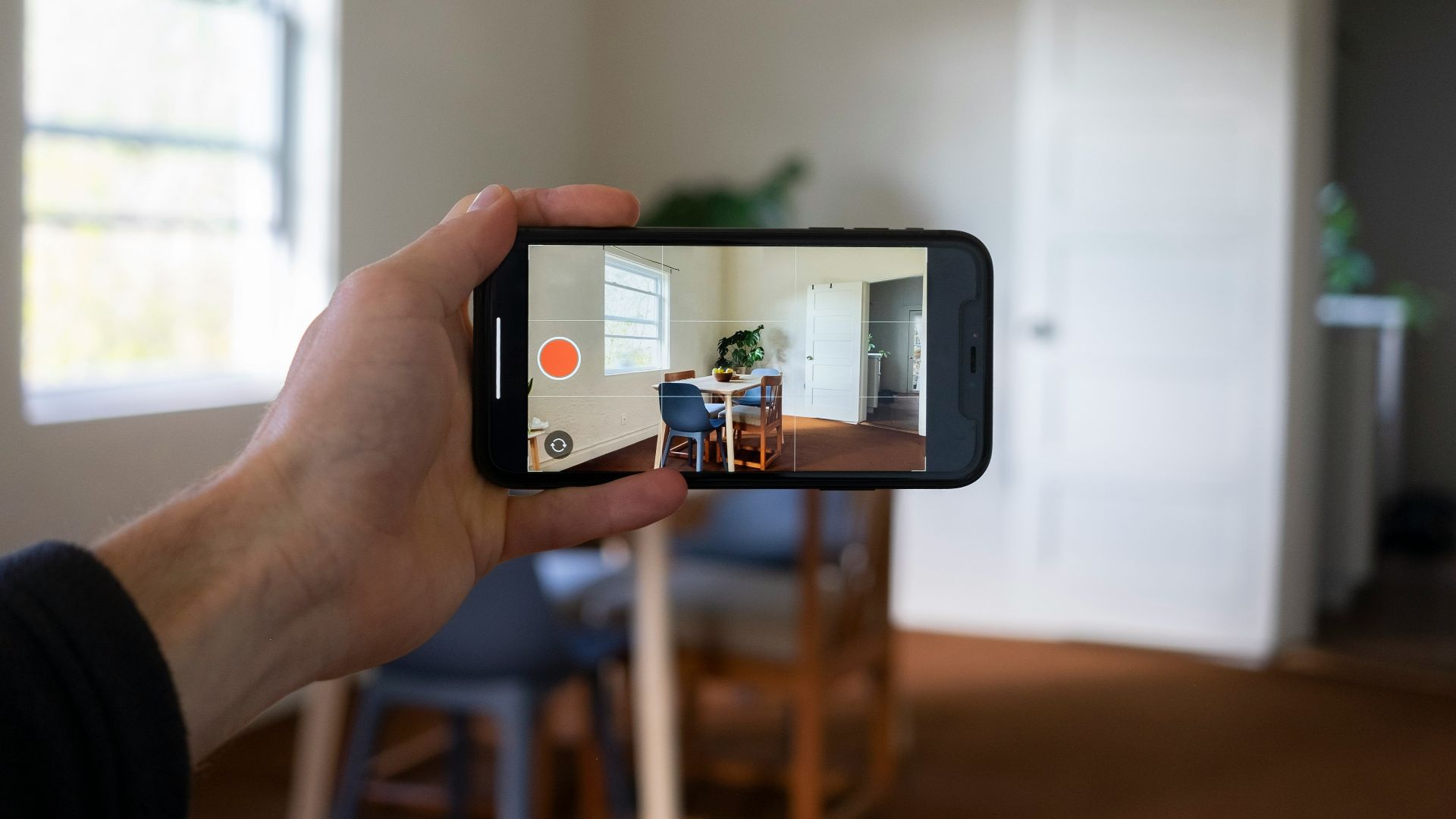
Take photos, note dates, and keep records. HUD guidelines encourage homeowners to document neighboring nuisances when they may affect value. This becomes crucial if you file complaints, dispute appraisals, or need evidence for a realtor or attorney later.
Check Local Ordinances
Most cities have laws requiring lawns to be maintained and yards kept free of trash. Many municipalities follow the International Property Maintenance Code, which prohibits overgrowth, clutter, and unsafe exterior conditions. If your neighbor violates these rules, the city can intervene.
Contact Code Enforcement (Often Anonymous)
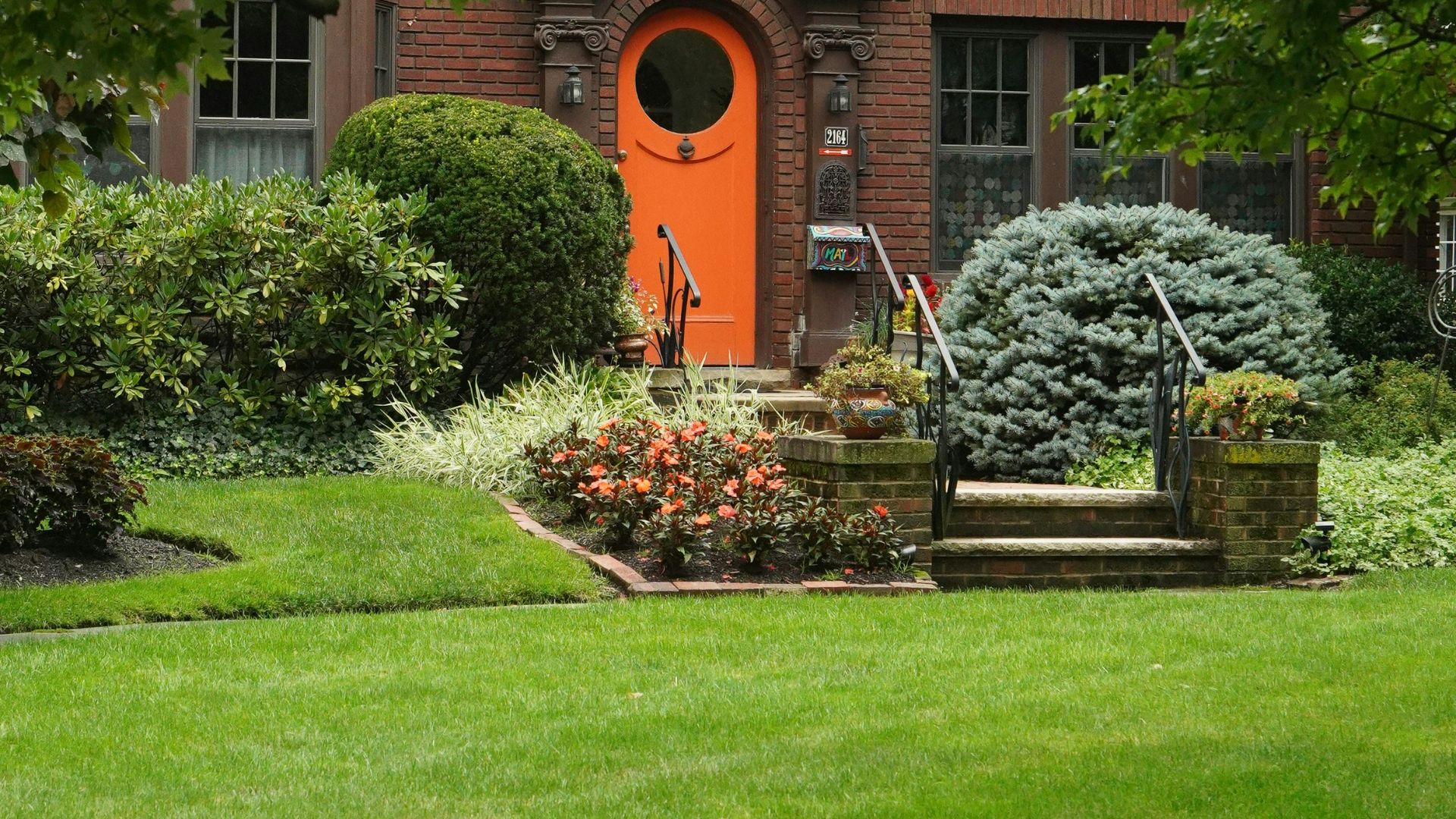
Many cities accept anonymous complaints. As a Phoenix code-enforcement supervisor put it: “We act on conditions, not who reported them.” Officers must investigate, and warnings or fines usually convince reluctant neighbors to clean up quickly.

If You Have an HOA, Use It
HOAs enforce exterior standards aggressively. They can issue warnings, daily fines, and even liens for uncorrected violations. Community Associations Institute data shows over 70% of HOA disputes involve exterior upkeep, so they’re very experienced at resolving situations like this.
Consult a Real Estate Attorney
If the property next door is hazardous or deliberately neglected, an attorney can help. The American Bar Association confirms that nuisance disputes are one of the most common real-estate conflicts. A formal attorney letter citing local codes often gets fast results.

Try Local Mediation Programs
Many counties offer free mediation to help neighbors work out issues before things turn legal. The U.S. Department of Justice reports that more than half of mediated neighborhood disputes end in voluntary agreements. It’s low-stress and surprisingly effective.

Time Your Photos and Showings Strategically
Listing photos matter. Zillow notes that professional, well-framed photos dramatically increase buyer engagement. Position your photographer to avoid the neighbor’s yard or shoot when it looks its best. Small timing tricks can make a big difference.
Have Your Realtor Address It Head-On
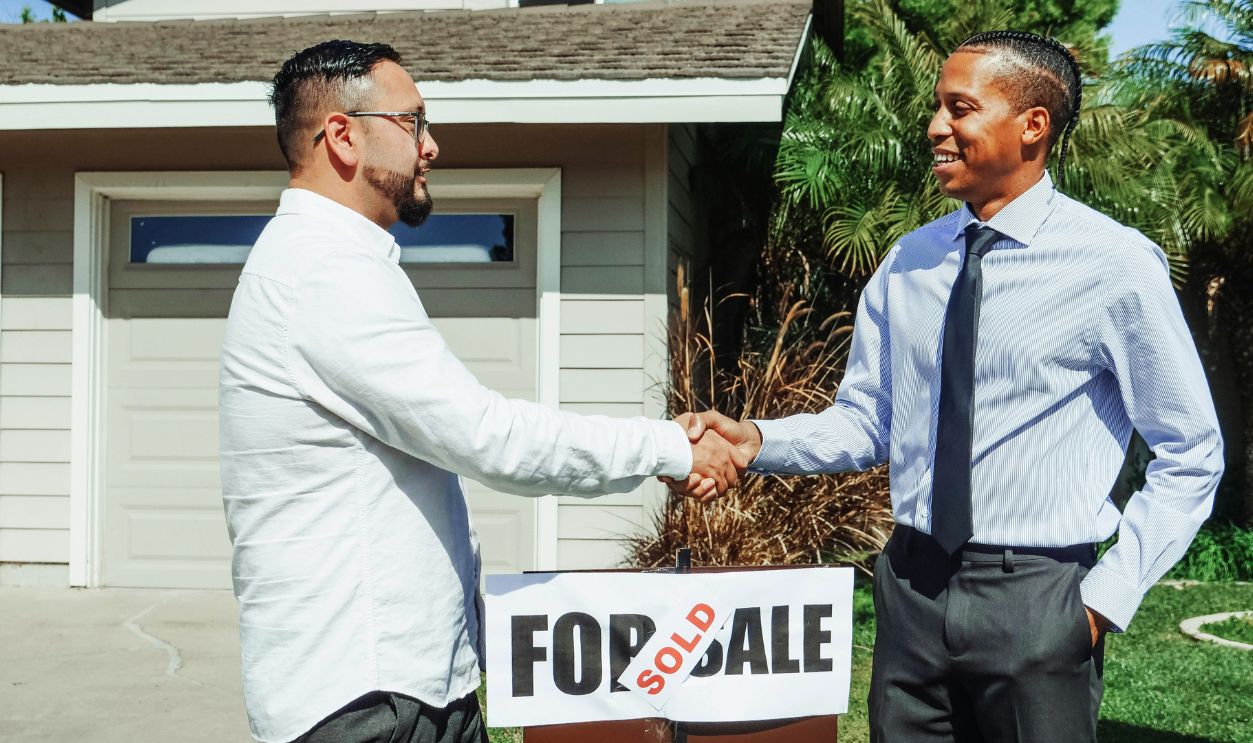
Buyers often just need reassurance. Realtor.com analysts say exterior issues next door are usually solvable—buyers just need context. A good agent explains the situation, reminds buyers what the city can enforce, and keeps the focus on your home’s strengths.

Get a Pre-Inspection
A pre-inspection signals your home is solid—even if the yard next door isn’t. HomeLight data shows that pre-inspected homes sell faster and with fewer price reductions, because buyers walk in feeling more confident and less distracted by external cosmetic issues.

Appraisers Do Factor in Neighboring Properties
Fannie Mae requires appraisers to document “external obsolescence,” meaning unattractive or neglected nearby properties can impact value. Knowing this upfront helps you prepare and also explains to buyers that any value shift is industry-standard—not caused by your home.

Report Health or Safety Hazards
If the yard contains pests, stagnant water, rotting debris, or abandoned vehicles, call your health department, animal control, or sanitation services. The CDC notes that overgrown yards can attract rodents and mosquitoes, making these complaints fast-track cases.

Consider Offering a One-Time Yard Cleanup Credit
Some sellers offer a small credit at closing so buyers can install fencing, landscaping, or screening of their choice. Negotiation experts note that targeted credits are more appealing than price cuts, because buyers feel like they're getting money to fix the problem immediately.

Talk to Other Neighbors—Strength in Numbers
If other houses on the street are affected, a group complaint carries more weight. City code offices prioritize issues impacting multiple households. A 2023 municipal-services survey found group reports are handled faster because they indicate a broader neighborhood issue.
 RealPeopleStudio, Shutterstock
Ask About “Abatement” Programs
Many cities have nuisance-abatement programs allowing the city to clean the property themselves and bill the owner. This isn’t available everywhere, but where it exists, it’s extremely effective—especially for long-term neglect or vacant homes.

Determine If the Home Is Vacant or in Probate
Sometimes the neighbor isn’t ignoring the yard—they’re gone. If the property is vacant, bank-owned, or in probate, the responsible party may be a lender or estate administrator. County records can identify this quickly, and banks typically respond to formal maintenance complaints.
 H. Armstrong Roberts/ClassicStock, Getty Images
You Have More Power Than It Feels Like
Between ordinances, documentation, mediation, privacy upgrades, and smart listing tactics, you’re far from stuck. With the right steps, you can protect your home value and keep your sale moving—even if the yard next door looks abandoned.

You Might Also Like: