
The Gift Causes Trouble
Your mother gave you $50,000 while she was alive, apparently as a gift. Now that she has died, your siblings insist you already received part of your inheritance. Whether or not they're right depends on your mother's intent, her estate plan, applicable state law, and importantly, what was documented.
Start With One Question
You first need to determine what the $50,000 actually represented. Was it an outright gift, a loan you were expected to repay, or money your mother intended as an advance against your eventual inheritance? Those possibilities may look identical in your bank account but can have very different legal consequences.

Gifts Can Stay Gifts
Receiving money from a parent does not automatically mean you received an early inheritance. Parents can generally make lifetime gifts without requiring an equal reduction in what the recipient later inherits. Your siblings' belief that fairness requires an adjustment does not, by itself, establish that your mother intended one.

Advancements Are Different
Probate law has a concept called an "advancement." Essentially, your mother gives you property during her lifetime intending that its value count against your eventual intestate inheritance. But the rules governing advancements vary by state, so you cannot determine the result merely by comparing what each sibling received.

Writing Can Be Crucial
The Uniform Probate Code takes a fairly demanding approach. For an advancement against an intestate share, it generally requires a contemporaneous writing from the deceased parent or a written acknowledgment from the heir showing that the lifetime gift should be considered when the estate is divided.

States Make The Rules
Inheritance law is primarily state law, which means you should resist sweeping statements about what "the law" requires nationwide. Massachusetts, for example, follows an advancement rule closely resembling the Uniform Probate Code, including its written-evidence requirement. Another state's statutes, cases, or estate documents may produce a different result.

Find Your Mom's Will
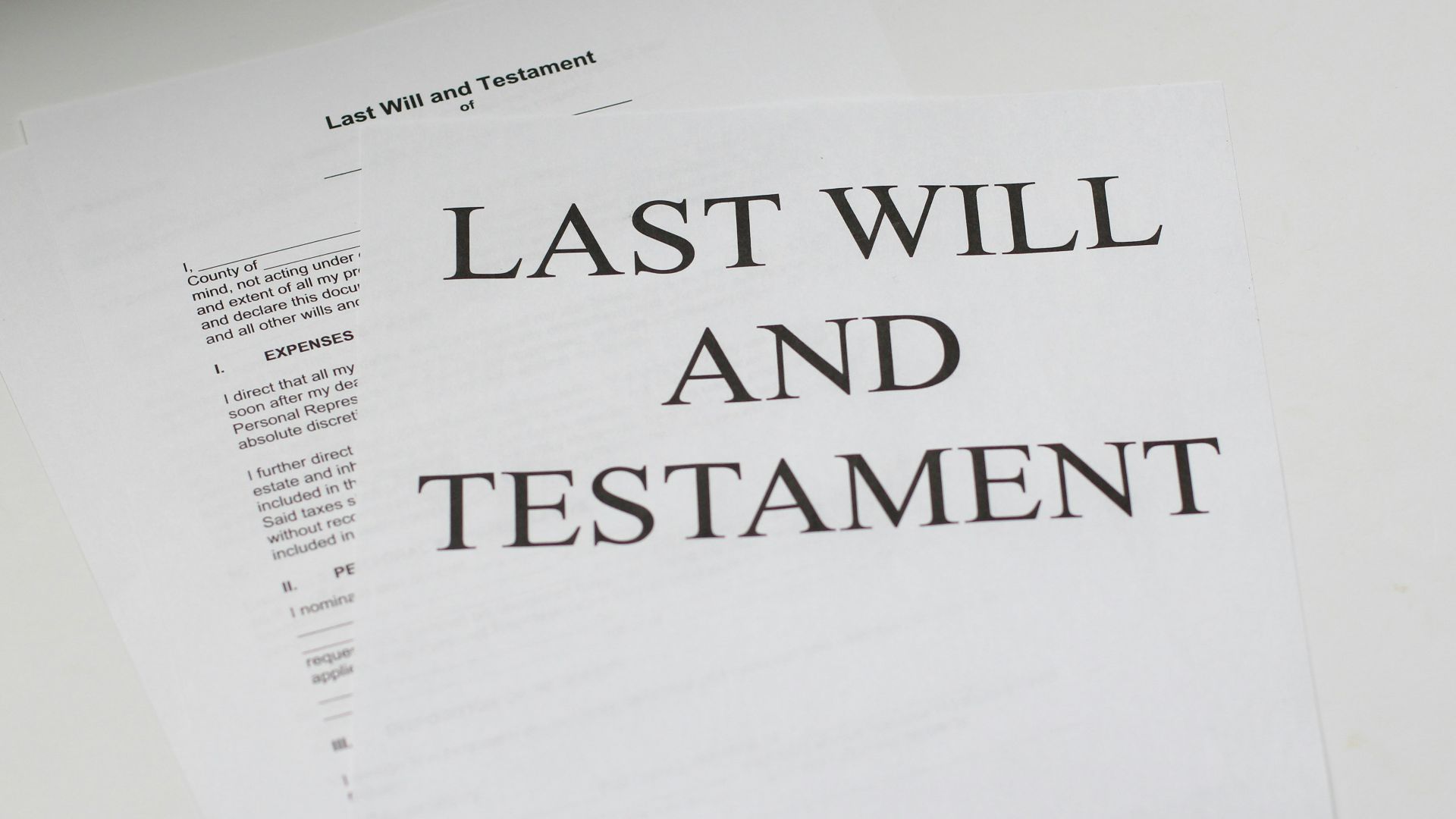
If your mother left a valid will, read it before debating hypothetical rules with your siblings. The will may explicitly say whether lifetime gifts should reduce beneficiaries' shares. It might also establish unequal distributions intentionally, making assumptions about what each child deserves especially unreliable without examining the actual document.
Check Any Trust
Your mother's will may not tell the whole story. If she created a revocable living trust or another trust arrangement, its provisions may control substantial assets. Look for language addressing lifetime gifts, advances, debts, equalization among children, or previous distributions before deciding how the $50,000 should be treated.

Search For Documentation
Gather anything connected with the transfer: bank records, checks, emails, text messages, letters, financial ledgers, tax records, and notes from your mother. A message saying "I want you to have this" tells a different story from one saying "this will be deducted from your inheritance."

Timing May Provide Context
Consider why your mother gave you the money. Perhaps you needed a down payment, faced an emergency, started a business, or were caring for her. The circumstances can provide useful context, but context should not be confused with proof. Your mother's documented intentions and applicable law ultimately matter more.

Fairness Is Not Law
Your siblings may have an understandable emotional argument: you received $50,000 and they did not. But probate administration is not simply an exercise in making every sibling's lifetime benefits equal. Unless the governing documents or applicable law require equalization, perceived unfairness does not necessarily create a legal entitlement.

Intestacy Changes The Analysis
If your mother died without a valid will governing some or all of her property, intestacy law becomes particularly important. Under the Uniform Probate Code model, a qualifying documented advancement can be considered when calculating your intestate share, rather than simply pretending the earlier transfer never happened.

See How It Works
Suppose your mother leaves $250,000 to be divided equally between you and one sibling, but your earlier $50,000 qualifies as an advancement. A simplified calculation could treat $300,000 as the relevant total, giving each child $150,000 overall. You already received $50,000, leaving you $100,000 from the estate.

You Might Not Repay
An advancement does not necessarily mean you must physically return the money to the estate. Massachusetts law, for example, provides that an heir receiving an advancement is not required to restore the excess even when the advancement exceeds that heir's intestate share. State law remains critical.

A Loan Is Different
Everything changes if the $50,000 was actually a loan. A legitimate unpaid debt owed to your mother may become an asset handled during administration of her estate. That creates a different legal issue from an advancement, so determine whether repayment was expected before arguing about inheritance calculations.

Taxes Are Separate
Do not confuse inheritance rules with federal gift-tax rules. The IRS treats a transfer made without receiving equivalent value in return as a gift for federal gift-tax purposes. That tax classification does not, by itself, answer whether your mother intended the money to reduce your inheritance.

Mom Usually Reports It
Federal gift tax generally falls on the donor, not the person receiving the gift. Depending on when your mother transferred the $50,000 and her other gifts, she may have been required to file Form 709. A filing requirement also does not necessarily mean that gift tax was actually payable.

Check The Gift Return
Ask the estate's representative whether your mother filed a federal gift-tax return covering the transfer. Form 709 and supporting records may help document when and how the transaction occurred. Remember, however, that describing something as a gift for tax purposes does not automatically settle its treatment under state inheritance law.

You Usually Owe Nothing
If your mother simply gave you $50,000, you generally do not include the gift itself in your federal taxable income. Likewise, property received as a bequest or inheritance generally is not included in income, although income subsequently generated by inherited or gifted property can be taxable.

Cash Keeps Things Simpler
Because your mother's transfer was cash, you avoid one complication that can make lifetime gifting surprisingly expensive. When someone receives appreciated property as a gift, the recipient generally takes a basis connected to the donor's basis. Inherited property generally receives a basis based on its value at death.

Don't Hide The Transfer
Even if you firmly believe the $50,000 was an unconditional gift, be transparent with the executor or personal representative. Concealing documents or refusing reasonable questions can transform an ordinary probate disagreement into a family battle. Provide the relevant records and let the estate's fiduciary evaluate the issue properly.

Don't Spend Estate Money
Your siblings also should not simply deduct $50,000 from your distribution because they think that result is fair. The executor or trustee must administer assets according to governing documents and applicable law. If there is a genuine dispute, it may require professional advice or ultimately a probate-court determination.

Consider A Family Settlement
Sometimes the legally correct result still leaves everyone furious. Depending on state law and the estate's circumstances, beneficiaries may be able to resolve a genuine dispute through a negotiated settlement. Before surrendering $50,000 simply to preserve family peace, understand what rights you would actually be giving up.

Get Local Legal Advice
With $50,000 at stake, a consultation with a probate attorney licensed in the state administering your mother's estate can be money well spent. Bring the will, trust documents, transfer records, correspondence, and any gift-tax filings. The lawyer can distinguish emotional arguments from enforceable claims under your state's law.

Intent Usually Decides It
Your siblings are not automatically right simply because your mother gave you $50,000 first. Start with her estate documents, determine whether the transfer was a gift, loan, or intended advancement, and then apply your state's rules. The answer should come from your mother's legally recognizable intentions, not a sibling vote.
 Mizuno K, Pexels
You May Also Like:
We found Dad's handwritten will after his estate had already been divided. Can everything be undone?