Dad Said The Mustang Was Mine
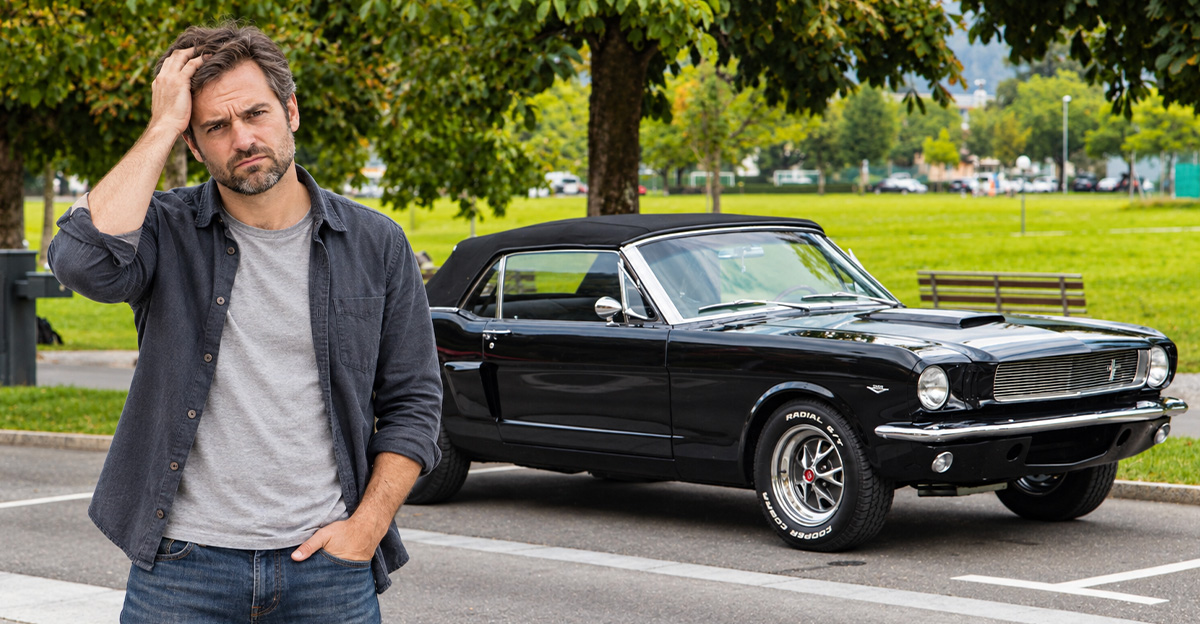
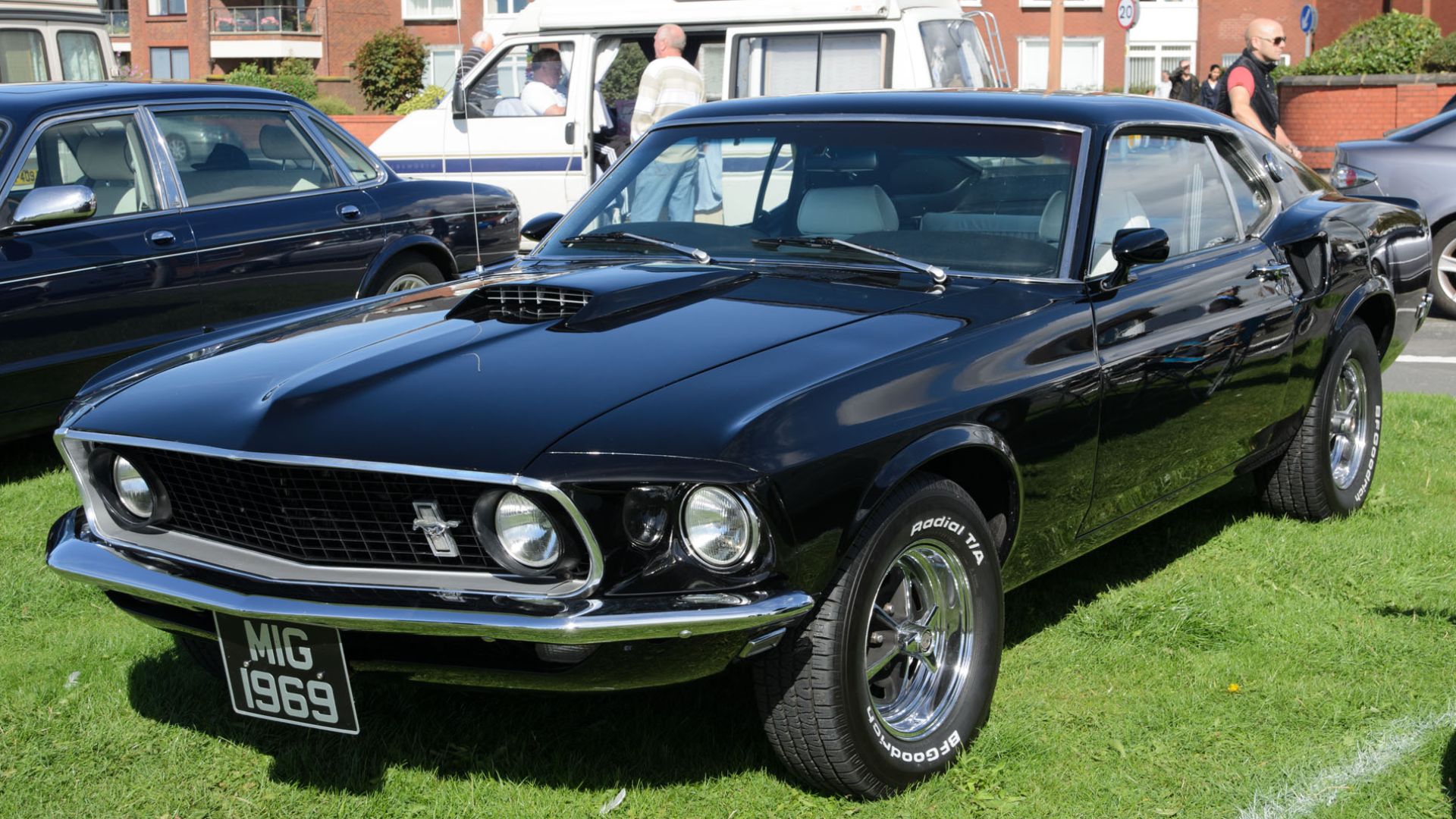
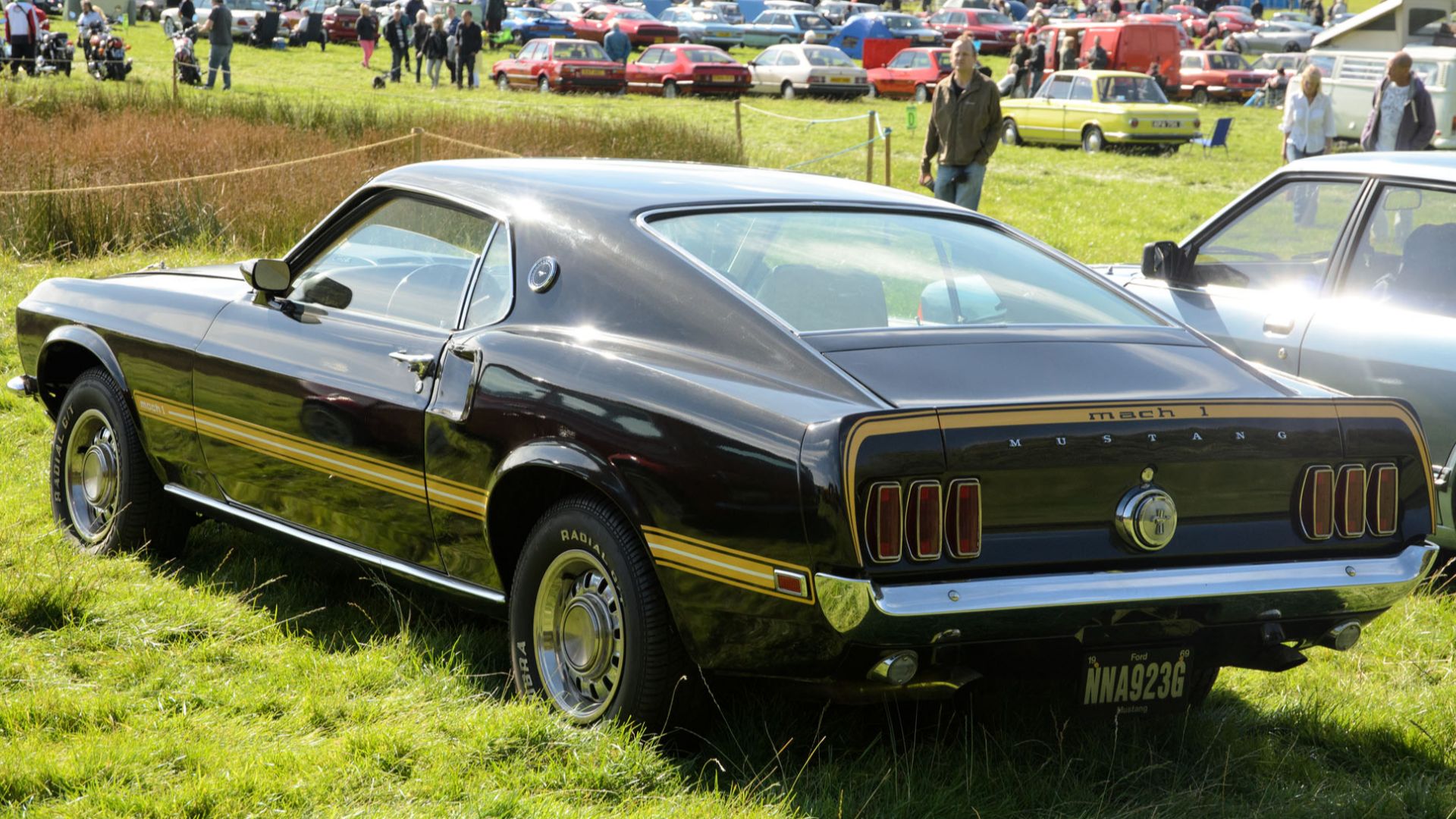
Your father promised that his beautiful 1969 Ford Mustang would someday be yours. Maybe he said it for years. Perhaps everyone in the family heard him say it. But after his death, you discover that the title and registration still list him as the owner. Suddenly, a treasured family car has become an estate question.
The Short Answer Is Probably Yes
If the Mustang was still legally owned by your father when he died, there is a strong chance it became part of his estate. Property owned solely by a deceased person commonly falls into the probate estate and is administered by the executor or other personal representative.
A Promise Is Not Always A Gift
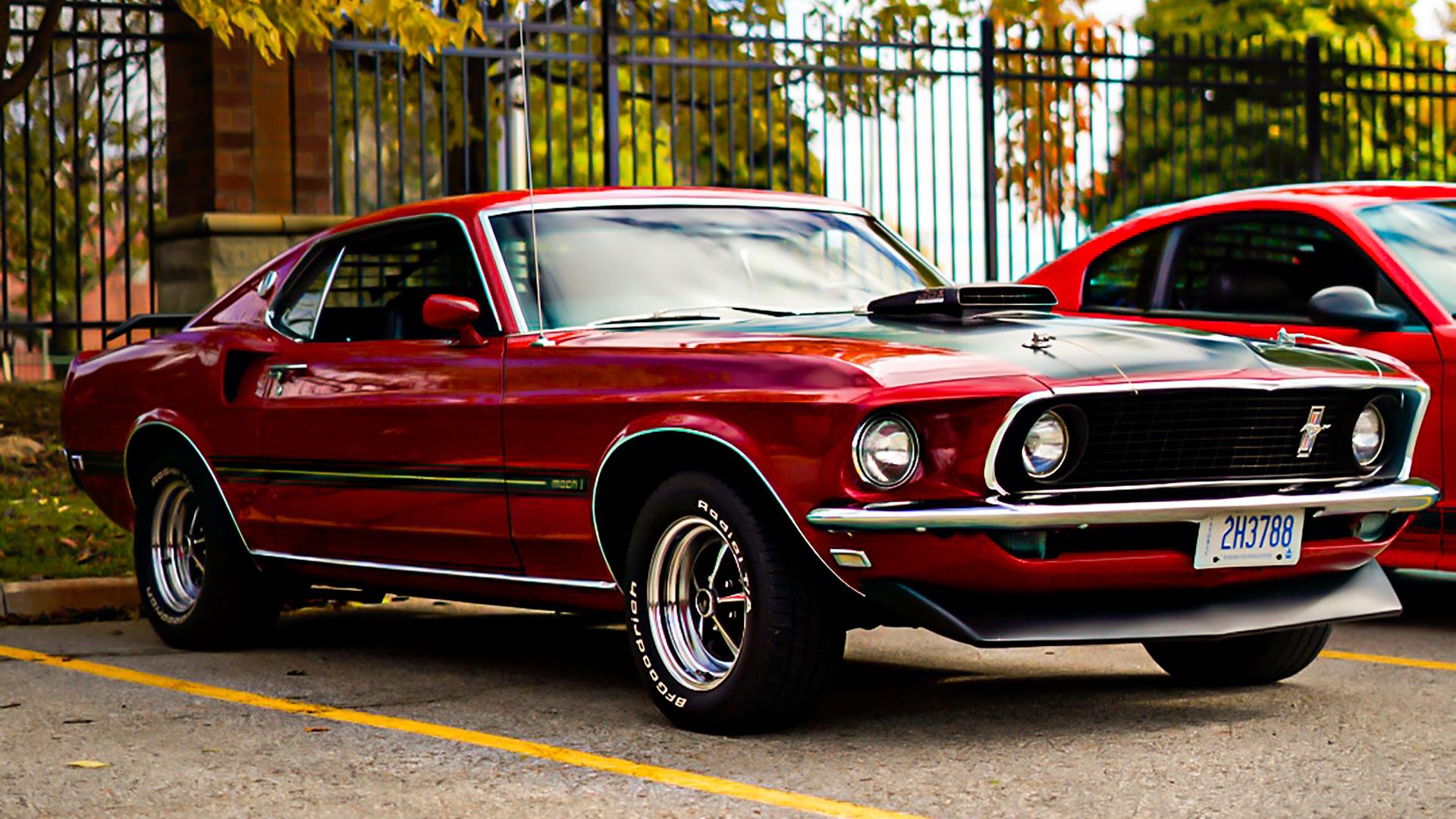
There is an important difference between saying, “That car will be yours someday,” and actually transferring ownership. A future promise can show what your father wanted, but it does not necessarily complete a lifetime gift. That distinction could determine whether the Mustang belongs to you or the estate.

Completed Gifts Usually Require More
Gift law generally looks for evidence that the owner genuinely intended to make a gift and actually transferred control or possession in some meaningful way. Simply expressing an intention to give something later may not accomplish that. Delivery can sometimes be physical, symbolic, or constructive, depending on the circumstances and local law.
The Title Is Powerful Evidence
With cars, ownership paperwork matters enormously. If your father's name remained on the Mustang's title, registration, insurance, and other records, the executor has good reason to initially treat it as an estate asset. That does not necessarily end every possible ownership argument, but it makes an informal promise harder to rely upon.

Did Dad Ever Hand It Over?
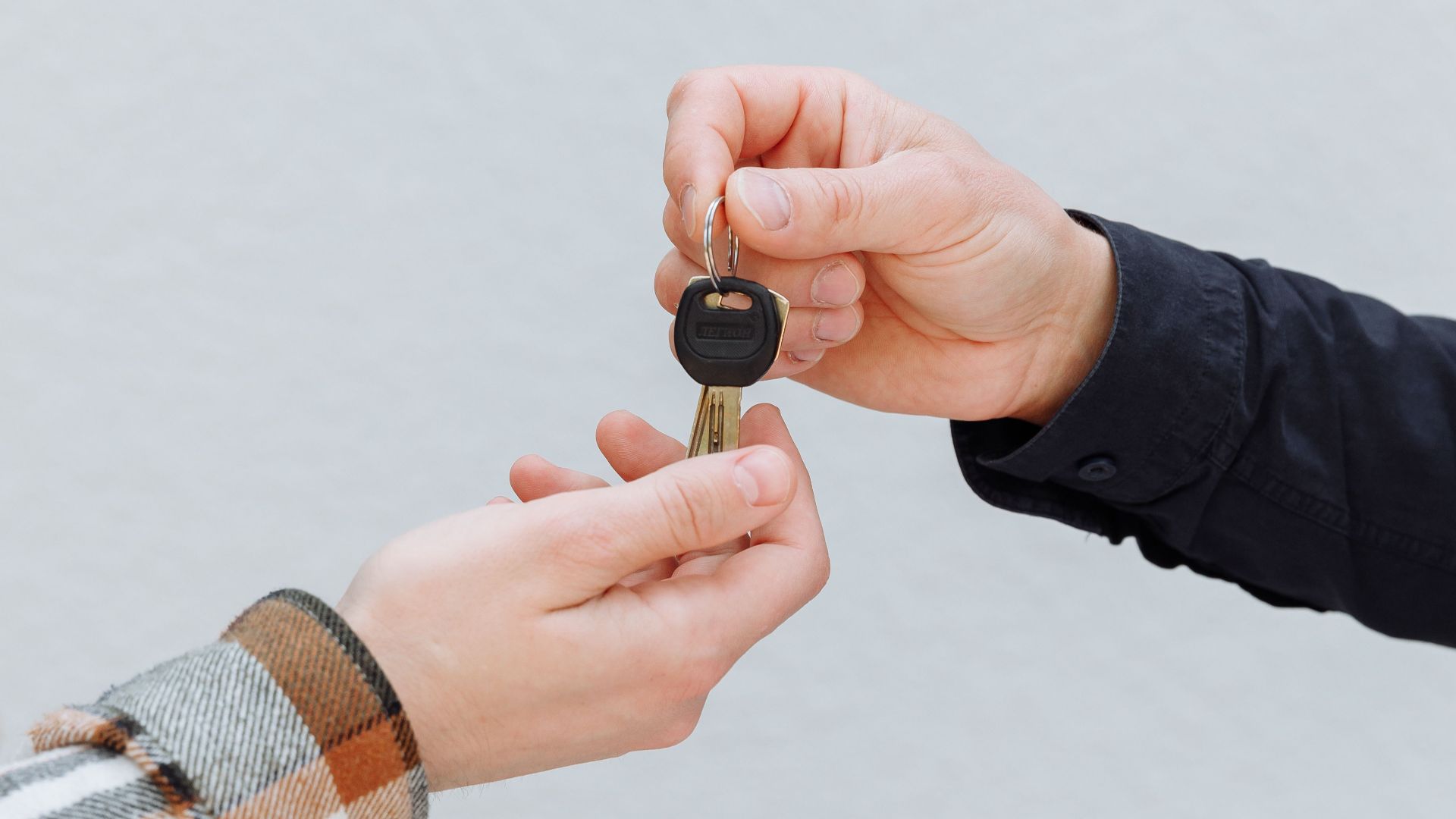
The facts surrounding the car could still matter. Had your father already given you the keys and told you to take the Mustang? Did you keep it at your home? Were you paying for repairs, storage, insurance, or restoration because everyone considered it yours? Those details may be worth discussing with an estate lawyer.

Look For Written Evidence
Start searching through paperwork, emails, text messages, letters, and other records. “The Mustang goes to Jack when I'm gone” is more useful evidence than family members merely remembering a vague conversation from years earlier. A signed ownership-transfer document that was never filed could be particularly important, depending on local law.

Witnesses Can Matter Too
Maybe your father talked about the Mustang every Thanksgiving. Perhaps he told your siblings, mechanic, neighbor, or car-club friends that he had already given it to you. Witnesses do not automatically defeat formal ownership records, but their statements could help establish exactly what your father intended and whether a transfer had actually occurred.

Then Read The Will Carefully
The next major question is whether the Mustang appears in your father's will. A will can specifically give personal property to a beneficiary. If it says something like, “I leave my 1969 Ford Mustang to my son,” your position becomes considerably clearer because the car is a specific bequest.

A Specific Bequest Helps Enormously
If the Mustang is specifically left to you, the executor ordinarily has a duty to administer the estate according to the valid will and applicable law. That still does not necessarily mean you can immediately drive away with it. Debts, taxes, liens, probate requirements, and title-transfer paperwork may have to be handled first.
What If The Will Says Nothing?
Things become more complicated if the will never mentions the Mustang. The car could instead fall into the estate's residue, meaning the pool of property remaining after specific gifts and obligations are dealt with. Whoever inherits that residue may ultimately have rights to the Mustang or its value.

What If There Is No Will?
Without a valid will, property generally passes according to the jurisdiction's intestacy rules. Being the child who was verbally promised the Mustang does not necessarily give you priority over other legal heirs. The estate administrator must follow the applicable succession rules rather than simply deciding who deserves which sentimental item.

The Executor Does Not Own The Car
It is easy to misunderstand the executor's role. The executor or personal representative manages estate property but does not simply get to keep it. The representative generally collects assets, addresses debts and taxes, and distributes what remains to the people legally entitled to receive it.

The Executor Cannot Simply Pick Favorites
Suppose your sister is executor and wants the Mustang herself. Her position does not ordinarily give her permission to ignore the will or other beneficiaries' rights. Executors have legal responsibilities when administering estate property. A valuable collector car should therefore be documented and handled like any other significant estate asset.

Find Out What The Mustang Is Worth
Do not assume Dad's old Mustang is merely an old used car. Depending on body style, engine, options, originality, restoration quality, provenance, and condition, a 1969 Mustang can represent meaningful estate value. A qualified classic-car appraisal can help everyone negotiate using a defensible number rather than emotion.
Estate Debts Can Complicate Everything
Even when a will gives you the Mustang, an estate may have bills, taxes, loans, administration expenses, or other obligations to resolve. Estate assets can sometimes be needed to satisfy those liabilities. That is another reason beneficiaries should avoid selling, hiding, restoring, or transferring estate property before the executor clears it.

Check Whether The Mustang Has A Lien
A collector car that looks completely paid for might still have an old lien or title issue buried in its history. Before anyone fights over ownership, the executor should confirm the title status, vehicle identification number, registration records, and any secured claims. Fifty-seven-year-old paperwork can produce some surprising complications.

Do Not Secretly Take The Car
Even if everyone knows Dad wanted you to have the Mustang, quietly removing it from the garage is a terrible strategy. Until ownership is settled, treat it as estate property. Keep it secure, preserve its condition, photograph it, record its mileage, and make sure somebody responsible maintains appropriate insurance.

Vehicle Transfer Rules Are Local
Estate law is only half the problem. Motor-vehicle agencies have their own procedures for transferring a deceased owner's car. California, for example, provides specific procedures for estate vehicle transfers, while Ontario requires estate documentation identifying the beneficiary in certain inherited-vehicle situations.
Talk To The Executor Early
Do not begin the conversation by accusing anyone of stealing your Mustang. Explain what your father told you and provide whatever evidence you have. Ask how the car is listed on the estate inventory, whether the will addresses it, and what process the executor plans to use before distributing or selling it.

Family Agreement May Offer A Solution
Sometimes everyone agrees that Dad wanted you to have the Mustang. Depending on the will, local law, creditors, taxes, and the interests of beneficiaries, the family may be able to structure a lawful distribution or settlement that achieves that result. Get the arrangement documented instead of relying on another handshake promise.

You Could Buy It From The Estate
If the car legally belongs to the estate and cannot simply be handed to you, purchasing it may be the cleanest answer. A professional appraisal establishes a starting price. You preserve the family Mustang while the estate receives fair value that can be distributed among creditors or beneficiaries as required.

Your Inheritance Might Help
Another possible arrangement is to allocate the Mustang toward your share of the estate. Imagine the car is worth $45,000 and you are otherwise entitled to considerably more than that. Subject to the will, local rules, taxes, and beneficiary rights, the car's value might potentially count toward your distribution.

Get Agreements In Writing
A family meeting ending with everybody saying, “Fine, take Dad's car,” feels wonderfully simple until someone changes their mind six months later. Any significant estate settlement should be properly documented. That is especially important when the Mustang's value affects what other beneficiaries will receive from the estate.

Know When You Need A Lawyer
Professional advice becomes especially worthwhile if the will is unclear, beneficiaries disagree, someone claims Dad completed the gift before death, the executor wants to sell the car, or the Mustang is particularly valuable. Bring the lawyer the will, title documents, messages, photographs, receipts, and a timeline of what happened.

Learn From Dad's Mistake
This problem is a powerful estate-planning lesson. If you intend to give someone a valuable car, artwork, jewelry, firearm, collection, or family heirloom, do not rely solely on telling relatives what you want. Use the appropriate will, title-transfer paperwork, trust, beneficiary arrangement, or other legally recognized method.

The Mustang May Still Become Yours
Your father's promise should not automatically be dismissed, but neither should you assume it overrides the paperwork. Establish who legally owned the Mustang at death, read the will, collect evidence, obtain an appraisal, and work through the executor. With cooperation and proper documentation, keeping Dad's Mustang in the family may still be entirely possible.
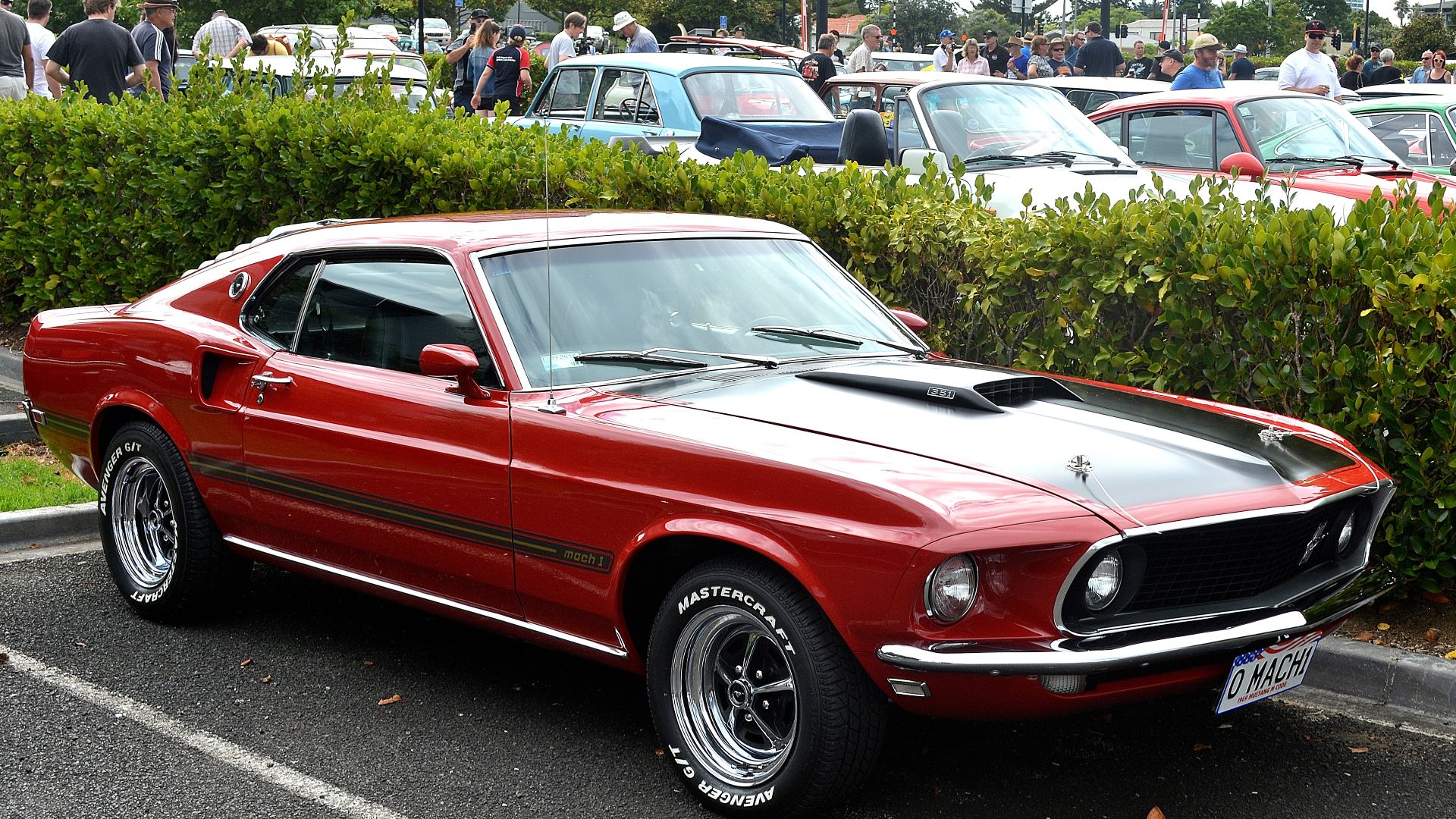
GPS 56 from New Zealand, Wikimedia CommonsYou May Also Like:
My apartment building added EV chargers, but the fees are higher than gas. Is that normal?