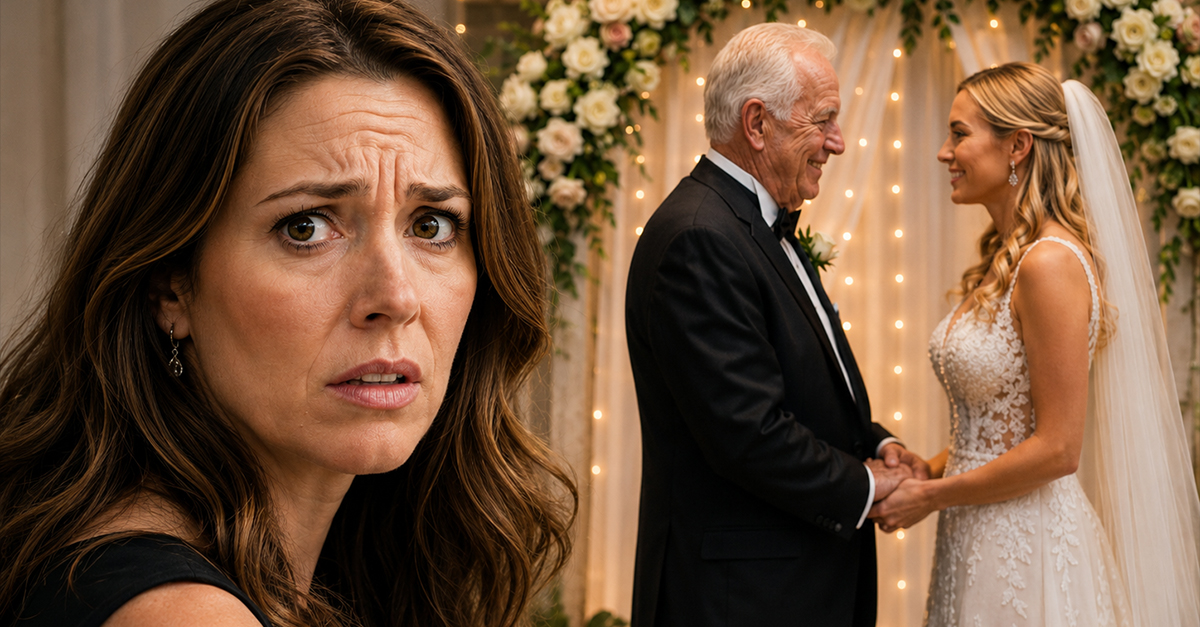
Late-Life Remarriage Can Turn Estate Planning Into A Minefield
When a parent remarries later in life, adult children often feel anxious about inheritance, family history, and fairness. Those fears may sound selfish on the surface, but they are usually about more than money. A new marriage can change legal rights, household finances, caregiving decisions, and long-standing estate expectations almost overnight.
One of the main worries is usually that this new spouse might take everything in the long run...

Start With The Hard Legal Reality
If your father is legally married and mentally competent, his new wife may have significant rights. Adult children usually cannot simply decide that she should receive nothing. The real goal is not to “cut her out,” but to make sure your father’s wishes are clearly documented and that children from a prior relationship are not accidentally disinherited.

A New Spouse May Have Rights Even Without A Will
Many places give surviving spouses inheritance rights through default law. If your father dies without a proper estate plan, intestacy rules may give his wife a large share of the estate. The exact outcome depends on local law, whether he has children, how property is titled, and whether assets pass outside probate. But that's just the tip of the iceberg.

A Will Alone May Not Be Enough
A will is important, but it does not control every asset. Retirement accounts, life insurance, joint accounts, transfer-on-death accounts, and jointly owned property may pass by beneficiary designation or title. That means a carefully written will can still be undermined if account paperwork names the wrong person.

Elective Share Laws Can Surprise Families
In many states, a surviving spouse can claim an “elective share” even if a will leaves them little or nothing. The amount varies by jurisdiction and may depend on the length of the marriage or the type of assets involved. This is one reason families need local legal advice instead of relying on assumptions.

Property Title Can Change Everything
How assets are titled may determine who receives them after death. A house owned jointly with rights of survivorship may pass directly to the surviving spouse, regardless of what a will says. Bank accounts, investment accounts, and real estate should all be reviewed carefully after remarriage.

Beneficiary Forms Need Immediate Review
Late-life remarriage should trigger a full review of beneficiary designations. Retirement accounts, pensions, annuities, and life insurance policies may still name an ex-spouse, an adult child, or the new spouse. These forms often override a will, so outdated paperwork can create major surprises.

Children Often Fear Being Accidentally Disinherited
Many adult children worry that if everything goes to the new spouse first, the spouse may later leave the remaining assets to her own children, relatives, or charities. This fear is not irrational. Without a trust or written structure, there may be no guarantee that assets eventually return to your father’s children.

Your Father’s Intentions Need To Be Put In Writing
Family conversations are not enough. If your father wants to support his wife during her lifetime while still protecting an inheritance for his children, that plan needs formal documents. Vague promises like “don’t worry, everyone will be taken care of” often collapse under legal pressure after death.

A Trust Can Help Balance Both Sides
Many blended families use trusts to provide for a surviving spouse while preserving assets for children. For example, a trust may allow the spouse to live in a home or receive income during life, then pass remaining assets to the children later. The details must be drafted carefully by an estate attorney.

A QTIP Trust May Be Worth Discussing
A qualified terminable interest property trust, often called a QTIP trust, can be useful in some second-marriage situations. It may provide income to a surviving spouse while allowing the first spouse to decide where remaining assets go after that spouse dies. Tax and legal details vary, so professional advice is essential.
 Inside Creative House, Shutterstock
Prenups And Postnups Can Clarify Expectations
If your father signed a prenuptial agreement, it may define what his wife can inherit or waive certain claims. If no prenup exists, a postnuptial agreement may still be possible if both spouses agree. These agreements can be sensitive, but they often reduce future conflict by making expectations clear.

Do Not Assume The New Wife Is Automatically The Villain
Estate conflicts after remarriage can become emotionally loaded quickly. Sometimes the new spouse is acting reasonably and simply wants housing, security, and dignity. Sometimes adult children are reacting from grief or fear. Other times, real manipulation exists. Try to separate evidence from suspicion before escalating the conflict.

Watch For Signs Of Undue Influence
If your father suddenly changes longstanding plans, becomes isolated, or seems pressured to transfer assets, that deserves attention. Undue influence claims can arise when someone uses vulnerability, dependence, or control to reshape an estate plan. These cases are serious and usually require strong evidence.

Capacity Matters More Than Family Disagreement
A parent can make choices that adult children dislike, as long as they have legal capacity and are not being coerced. If your father understands his assets, family relationships, and the consequences of his decisions, his choices may stand even if they feel unfair. Disagreement alone usually is not enough to undo an estate plan.

Keep The Conversation Focused On His Wishes
Instead of opening with “we don’t want her to get everything,” try focusing on clarity. Ask whether his estate plan still reflects what he wants for his wife, children, grandchildren, home, and sentimental property. Framing the conversation around his wishes is usually more respectful and more productive.
 Inside Creative House, Shutterstock
Encourage Him To Meet An Attorney Alone
Your father should have private legal advice, especially if family members are fighting. Meeting with an estate attorney alone helps show that his decisions are independent. It also reduces the risk that one side later claims he was pressured by either his new spouse or his adult children.

Sentimental Property Should Be Addressed Separately
Families often fight bitterly over jewelry, photos, heirlooms, tools, furniture, and personal items. These items may have modest financial value but enormous emotional meaning. Your father can reduce conflict by creating a clear written plan for specific belongings before anyone has to argue over them.

The House Often Becomes The Biggest Flashpoint
If your father owns a home, everyone needs clarity. Does his wife get to live there after his death? Who pays taxes, insurance, repairs, and utilities? Does the house eventually go to the children? Without written terms, the home can become the center of an expensive and painful family fight.

Choose Executors And Trustees Carefully
In blended families, naming a spouse or child as executor can create immediate suspicion. A neutral professional, trusted relative, or carefully chosen co-trustee may reduce conflict. The person in charge should be organized, fair, transparent, and able to follow the plan without turning every decision into a family battle.

Transparency Can Prevent Future Explosions
Your father does not have to reveal every dollar if he values privacy, but total secrecy can fuel panic. A general family conversation about roles, documents, and intentions may prevent misunderstandings later. Even knowing that a professional plan exists can help reduce fear among children and the new spouse.

Adult Children Should Avoid Threats
Threatening lawsuits, accusing the new wife, or demanding inheritance guarantees can backfire. It may push your father away, make him defensive, or create evidence that children were pressuring him. Calm concern is usually more effective than confrontation, especially when the parent is still alive and able to plan.

Document Concerns Without Creating Drama
If you genuinely believe something is wrong, keep careful records. Save messages, note sudden changes, document isolation, and preserve financial clues. Do not secretly remove documents or property. If serious concerns arise, speak with an elder law or estate litigation attorney about appropriate next steps.

Fair Does Not Always Mean Equal
Your father may want to provide for his wife’s housing and security while still leaving assets to his children. That does not always result in equal shares. A good plan may treat different people differently for practical reasons. The key is whether the plan is intentional, documented, and legally sound.
 Dmytro Zinkevych, Shutterstock
The Best Protection Is Planning Before Death
Once your father dies, options become narrower, costlier, and more emotional. The best time to address this is while he is alive, competent, and able to update documents. Wills, trusts, beneficiary forms, powers of attorney, account titles, and marital agreements should all be reviewed together.

You May Also Like:
Grow Your Money: 5 Simple Ways To Automate Your Wealth
The 5 Best Cheap Destinations In The U.S.