When Fairness Suddenly Feels Uneven
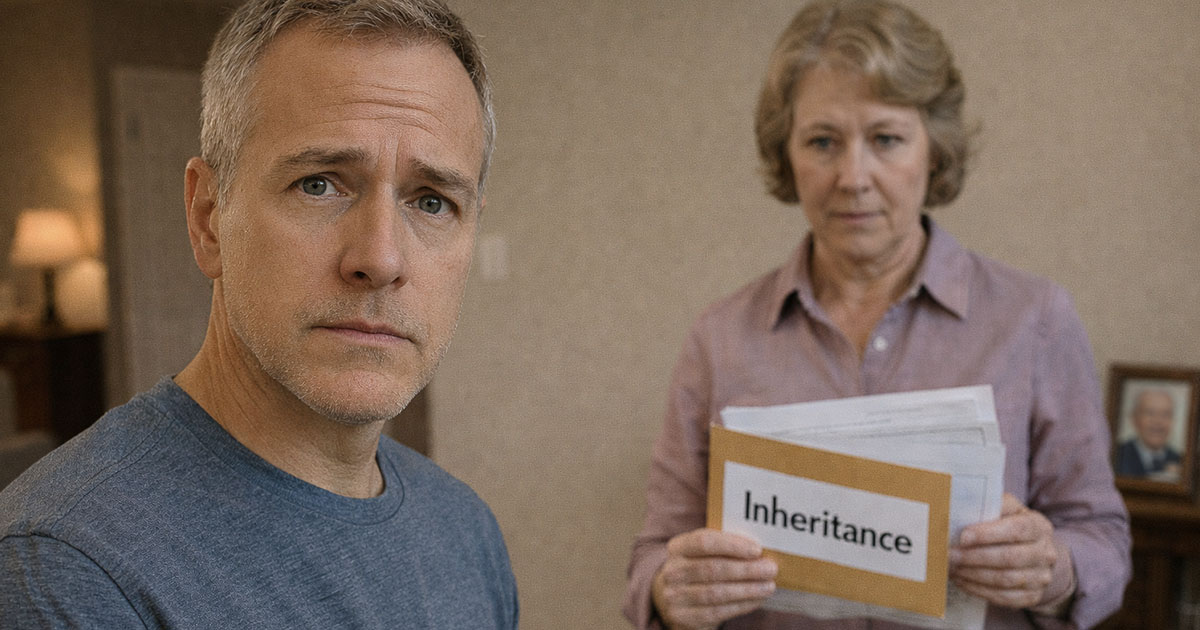
You’re dealing with a situation that feels emotionally loaded and unfair at the same time. Your husband chose to keep his inheritance separate when his father passed away, clearly treat that money as his own. Now you’re about to receive $120K, and he is reframing the rules and calling it shared money between the two of you. That leaves you wondering whether this is about partnership or a double standard.
 A.D.S.Portrait, Shutterstock; Factinate
Understand How Inheritance Is Treated
In the United States, inheritances are generally treated as separate property under most state laws. That means the money typically belongs to the person who receives it, and doesn’t become shared marital property. But this can change if the funds are commingled—such as being deposited into a joint account, used to pay shared expenses, or mixed with marital assets—so how you handle the inheritance matters just as much as the law itself.

Why His Past Decision Matters
Your husband already set a precedent when he chose to keep his own inheritance separate, and that detail is important. Relationships often run on patterns and expectations, even if they’re not necessarily talked about openly. When one partner sets a financial boundary and benefits from it, it can seem very unfair if that same boundary is not respected when the tables are turned.

The Concept Of Separate Property
Under U.S. family law, inheritances are typically classified as separate property, meaning they’re not included in the pool of assets divided during a divorce. This principle protects individual windfalls from being automatically shared between spouses. But the protection can be lost if the inheritance is commingled with marital assets or treated jointly. This is why you need to ensure the situation is grounded in fairness and established legal norms.

When Separate Money Stops Being Separate
There’s an important catch that you need to know about before you make any decisions. Inheritances can lose their protected status if they’re mixed with shared finances or used in certain ways. For example, depositing the money into a joint account or using it to purchase a shared asset can turn it into marital property, which can be a real challenge to undo later.

Why This Conversation Is Really About Power
At its core, this situation isn’t so much about money, even though the dollar amount is important. It is about consistency, expectations, and the balance of power within your marriage. When one partner appears to change the rules according to who benefits, it stir resentment and strain trust, even if the request is cast in terms of unity or shared goals.

Emotional Framing Vs Financial Reality
You may hear him say things emphasizing togetherness, like “we are a team” or “this is for our future,” and those sentiments can be genuine. However, they can also blur important financial boundaries if they’re not applied fairly. Being a team doesn’t automatically require merging every financial resource, especially if his past behavior suggests a different standard.

You’re Allowed To Ask Why
It’s reasonable for you to ask your husband why he kept his inheritance separate while he thinks yours should be treated differently. This question isn’t at all confrontational or unfair. It’s a must to establish clarity. His answer will say a lot about his perspective, and whether it’s based on consistent values or just what benefits him in this moment.

Separate Doesn’t Mean Secret
Keeping your inheritance separate doesn’t mean you’re hiding anything or acting in bad faith within your marriage. It just means maintaining ownership of something that legally and financially was willed to you, and belongs to you. Transparency about the money and independence in how it is held can exist side by side without undermining trust.

Think About Your Financial Goals
Before you agree to merge or share the inheritance, take a step back and think carefully about what this $120K represents for your future. It could serve as a financial safety net, an investment opportunity, or a path to secure long-term stability. Your personal goals and priorities are what should be guiding your decision, not just the expectations placed on you.

The Risk Of Immediate Sharing
If you decide to immediately place the inheritance into a joint account or use it for shared expenses, you may end up changing its legal classification. Once that money is treated as shared, it can be very difficult to reestablish it as separate property. That’s why it’s so important to pause and fully understand the implications before taking any action.

The Marriage Contract Angle
Some couples approach situations like this by creating a marriage contract or postnuptial agreement that clearly lays out how inheritances will be treated. These agreements can remove any ambiguity and avoid future disputes by setting the expectations ahead of time. While it may feel a bit formal, it can actually protect both partners and strengthen the relationship.

Equality Doesn’t Always Mean Identical Treatment
Fairness in a marriage doesn’t always mean that every asset has to be handled in exactly the same way. Instead, it’s about applying consistent principles that both partners can agree on. If separate inheritances were the way to go for one partner in the past, then maintaining that same approach now is a perfectly reasonable and balanced expectation.

Watch For Subtle Pressure
Not all pressure is obvious or aggressive, and in a situation like this it can often come in subtle forms. You might notice emotional appeals, guilt, or veiled suggestions that you’re being selfish for hesitating. Pay close attention to how the conversation makes you feel. If you feel rushed or uncomfortable, it is a clear sign that you need to slow down and reassess.

You Can Choose A Middle Ground
It’s important to keep in mind that this doesn’t have to be an all or nothing decision. You could choose to keep the inheritance legally separate while still contributing a portion of it to your shared goals or expenses. This approach lets you maintain control over the majority of the funds while still contributing to your partnership in a meaningful way.

Timing Is More Important Than You Think
You don’t need to make a decision about this inheritance right away, even if it feels urgent in the moment. Taking time to run through your options can lead to a much better outcome. Financial decisions made under pressure are often regretted later, so giving yourself space to think is both reasonable and wise.

Legal Advice Can Change Everything
Family law can be more complicated than it appears, especially when it comes to tracing funds and preserving their status as excluded property. Speaking with a lawyer, even briefly, can offer valuable clarity about your rights and options. That professional guidance can help you make a decision with confidence.

Protecting Your Future Self
When you think about this decision, try to consider how your future self might feel about it. If your relationship is still strong, there will always be opportunities to share or invest together later. However, if circumstances change, having safeguarded your financial independence now could make a significant difference in your long-term security.

Communication Over Confrontation
You need to handle this conversation with your husband calmly and thoughtfully rather than turning it into a confrontation. Frame your concerns around consistency, fairness, and mutual respect instead of accusation. You’re not rejecting the idea of partnership, but you are asking for the same standards to be applied equally, which is a reasonable expectation.

The Bottom Line
You are not being unreasonable for questioning this situation or wanting to protect your inheritance. In most cases, inheritances are automatically separate property unless you choose to treat them differently. The real decision you’re looking at isn’t simply about what your husband wants, but about what feels fair, consistent, and secure for you moving forward.

You May Also Like: