The $12,000 Watch Question
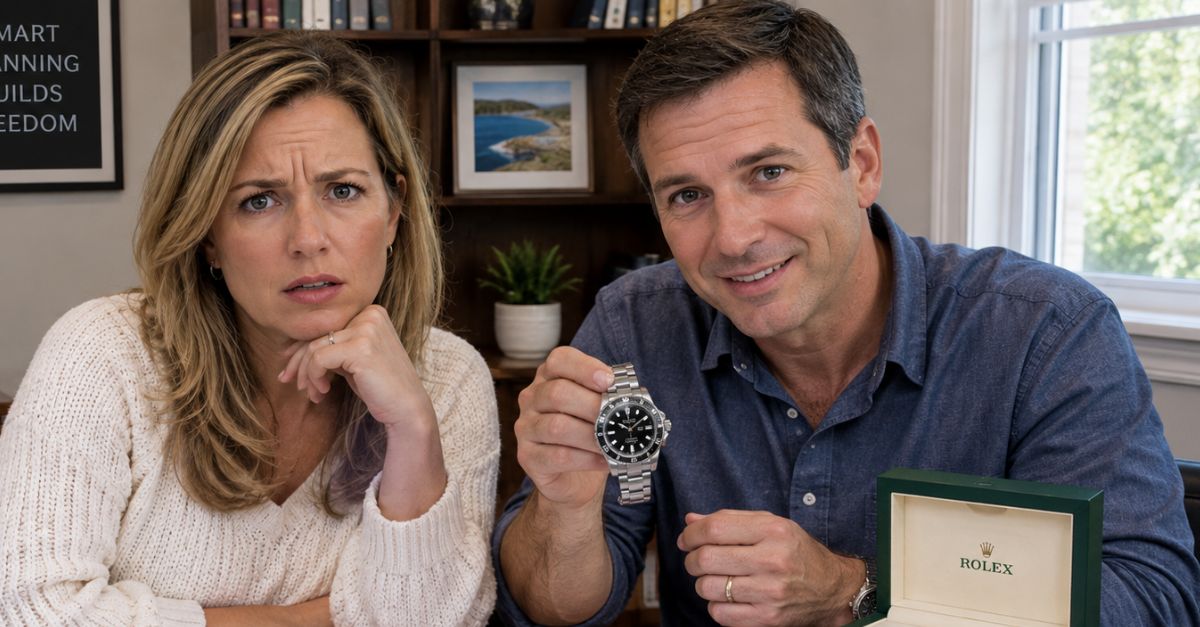
A surprise $12,000 watch can feel less like a gift and more like a financial hit. If one spouse spends that much and calls it an investment, the real issue is not whether the watch looks great. It is whether a luxury watch really belongs next to retirement savings, an emergency fund, and the other basics of a solid financial plan.
Why This Gets Tense Fast
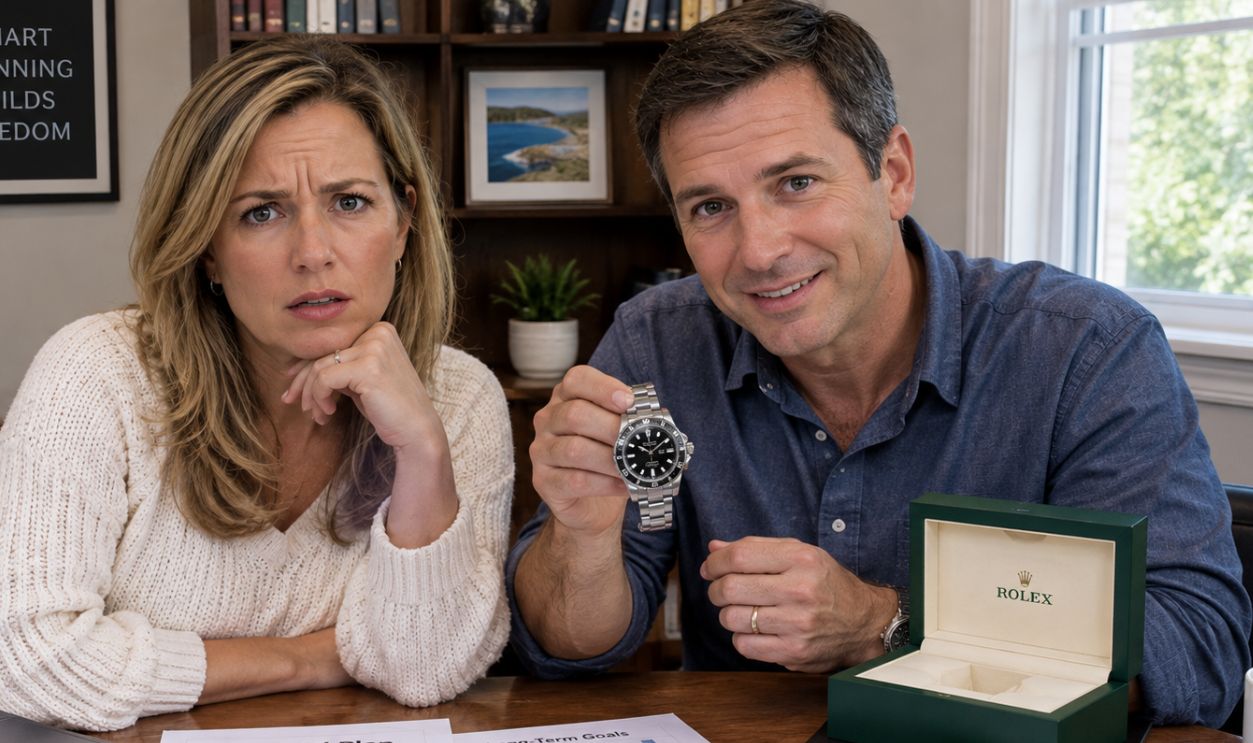
Luxury watches sit in a weird middle ground. They are status symbols, collectibles, and sometimes stores of value. That mix can make a purchase sound smarter than it really is. In a lot of households, the bigger problem is not the watch. It is trust, budgeting, and whether a big purchase was discussed before the money was spent.

Why The Investment Pitch Sounds So Good
The pitch usually goes like this: certain brands have strong resale markets, limited supply, and a record of rising prices on some models. There is some truth there, especially for sought-after watches from Rolex, Patek Philippe, and Audemars Piguet. But that does not mean every expensive watch is an investment.

What The Market Actually Shows
One of the best-known trackers in this space is the Bloomberg Subdial Watch Index, which follows the secondary market for the 50 most traded luxury watch models by transaction value. Bloomberg reported that used luxury watch prices shot up during the pandemic boom and then cooled hard after that. That is a sign that watch prices can act more like a speculative market than a stable place to park savings.

The Boom Was Real
During 2021 and into early 2022, resale prices for some top watch models climbed to extreme levels. Bloomberg reported that the Subdial index peaked in March 2022 and then started falling. Buyers who jumped in at the top got a rough lesson. Scarcity can push prices up fast, but demand can fade just as quickly.
Then Came The Cooldown
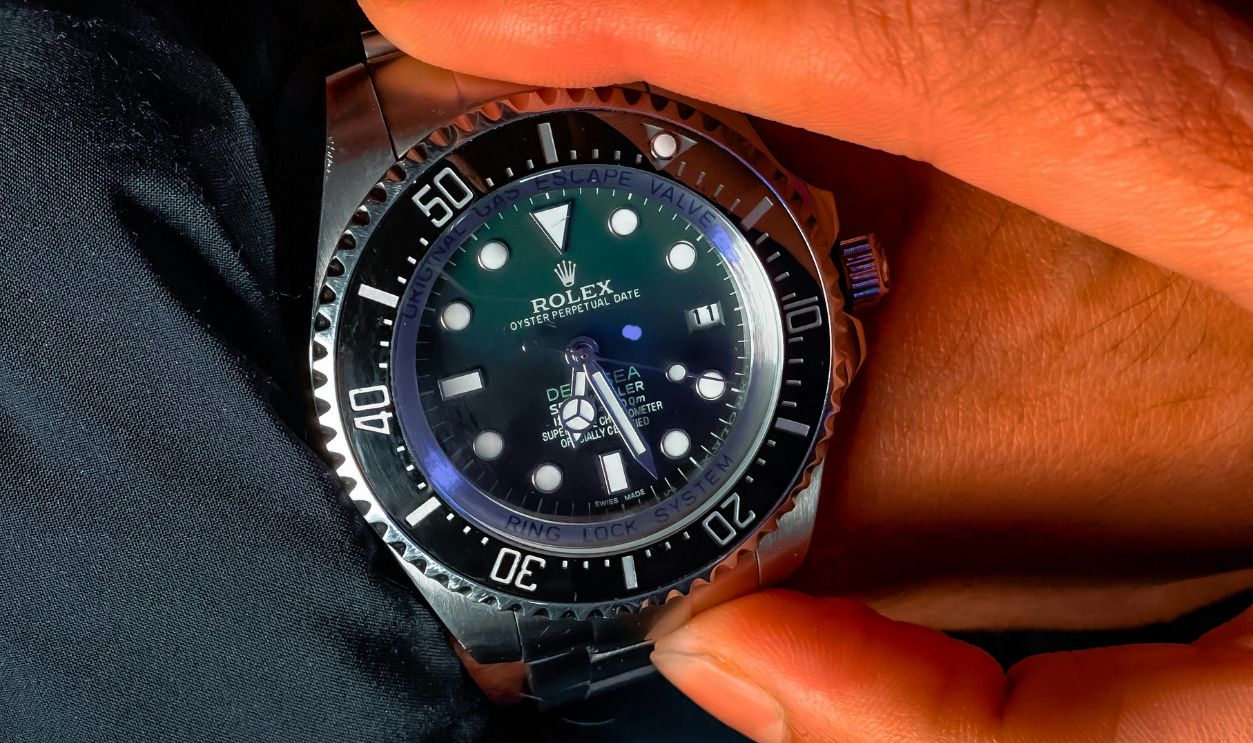
By 2023 and into 2024, the hottest part of the luxury watch market had lost steam. Bloomberg and Morgan Stanley both pointed to weaker secondary-market prices after the post-pandemic surge. That matters if someone is calling a watch a dependable investment. A real investment case should hold up through more than one market swing.
Most Luxury Watches Do Not Magically Hold Value
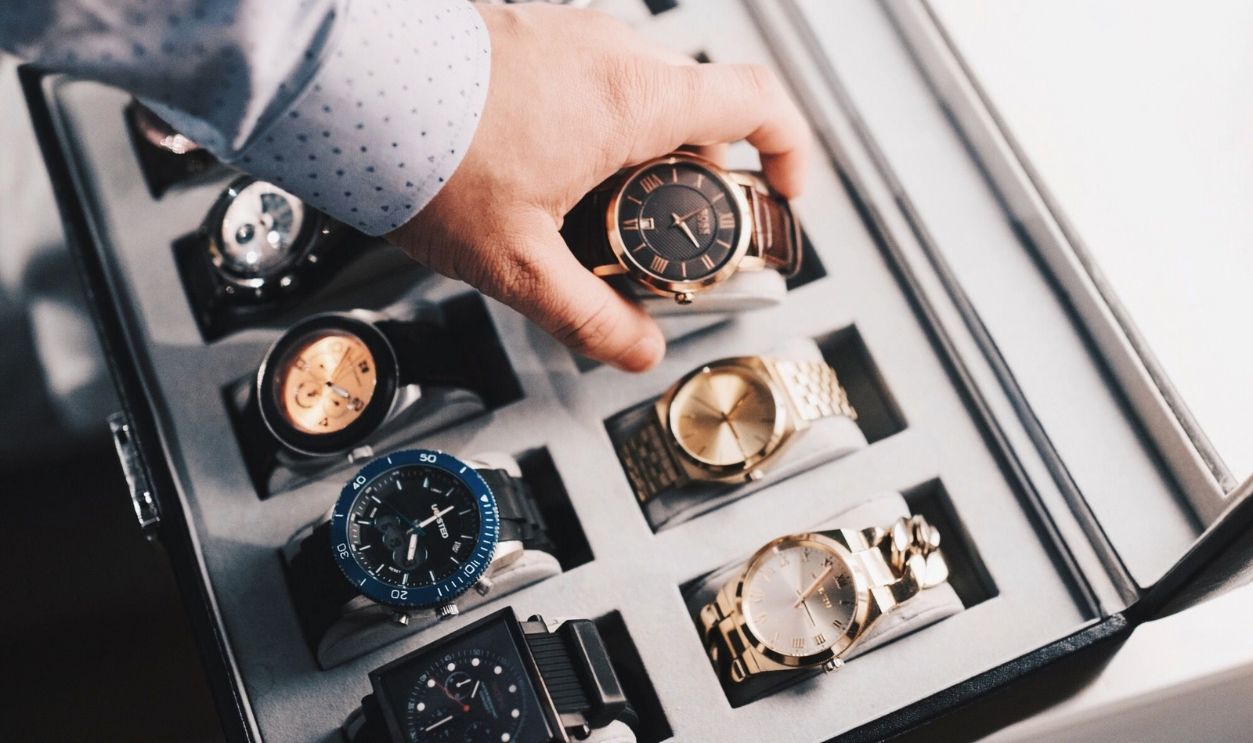
This is where a lot of buyers blur the facts. A small number of iconic models have historically held value better than the average luxury watch, but many others lose money as soon as they leave the store. The box, papers, condition, service history, and demand for that exact model all matter. Even then, profit is never guaranteed.
Retail Price Is Not Market Value
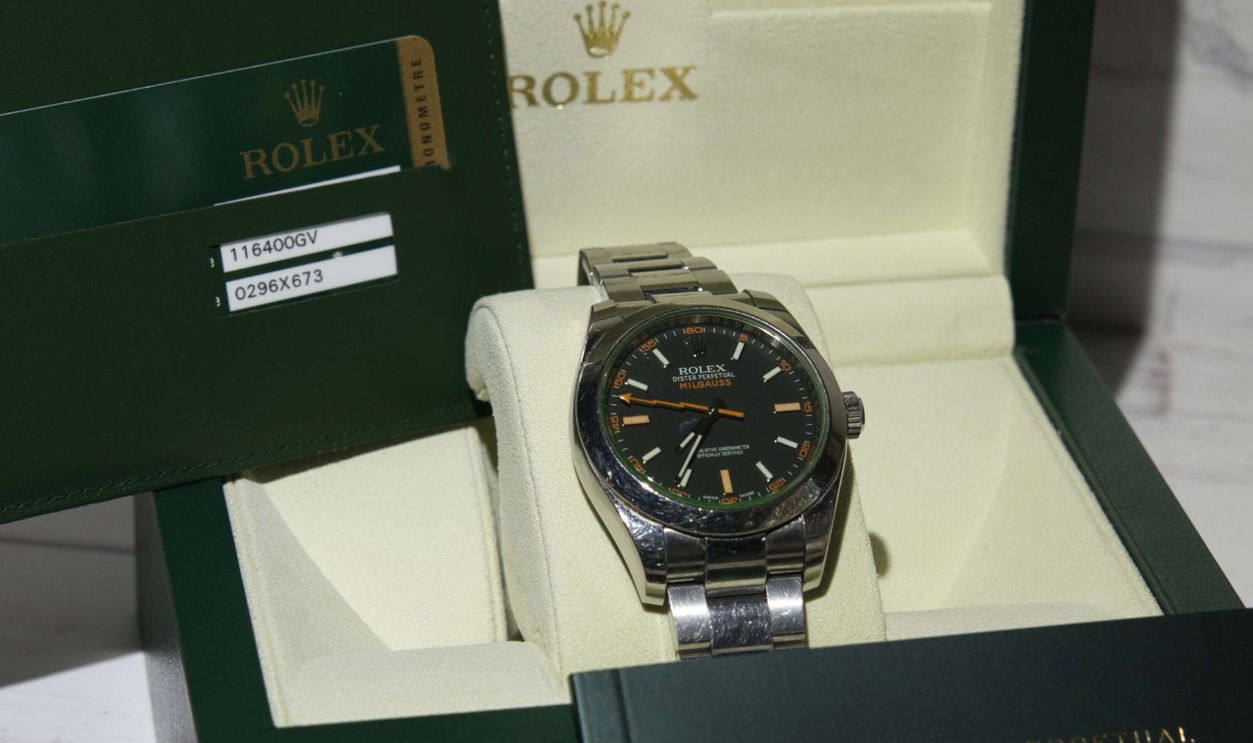
Buyers often mix up the primary market and the secondary market. On the primary market, you pay the authorized dealer price, if you can get the watch at all. On the secondary market, the resale price may be higher or lower. During the recent correction, many once-hyped models dropped back toward retail or below it.

Rolex Is Only Part Of The Story
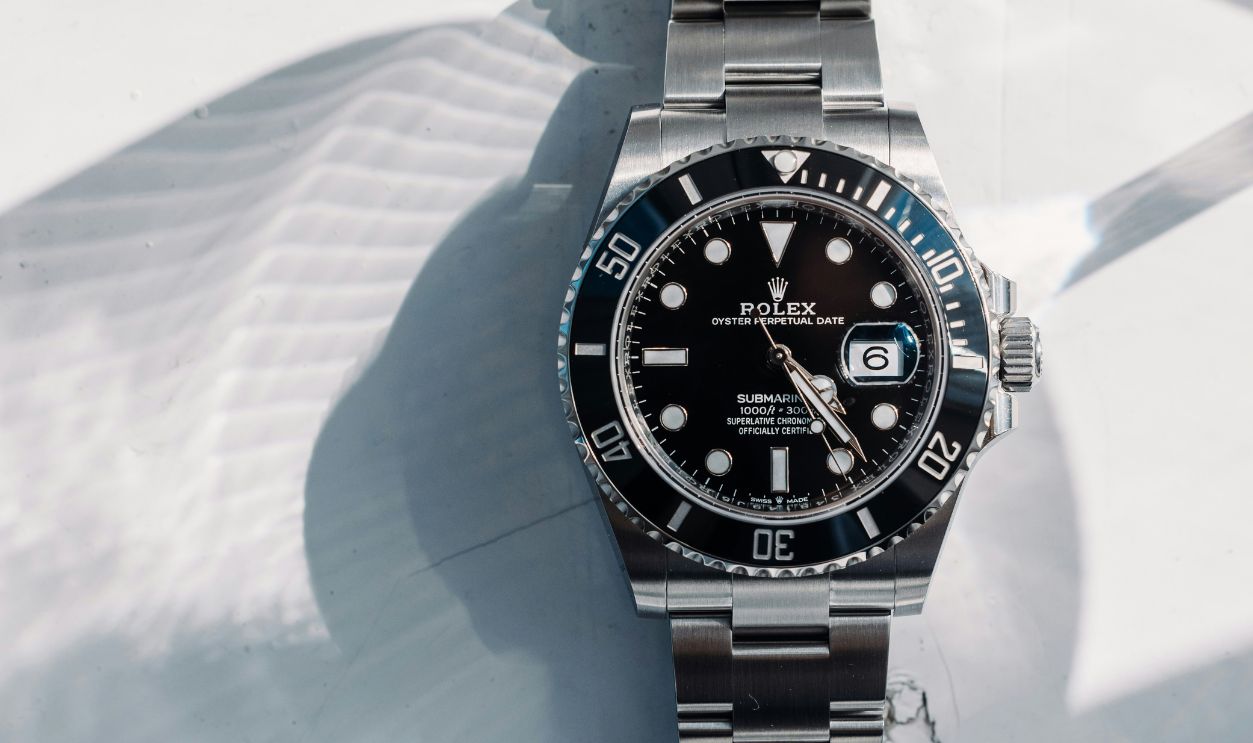
Rolex gets most of the attention because the brand is famous and resale demand is strong. But even within Rolex, results vary a lot by model. A stainless steel sports watch can behave very differently from a precious-metal dress watch. Saying every Rolex is an investment makes about as much sense as saying every stock in the S&P 500 performs the same way.
Patek Philippe Does Not Guarantee A Gain
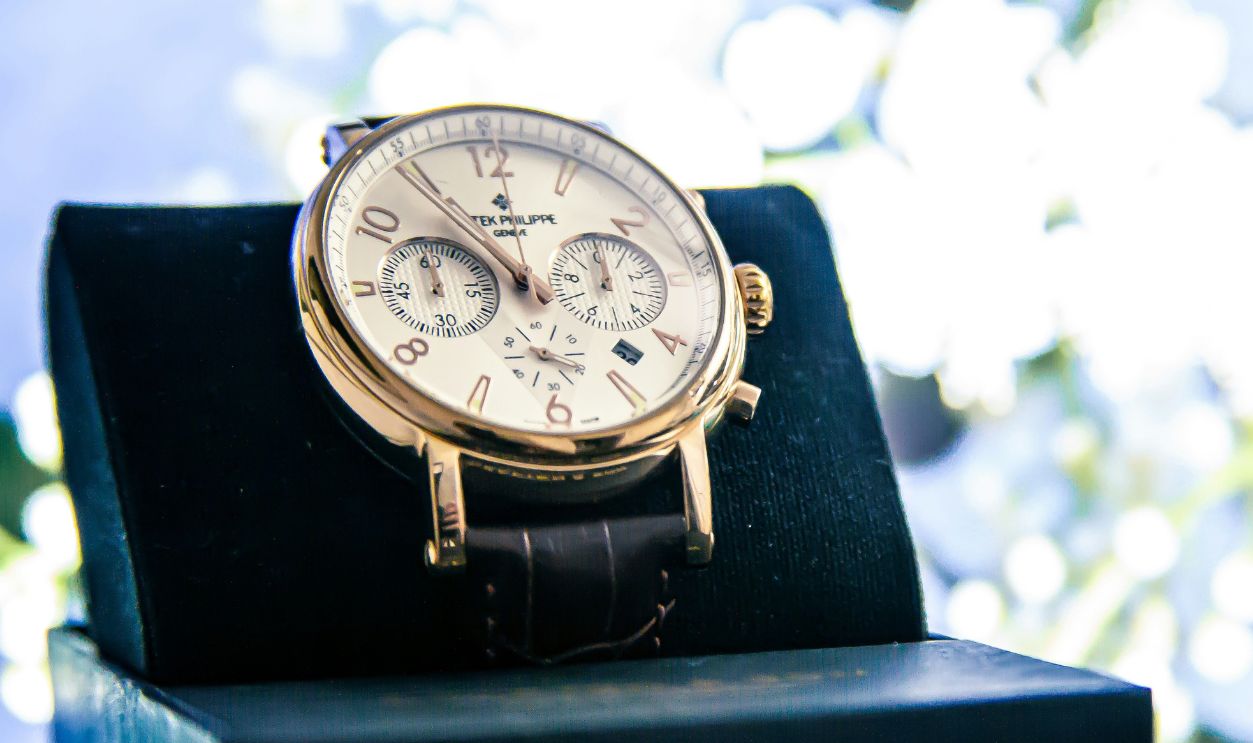
Patek Philippe comes up all the time in talks about heirloom watches and long-term value. The brand has posted some huge auction results and has a loyal collector base. But those headline sales usually involve rare references, unusual provenance, or limited production. They do not prove that any Patek bought today will go up in value.
Audemars Piguet Followed The Same Pattern
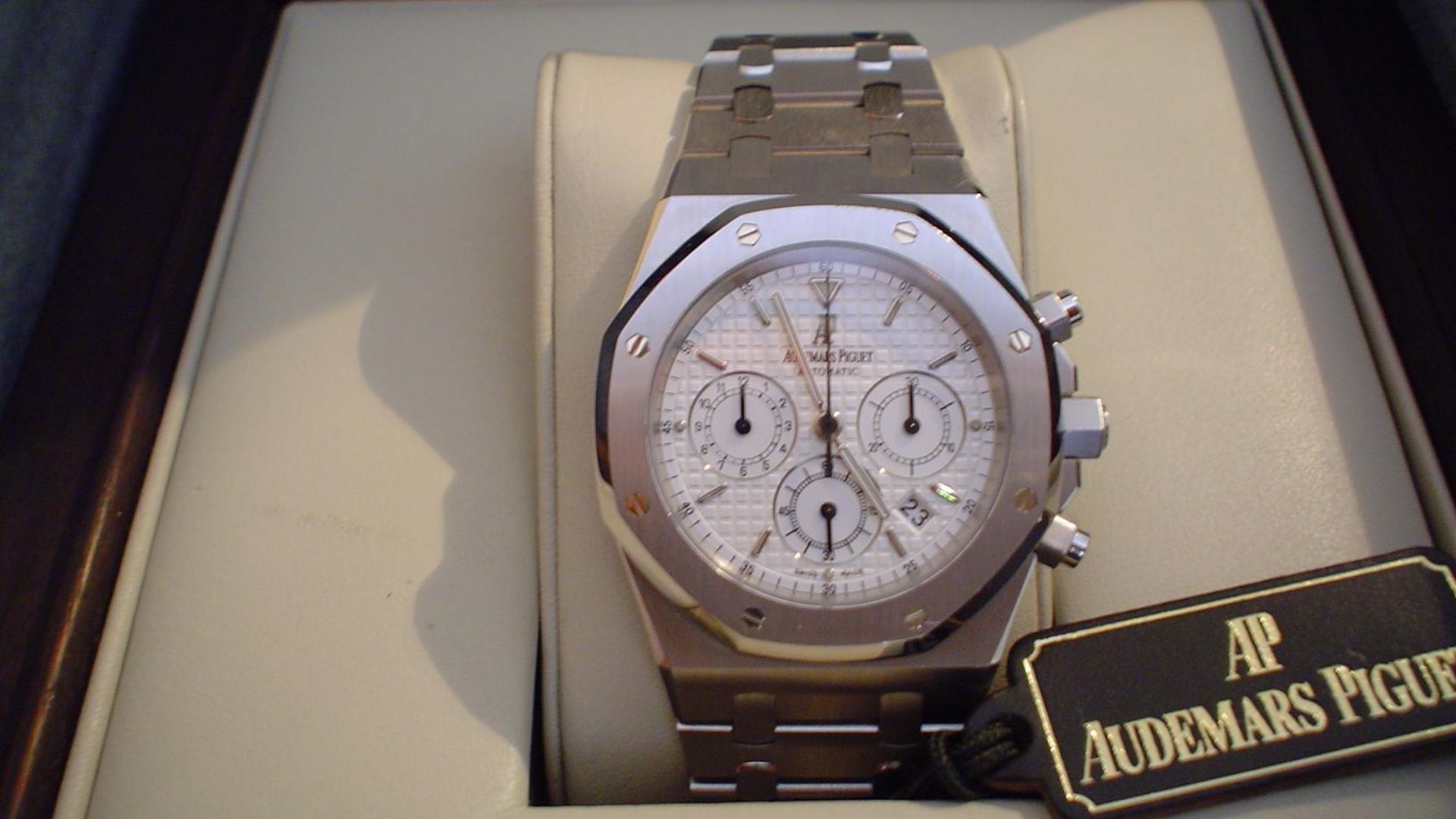
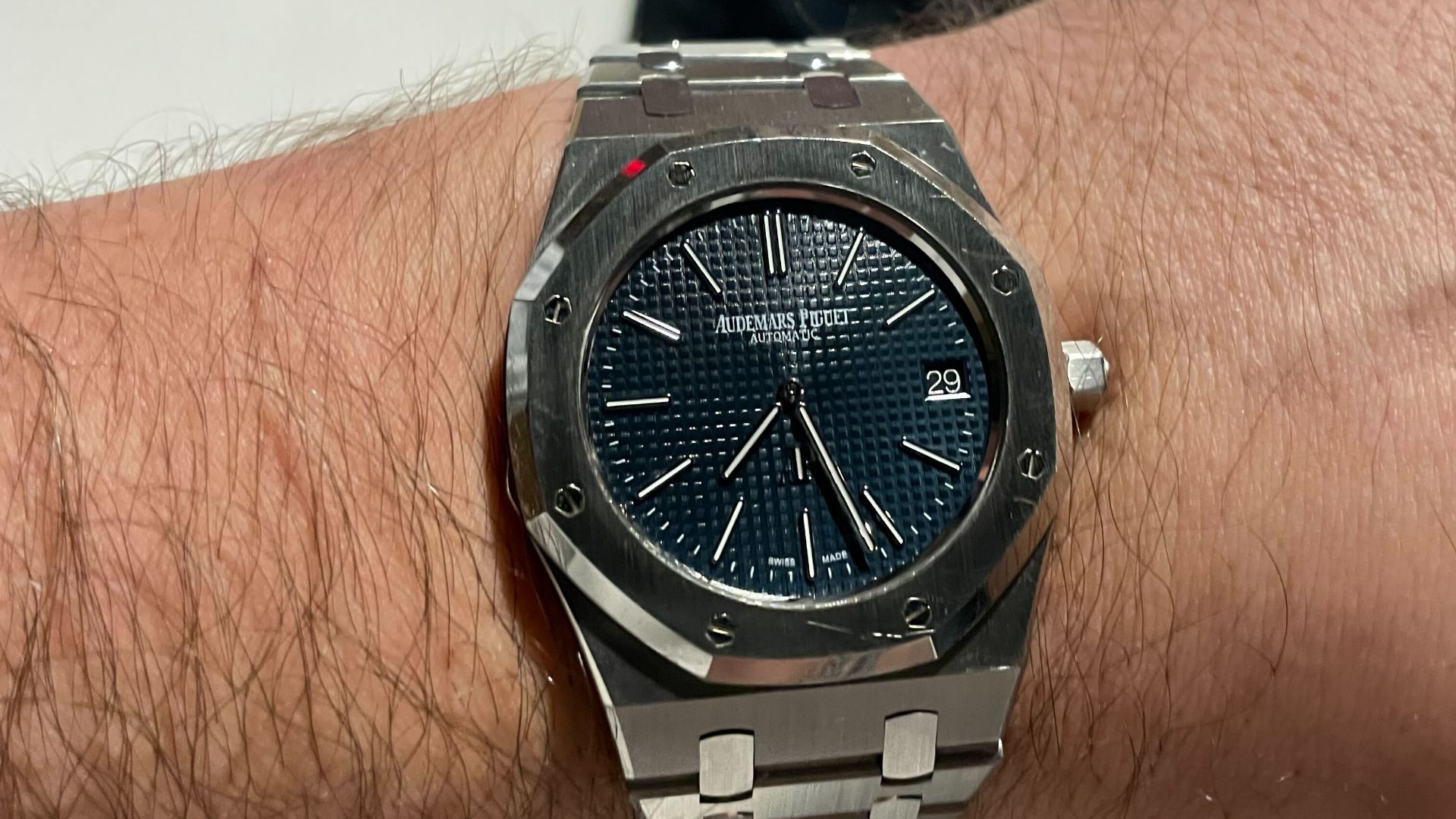
Audemars Piguet, especially the Royal Oak line, rode a wave of intense collector demand in recent years. Secondary prices soared during the boom and cooled when the broader market cooled. That is the basic pattern. Popularity can support resale prices, but it can also inflate a bubble.
Costs Eat Into The Return
Watches are not easy, low-cost assets. If you sell through a dealer, auction house, or online marketplace, you may pay commissions, listing fees, shipping, insurance, or authentication costs. Servicing can also be expensive, especially for mechanical watches. By the time all of that is added in, the real return may look a lot smaller than the sale price suggests.
 LightField Studios, Shutterstock
Condition Matters A Lot
A watch is not like an index fund sitting untouched in an account. Scratches, replacement parts, poor polishing, missing paperwork, and delayed servicing can all hurt resale value. If the owner actually wears and enjoys the watch, the investment argument gets weaker. If the watch stays locked away to protect value, then it starts looking more like a collectible gamble than a useful asset.
Selling One Can Take Time
Liquidity is one reason financial planners usually prefer traditional investments. If you need cash, selling a watch can take time, and the price may depend on market conditions and buyer interest. That gets even tougher during a downturn. A watch may look valuable on paper, but that does not mean it turns into cash quickly or at the right price.

Insurance Is Part Of The Cost Too
Expensive watches are easy to carry, easy to steal, and easy to lose, which makes insurance important. A scheduled personal property rider or a specialty policy can protect the watch, but it adds to the cost of owning it. Once you factor in maintenance, storage, and insurance, the investment case gets thinner.

Watch Indexes Have Limits
Indexes like Bloomberg Subdial are useful for spotting high-end market trends, but they track only a narrow slice of the market. They do not mean your specific watch will perform the same way. They also focus on the most traded models, which are usually the strongest names. That can make the market look better than what the average owner experiences.
 Viktoriia Hnatiuk, Shutterstock
Collectors And Investors Are Not The Same
Someone can love watches and still admit the purchase is mostly for enjoyment. Problems start when a passion buy gets dressed up as an investment to calm a spouse or justify overspending. Collecting can be a perfectly valid hobby. It just is not the same thing as building a disciplined portfolio.

What Financial Planning Usually Puts First
Mainstream financial planning starts with the basics: emergency savings, paying off high-interest debt, solid insurance coverage, retirement contributions, and diversified long-term investing. Most planners would rank luxury watches far below those goals. Even Knight Frank, which tracks collectibles in its yearly wealth report, puts watches inside a broader collectibles category, not in place of core planning.

For Most People, Watches Belong In The Fun Bucket
If a household is already in strong financial shape, a watch can fit into discretionary spending or a small alternative-assets bucket. The key word is discretionary. Money spent on watches should be money the household can afford to tie up and possibly lose on resale. That is very different from treating the purchase like a 401(k) contribution.

So How Bad Is A $12,000 Purchase
For one family, $12,000 is a shrug. For another, it is a real problem. Context matters. If the household has no revolving credit card debt, a full emergency fund, strong retirement savings, and clear spending rules, the purchase may be frustrating but manageable. If those pieces are missing, the watch starts to look a lot more like a financial mistake.
 Mladen Mitrinovic, Shutterstock
The Marriage Issue May Matter More
A secret purchase is often a bigger red flag than the watch itself. Financial planners and therapists often point out that hidden spending can damage trust, even when the amount is not ruinous. When one spouse says, “It is an investment,” they may be talking about money. The other spouse may be hearing, “Your opinion did not matter.”

Set A Rule For Big Purchases
One simple fix is to set a household dollar threshold that triggers a conversation before either spouse buys. Maybe that number is $500, $1,000, or more, depending on the budget. It is not exciting, but rules like that prevent a lot of avoidable fights.
 LightField Studios, Shutterstock
If It Is An Investment, Ask For The Numbers
The easiest way to test the claim is to ask for the math. What exact model was bought? What do recent comparable sales show? What would selling fees, insurance, and servicing cost? Then compare that likely net resale value with what the same $12,000 might have earned in a diversified portfolio over time. That tends to bring the conversation back to earth pretty fast.

Compare It With The Boring Option
A luxury watch is competing with every other use for that same money. That could mean paying down high-interest debt, maxing out an IRA, adding to a 401(k), or earning a safe return in cash equivalents. The watch may still win as a personal pleasure purchase, but it often loses as a pure money decision. Boring choices usually do more for long-term wealth.

Alternative Assets Do Have A Place
Some wealthy investors do put a small share of their assets into collectibles, art, cars, wine, or watches. The difference is that they usually know exactly what they are doing and use money they can afford to lock up. They also understand that expertise matters. Without that knowledge, alternative assets can turn into an expensive guessing game.

If The Watch Is Already Bought
If the purchase has already happened, start with damage control instead of trying to win the argument. Look at the receipt, return policy, and current resale value. Then decide together whether the watch stays, gets returned, or gets sold. After that, set clearer money rules so the same fight does not show up again in a different form.

The Bottom Line
Luxury watches can sometimes hold value, and a small number of models have posted strong returns in certain periods. That is not the same as saying they reliably belong in most household financial plans. For most people, a luxury watch is best treated as a collectible or lifestyle buy with possible resale value, not as a core investment. If your husband bought one without telling you, the bigger conversation is probably about teamwork and priorities, not watch-market mythology.