
The Refund Loop That Can Look Smart At First
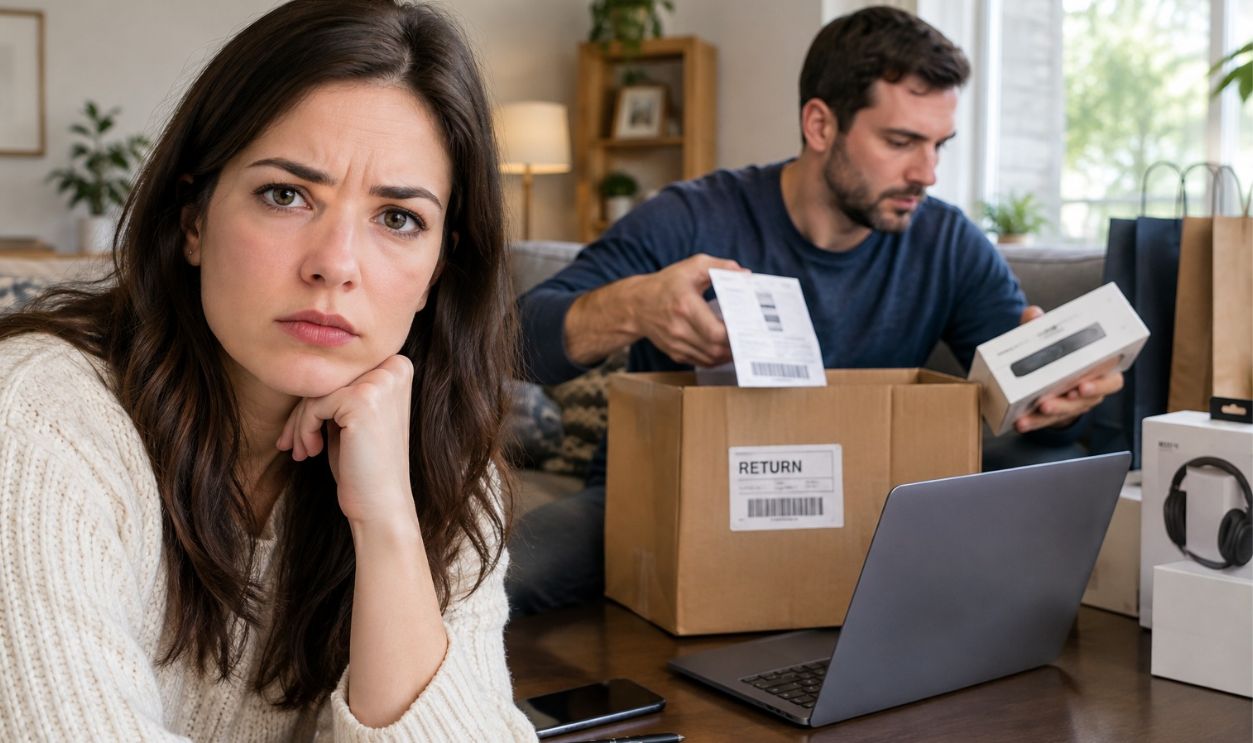
Your husband buys something expensive, uses it for weeks, returns it right before the deadline, then buys it again. At first glance, it can look like a slick way to keep nice things around without fully paying for them long term. But depending on why he is doing it, this habit can be anything from harmless timing to a real warning sign about debt, overspending, or compulsive shopping.
Why This Gets So Hard To Read
This kind of behavior sends mixed signals. Someone who always gets the refund may say he is just being practical, especially if the money hits the account before the next charge posts. But that constant cycle can hide a bigger problem. The household keeps tying up cash, risking fees, and getting used to impulse spending.
 Hryshchyshen Serhii, Shutterstock
Start With The Obvious Question
Why is he returning and rebuying the item in the first place? Is it because the price dropped, because he wants to restart the return window, or because he cannot really afford to keep it? Those are three very different situations. Returning something once after a sale is normal. Doing it over and over right before every deadline is something else.

What Consumer Advice Says
The Consumer Financial Protection Bureau advises people to pay close attention to return deadlines, refund timing, and how purchases affect their budget and credit card balances. Its guidance on debt and spending stresses tracking due dates, checking statements, and watching for habits that strain cash flow. That matters here because if a refund shows up late, the household may end up carrying a balance longer than expected.

Refunds Do Not Always Show Up Right Away
The Federal Trade Commission says sellers must ship when promised and issue refunds when they cannot meet certain delivery rules under the Mail, Internet, or Telephone Order Rule. In everyday life, though, card refunds often take several days, and store policies vary. That delay can give someone false confidence if he keeps buying expensive items before the old refund has fully cleared.

Credit Cards Can Make This More Expensive
If these purchases are going on a credit card, the household may be paying interest even if he claims the refunds make it all even out. The CFPB warns that carrying a balance can get expensive fast, especially when spending gets ahead of the plan to pay it off. A return loop is not smart budgeting if interest charges are quietly eating up the benefit.

There Is Also A Credit Score Risk
Repeatedly charging and refunding large purchases can affect credit utilization if a statement closes at the wrong moment. The CFPB explains that credit use can affect credit standing and borrowing costs. So even if the money comes back later, the temporary spike can still matter.

Stores Do Not Treat Returns Like An Endless Free Pass
Many retailers watch return behavior, especially when it starts to look excessive or abusive. Companies often say this in their return policies, and some use outside services to flag unusual patterns. So a move that feels clever to one shopper may look very different to the store.

Amazon Says So Directly
Amazon's Conditions of Use say it can refuse service, close accounts, or cancel orders at its discretion. Its return policies also include limits and conditions that depend on the product category. Someone who keeps buying, using, returning, and rebuying the same expensive item may eventually find that Amazon does not see the pattern as normal shopping.

Target And Walmart Draw Lines Too
Target's return policy and Walmart's return policy both set time limits, receipt rules, and exceptions based on the kind of product. Those limits are there for a reason. If your husband's whole system depends on cutting it close to the deadline every single time, he is depending on rules that retailers can enforce more strictly at any point.
 MikeMozartJeepersMedia, Wikimedia Commons
What Looks Frugal May Just Be More Spending
There is a big difference between cutting waste and feeding consumption. Buying the same expensive item again and again, even with refunds, can keep someone attached to a lifestyle he cannot really afford. That is not budgeting in the usual sense. Budgeting means matching spending to real resources, not pushing the problem down the road.

Researchers Have Looked At Compulsive Buying
Research published in the Journal of Consumer Policy by Maraz, Griffiths, and Demetrovics in 2015 reviewed evidence on compulsive buying and described it as a pattern linked to distress, loss of control, and harmful results. The behavior in your home may not meet a clinical standard. Still, repetition, secrecy, and emotional dependence on the shopping cycle are worth paying attention to.

When The Rush Matters More Than The Item
If the excitement seems to come from buying rather than owning, that is an important clue. Cleveland Clinic notes that compulsive shopping can bring a short-lived emotional high followed by guilt, regret, or more spending. Returning and rebuying can become part of that same cycle instead of proof of self-control.

Sometimes This Is Really A Cash Flow Problem
In some cases, the explanation is simpler and more serious. He may like the item but not have enough steady cash to keep it, so he cycles the refund to make it to the next paycheck, bonus, or bill date. That is not a shopping trick. It is a money problem.

The Dates Usually Tell The Story
Watch the timing closely. If returns keep happening right before rent, the mortgage, or a credit card payment is due, then this may have less to do with the item and more to do with juggling bills. The CFPB's budgeting advice stresses lining up expenses with income, and this is exactly where that kind of system can fall apart.

The Least Worrying Version Is Sale Chasing
There is one fairly harmless version of this. A shopper buys something, spots a lower price during the return window, then returns and repurchases it at the cheaper price, or asks for a price adjustment if the store allows it. Used once in a while, that is just normal bargain hunting.

Restarting The Return Window Is Different
If he is buying the same item again mainly to reset the clock and keep the option to return it later, the behavior starts to look shakier. It can point to indecision, discomfort with commitment, or a desire to keep using something without really paying for it long term. That is less about budgeting and more about avoiding a final decision.

It Can Warp The Budget Picture
This kind of churn makes it harder for a couple to see what is really going on. A refund can make the bank balance look better for a moment, even while the next charge is already on the way. A budget only works when both people can tell the difference between money that is truly saved and money that is just delayed.

Ask Whether He Is Open About It
Secrecy is often what separates an odd money habit from a real red flag. If he talks about the purchases, keeps track of the refunds, and can explain the reason with dates and receipts, that is one thing. If packages keep showing up and disappearing with vague explanations, the issue may run deeper than return timing.

Small Costs Can Add Up Fast
Even when stores do not charge restocking fees, returns can still come with indirect costs. Credit card interest, bad payment timing, lost rewards, and shipping costs can all chip away at the supposed upside. What sounds like a free loophole often turns into a clumsy and expensive workaround.

Retailers Are Better At Catching This Now
Over the past decade, big retailers have gotten better at tracking return patterns and spotting abuse. Return policies are often more detailed than shoppers expect, especially for electronics, luxury items, and opened products. A habit that slides by for months can suddenly lead to denied returns or account limits.

It Can Hurt The Relationship Too
Money stress is rarely only about money. If one spouse sees this pattern as smart and the other sees it as chaos, trust can wear down fast. The cycle can create anxiety because the household never gets a steady picture of what it really owns and what it can truly afford.

When It Might Actually Be Smart
You can call it smart only if it is occasional, transparent, allowed by the store, and tied to a clear money-saving reason like a better price or a real product problem. It should not lead to interest charges, cash-flow stress, or trouble with a retailer account. In short, the numbers need to work, and the pattern needs to stay limited.

When It Starts Looking Like A Red Flag
It becomes a red flag when the cycle is frequent, emotional, secretive, or needed to make the monthly budget hold together. It is also concerning when returns happen near bill due dates, when card balances are being carried, or when the same item keeps getting repurchased for no clear reason. Those details point to instability, not strategy.

A Better Way To Start The Conversation
Try a calm question instead of a fight. Ask him to walk through the last three examples, including the purchase date, return date, refund posting date, and reason for buying the item again. Facts usually lower the temperature and make it easier to see whether this is bargain hunting, bill juggling, or something more compulsive.

Try A Simple 60-Day Test
Agree that any expensive item over a set amount goes on a shared list with the buy date, return deadline, and final decision date. If the same item gets bought again after a return, write down the reason. After two months, you will have enough real information to judge the pattern without guessing.

The Bottom Line
Your husband may not be running some brilliant budget system. He may be leaning on return policies to manage stress, chase the rush of buying, or cover a cash shortage. If the pattern keeps repeating and the household depends on it to stay afloat, it is not clever budgeting. It is a sign that your finances need a more honest and more sustainable plan.