
When “Brand-New” Starts To Smell Fishy
Your landlord proudly announced a “brand-new heating system,” probably expecting applause, gratitude, and maybe even a rent increase. But when you checked the manufacturer’s name, you discovered… they don’t exist. No website. No reviews. No business registration. Just a mysterious sticker on a metal box humming in your hallway closet. If your shiny “upgrade” feels more like a science experiment than a legitimate installation, don’t panic. You have options—and rights.

First Things First: Don’t Ignore That Gut Feeling
If something feels off, it probably is. Tenants are often made to feel like they’re being “difficult” for asking questions, but heating systems are not decorative throw pillows—they’re essential for habitability. A mystery unit with no traceable manufacturer raises real concerns about safety, compliance, and whether the system was installed legally. Trust your instincts and start gathering facts.
Check For Basic Identification Information
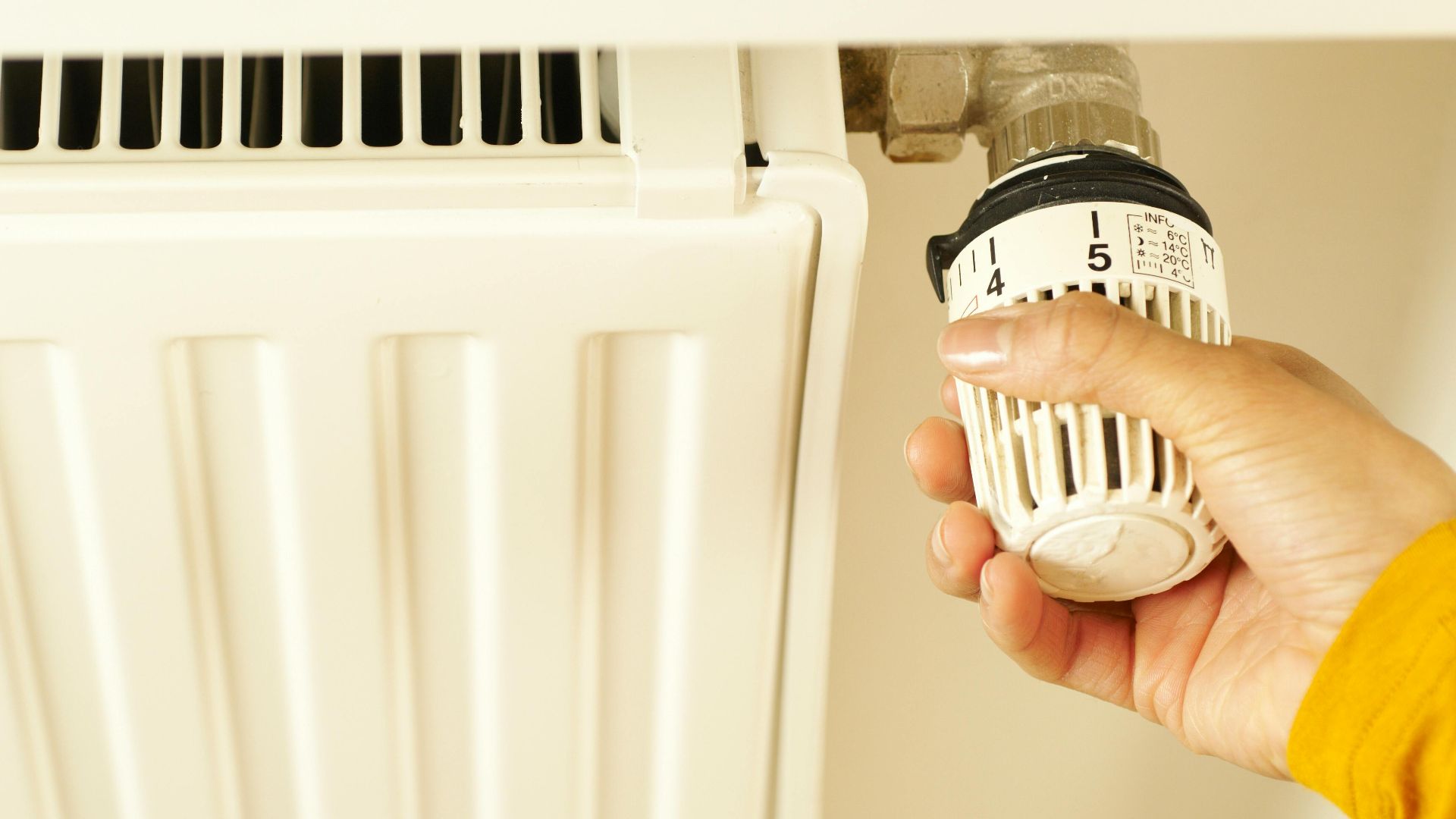
Every legitimate heating system should have a data plate or label listing the manufacturer, model number, serial number, and safety certifications. If the label looks generic, misspelled, poorly printed, or suspiciously blank, take clear photos. A real manufacturer leaves a paper trail—certifications, warranties, installation manuals. A ghost company does not.

Search Beyond Google
Sometimes smaller manufacturers won’t dominate search results, so dig deeper. Check your country’s corporate registry, Better Business Bureau (or equivalent), state contractor licensing board, and product safety databases. If absolutely nothing comes up—no filings, no recalls, no distributor listings—that’s not “boutique.” That’s suspicious.

Look For Safety Certification Marks
Heating systems should carry recognized safety certification marks (like UL, CSA, ETL, CE, or others depending on your country). These aren’t decorative logos—they indicate independent testing. If the unit lacks certification, that’s a serious red flag. If it has a logo that looks off-brand or misspelled, that’s an even bigger one.
Review Local Building Code Requirements
Most cities require heating systems to meet specific building codes and efficiency standards. Some jurisdictions require permits and inspections for new HVAC installations. If your landlord skipped those steps, the issue isn’t just sketchy—it may be illegal. Check your local building department’s website or give them a call to ask what’s required.

Ask Your Landlord Direct Questions
Keep it calm and in writing. Ask for the manufacturer’s details, warranty information, installation permit number, and the licensed contractor’s name. You don’t need to accuse anyone of fraud. A simple: “Can you provide documentation for the new heating system, including permits and manufacturer warranty?” is perfectly reasonable.

Put Everything In Writing
If your landlord responds verbally, follow up with an email summarizing the conversation. Documentation is your best friend in landlord-tenant disputes. If this turns into a habitability issue, written records will matter. Think of it as building your own tenant paper trail—organized, polite, and powerful.

Check Whether A Permit Was Issued
Contact your local building department and ask whether a permit was filed for a new heating system installation at your address. In many areas, installing or replacing a heating system without a permit is a violation. If no permit exists, your landlord may have bigger problems than your questions.

Confirm The Installer’s License
Heating systems aren’t DIY weekend projects (or at least, they shouldn’t be). Ask who installed it and verify that person or company holds a valid HVAC license. Many state licensing boards have searchable online databases. If the installer doesn’t exist—or isn’t licensed—that’s another serious concern.

Evaluate How The System Is Performing
Does it actually heat your apartment properly? Does it cycle on and off normally? Are there strange smells, loud banging, uneven heating, or sky-high energy bills? A system’s sketchy origins matter even more if it’s not functioning correctly. Document performance issues with dates and photos.
Know Your Right To Habitability
In most places, landlords are legally required to provide safe, working heat. This falls under the “implied warranty of habitability.” If the heating system is unsafe, unreliable, or non-compliant with code, your landlord may be violating that obligation—regardless of how “new” the system supposedly is.

Understand The Difference Between Cheap And Illegal
Not every off-brand appliance is illegal. Some landlords legitimately buy budget equipment. The key issue is safety, code compliance, and proper installation. A no-name system isn’t automatically unlawful—but if it’s uncertified, unpermitted, or improperly installed, that’s where your leverage begins.
Request An Inspection
If you’re concerned about safety, you can request a city or county inspection. Building inspectors can determine whether the system meets code and whether permits were required. This step may strain your relationship with your landlord—but your safety comes first.
Call Your Local Code Enforcement Office
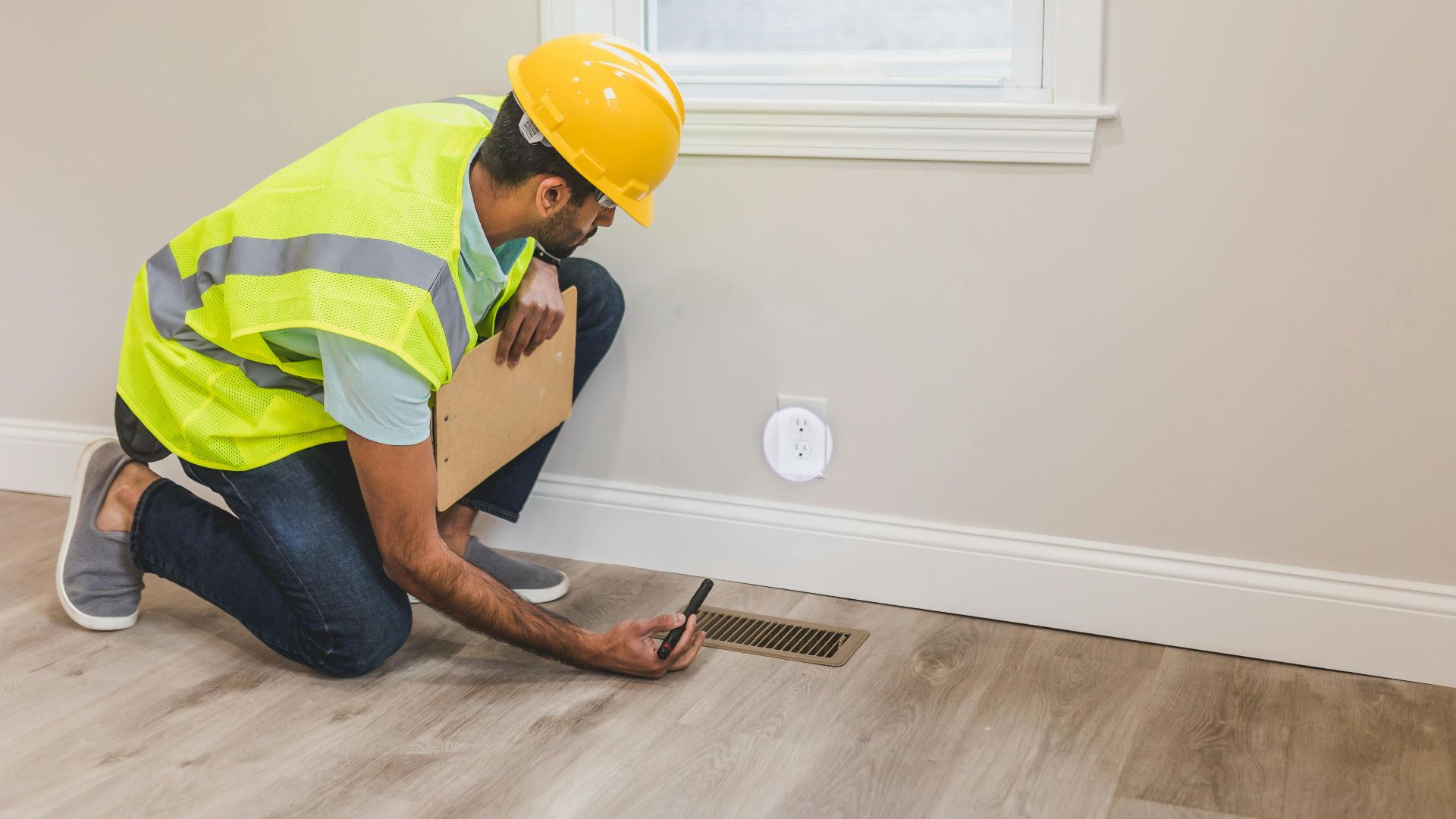
Code enforcement departments handle building safety complaints. If you suspect illegal installation, report it. Inspections are typically confidential, though procedures vary by jurisdiction. An official inspection shifts the issue from “tenant complaining” to “city reviewing compliance.”

Watch For Retaliation
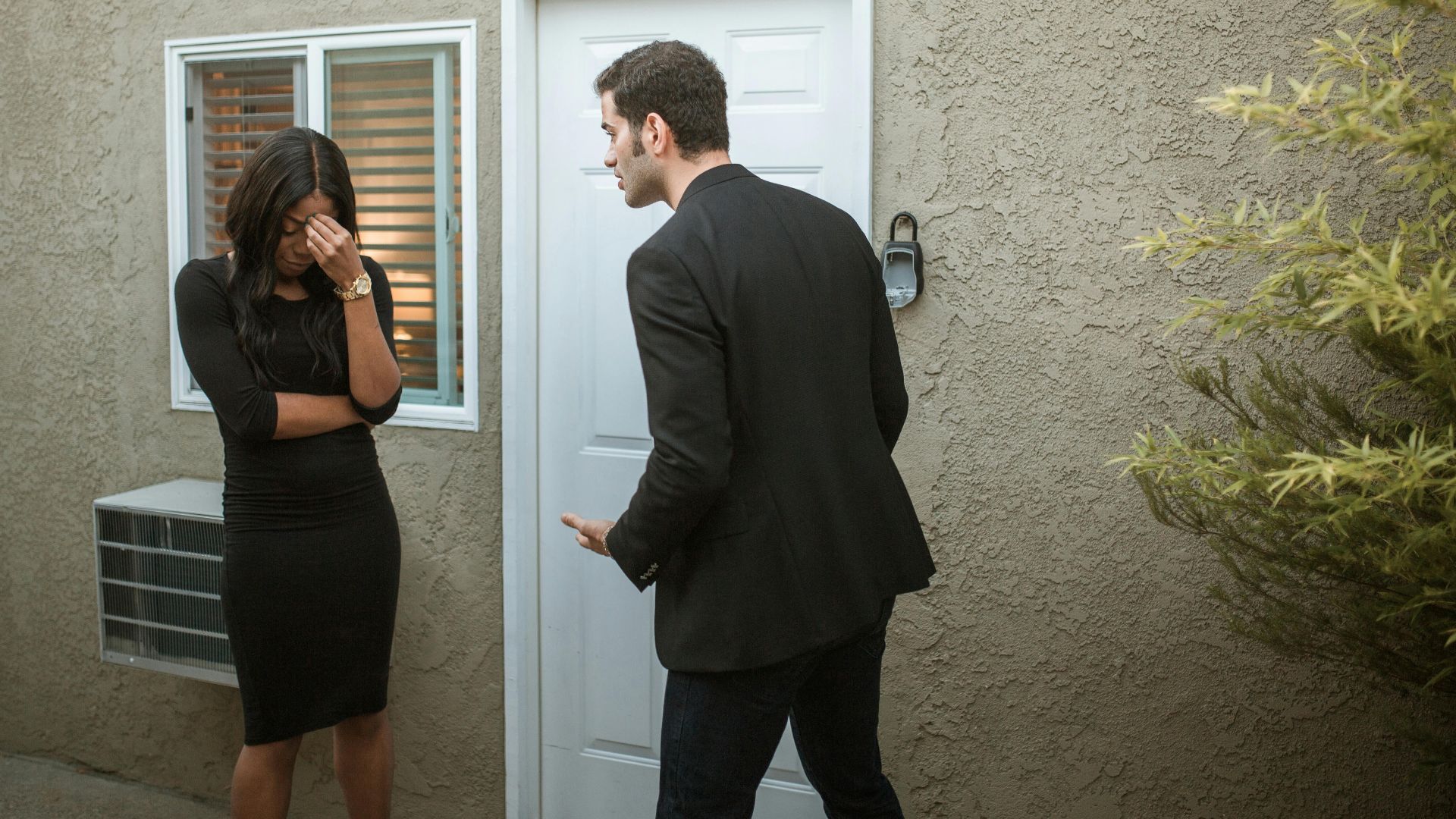
If your landlord suddenly threatens eviction or raises rent after you ask questions, that may be illegal retaliation. Many regions have strong anti-retaliation protections for tenants who report safety concerns. Keep copies of everything and note any sudden changes in tone or treatment.
Consider A Tenant Rights Organization
Local tenant unions or legal aid clinics can offer guidance—often for free. They know local housing laws and can tell you whether this situation crosses the line from “odd” to “actionable.” Sometimes a short letter from a tenant advocate can work wonders.

Document Any Safety Hazards Immediately
If you notice gas smells, carbon monoxide alarms going off, sparks, smoke, or unusual heat buildup, call emergency services or your gas utility provider immediately. Safety overrides politeness. A mysterious manufacturer becomes far less important than immediate danger.

Purchase A Carbon Monoxide Detector
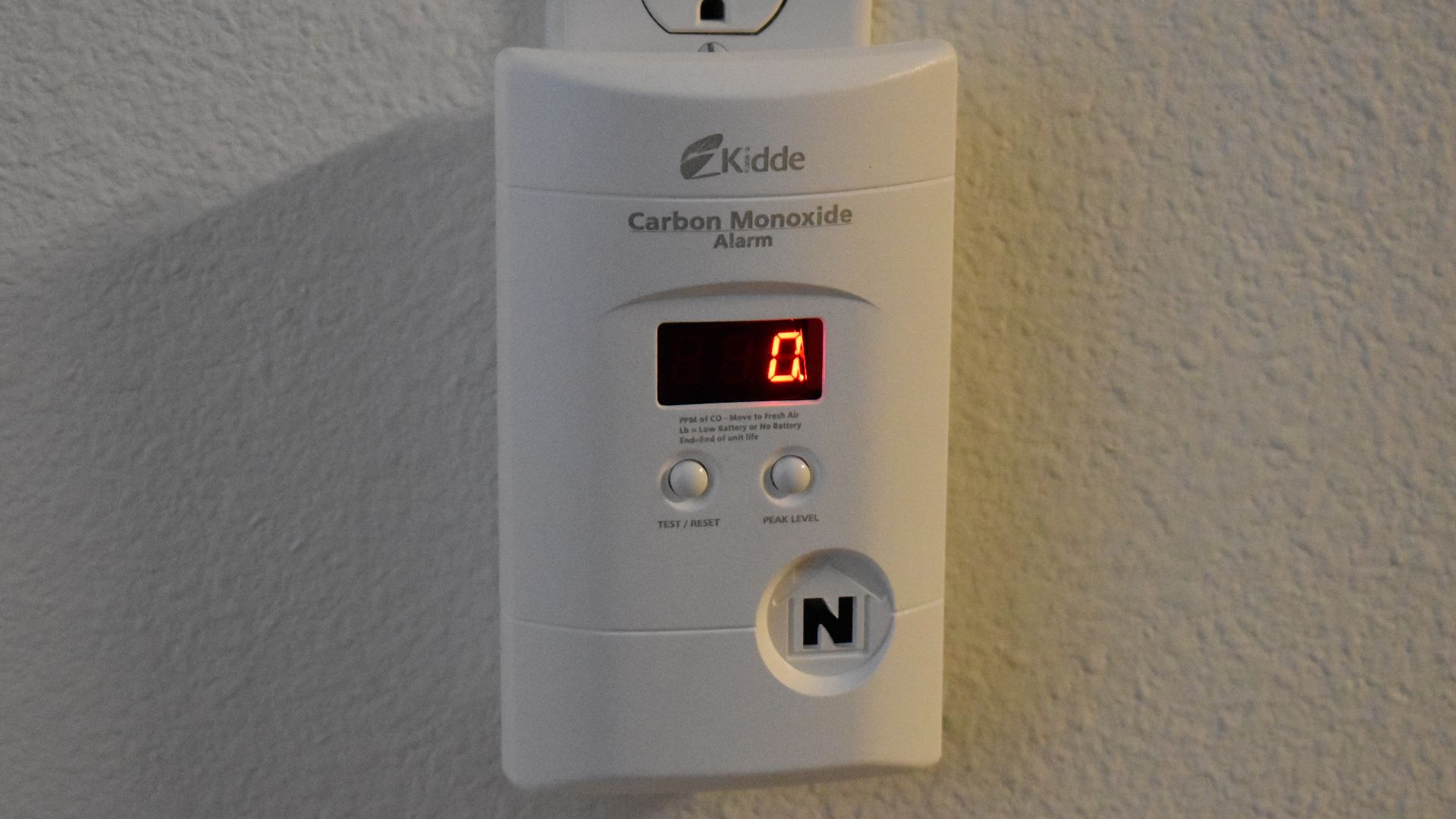
If your unit burns fuel (gas, oil, propane), you should have a working carbon monoxide detector. In many places, landlords are required to provide one—but if they haven’t, consider buying one yourself for peace of mind. It’s a small investment compared to the risks.
Review Your Lease Agreement
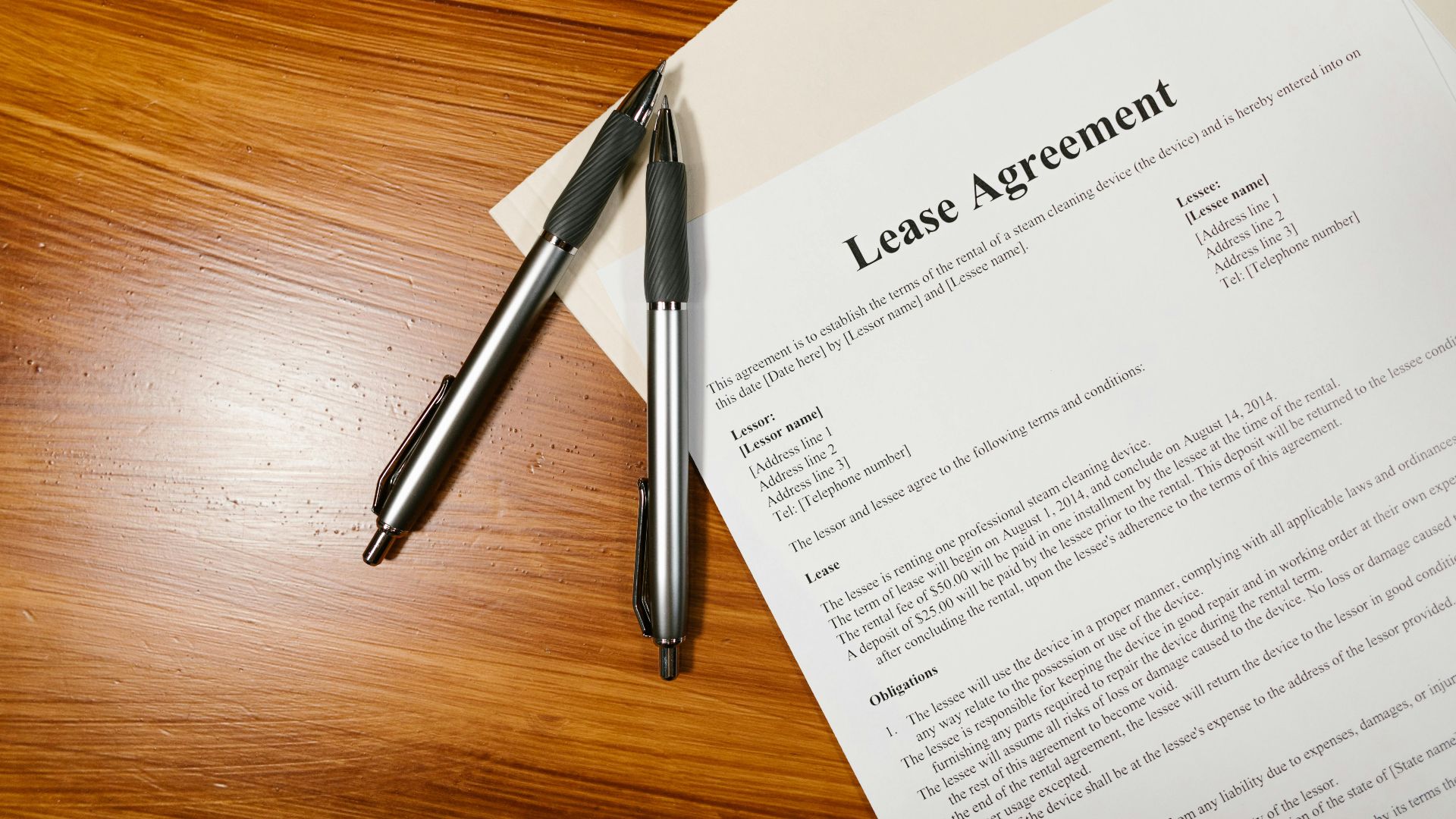
Some leases specify that the landlord must maintain systems according to code or use licensed professionals for repairs. If your lease contains maintenance standards, that strengthens your position. Even if it doesn’t, statutory habitability laws still apply.
Get An Independent HVAC Opinion
If you can afford it, hire a licensed HVAC technician to inspect the system and provide a written assessment. Some companies offer reasonably priced safety inspections. An expert opinion carries weight if you need to escalate the issue.
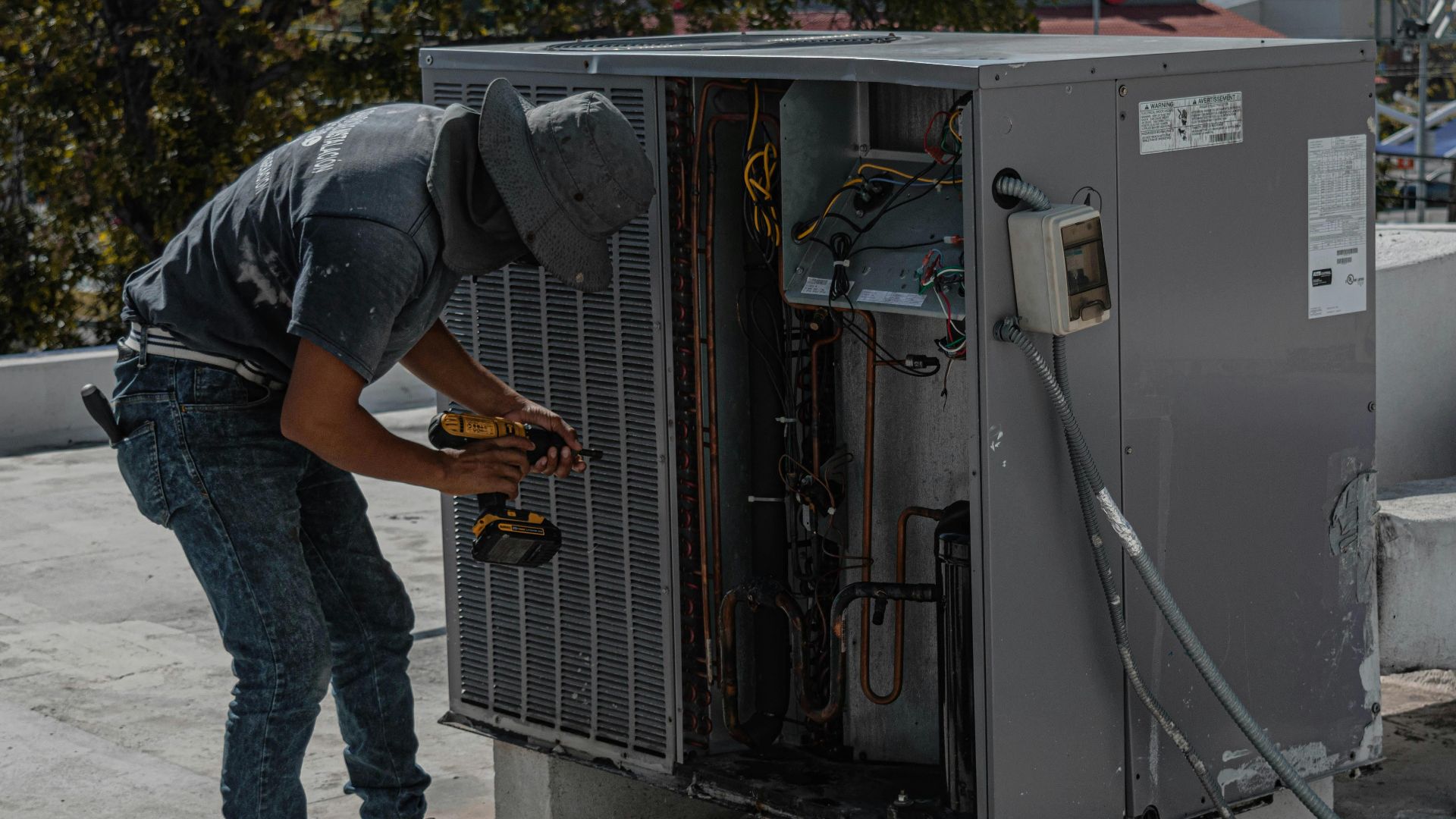 Jose Andres Pacheco Cortes, Pexels
Explore Repair-And-Deduct Options Carefully
In certain jurisdictions, tenants can pay for necessary repairs and deduct the cost from rent—but only under strict legal guidelines. This is not a DIY revenge tactic. Consult legal aid before attempting it. Doing it incorrectly can put you at risk of eviction.

Consider Withholding Rent Only As A Last Resort
Rent withholding laws exist in some areas for serious habitability violations, but they come with procedural requirements. You usually must give written notice and allow time to fix the issue. Never withhold rent casually—this is a strategic legal step, not a protest.

File A Formal Complaint If Necessary
If the heating system violates code and your landlord refuses to act, a formal complaint to housing authorities may be appropriate. This shifts the responsibility to regulators and creates official documentation of the issue.

Know When To Negotiate
Sometimes landlords cut corners to save money—not to endanger you. If the system works but lacks documentation, negotiation may be possible. You might request proof of inspection, a service contract, or even a modest rent reduction in exchange for accepting the equipment.

Protect Yourself If You Plan To Move
If the situation feels unsafe or adversarial, start documenting everything in case you need to break the lease. Some jurisdictions allow early termination for uninhabitable conditions. Consult a tenant attorney before making that move.

Remember: You’re Not “Difficult” For Asking
Tenants are often conditioned to feel grateful for basic maintenance. But heat is not a luxury—it’s a legal requirement in most climates. Asking for proof that your heating system is safe and legitimate is not dramatic. It’s responsible.

Don’t Let A Phantom Manufacturer Freeze You Out
A heating system made by a company that seems to exist only on a sticker is more than a curiosity—it’s a potential safety and legal issue. Start with documentation, move to verification, and escalate if necessary. Most importantly, protect your health and your rights. A warm apartment shouldn’t come with a side of mystery.

You May Also Like:
Seniors who file their 2025 tax returns this season could walk away with an extra $6,000