
A Summer Tradition Meets a Price Tag
Few family rituals feel as classic as loading up the car and heading to the cottage. That is why it can be so unsettling when grandparents suddenly want to charge for the grandkids to come along. The real question is not just whether it sounds cheap or generous. It is whether the request is fair, workable, and reasonable for everyone.

Why This Hits Harder Than Money
When parents charge their adult children or grandchildren to use a family place, the reaction is usually bigger than the dollar amount. A cottage is not just property. It is family history, summer memories, and often a sign of who belongs. That is why even a small fee can feel oddly personal.

There Is No Family Rulebook
Money experts usually agree on one thing: families need clear expectations because assumptions cause fights. There is no rule saying grandparents must host everyone for free forever. There is also no rule saying adult children have to accept new charges without a real conversation.
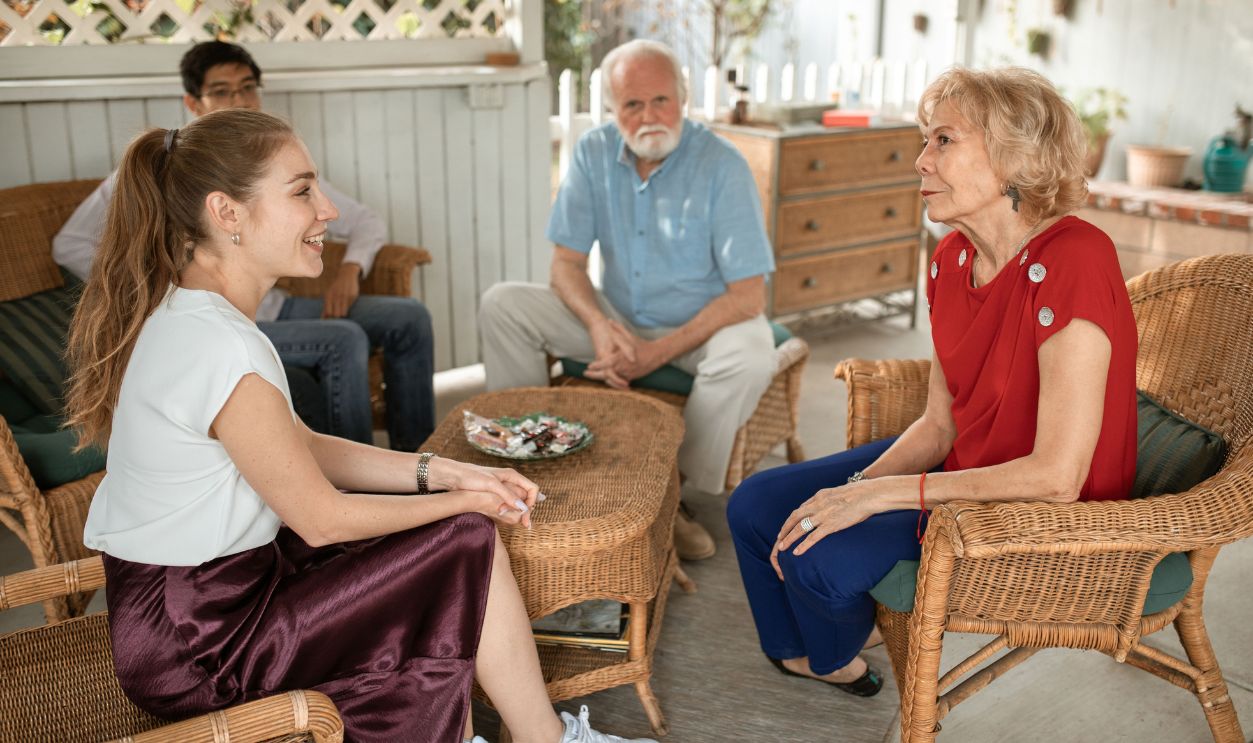
What the Costs Actually Look Like
Owning a vacation property is expensive, and it has not gotten easier. Insurance, utilities, upkeep, taxes, repairs, and cleaning add up fast. If the grandparents have been paying for all of it on their own, they may be asking for help, not trying to turn family time into a side business.

The Cottage Dream Costs More Now
Canadian housing data has shown that recreational property prices jumped during the pandemic boom, and carrying costs rose with them. Royal LePage's recreational property reports have tracked strong demand and higher prices over several years, making cottages more expensive to buy and keep. That matters if your parents are dealing with bigger tax bills and steeper upkeep costs.

Upkeep Can Drain a Budget Quietly
A cottage can look perfect from the dock and brutal on paper. Septic systems fail, roofs wear out, docks need work, and lakefront properties take a beating from weather. Even families with solid incomes can start looking for ways to spread out the cost.

Grandparents May See It as Cost Sharing
If your parents only ask for money when your children visit, they may see it as covering extra use. More people can mean more food, water, laundry, supplies, and activity costs. In that case, what sounds like an admission fee may really be a clumsy way of asking everyone to share the load.

But the Wording Changes Everything
Calling it admission is where things start to go sideways. That word makes the cottage sound less like a family place and more like a tourist stop. Asking people to chip in for groceries or maintenance usually feels more honest and less cold than charging kids like they need tickets.

What Etiquette Advice Usually Comes Down To
Most etiquette advice lands in the same place: communicate clearly and be generous on both sides. If hosts are taking on real costs, guests should not assume the place is free forever. At the same time, family hosts should say what they need directly and skip surprise fees and transactional language.

Adult Children Cannot Read Minds
If money has never come up before, a sudden charge can feel unfair. Financial planners often suggest talking about expectations before any trip, especially when several generations are involved. Surprises are what turn a practical issue into resentment.

What Counts as Reasonable Depends on the Situation
There is a big difference between asking for a little help and trying to make money off relatives. If your parents are on a fixed income, a contribution may make perfect sense. If they are comfortable financially and only charging your kids while other relatives stay free, it starts to look much less fair.

Look at the Numbers Before the Feelings Take Over
One smart first step is to ask what the fee is supposed to cover. Is it food, activities, cleaning, utilities, or general upkeep? Getting specific can cool things down because it shifts the conversation from hurt feelings to actual facts.
 https://kaboompics.com/, Pexels
There Is a Difference Between Guests and Regular Users
If your family uses the cottage often, this may be less about hosting and more about shared use. In that case, regular contributions can make sense. Many financial advisors note that frequent use of a second property usually works better when costs are shared openly instead of left to simmer into resentment.

How Often You Go Changes the Math
A one-week visit in the summer is not the same as spending half the season there. If your kids are at the cottage every weekend, your parents may reasonably feel the balance has changed. Heavy use usually calls for a more structured setup.

Income Matters Too
Another big piece of this is each household's financial reality. Retirees often live on tighter fixed budgets than their adult children realize. If your parents are stretching to keep the cottage in the family, a contribution may be less about greed and more about keeping the place going.

Fairness Has to Be Consistent
The quickest way to turn this into a family fight is uneven treatment. If one sibling's children stay free while another sibling's children are charged, hard feelings are almost guaranteed. Any policy should be consistent, clearly explained, and applied the same way to everyone.
 Christina @ wocintechchat.com M, Unsplash
Kids Should Not Be the Billing Unit
Even when money does need to change hands, charging by child sounds especially harsh. It is usually better to talk to the adults about a family contribution per visit or per season. That keeps the issue where it belongs, between grown-ups sorting out shared costs.

There Are Better Ways to Handle It
Instead of calling it admission, there are options that feel less transactional. You could offer to cover groceries for the week, pay for a cleaner, help with annual maintenance, or take on a specific repair. Those choices often protect everyone's dignity while still dealing with real expenses.

A Seasonal Contribution May Work Better
Some families solve this with one simple seasonal amount instead of a fee every time someone visits. That gives everyone predictability and cuts down on awkward money talks all summer. It also makes budgeting easier and helps define what access is included.

Labor Counts Too
Cash is not the only way to contribute at a cottage. Opening and closing the place, yard work, cleaning, dock repairs, and meal prep all have real value. If money is touchy, time and effort may be a useful compromise.

Talk Before You Pack the Car
This is a conversation to have before the next long weekend, not in the driveway. Ask your parents what they need, what they are worried about, and whether this is really about costs, boundaries, or both. Then explain how the request came across on your side.

Use a Script That Lowers the Heat
You do not need a blowup. You can say, "We are happy to help with costs, but charging the kids admission feels strange. Can we talk about a fair family contribution instead?" That kind of wording recognizes their concern while steering the talk toward a better setup.

There May Be a Deeper Issue
Sometimes the fee is not really about money. It can be a sign that the grandparents feel overwhelmed, overused, or taken for granted. If that is what is really going on, fixing only the dollar amount may not solve much.

If Boundaries Are the Real Goal
Your parents may actually want fewer visits, shorter stays, or more notice before people show up. Some people use price as a stand-in for a boundary they do not feel comfortable saying out loud. An honest talk may show that they need more space, not more cash.

When the Answer Is Yes, It Can Be Reasonable
It is reasonable when the costs are real, the rules are clear, and the policy is fair to everyone. It also makes more sense when your family uses the cottage a lot and your parents cannot cover every expense themselves. In that situation, helping out is less a fee than a way of sharing responsibility.

When the Answer Is No, It Starts to Feel Wrong
It feels unreasonable when the charge seems random, gets dropped on you at the last minute, or targets children in a petty way. It is also hard to defend if no one can explain what the money is for or if some relatives are exempt. Family policies do not have to be free, but they should at least make sense.

The Practical Bottom Line
If your parents want money, focus less on the word admission and more on what is behind it. A family cottage can be a great escape, but it is also a financial asset with steady costs and a lot of emotional weight. The healthiest answer is usually a clear adult-to-adult agreement that protects both the relationships and the property.

How to Keep the Peace and Keep the Cottage
The best outcome is not winning the argument. It is keeping the family tradition going without building resentment along the way. If everyone can move from bruised feelings to honest math, the next trip to the lake might actually feel like a vacation again.