

The Bonus That Stopped Feeling Optional
If your employer has paid a bonus for ten years in a row, it probably does not feel all that discretionary. Then one day the company says the bonus is gone and points to a policy with the magic word discretionary. That is when a lot of workers start wondering whether a long-running bonus can become a legal obligation.

Why This Comes Up So Much
Bonuses live in a middle ground between salary and a true gift. Employers want room to change course, especially when profits drop or leadership changes. Employees see years of steady payments and think the company made a promise, even if it never used that word.

The Short Answer
Yes, an employer sometimes can eliminate a discretionary bonus. But the word discretionary does not always decide the issue. Courts and labor agencies usually look at what the employer said, what the plan documents required, and what actually happened over time.

What Discretionary Usually Means
Under federal wage law, a discretionary bonus is generally one where the employer keeps control over whether to pay it and how much to pay until close to the end of the period. The U.S. Department of Labor says that if a bonus is promised in advance to get employees to work harder or stay with the company, it usually is not discretionary. That line matters because a label by itself does not control the legal result.
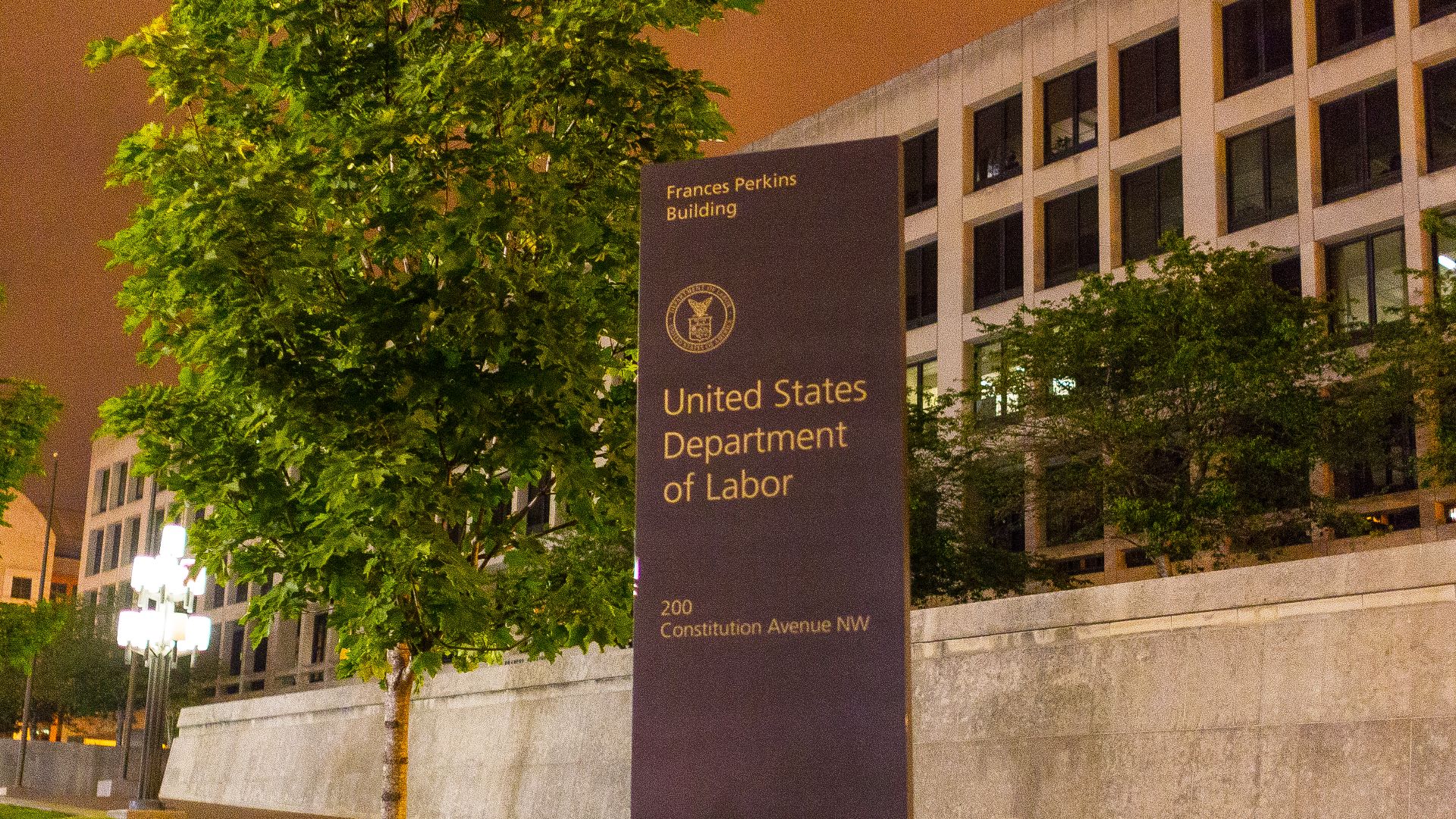 US Department of Labor, Wikimedia Commons
Federal Law Looks Past the Label
The Fair Labor Standards Act does not let employers dodge obligations just by calling pay discretionary. The Department of Labor has said truly discretionary bonuses are less common than formula-based or promised bonuses. If there is an announced program, a set method, or an expectation created ahead of time, that can weaken the employer's argument.
Ten Years of Payments Can Matter
A decade of repeat payments can help show an implied promise, especially if the bonus followed a pattern. Courts often ask whether employees reasonably expected the payment based on company statements and conduct. Regular payments alone do not guarantee a win, but they can be strong evidence.

What Judges Usually Look For
When bonus fights end up in court, the details matter fast. Judges look at offer letters, handbooks, compensation plans, emails, performance reviews, and past bonus calculations. The big question is whether the employer really kept the right to pay nothing, or whether the bonus had become part of the pay deal.

State Law Can Change the Whole Picture
This is where things get more interesting. Wage payment rules vary a lot by state, and some states are much friendlier to employees than others. In places like California, New York, and Illinois, courts and labor agencies have built detailed rules about when earned bonuses must be paid.

California Draws a Sharp Line
California treats earned wages seriously, and that can include some nondiscretionary bonuses. The California Labor Commissioner says that a bonus promised to get someone to work, stay employed, or hit a goal is generally nondiscretionary. Once it is earned under the plan, it can be treated as wages that cannot simply be withheld.

What California Courts Have Said
California cases have stressed that employers cannot use contract language to get around wage laws after workers have already earned compensation. Courts have also looked closely at forfeiture rules that require someone to still be employed on a later payment date. That does not mean every bonus has to be paid, but it does mean the structure of the plan matters a lot.

New York Looks at Whether the Bonus Was Earned
New York courts also separate a truly discretionary bonus from one tied to work already done. If the payment is guaranteed by contract or earned under a formula, workers may have a claim under state wage law. If it is just a management choice with no clear criteria, the employer usually has more room to cancel it.

The Ryan Case Was a Big Warning
In Ryan v. Kellogg Partners Institutional Services, New York's highest court held in 2012 that a guaranteed, nondiscretionary bonus counted as wages under the New York Labor Law. The court said the employee could pursue statutory remedies after the employer failed to pay. The case is a reminder that a bonus can stop being optional when the promise is concrete enough.
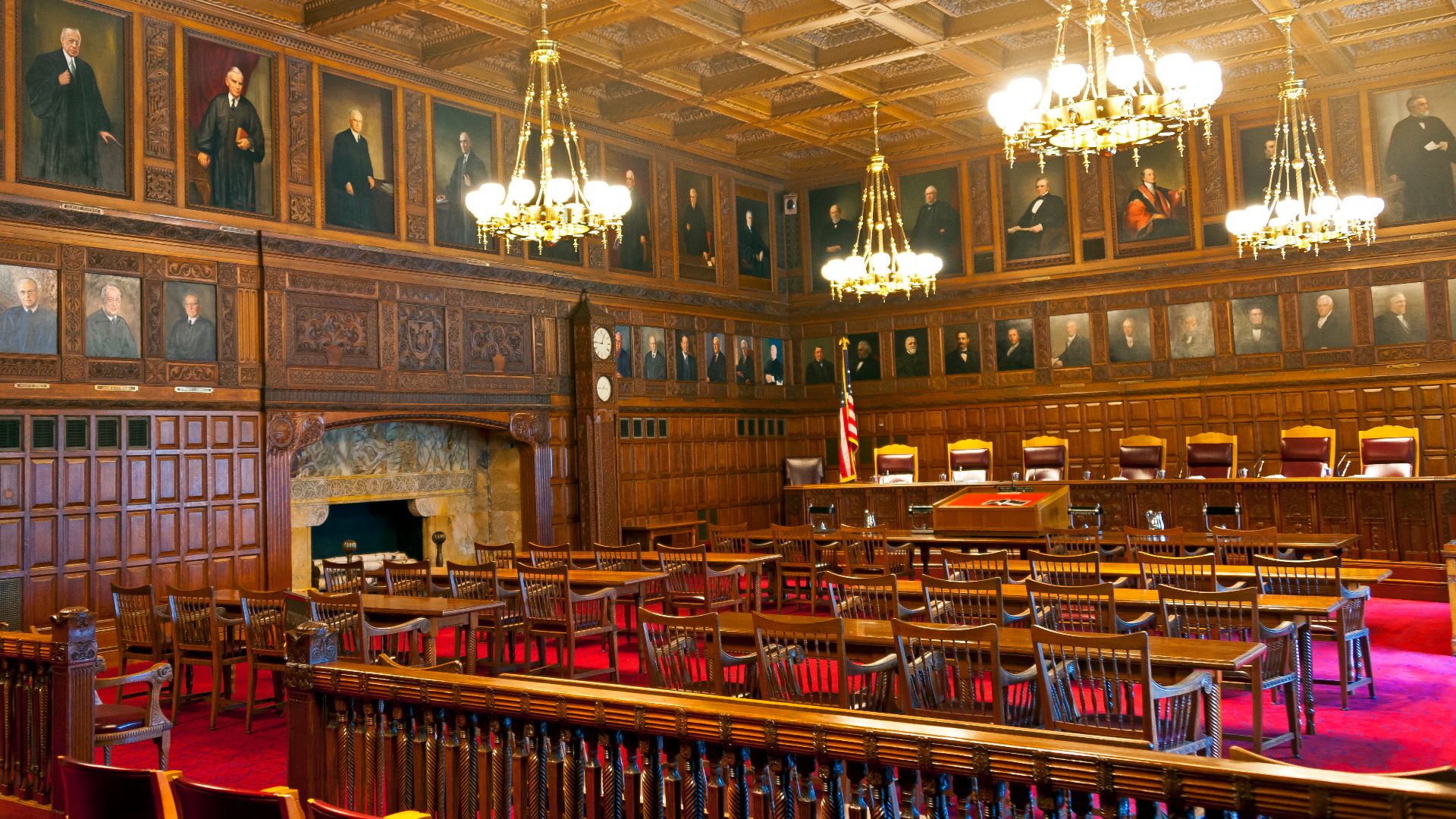 Daniel Case, Wikimedia Commons
Illinois Has the Same Push and Pull
Illinois wage law also turns on whether a bonus is owed under an agreement or policy. The Illinois Department of Labor says that earned vacation, commissions, and some bonuses can become final compensation depending on the terms. Employers that keep broad discretion usually have a stronger defense, but a steady plan can still create risk.
 Meagan Davis, Wikimedia Commons
Handbooks Can Help or Hurt
A lot of bonus disputes come down to one handbook page no one paid much attention to for years. If the handbook says the company may change or cancel the bonus at any time, that helps the employer. If the same handbook also lists fixed eligibility rules and target amounts, the employee has more to work with.

Offer Letters Matter Even More
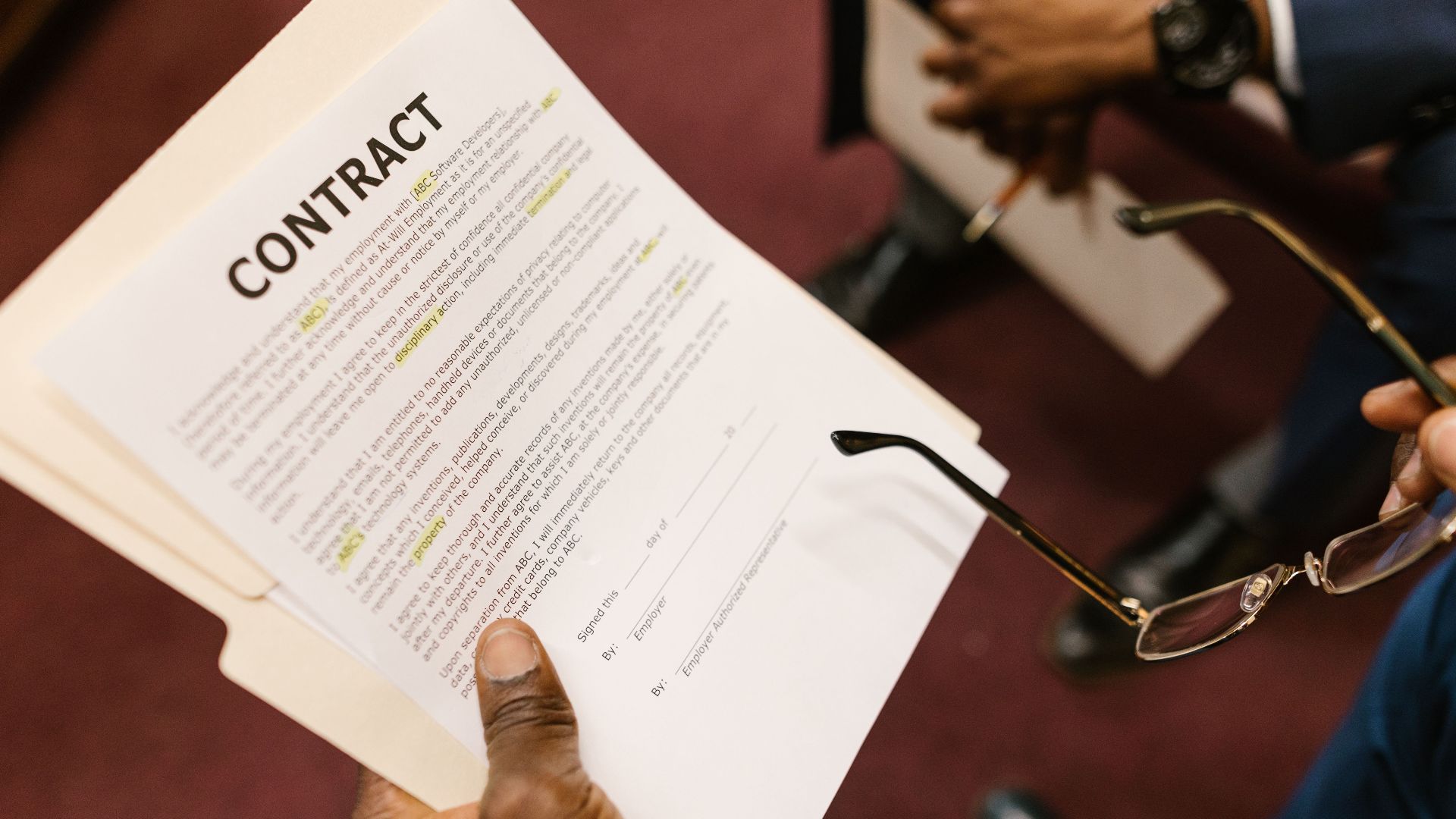
An offer letter can be the most important document in the pile. Some letters promise an annual target bonus tied to company and individual performance. Others say any bonus is entirely discretionary and not guaranteed, which is better for the employer, but still not foolproof if later practice tells a different story.
Email Trails Can Be Gold
Do not ignore everyday emails from managers. Courts have considered statements like you will receive your annual bonus, or messages mentioning expected percentages, when deciding whether a payment was promised. A decade of casual assurances can become key evidence if the fight escalates.

Past Practice Helps, but It Is Not Magic
Employees often think ten years of payments automatically creates a legal right. It is not that simple. Past practice helps most when the company paid under a pattern, formula, or repeated assurances that made the bonus feel like part of regular compensation.

What If the Amount Changed Every Year
If the amount went up and down based on profits or subjective reviews, the employer may argue the bonus stayed discretionary. That argument gets stronger if there was no fixed formula and no guaranteed minimum. But if people still got a predictable year-end payment tied to clear factors, the worker's case gets stronger too.

Timing Can Decide the Fight
A company usually has more freedom to change a bonus plan going forward than backward. In plain English, it is easier to change the rules for future work than to wipe out pay already earned for past work. A lot of disputes turn on when the company announced the change and whether employees had already met the conditions.

Watch for Stay-Employed Clauses
Many bonus plans say the employee must still be actively employed on the payout date. These clauses can hold up in some states and be shaky in others, especially if the bonus was already earned through completed work. If your employer killed the bonus right before payout, that timing deserves a close look.

At-Will Employment Does Not End the Story
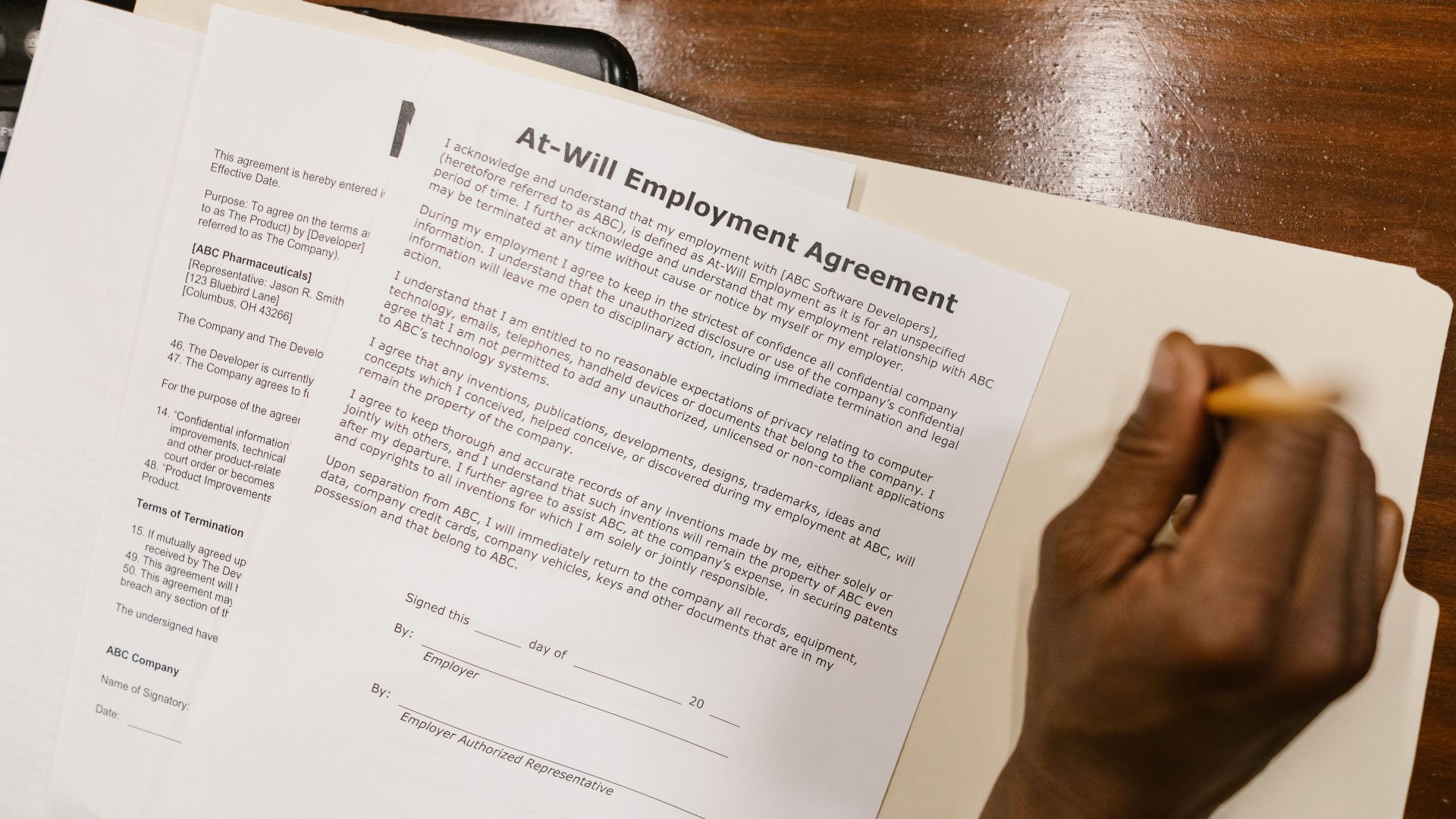
At-will employment does not mean an employer can ignore pay obligations. It usually means either side can end the job relationship, within the limits of the law. It does not automatically answer whether a bonus became earned wages under a contract, policy, or state statute.
Union Contracts Are Different
If you are covered by a collective bargaining agreement, the analysis can change a lot. Bonus rights may be spelled out in the contract, and disputes often go through a grievance and arbitration process instead of a normal lawsuit. In that setting, past practice can carry extra weight depending on the labor agreement.

What to Gather Right Now
If your bonus just vanished, start collecting documents before memories fade and accounts get locked. Save your offer letter, bonus plans, handbooks, performance reviews, prior bonus statements, and any emails about expected payouts. Build a timeline showing when the plan was announced, when you did the work, and when the company changed course.

Questions to Ask Human Resources
Ask for the written plan that applied each year, not just the newest version. Ask when the company decided to change or eliminate the bonus and whether the change applies to work already performed. Keep your tone calm and factual, because a written answer can become important evidence later.

When It Makes Sense to Talk to a Lawyer
If the bonus is substantial, even a short talk with an employment lawyer can be worth it. A lawyer can compare the plan language with your state's wage laws and relevant cases. That is especially useful if the company paid the bonus for years and then cut it after you hit performance goals.

When a Labor Agency Might Help
In some states, workers can file wage claims with a labor department instead of going straight to court. That route can be cheaper and faster for smaller claims, though it is not available or ideal in every case. Check your state labor agency's guidance on bonuses and final pay before choosing your next step.

The Practical Bottom Line
Your employer might be able to eliminate a discretionary bonus, but the label alone does not settle it. Ten years of payments, written promises, formulas, and timing can all turn a supposedly optional bonus into something much harder to take away. If the facts show you already earned it, the company's sudden change may be a lot less discretionary than it sounds.