
The Checkout Surprise
You thought your spouse was buying “just a few things.” Then the emails, app alerts, and mystery withdrawals started piling up. Suddenly, those harmless-looking buy now, pay later plans turned into a mini debt avalanche. The big question: are you legally stuck paying for it?

First, Take A Breath
This situation feels personal because it is personal. Secret debt can shake trust faster than a declined card at date night. But panic will not tell you whether you owe the money. The real answer depends on names, signatures, state law, and how the debt was created.

BNPL Is Still Debt
Buy now, pay later sounds soft and friendly, like a golden retriever in finance form. But it is still borrowing. Your spouse got goods or services now and promised payments later. Missed installments can trigger fees, collections, account restrictions, or credit headaches.

Whose Name Is On The Plan?
Start with the simplest question: who actually opened the BNPL account? If your spouse signed up alone, using only their name and information, the debt may be theirs alone. If your name, email, phone, card, or Social Security number appears, things get more complicated.

Did You Sign Anything?
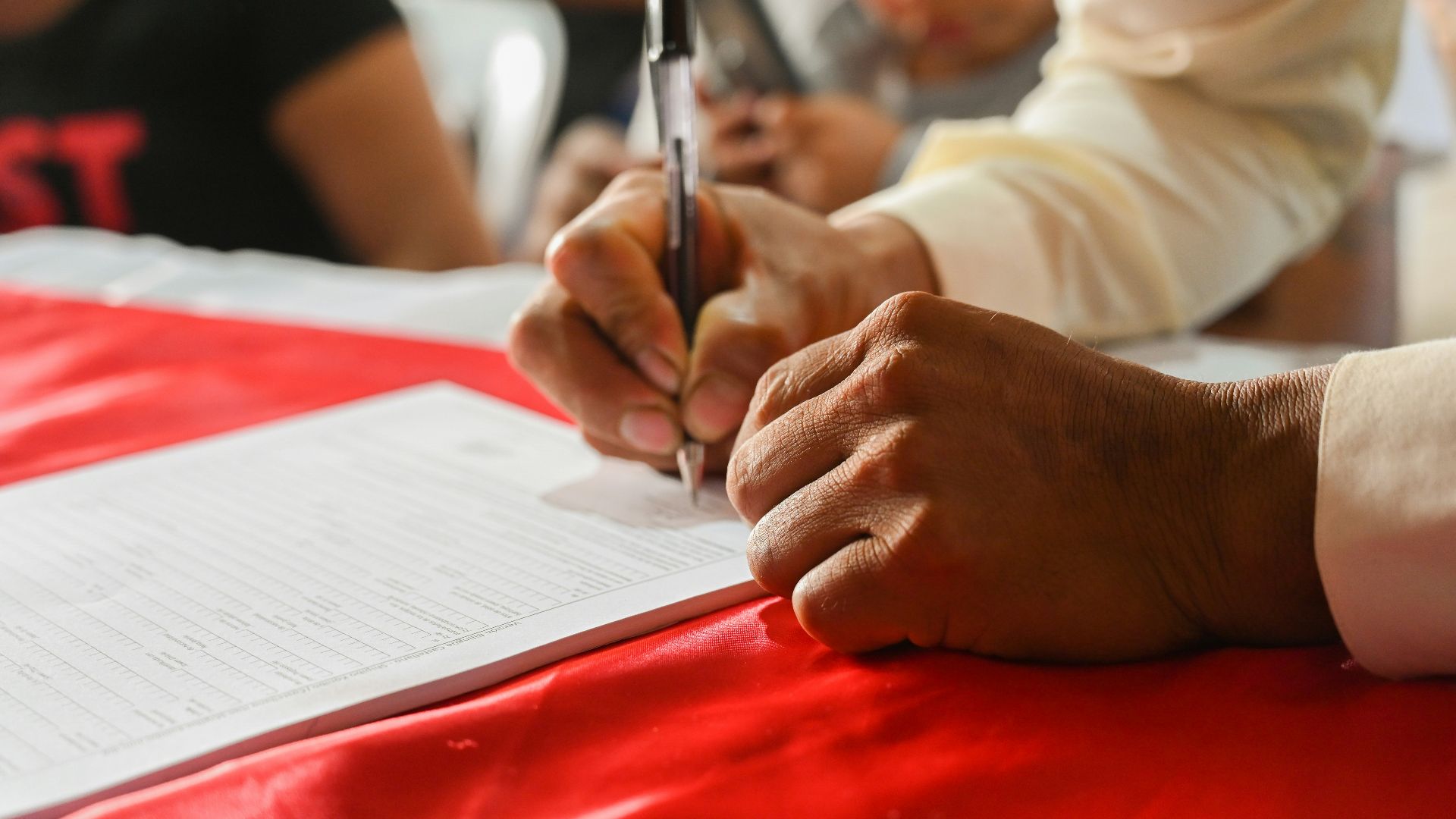
If you co-signed, jointly applied, or agreed to be responsible, you are probably on the hook. Lenders care much less about who enjoyed the new couch, sneakers, or gadget than who legally promised to pay. Your signature can turn their shopping spree into your bill.
Authorized User Is Different
Being an authorized user is not always the same as being a joint borrower. If your spouse used a card connected to your account, you may owe the card issuer even if the BNPL plan was theirs. The debt trail matters, so follow the payment method carefully.

Check The Payment Source
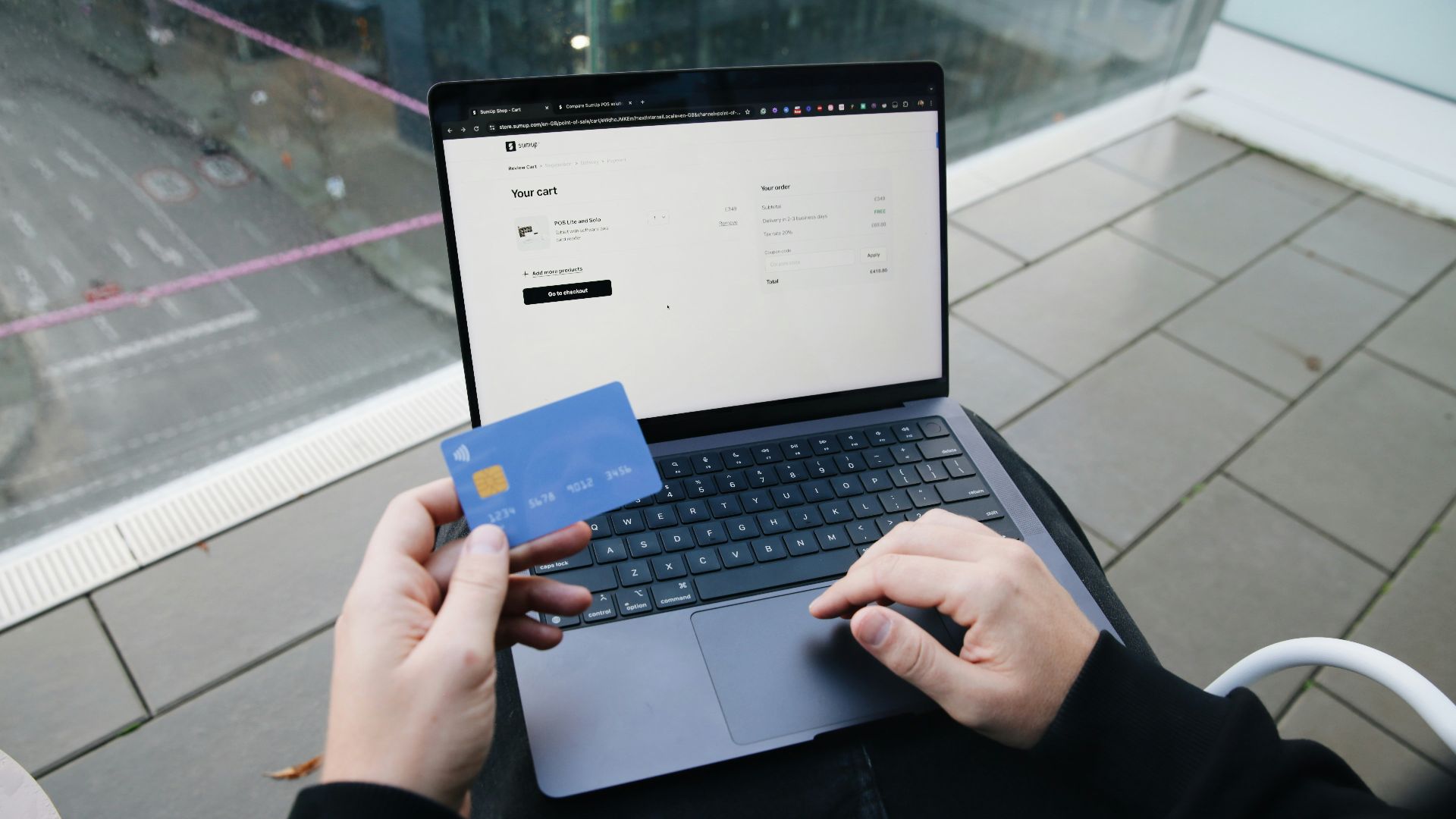
Many BNPL plans pull payments from a debit card, credit card, or bank account. If the payments came from a joint checking account, that does not automatically mean you signed the loan. But it may mean household money has already been used to pay it.
Community Property Can Change Everything
In some states, debts taken on during marriage may be treated as marital obligations, even when only one spouse signed. That is where the “secret” part becomes extra frustrating. A local attorney can explain whether community-property rules apply where you live.

Common-Law States Are Usually Different
In most common-law states, one spouse’s individual debt is generally their own unless the other spouse co-signed, jointly applied, or directly agreed to pay. That sounds comforting, but do not celebrate yet. Exceptions can pop up around necessities, joint accounts, and divorce proceedings.

Household Necessities May Matter
Some states have rules that make spouses responsible for certain necessary expenses, such as medical care or household essentials. BNPL debt for groceries or a refrigerator may be viewed differently than BNPL debt for designer sunglasses and collectible action figures. Context matters.

Fraud Is A Serious Possibility
If your spouse used your information without permission, that may be identity theft or fraud. This is emotionally messy, but legally important. You may need to dispute the account, freeze your credit, file reports, and document that you did not authorize the borrowing.
Do Not Ignore Collection Notices
If collectors start calling, do not hide under the emotional duvet. Ask for written validation of the debt. Confirm the creditor, amount, account holder, dates, and legal basis for claiming you owe. A collector’s confident voice is not the same thing as proof.

Pull Your Credit Reports
Check your credit reports from all major bureaus. BNPL plans have not always reported the same way as credit cards, but that landscape keeps changing. Look for unfamiliar accounts, hard inquiries, collections, or linked payment cards. Save screenshots and PDFs before anything disappears.

Freeze Your Credit
A credit freeze is not dramatic. It is a seatbelt. Freezing your credit can help stop new accounts from being opened in your name while you sort out what happened. Your spouse may be upset. That is still better than discovering three new mystery loans.
Separate The Money Fast
If payments are draining joint accounts, consider opening an individual account for your paycheck and essential bills. This is not necessarily a breakup move; it is a financial firewall. You need rent, utilities, food, and insurance protected while the BNPL mess gets untangled.

Make A Debt Inventory
Create one brutally honest list: provider, balance, due date, payment method, whose name is on it, and whether the purchase benefited the household. This list turns chaos into information. It also helps lawyers, credit counselors, or financial planners give useful guidance.

Talk To The BNPL Providers
Contact each provider and ask who is legally responsible for the account. Request account documents, payment history, and the application details. Do not casually agree to pay until you understand whether paying could be interpreted as accepting responsibility.

Watch Your Words
Avoid saying, “I’ll take care of it,” in writing if you are not sure you owe the debt. Instead, say, “I am requesting information about this account and disputing any responsibility unless you can show I agreed to it.” Boring language can be powerful armor.

Consider A Credit Counselor
A nonprofit credit counselor can help map repayment options without judgment. They may help prioritize debts, build a budget, and explain whether consolidation makes sense. Be careful with flashy “debt relief” companies that promise magic. Magic is not a repayment plan.

Marriage Counseling May Belong Here Too
Secret debt is not just a math problem. It is a trust problem wearing a finance costume. Whether the cause was shame, impulse spending, addiction, stress, or plain old secrecy, the relationship needs attention too. A spreadsheet cannot apologize, explain, or rebuild trust.

If Divorce Is On The Table
Do not assume divorce automatically protects you from debt. Courts can assign responsibility between spouses, but creditors may still follow the original contract. A divorce decree saying your spouse must pay does not always stop a lender from chasing a joint borrower.

Protect Your Credit Score
Make minimum payments on debts that are clearly yours or joint while disputes are pending, if you can. Late payments can do long-term damage. For accounts you did not authorize, dispute quickly and keep records. The goal is protection, not surrender.
Do Not Raid Retirement In Panic
Emptying retirement savings to clean up secret BNPL debt may feel decisive, but it can create taxes, penalties, and future regret. Before sacrificing long-term security, ask whether the debt can be negotiated, disputed, refinanced, paused, or handled through a structured plan.

Build A New Money Rulebook
After the smoke clears, create household rules: no new credit without discussion, spending limits, shared monthly check-ins, and full visibility into accounts. This is not about treating your spouse like a teenager. It is about making secrecy harder and teamwork easier.

When You Are Probably Not On The Hook
You may not be personally liable if the BNPL account is only in your spouse’s name, you did not co-sign, your information was not used, the debt was not for legally covered necessities, and your state does not treat it as marital debt. Still, verify.

When You Might Be On The Hook
You may be responsible if you jointly opened the account, co-signed, used your card, shared the loan, live in a state with marital debt rules, or benefited from certain household purchases. The annoying answer is also the honest one: details decide everything.

The Bottom Line
Secret BNPL debt is scary, but it is not automatically yours just because you are married. Start with documents, not drama. Find out whose name is on the debt, protect your credit, separate essential money, and get local legal advice before paying anything you may not owe.
 Vodafone x Rankin everyone.connected, Pexels