
The House Is Yours, But The Bills Keep Coming
The mortgage is finally gone. That sounds like the beginning of a worry-free retirement, but owning your home outright doesn't mean the expenses stop, and some of the biggest bills can arrive when you're least prepared for them.
Property Taxes Never Really Retire
Paying off your mortgage doesn't eliminate your property tax bill. Local governments continue assessing taxes on your home, and the amount can change as property values and tax rates change. If your mortgage payment previously included taxes through an escrow account, you'll need to make those payments yourself after the loan is gone.

Your Homeowners Insurance Still Matters
Once the mortgage is paid off, your lender generally no longer requires you to maintain homeowners insurance. However, dropping coverage could leave you responsible for major losses involving fire, theft, storms, or other covered events. Review your policy annually and budget for premiums rather than treating insurance as an optional expense you can safely forget.

Insurance Premiums Can Keep Rising
A paid-off house doesn't protect you from increases in insurance costs. Insurers consider factors such as rebuilding costs, property characteristics, and exposure to natural disasters when pricing coverage. Ask your insurer about deductibles, available discounts, and coverage changes before automatically renewing an increasingly expensive policy.

Flood Damage May Need Separate Coverage
Standard homeowners insurance generally does not cover flood damage. Homeowners who live in areas exposed to flooding may need a separate flood insurance policy, even if their mortgage has been paid off. Review your property's risk and available coverage before assuming your regular insurance will handle every weather-related disaster.

The Roof Still Has An Expiration Date
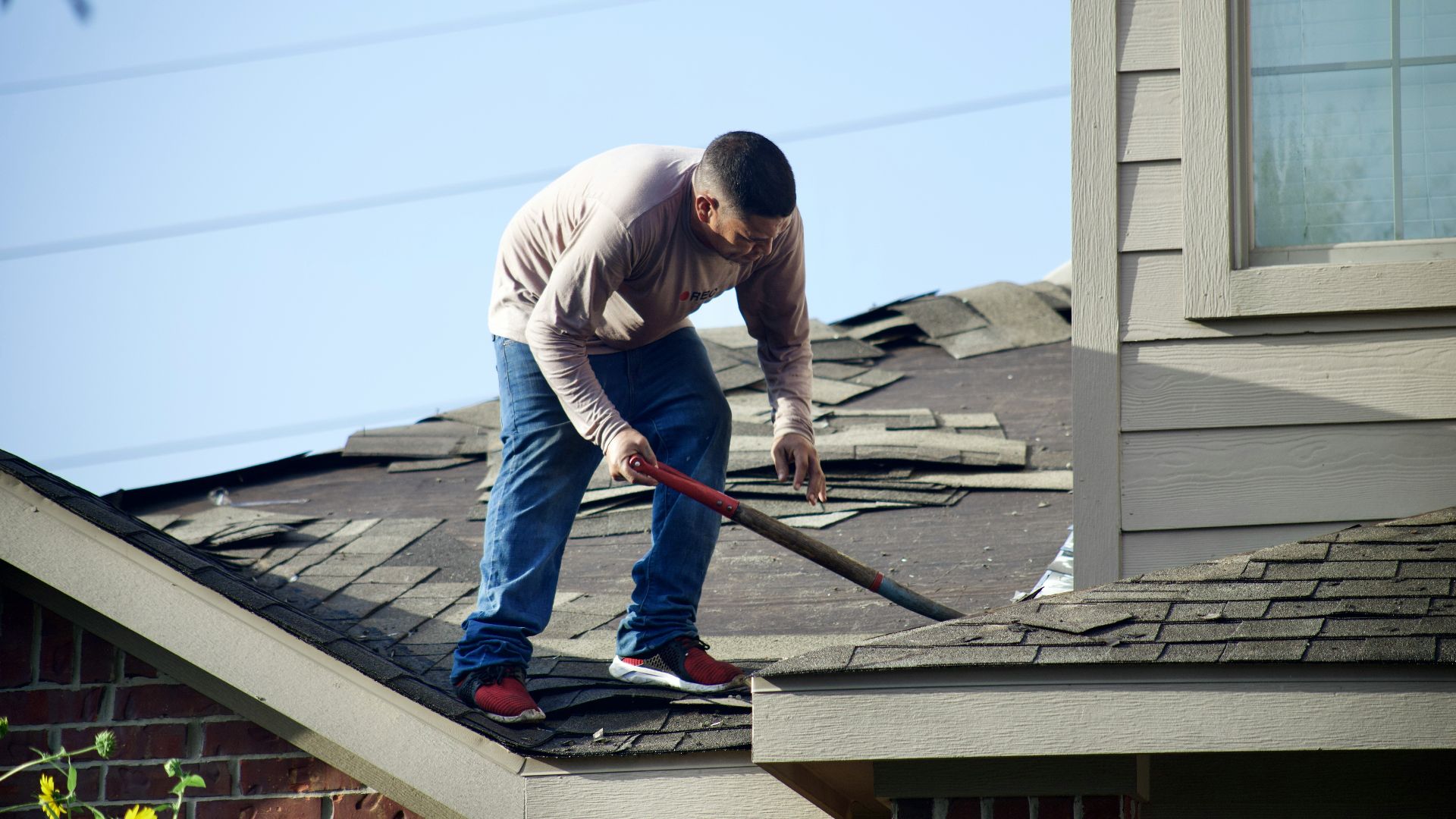
A roof doesn't become maintenance-free just because the house is debt-free. Shingles, flashing, gutters, and other roofing components eventually wear out or develop problems. Inspecting the roof and addressing small leaks early can help prevent more expensive damage to ceilings, insulation, and interior walls.
Your Heating System Will Eventually Need Attention
Furnaces, boilers, and heat pumps require maintenance and eventually may need replacement. Older equipment can also become less efficient or more expensive to repair as components wear out. Set aside money for regular servicing and future replacement rather than waiting until the heating stops working during winter.

Air Conditioning Can Deliver Another Surprise
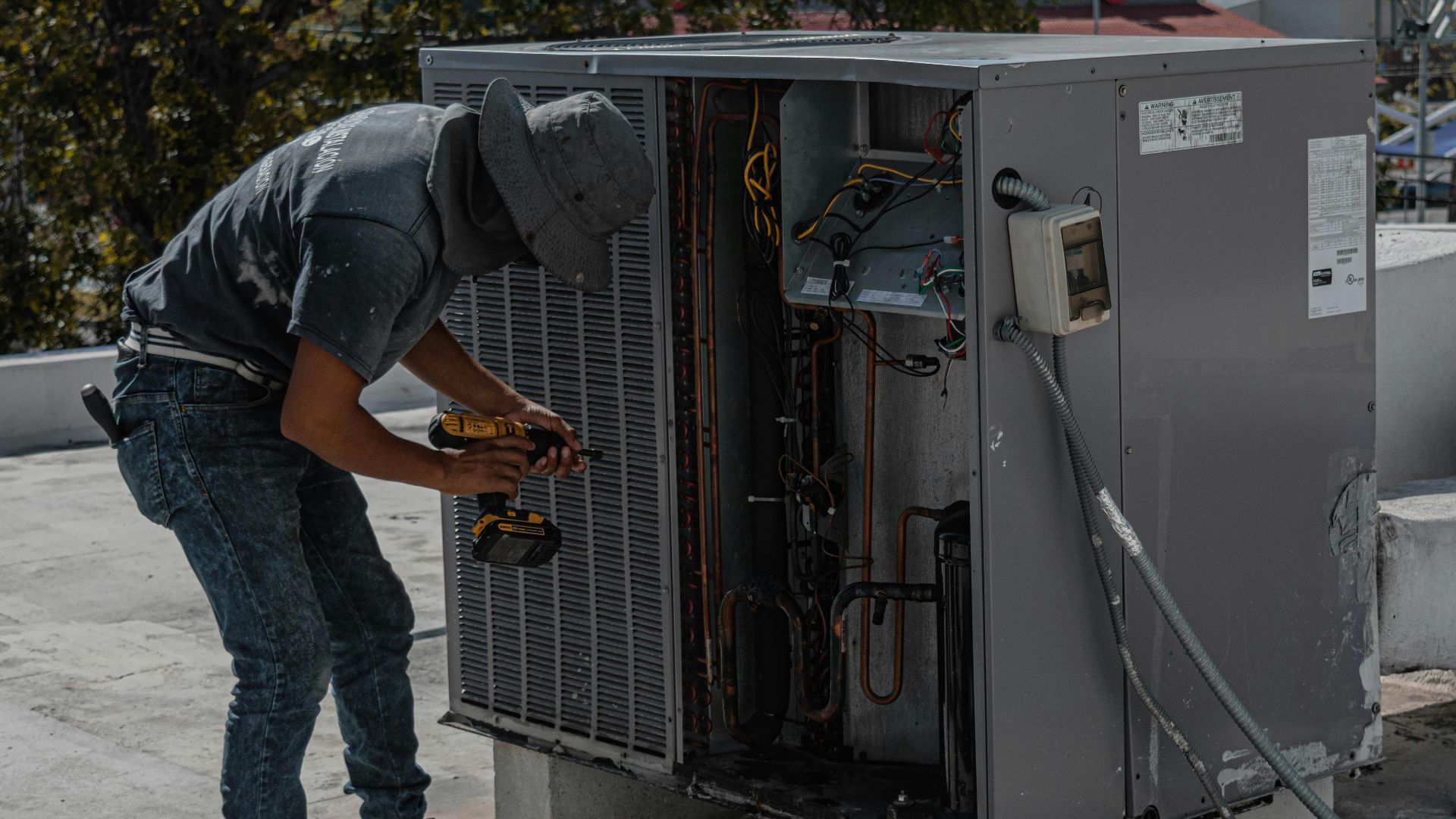
Central air conditioners and other cooling equipment also have limited service lives. A breakdown during a heat wave can create an urgent expense, particularly for retirees who spend more time at home. Routine maintenance and a dedicated replacement fund can make that eventual bill easier to manage.
 José Andrés Pacheco Cortes, Pexels
Plumbing Problems Don't Respect Retirement Budgets
Water heaters, pipes, faucets, drains, and sewer lines can all require attention long after the mortgage disappears. A small leak can become costly if it damages floors, cabinets, or walls before anyone notices. Include plumbing maintenance and an emergency repair allowance in your retirement budget.

Appliances Don't Last Forever
Refrigerators, washing machines, dryers, dishwashers, and stoves eventually wear out. Replacing several major appliances within a short period can put unexpected pressure on a fixed retirement income. Consider the age and condition of your current appliances when deciding how much to keep in your household reserve.

The Yard Can Become A Recurring Expense
A lawn, garden, driveway, and surrounding trees all require maintenance. Tasks that once seemed manageable may become harder as you age, potentially creating a need for paid landscaping or snow removal. Those services can turn previously unpaid household work into a regular retirement expense.

Homeowners Association Fees Don't Disappear
If your property belongs to a homeowners association or condominium association, the fees generally continue after the mortgage ends. Associations may also impose special assessments to fund major repairs or other shared expenses. Review your association's budget, reserve information, and governing documents so an unexpected assessment doesn't catch you unprepared.

Utility Bills Still Need A Place In The Budget
Electricity, natural gas, water, sewer service, and trash collection remain regular household expenses. These costs vary with climate, local rates, home size, and energy efficiency. A mortgage-free household can still face substantial monthly housing expenses once utilities are included.

Staying Home More Can Change Energy Use
Retirement often means spending more hours at home than during full-time employment. That can change how frequently you use heating, cooling, lighting, and household appliances. Compare several years of utility bills and adjust your budget to reflect your actual retirement routine rather than assuming costs will stay identical.

Internet And Phone Bills Are Easy To Overlook
A home may be fully paid off while still carrying monthly charges for internet access, mobile phones, television, and streaming services. Individually, these bills can seem modest compared with a former mortgage payment. Review them together because overlapping plans and unused subscriptions can quietly consume money that could support more important retirement needs.
 simona pilolla 2, Shutterstock
Your Home May Need Accessibility Upgrades
As mobility and physical needs change, some homeowners find that their houses require modifications. Grab bars, improved lighting, safer entrances, stair adjustments, and bathroom renovations can make everyday activities easier. Planning ahead can help you prioritize useful improvements instead of making rushed decisions after an injury or health setback.

Transportation Doesn't Become Free Either
Owning a house outright doesn't eliminate the cost of getting around. Vehicle insurance, fuel, maintenance, registration, repairs, and eventual replacement can remain significant expenses. Retirees who stop driving may instead need to budget for taxis, rideshares, public transportation, or other transportation services.

Medicare Still Charges Premiums
Many Americans qualify for premium-free Medicare Part A, but Part B generally requires a monthly premium. In 2026, the standard Medicare Part B premium is $202.90 per month, with higher amounts for certain higher-income beneficiaries. That expense continues regardless of whether you have a mortgage, and premiums can change from year to year.

Medical Deductibles Can Catch You Off Guard
Having Medicare doesn't mean every medical appointment or procedure is free. Original Medicare includes deductibles and cost-sharing requirements, including a standard Part B deductible of $283 in 2026. Budget for these expenses separately from monthly premiums, especially if you expect ongoing medical treatment.
 National Cancer Institute, Unsplash
Supplemental Coverage Adds Another Bill
Some retirees purchase Medigap policies to help cover expenses that Original Medicare doesn't fully pay. Others choose Medicare Advantage plans, which have their own cost structures and coverage rules. Compare premiums, deductibles, provider networks, and out-of-pocket limits rather than selecting coverage based on the monthly premium alone.

Prescription Coverage Has Its Own Costs
Medicare Part D helps cover prescription medications, but premiums, deductibles, and copayments can still apply. In 2026, the annual out-of-pocket spending cap for covered Part D medications is $2,100, although plan premiums and certain other costs are not included in that limit. Review your medications and plan options each year because coverage and pharmacy costs can change.

Dental Care Can Become A Major Expense
Original Medicare generally doesn't cover routine dental care, including cleanings, fillings, dentures, and many other common services. Certain medically necessary dental procedures may qualify for coverage under specific circumstances. Check what your plan actually pays before assuming an expensive dental procedure will be covered.

Vision And Hearing Expenses Add Up
Original Medicare generally doesn't cover routine eye examinations for prescription glasses or contact lenses. Hearing aids and routine hearing-related expenses can also require separate budgeting, although some Medicare Advantage plans offer additional benefits. Review coverage carefully because advertised extras may come with limits or provider restrictions.

Long-Term Care Is The Big Wild Card
Medicare generally doesn't pay for long-term custodial care, including ongoing help with bathing, dressing, and other everyday activities. Those services may be needed at home, in assisted living, or in a nursing facility. Consider how you would finance extended care through savings, insurance, qualifying public assistance, or other resources rather than assuming Medicare will cover it.

Taxes Can Still Follow You Into Retirement
Retirement doesn't necessarily mean your federal income tax bill disappears. Withdrawals from traditional retirement accounts, pension payments, investment income, and some Social Security benefits can be taxable. Consider the after-tax income available for living expenses rather than building your budget around gross retirement payments.

Social Security May Not Be Entirely Tax-Free
Some retirees are surprised to learn that Social Security benefits can be subject to federal income tax. The IRS calculates taxability using a measure that includes other income and half of your Social Security benefits. Withdrawals from retirement accounts or additional investment income can affect the calculation, so tax planning remains important after work ends.

Required Withdrawals Can Complicate The Budget
Traditional IRAs and many employer-sponsored retirement plans are subject to required minimum distribution rules. Those withdrawals can create taxable income even when you don't need the money for immediate spending. Check when your own required distributions begin and plan for the potential tax consequences rather than waiting until the first deadline approaches.

Medicare Enrollment Mistakes Can Cost Extra
Failing to enroll in Medicare at the appropriate time can create lasting financial consequences. Part B generally carries a late enrollment penalty of 10% for each full 12-month period you were eligible but didn't enroll, unless an exception applies. Check enrollment deadlines and any qualifying employer coverage before assuming you can safely postpone signing up.

The Emergency Fund Still Has A Job
Paying off the mortgage can free up money, but it doesn't eliminate unexpected expenses. A medical bill, major repair, or vehicle breakdown can still require immediate cash. Maintain an accessible emergency reserve so you aren't forced to sell investments during a market downturn or borrow at unfavorable rates.
 Yuganov Konstantin, Shutterstock
A Paid-Off Home Still Needs A Retirement Budget
The smartest approach is to treat mortgage freedom as a reduction in expenses, not the elimination of housing costs. Build an annual budget that includes taxes, insurance, utilities, maintenance, healthcare, transportation, and occasional major replacements. With those obligations accounted for, your paid-off home can provide the financial security you worked for without creating a false sense that the expensive years are over.
 Jacob Wackerhausen, Getty Images
You May Also Like:
Most people make these mistakes with their money.
A Guide To Building Your Emergency Fund
How To Save Money Without Sacrificing Your Social Life
Sources: 1, 2, 3, 4, 5, 6, 7, 8, 9, 10, 11, 12, 13, 14, 15, 16, 17, 18, 19