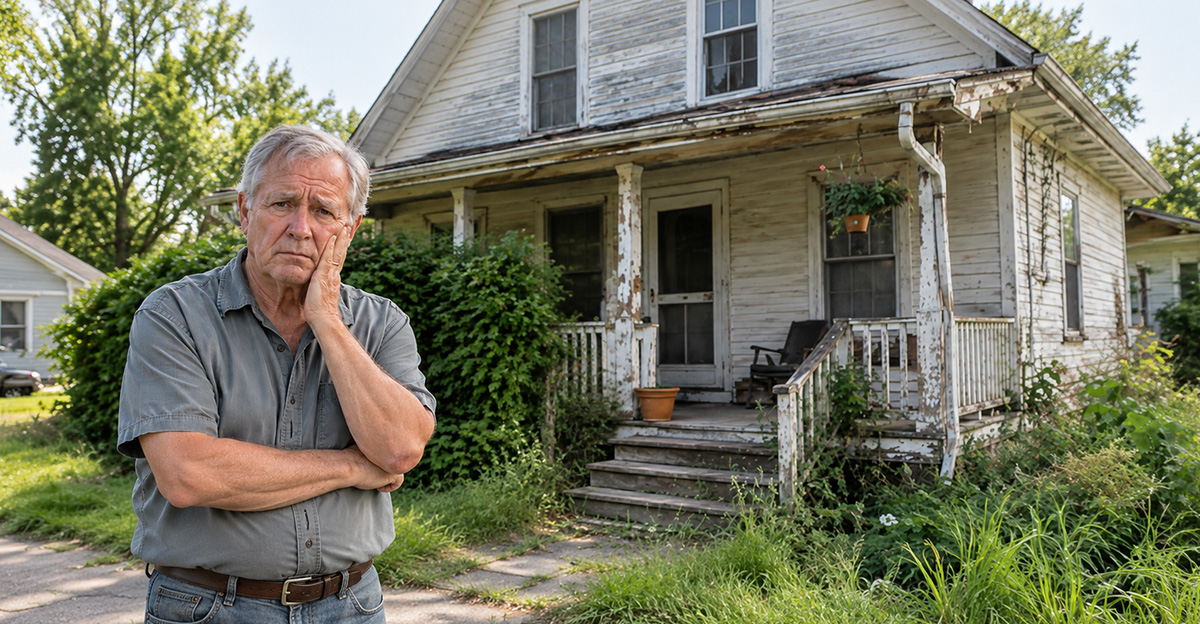
The Mortgage Is Gone, But The Bills Aren't
Paying off the mortgage can feel like crossing retirement’s biggest financial finish line. Suddenly, that enormous monthly payment disappears. Unfortunately, the house does not become free to own. Property taxes, insurance, repairs, utilities, and dozens of smaller expenses can continue long after the bank stops sending statements.
Property Taxes Never Retire
The mortgage company may disappear from your life, but the local tax authority certainly does not. Property taxes continue as long as you own your home. Depending on where you live, they can represent thousands of dollars every year and may rise even when your retirement income stays relatively flat.

Home Insurance Keeps Coming
Mortgage lenders usually require homeowners insurance, but paying off the loan does not make coverage unnecessary. A fire, major storm, theft, or liability claim can still cause enormous financial damage. Retirees living on accumulated savings may have even more reason to protect the home they spent decades paying for.

Insurance Premiums Can Rise
Home insurance is not necessarily a predictable retirement expense. Premiums can increase because of rebuilding costs, weather-related claims, neighborhood risk, or changes within the insurance market. A budget based on what you paid ten years ago could leave you unpleasantly surprised once retirement arrives.

The Roof Eventually Wants Money
Every homeowner knows the roof has an expiration date, even if nobody enjoys thinking about it. Replacing one can cost a substantial amount. A mortgage-free retiree who has not built major repairs into the household budget may suddenly need to pull a large chunk from savings.

Furnaces Do Not Respect Retirement
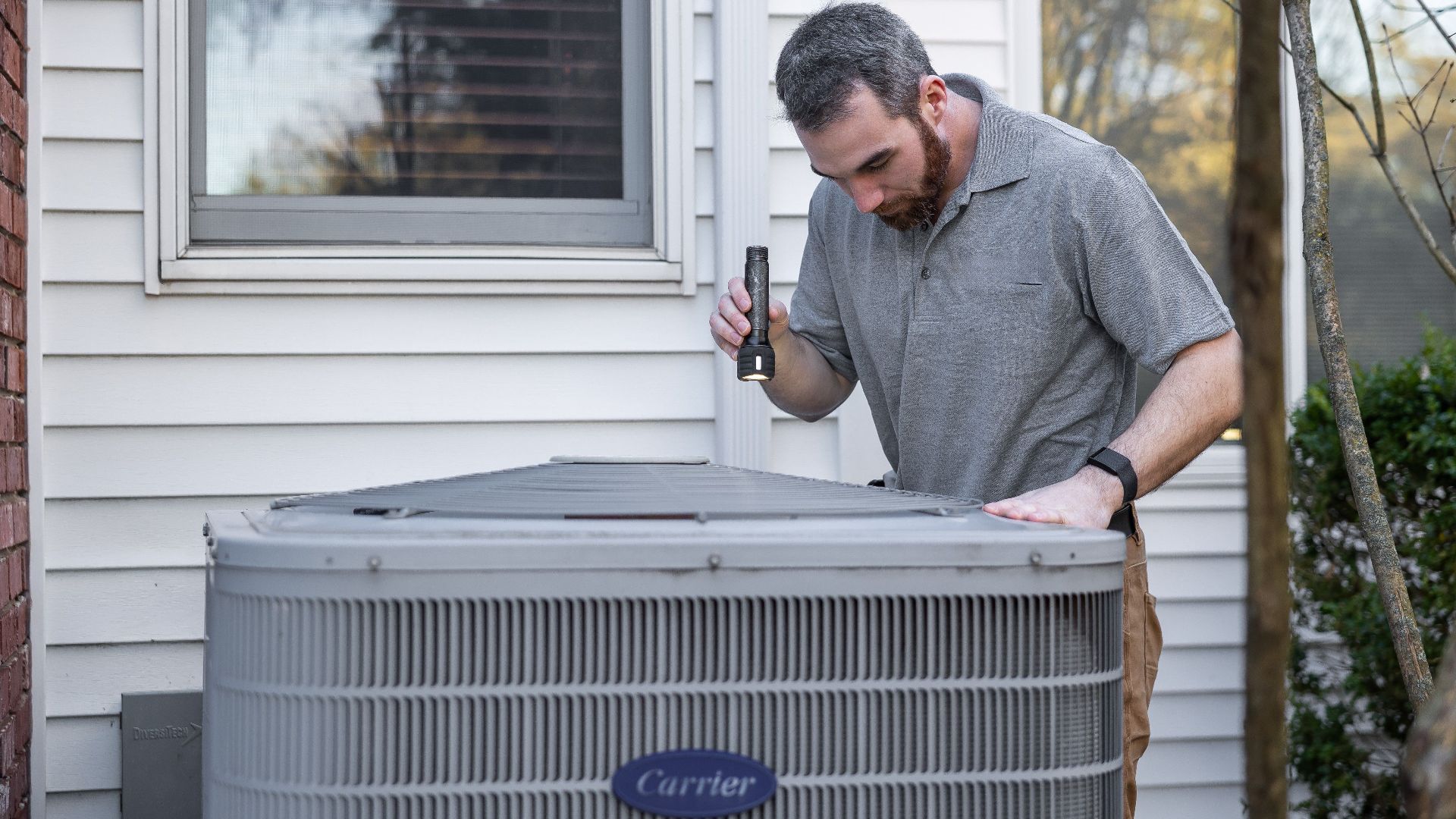
Heating and cooling systems have an unfortunate talent for failing at inconvenient times. Furnaces, boilers, air conditioners, and heat pumps eventually require repairs or replacement. Once employment income disappears, a surprise four-figure home repair can feel much more significant than it did during your working years.
Plumbing Problems Still Happen
A paid-off home is still full of pipes, faucets, drains, toilets, and water heaters waiting for their moment to misbehave. Older houses can be particularly expensive. Retirees should expect routine maintenance and occasionally much larger plumbing bills rather than assuming the home will simply coast through the next 20 years.

Appliances Keep Getting Older
Refrigerators, ovens, washers, dryers, dishwashers, and freezers rarely announce their retirement six months in advance. They simply stop working. Replacing appliances one at a time may be manageable, but several failures close together can create an unexpected strain on a fixed household budget.

Electricity Does Not Become Free
People sometimes mentally bundle utilities into the cost of homeownership and forget how significant they become in retirement. Electricity bills continue every month, and spending more time at home can increase usage. Heating, air conditioning, cooking, entertainment, and electronics all keep the meter moving.

Heating Costs Can Sting
Cold winters can turn heating into one of the biggest ongoing household expenses. Natural gas, heating oil, electricity, or propane prices can fluctuate significantly. Retirees should leave some breathing room in their budgets rather than assuming every winter will cost roughly the same as the last one.

Water And Sewer Bills Continue
Water bills rarely receive the same attention as mortgage payments, but they never disappear. Municipal water and sewer charges can also rise over time. Lawn watering, leaks, older toilets, and extra time spent at home can quietly push consumption higher than retirees expect.
 https://kaboompics.com/, Pexels
Condo Fees Can Become The New Mortgage
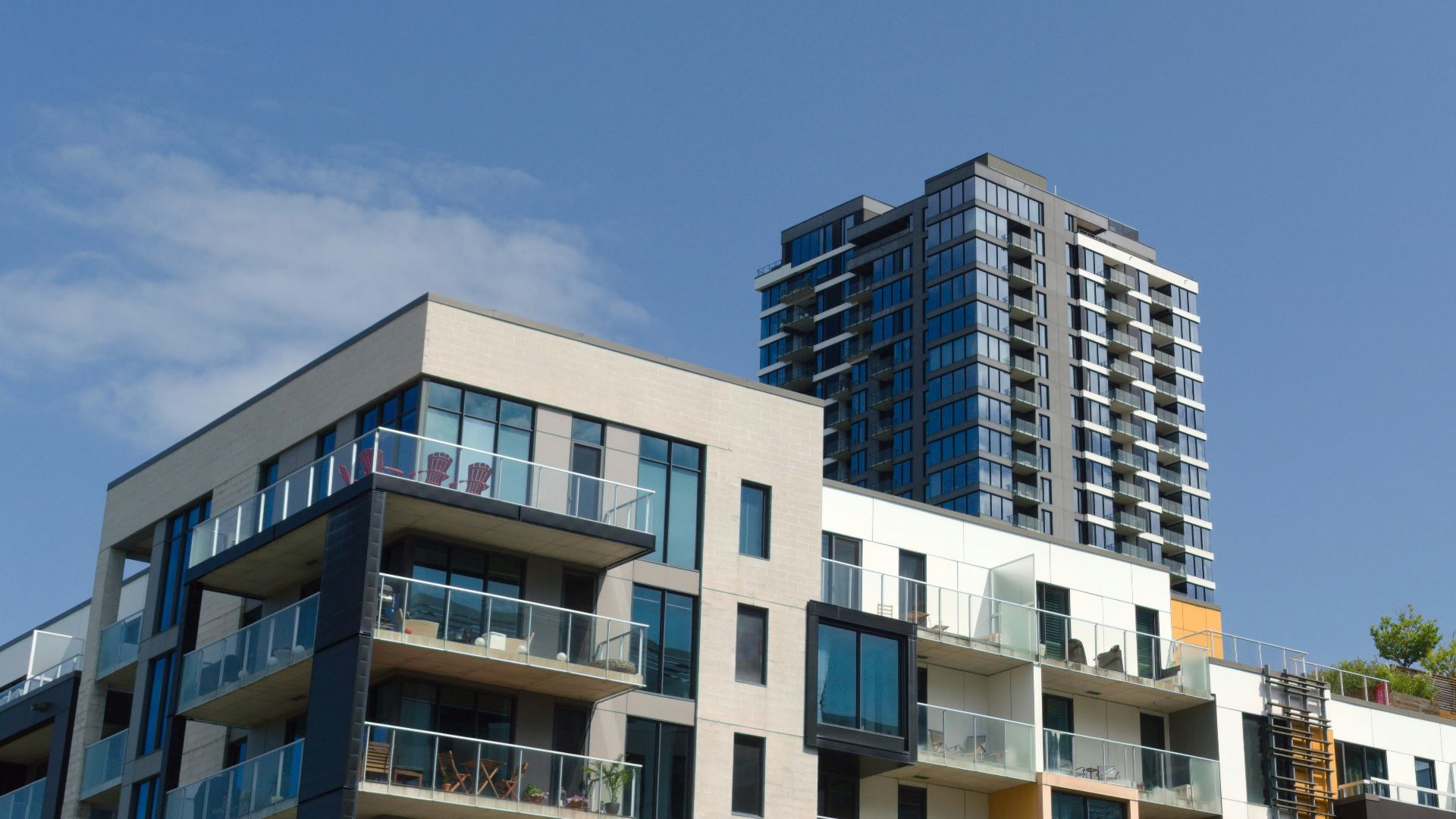
Downsizing into a condominium can reduce maintenance, but it does not eliminate housing costs. Monthly condo or homeowners association fees can become substantial, particularly in buildings with elevators, pools, security, landscaping, and extensive shared facilities. Those fees can also rise as the building ages.
Special Assessments Can Hurt
Condo owners face another expense that traditional homeowners do not: special assessments. When a building needs a new roof, windows, garage repairs, or major mechanical work, owners may receive a large bill. Retirement plans should account for the possibility rather than assuming monthly condo fees cover everything forever.

Lawn Care Gets More Expensive
Mowing your own lawn at 62 may seem perfectly reasonable. Doing it at 82 could be another story. Landscaping, snow removal, gutter cleaning, tree trimming, and other physical chores may eventually need to be hired out, turning previously inexpensive household tasks into recurring retirement expenses.

Accessibility Changes Cost Money
A house that worked wonderfully at 45 may become less convenient later in life. Grab bars, ramps, wider doorways, walk-in showers, stair lifts, better lighting, and other accessibility improvements can make staying at home easier. Those modifications should be considered part of long-term housing costs.

The Car Still Needs A Budget
Many retirees drive less, but owning a vehicle remains expensive. Insurance, fuel, repairs, registration, tires, and eventual replacement do not vanish just because the morning commute is gone. Keeping an older car forever may sound economical until repairs begin arriving one after another.

Car Insurance Still Matters
Retirement may reduce annual mileage, but that does not necessarily make auto insurance cheap. Premiums depend on numerous factors, and rates can change over time. Retirees should continue shopping around periodically rather than assuming decades of loyalty to one insurer guarantees the lowest price.

Health Costs Can Grow
Housing may dominate the early retirement budget, but healthcare often becomes increasingly important with age. Insurance premiums, prescriptions, dental work, glasses, hearing aids, physiotherapy, and other expenses can add up. Even people with strong public or employer-sponsored coverage may face meaningful out-of-pocket costs.

Dental Bills Do Not Disappear
Teeth apparently never received the memo about retirement. Crowns, bridges, implants, dentures, cleanings, and emergency dental work can become significant expenses. Because dental coverage varies widely, it is worth understanding exactly what your retirement benefits cover before assuming these bills will remain small.

Travel Insurance Becomes Important
Retirement often brings more time for travel, but insurance costs can increase with age and medical history. Canadians heading south for winter, for example, may need substantial emergency medical travel coverage. That sunny escape can become considerably more expensive once insurance is included in the calculation.

Taxes Do Not Vanish Either
Retiring does not mean leaving the tax system. Pension income, investment withdrawals, government benefits, and other income sources can still create tax obligations. The amount varies dramatically by individual circumstances, which makes tax planning an important part of deciding how much retirement income you truly need.

Investment Fees Keep Taking Their Cut
Investment management expenses can quietly continue year after year. Mutual fund fees, advisory charges, trading costs, and account fees may look small as percentages but can matter considerably over a long retirement. Knowing exactly what you pay helps ensure more of your savings remains available for you.

Inflation Keeps Raising The Price
One of retirement’s most easily forgotten costs is not a bill at all. It is inflation. Groceries, insurance, utilities, repairs, services, and entertainment can gradually become more expensive. A budget that feels comfortable at 65 may look very different at 80 if income has not kept pace.

Helping Family Can Become Expensive
Many retirees expect to help children or grandchildren occasionally. Few plan on becoming the family bank. Down-payment gifts, tuition help, emergency loans, childcare assistance, or helping adult children through financial trouble can drain retirement savings surprisingly quickly if clear boundaries are not established.

Fun Costs Money Too
Retirement should not consist entirely of sitting at home protecting the nest egg. Restaurants, hobbies, golf, concerts, travel, clubs, and family outings deserve room in the budget. Forgetting recreation can produce a retirement plan that looks excellent on paper but feels miserable in practice.

Long-Term Care Deserves Attention
Not everyone will require extensive long-term care, but ignoring the possibility can be risky. Home care, assisted living, mobility support, and other services may become necessary later in life. Planning for several possible scenarios can reduce the financial shock if additional help is eventually required.

Mortgage-Free Is Not Expense-Free
Eliminating the mortgage remains a tremendous financial achievement, but it is only one part of retirement planning. A paid-off home can still cost plenty to own, maintain, heat, insure, and repair. The strongest retirement budgets recognize those continuing expenses before the first retirement cheque ever arrives.

You May Also Like:
5 Expensive Products That Are Absolutely Worth The Money
Grocery Store Freebies From The 1970s And 80s That Shoppers Would Love To Get Back