
A Situation That Gets Serious Fast
You signed a lease with a roommate, expecting both of you to split the bills fairly. Now your roommate has stopped paying rent, and the landlord is warning that everyone could be evicted. That feels unfair, but the reality is that in most cases landlords can legally hold both roommates responsible for unpaid rent.

Joint Leases Mean Joint Responsibility
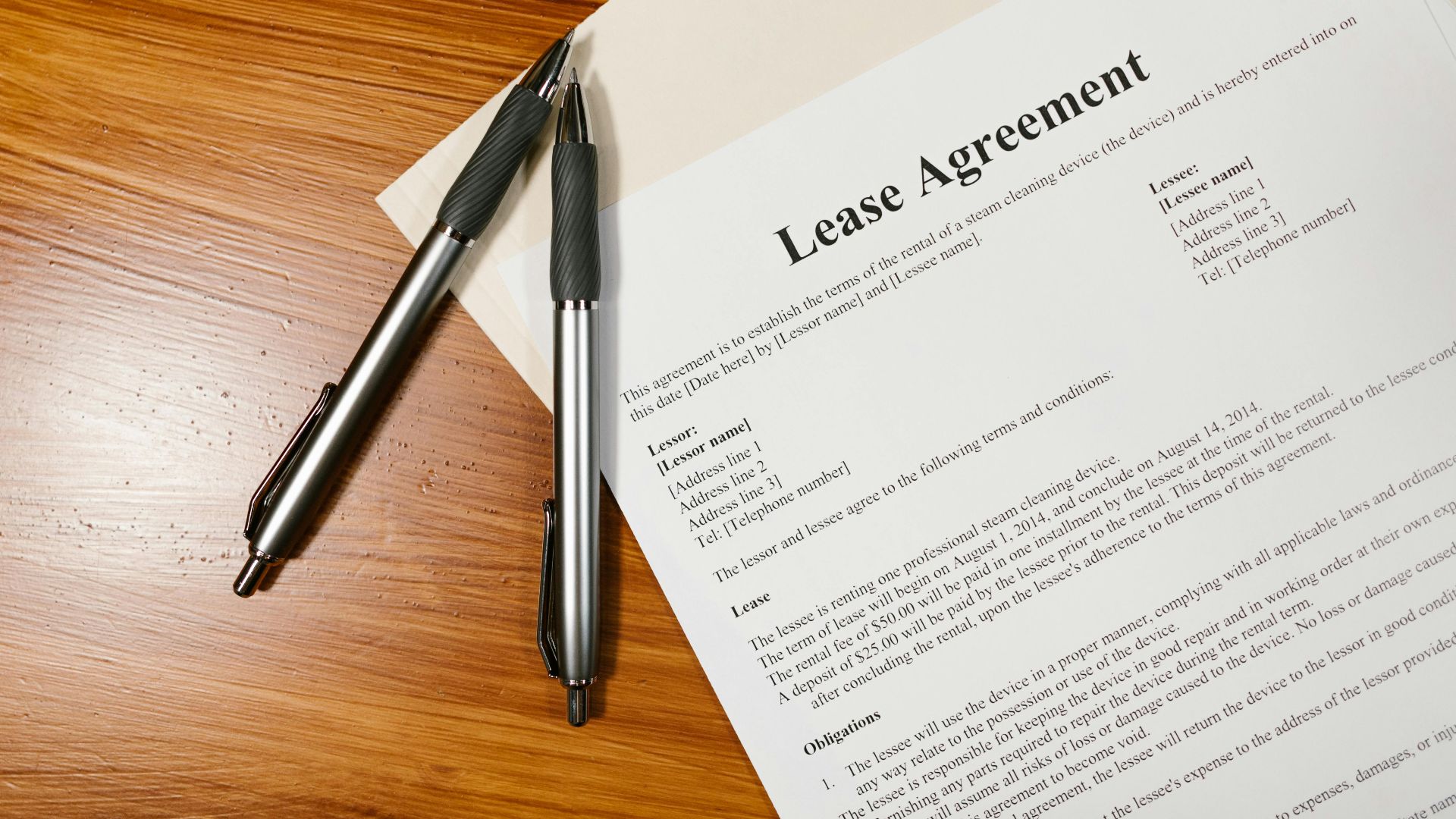
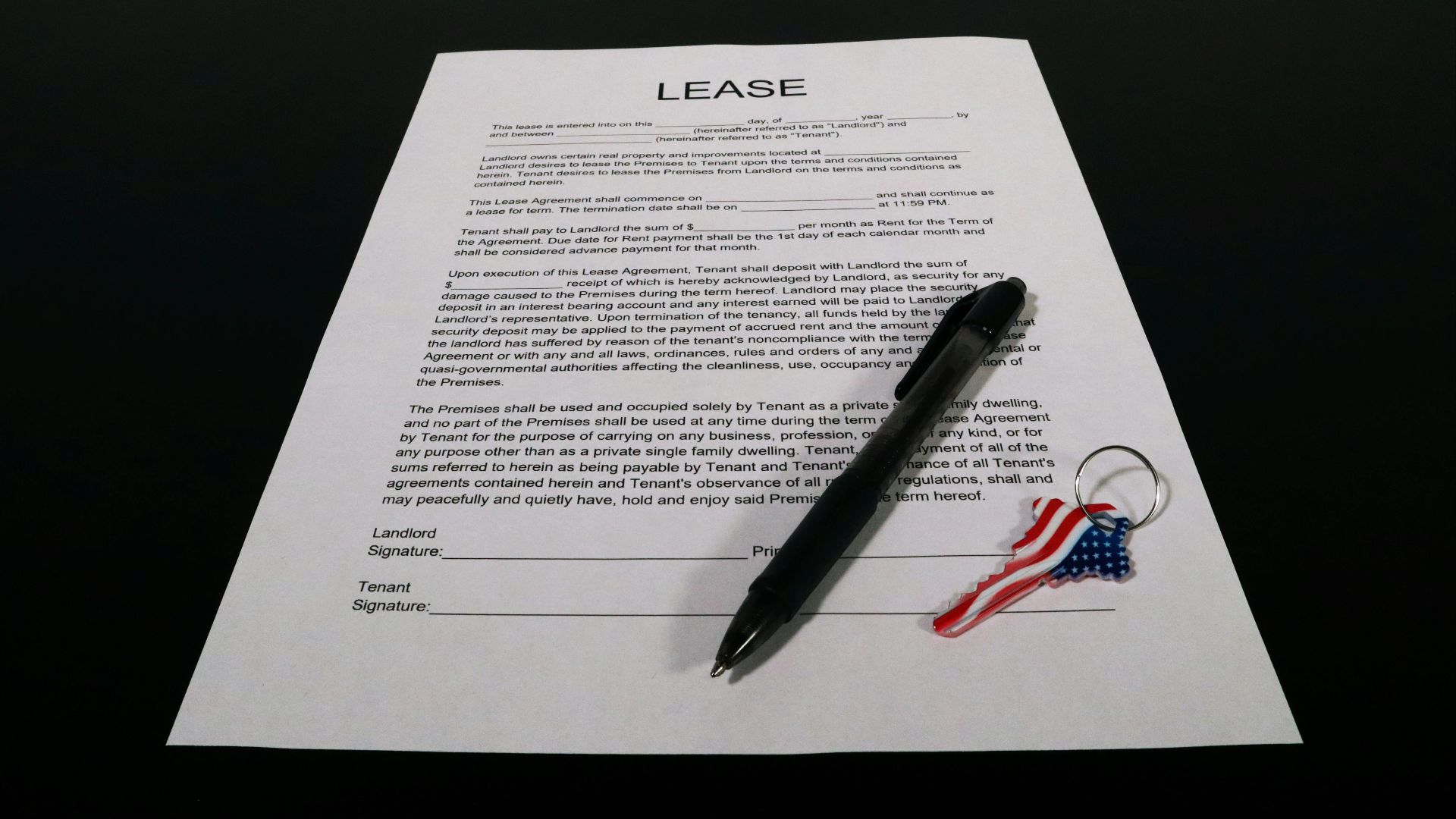
Most roommate leases contain joint and several liability language. That means every tenant on the lease may be individually responsible for the entire rent amount, not just their personal share. If one roommate stops paying, the landlord can pursue the remaining tenant for the full balance.
Why Landlords Prefer Joint Leases
Landlords like joint leases because they reduce financial risk. Instead of chasing multiple people separately, they can demand the full rent from whichever tenant still has income or assets. This arrangement protects the landlord, but it can create serious tension between roommates.

Your Landlord Doesn’t Care About Internal Agreements
You and your roommate may have verbally agreed to split everything fifty-fifty, but the landlord usually is not bound by that private arrangement. From the landlord’s perspective, the lease controls the relationship, not whatever deal roommates made between themselves.

Eviction Affects Everyone On The Lease
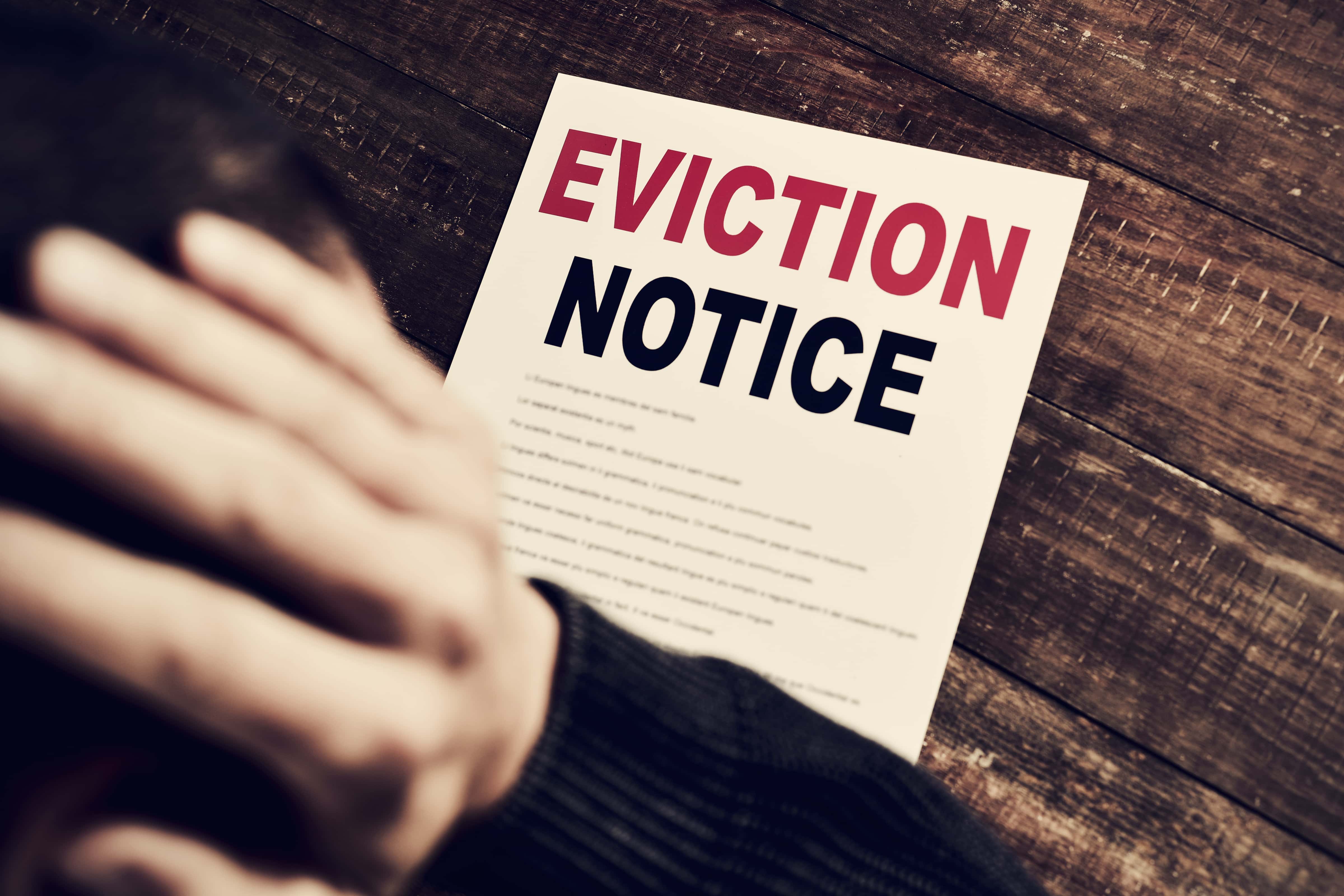
Even if you personally paid your portion faithfully every month, eviction filings may still affect you if the full rent remains unpaid. That is why roommate payment problems become urgent quickly. Waiting too long can damage both tenants’ rental histories and credit.
Communicate Immediately
As soon as it becomes obvious that your roommate can’t pay, start talking openly. Avoiding the subject usually makes things worse. Some roommate situations can still be salvaged if both people are honest early enough to make temporary financial arrangements.

Temporary Loans Can Prevent Bigger Problems
One practical solution is to temporarily cover your roommate’s share as a short-term loan. That may feel frustrating, but preventing eviction could protect your own housing stability and rental record. If you choose this route, document the arrangement carefully in writing.
Put Every Agreement In Writing
Even between friends, repayment arrangements should be documented. Write down the amount borrowed, repayment schedule, and expectations clearly. Text messages or signed notes can help avoid future disputes if the roommate later denies owing money.
Partial Rent Is Better Than Silence
If you can't cover the entire missing amount, still communicate with the landlord and pay whatever portion you can. Landlords are often more cooperative when tenants stay proactive instead of disappearing or ignoring messages.

Some Landlords Negotiate Brief Extensions
Certain landlords may allow short payment extensions if they believe the problem is temporary. A tenant with a strong payment history may receive more flexibility than someone who ignores calls or repeatedly misses deadlines without explanation.

Replacement Roommates Can Sometimes Help
If the relationship with your roommate is collapsing financially, finding a replacement roommate may reduce the damage. Some leases allow tenant substitutions with landlord approval. Acting quickly makes a difference because unpaid balances can escalate surprisingly fast.

Be Careful About Informal Sublets
Desperation sometimes pushes tenants toward unofficial sublets or unapproved roommates. That can create new legal problems if the lease prohibits unauthorized occupants. Always review lease terms carefully before you move someone else into the apartment.

Small Claims Court May Be Necessary
If you end up paying substantially more than your fair share, you may later pursue reimbursement from your roommate in small claims court. Winning doesn’t guarantee collection, but documentation helps your chances significantly.
Security Deposits Often Become Casualties
Unpaid rent frequently gets deducted from security deposits automatically. Even if you personally paid responsibly, you may still lose your share of the deposit because the landlord applies it toward outstanding balances owed under the joint lease.
Credit Damage Can Follow You
Some landlords send unpaid rent balances to collections after eviction or move-out. That can hurt your credit score and make future apartments harder to obtain. Protecting your rental record may justify making difficult short-term financial decisions now.

Family Loans Sometimes Make Sense
If you’re temporarily short because of your roommate’s nonpayment, borrowing from family or trusted friends may be safer than risking eviction. Housing instability can quickly snowball into storage costs, hotel bills, moving expenses, and damaged credit.

Roommate Screening Is Important
Many people choose roommates based mostly on friendship or convenience. Financial reliability matters just as much. Future roommates should ideally have stable income, compatible spending habits, and a history of paying bills consistently.

Separate Leases Reduce Risk
Some apartments offer individual leases for each bedroom rather than one shared lease. Those arrangements usually protect tenants from being responsible for another roommate’s unpaid share. They may cost slightly more, but they reduce financial exposure dramatically.
Emergency Savings Can Prevent Panic
Situations like this reveal why emergency funds matter. Even a modest savings cushion can buy time during roommate disputes or sudden financial disruptions. Without savings, housing problems can spiral into crises very quickly.

You Should Read The Lease Carefully
Many tenants sign leases without fully comprehending things like liability clauses, late fees, eviction rules, or notice requirements. Reading the lease closely now can clarify your rights, your roommate’s obligations, and the landlord’s legal options moving forward.
The Bottom Line
Unfortunately, you may indeed be legally responsible for your roommate’s unpaid share if both of you signed the same lease. That does not make the situation fair, but understanding joint liability early can help you make smarter decisions, protect your rental history, and avoid even larger financial problems later.

You May Also Like: