
The Problem You’re Facing
You’re getting ready to sell your home, but your realtor says your tired-looking kitchen could turn off buyers and drag down your final price. Your in-laws are especially convinced you need a full renovation and won't stop nattering about it. You’re torn between renovating, listing as-is, or finding some kind of compromise that doesn’t blow your budget. Before you drop tens of thousands of dollars, you need to know what buyers actually care about.

Why Kitchens Matter So Much To Buyers
Kitchens are often seen as the emotional centerpiece of a home, and a lot of buyers fixate on them during showings. Even if everything in the kitchen works fine, dated cabinets, countertops, or appliances can signal “future expense” in a buyer’s mind. That perception alone can put a damper on offers or do away with interest altogether.
Renovating Doesn’t Have To Mean Full Replacement
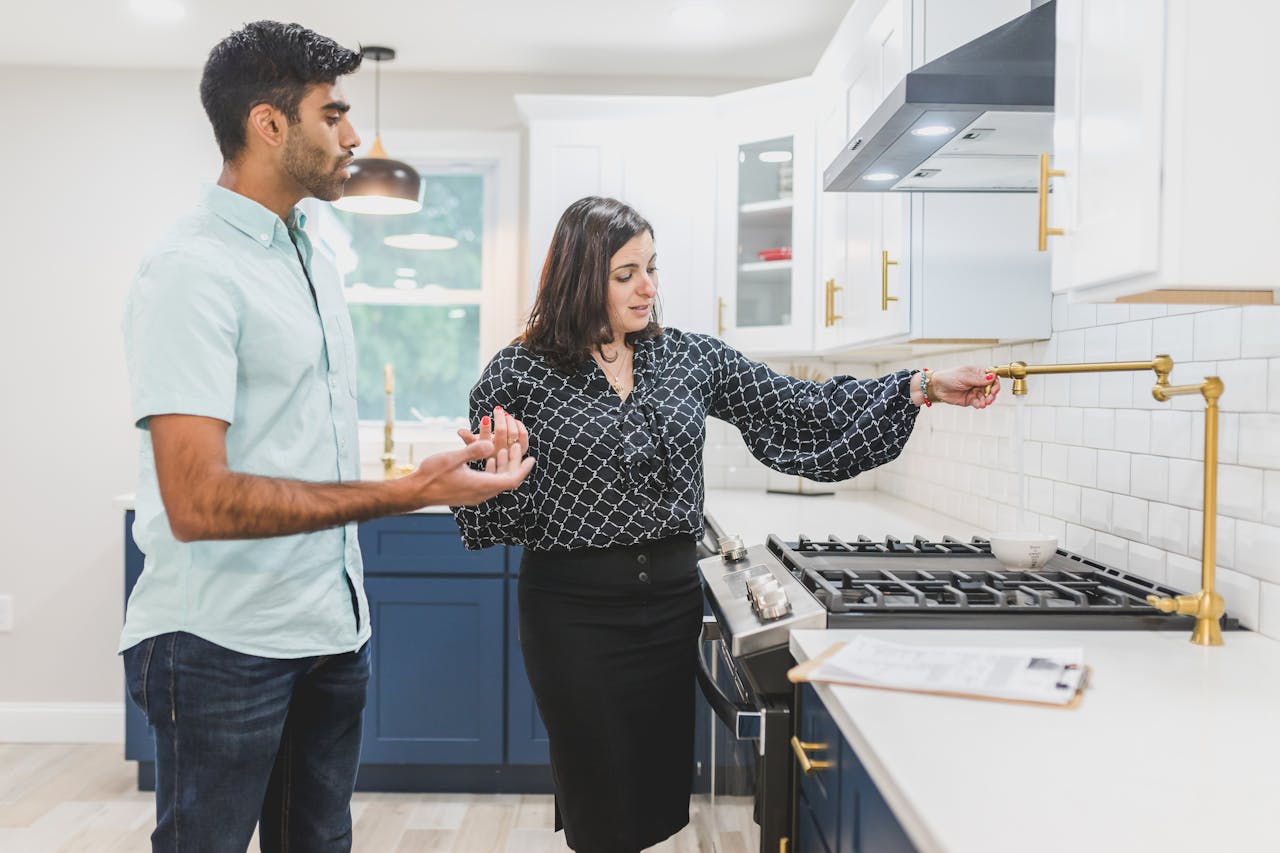
When agents say “renovate the kitchen,” they don’t always mean a full gut job. Many sellers assume they have to replace cabinets, appliances, and layouts. In reality, some kitchens will get a huge boost from a few strategic cosmetic updates without any expensive structural changes, especially when resale is the goal.

Full Renovation: Risk
A full kitchen remodel can help your home compete with updated listings and attract top-tier buyers. But this option comes with some notable risks: high upfront cost, construction delays, stress, and no guarantee of a return. In some markets, buyers still intend to personalize kitchens after they move in, making full renovations an iffy investment.

A Cosmetic Refresh
Cosmetic updates often render the best balance of impact and cost. Painting cabinets, replacing hardware, upgrading the lighting, and installing modern fixtures can dramatically improve first impressions. Buyers can still do their own renovations later, but they won’t feel overwhelmed or deterred when touring the home.

Replace Countertops Without Touching Cabinets
If cabinets are dated but structurally sound, new countertops can transform the entire kitchen’s appearance. Quartz or butcher block surfaces instantly update a space without full demolition. Buyers often respond well to clean, modern counters, even if cabinets are still original or lightly refreshed.
Update Appliances Strategically
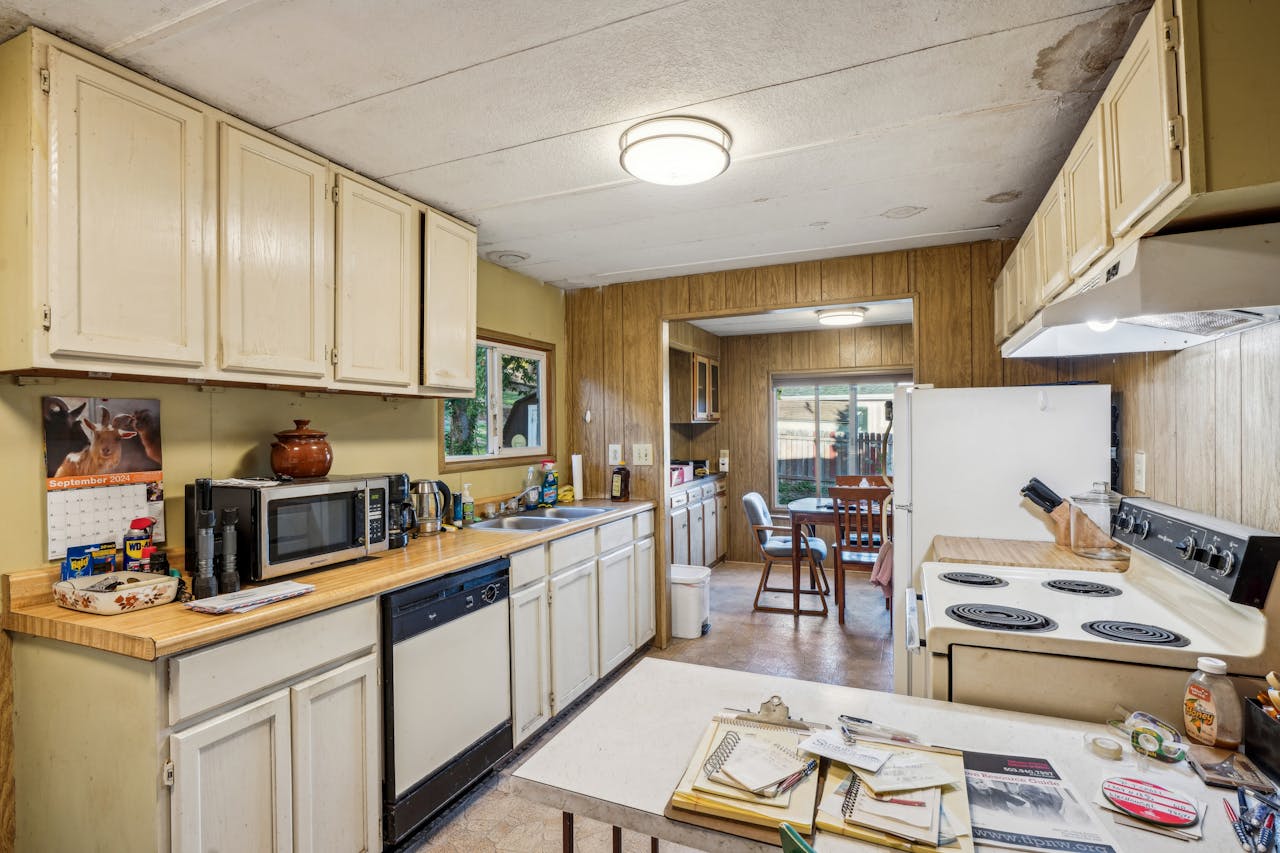
New stainless or panel-ready appliances can modernize the look of a kitchen faster than cabinetry changes. On the other hand, replacing all appliances isn’t always necessary. Focus instead on visible, mismatched, or outdated pieces. Buyers tend to be more interested in visual cohesion than top-tier brands or fancy professional-grade features.
Leave The Kitchen As-Is And Price Accordingly
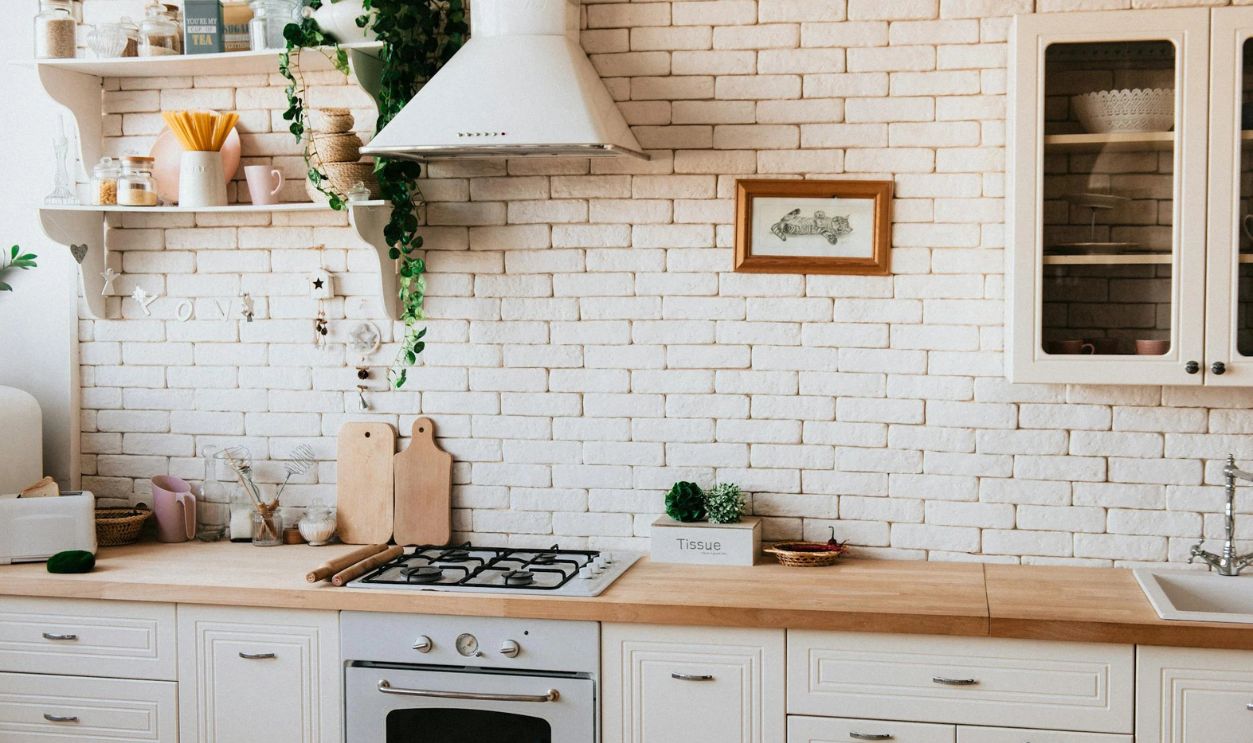
Another perfectly valid option is to sell without renovations and adjust the price to reflect the current condition. This approach appeals to buyers who plan their own upgrades and want flexibility. The key is transparency: buyers should clearly understand they’re paying less money because updates are needed, not because of hidden problems.

Use Buyer Credits Instead Of Renovations
Instead of renovating, you can offer a kitchen update credit at closing. This allows buyers to design their own kitchen while cutting down on your upfront expense. Credits also help avoid renovation delays and contractor issues, though some buyers still prefer move-in-ready kitchens over future projects.

Renovate Only What Shows In Photos
Online listing photos are a major influence on buyer interest. Updating only what appears prominently, like countertops, backsplashes, lighting, and cabinet faces, can dramatically increase click-throughs and showings. Buyers will often forgive deeper flaws if the kitchen has a good overall look and feels clean, bright, and current.

Understand Renovation Return On Investment
Kitchen remodels rarely return 100% of their cost, especially high-end upgrades. Modest renovations often perform better than luxury remodels in resale scenarios. Your goal isn’t to build the ultimate dream kitchen, but to carefully remove objections and misgivings that push buyers toward other listings.

Many Buyers Rip Out New Renovations Anyway
The reality is that buyers replace kitchens soon after moving in, even when the renovations are brand new. When it comes to kitchens, people’s personal taste, layout preferences, and appliance choices are all over the map. Spending heavily on finishes they’ll remove can feel wasteful when the upgrade never really adds any long-term value for them or you.

Time Pressure And Opportunity Cost
Let’s face it: renovations take time, and listing delays can carry real financial costs. Mortgage payments, taxes, insurance, and market shifts all make a difference. A perfect kitchen two months late might underperform a dated kitchen listed at just the right moment, especially if buyer demand eases up

Disruption And Living Through Renovations
Living through kitchen renovations causes daily inconvenience and emotional fatigue. If stress interferes with your ability to show the home properly, renovations may hurt more than help. Emotional bandwidth matters when selling, especially if you’re juggling relocation, work, or family responsibilities. You can save yourself a lot of headaches by avoiding doing it.

Renovation Loan: Does It Make Sense?
Financing a kitchen update might be a reasonable proposition if your equity position is strong and the market data supports it. But keep in mind that borrowing increases your risk if the home doesn’t appraise as expected or if buyer demand cools. Loans should be a measured strategy, not an emotional reaction.

Needless Upfront Costs
An expensive renovation raises your upfront investment, but buyers usually factor in their own future changes regardless. You might end up paying more for construction while buyers still mentally budget for their own future updates. In some cases, sellers absorb renovation costs that balloon the home’s price with no corresponding increase in the buyer’s willingness to pay.

Importance Of Realtor’s Data
Your realtor’s advice matters most when it is grounded in comparable sales, time-on-market data, and buyer feedback, and not just opinions. Ask what similar homes with outdated kitchens sold for versus renovated ones. Real numbers should be the main factor driving your choices, not fear-based warnings.

What Buyers Really Fear Most
Buyers fear uncertainty more than imperfections. A dated but clean, functional kitchen feels predictable and like something that can always be improved at some point. An unfinished or obviously botched renovation raises red flags. If you do take the step to renovate, do it cleanly and professionally, or don’t do it at all.

A Decision That Fits Your Situation
There’s no universal cut-and-dried rule for kitchen renovations before you sell. Your finances, timeline, stress tolerance, and local market all play important roles. The best choice removes buyer hesitation without creating new risk, debt, or exhaustion before closing.

Final Takeaway
You don’t need to renovate just because your kitchen is outdated. You need to remove obstacles that cost you offers or pricing power. Sometimes that means easy strategic updates, sometimes it means adjusting the asking price. And sometimes it means doing nothing at all, as long as you make the decision with intention and conviction.

You May Also Like: