
When Cash Was Actually Enough
There was a time when a middle-class household could save for a few months, walk into a store, and simply buy what it needed. No payment plans, no six-year loans, and no “four easy installments.” Today, plenty of ordinary purchases have quietly become long-term financial commitments.
A Brand-New Family Car
Buying a new Chevrolet, Ford, or Plymouth was once a major expense, but it was not automatically a multi-year financial marathon. Many families saved aggressively, traded in the old car, and covered the rest with cash or a modest loan. Today, even mainstream vehicles can carry luxury-car-sized price tags.

Used Cars Were The Cash Alternative
A dependable used car used to be the escape hatch for families avoiding debt. A few thousand dollars could often buy something basic but serviceable. Today, late-model used vehicles routinely cost enough that buyers are taking out loans lasting five, six, or even seven years.

The First Car For A Teenager
Plenty of Boomers remember a teenager buying an old sedan with summer-job money. It might have needed a muffler and smelled vaguely like gasoline, but it ran. Finding an inexpensive, roadworthy first car today can require parental help, financing, or both.

Major Home Appliances
A refrigerator breaking used to mean an unpleasant Saturday at the appliance store and a painful hit to the checking account. Today, refrigerators, washers, dryers, and ranges regularly come with store financing offers because replacing several appliances at once can easily run into thousands of dollars.

A Living Room Full Of Furniture
Middle-class families once saved up and bought the sofa, chairs, and coffee table together. Furniture stores now heavily advertise monthly payments, deferred interest, and long financing terms. The couch has not become smarter, but somehow it has acquired a payment schedule worthy of a Buick.

A Basic Kitchen Renovation
Updating a middle-class kitchen used to mean new cabinets, countertops, some paint, and perhaps an appliance or two. It could be expensive, but determined savers could sometimes pay outright. Modern renovation costs have climbed high enough that home-equity loans and specialized renovation financing are increasingly common.

A New Roof
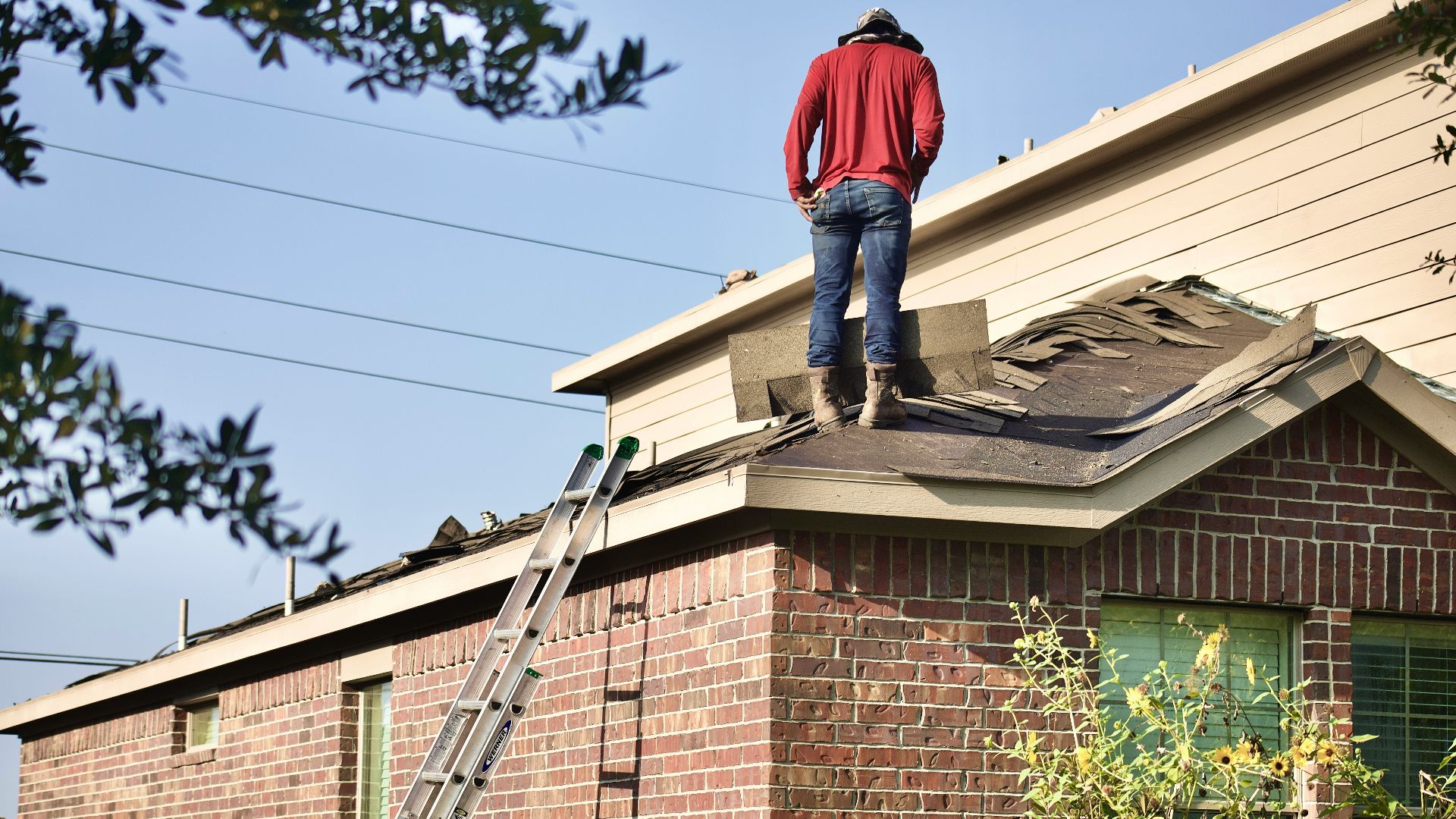
Nobody ever enjoyed paying for a roof, but previous generations often treated replacement as a large household maintenance bill. Today, roofing jobs can easily reach five figures. Contractors now routinely promote monthly financing because many homeowners simply do not have that much cash sitting around.
Heating And Air Conditioning
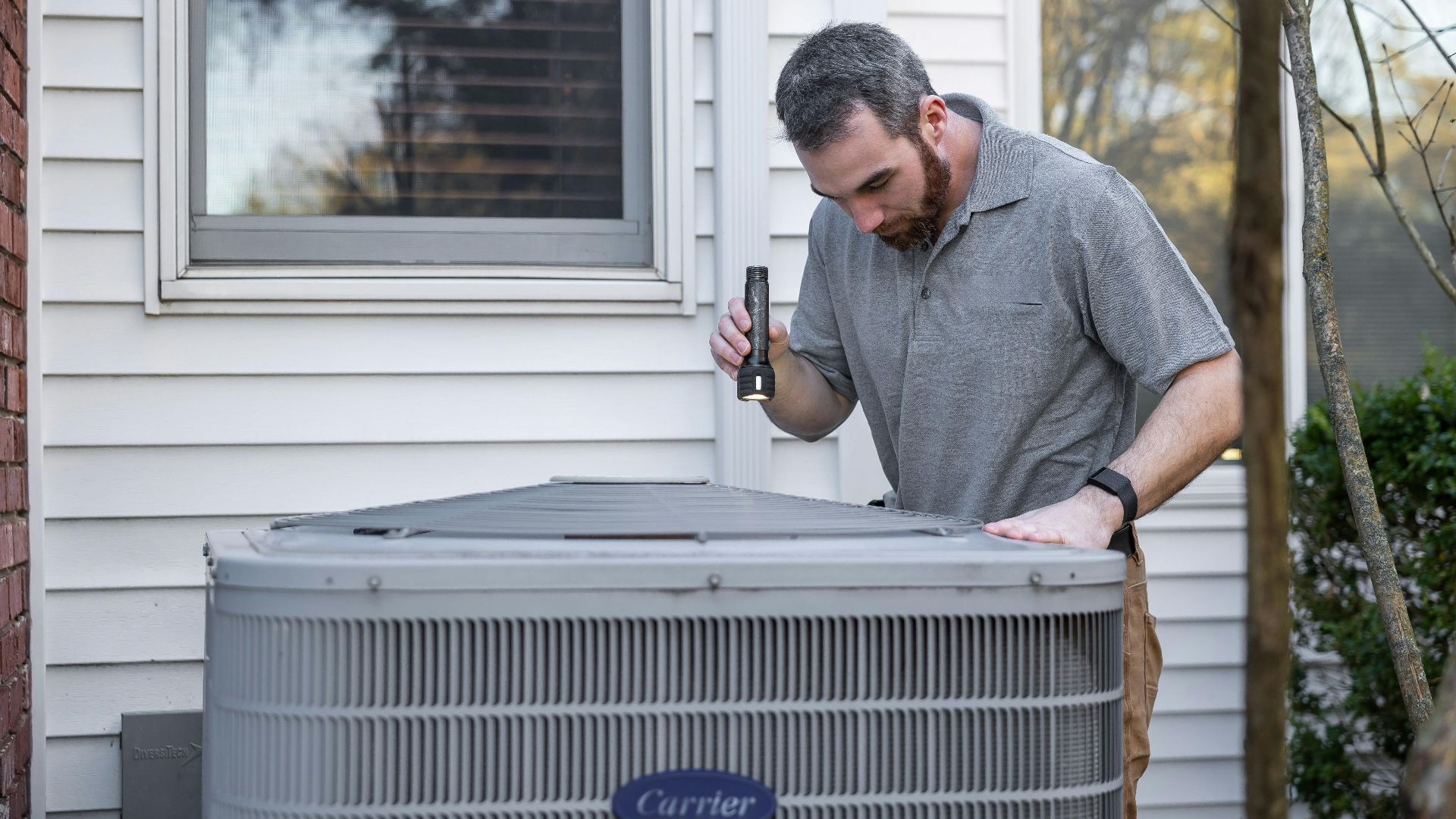
Replacing a furnace or central air conditioner once hurt the household budget. Replacing an entire modern HVAC system can now feel more like purchasing a small car. Financing packages have consequently become a standard part of the sales pitch, especially when equipment fails unexpectedly.
Dental Work
Routine dental care has never been anyone’s favorite expense, but complicated treatment has become a serious financing category. Crowns, implants, bridges, orthodontics, and major restorative work can cost thousands. Dental offices increasingly advertise payment plans because patients cannot always cover these bills from savings.

Eyeglasses For The Whole Family
Glasses were once another predictable household expense. Today, specialized lenses, coatings, progressive prescriptions, designer frames, and limited insurance coverage can create surprisingly large bills. Financing is less common than with cars, but installment services are increasingly creeping into everyday medical and optical purchases.

College Tuition
Perhaps no purchase better shows the generational divide. Many older Americans could realistically work summers, receive modest parental assistance, and cover significant portions of college expenses. Today, student loans have effectively become an expected part of attending school for millions of families.

The Family Vacation
Vacations traditionally came from a dedicated savings envelope or bank account. You went when the money was there. Today, airlines, travel websites, cruise companies, and hotels increasingly offer installment payments. A one-week getaway can now follow you home through several months of statements.

Weddings
Families once stretched budgets for weddings, but expectations and costs were often more restrained. Modern venues, catering, photography, clothing, entertainment, and travel can push a celebration into car-price territory. Personal loans and wedding financing have consequently become real products marketed to ordinary couples.

Home Furnishings For Newlyweds
Young couples once accumulated household goods slowly. Wedding gifts covered some items, relatives donated others, and the rest appeared over time. Today, the temptation is to fully furnish a home immediately, creating financing bills for mattresses, bedroom sets, televisions, and dining furniture before the marriage has hit its first anniversary.
 Monkey Business Images, Shutterstock
Lawn Equipment
A mower used to be something you bought at the hardware store and pushed around until your kids were old enough to take over. Modern riding mowers, zero-turn machines, snowblowers, and landscaping equipment can cost thousands of dollars, leading retailers to offer equipment financing.

Recreational Vehicles
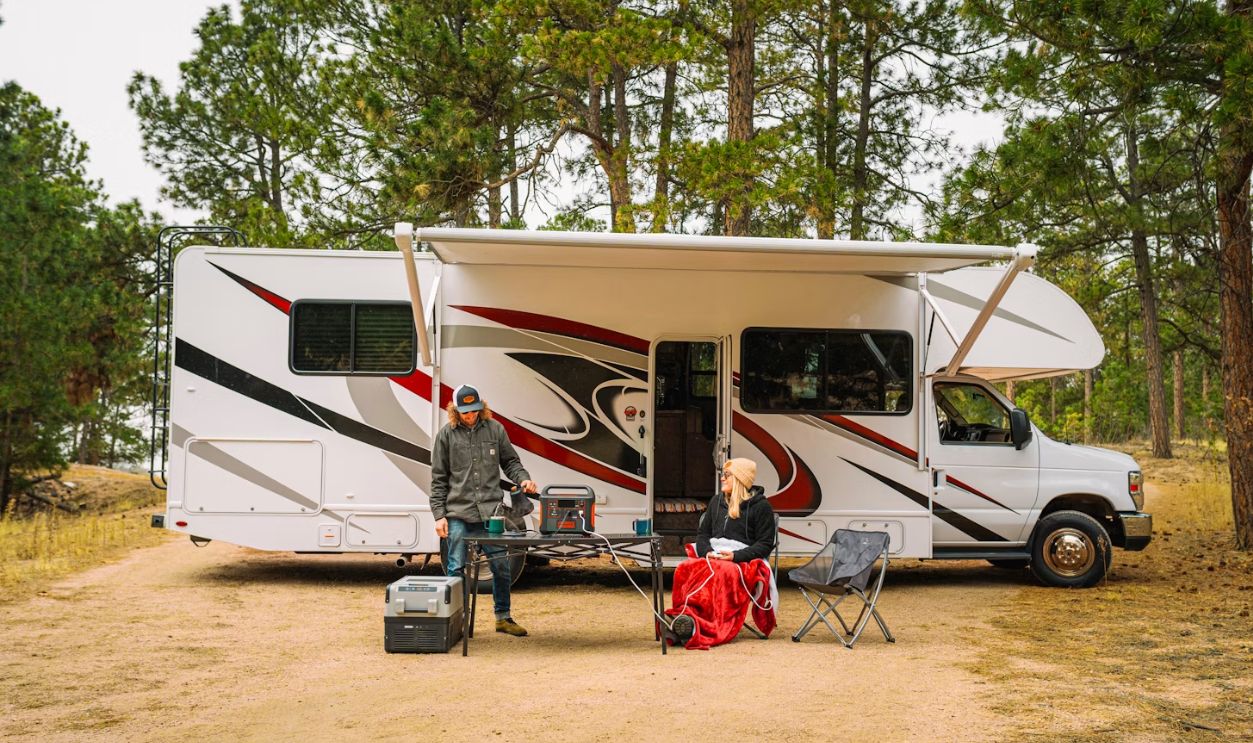
Campers and small trailers were once relatively simple recreational purchases. Modern RVs can include multiple televisions, full kitchens, elaborate electrical systems, and residential-style bathrooms. Prices have risen accordingly, making ten- or even twenty-year RV financing possible in a category once associated with inexpensive family holidays.
 Jackery Power Station, Unsplash
Boats
The classic middle-class fishing boat was hardly a floating palace. A modest runabout, motor, and trailer could be saved for and purchased outright. Modern boats have grown larger, more powerful, and much more complicated, while specialized marine loans have made stretching payments over many years surprisingly normal.

Home Electronics
Televisions once required saving because they were expensive, but families usually paid for them once and took them home. Modern consumers can finance televisions, phones, computers, gaming systems, and even headphones. The individual payment looks small, which is exactly how several small financed purchases become one sizable monthly obligation.
 CHANGIMN SANGO Leigcz, Wikimedia Commons
Smartphones
Nobody financed a household telephone because the phone company technically owned it. Then consumers bought relatively inexpensive handsets outright. Now premium smartphones can cost well over $1,000, turning the device in your pocket into something commonly paid off over two or three years.

Emergency Veterinary Care
Pets have always been members of the family, but veterinary medicine has become far more sophisticated. Advanced imaging, surgery, specialist treatment, and emergency care can produce several-thousand-dollar bills. Veterinary financing and medical credit products now fill the gap when owners cannot immediately cover treatment.

Moving Expenses
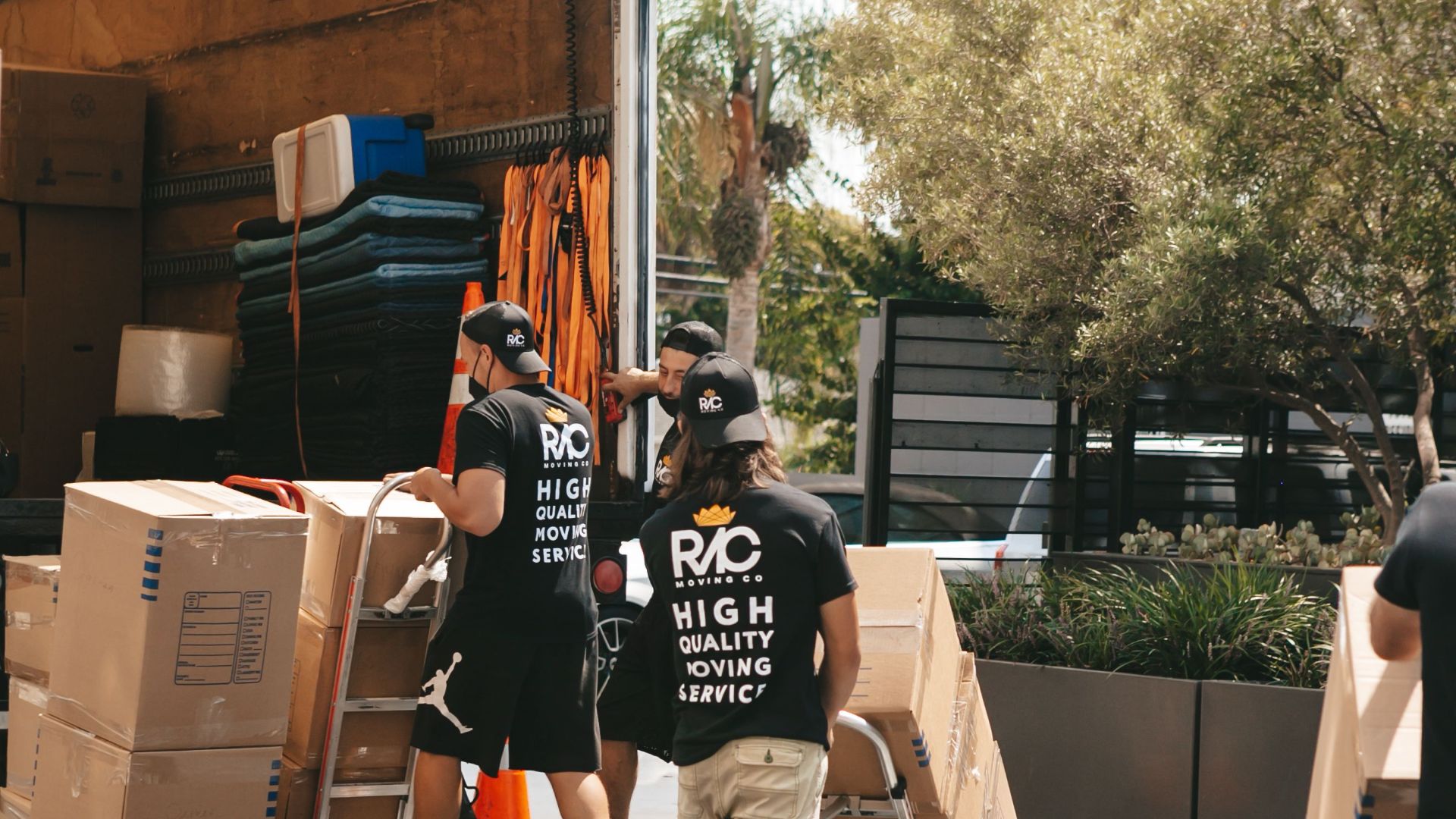
Hiring movers once meant paying for several strong people and a truck. Long-distance moving, packing services, temporary storage, fuel, insurance, and deposits can now produce a daunting bill. Some households turn to credit cards or personal loans just to relocate for a new job.
 Royal Moving & Storage, Pexels
Why Everything Became A Monthly Payment
The change is not simply that people forgot how to save. Housing, education, healthcare, vehicles, repairs, and household necessities have all placed greater pressure on family budgets. Meanwhile, easy financing makes expensive purchases appear manageable by emphasizing the monthly payment instead of the total price.

Financing Can Hide The Real Cost
A $150 monthly payment sounds reasonable until you discover it lasts five years. Financing has made expensive goods accessible, but it can also disguise how much something really costs. Older finance-minded consumers were taught to ask, “What’s the price?” Increasingly, the marketplace wants them asking, “What’s the payment?”

The Emergency Fund Has A Bigger Job Now
Cash savings once handled many of these purchases directly. Today, even a respectable emergency fund can disappear after one roof replacement, major vehicle repair, or medical problem. Families therefore need larger cash reserves simply to maintain the same financial cushion previous generations expected from much smaller savings accounts.

Cash Has Become A Luxury
Perhaps the biggest generational change is that paying cash now signals financial strength. Avoiding payments requires significant savings because ordinary household purchases have become unusually expensive. The ironic result is that financing, once reserved for major investments, now appears beside mattresses, phones, vacations, appliances, and practically everything in between.

The Old Rules Still Have Value
Boomers who dislike debt are not simply being nostalgic. Saving first, comparing total prices, and avoiding unnecessary interest remain powerful habits. The challenge is that modern households are applying those old rules in a world where the price of ordinary middle-class life increasingly looks like something requiring a loan application.

You May Also Like:
5 Expensive Products That Are Absolutely Worth The Money
Grocery Store Freebies From The 1970s And 80s That Shoppers Would Love To Get Back