

The Small Payment That Can Cost You Thousands
Making the minimum payment on your credit card might feel like a responsible way to manage your finances, especially when money is tight. After all, you're paying what the card company asks, and your account remains in good standing as long as you meet the other requirements. Unfortunately, that small monthly payment can keep you in debt much longer than expected. Understanding what happens to your balance reveals why paying just a little extra can make such a dramatic difference. Factinate Ltd
What The Minimum Payment Actually Means
Your credit card's minimum payment is the smallest amount your issuer requires by the monthly due date. Paying it on time generally keeps your account current and prevents late-payment penalties. However, the minimum is not designed to eliminate your debt quickly. It is simply the amount you must pay to satisfy that month's payment obligation.

How Credit Card Companies Set The Minimum
Credit card issuers use different formulas to calculate minimum payments, so the amount varies between cards. Some calculate a percentage of your outstanding balance, while others combine a smaller percentage with interest and certain fees. Many also establish a minimum dollar amount that applies when your balance is relatively low. Your cardholder agreement explains the formula your issuer uses.

Why Your Balance Barely Moves
Imagine owing $5,000 on a credit card with a 24% annual percentage rate. Using a simplified monthly calculation, approximately $100 in interest would accumulate during the first month. If your payment were $125, only about $25 would reduce the original debt. You would have made a payment, but your balance would still be approximately $4,975.

Interest Gets Paid Before Your Debt Disappears
Credit card payments generally cover accrued interest and applicable charges before reducing the principal you owe. This means a significant portion of a small payment can disappear into borrowing costs. When your interest rate is high, the amount left to reduce your balance may be surprisingly small. The result is a debt that shrinks much more slowly than your payment history might suggest.

Your Interest Rate Works Against You Every Day
Credit card interest is commonly calculated using a daily periodic rate rather than one simple monthly charge. Many issuers calculate interest using daily balances, which means the amount you owe throughout the billing cycle matters. At a 24% APR, the approximate daily rate is 0.0658% when calculated using 365 days. That might sound insignificant, but repeated charges on a large balance can become expensive.

The Compounding Effect Makes Things Worse
Some credit card issuers compound interest daily, meaning accumulated interest can become part of the balance used for future interest calculations. When you carry a balance, this process can increase your borrowing costs over time. Making payments reduces what you owe, but small payments leave more of the balance exposed to continuing interest. The longer repayment takes, the more opportunities interest has to accumulate.

A Lower Minimum Can Become A Trap
Some minimum-payment formulas produce smaller required payments as your outstanding balance declines. That might sound helpful because your monthly obligation gradually becomes easier to manage. However, consistently paying only the newly calculated minimum can slow your progress toward eliminating the remaining debt. Keeping your payment at a higher fixed amount, when affordable, can help you escape that cycle.

The Debt Can Follow You For Years
The Consumer Financial Protection Bureau warns that making only minimum payments can leave consumers paying off credit card debt for years. The exact repayment period depends on the balance, interest rate, payment formula, and whether additional purchases are made. A large balance combined with high interest and small payments can produce a particularly long repayment schedule. That's why the amount due this month tells you very little about when you'll finally be debt-free.

The Real Cost Is More Than Your Original Purchase
When you carry a credit card balance, interest becomes an additional cost on top of whatever you originally purchased. A $2,000 expense can ultimately cost considerably more if you repay it slowly at a high APR. Every month that interest continues accumulating adds to the total amount you spend. The original purchase might be long forgotten before you finish paying for it.

Your Statement Contains A Warning Worth Reading
U.S. credit card issuers generally must include a minimum-payment warning on monthly statements. This disclosure estimates how long repayment will take and how much it will cost if you make only minimum payments without adding new charges. It also typically provides a monthly payment amount that would eliminate the existing balance in three years. Comparing those figures can reveal the financial consequences of your current payment strategy.
The Three-Year Payment Can Be A Better Target
The three-year repayment figure on your statement offers a useful alternative to simply paying the minimum. It shows an estimated monthly amount that would clear your existing balance within 36 months under the stated assumptions. Although that payment may be considerably larger, it can substantially reduce the total interest you pay. You can use the figure as a budgeting target even if you cannot afford it immediately.

New Purchases Can Undo Your Progress
Making minimum payments becomes even more problematic when you continue using the same card for everyday expenses. New purchases increase your outstanding balance while interest continues accumulating on eligible unpaid amounts. If your new charges and interest exceed your payments, your total debt can grow instead of shrink. A repayment plan works best when it accounts for new spending rather than focusing only on the existing balance.

You Could Lose Your Interest-Free Grace Period
Many credit cards offer a grace period that allows you to avoid interest on purchases when you pay your statement balance in full by the due date. Carrying a balance can cause you to lose that benefit. Depending on your card's terms, new purchases may then begin accumulating interest from their transaction dates. This makes continued card spending more expensive than it was when you paid the balance in full.

Paying The Minimum Does Not Automatically Hurt Your Credit Score
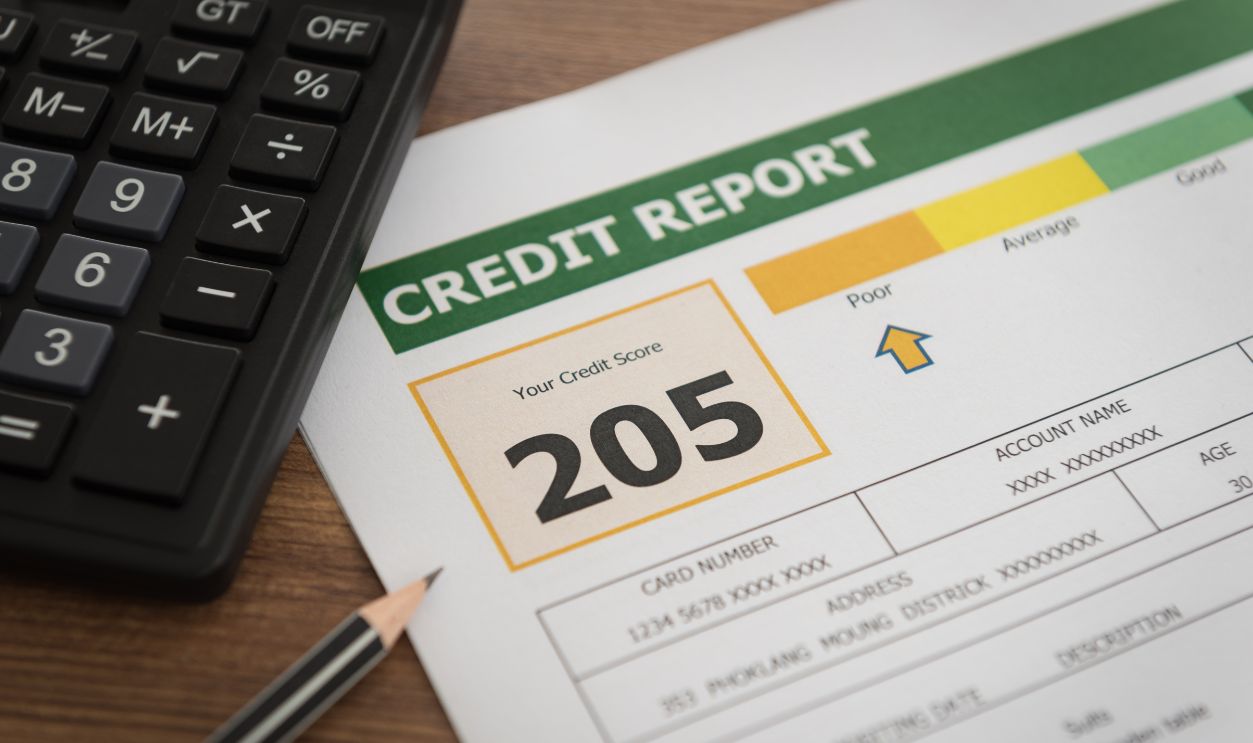
Making at least the required payment on time generally protects your payment history from being marked late. However, carrying a large balance can still affect your credit score through another important factor: credit utilization. Credit scoring models such as FICO consider how much of your available revolving credit you're using. Consequently, a person can make every payment on time while still experiencing credit-score pressure from high balances.
Credit Utilization Is The Number To Watch
Credit utilization compares your outstanding revolving credit balances with your available credit limits. If your card has a $5,000 limit and you owe $4,000, your utilization on that card is 80%. FICO considers higher utilization a potential sign of increased lending risk, even when payments are current. Reducing your outstanding balance can improve that ratio without requiring a higher credit limit.

One Missed Minimum Payment Changes Everything
Paying the minimum on time is very different from missing the payment altogether. A late payment can trigger fees, damage your credit history, and potentially affect promotional interest rates. Under certain circumstances, extended delinquency can also allow an issuer to raise the interest rate on an existing balance. If you cannot afford the minimum, contacting your issuer before the due date is generally better than ignoring the bill.

Multiple Interest Rates Make Repayment Complicated
Your credit card may charge different APRs for purchases, balance transfers, and cash advances. Under U.S. rules, issuers generally must apply payment amounts above the required minimum toward the balance with the highest APR first. However, issuers usually have more discretion over how they allocate the minimum-payment portion. Paying extra can therefore be particularly useful when your card carries several balances at different interest rates.

Paying Just A Little Extra Can Help
You do not necessarily need to double your payment to make meaningful progress. Paying an additional $25 or $50 each month can reduce your outstanding principal faster, provided the payment exceeds accrued interest and applicable charges. As your balance falls, future interest charges generally decrease when other factors remain unchanged. This creates an opportunity for more of each subsequent payment to reduce the debt itself.

Keep Your Payment Steady As The Balance Falls
Suppose your required minimum payment drops from $125 to $115 as your balance declines. Rather than automatically reducing your payment, consider continuing to pay $125 if your budget allows. The extra amount goes toward reducing what you owe, subject to the issuer's payment-allocation rules. Maintaining a consistent payment amount can help shorten your repayment schedule compared with following a declining minimum.
 Mladen Mitrinovic, Shutterstock
Paying Earlier Can Also Reduce Interest
Because many issuers calculate interest using daily balances, the timing of your payments can matter. Paying part of your balance before the due date may reduce the amount subject to interest for more days of the billing cycle. This can produce savings even when your total monthly payment stays the same. Just make sure your payments satisfy the required minimum by the due date shown on your statement.

A Balance Transfer Might Offer Breathing Room
Some credit cards offer promotional balance-transfer rates, including temporary 0% APR periods. Moving high-interest debt to a lower-rate card can reduce interest costs while the promotion remains active. However, balance-transfer fees and the eventual expiration of the promotional rate can change the overall savings. Before transferring debt, compare the fees, promotional duration, regular APR, and amount you can realistically repay.

A Lower Interest Rate Can Change The Math
Reducing your APR can make a meaningful difference because less interest accumulates on the unpaid balance. Some card issuers may consider temporary interest reductions or hardship arrangements for customers experiencing financial difficulties. You can contact your issuer, explain your circumstances, and ask what options are available. There is no guarantee of approval, but understanding the available programs can help you make an informed decision.

Debt Consolidation Is Not Always A Shortcut
A debt consolidation loan may replace several credit card balances with one installment loan and a defined repayment schedule. If the loan offers a lower overall borrowing cost, it could make repayment more manageable. However, fees, loan terms, and the interest rate determine whether consolidation actually saves money. Borrowing again on the newly cleared credit cards can also leave you managing both the loan and fresh card balances.

Credit Counseling Can Provide Another Option
Nonprofit credit counseling organizations can help consumers review budgets, understand debt obligations, and explore repayment strategies. Some also offer debt management plans that may involve negotiated interest rates, fees, or payment arrangements with participating creditors. These programs can have costs and conditions, so it is important to understand the terms before enrolling. A reputable counselor should review your financial situation rather than promise an instant solution.

The Best Repayment Strategy Depends On Your Budget
For someone struggling to cover essential expenses, making the minimum payment may be the most realistic short-term choice. The important distinction is whether minimum payments are a temporary necessity or an indefinite repayment strategy. If you have additional money available, directing some of it toward high-interest debt can reduce future borrowing costs. A workable plan should also leave enough room for essential bills and unexpected expenses.

Small Changes Can Lead To A Much Better Outcome
Making only the minimum payment keeps your account current, but it can also keep your debt around far longer than necessary. Reviewing your statement, avoiding unnecessary new charges, and paying more whenever possible can help you regain control. Even modest extra payments can reduce interest costs when maintained consistently. The goal is not simply to satisfy the card company each month, but to reach the point where you no longer owe it anything.

You May Also Like: