
The Mortgage Is Gone. The Bills Aren’t.
For decades, paying off the house can feel like the finish line of retirement planning. No mortgage payment means a huge monthly expense finally disappears. But owning a home outright does not make the cost of living in it disappear. In retirement, some of the bills that remain can become surprisingly difficult to absorb.
You Can Be House-Rich And Cash-Poor
Someone can own a valuable home outright and still struggle to cover groceries, medical bills, utilities, and repairs. The problem is that home equity is wealth, but it is not automatically spendable cash. You cannot use a spare bedroom or a new roof to pay the electric company. That difference becomes much more important once the regular paychecks stop.

Property Taxes Never Get Paid Off
The final mortgage payment does not eliminate the property tax bill. Depending on where you live, taxes can remain a significant annual expense and may rise as assessments and local tax rates change. AARP notes that property taxes can be particularly difficult for older homeowners living on limited incomes. The house may be yours, but the tax bill keeps coming.

You Can Get Priced Out Of A House You Already Own
Someone who bought a house decades ago may have a tiny mortgage payment or none at all. But property taxes follow rules set by states and local governments, and rising assessments can increase the bill in many places. That can create a painful mismatch for retirees whose income is no longer growing with their careers. Owning the house outright does not guarantee that keeping it will always be cheap.

One Bill May Be More Negotiable Than You Think
Many states and local governments offer some form of property tax relief for qualifying older homeowners. Depending on where you live, that could mean an exemption, credit, freeze, or program allowing certain taxes to be deferred. Eligibility rules can vary widely, so retirees should check with their state or local tax authority rather than assume they do not qualify. A little paperwork could potentially make an expensive house easier to keep.

Homeowners Insurance Can Become A Serious Expense
Insurance is another bill that survives the mortgage. Homeowners insurance costs have climbed sharply in many parts of the country as rebuilding costs and weather-related losses have put pressure on insurers. AARP reported that the typical annual homeowner premium rose substantially between 2021 and 2024. For someone living on relatively fixed retirement income, increases like that can be much harder to shrug off.

Where You Retire Matters More Than You Think
Two similar paid-off houses can have wildly different carrying costs simply because they are located in different places. Property taxes, insurance, electricity, heating, flood coverage, and maintenance can all vary by region. A large home in an expensive or disaster-prone area may cost much more to keep than retirees expect. “Mortgage-free” and “cheap housing” are not necessarily the same thing.
The Roof Does Not Care That You Retired
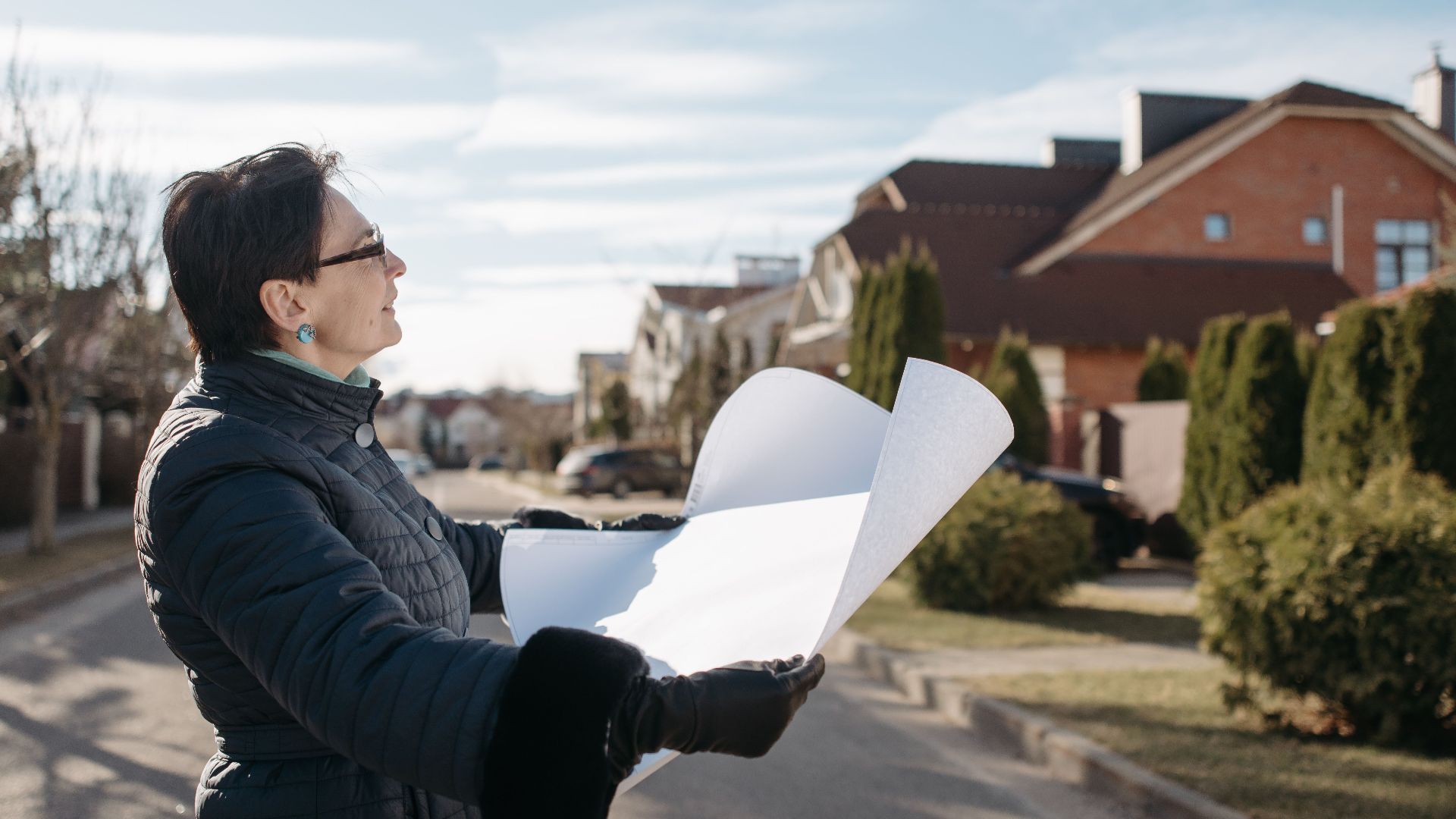
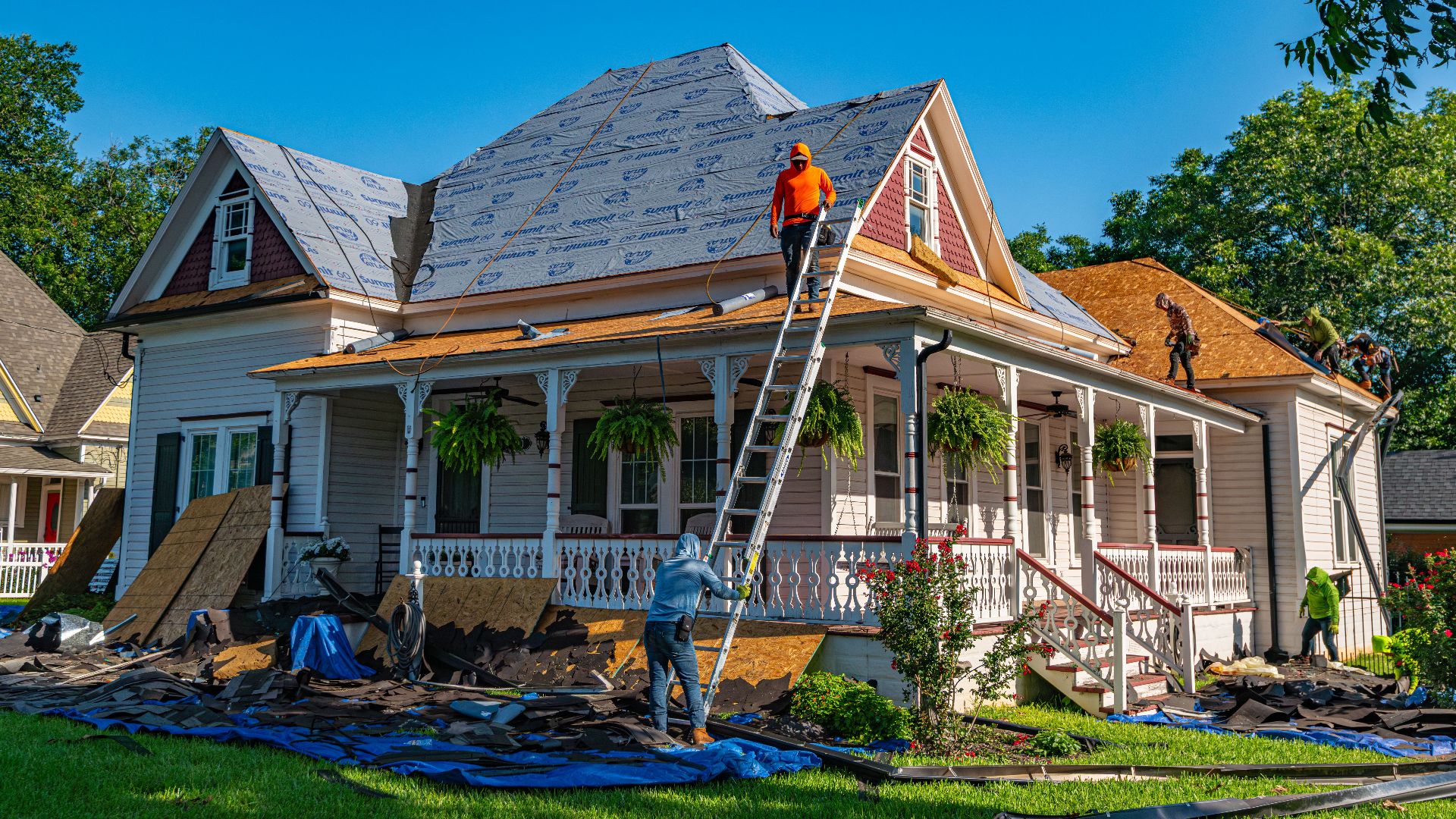
Houses continue aging even after their owners stop working. Roofs wear out, water heaters fail, plumbing leaks, furnaces quit, and appliances eventually give up. Census Bureau data shows that maintaining and improving a home remains a real expense for homeowners, especially as properties get older. The painful difference in retirement is that a major repair may arrive without a paycheck behind it.
Small Repairs Can Become Big Repairs
It is tempting to put off an annoying home repair when money is tight. Unfortunately, a small leak can become water damage, neglected exterior work can turn into a much larger project, and an aging HVAC system can eventually require replacement. Those problems do not schedule themselves around your retirement budget. Keeping money specifically available for repairs can prevent one bad week from becoming a financial emergency.

Your Home May Need To Change As You Do
The house that worked perfectly at 55 may feel very different at 75. Stairs, narrow doorways, slippery bathrooms, poor lighting, and basement laundry rooms can become harder to navigate as mobility changes. AARP's 2024 Home and Community Preferences Survey found that 43% of adults over 50 expected their homes would eventually need changes to make them more accessible. Aging in place can sometimes mean spending money on the place first.

Aging In Place Can Come With A Price Tag
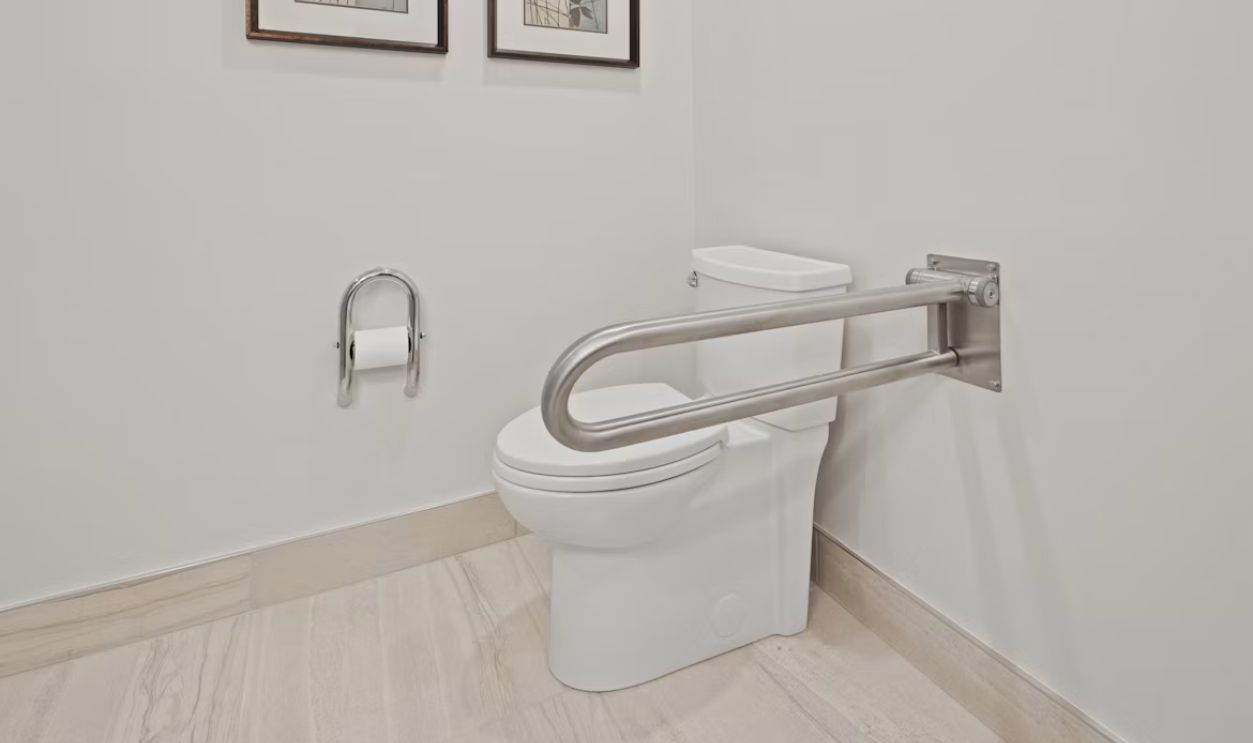
Some changes are relatively simple, such as adding grab bars, brighter lighting, or nonslip surfaces. Others can involve modifying a bathroom, improving entrances, installing a stair lift, or making it easier to move through the home. AARP found that bathroom modifications and easier access were among the changes older Americans expected they might need. Those projects are easier to handle when they are planned for before they become urgent.
 Point3D Commercial Imaging Ltd., Unsplash
Retirement Can Actually Make Some Home Bills Bigger
You may no longer be commuting to work every morning, but that also means spending considerably more time at home. Heating, air conditioning, electricity, water, internet, yard care, and other household costs keep running long after the mortgage disappears. Some retirees may even use more utilities simply because their home is occupied throughout the day. Paying off the mortgage removes a major housing bill, not every housing bill.

That Extra Space Still Costs Money
The four-bedroom family house may have made perfect sense when children were living at home. Years later, heating, cooling, cleaning, insuring, and maintaining rooms that are rarely used can feel very different. Downsizing is not automatically the right move, especially for someone who loves their home and neighborhood. But keeping extra space has a financial price even when the mortgage balance says zero.

Social Security Has To Cover More Than Housing
The estimated average Social Security retirement benefit for a retired worker in January 2026 was about $2,071 per month. That income can certainly stretch further when there is no mortgage payment. But groceries, transportation, taxes, insurance, utilities, health care, and everything else still compete for the same money. Eliminating the mortgage lowers the retirement hurdle without making it disappear.
 Inside Creative house, Shutterstock
Health Care May Become The Bigger Bill
Housing gets enormous attention in retirement because a mortgage is so visible. Health care is much less predictable, and Medicare does not eliminate the expense. Fidelity estimates that a single 65-year-old retiring in 2026 could spend about $185,500 on health care over retirement, even with Medicare, and that figure does not include long-term care. Suddenly, getting rid of the mortgage can look more like one victory than the end of the financial battle.
 National Cancer Institute, Unsplash
Medicare Does Not Pay For Everything
Medicare can dramatically reduce medical expenses, but retirees can still face premiums, deductibles, copayments, prescription costs, and services that are not fully covered. Dental, vision, hearing, and other needs can also create additional expenses depending on someone's coverage. That makes health care one of the costs that deserves its own place in a retirement budget. And there is an even bigger potential expense that Medicare generally does not handle.

Long-Term Care Is A Different Problem
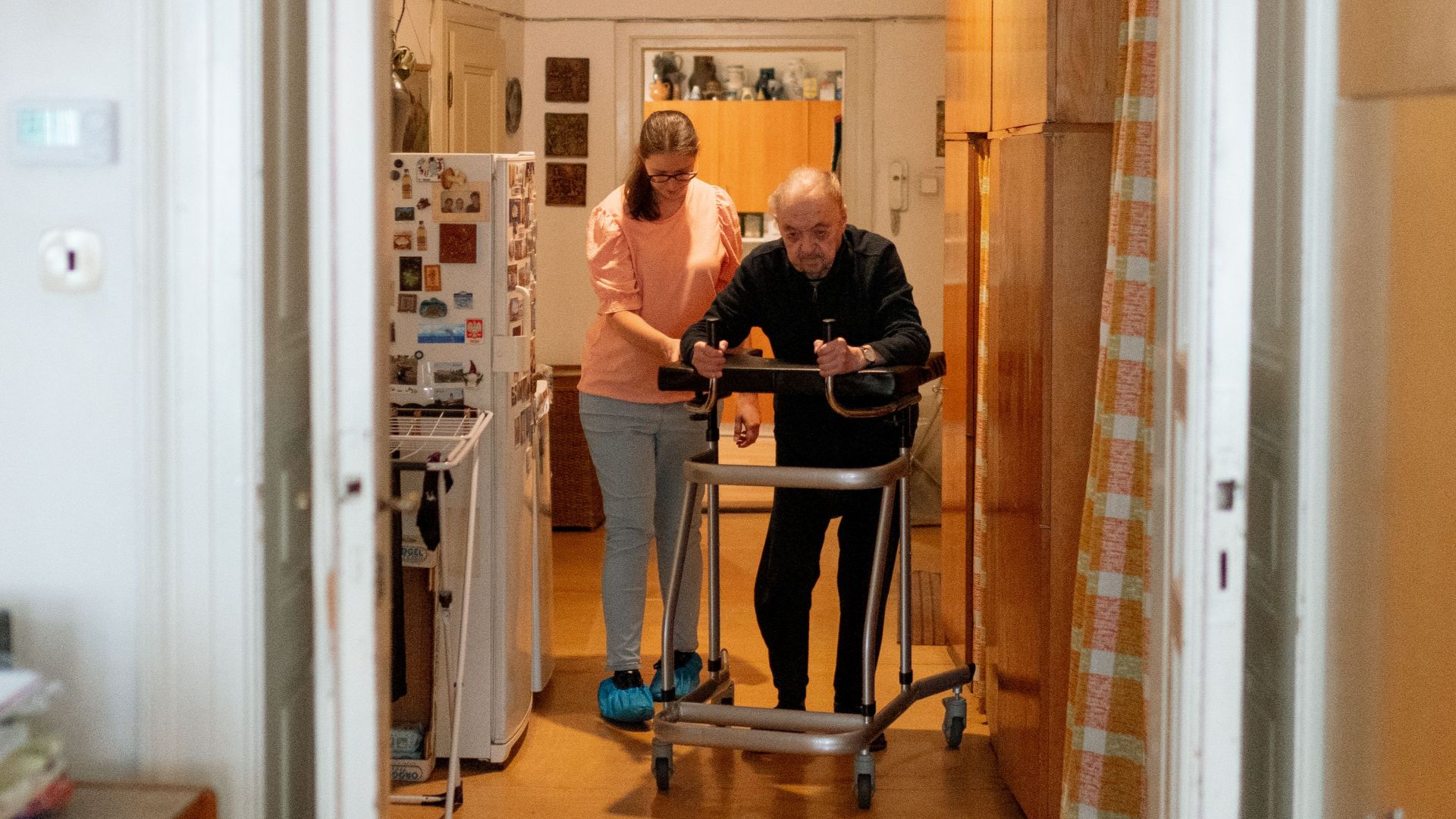
Many people assume Medicare will pay if they eventually need years of help with everyday personal care. Generally, Medicare does not cover long-term custodial care when that is the only care someone needs. It can cover certain qualifying short-term skilled services, while Medicaid may help eligible people with longer-term care. For a retiree who eventually needs substantial assistance, the difference can completely change the financial picture.
The House Might Be Your Biggest Asset
For many retirees, the most valuable thing they own is not sitting in a brokerage account. It is the home itself. That can provide tremendous financial security, but the money remains locked inside the property unless the owner sells, borrows against the equity, or uses another strategy. The important question is not simply how much the house is worth, but whether you have enough usable money to support your life.

Downsizing Can Unlock More Than A Smaller House
Selling a larger paid-off home and moving somewhere less expensive can free up equity for retirement expenses or savings. A smaller property may also reduce utilities, insurance, maintenance, and property taxes. Of course, cheaper housing is not guaranteed in every market, and leaving a longtime home can involve much more than financial considerations. Downsizing works best when retirees calculate what they will actually gain rather than assuming smaller automatically means cheaper.
 Dmytro Zinkevych, Shutterstock
Moving Can Eat Into The Savings
Downsizing sounds wonderfully simple until the moving truck arrives. Selling costs, repairs before listing, movers, storage, and setting up a new home can eat into the money you hoped to free up. Many qualifying homeowners can exclude a substantial amount of profit from federal capital-gains tax when selling a primary residence, but unusually large gains can still create tax considerations. The important number is not what the old house sells for, but what you actually have left afterward.

A Reverse Mortgage Can Unlock Cash, But It Isn’t Free Money
Homeowners age 62 and older may qualify for a Home Equity Conversion Mortgage, the most common federally insured reverse mortgage. It allows qualifying homeowners to borrow against their home equity without making the usual monthly mortgage payments. Interest and fees are added to the loan balance over time, so the amount owed generally grows. It can provide useful cash in some situations, but it is still a loan.

You Still Have Bills With A Reverse Mortgage
A reverse mortgage does not eliminate the ordinary costs of owning a home. Borrowers generally must continue paying property taxes and homeowners insurance, maintain the property, and use it as their principal residence. Failing to meet those responsibilities can create serious problems and potentially cause the loan to become due. A reverse mortgage can change where retirement cash comes from, but it does not make the house free to live in.

Even A Mortgage-Free Budget Has A Tax Bill
Leaving the workforce does not necessarily mean leaving income taxes behind. Pension income and withdrawals from many traditional retirement accounts can be taxable, depending on the circumstances. Even some Social Security benefits can be subject to federal income tax when someone's other income is high enough. That is why the amount arriving in retirement is not always the amount available to spend on the house and everything else.

Losing A Spouse Can Change The Math
A household budget built around two people can suddenly have to work very differently after one spouse dies. Some expenses may fall, but property taxes, insurance, utilities, and major home repairs certainly do not get cut in half. Social Security income can also change because someone eligible for both their own retirement benefit and a survivor benefit generally does not simply receive both full payments added together. A house that was affordable for two people can therefore become much harder for one person to carry.

Inflation Keeps Working After You Stop
Retirement can last decades, and prices do not freeze when your career ends. Groceries, utilities, insurance, medical care, repairs, and other essentials can all become more expensive over time. Social Security receives annual cost-of-living adjustments, including a 2.8% increase for 2026, but everyone's personal expenses rise differently. A retirement budget needs enough breathing room for tomorrow's prices, not just today's.

Try The “$0 Mortgage” Test Before You Retire
Take your current household budget and erase only the mortgage principal and interest. Leave property taxes, insurance, utilities, groceries, transportation, medical expenses, maintenance, and money for major repairs exactly where they are. What remains is a much better picture of the lifestyle your retirement income will actually have to support. If that number already feels uncomfortable, paying off the house alone probably will not solve the problem.

Give The House Its Own Emergency Fund
General emergency savings are useful, but homeowners have another category of surprise waiting for them. A furnace, roof, plumbing problem, or major appliance can require thousands of dollars at exactly the wrong moment. Keeping money specifically available for home repairs means those expenses do not immediately have to compete with groceries, medical care, or other essentials. Something in the house will eventually break, even if nobody knows exactly when.
 https://kaboompics.com/, Pexels
A Paid-Off Home Is Still A Huge Advantage
None of this means paying off a mortgage before retirement is a bad goal. Removing a large required monthly payment can give retirees considerably more breathing room when their employment income disappears. Home equity can also provide options later through selling, downsizing, or carefully considered borrowing. The mistake is not paying off the house. It is assuming that doing so completes the retirement plan.
 Centre for Ageing Better, Pexels
The Real Goal Is Being Able To Afford Your Life
A comfortable retirement depends on having enough reliable income and accessible savings to cover the life you actually live. A mortgage-free house can be a powerful part of that equation, but taxes, insurance, repairs, health care, and everyday expenses still need to be paid. The strongest retirement plans treat the home as one valuable piece of the puzzle rather than the finish line. Paying it off feels wonderful, but being able to comfortably stay there is what really matters.

You May Also Like:
Retirement Costs That Keep Rising Even After The Mortgage Is Paid Off