
Paying Off The House Doesn’t Freeze The Cost Of Living
Making that final mortgage payment can feel like retirement’s ultimate financial victory. But owning the house outright only eliminates one line on the budget, and some of your other expenses can become considerably larger just as retirement income becomes less flexible.
Property Taxes
The mortgage may disappear, but the property-tax bill definitely doesn’t. ATTOM found that the average property-tax bill on an American single-family home rose 3% in 2025, reaching $4,427, with much larger bills in some states and metro areas. Retirees should investigate homestead exemptions, senior tax relief, assessment appeals, and tax-deferral programs available where they live rather than assuming the bill is fixed.

Homeowners Insurance
Paying off the mortgage means a lender may no longer be forcing the homeowner to carry insurance, but going without it can put an enormous asset at risk. Premiums have climbed sharply in many parts of the country because of rebuilding costs, severe weather, and changing insurance markets. Retirement budgets that assume today’s premium will remain roughly unchanged for 20 years can therefore be badly underestimated.

Home Maintenance And Repairs
A paid-off house still has a roof, plumbing, electrical system, furnace, air conditioner, appliances, gutters, windows, and countless smaller things waiting to wear out. AARP notes that unexpected home repairs commonly cost older homeowners significant amounts each year. The older the house becomes, the more important it is to maintain a dedicated repair reserve instead of treating every failure as an unpredictable emergency.

Electricity, Gas, And Water
Retirement can actually increase utility usage because people spend more time at home during the day. Electricity rates, natural gas costs, water charges, and municipal fees can also rise independently of the mortgage. Someone who planned retirement around an old utility bill may discover that decades of inflation make keeping the same house comfortable much more expensive.

HOA And Condo Fees
Homeowners association dues never disappear simply because the mortgage does. Bankrate reported in 2026 that HOA fees have been climbing as associations deal with higher insurance, labor, maintenance, and reserve costs. Condo owners can be particularly vulnerable because rising master-policy insurance premiums and major building repairs may feed directly into higher monthly dues or special assessments.

Aging-In-Place Renovations
The house that worked perfectly at 55 may need changes at 75. Grab bars, brighter lighting, railings, walk-in showers, ramps, wider doorways, stair lifts, and first-floor living arrangements can range from inexpensive upgrades to major remodeling projects. AARP notes that most older adults want to remain in their homes, but relatively few houses are fully prepared for aging residents.

Paying Other People To Maintain The Property
Retirees who once cleaned gutters, shoveled snow, mowed lawns, washed windows, or handled minor repairs themselves may eventually decide those jobs aren’t worth the physical risk. Hiring landscapers, cleaners, snow-removal services, handymen, or other household help creates an entirely new labor cost. A mortgage-free home can still become increasingly expensive simply because maintaining it requires more outside help.

Medicare Part B Premiums
Medicare doesn’t eliminate monthly healthcare premiums. The standard Part B premium increased from $185 a month in 2025 to $202.90 in 2026, while higher-income beneficiaries can pay considerably more. That payment typically comes directly out of Social Security, making future premium increases especially noticeable to retirees living on relatively fixed monthly income.

Medigap, Medicare Advantage, And Part D Premiums
Part B isn’t necessarily the only insurance premium in retirement. Depending on the coverage someone chooses, there may also be Medigap, Medicare Advantage, and prescription-drug premiums. Medigap pricing deserves particular attention because some policies use attained-age pricing, meaning premiums can increase as the policyholder gets older in addition to increases caused by inflation or other factors.

Deductibles, Copays, And Coinsurance
Having Medicare doesn’t make doctor visits and treatment free. Original Medicare generally leaves beneficiaries responsible for deductibles and a portion of many Part B services, while Medicare Advantage plans have their own cost-sharing structures. KFF has found that Medicare premiums and cost sharing consume a meaningful share of many retirees’ Social Security income before dental care, long-term care, and other uncovered expenses are even considered.

Prescription Meds
Part D has become more protective against catastrophic prescription expenses, but retirees can still spend substantial amounts each year on medication. In 2026, the annual out-of-pocket limit for covered Part D medicine is $2,100. New prescriptions, formulary changes, and increasing medication needs can therefore make the pharmaceutical budget larger as retirement progresses even with insurance in place.

Dental Care
Teeth don’t stop requiring maintenance after retirement, but Original Medicare generally doesn’t cover routine cleanings, fillings, dentures, implants, and most other ordinary dental services. Someone who suddenly needs extensive restorative work can face a large bill that never appeared in the retirement-healthcare estimate. Dental needs can also become more complicated with age rather than less.

Hearing Care
Original Medicare doesn’t cover hearing aids or the examinations specifically needed to fit them. Hearing aids may also eventually need servicing or replacement. Some Medicare Advantage plans offer hearing benefits, but anyone relying primarily on Original Medicare should treat hearing care as a potential out-of-pocket retirement expense rather than assuming it will simply be absorbed by Medicare.

Vision Care And Eyeglasses
Routine eye exams for glasses and most ordinary eyewear also fall outside Original Medicare’s standard coverage. Cataract-related exceptions and coverage for certain medical eye conditions exist, but routine vision expenses can still land on the household budget. Prescriptions may change more frequently with age, adding another recurring expense that wasn’t particularly noticeable during earlier working years.

Assisted Living And Nursing Home Care
Few retirement costs can overwhelm a budget as quickly as long-term residential care. CareScout’s 2025 survey put the national median cost of assisted living at $6,200 per month, while a private nursing-home room reached $129,575 per year. Medicare generally doesn’t cover indefinite custodial long-term care, meaning savings, insurance, Medicaid eligibility, or family resources may eventually have to fill the gap.

In-Home Caregiving
Staying in the paid-off house can avoid assisted-living rent, but that doesn’t make aging in place free. CareScout found a 2025 national median rate of $35 an hour for non-medical caregivers. Someone eventually needing substantial help with bathing, dressing, cooking, medication routines, or other everyday tasks can spend tens of thousands of dollars a year while never moving out of the family home.

Long-Term Care Insurance Premiums
People who bought long-term care insurance years earlier may assume the premium is permanently settled. That isn’t always the case. The NAIC explains that insurers have sought rate increases on some older policy blocks because earlier pricing assumptions underestimated future claims and how many policyholders would keep their coverage.

Auto Insurance
Retiring doesn’t automatically make car insurance cheaper. Mileage may fall, but insurance rates can still rise because of vehicle repair costs, claims trends, location, and other factors. The NAIC has specifically warned consumers that home and auto insurance premiums have been increasing, making periodic comparison shopping important even for someone who has stayed with the same insurer for decades.

Vehicle Repairs And Replacement
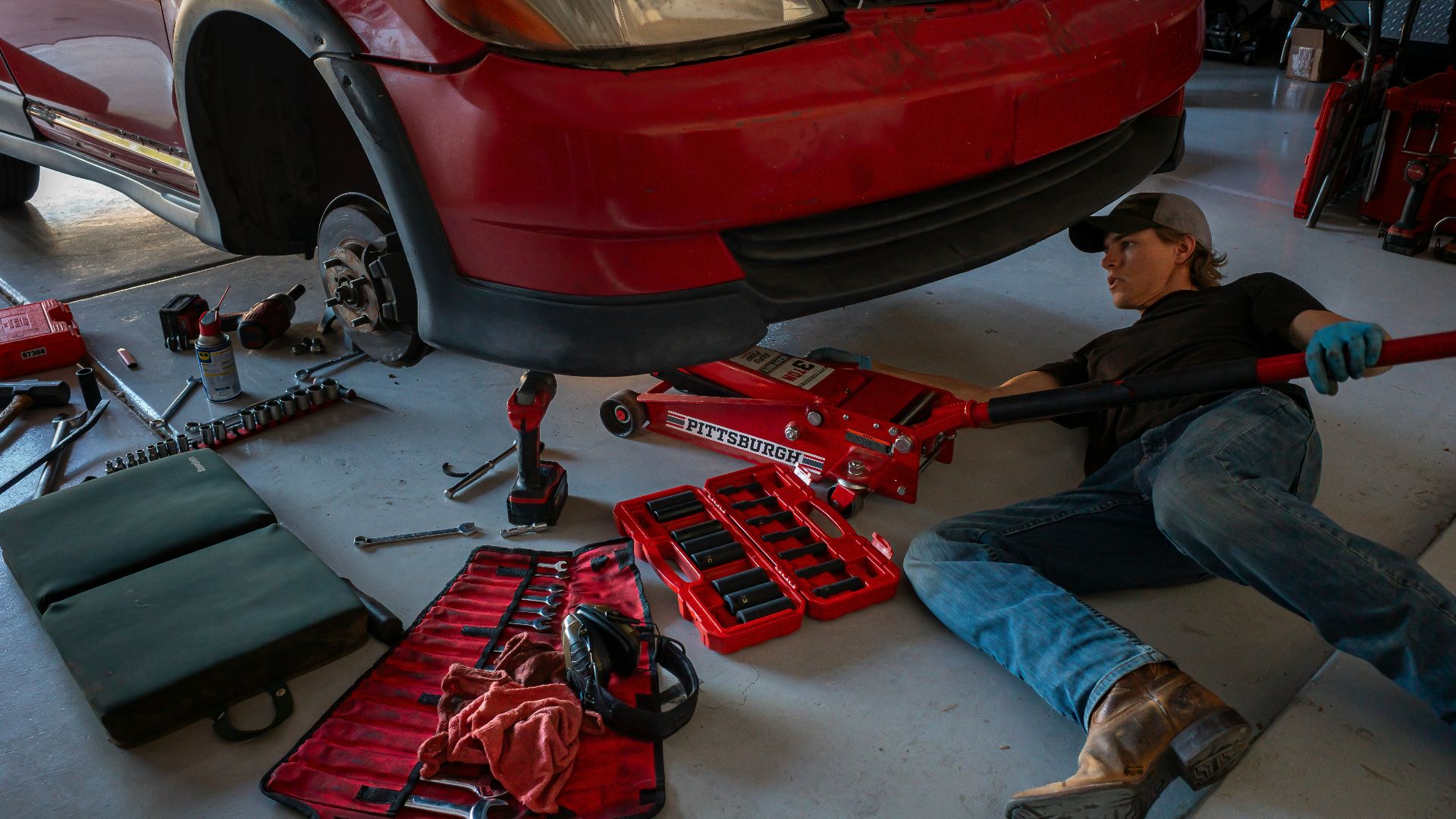
A paid-off car eventually starts behaving much like a paid-off house: there’s no monthly loan payment, but age brings repair bills. Tires, brakes, suspension components, batteries, electronics, and other systems don’t become cheaper because the driver is retired. Eventually replacing the vehicle can be especially painful if the retirement budget assumed the old car would last indefinitely.
Transportation After Driving Becomes Difficult
Some retirees eventually reduce or stop driving, but that doesn’t necessarily eliminate transportation spending. Rideshares, taxis, paratransit, senior transportation services, medical transportation, and delivery fees can replace part of the old car budget. The expense can become particularly significant for someone living in a suburban or rural area where daily life was designed around owning a vehicle.

Groceries
Food remains one of the largest recurring household expenses no matter how many other bills disappear. BLS data showed food-at-home prices were still higher in August 2026 than they had been a year earlier. Retirees can adjust brands and shopping habits, but there’s a limit to how much anyone can cut a basic necessity when prices rise faster than their retirement income.

Internet And Phone Service
Internet access and a reliable phone increasingly function more like necessities than luxuries, particularly for retirees using telehealth, online banking, prescription portals, streaming, video calls, and connected security systems. Promotional rates can disappear while equipment and plan charges creep higher. These bills may seem minor compared with a former mortgage payment, but decades of increases can make them surprisingly expensive.

Taxes On Retirement Income And Withdrawals
Ending employment doesn’t necessarily end income taxes. Pension income, traditional IRA withdrawals, required minimum distributions, investment gains, and portions of Social Security can all affect the annual tax bill. Large withdrawals can even have a second effect by pushing income high enough to increase future Medicare Part B and Part D premiums through IRMAA.

Travel And Family Visits
Retirement plans often assume there will finally be more time to see children, grandchildren, friends, or long-postponed destinations. Airfare, lodging, rental cars, travel insurance, and restaurant costs can all increase while the traveler’s income remains relatively fixed. The expense can become less discretionary than it sounds when children and grandchildren live across the country and maintaining those relationships requires regular travel.

A Paid-Off House Is A Major Advantage, Not A Paid-Off Retirement
Eliminating a mortgage can dramatically reduce monthly expenses, but it shouldn’t be mistaken for eliminating housing costs or insulating a retirement budget from inflation. Property taxes, insurance, upkeep, healthcare, transportation, caregiving, and everyday necessities can all become more expensive as the years pass. The strongest retirement plan leaves room for those costs to grow rather than assuming the spending level at 65 will still make sense at 75 or 85.

You May Also Like:
Careers Baby Boomers Thought Were Safe That Became Much Riskier Over Time
Forget Freedom 55—Freedom 75 Is The New Reality In 2026
Convenience Fees That Turn Small Purchases Into Expensive Ones