
When An Inheritance Disappears
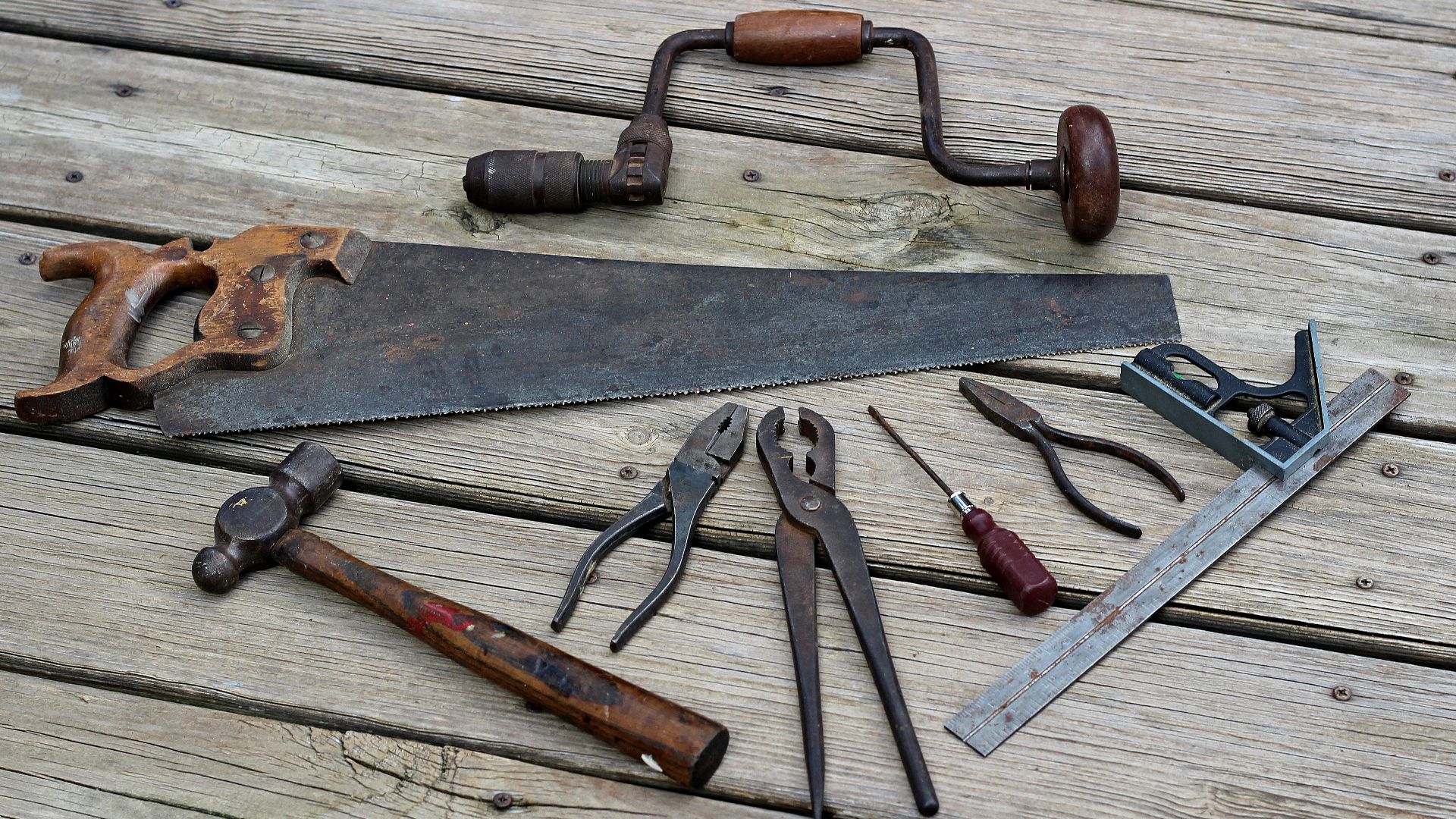
Your father-in-law knew that you were the only one in the family who appreciated the value of his vintage tool collection. That’s why he left those tools to you in his will, knowing the financial and sentimental value they held. But you learned that his son sold them at a steep discount while your father-in-law was in hospital. Now you’re wondering whether you have any legal recourse to recover the value or the items themselves.

Start With The Will Itself
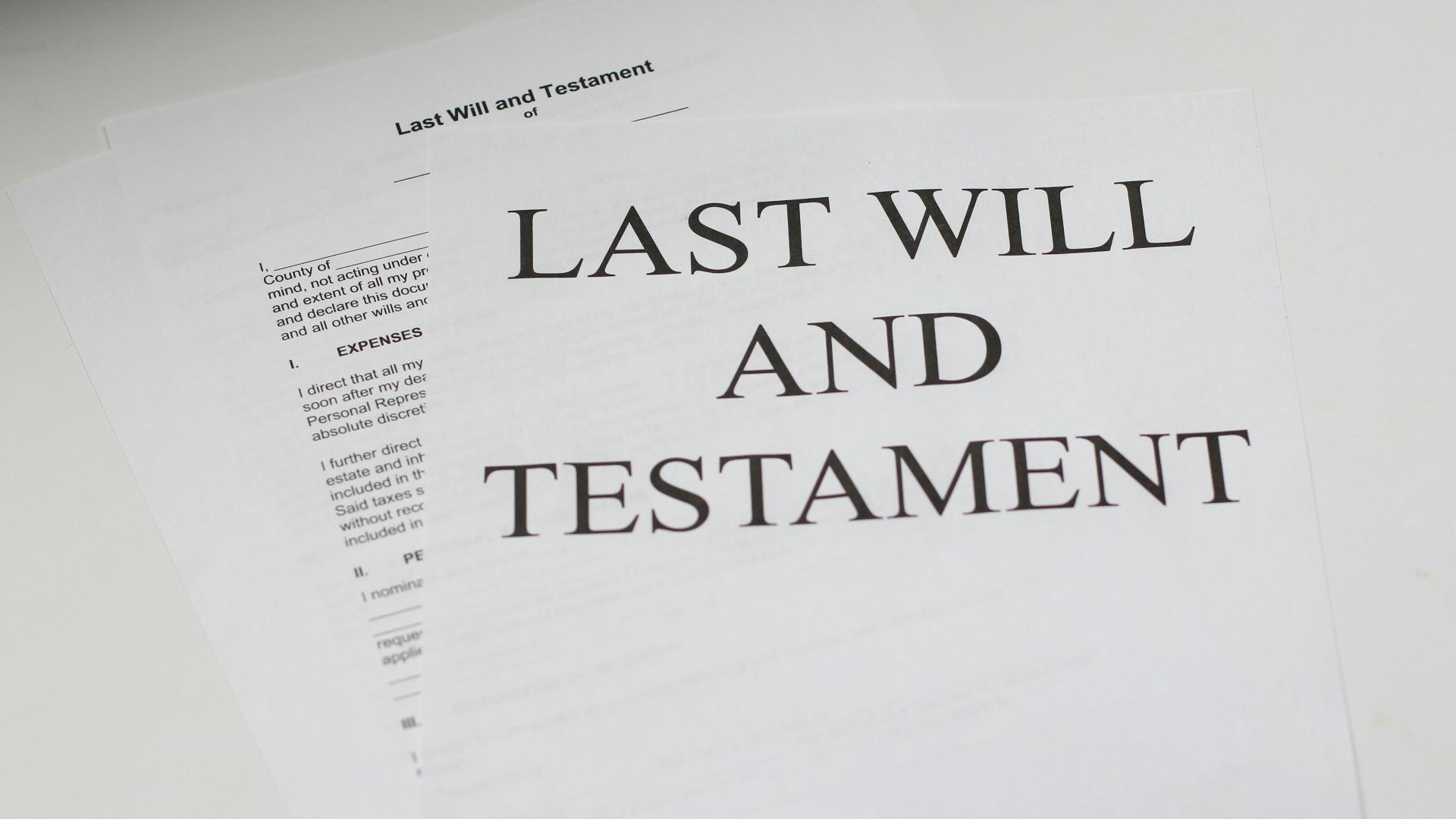
Your first step is to carefully review the will. If the tools were clearly and specifically left to you, that strengthens your position. A specific bequest carries more legal clout than a general inheritance. The clearer the wording, the easier time you’ll have showing that the tools were never the son’s to sell.
Confirm Who The Executor Is
You need to identify who was officially named as executor. Since the son wasn’t the executor, he likely had no legal authority to sell estate property. That’s a key distinction, because only the executor has the legal power to manage and distribute estate assets.

Why Authority Matters So Much
In estate law, authority is everything. If someone other than the executor sells estate property, that transaction may be invalid or unauthorized. The son’s lack of authority could make the sale improper from the outset, giving you better grounds to challenge what happened.

Understand The Executor’s Responsibility
The executor is the one responsible for safeguarding assets and distributing them according to what’s written in the will. If the executor allowed the sale to happen or failed to prevent it, they may still bear responsibility. But the key point is that the son had no independent right to act.

Was The Sale Even Legal?
You should determine how the son was able to sell the tools in the first place. If he did so without the executor’s approval, the sale could be considered wrongful. That opens the door to potential claims against him for interfering with estate property.

Importance Of Timing
Assets generally aren’t supposed to be distributed or sold before the estate is properly administered. If the tools were sold before they were officially transferred, or while your father-in-law was still alive, this would further support the argument that the transaction was improper and premature.

Determine The Value Of The Tools
You’ll first need to figure out what the tools were actually worth. Appraisals, comparable listings, or expert opinions can help show they were sold for far less than fair market value. This helps quantify your loss if you decide to pursue compensation.
Track Where The Tools Went
If possible, try to identify who purchased the tools. If they were sold privately, this may be difficult, but not impossible. In some cases, if the buyer knew the seller lacked authority, the sale can be challenged or reversed.

Your Rights As A Named Beneficiary
As a beneficiary, you have a legal interest in the assets left to you. That means you can object when you discover that someone has interfered with those assets. The fact that the son wasn’t the executor strengthens the claim that your inheritance was mishandled.

Ask For A Formal Accounting
You should ask the executor for a full accounting of the estate. This includes all assets, transactions, and distributions. If the tools were sold improperly, the accounting should indicate when and how it happened, and whether the executor responded appropriately.

When The Executor May Still Be Liable
Even though the son wasn’t the executor, the executor could still be liable if they failed to protect estate assets. Executors are expected to safeguard property. If they allowed unauthorized access or ignored obvious red flags, that could create additional accountability.

Address The Son Directly
You may also have a direct claim against the son. Selling property that didn’t belong to him could be considered conversion or wrongful interference. That means he may be personally responsible for the value of the tools you lost.

Consider Legal Action
If the situation can’t be resolved through discussion, you may need to consult an estate lawyer. Legal action could consist of pursuing compensation from the son, holding the executor accountable, or asking a court to address the improper sale. It would depend on how much money you think the tools were worth.

Possible Remedies Available To You
Courts can order financial compensation equal to the value of the lost property. In some cases, they may also impose penalties or require repayment. The goal is to put you in the position you would have been in if the tools hadn’t been sold.

Challenge Of Recovering The Items
Getting the actual tools back could be a big challenge, especially if they were sold to several different buyers who were acting in good faith. In many cases, compensation is the more realistic outcome, even if the items had sentimental value.

Small Claims Or Probate Court
Depending on the value of the tools, your claim could be handled in small claims court or probate court. Probate court is often the right place for bringing up disputes involving estate assets and improper conduct by others.

Act Quickly
You should act as soon as possible. Legal claims often have time limits, and any delays will only your position. The sooner you collect evidence and seek advice, the better your chances of getting back what you are owed.

Protect Yourself With Documentation
Keep all relevant records, including the will, communications, and any proof of value. Documentation will be essential if you need to prove that the tools were yours and that they were sold without proper authority.

What You Can Do Next
You’re out the tools right now, but you aren’t out of options. Focus on confirming the executor’s role, gathering evidence, and asserting your rights as a beneficiary. If necessary, take whatever legal steps you can to recover the value of the tools. The fact that the seller lacked authority significantly strengthens your case. In the meantime, do whatever you can to fulfill your father-in-law’s wishes.

You May Also Like: