
When “Equal” Doesn’t Feel Fair
Your mom thought she was being fair by dividing her estate evenly among her children and their spouses. But now that you’re divorced, that approach left you with half of what your married siblings received as couples. It feels like an unintentional punishment, and you’re wondering what realistic options you have available to address that imbalance.
 Fotosushi, AdobeStock; Factinate
How Inheritances Are Legally Distributed
From a legal standpoint, estates are distributed according to the will or trust, and not based on fairness after the fact. If your mother clearly left shares to “siblings and spouses” as separate individuals, or named couples as combined beneficiaries, the executor is typically required to follow those instructions to the letter as much as possible, even if the final outcome seems inequitable.

Intent Vs Outcome
Courts normally focus on the intent of the person who made the will. If your mother intentionally structured the inheritance this way, judges will be reluctant to override her wishes. Even if the circumstances changed later because of something like a divorce, for example, the law almost always gives priority to clearly written instructions over correcting perceived unfairness.

Review The Exact Language
Before you assume nothing can be done and give up, review the will or trust carefully. Small details and wording are important. There’s a big difference between gifts made to “my children and their spouses” versus gifts made to “my children, per stirpes.” An estate attorney can help figure out whether the distribution truly required unequal results.

Were Spouses Named Or Just Included?
If spouses were explicitly named as beneficiaries, then the situation becomes much harder for you to challenge. But if spouses were included only by implication or through vague language, you may have some room to argue that your mother intended equal treatment among her children, not her children and their spouses.
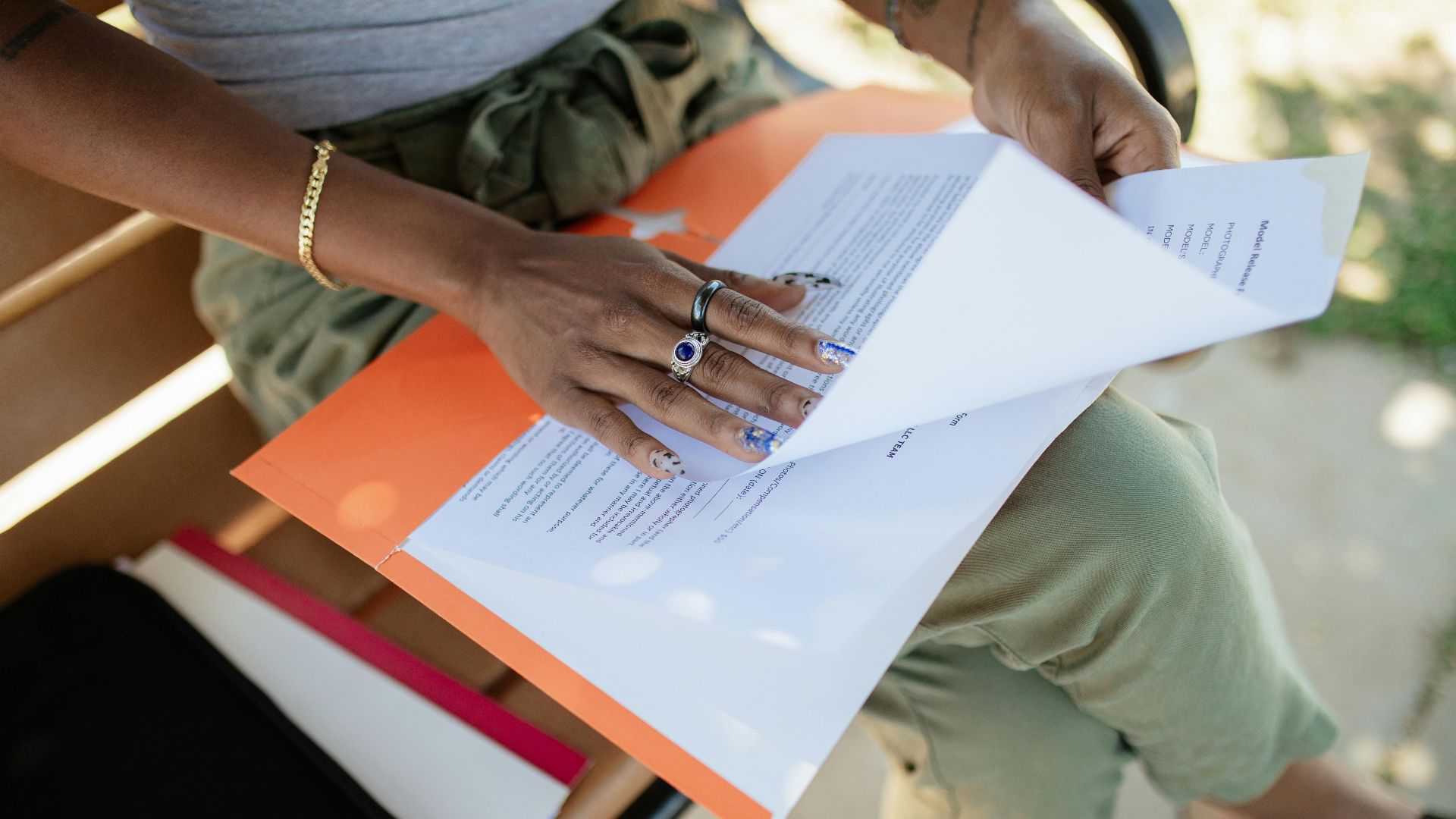
Divorce Timing Complicates Matters
The timing of your divorce matters. If you were already divorced at the time of your mother’s death, one could argue you were no longer similarly situated to your siblings’ households. If the estate plan wasn’t updated after your divorce, the disparity may reflect outdated assumptions rather than deliberate intent.
 Karolina Grabowska www.kaboompics.com, Pexels
Talk To The Executor First
Before you escalate matters legally, consider discussing the issue with the executor. Executors sometimes have limited discretion, especially in trusts, to make equitable adjustments if the documents allow for such flexibility. While they can’t ignore the will, they may help clarify your options or facilitate conversations among family members.

Family Negotiation
In a lot of cases, the most practical solution is to do some sort of family negotiation instead of pursuing litigation. Your siblings may not have realized how unequal the outcome was. Voluntary redistribution, while not legally required, can sometimes resolve any resentment and avoid the permanent family fractures that lawsuits can generate.

Litigation: Costly And Uncertain
Challenging an inheritance is expensive and emotionally draining, with no guarantee of a beneficial outcome. Courts rarely rewrite wills just because one party thinks the outcome is unfair. Unless you can show some ambiguity in the wording of the will, undue influence, lack of capacity, or drafting error, the odds of success may not be worth the cost and stress involved.

Undue Influence Is Tough To Prove
Some people think of claiming undue influence if a distribution feels wrong. But this requires some clear evidence that someone pressured or manipulated your mother when she was putting her estate plan together. Disagreement with the result isn’t enough on its own. Without strong evidence, courts usually reject these claims.

This Isn’t Automatically Gender Or Marital Discrimination
While the outcome leaves you with less as a divorced person, the courts usually don’t treat this type of case as discrimination. Estate planning allows wide latitude, even when allocations disadvantage unmarried, divorced, or child-free beneficiaries. The law focuses on freedom of disposition, not equality among heirs.

Emotional Harm Still Matters
Even if the law offers limited remedies, that doesn’t make the emotional impact any less real. Feeling devalued compared to married siblings can strain relationships and affect long-term family dynamics. It’s normal to acknowledge that hurt, even if your legal options are limited.

Consider Your Own Financial Planning
While you may not be able to fix the inheritance distribution, there’s still much you can do to respond proactively. Go back and revisit your own estate plan, beneficiary designations, and long-term financial goals to make sure you’re protected going forward. This experience can be a catalyst for you to start planning smarter for your own future.

Learn From The Structure Your Mother Used
This situation points out a common estate planning pitfall. Dividing assets by individuals rather than by households can create unintended inequality. Understanding this will at least help you advise others or structure your own estate differently so you can avoid repeating the same problem.

Taxes Aren’t The Issue Here
In most cases, unequal distributions like this don’t create tax remedies. Inheritances are typically not taxable to the recipient, and there is no adjustment mechanism based on marital status. Unfortunately, tax law doesn’t offer any backdoor solution to fairness disputes.

A Legal Consultation Might Make Sense
Even if litigation is unlikely, a short consultation with an estate attorney can be worthwhile. They can review the documents, explain whether any ambiguity exists, and give you a clearer sense of whether negotiation, mediation, or legal action is worth pursuing in your specific case.

Mediation Can Preserve Relationships
If emotions are still running high, estate mediation might help. A neutral mediator can facilitate discussions among siblings and spouses in a structured way. While mediation can’t force redistribution, it can create the space for a negotiated compromise without the hostility of court proceedings.

Accept What You Can’t Change
In some cases, the healthiest outcome is to just accept that the distribution won’t change and focus on moving forward. That doesn’t mean you’re giving blanket approval of the decision, but it does mean that you’ll protect your mental health and financial stability instead of staying locked in resentment.

A Lesson In Planning
This inheritance issue goes to show how deeply personal and imperfect estate planning can be. Many parents try to aim for fairness but overlook how life changes like divorce affect outcomes. Recognizing that gap can help you make clearer, more intentional decisions for your own assets.
 Christina @ wocintechchat.com M, Unsplash
Unequal Inheritances
When an estate is divided among siblings and spouses, divorced beneficiaries can end up with far less, even if no harm was initially intended. Legal remedies are limited, but understanding the documents, communicating with family, and seeking professional guidance can help you decide the best path forward.

You May Also Like: