
When A Fake Signature Costs You Real Money
You check your account and notice money is missing. A check was cashed with your name on it, but you never signed it. You report it to the bank expecting a quick fix, but instead they say you need to prove it was fraud. It feels backwards, but this is how the process usually works. The good news is you’re not stuck, and there are clear steps you can take to try to get your money back.

Banks Are Supposed To Check Signatures
Banks are expected to verify that checks are properly signed before cashing them. That’s part of their responsibility. But in reality, this process isn’t perfect. With the volume of checks being processed, especially electronically, signature verification can be quick and sometimes inconsistent.
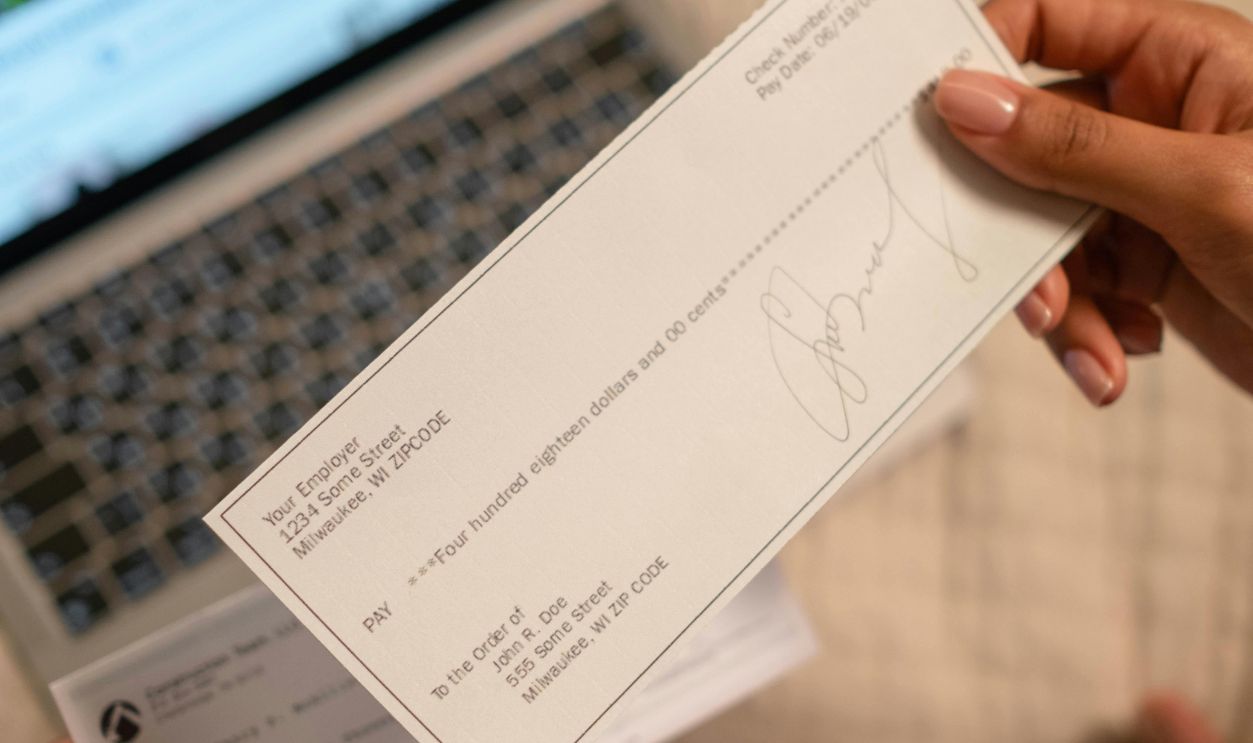
A Forged Check Doesn’t Mean Instant Refund
Even if the signature isn’t yours, the bank won’t automatically refund the money. They’ll open an investigation first, and part of that process involves you confirming the transaction wasn’t authorized. It’s frustrating, but they’re essentially asking you to formally dispute it.

You Still Have Legal Protections
There are laws in place that say banks shouldn’t honor unauthorized checks. If a signature is forged, the bank may ultimately be responsible for the loss. But they’re going to go through their process before making that decision.

Timing Is One Of The Biggest Factors
How quickly you report the issue can make a huge difference. If you catch the forged check right away, your chances of getting reimbursed are much higher. If weeks or months go by, the bank may argue that you didn’t review your account closely enough.

Regularly Checking Your Account Really Matters
Banks expect customers to monitor their accounts and report problems promptly. That’s why reviewing your statements and transactions regularly isn’t just a good habit, it can directly affect your ability to recover lost money.

File A Fraud Claim Immediately
Once you spot the issue, report it right away. The bank will usually have you fill out a fraud claim or affidavit stating that the signature isn’t yours and that you didn’t authorize the check. This is what officially starts the investigation.

Be Clear And Direct In Your Statement
When you submit your claim, don’t leave things vague. Clearly state that the signature is not yours, that you did not authorize the check, and that the transaction is fraudulent. Being specific helps avoid delays or confusion.

The Bank Will Review The Check Closely
During the investigation, the bank will compare the signature on the check to the one they have on file. They’ll also look at how the check was processed, where it was deposited, and whether anything about the transaction stands out as suspicious.

They May Look At Your Account History
Banks sometimes review your account history to see if similar transactions have happened before. If this is a one-off issue, that can work in your favor. If there’s a pattern, they may take a closer look.

You Might Be Asked To File A Police Report
For larger amounts, the bank may ask you to file a police report. This can feel like a big step, but it helps document the fraud officially and can strengthen your claim.

Keep A Record Of Everything
Save copies of your bank statements, the check image, emails, and any forms you submit. If the situation drags on or you need to escalate it, having everything organized will make your life a lot easier.

Don’t Be Surprised If It Takes Time
Fraud investigations aren’t always quick. It can take weeks for the bank to review everything and make a decision. It’s frustrating, but following up politely can help keep things moving.

If The Bank Denies Your Claim, Push Back
If the bank says no, don’t assume that’s the final answer. Ask them to explain their reasoning in detail. Sometimes decisions can be reversed, especially if you provide additional information.

Escalate Within The Bank First
If you’re not getting anywhere, ask to speak to a supervisor or file a formal complaint. A second review by someone else can sometimes lead to a different outcome.

You Can Take It To Regulators
If the bank still isn’t helping, you can go outside of it. In the U.S., you can file a complaint with the Consumer Financial Protection Bureau. In Canada, you can go through your bank’s ombudsman or a regulatory body. These organizations can review your case and apply pressure if needed.

Legal Advice May Be Worth Considering
If a significant amount of money is involved, talking to a lawyer can help you understand your options. They can tell you whether the bank may have failed in its responsibilities and whether you have a strong case.

Pay Attention To Small Details
Sometimes claims get denied over technical issues, like delays in reporting or missing information. Paying attention to deadlines and providing complete documentation can make a big difference.

Fraud Doesn’t Always Come From Strangers
Forged checks can come from stolen checkbooks, altered checks, or even someone you know. Understanding how it happened can sometimes help strengthen your claim or prevent it from happening again.

Final Thoughts: You Can Push Back And Recover Your Money
If a bank cashed a check with a forged signature, you’re not automatically stuck with the loss. Yes, they may ask you to prove it, but that usually means confirming the signature isn’t yours and going through their process. If you act quickly, stay organized, and don’t back down if the first answer is no, there’s a strong chance you can recover your money.

You May Also Like: