When These Names Were Everywhere
The 1980s business landscape was a wonderfully strange place. You could rent a movie from a giant video store, buy a computer from a company named Egghead, develop vacation pictures at a tiny parking-lot hut, and perhaps fly somewhere on an airline called People Express. To younger ears, some of these businesses sound completely invented.
Blockbuster
Telling somebody under 25 that Friday night once involved physically driving somewhere to choose a movie can already feel like explaining the telegraph. Blockbuster opened its first store in 1985 and grew into the symbol of home-video rental. The corporate stores are now long gone, having officially closed in 2014.
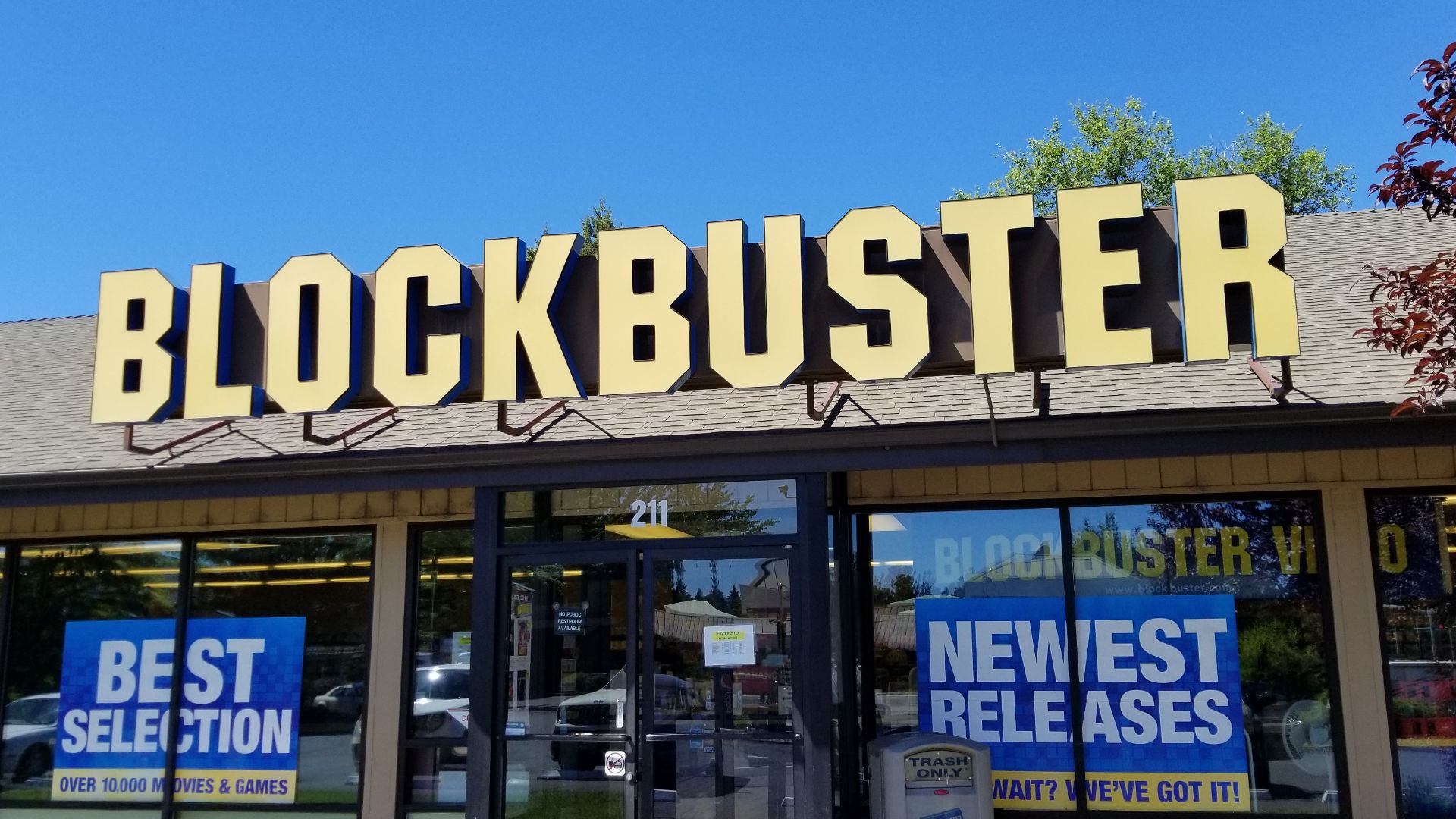 Coasterlover1994, Wikimedia Commons
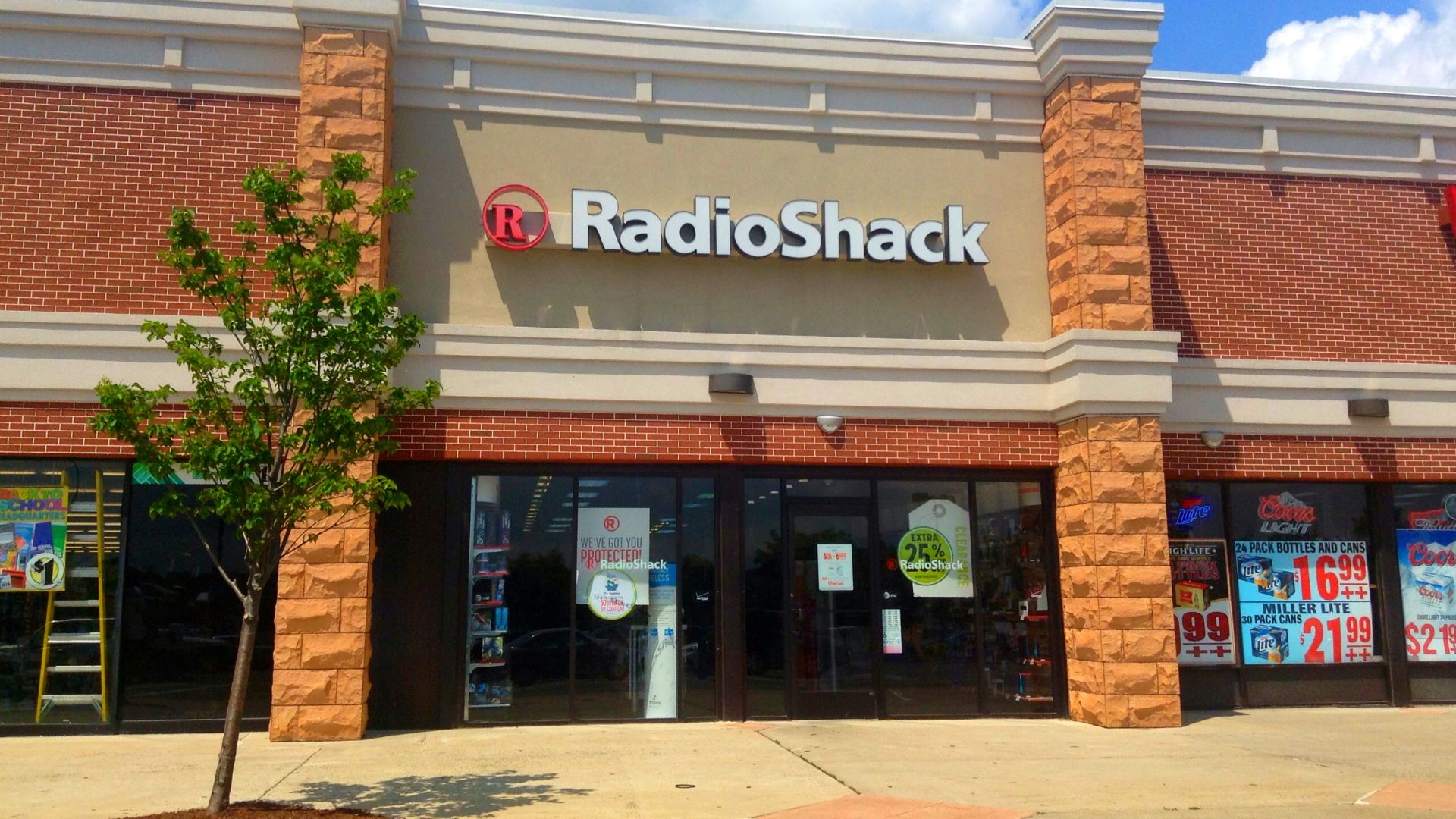
RadioShack
Need a battery? An antenna? A telephone cable? A mysterious electronic component nobody else could identify? RadioShack was waiting. For generations, the chain was practically a neighborhood hardware store for electronics. The company still exists as a brand today, but its enormous American retail footprint belongs mostly to memory.
 Mike Mozart from Funny YouTube, USA, Wikimedia Commons
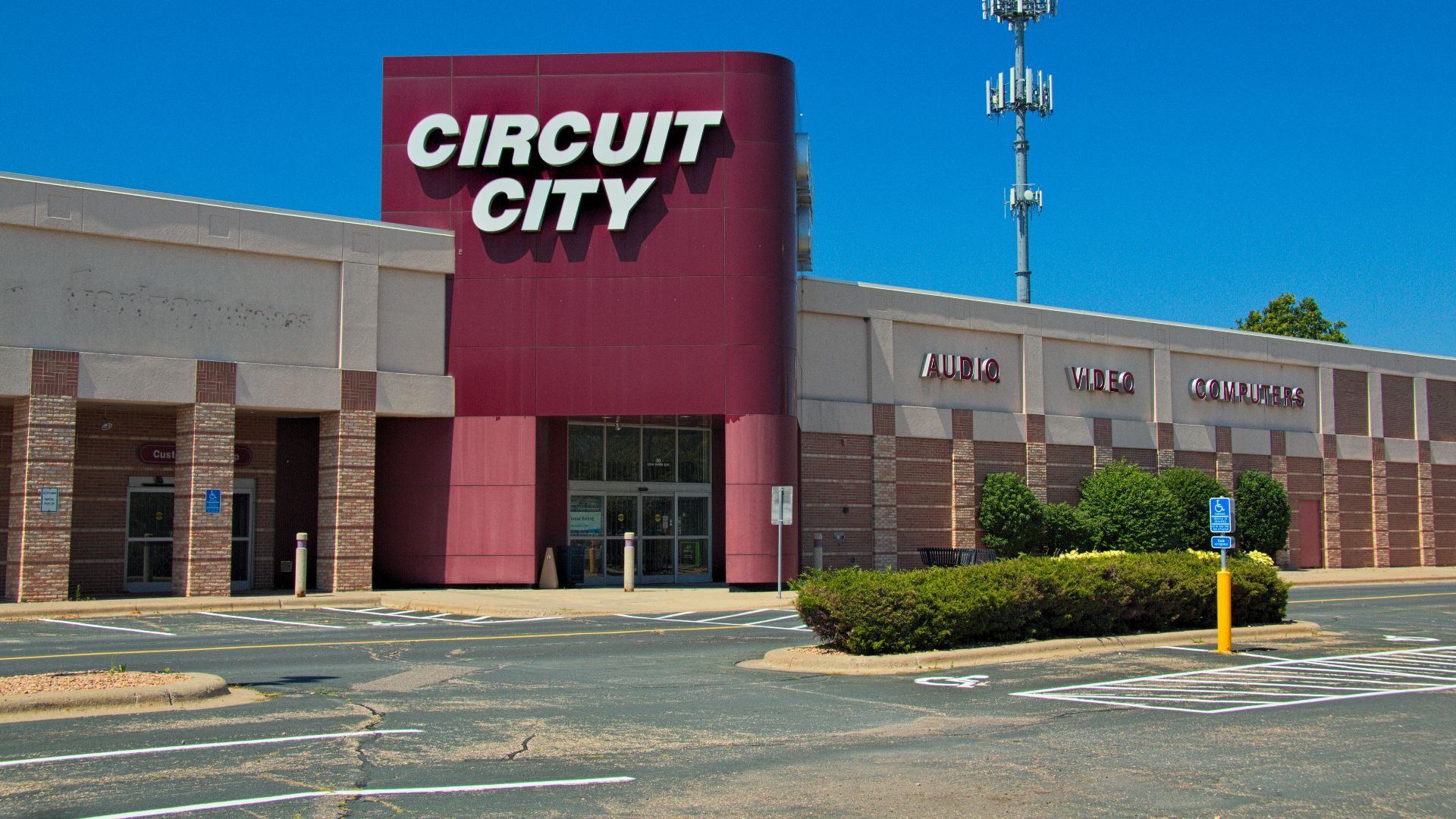
Circuit City
Before big-screen televisions could arrive on your porch after two clicks, buying electronics meant wandering enormous showrooms. Circuit City became one of the country's major electronics retailers, competing aggressively with Best Buy. Its downfall was dramatic: the company announced liquidation in January 2009, eventually closing hundreds of American stores.
 Michael Hicks from Saint Paul, MN, USA, Wikimedia Commons
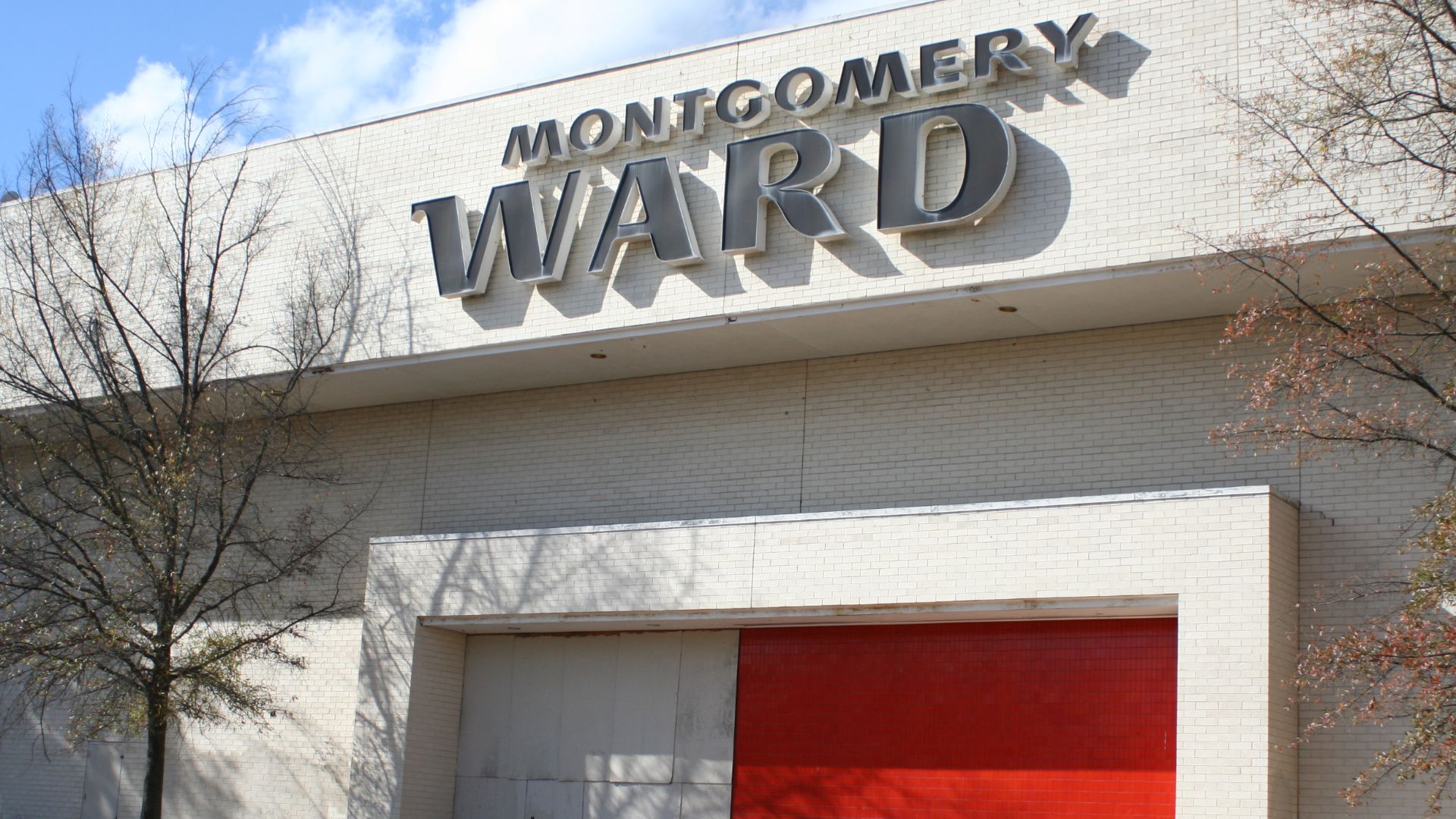
Montgomery Ward
Baby Boomers may remember Montgomery Ward as simply part of the American commercial landscape. Appliances, clothes, tools, furniture, and practically everything else could be found under one roof or in its famous catalogs. After 128 years in business, the struggling retailer closed its remaining stores in 2001.
 Mike Kalasnik from Fort Mill, USA, Wikimedia Commons
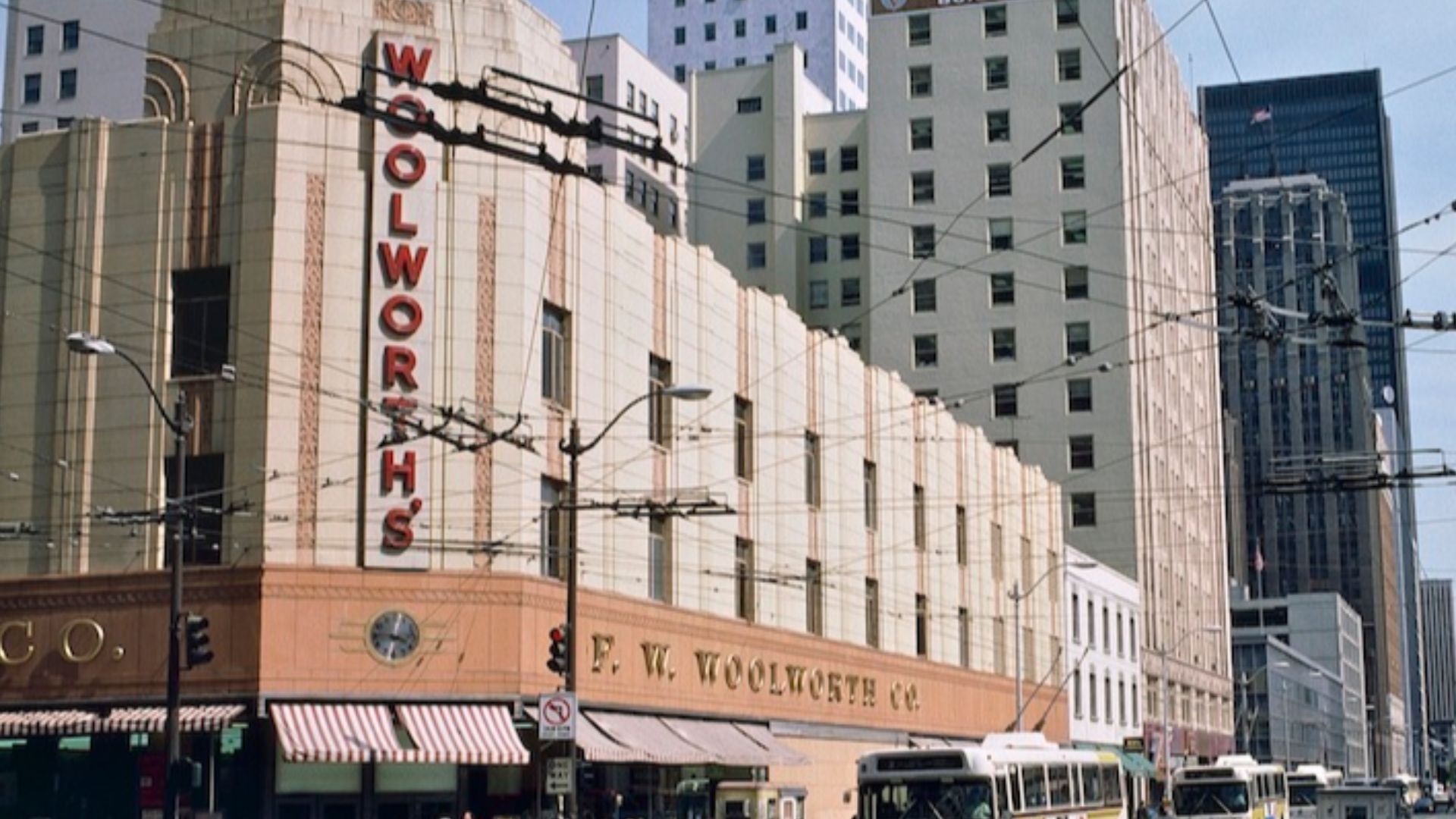
Woolworth
There was a time when saying “Woolworth” required no explanation. Its five-and-dime stores had been fixtures of American downtowns for generations, selling affordable odds and ends alongside those memorable lunch counters. By 1997, however, the company announced that its remaining 400 U.S. general-merchandise stores would close.
 Steve Morgan, Wikimedia Commons
Fotomat
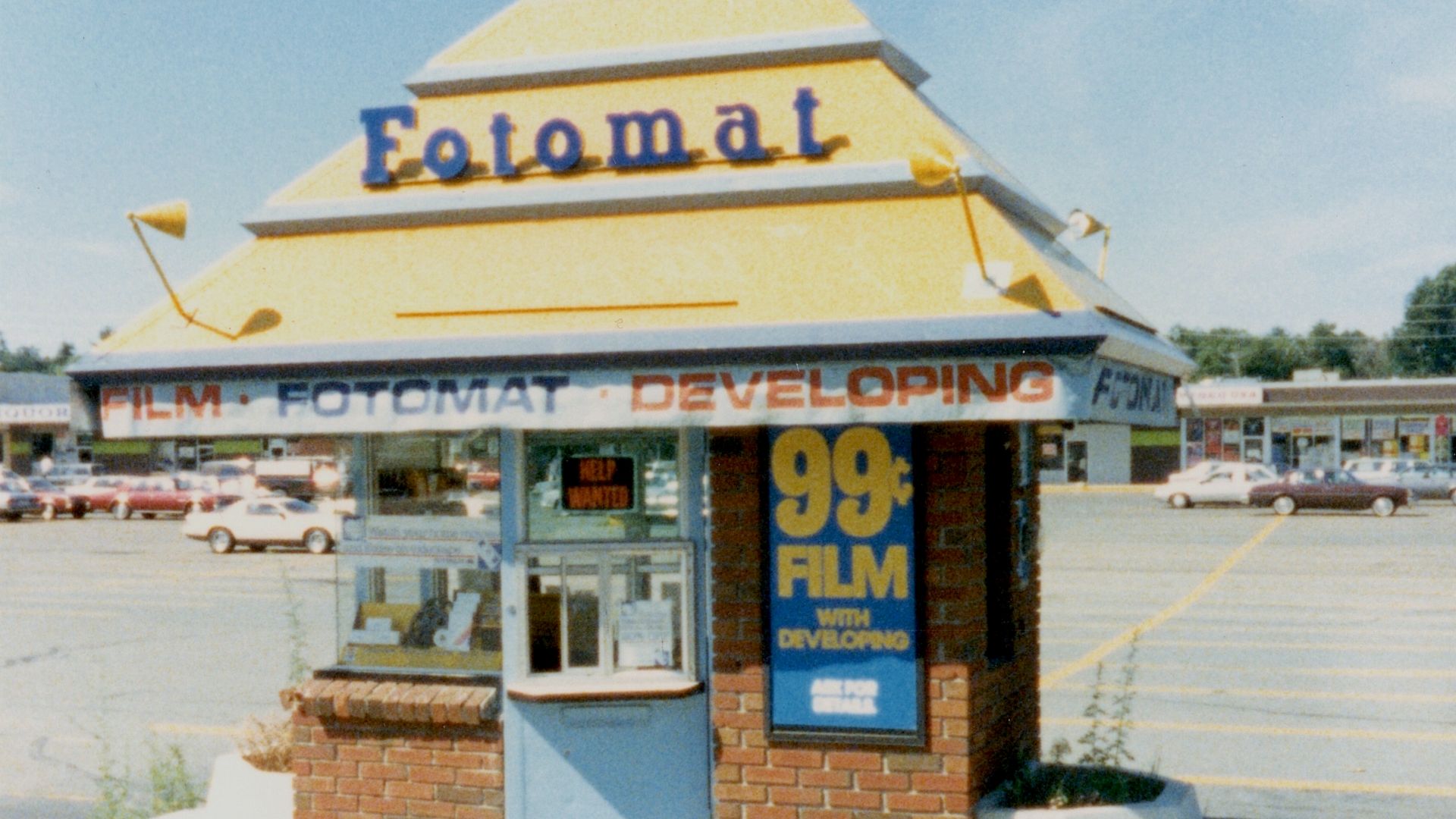
Fotomat may be the hardest business on this list to explain to someone raised with smartphones. These tiny, usually gold-roofed kiosks sat in parking lots, where motorists dropped off rolls of film without even leaving the car. Around 1980, Fotomat reportedly operated thousands of locations across America.
 Not on display, Wikimedia Commons
Service Merchandise
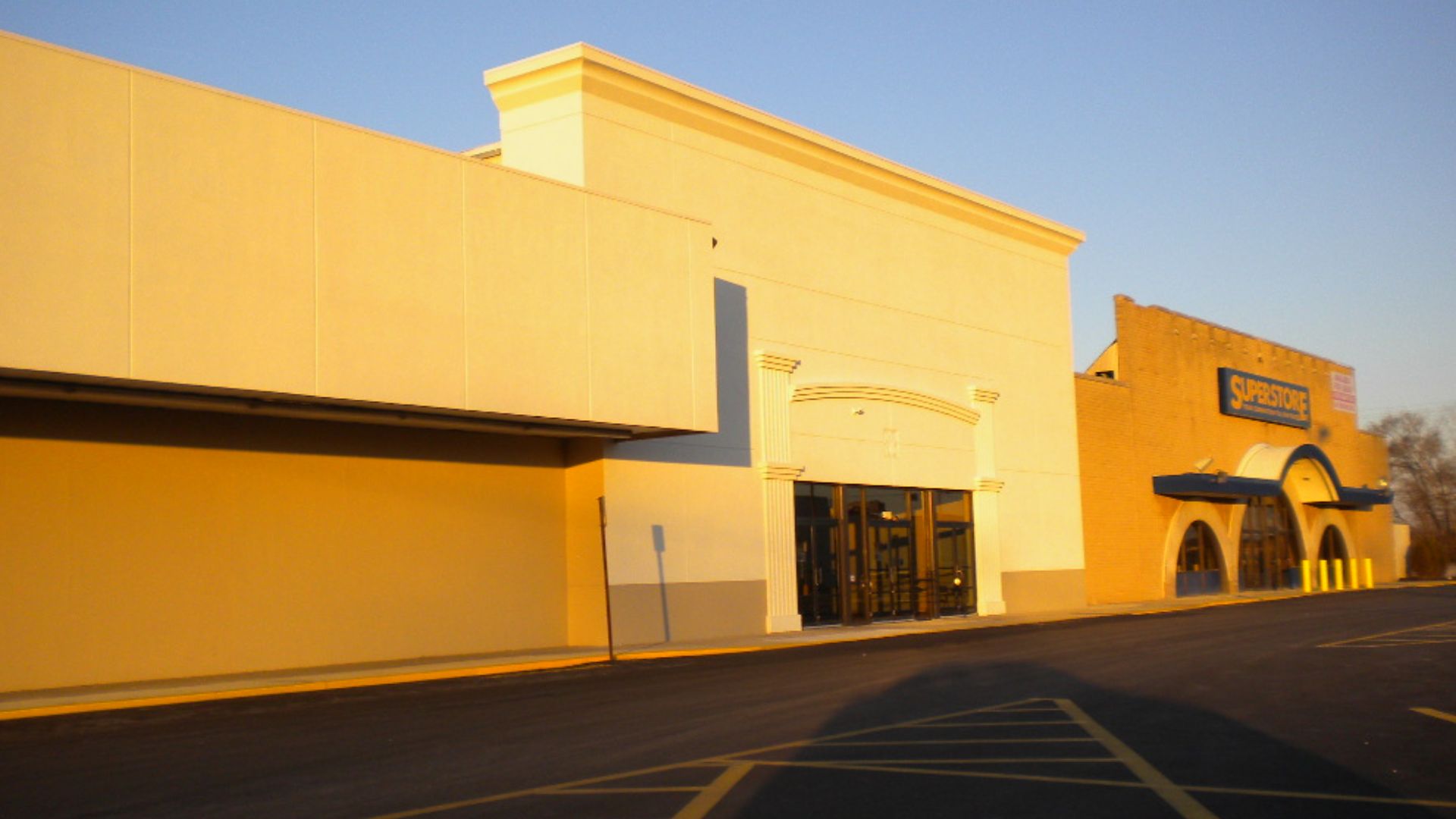
Service Merchandise operated like a department store designed by someone who thought ordinary shopping was too straightforward. Customers browsed display merchandise, wrote down item numbers, and waited for purchases to emerge from a stockroom. Somehow, this unusual catalog-showroom concept became a familiar sight in suburban America.
Zayre
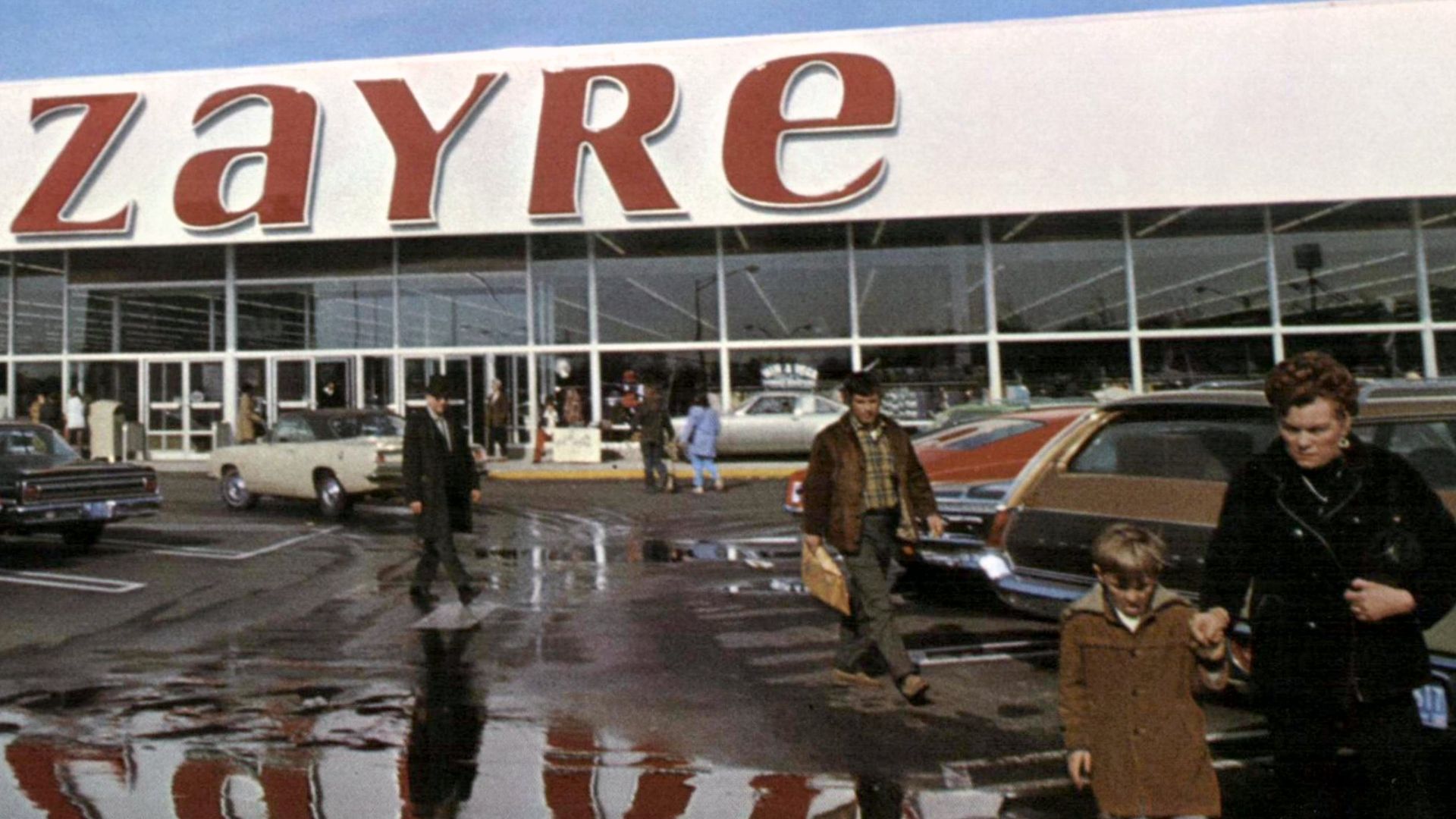
Even the name sounds like it belongs in a fictional 1980s sitcom. Zayre was a major discount retailer whose stores sold inexpensive clothing, household goods, toys, and everything else families expected from a big discount chain. Its stores vanished around the end of the decade as the retail business was reorganized and sold.
 Click Americana, Wikimedia Commons
Mervyn's
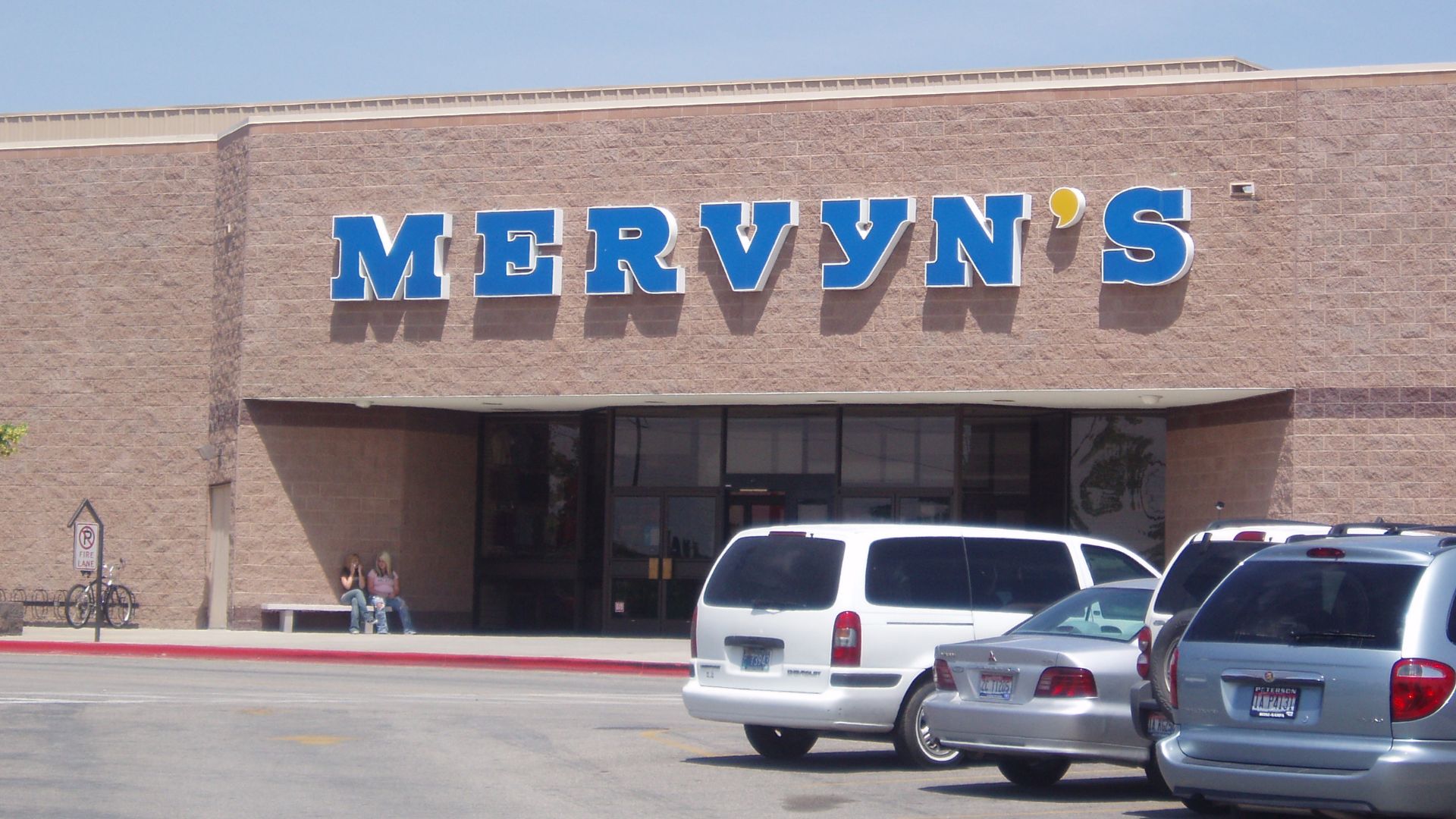
For shoppers in California and across much of the West, Mervyn's was the dependable middle-of-the-road department store. It was neither painfully fancy nor bargain-basement cheap. After decades as a mall fixture, Mervyn's filed for bankruptcy in 2008 and ultimately announced the liquidation of its remaining stores.
 Caldorwards4 at English Wikipedia, Wikimedia Commons
Crazy Eddie
Yes, there really was an electronics chain called Crazy Eddie. Its frantic television commercials promised prices that were “insane,” making founder Eddie Antar's business famous around New York. Behind the memorable advertising, however, investigators eventually uncovered an extensive financial fraud that became an infamous business scandal.
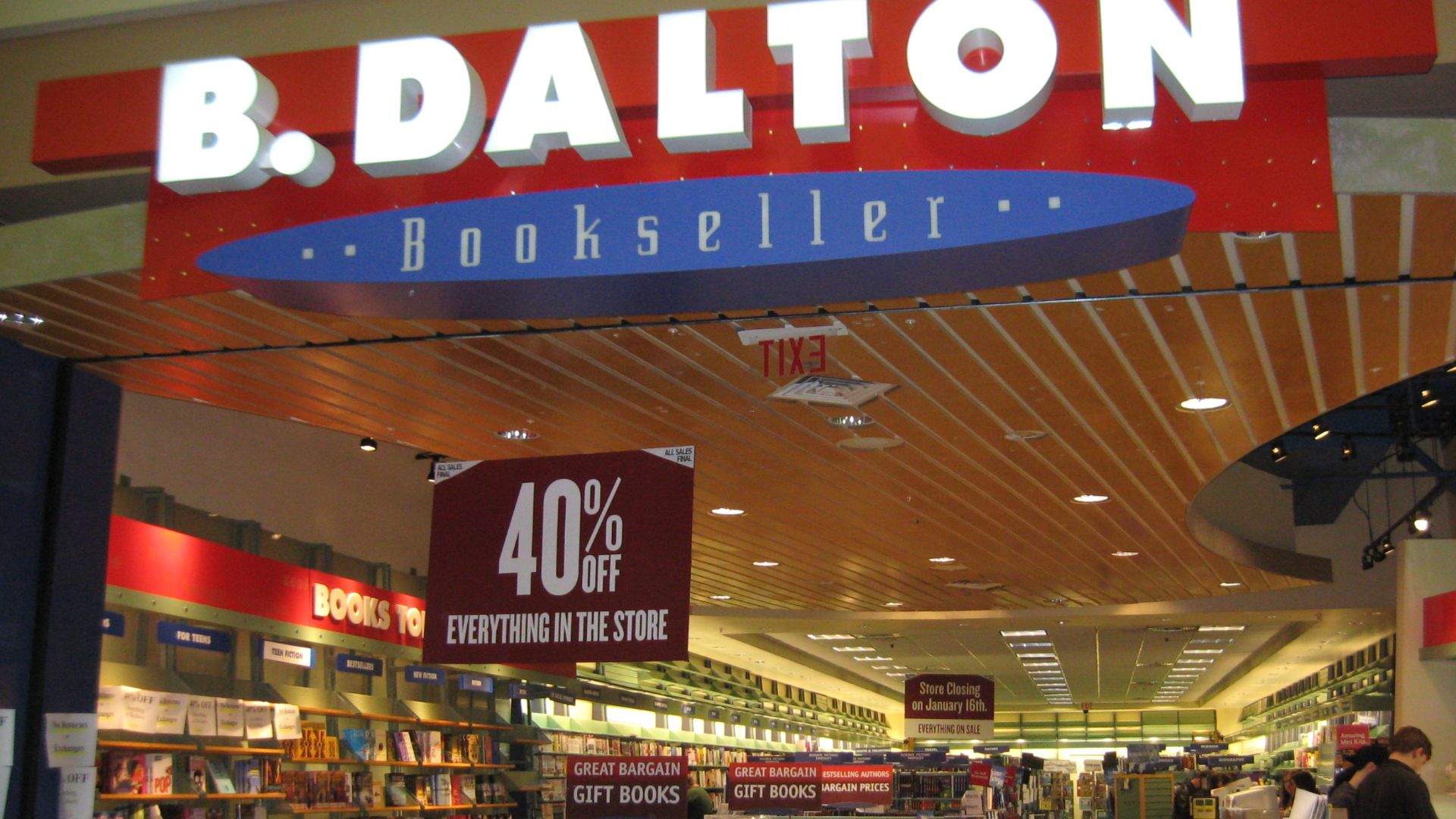
B. Dalton Bookseller
Every respectable 1980s mall seemingly needed a bookstore, and B. Dalton was often it. Before ordering a novel at midnight from the couch, shoppers wandered through compact stores packed with paperbacks, hardcovers, magazines, and gift books. Barnes & Noble eventually absorbed the chain, and the familiar mall storefront disappeared.
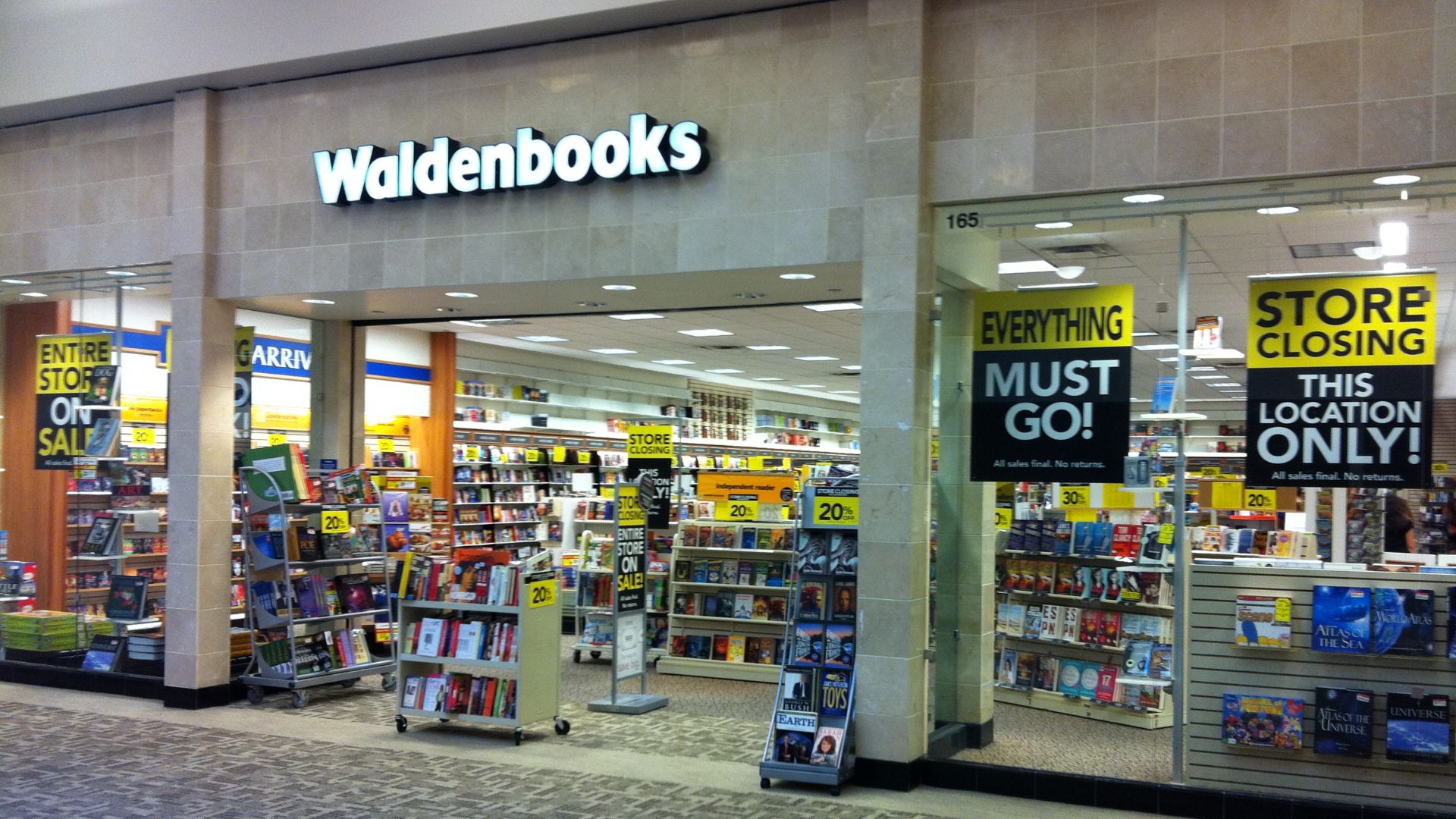
Waldenbooks
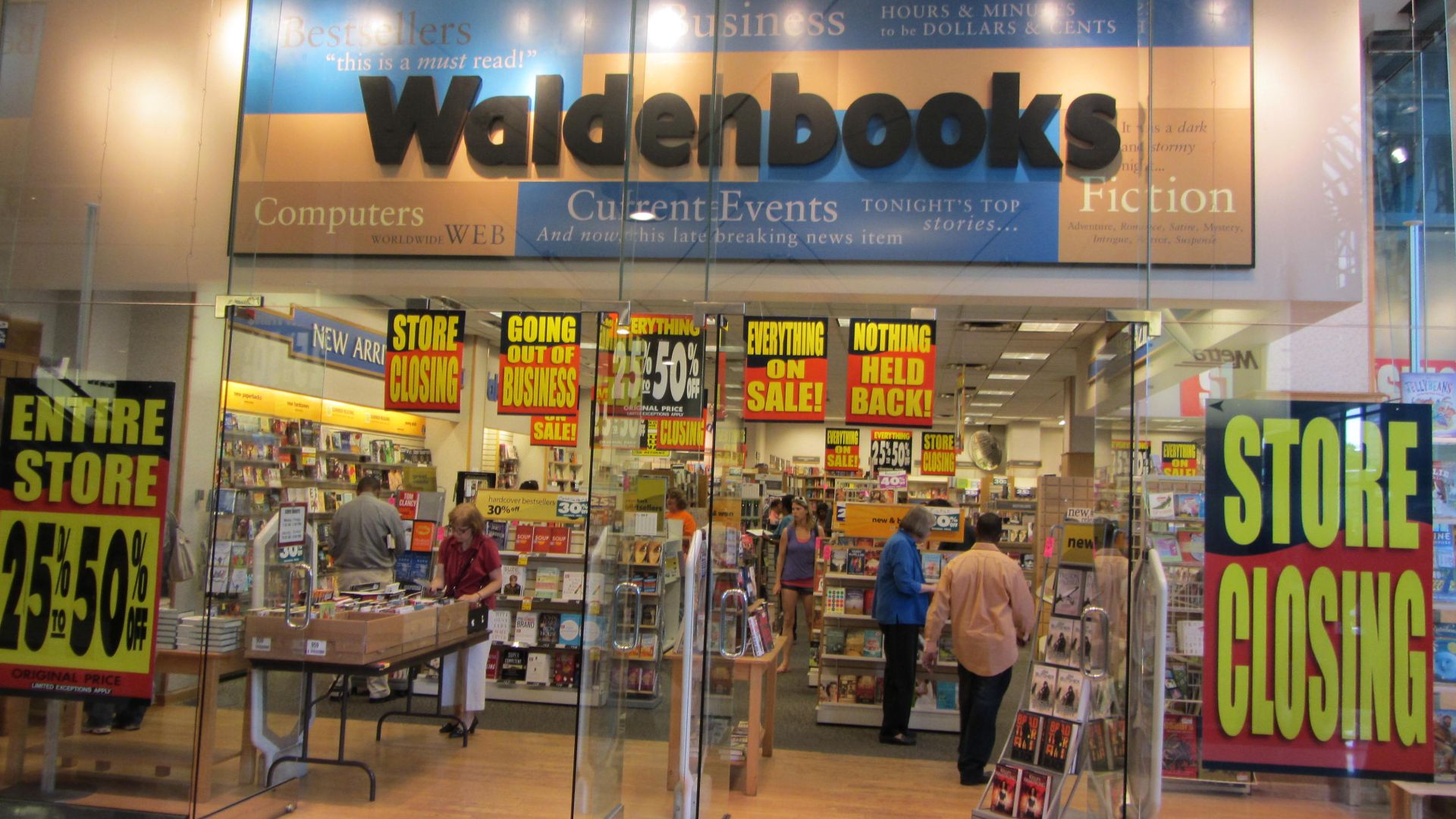
If the mall did not have a B. Dalton, there was an excellent chance it had a Waldenbooks. The chain had roughly 830 stores by 1983 and continued expanding under Kmart ownership. For young readers especially, those tightly packed shelves could turn a routine mall trip into an hour-long expedition.
 Mike Kalasnik, Wikimedia Commons
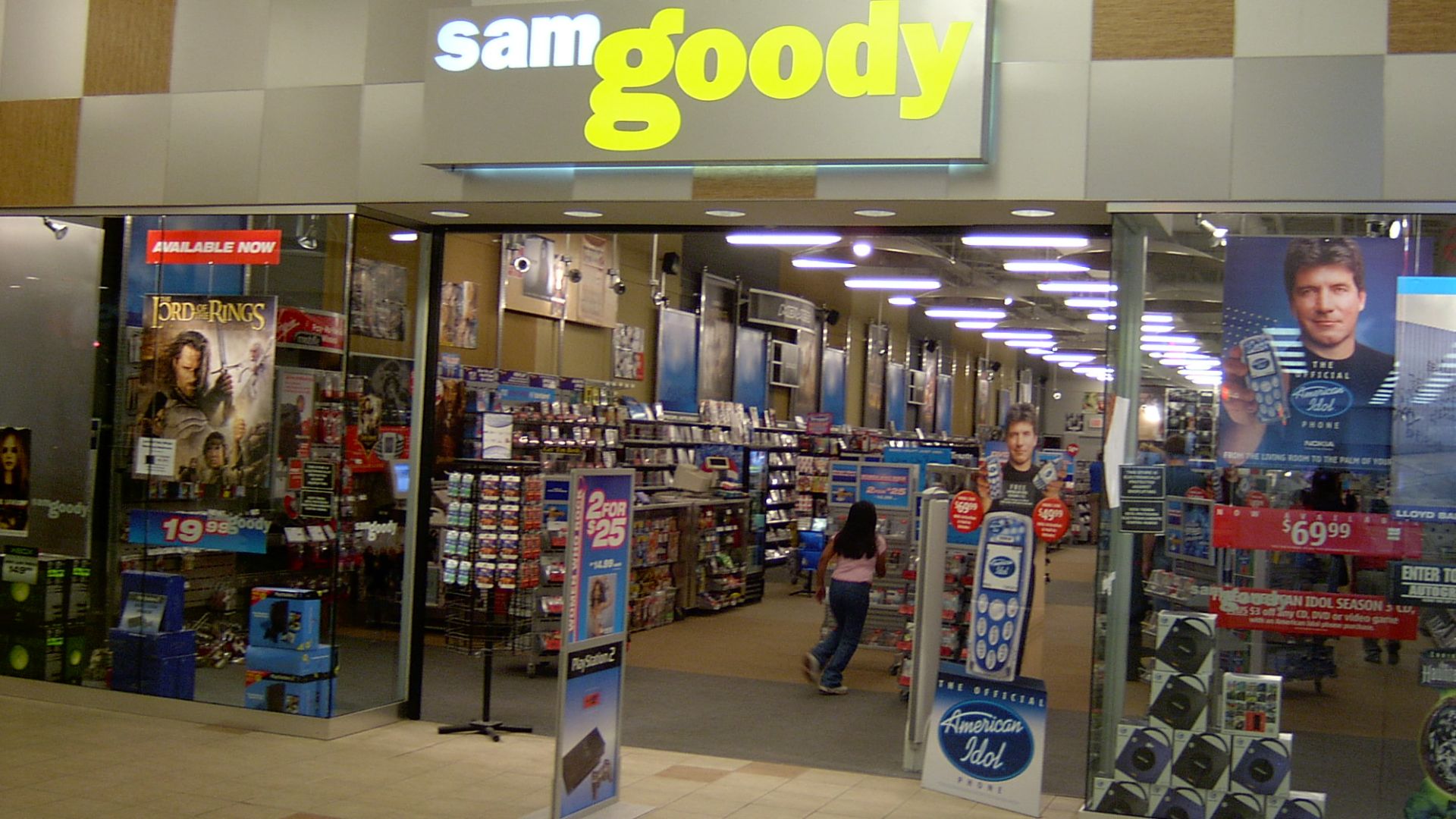
Sam Goody
Music once required real estate. Sam Goody stores filled malls with cassettes, records, CDs, headphones, posters, and customers trying to decide whether an album was worth the asking price. The idea of dedicating thousands of retail locations to physical recorded music now seems almost as retro as the cassette itself.
 Punkrawker4783, Wikimedia Commons
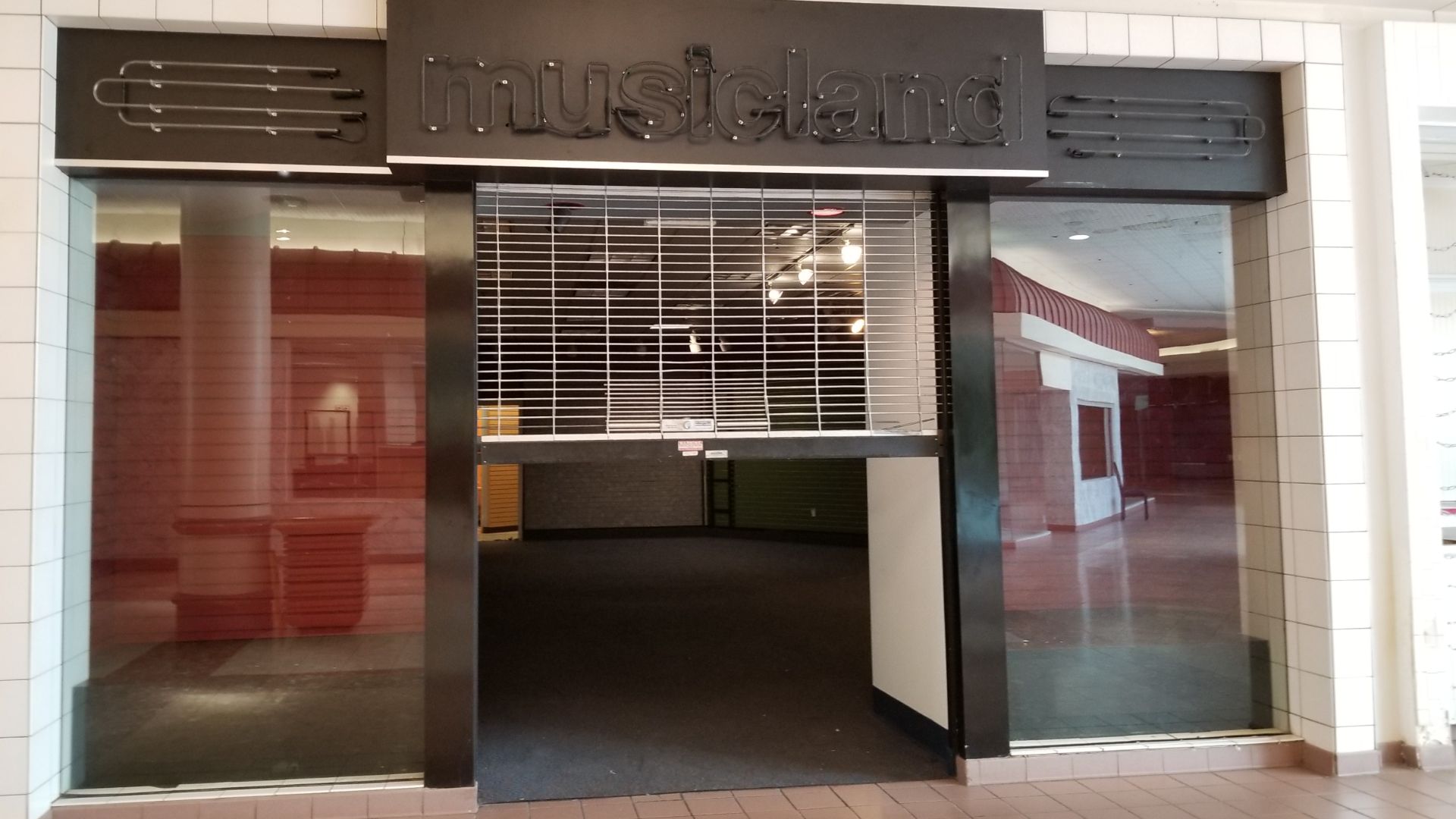
Musicland
Musicland was another unavoidable stop for generations of music fans. Its shops thrived when buying an album was an event rather than pressing a button on a streaming app. Customers browsed racks, studied cover art, compared prices, and sometimes bought an entire record after hearing one song on the radio.
 MikeKalasnik, Wikimedia Commons
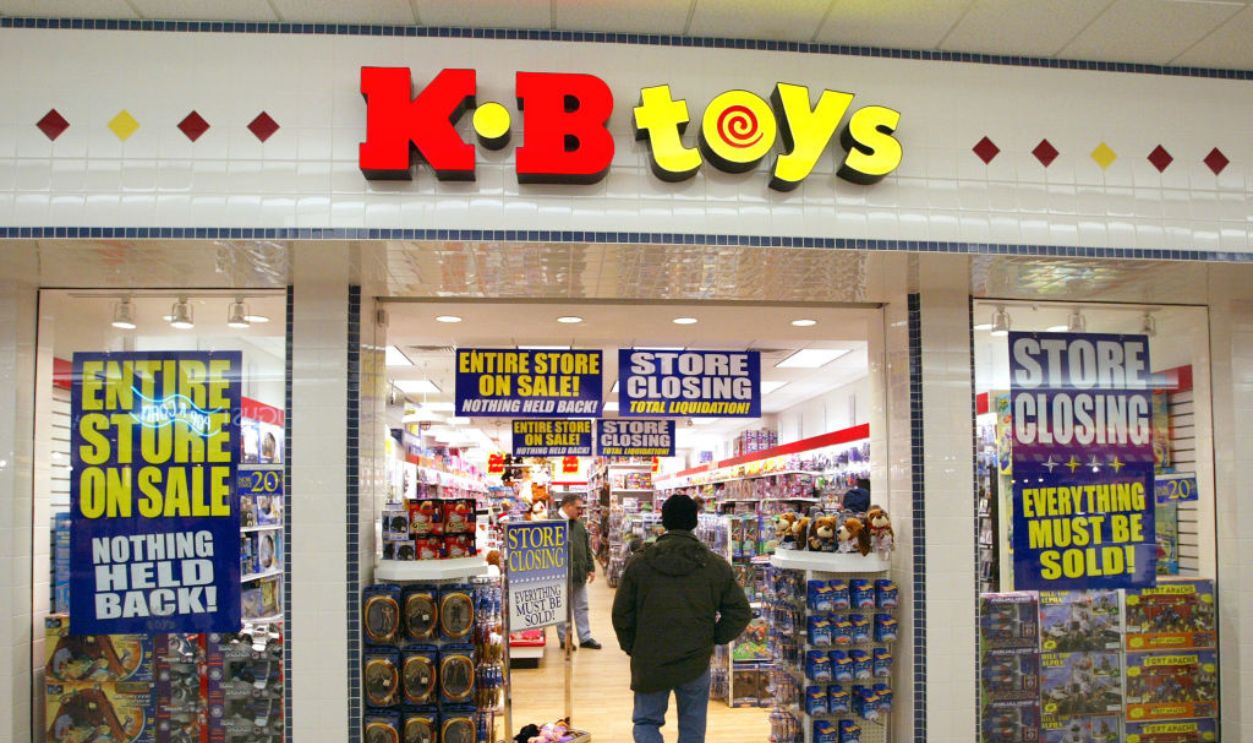
KB Toys
Long before children could build online shopping carts, KB Toys created temptation right in the mall. Stores were crammed with action figures, dolls, games, remote-control cars, and clearance bins that appeared to have no bottom. The company eventually entered bankruptcy, and its remaining stores were liquidated after Christmas 2008.
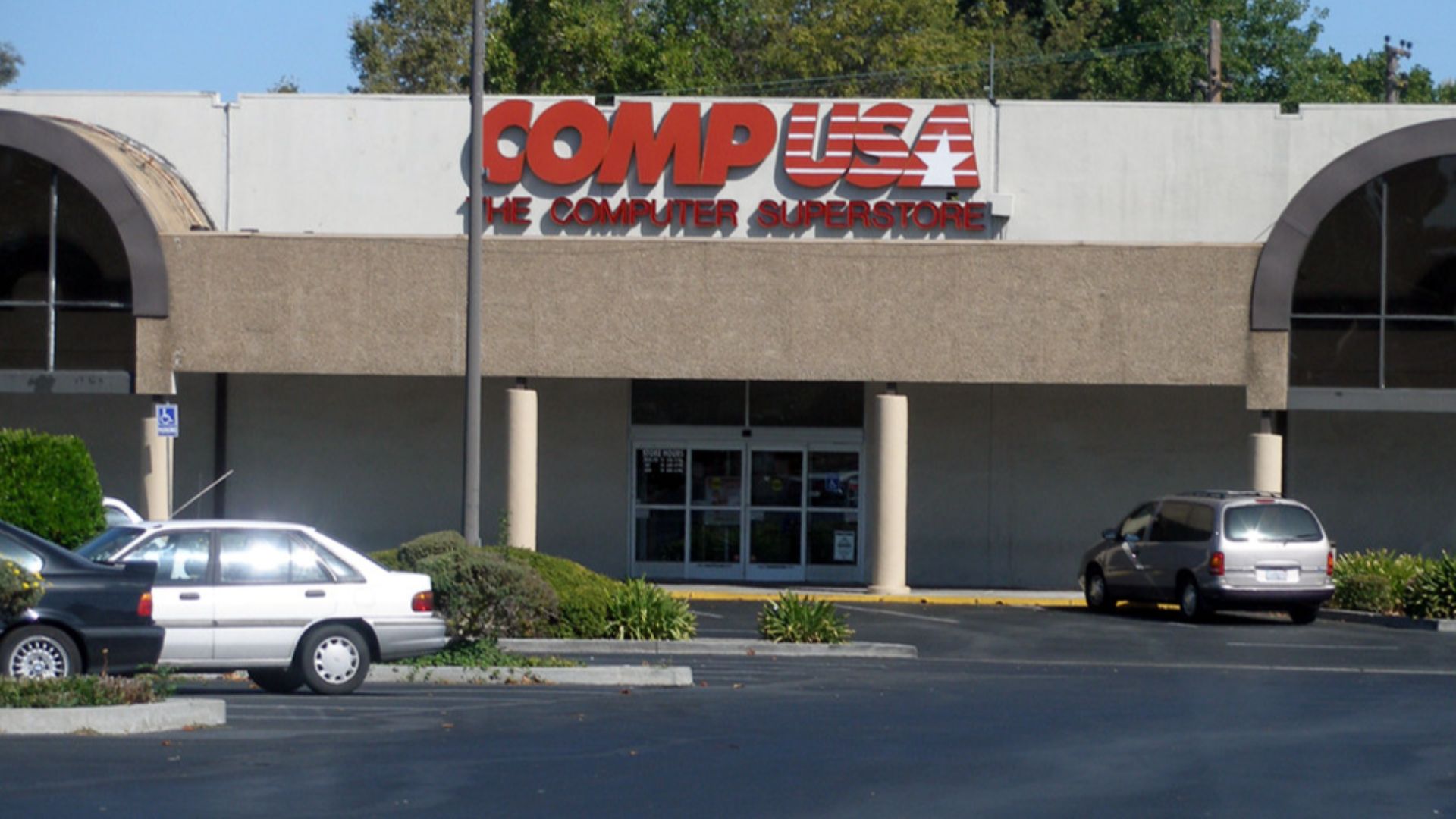
CompUSA
As personal computers moved into American homes, computer stores became destinations of their own. CompUSA sold PCs, printers, software, accessories, and technical help to shoppers still figuring out what a “megabyte” actually was. After years of intense competition, the company announced in 2007 that its store operations would close.
 Coolcaesar at en.wikipedia, Wikimedia Commons
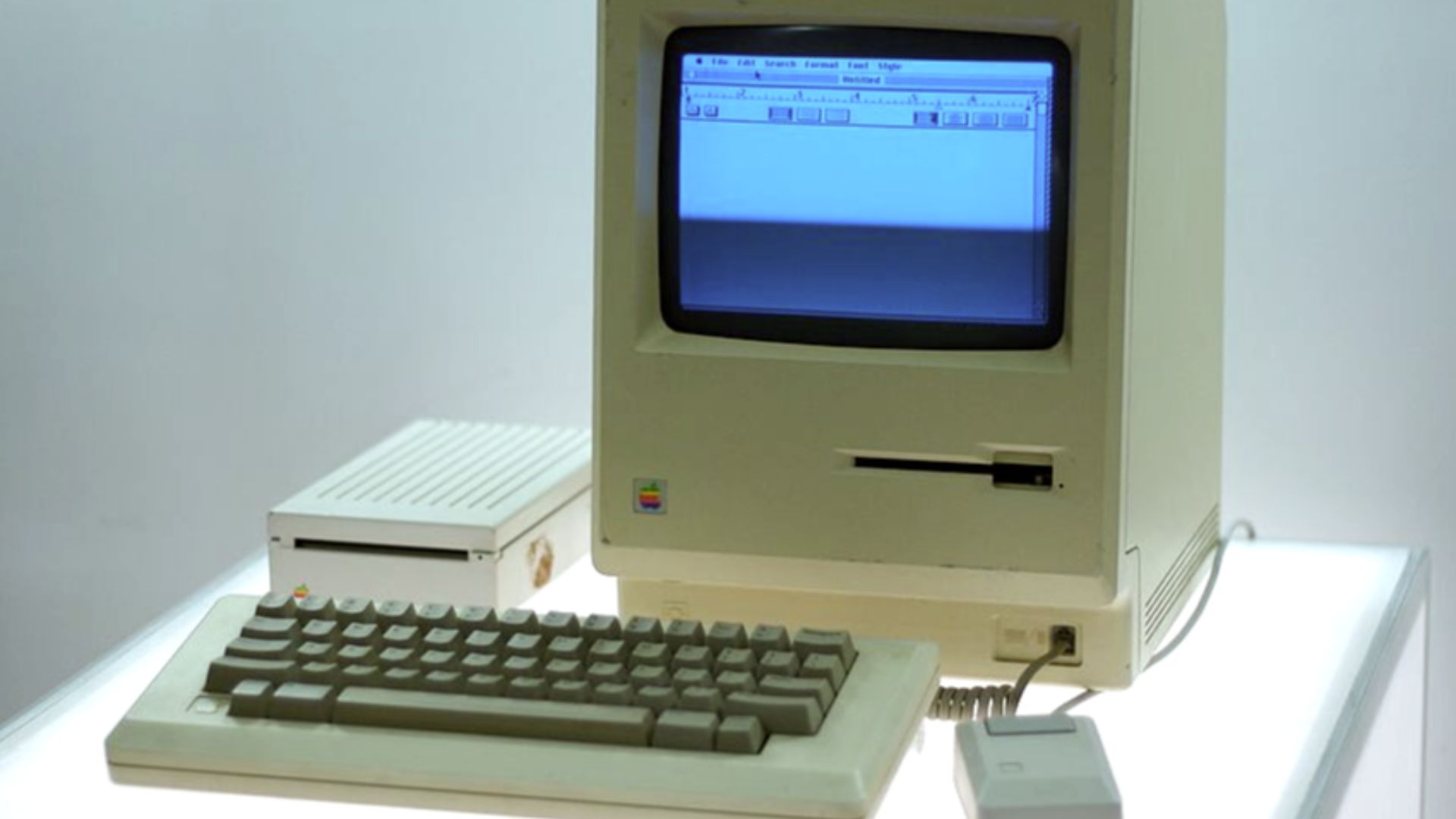
Egghead Software
No modern marketing consultant would likely suggest calling a major retailer “Egghead Software,” which is exactly why the name feels so wonderfully 1980s. Its stores catered to the growing PC crowd, with shelves of boxed software that sometimes came with instruction manuals thick enough to stop a door.
 Marcin Wichary from San Francisco, U.S.A., Wikimedia Commons
Commodore
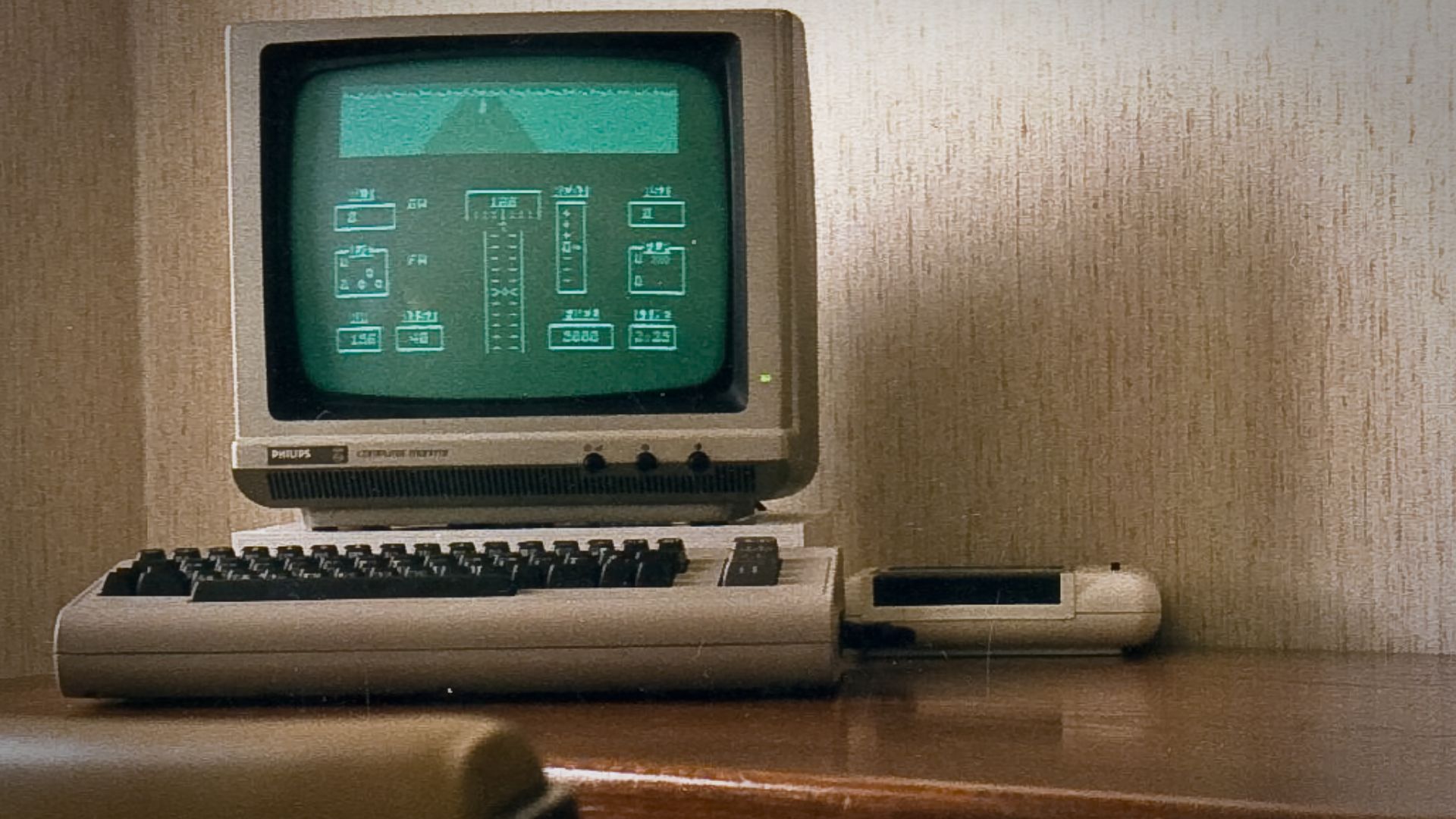
For millions of families, Commodore meant computers before Apple and Microsoft came to dominate everyday conversations. The Commodore 64 became an icon of 1980s home computing, used for everything from games to primitive word processing. Today the company name can sound surprisingly obscure considering how influential its machines once were.
 Luca Boldrini, Wikimedia Commons
MCI
Long-distance telephone service used to be big business, complete with relentless television advertising and competing rate plans. MCI became one of AT&T's best-known challengers, persuading families and businesses to reconsider who carried their long-distance calls. That entire marketplace now feels foreign to generations raised on unlimited cellphone calling.
 PAUL J. RICHARDS, Getty Images
Pan Am
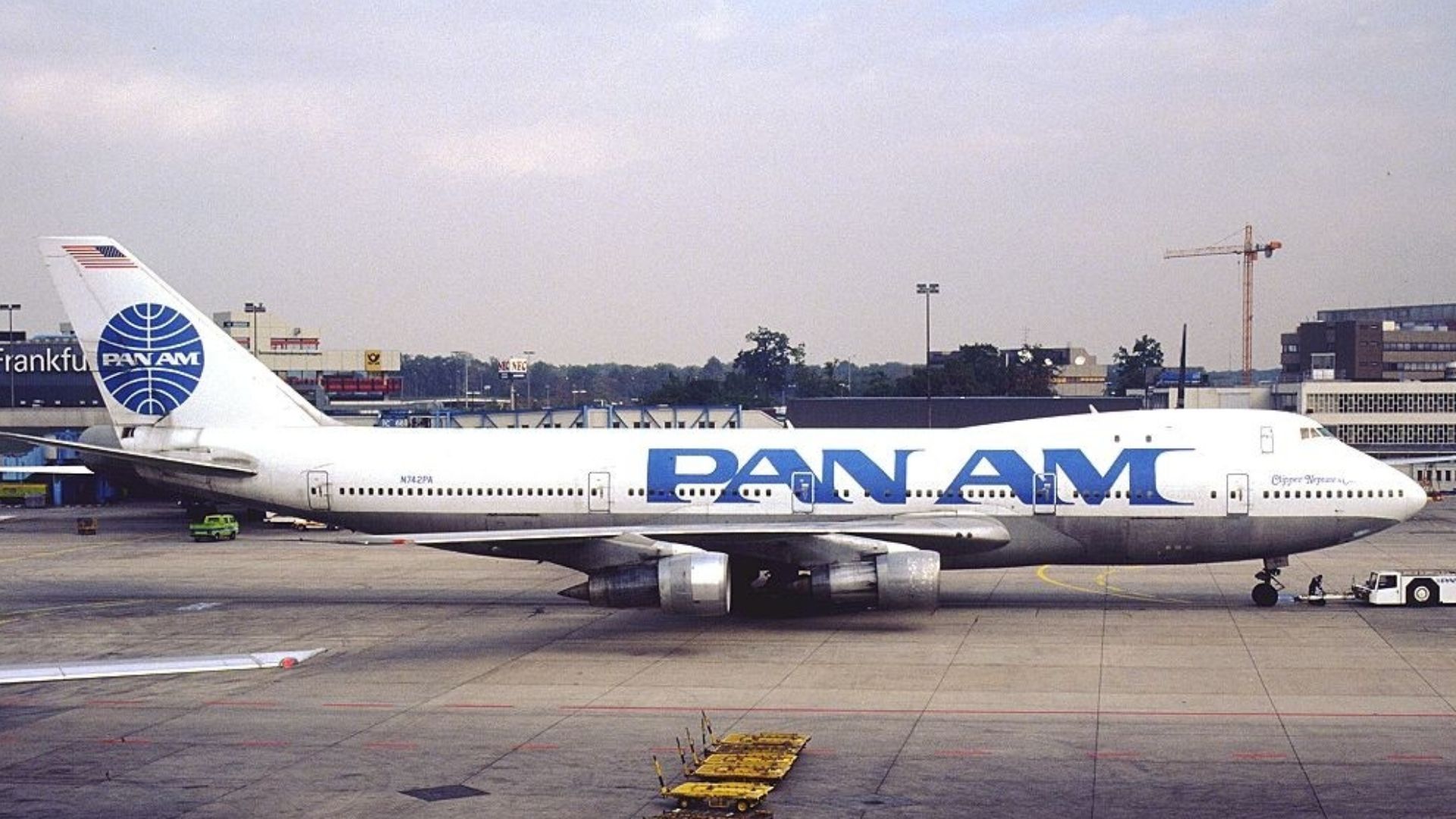
Few corporate names once carried more glamour than Pan American World Airways. The famous globe logo represented international travel on a grand scale, and Pan Am helped define the image of the jet age. Yet the legendary airline ceased operations in December 1991 after 64 years in the skies.
 Konstantin von Wedelstaedt, Wikimedia Commons
Eastern Air Lines
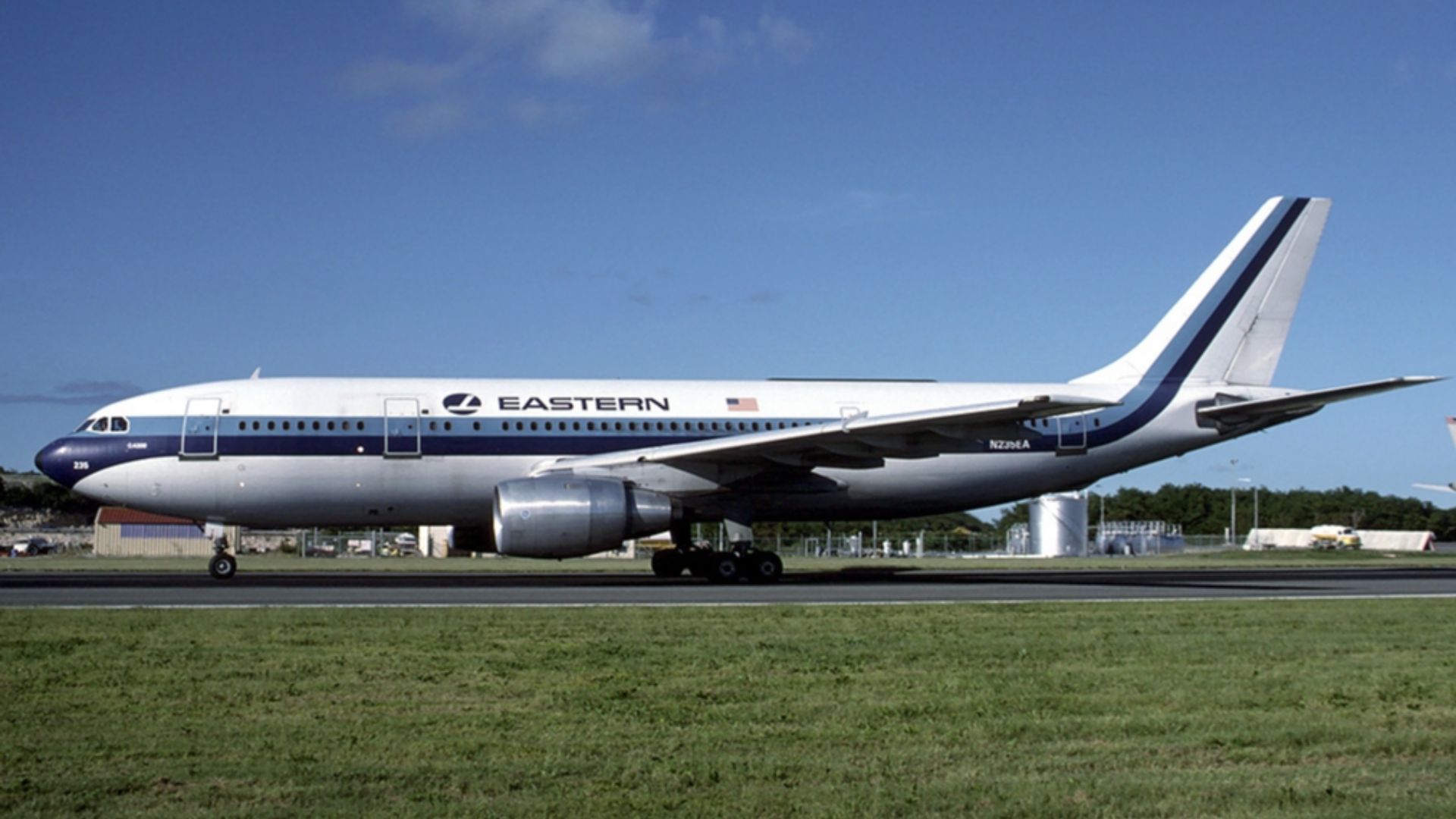
Eastern was another name that once appeared routinely on departure boards, advertisements, and travel-agency windows. At its height, it was one of America's most prominent airlines. Financial struggles eventually overwhelmed the original company, which ceased operations in 1991, the same extraordinary year that also saw Pan Am disappear.
 Eduard Marmet, Wikimedia Commons
People Express
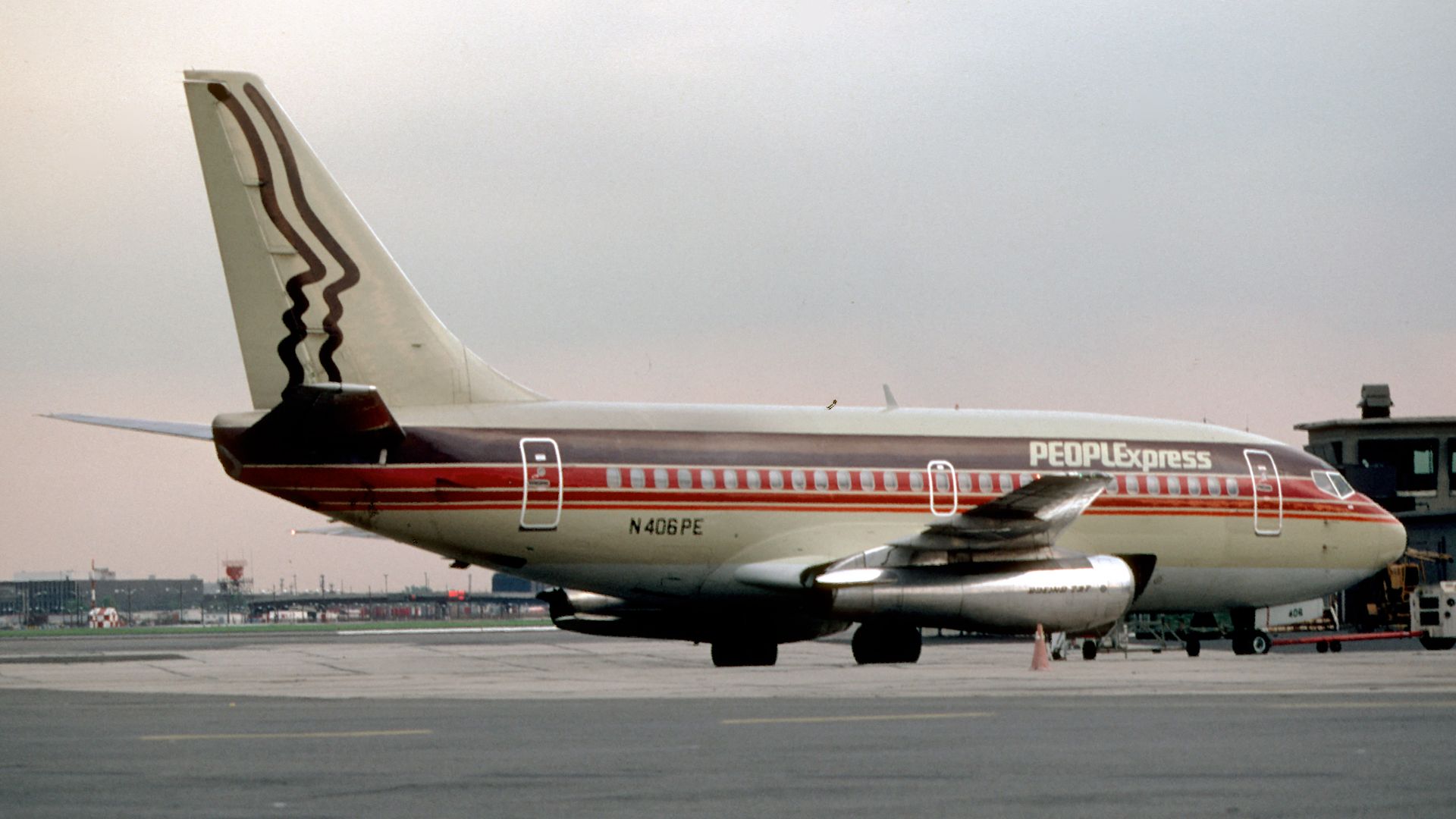
Imagine launching an airline and naming it People Express. Somehow, it worked. The low-fare carrier became one of the most talked-about aviation businesses of the early 1980s, making inexpensive air travel part of its identity. The ride was brief: its name disappeared into Continental Airlines in February 1987.
 Aero Icarus from Zurich, Switzerland, Wikimedia Commons
ShowBiz Pizza Place
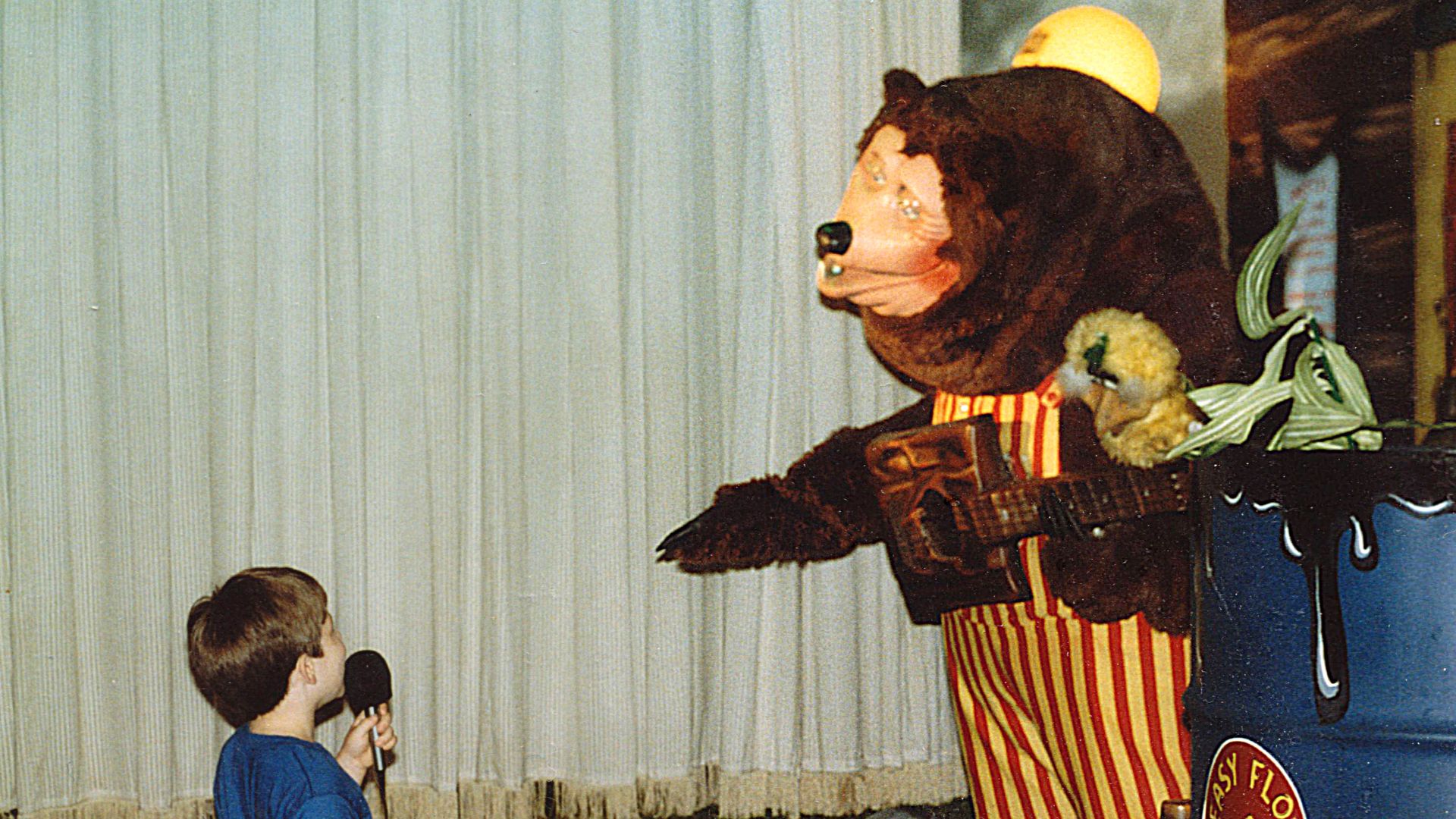
For 1980s children, ShowBiz Pizza Place combined three irresistible things: pizza, arcade games, and singing robotic animals. The Rock-afire Explosion animatronic band became the centerpiece. During the early 1990s, the restaurants were gradually converted to the Chuck E. Cheese identity, and ShowBiz vanished as a store brand.
 Ray or Jane Schumin, Wikimedia Commons
Howard Johnson's
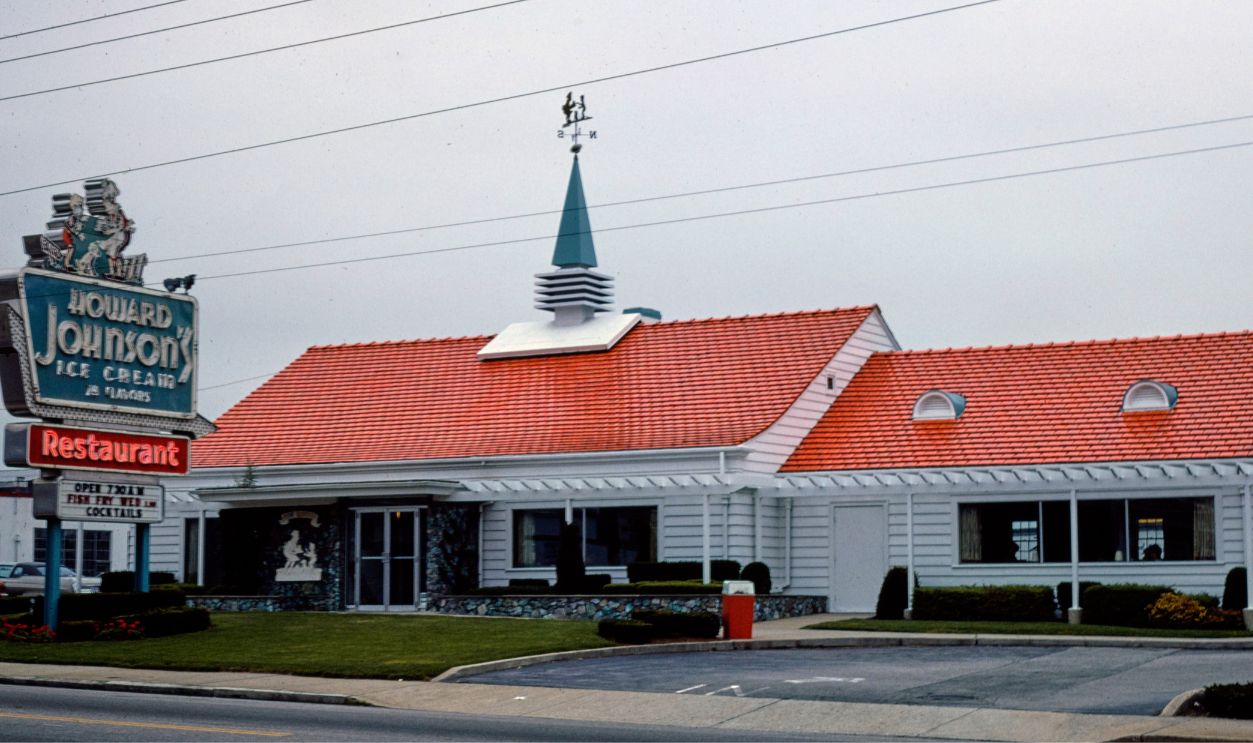
For road-tripping families, Howard Johnson's orange roofs were once as reassuring as a full gas tank. The company built a huge roadside presence through restaurants and motor lodges, offering travelers a familiar stop in unfamiliar towns. Younger people may know the hotel name, but the restaurant empire their grandparents remember has disappeared.
Thom McAn
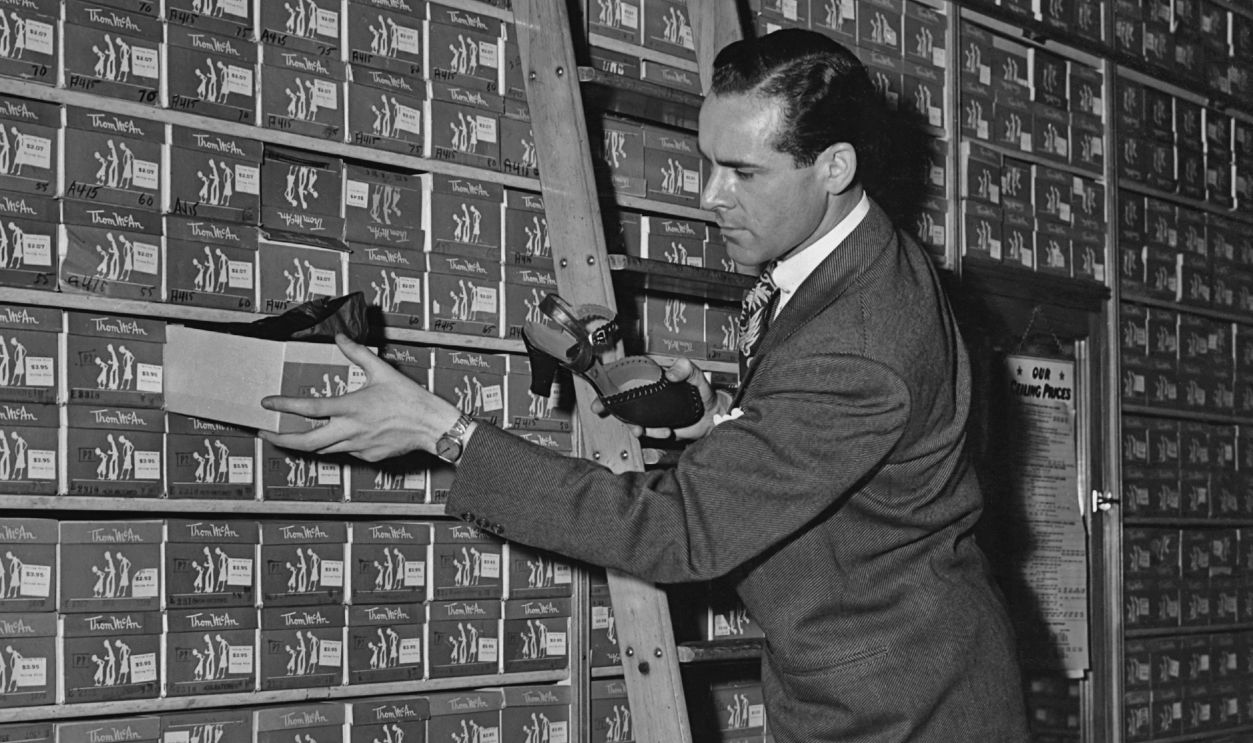
A company called Thom McAn sounds suspiciously like someone invented an imaginary Scottish shoemaker for a television commercial. In reality, it was one of America's most familiar shoe-store names. Its shops occupied countless malls and shopping districts, selling straightforward family footwear before specialty retailers and changing mall habits pushed the chain aside.
The Businesses Didn't Just Disappear
What makes these companies fascinating isn't merely nostalgia. Their rise and fall tells the story of how Americans once spent money. Malls replaced downtowns, electronics became mainstream, air travel became more accessible, and home entertainment exploded. Then online shopping, digital media, consolidation, changing tastes, and new competitors rewrote the rules.
Yesterday's Giants Become Tomorrow's Trivia
That may be the strangest thing about business history. A company can feel permanent right up until it isn't. Blockbuster, Fotomat, Waldenbooks, Mervyn's, and Pan Am once required almost no introduction. Today, explaining them can sound like describing another civilization—which, in retail terms, the 1980s increasingly were.
 David Wilson, Wikimedia Commons
You May Also Like: