Where Did They All Go?
In the 80s, some of these restaurants were where you went after shopping. Others were the reason you went out in the first place. Then the signs started disappearing, sometimes even when the food was still popular.
How many names would you recognize if you saw them again? How many do you wish you could eat at again?
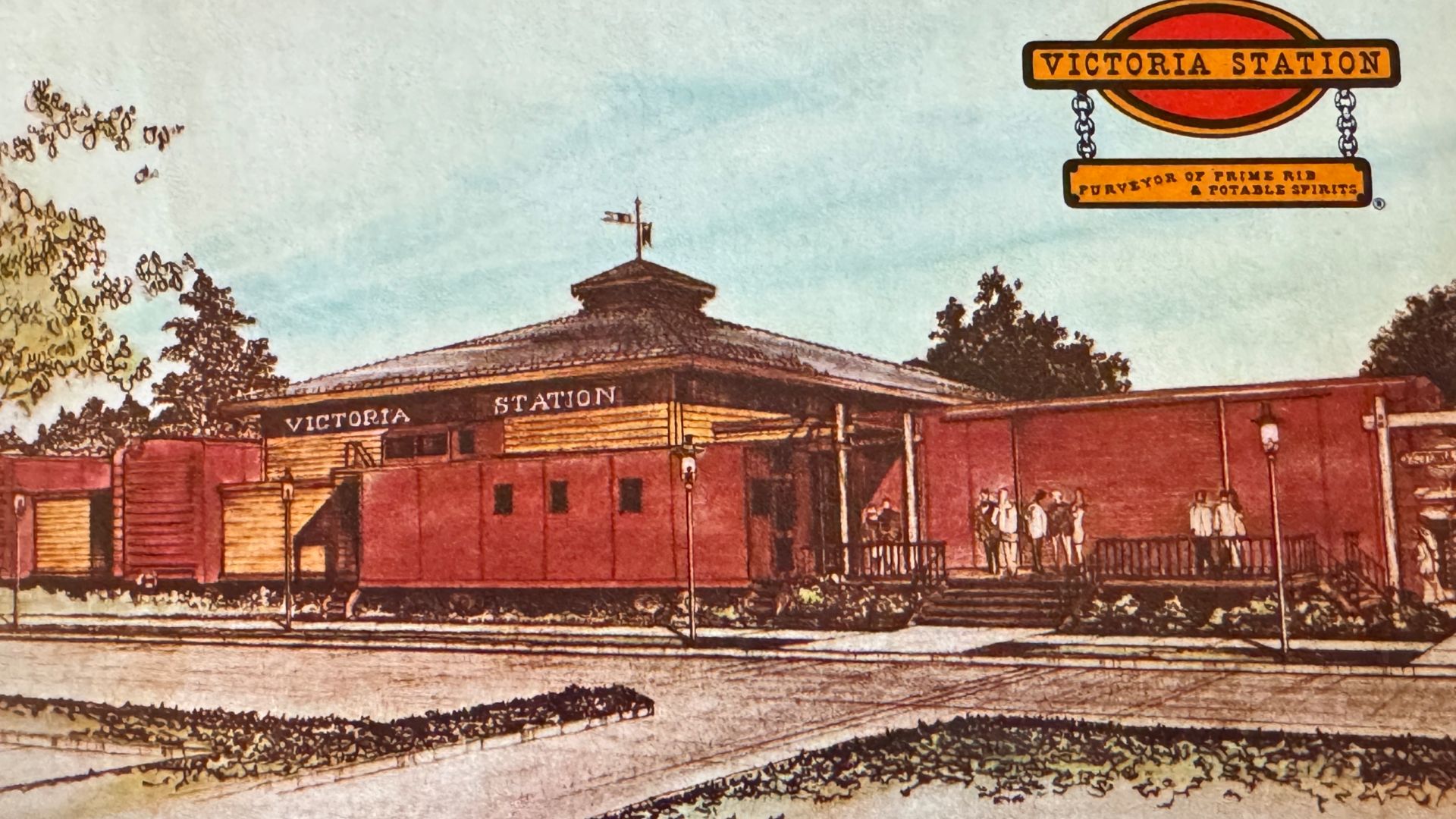
Victoria Station
At Victoria Station, you could eat steak inside an old railroad car. That made dinner feel like an outing before anyone had ordered. But by 1986, the chain had closed about 40 restaurants in a year and was carrying heavy debt. Unable to restructure what it owed, Victoria Station filed for bankruptcy protection.
 ChesterPlumfield, Wikimedia Commons
Pup ’N’ Taco
Hot dogs and tacos on the same menu? Southern California families didn’t seem to mind. Pup ’N’ Taco gave them both, often at prices that made a quick stop easy to justify. Taco Bell bought 99 California locations in 1984 and converted many into Taco Bells. A few restaurants outside that deal continued under the slightly different Pop ’N’ Taco name.
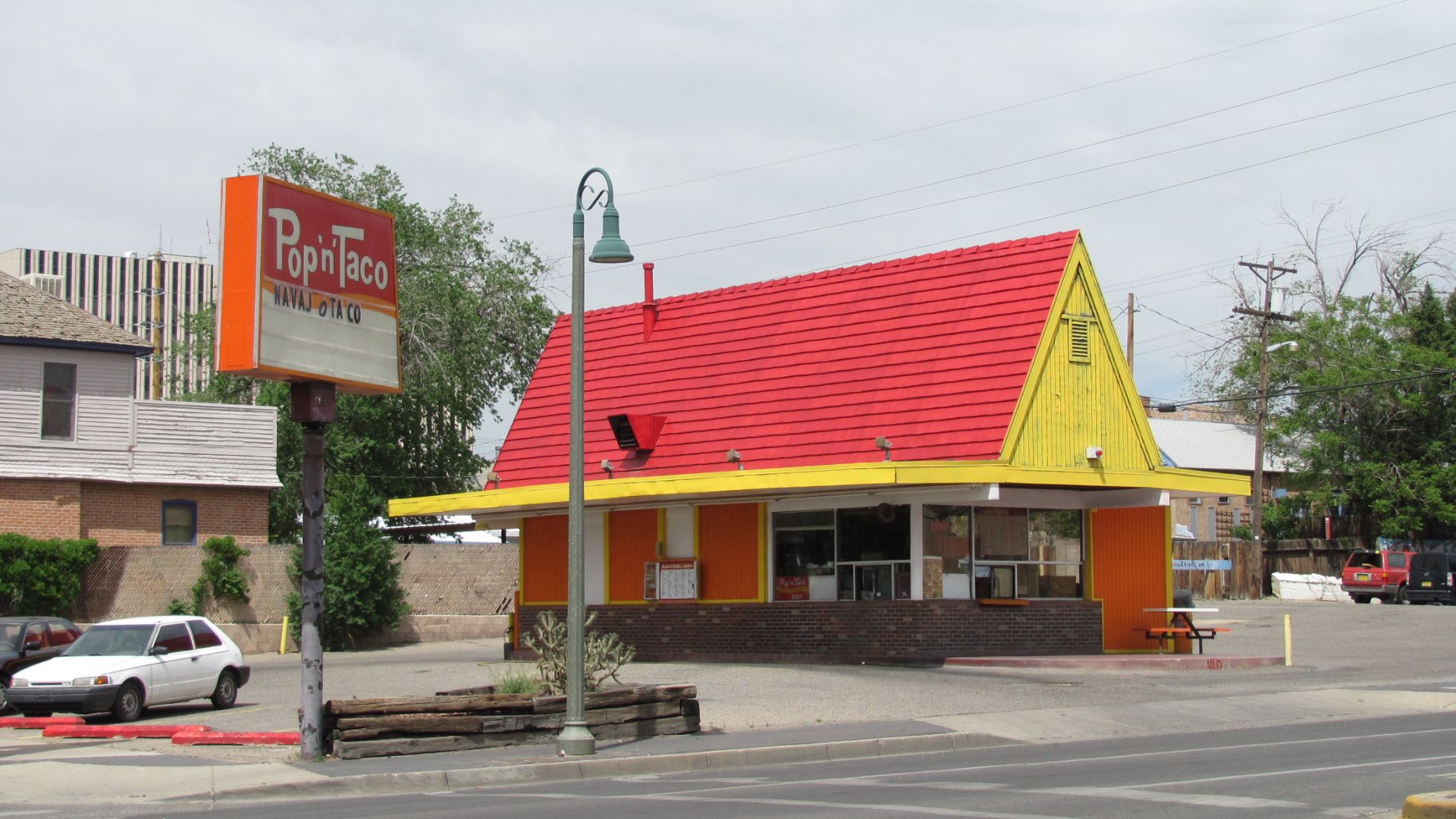 John Phelan, Wikimedia Commons
The Magic Pan
Watching the crêpes cook was part of dinner at The Magic Pan. Quaker Oats had bought the concept and expanded it across the country, but declining sales led it to sell the restaurant business in 1982. The original sit-down chain lasted into the 90s. The name later returned on smaller crêpe stands.
Gino’s Hamburgers
Football player Gino Marchetti helped build this East Coast burger chain, whose Gino Giant gave customers a reason to remember the name. In 1982, Marriott bought Gino’s for $48.6 million to expand its Roy Rogers business. Many Gino’s restaurants became Roy Rogers locations. You could still stop for a burger, but the sign had changed.
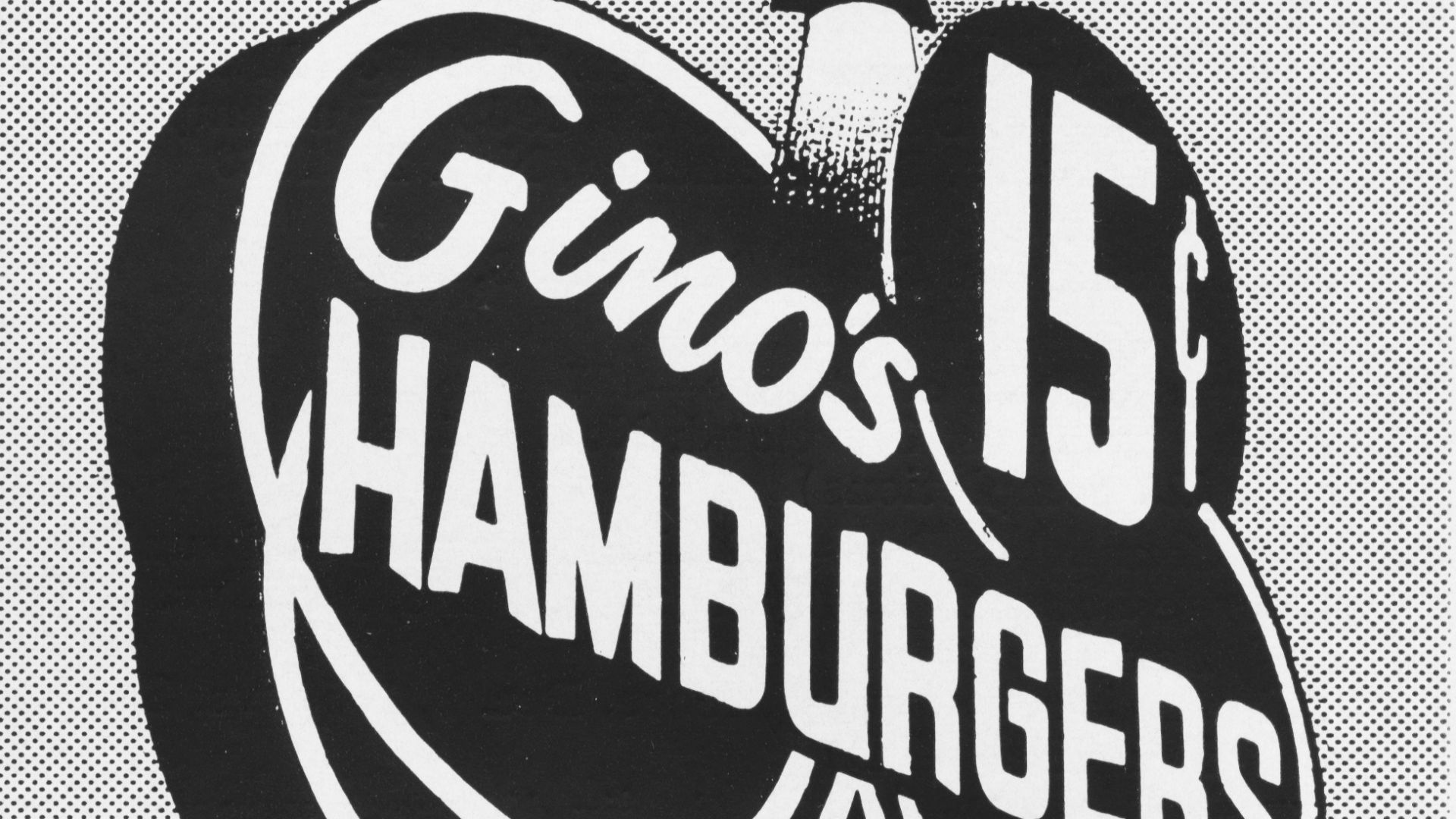
ShowBiz Pizza Place
Parents came for the birthday parties. Kids came for the arcade and the Rock-afire Explosion, the animatronic band that could steal attention from the pizza. When rival Chuck E. Cheese’s parent company filed for bankruptcy protection, ShowBiz acquired it. The combined business eventually settled on one name: by 1992, the ShowBiz restaurants had become Chuck E. Cheese.
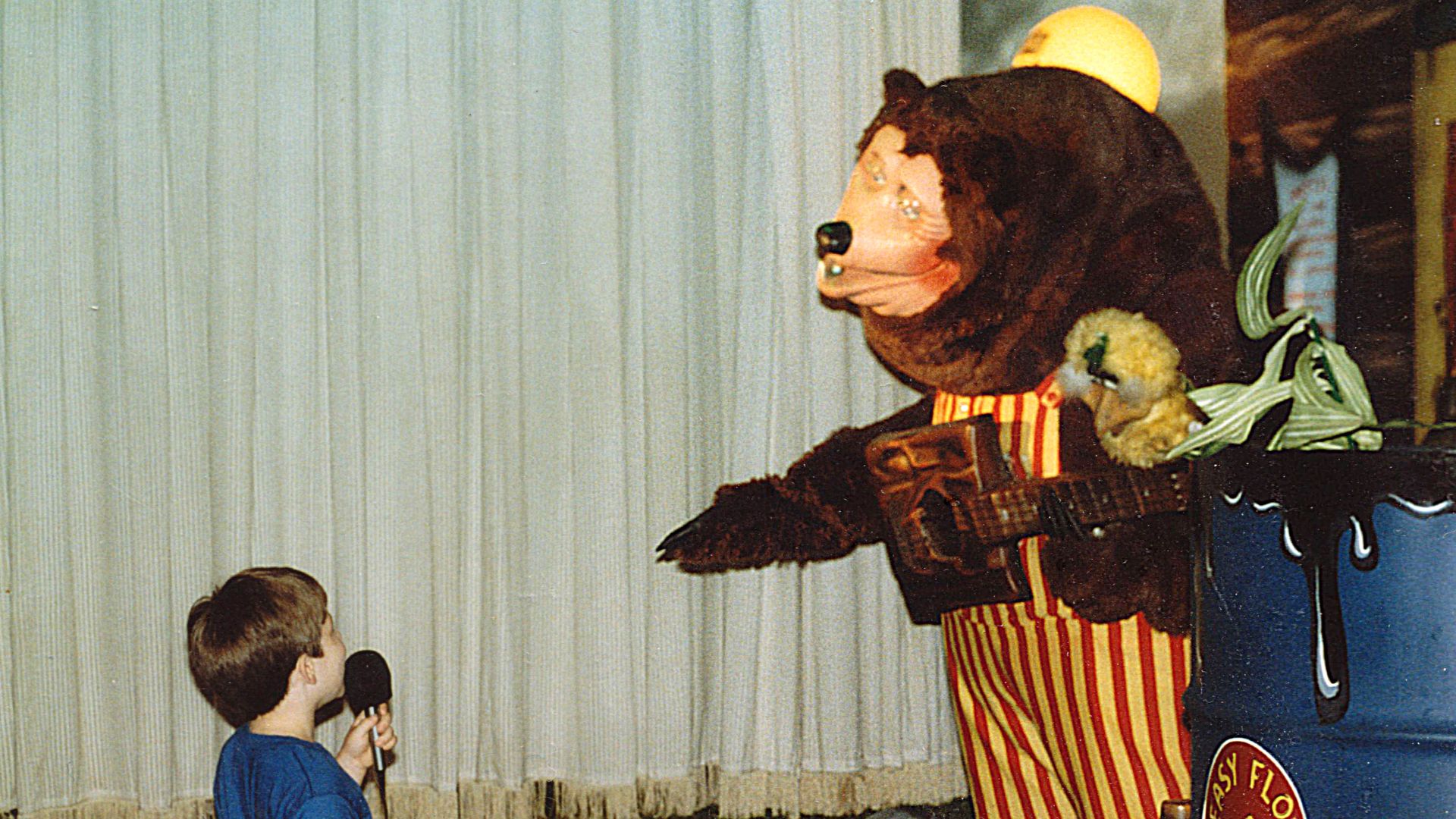 Ray or Jane Schumin, Wikimedia Commons
Beefsteak Charlie’s
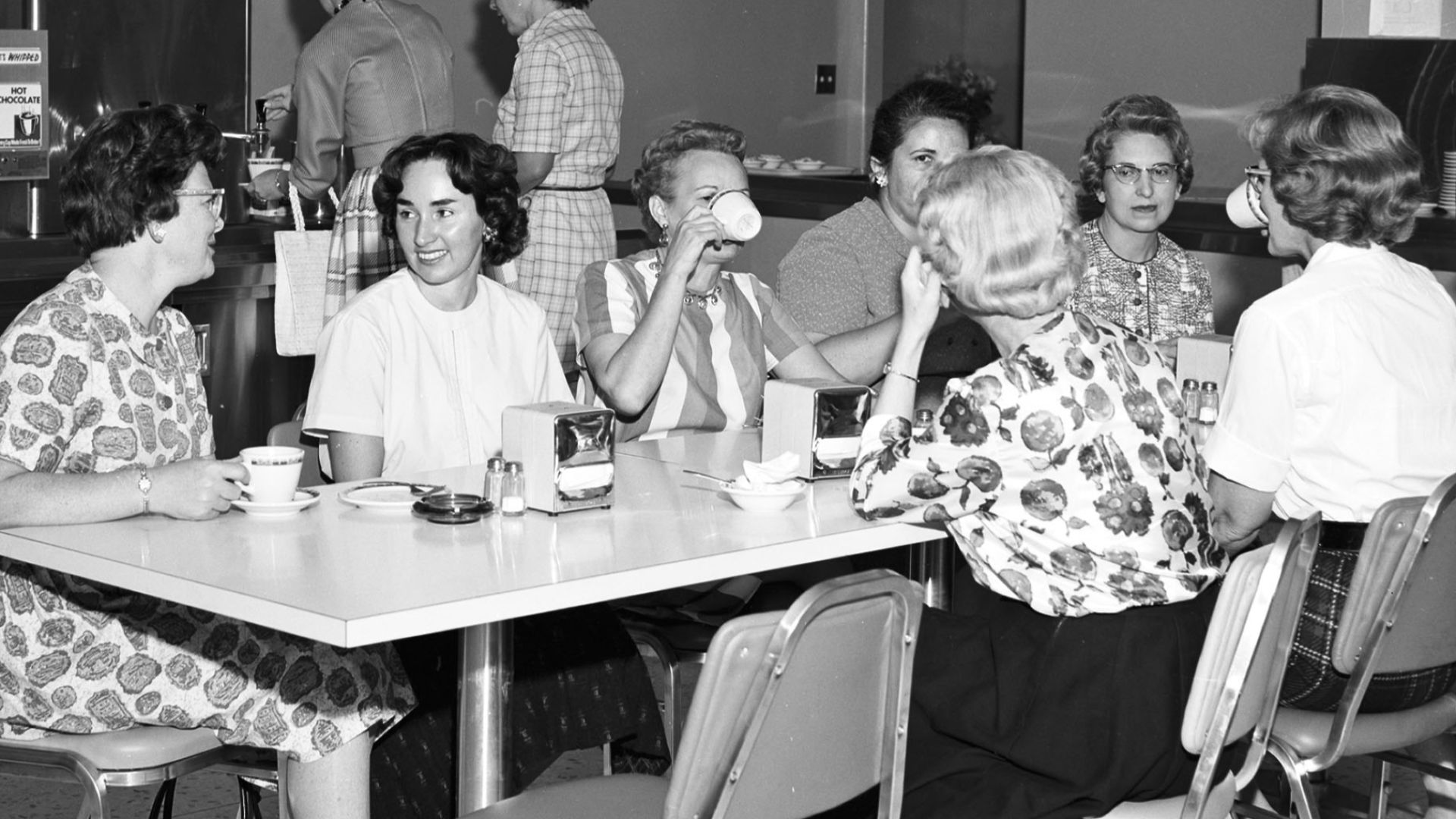
Beefsteak Charlie’s promised big meals, a salad bar and promotions built around unlimited drinks. That was an appealing deal for customers. The company’s finances were less cheerful: by the time it changed hands in 1987, it had closed 20 locations and lost about $20 million since 1984. A few restaurants lingered, but the large chain was gone.
 Seattle Municipal Archives, Wikimedia Commons
Zantigo
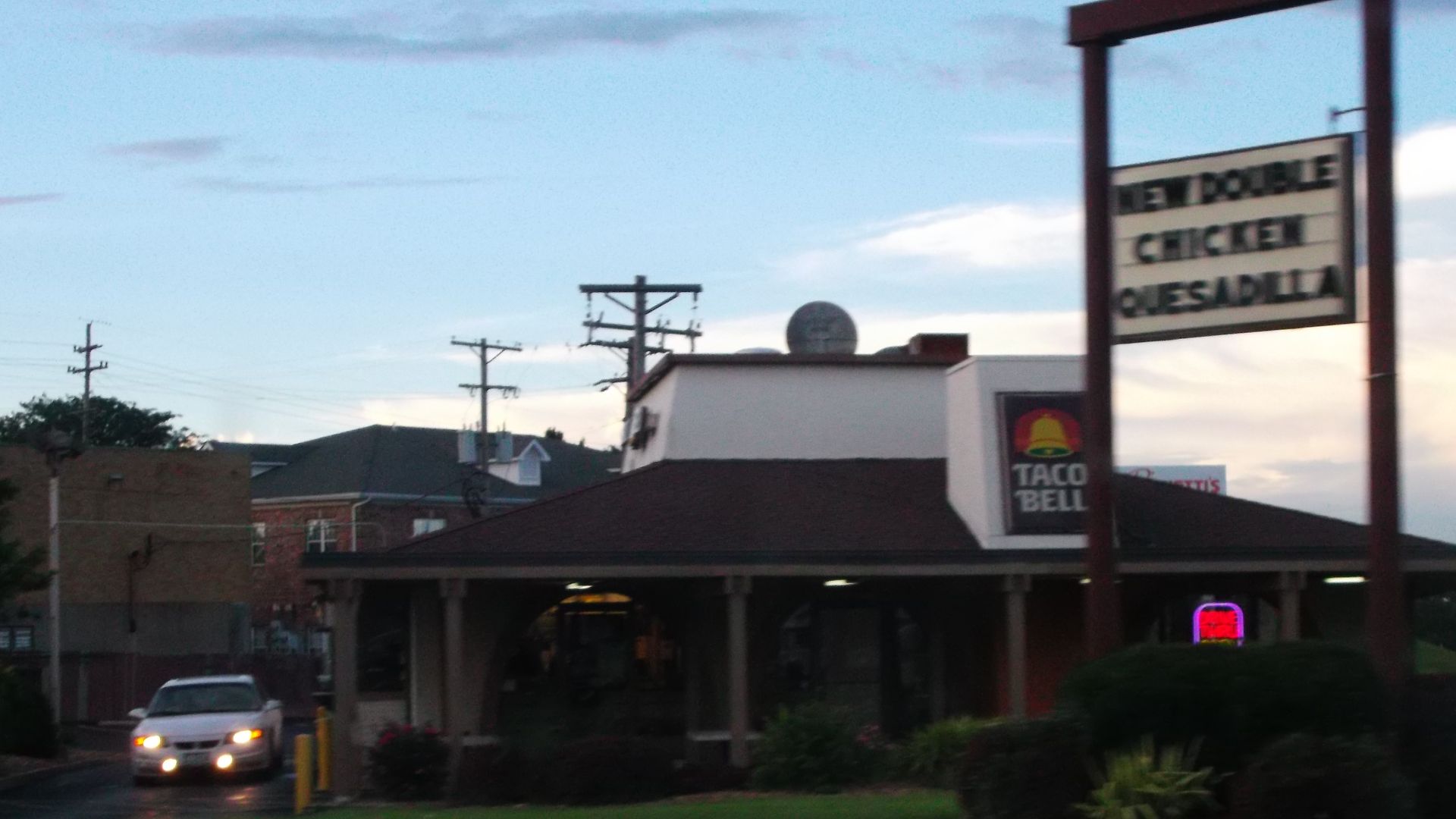
Midwestern customers remember Zantigo for its tacos, burritos and chilito. The original chain had 82 restaurants when PepsiCo bought Kentucky Fried Chicken and gained Zantigo in the deal. PepsiCo already owned Taco Bell, so it closed or converted the Zantigo locations. The name eventually returned on a much smaller scale.
 TenPoundHammer, Wikimedia Commons
D’Lites
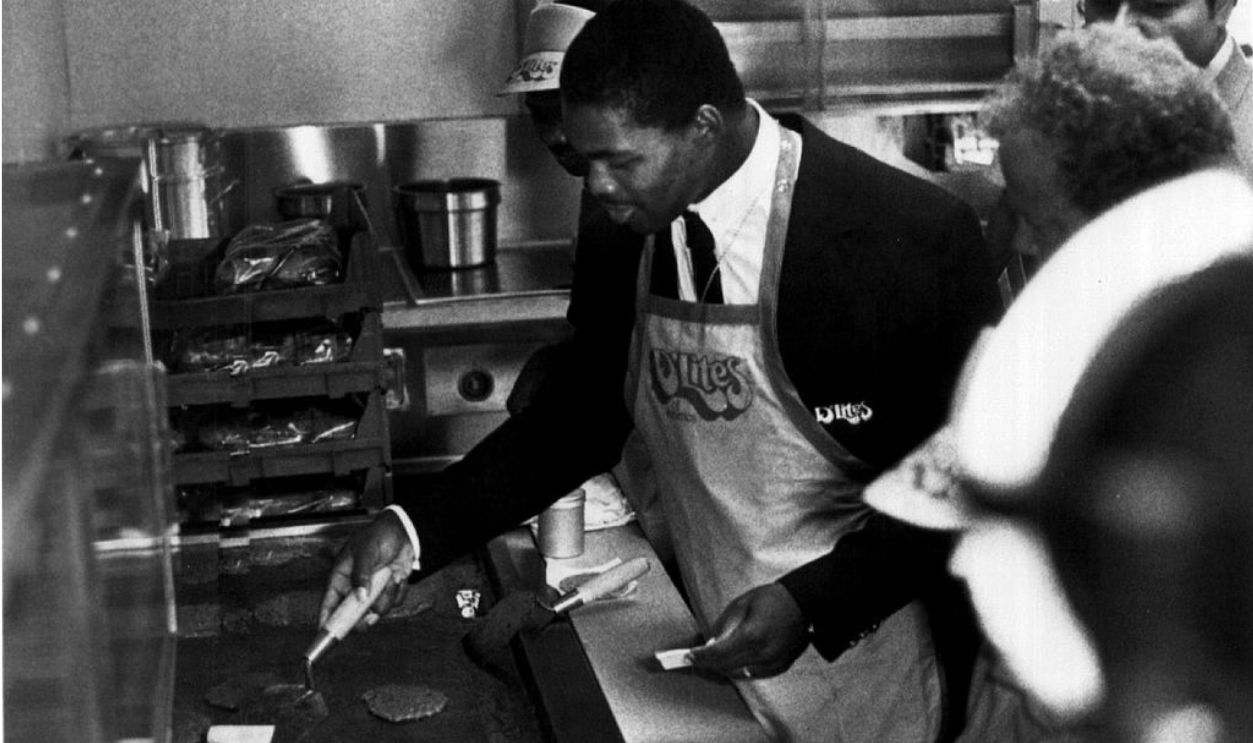
D’Lites offered lower-calorie burgers, frozen yogurt and other lighter choices. In the health-conscious 80s, that sounded like a strong business idea. But its rapid expansion strained the company, and some locations struggled to find customers. After turning a profit the previous year, D’Lites reported an $18.7 million loss for fiscal 1986.
 The Sporting News, Getty Images
York Steak House
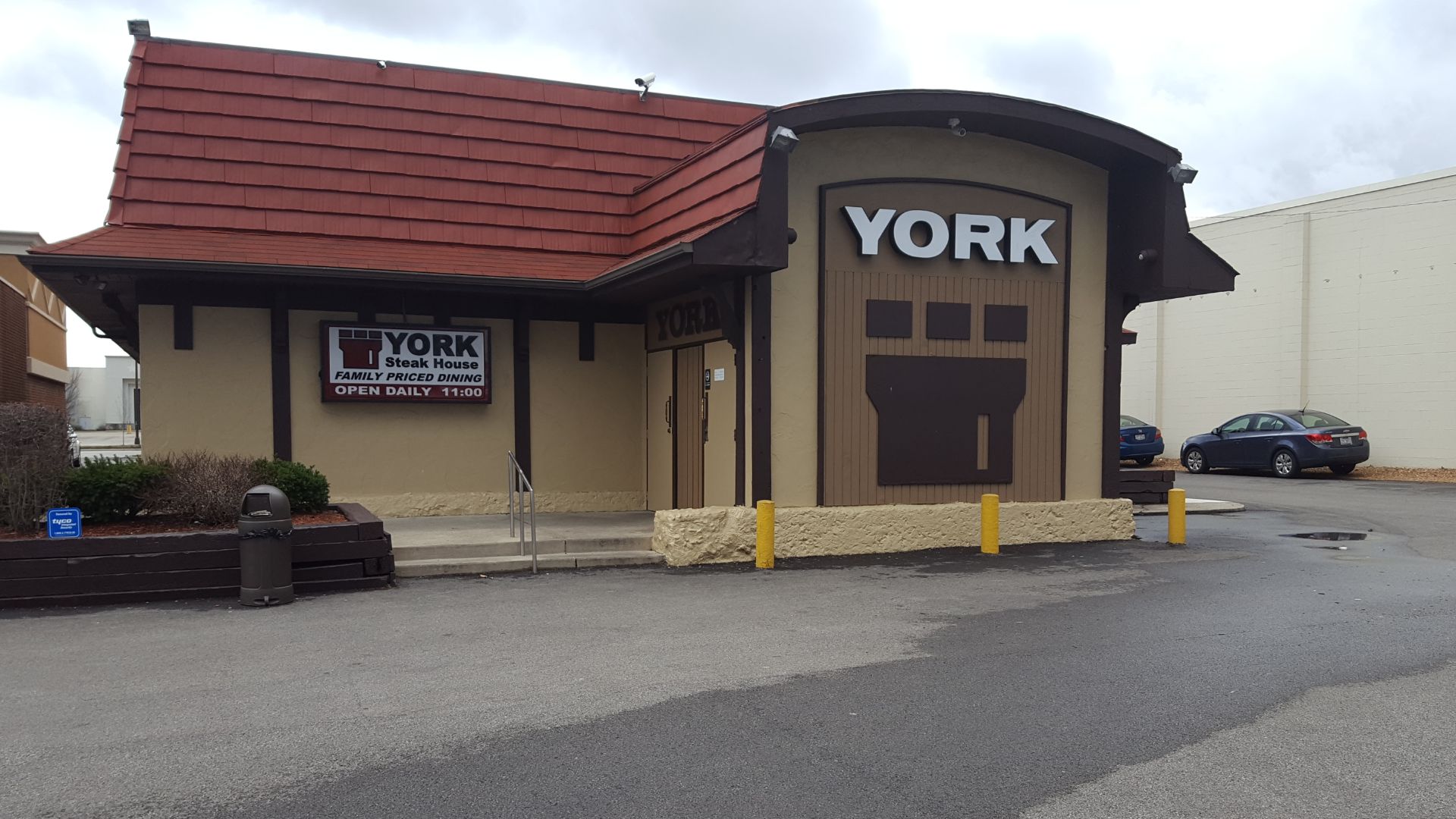
For some families, a trip to the mall came with a steak dinner at York. You picked up your meal cafeteria-style, then took it to a table away from the bustle of shopping. General Mills sold the chain in 1989, and most locations disappeared or changed names. One independently owned York Steak House survives in Columbus, Ohio.
 Mike Kalasnik, Wikimedia Commons
Naugles
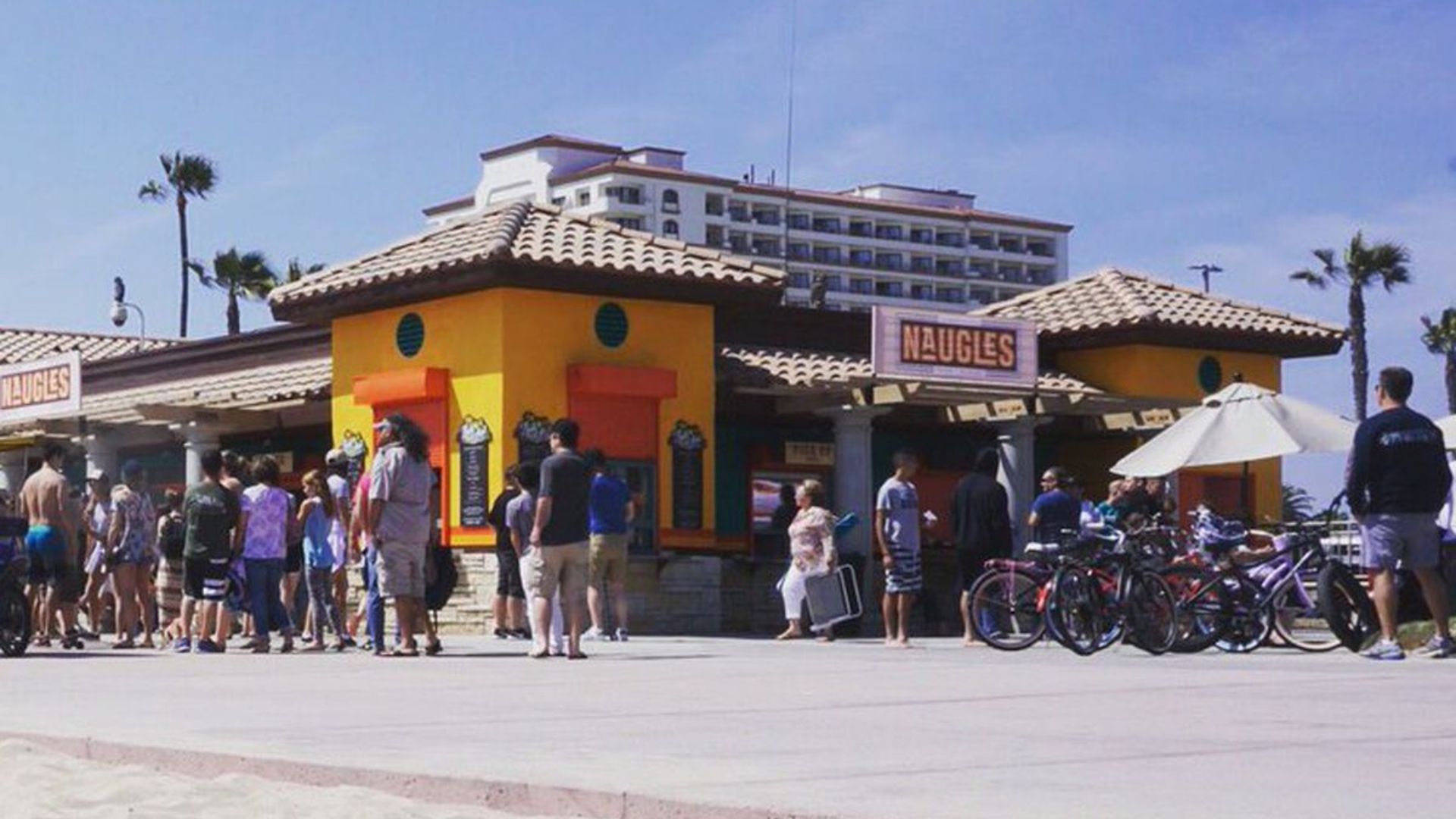
Naugles won fans with generous portions and late-night tacos and burritos. Rapid expansion also brought trouble: the company lost more than $5 million in fiscal 1984. A buyer acquired Naugles and Del Taco in 1988 and combined the businesses. Del Taco grew, while the original Naugles locations were gradually converted or closed. A small revival came years later.
Red Barn
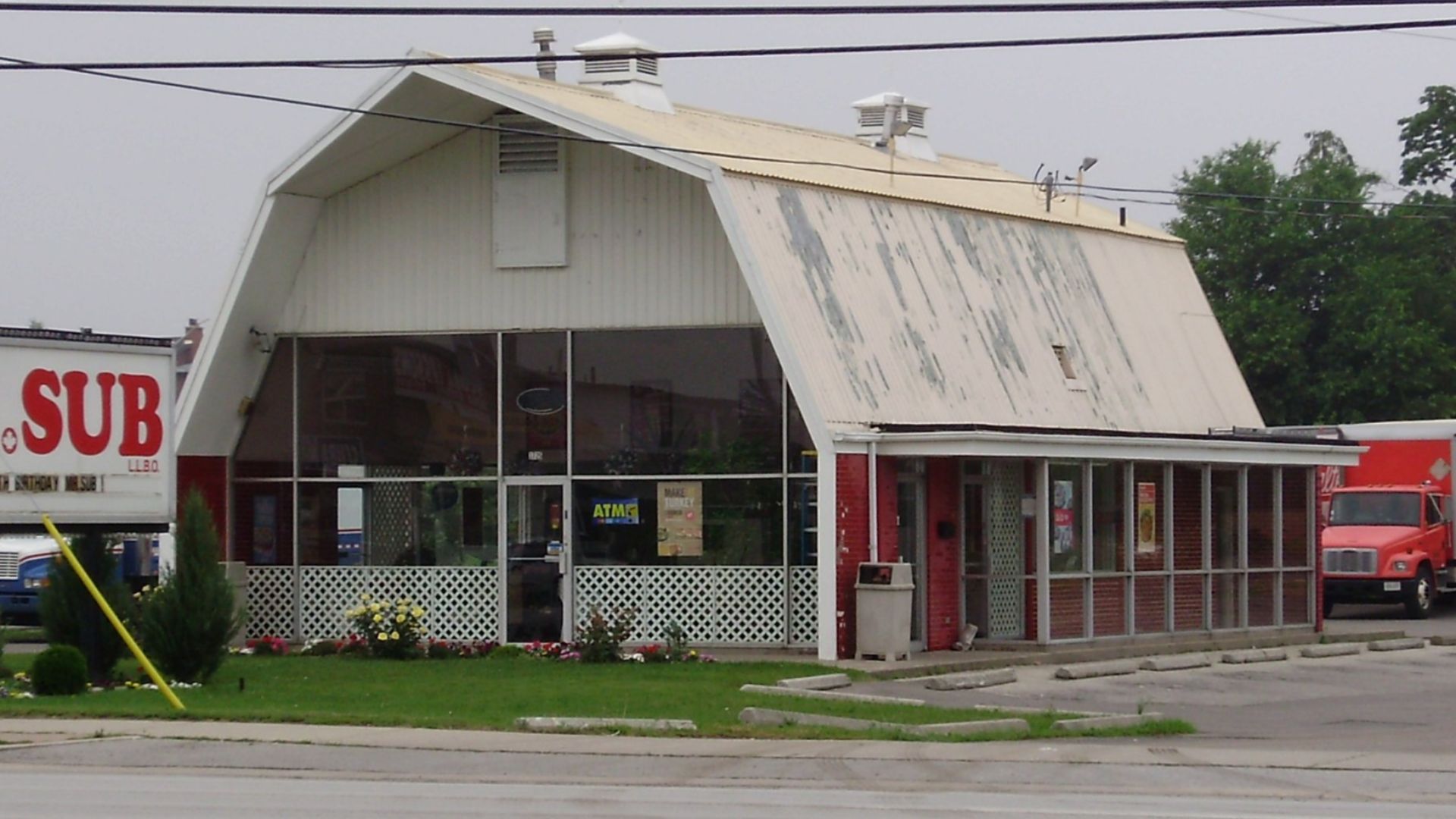
The building looked like a barn, so even a child in the back seat knew where the family was stopping. Red Barn sold burgers, chicken and fish, but the 80s were difficult for its remaining operators. In 1986, a company running 22 Red Barn restaurants filed for bankruptcy protection. Its president cited falling sales and heavy fast-food competition.
 GTD Aquitaine, Wikimedia Commons
Wag’s
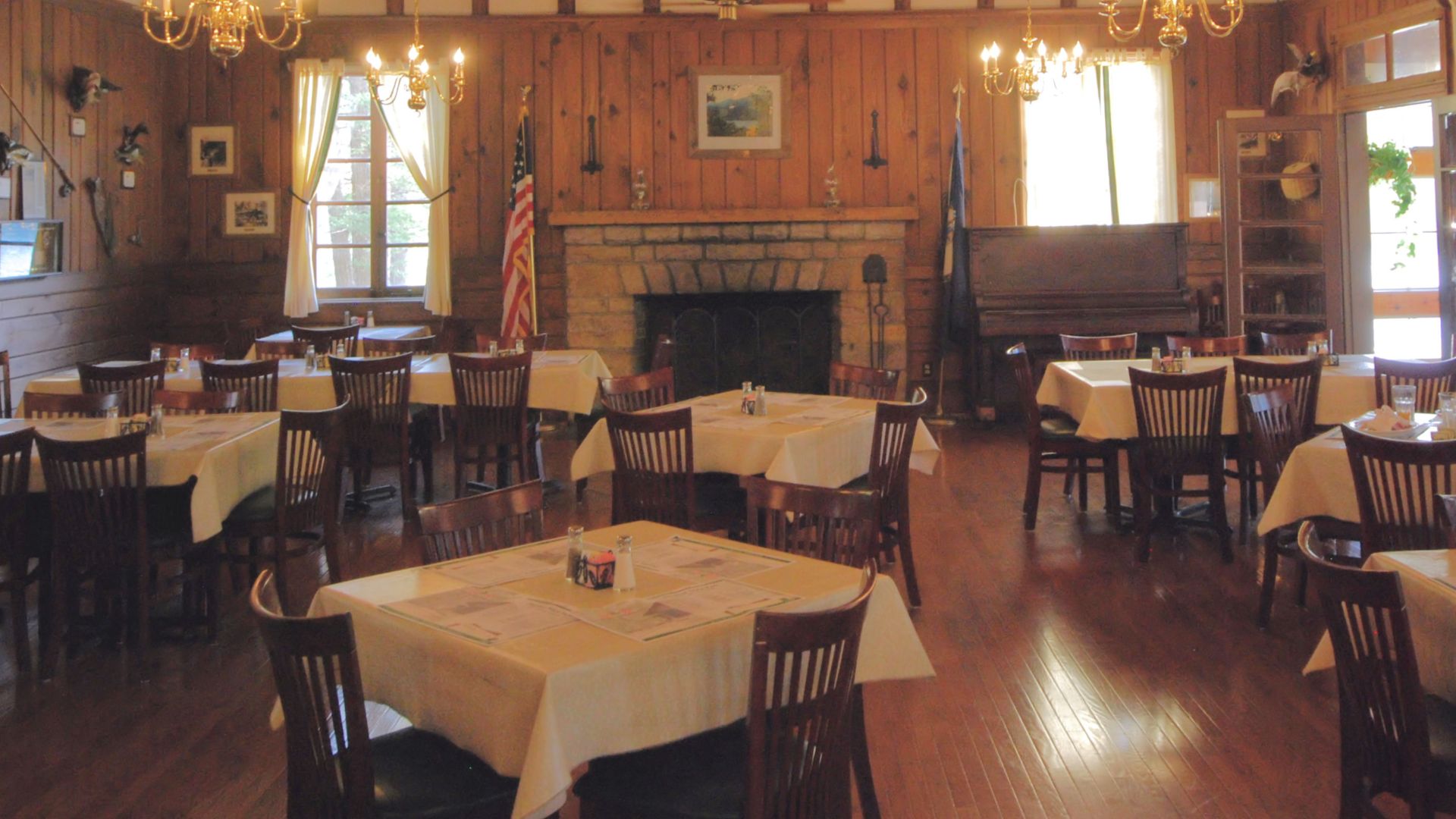
Yes, Walgreens once owned a family restaurant chain. Wag’s served inexpensive breakfasts and diner-style meals, often around the clock. Walgreens sold 91 freestanding locations to Marriott in 1988. Marriott later sold or converted restaurants, including some that became Shoney’s. By the early 90s, the Wag’s name was gone.
 vastateparksstaff, Wikimedia Commons
Flakey Jake’s
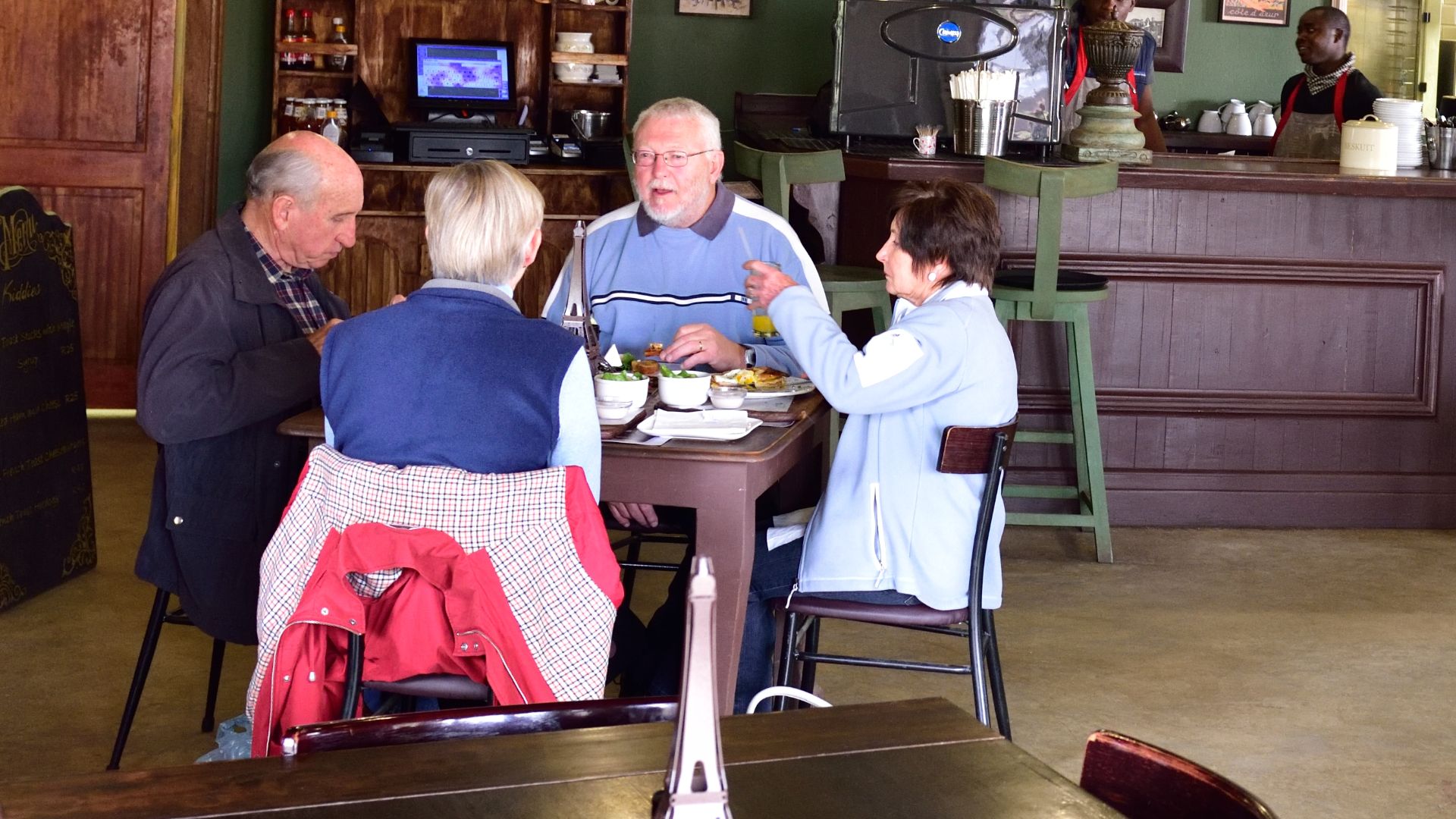
At Flakey Jake’s, you ordered a burger and finished it yourself at the toppings bar. The bakery treats gave people another reason to linger. The concept attracted attention in the 80s, but the company was considering a buyout and possible bankruptcy protection by 1986. Its restaurants closed over the following years.
 South African Tourism from South Africa, Wikimedia Commons
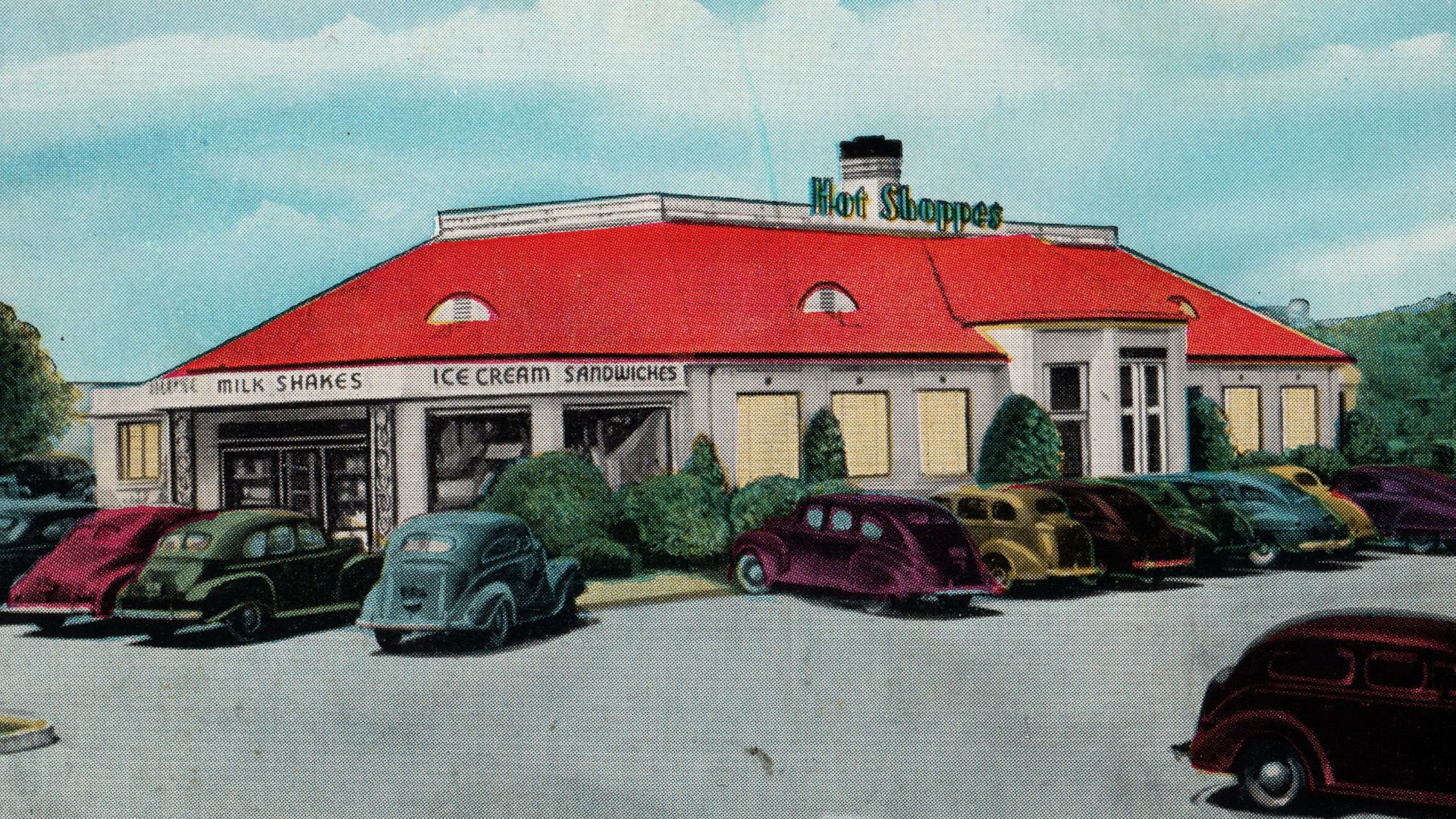
Hot Shoppes
Long before most people associated Marriott with hotels, its Hot Shoppes restaurants were part of family meals around Washington, D.C. But Marriott’s priorities shifted away from running restaurants. Locations closed as leases expired, until just one remained. The final Hot Shoppes served its last customers in 1999.
 Unknown authorUnknown author, Wikimedia Commons
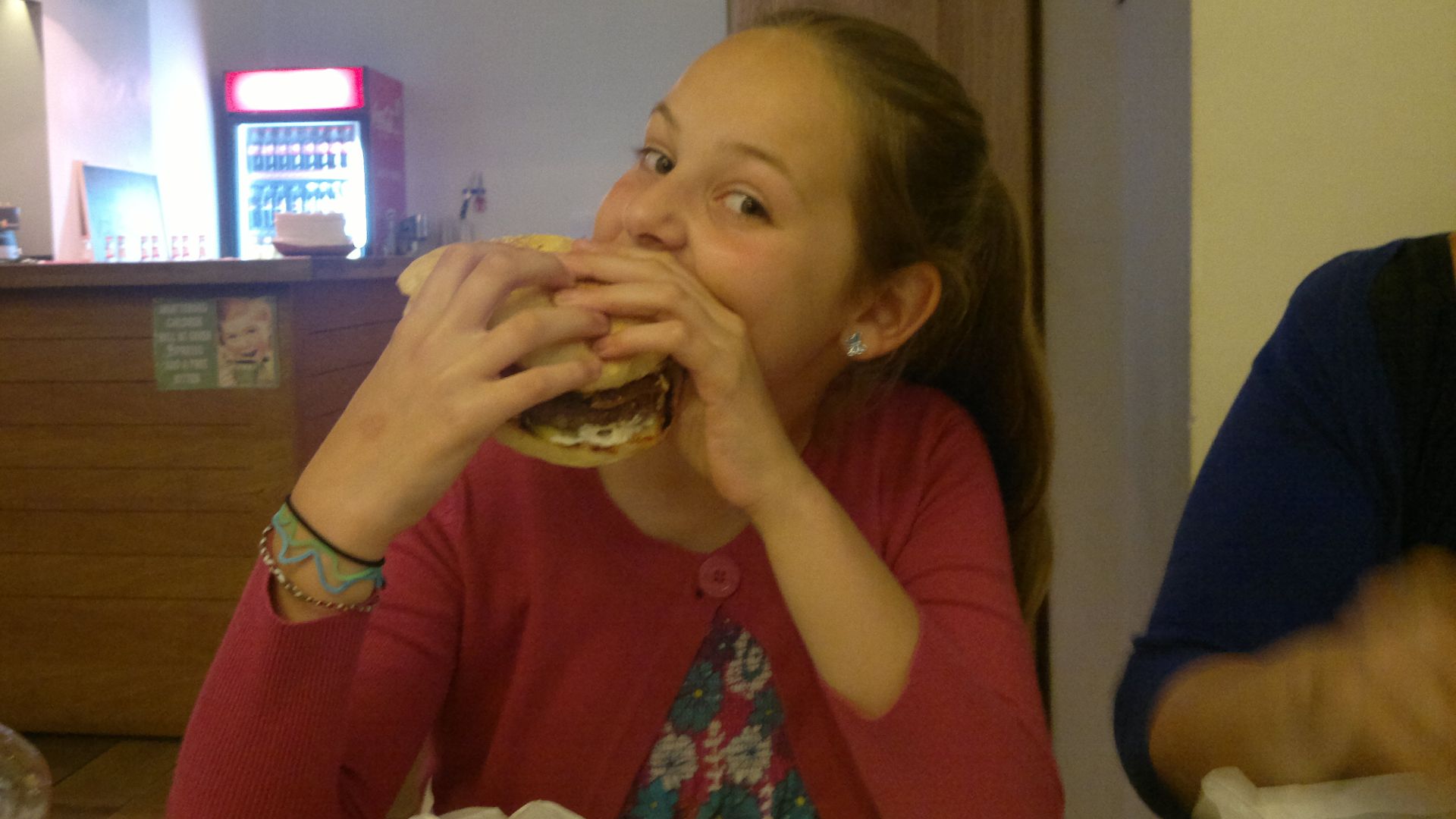
Mighty Casey’s
Atlanta’s Mighty Casey’s opened in 1980 with a menu that went beyond the usual burger stop. It became a regional favorite, but it didn’t remain independent for long. Krystal bought the chain in 1994 and converted most of its restaurants. For many customers, the place they knew became somewhere else almost overnight.
 Mark Healey from Brough, UK, Wikimedia Commons
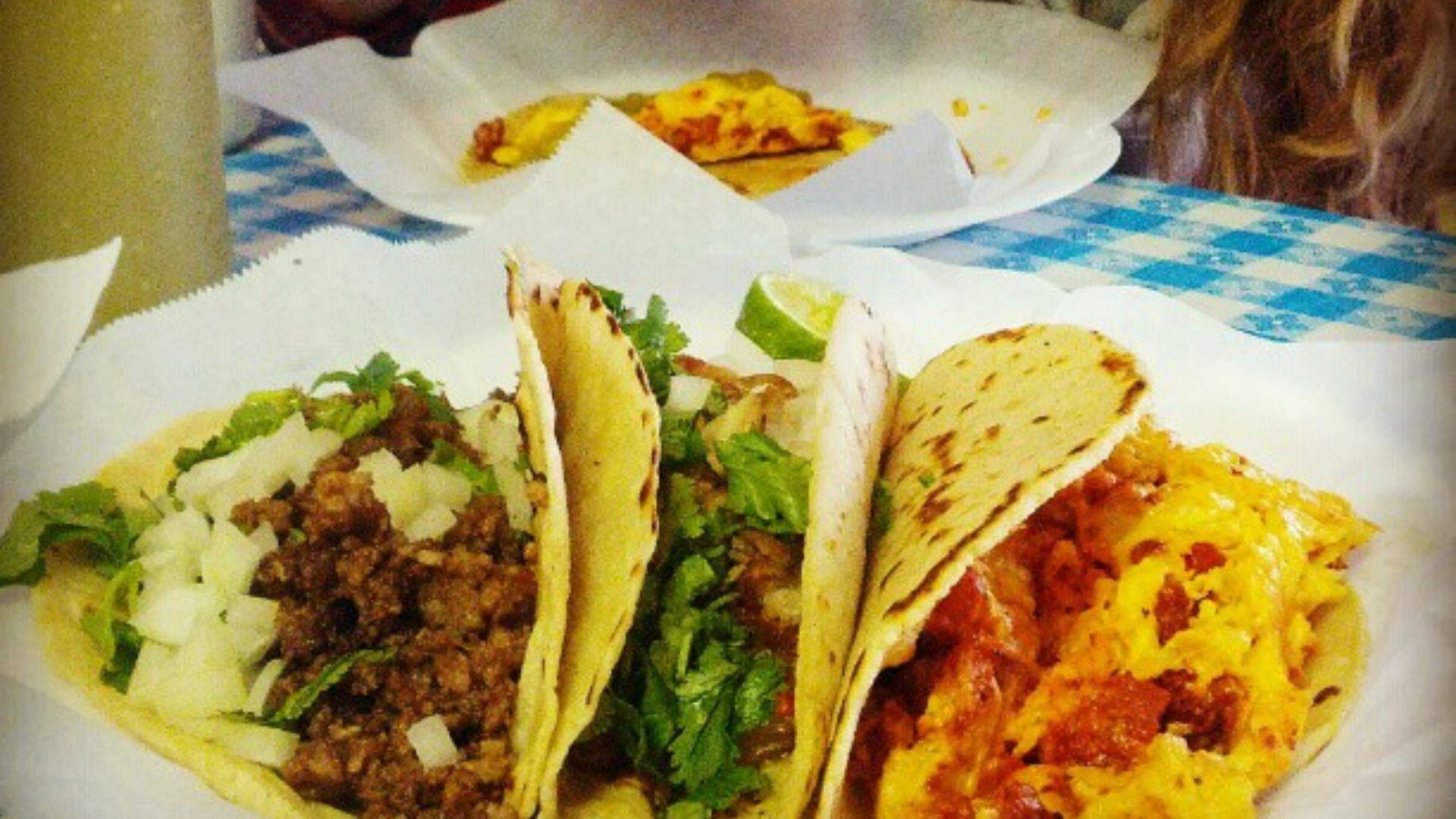
Taco Viva
Florida customers could choose Taco Viva when they wanted tacos, burritos or nachos without going to Taco Bell. The chain was especially visible in the 80s, but its future changed with a 1989 sale to Miami Subs. Many Taco Viva locations were converted to the buyer’s brand, while others were sold again.
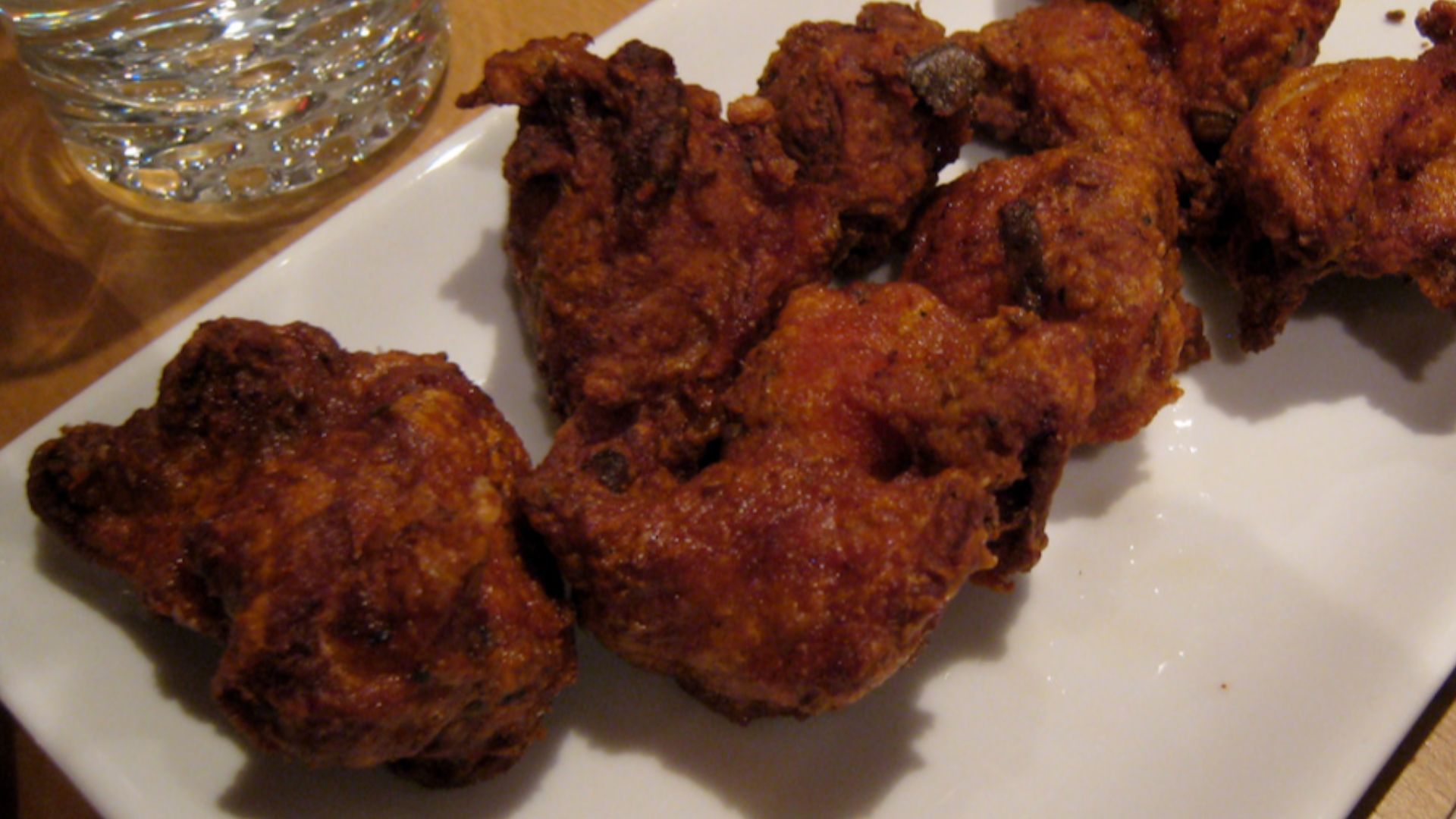
Sisters Chicken & Biscuits
Wendy’s wanted a business beyond burgers, and Sisters Chicken & Biscuits was its attempt to sell fried chicken and biscuits. Wendy’s sold the business to a franchisee in 1987. That buyer filed for bankruptcy protection in 1989 and later proposed liquidating its assets. Sisters’ troubles continued after Wendy’s stepped away.
 Charles Haynes, Wikimedia Commons
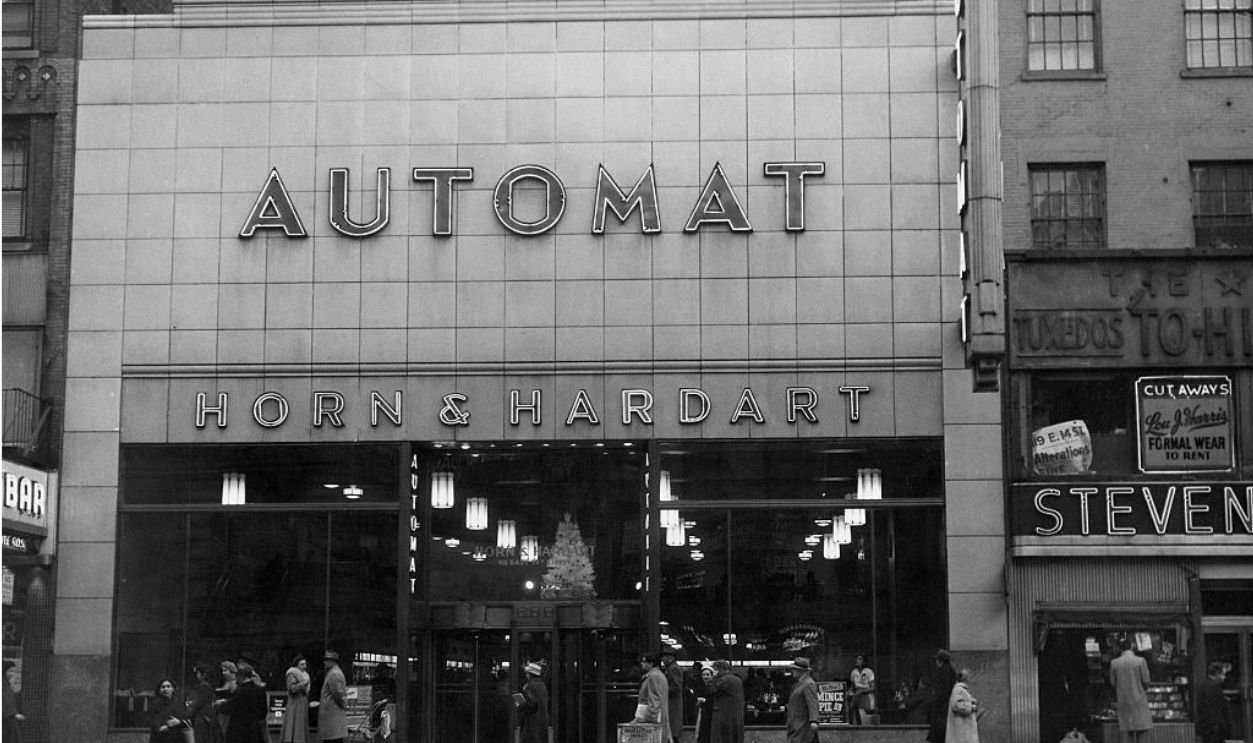
Horn & Hardart Automat
At an Automat, a handful of coins and a wall of little glass doors could get you lunch. A few Horn & Hardart locations were still around in the 80s, but the business had been losing ground to fast-food chains for years. The final Automat closed in April 1991.
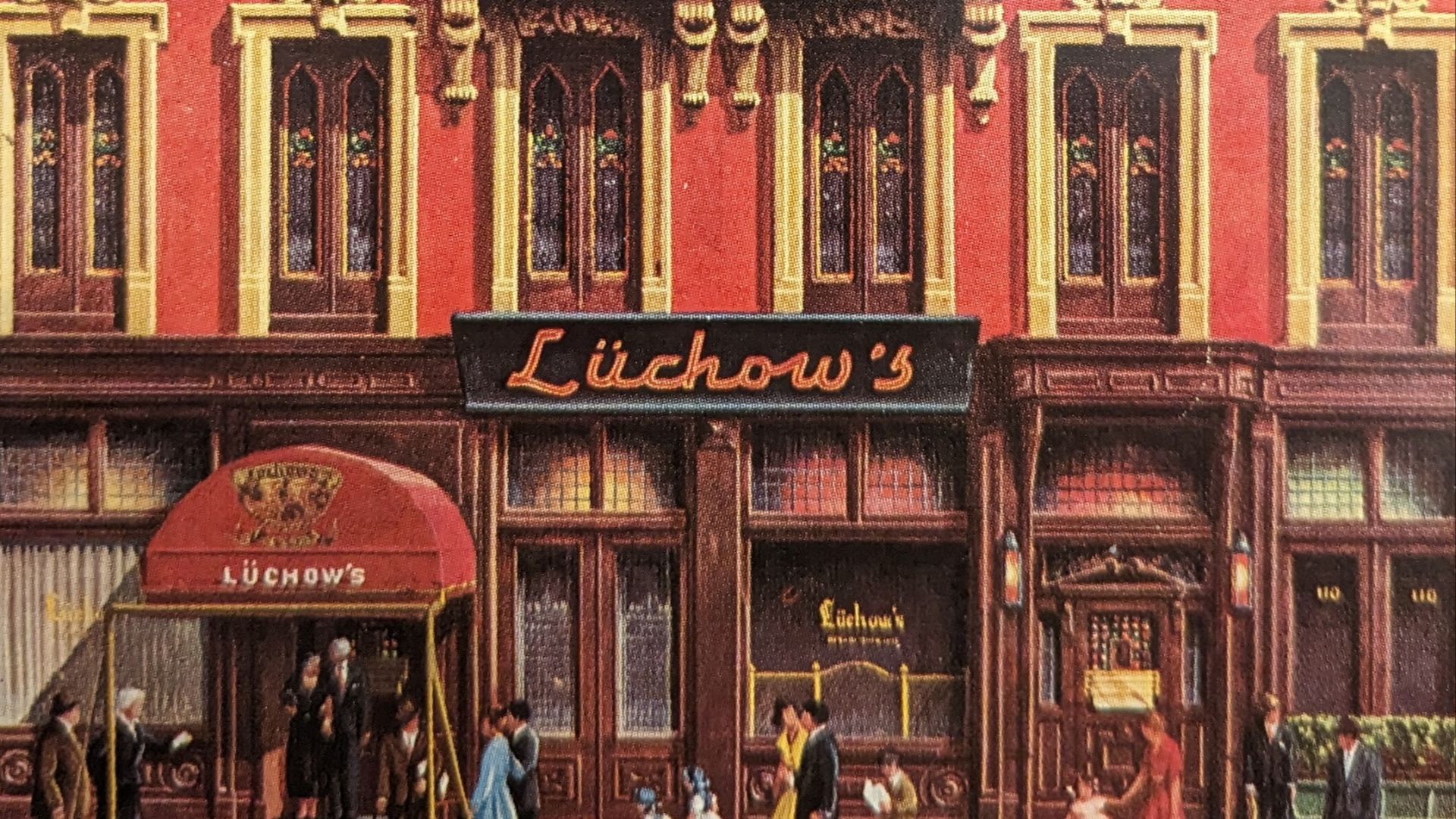
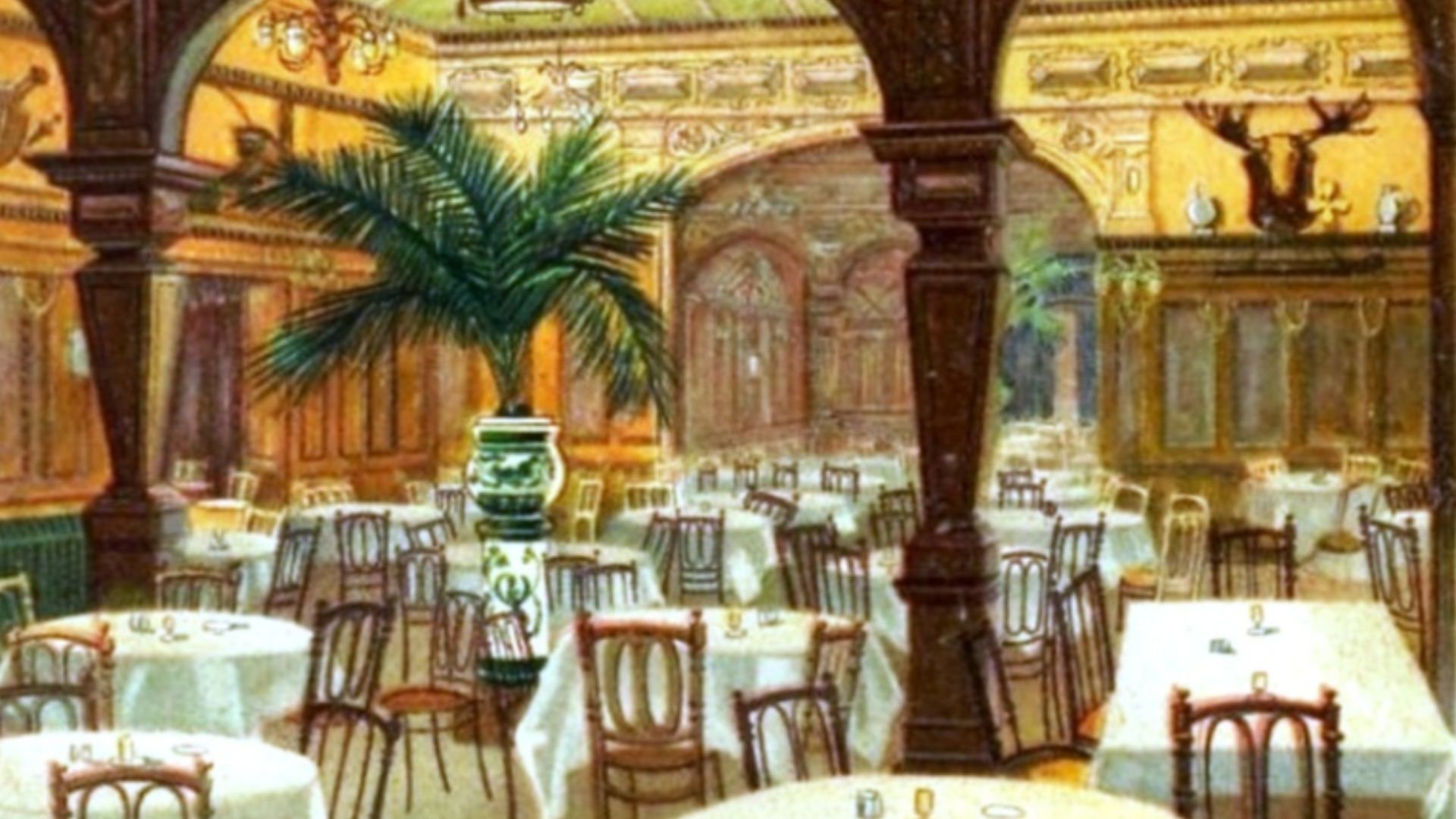
Lüchow’s
If you wanted an old-fashioned German dinner in New York, Lüchow’s had been serving one for generations. Hoping to bring in more business, its owners moved the main restaurant from its longtime address to the Theater District in 1982. That location closed in 1984; the remaining satellite operations were gone by 1986.
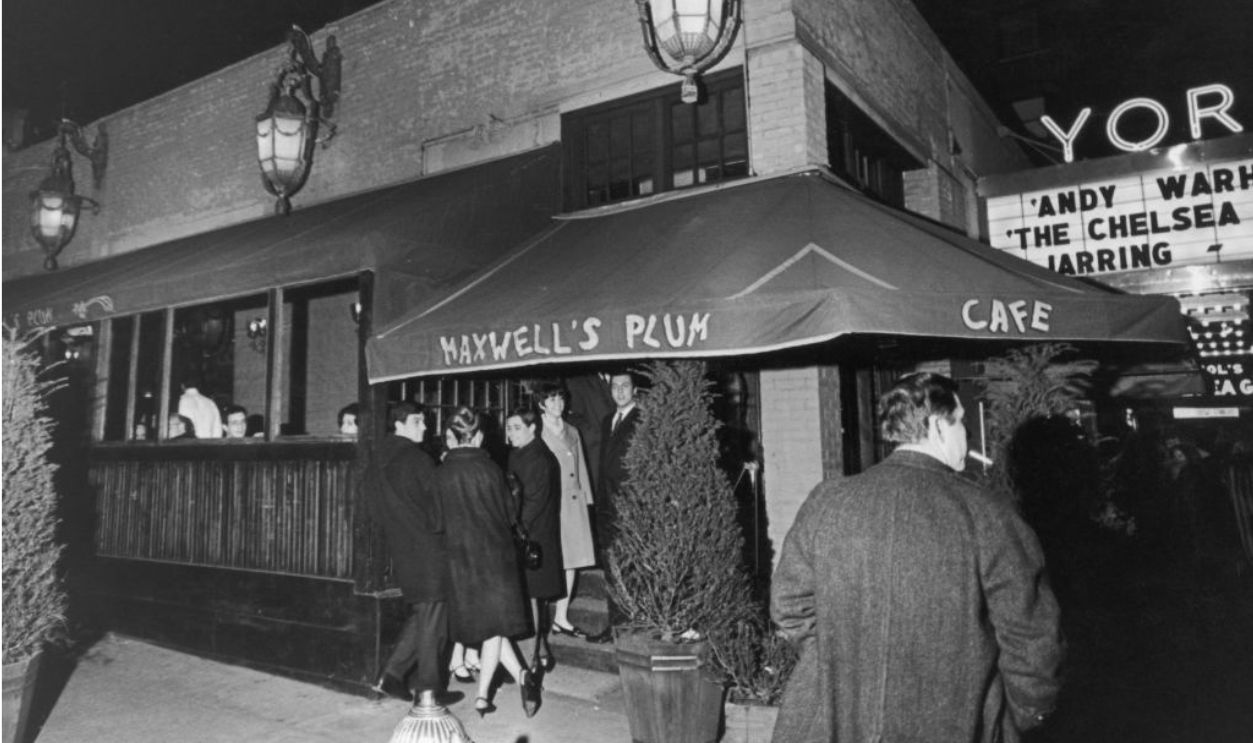
Maxwell’s Plum
Maxwell’s Plum was the sort of New York restaurant where people went partly to see who else was there. Its busy dining room and elaborate look made it memorable before the food arrived. Owner Warner LeRoy closed it in 1988 and sold the building to a developer for $7.5 million. This restaurant’s ending came with a property sale.
Which One Would You Bring Back?
Some of these restaurants ran into debt or falling sales. Others had customers but lost their names in a buyout. That’s part of what makes the list strange: you could go back to the same building a year later and find an entirely different restaurant. Which old sign would you most like to see again?
 Unknown authorUnknown author, Wikimedia Commons
You Might Also Like:
Everyday Things Americans Used To Rent Instead Of Buy—Because Owning Them Cost Too Much
Companies That Were Worth Billions In The 1990s—Then Everything Fell Apart
The Restaurant Fees That Make The Final Bill Look Nothing Like The Menu Price