When Renting Was The Norm
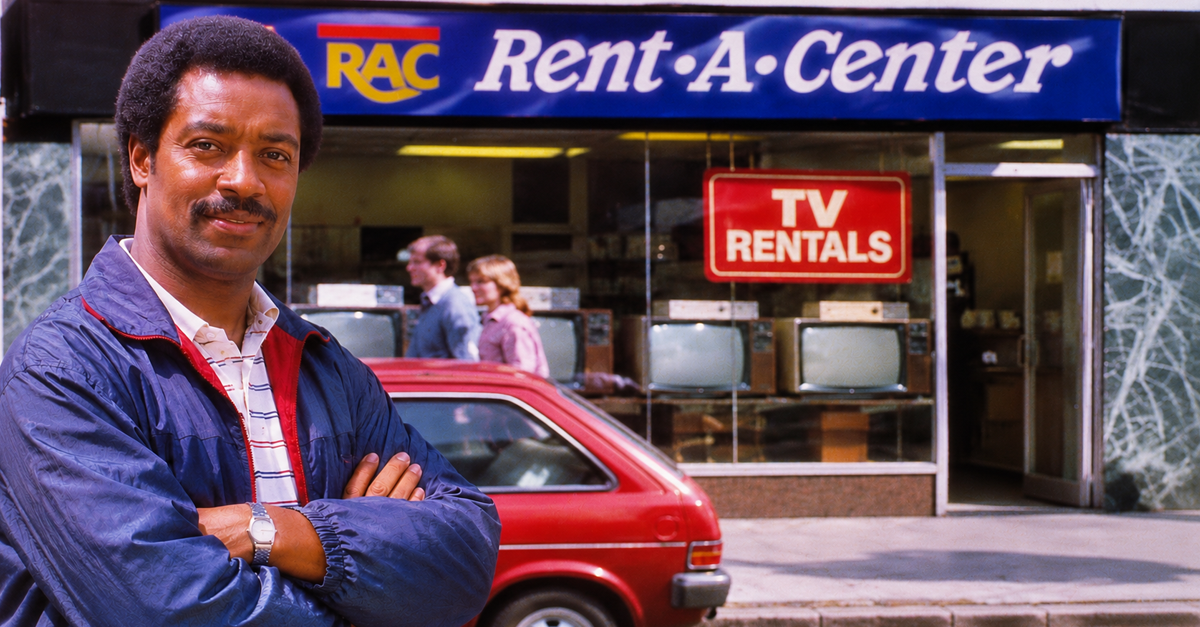
In the 1980s, Americans rented things that would seem downright strange today. Families paid monthly fees for their telephones, students rented computers to do their homework, and some people even rented bedroom furniture. Back then, renting wasn't just for cars and apartments. It was a way of life.
From everyday household essentials to forgotten technology, here are some of the strangest things Americans used to rent instead of buy.
Home Telephones
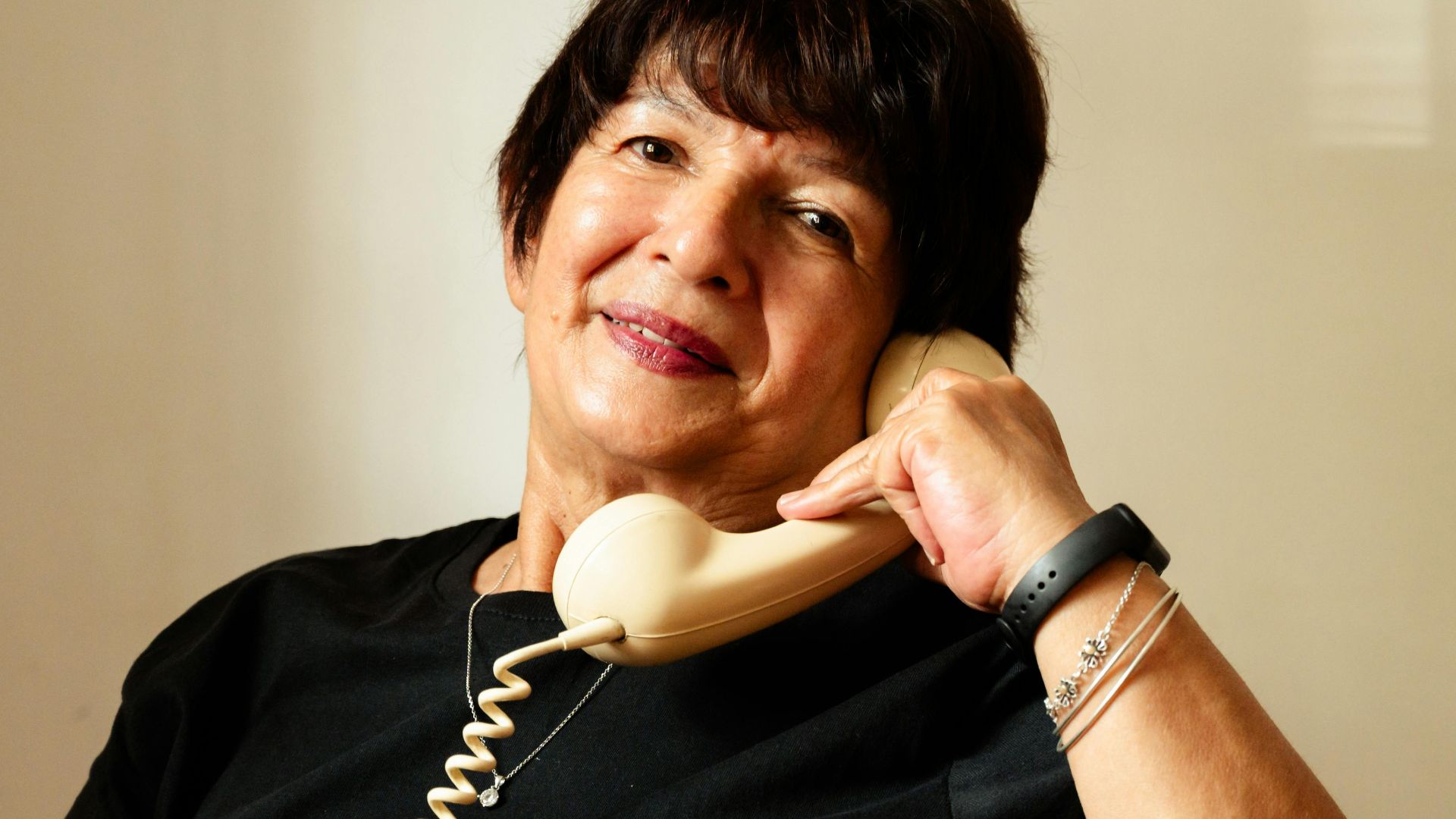
In the early 1980s, most Americans didn't even own the telephone sitting in their homes. A 1983 report estimated that 98% of households leased their telephone equipment from their phone company. Customers paid monthly rental charges, and the company generally handled equipment servicing and replacements. Buying a telephone was becoming an option, but renting remained remarkably common.
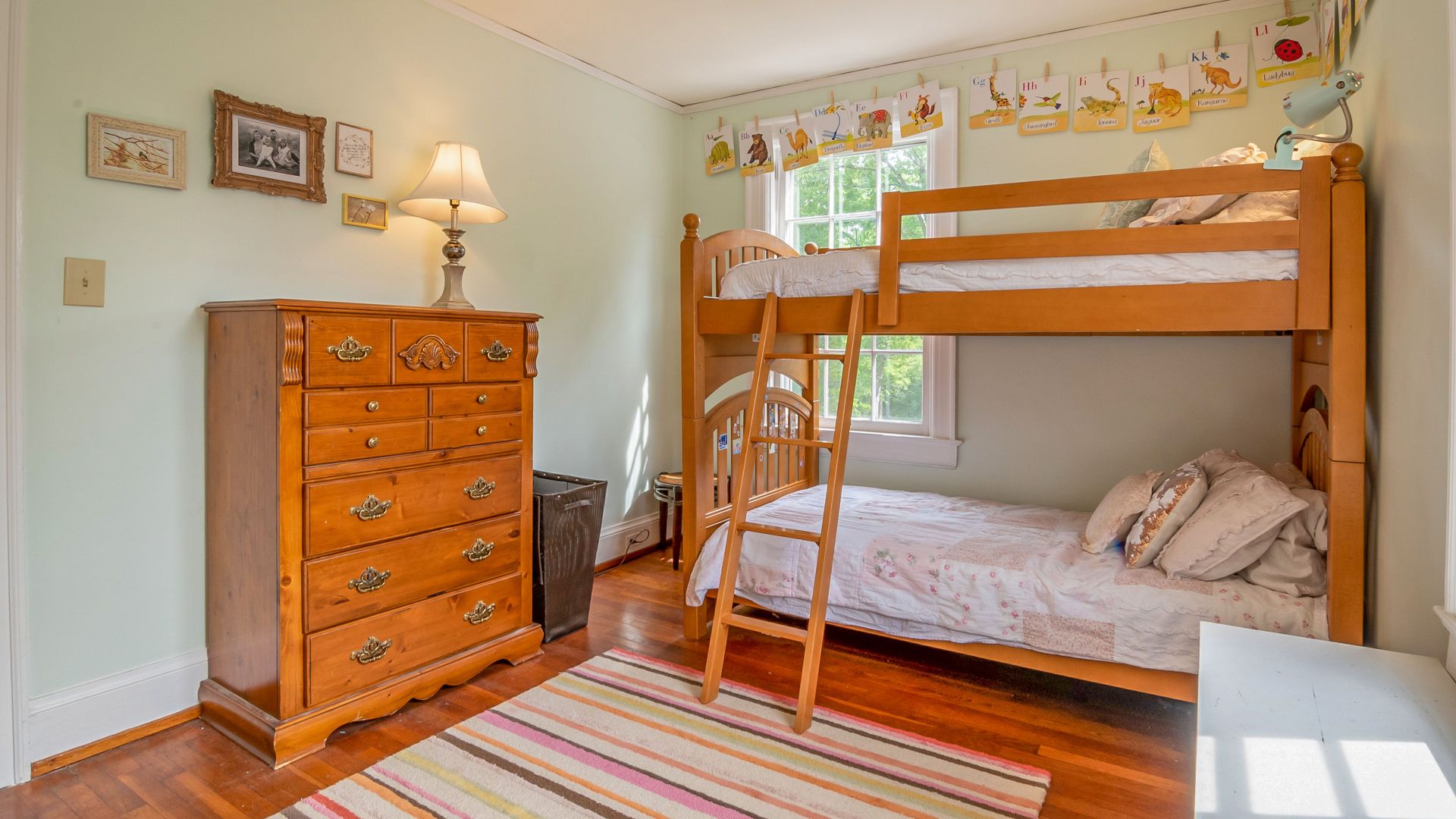
Bunk Beds
Even children's beds could come with weekly rental payments. A 1985 Rent America advertisement listed bunk beds among the furniture available through its rent-to-own program. The company promoted delivery and service along with flexible rental arrangements. Families furnishing a child's bedroom could acquire the beds without making a large upfront payment.
Video Game Cartridges
In the late 1980s, gamers could rent Nintendo cartridges instead of buying every new release. A 1989 Billboard report described a retailer charging $2.50 for the first night and $2 for each additional night. Video stores recognized that customers wanted to try games before spending considerably more to own them. It was an early version of the try-before-you-buy approach.

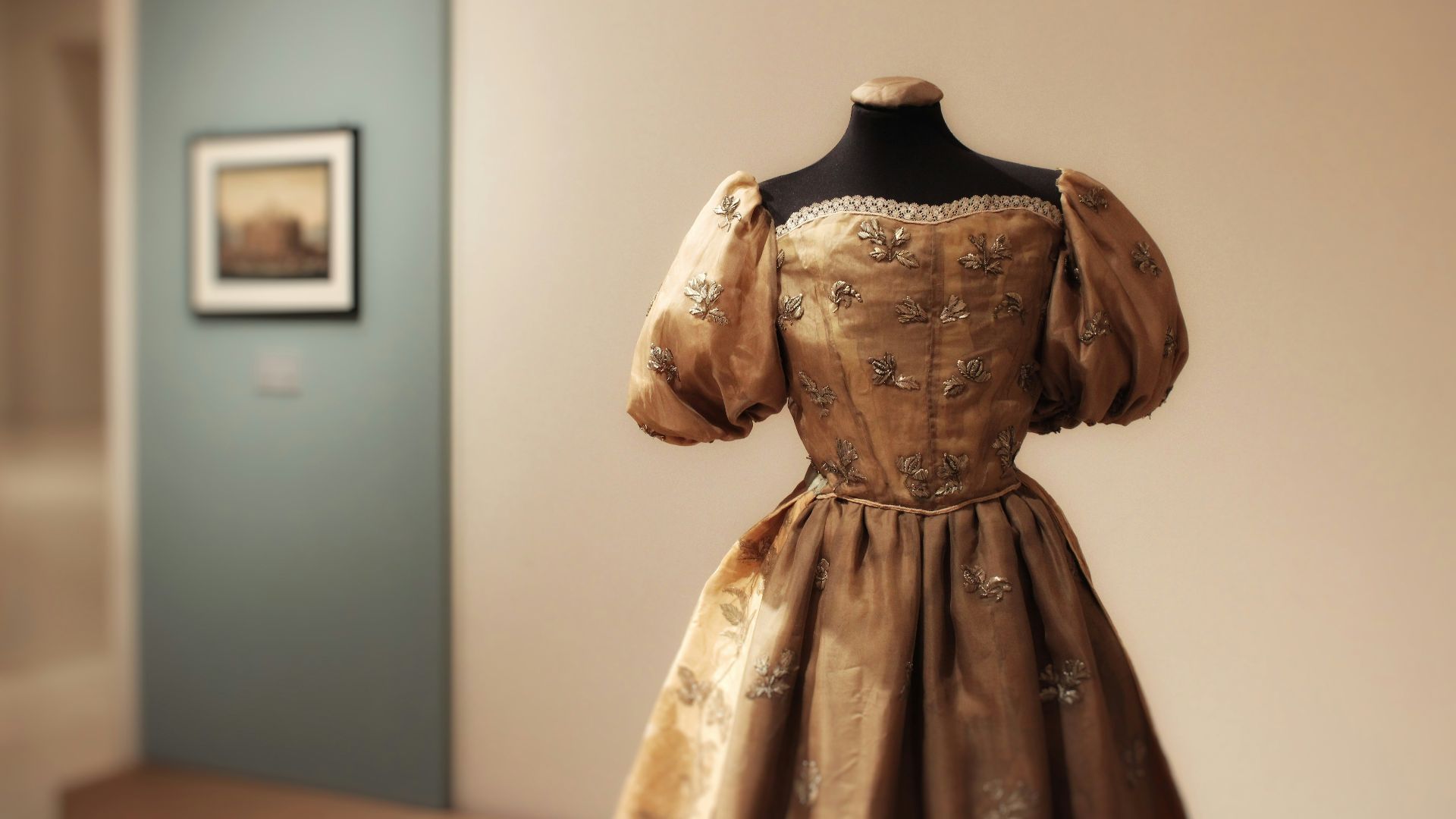
Refrigerators
Even a household refrigerator could be rented by the week. A September 1984 Florida advertisement offered refrigerators starting at $13.95 weekly, with delivery and servicing included in the company's promotion. A 1989 California furniture rental survey also documented monthly refrigerator rentals. These services helped households obtain an essential appliance without an immediate purchase.
Computer Software
Believe it or not, people could rent computer programs instead of purchasing them. A 1983 PC World advertisement promoted a software rental library offering temporary access to games and business applications. Customers could try programs before committing to their full purchase prices. Some services even credited the rental fee toward a later purchase.
 Ruben de Rijcke, Wikimedia Commons
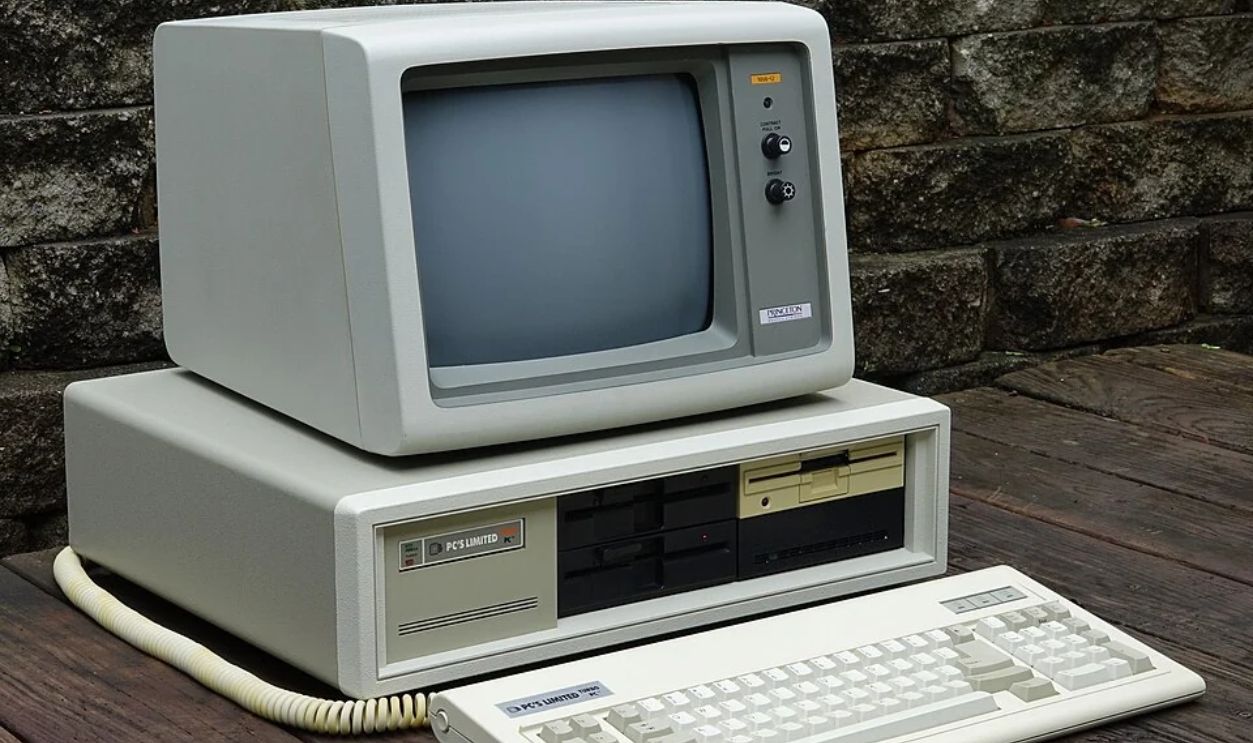
Evening Gowns
Some American women rented elaborate dresses rather than buying outfits for special occasions. In June 1988, the Los Angeles Times reported on Southern California businesses offering designer evening gowns for rent. Prices at certain establishments ranged from $50 to $250. Customers could wear expensive formal clothing without purchasing a dress they might only use once.
Color Televisions
A color television could be rented for less than the price of some restaurant meals. In September 1984, a Florida electronics retailer advertised 19-inch portable televisions starting at $9.95 per week. Customers could bring home a television without passing a credit check or making a substantial down payment. The store also offered larger console televisions for $13.95 weekly.
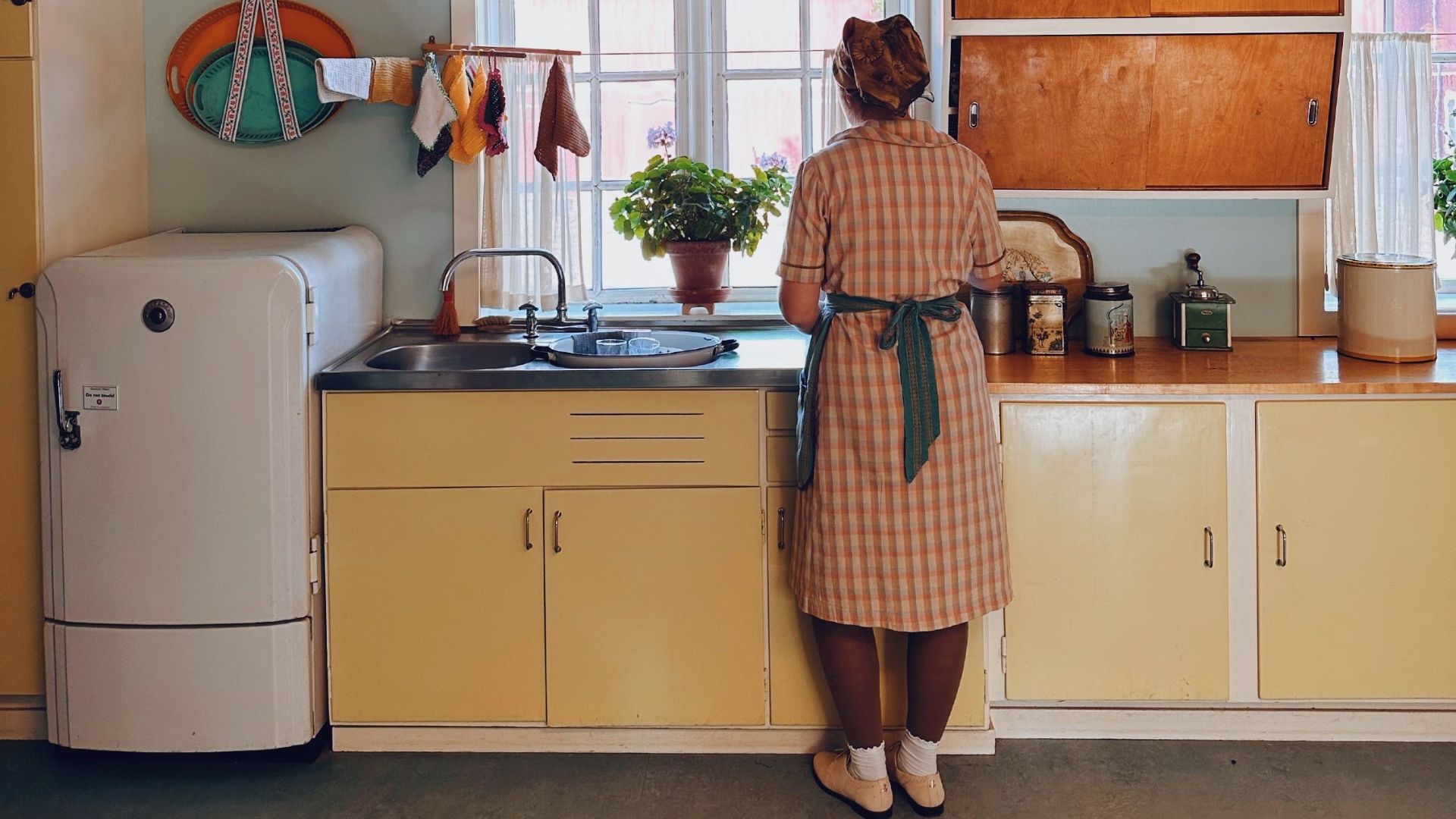
Personal Computers
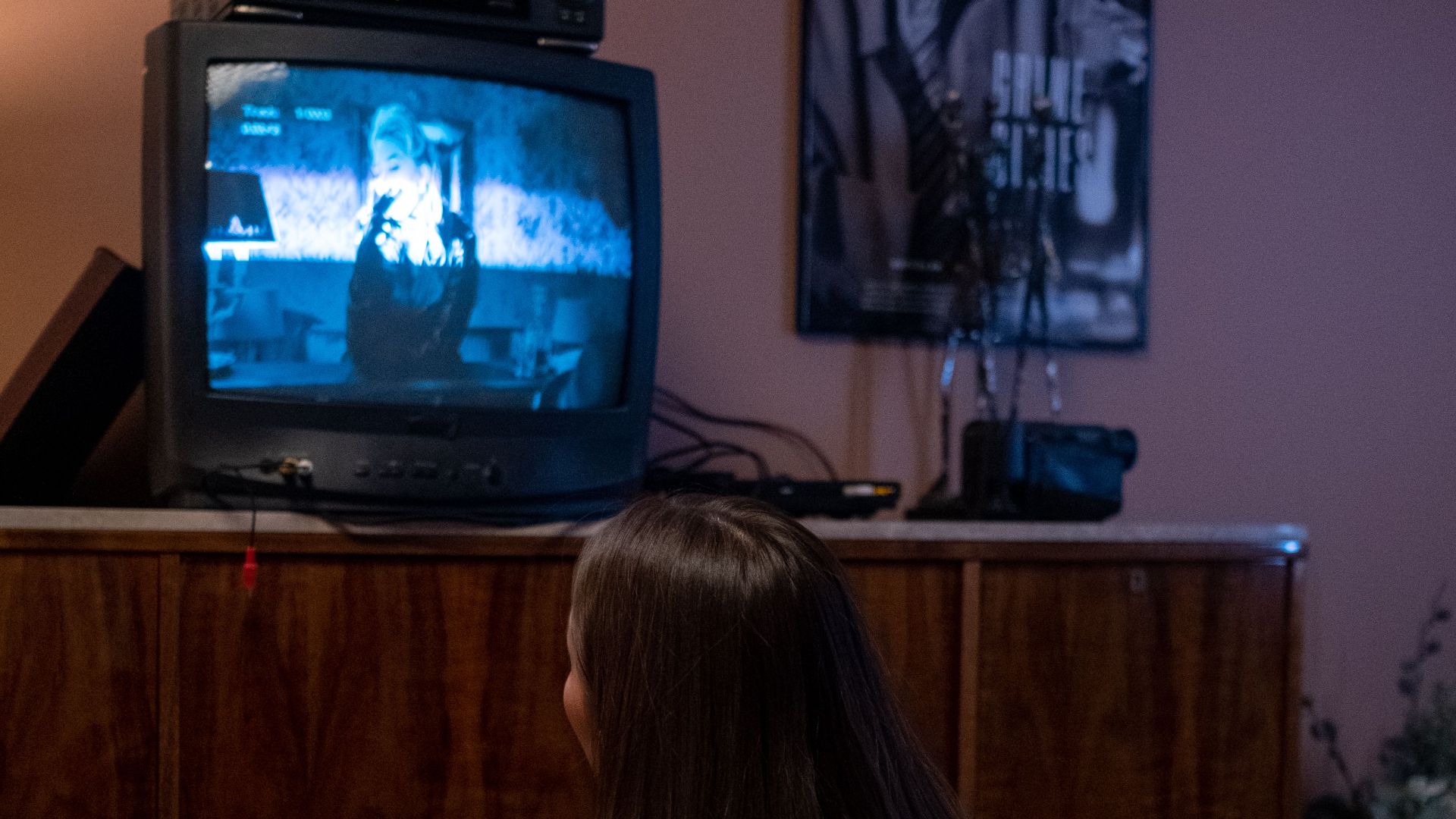
Even home computers were available to rent during the personal-computer boom. In 1985, General Electric advertised rentals of machines from IBM, Apple, and Hewlett-Packard. At the University of Iowa, students could lease an Apple Macintosh 128K for $50 monthly or an IBM PCjr for $35. Renting provided access to expensive technology without requiring students to purchase a machine outright.
Microwave Ovens
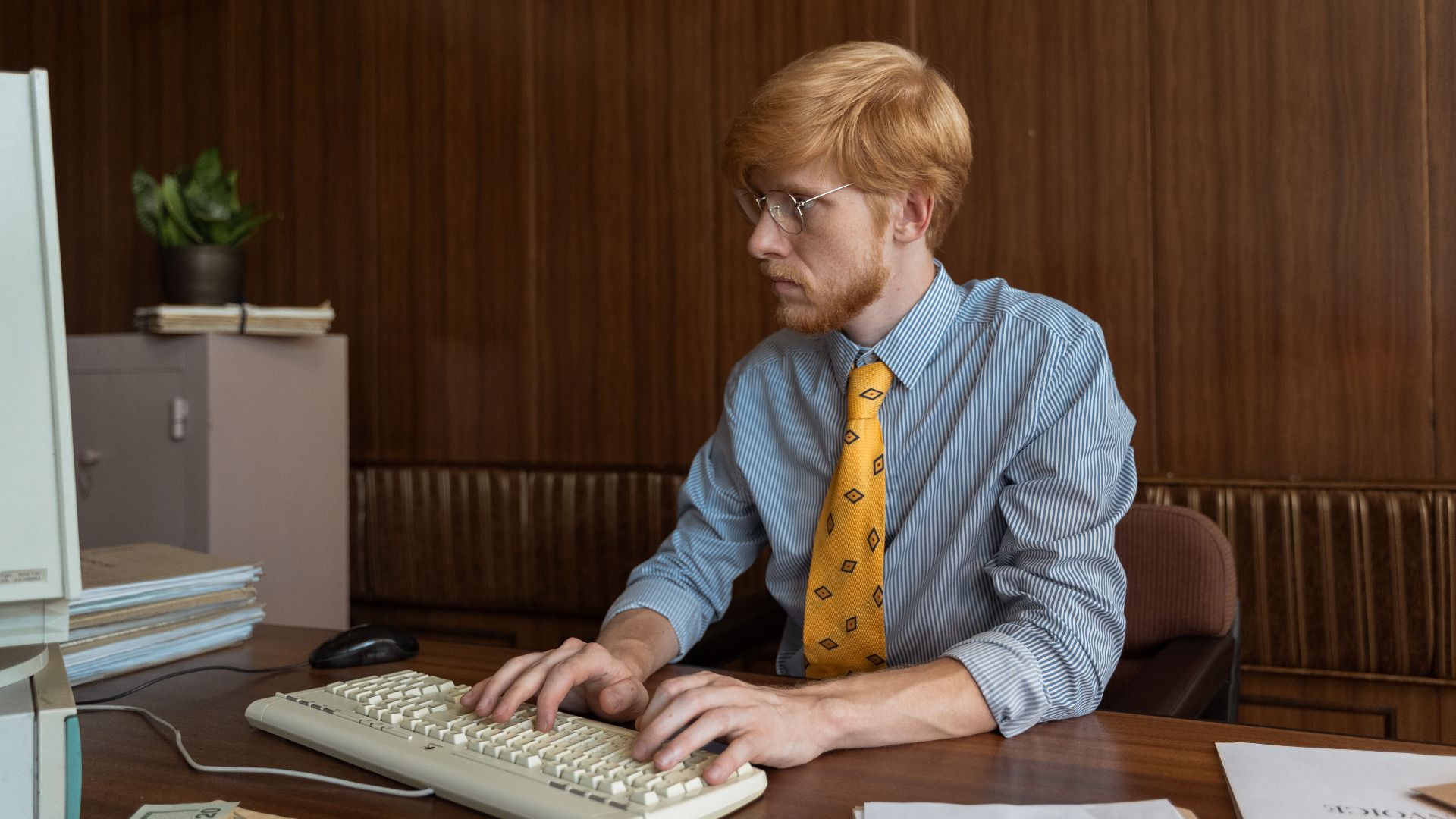
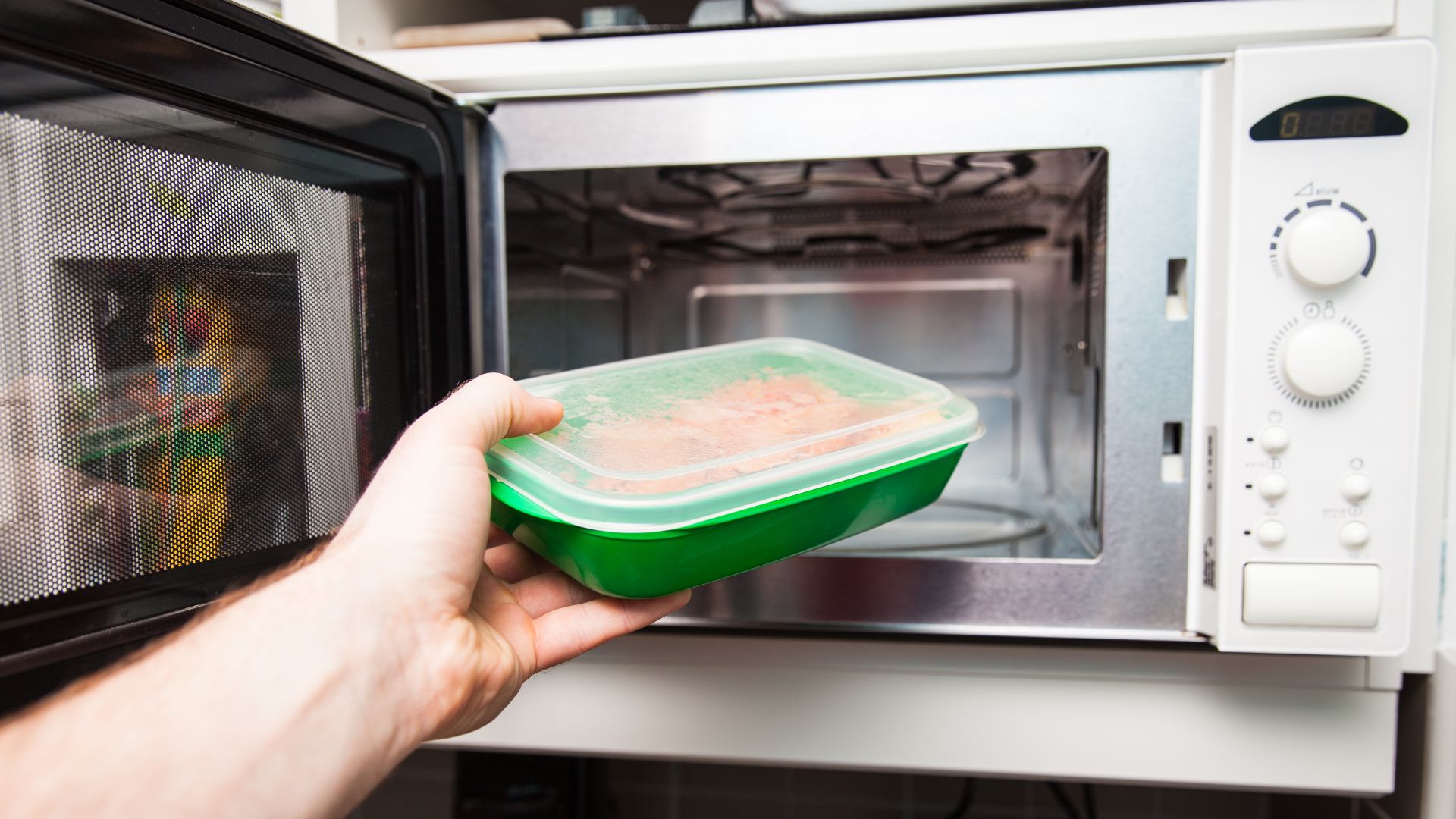
Microwave ovens became increasingly popular in American kitchens during the 1980s. Rental businesses offered them alongside televisions, stereos, and other household electronics. A Texas newspaper profiled a Colortyme store in 1984 that advertised microwave ovens among its available rental products. Customers could bring the appliance home without committing to a full retail purchase.
 Trausti Evans, Wikimedia Commons
VCRs
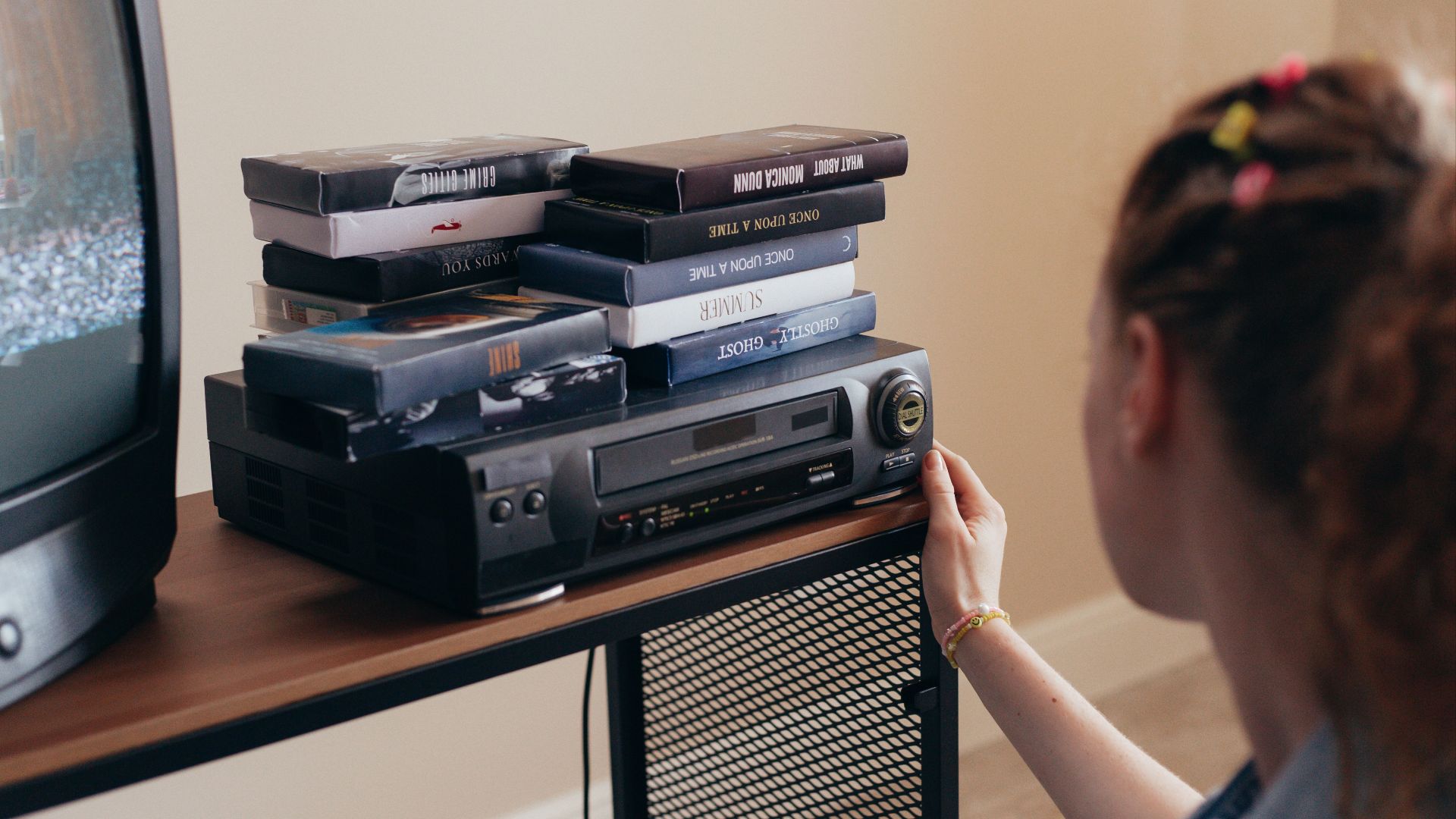
Before VCRs became affordable household staples, customers sometimes rented the machines themselves. In July 1984, a Texas rent-to-own store advertised a VCR package costing $86 for a month, including access to movie rentals. The promotion offered customers up to 30 tapes during the rental period. Families could enjoy home movies without immediately purchasing expensive equipment.
Living Room Furniture
Americans could furnish an entire living room through a rental company. In June 1989, a Boston Rent-A-Center advertised a package containing a sofa bed and reclining chair for $19.99 weekly. The arrangement provided multiple pieces of furniture for one recurring payment. Over a full year, however, those payments would add up to $1,039.48.
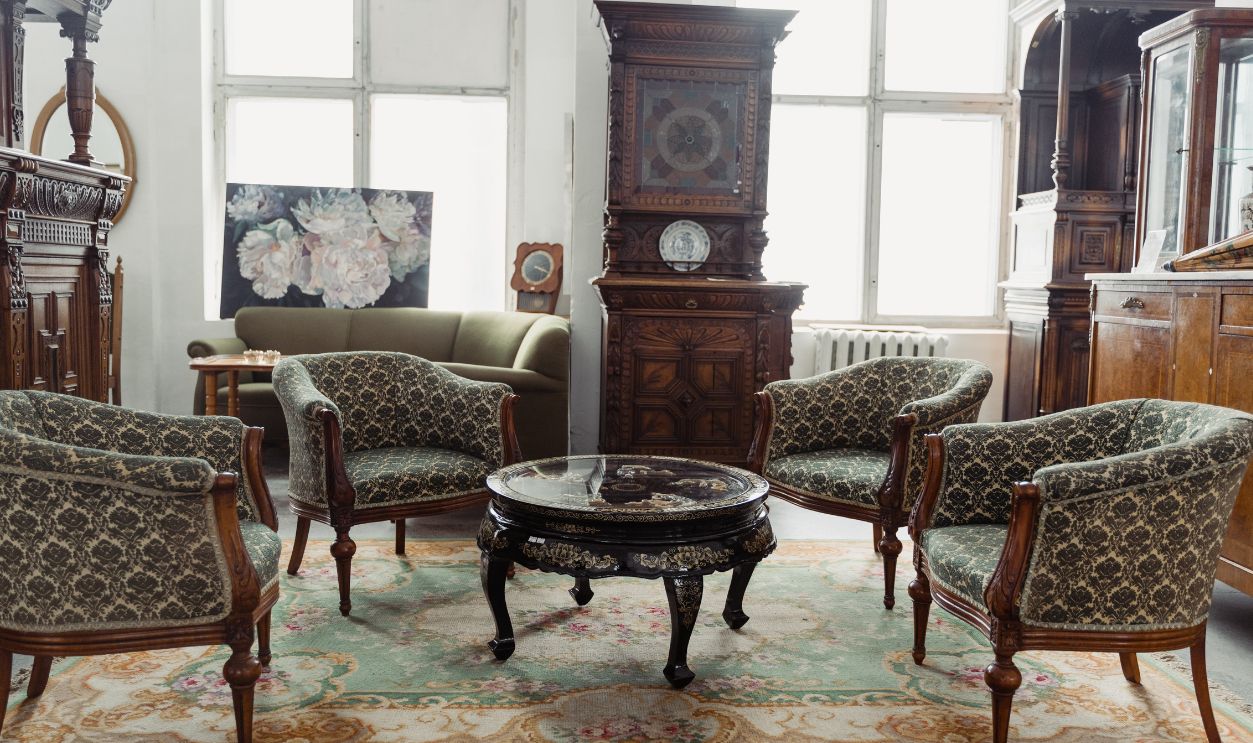
Fax Machines
Before email attachments, fax machines were valuable business equipment. In 1981, Xerox introduced a Telecopier 455 that cost $2,495 to purchase or $100 per month to rent. Businesses could use the equipment to transmit documents over telephone lines without paying thousands upfront. Monthly leasing was especially appealing to organizations adopting unfamiliar communications technology.
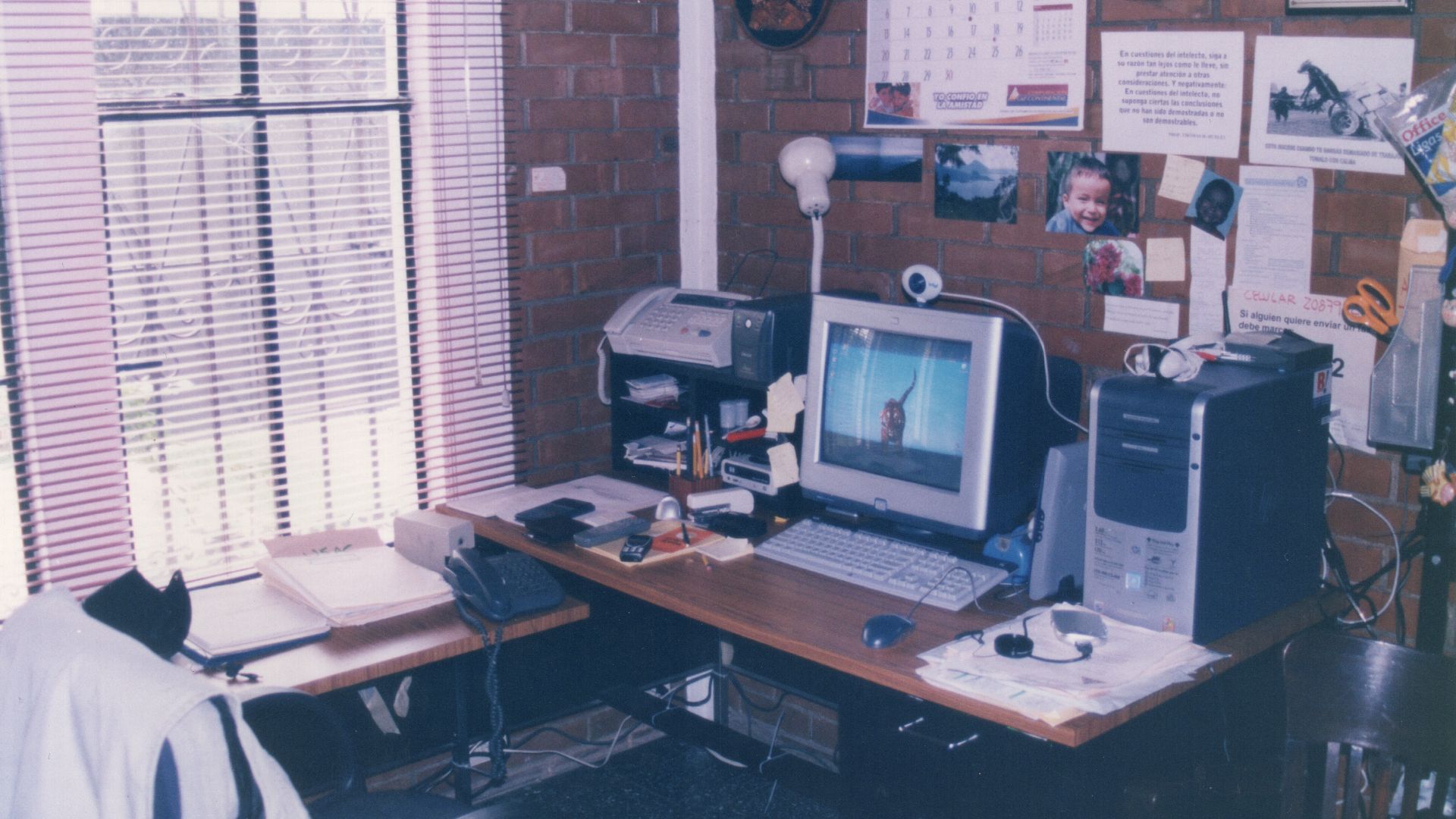
Music CDs
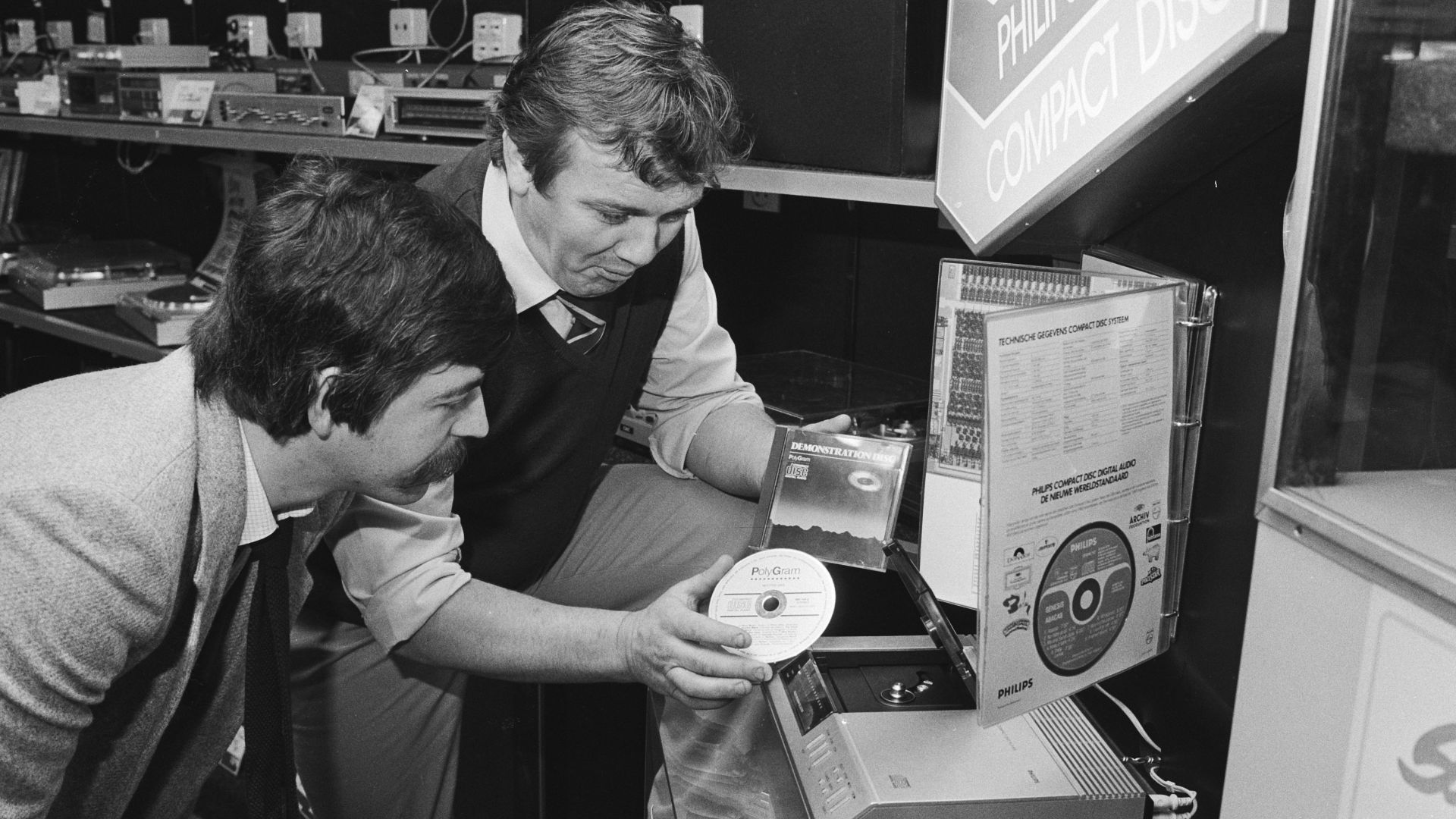
Compact disc rentals were another unusual feature of the 1980s, although the practice was much less widespread in America than movie rentals. In February 1987, Michigan's Canton Public Library was renting CDs from its new collection for just 10 cents per day. The collection included classical and popular music. Borrowers could explore the emerging format without purchasing every album.
 Marcel Antonisse / Anefo, Wikimedia Commons
Washing Machines
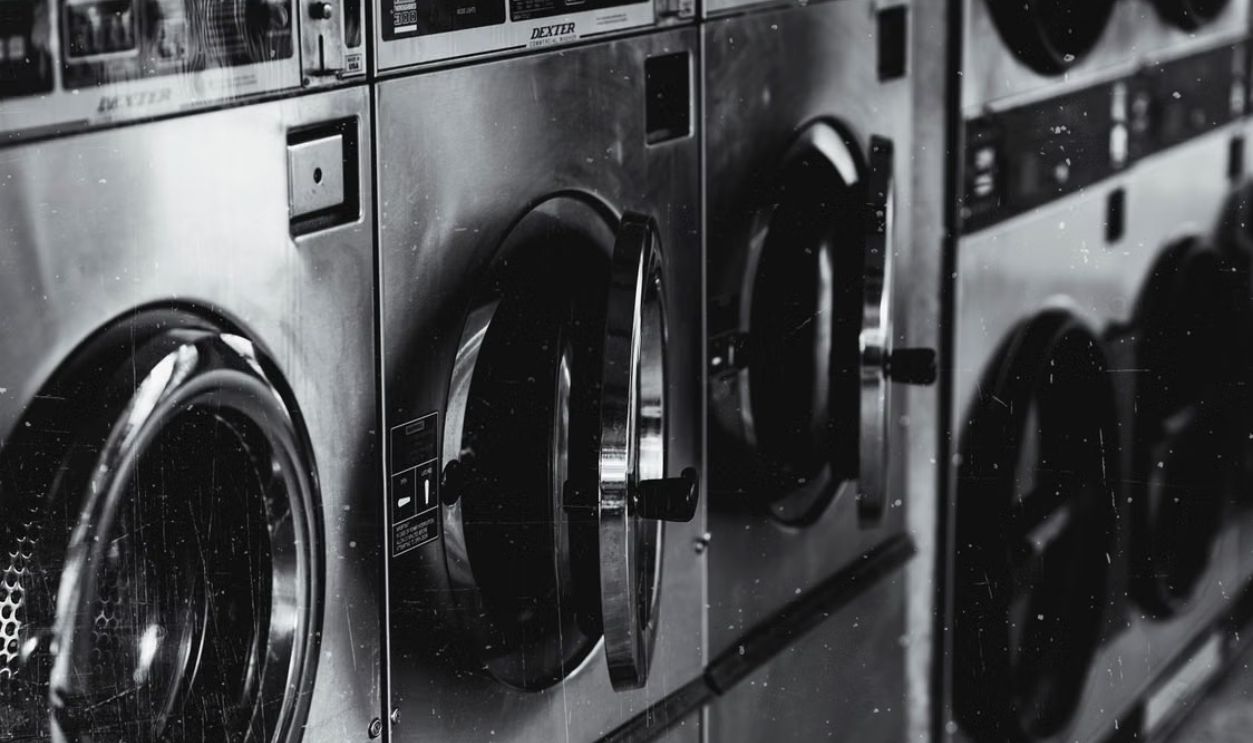
Laundry equipment was another surprisingly ordinary rental category. A 1984 Florida retailer advertised washing machines starting at $9.95 weekly, with service included. That could be attractive to households needing a replacement machine immediately. It also meant an essential appliance could become another recurring household expense.
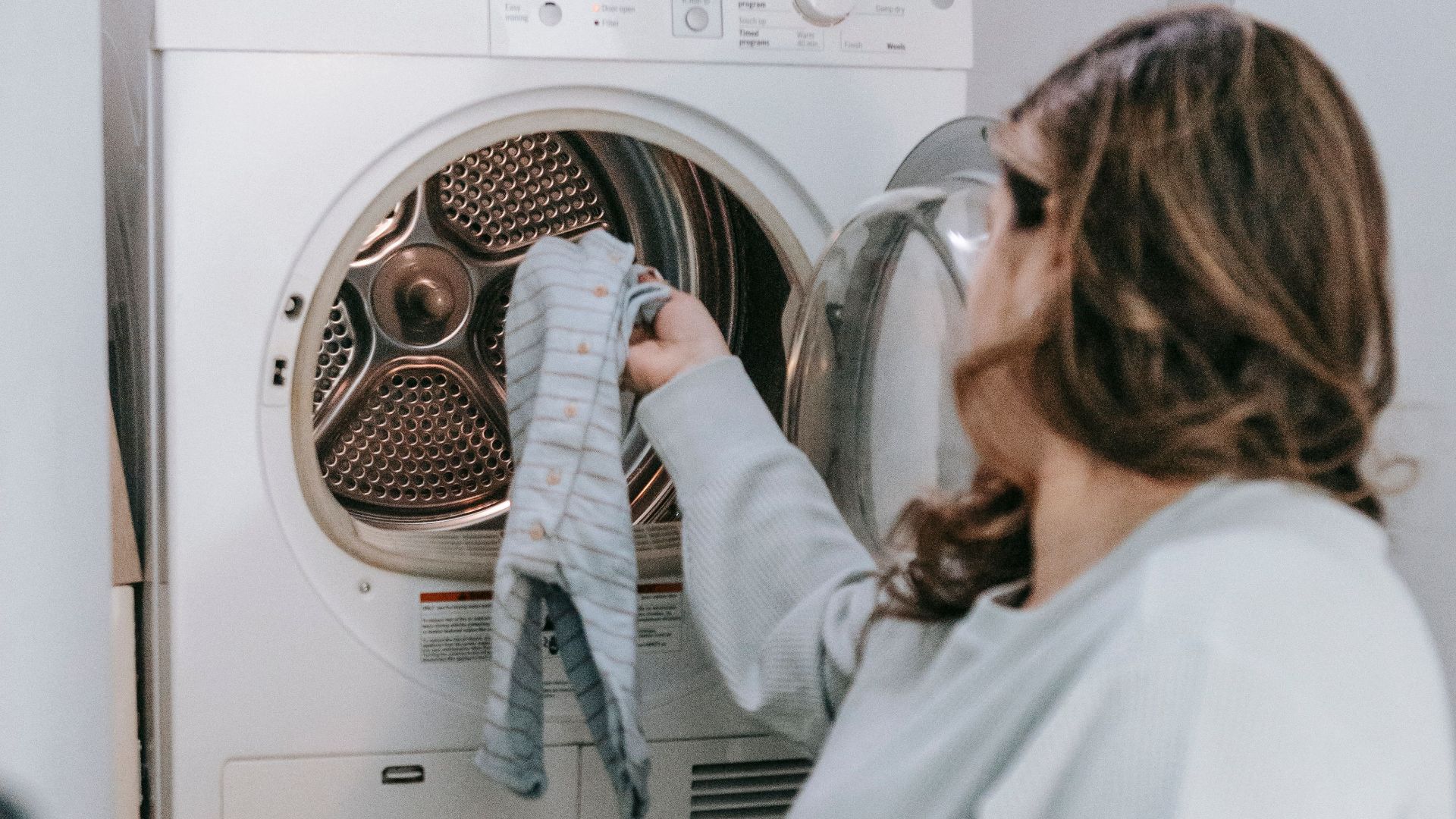
Clothes Dryers
Clothes dryers were available separately from washing machines. A 1984 Florida rental advertisement listed dryers starting at $7.95 per week. Customers could obtain one without committing to a large upfront payment, particularly when furnishing a new home. Renting for an entire year at that rate would cost $413.40.
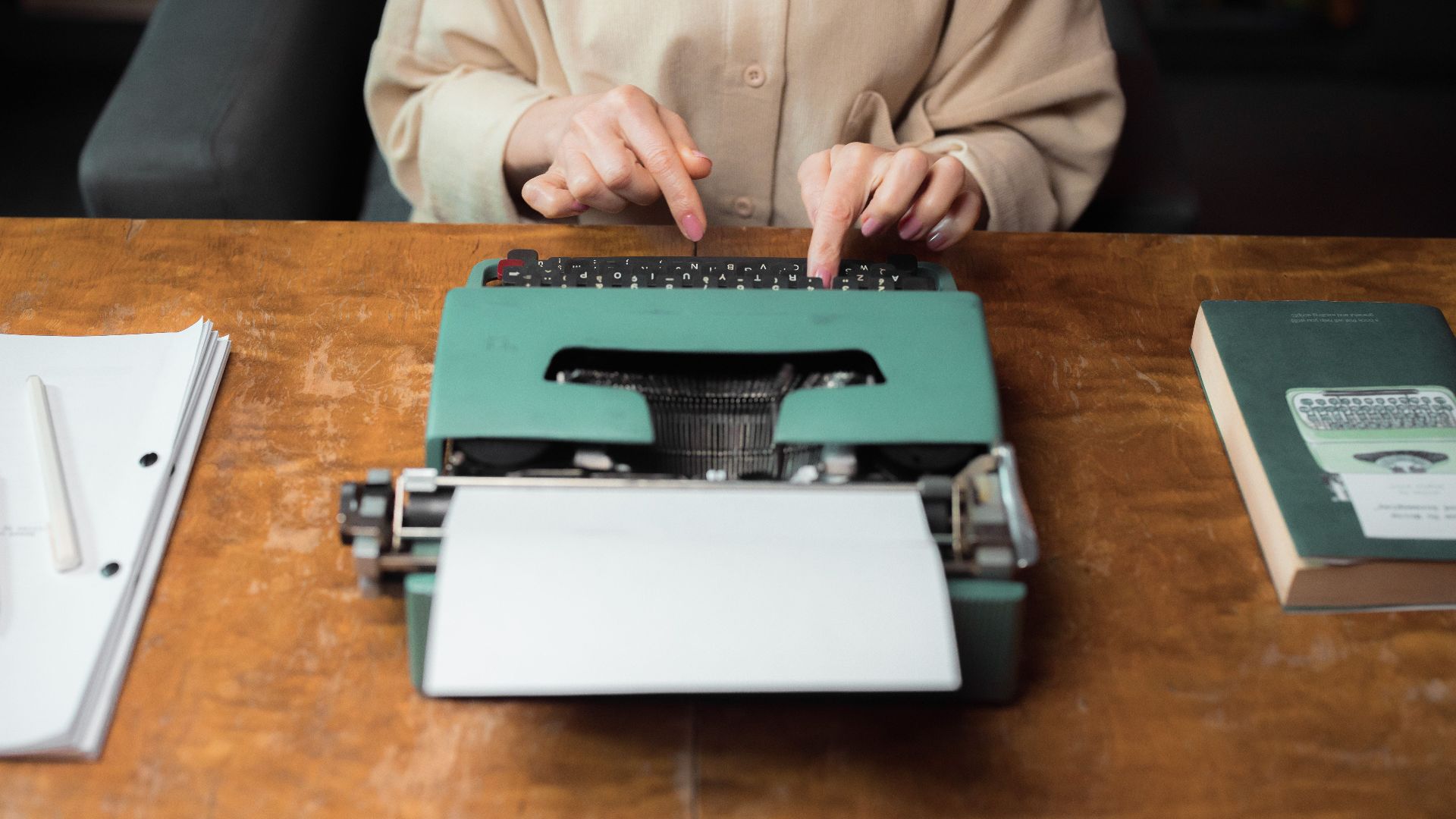
Electric Typewriters
Even writing a college paper could involve renting equipment. In September 1984, the University of Chicago bookstore advertised IBM Selectric II and Olympia electronic typewriters for $21 weekly or $54 monthly. Students needed a university identification card to qualify. The arrangement provided temporary access to sophisticated machines without purchasing one for an entire semester.
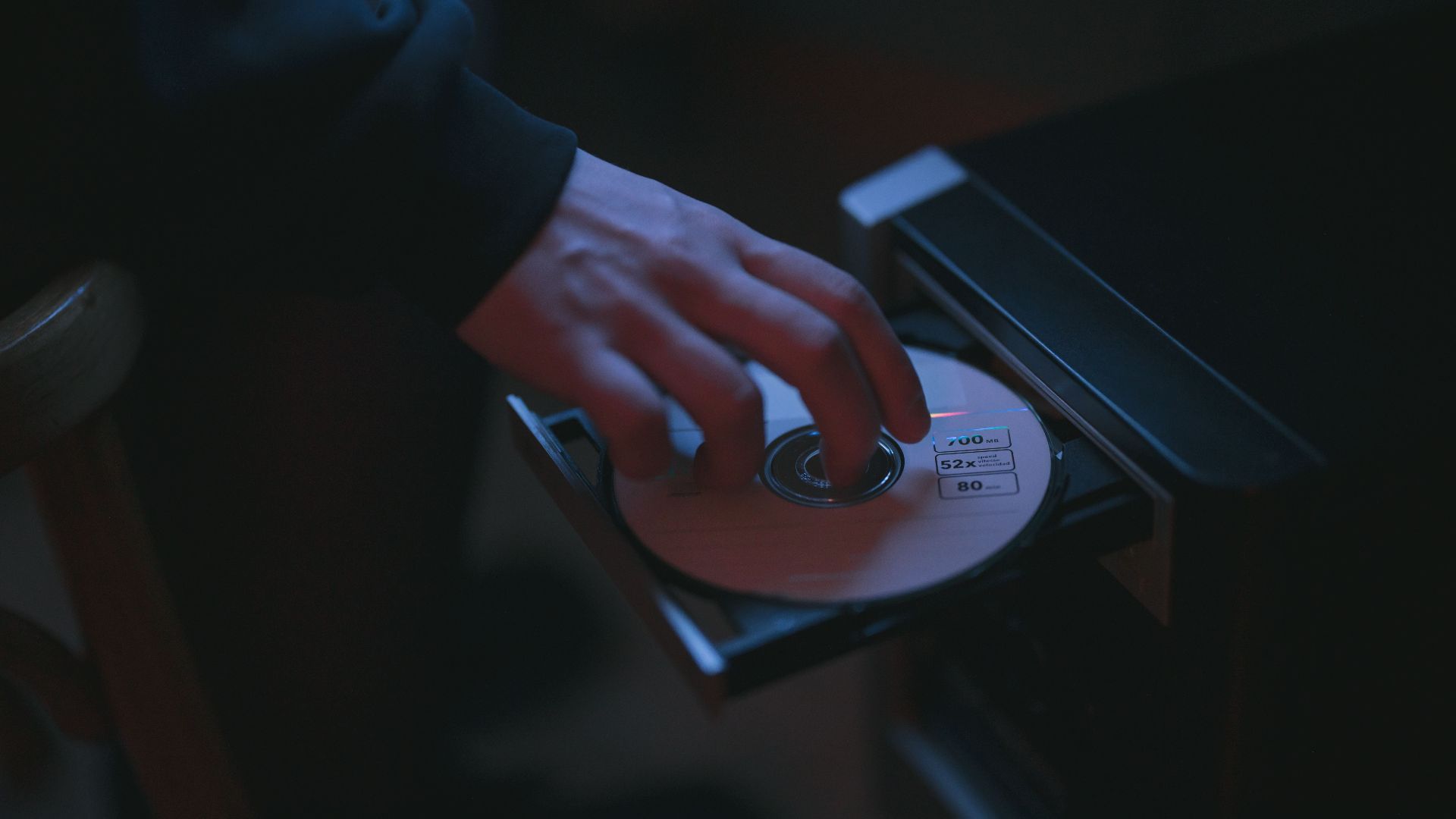
Video Disc Players
Before DVDs, Americans could rent machines that played movies on large video discs. A 1984 Florida electronics retailer advertised video disc players among its rental merchandise. By 1988, a Virginia business was renting a Pioneer combination disc player for $9.99 per day. These machines competed with the increasingly popular VCR during a period of rapidly changing entertainment technology.
Maternity Eveningwear
Expectant mothers could even rent formal dresses designed for pregnancy. In August 1986, D Magazine reported that Village Maternity in Dallas offered eveningwear for $40 the first night and $5 for each additional day. The business had already been renting dresses for approximately two years. It was an alternative to purchasing expensive formal clothing that might fit for only a short time.

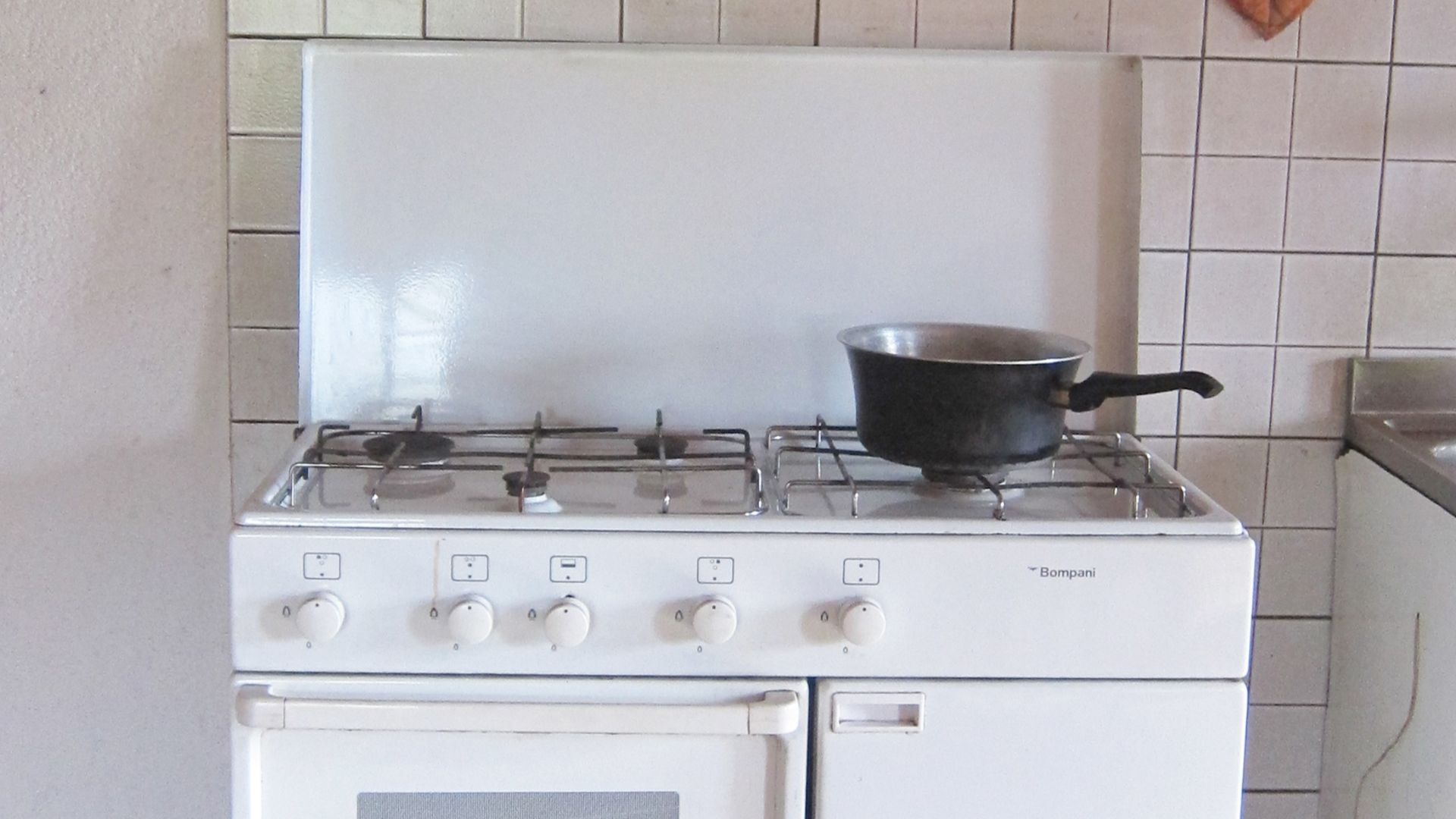
Kitchen Stoves
Americans could rent the stove they used to prepare dinner. In 1984, a Florida retailer advertised kitchen ranges starting at $11.95 weekly. Customers received access to a functioning cooking appliance without paying its full retail price upfront. At the advertised rate, 52 weeks of payments would total $621.40.
 Mænsard vokser, Wikimedia Commons
VHS Movies
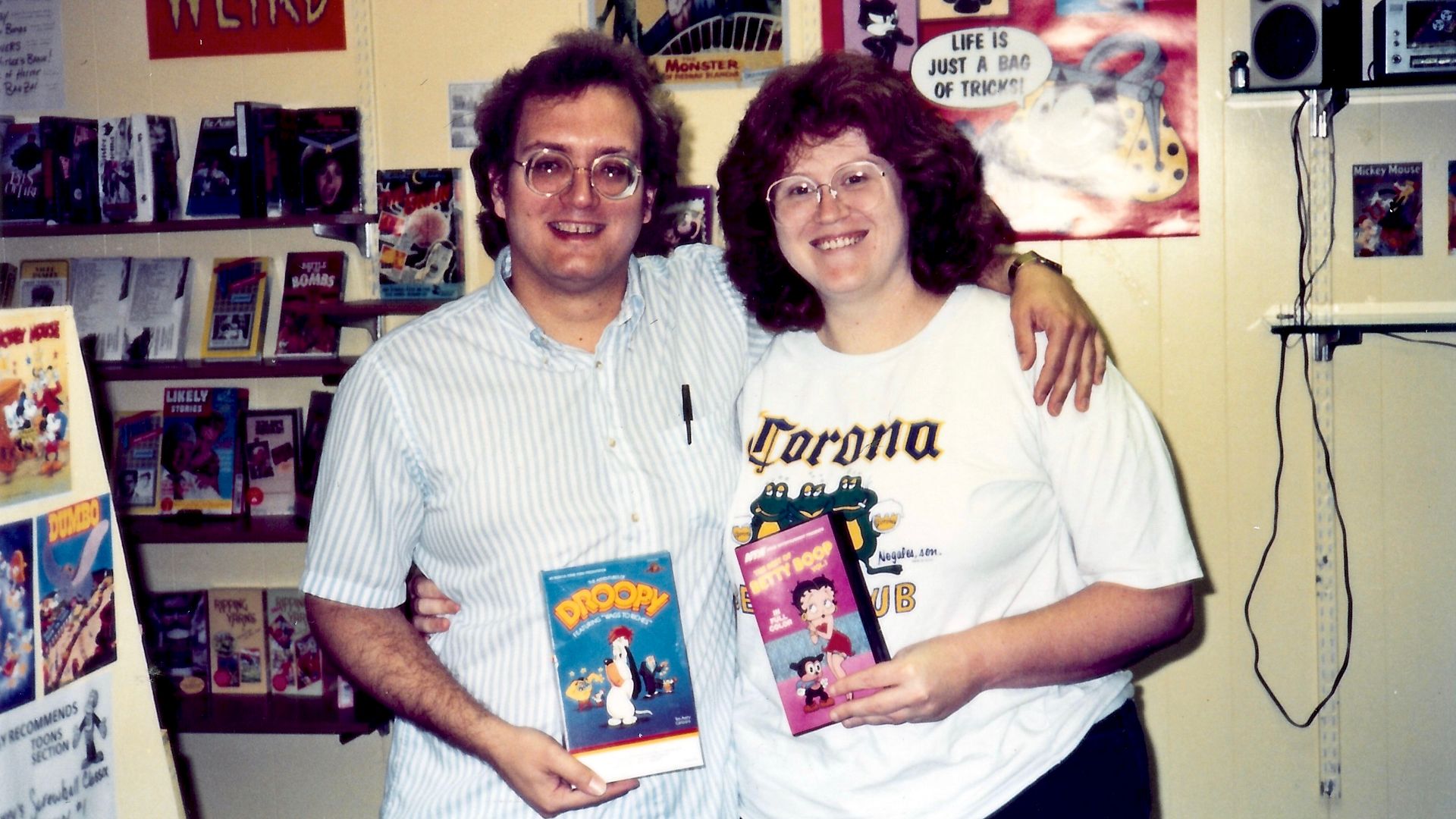
Renting movies on VHS became one of the defining shopping experiences of the decade. In 1982, a Washington, DC, video store charged members $2.95 for overnight rentals, while nonmembers paid $5.95. Customers could also pay for longer rental periods, although failing to return tapes on time could mean additional charges. For families who remember Friday nights at the video store, the ritual was half the fun.
 Family photos of Infrogmation, Wikimedia Commons
Bedroom Furniture
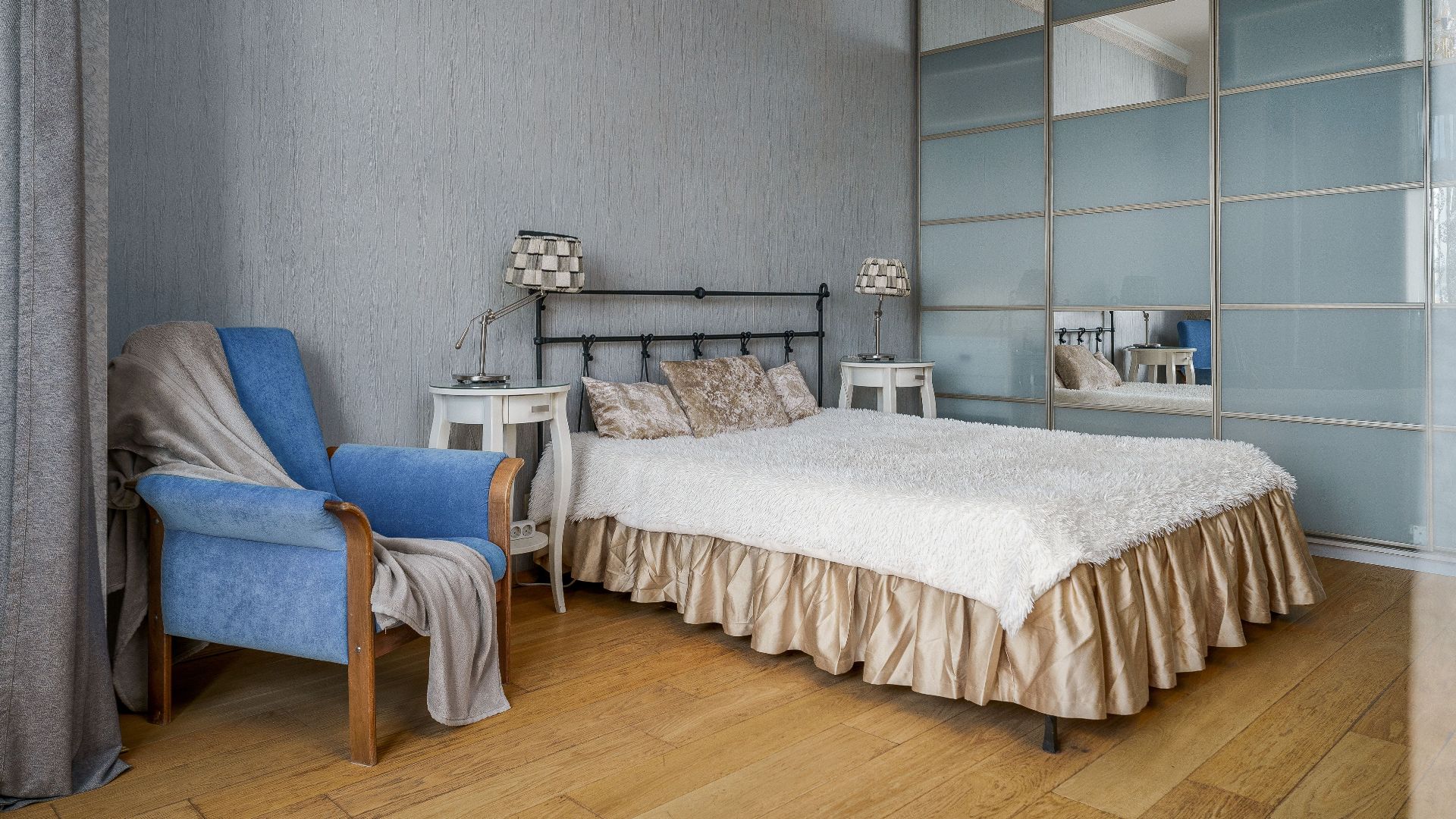
Rental companies also offered complete bedroom sets. A 1989 Los Angeles Times survey found California businesses renting bedroom furniture for prices ranging from around $13 to $100 monthly, depending on the set and arrangement. Some rentals were intended for temporary housing, while others offered a path to eventual ownership. Customers could furnish a bedroom without buying every piece separately.
Photocopiers
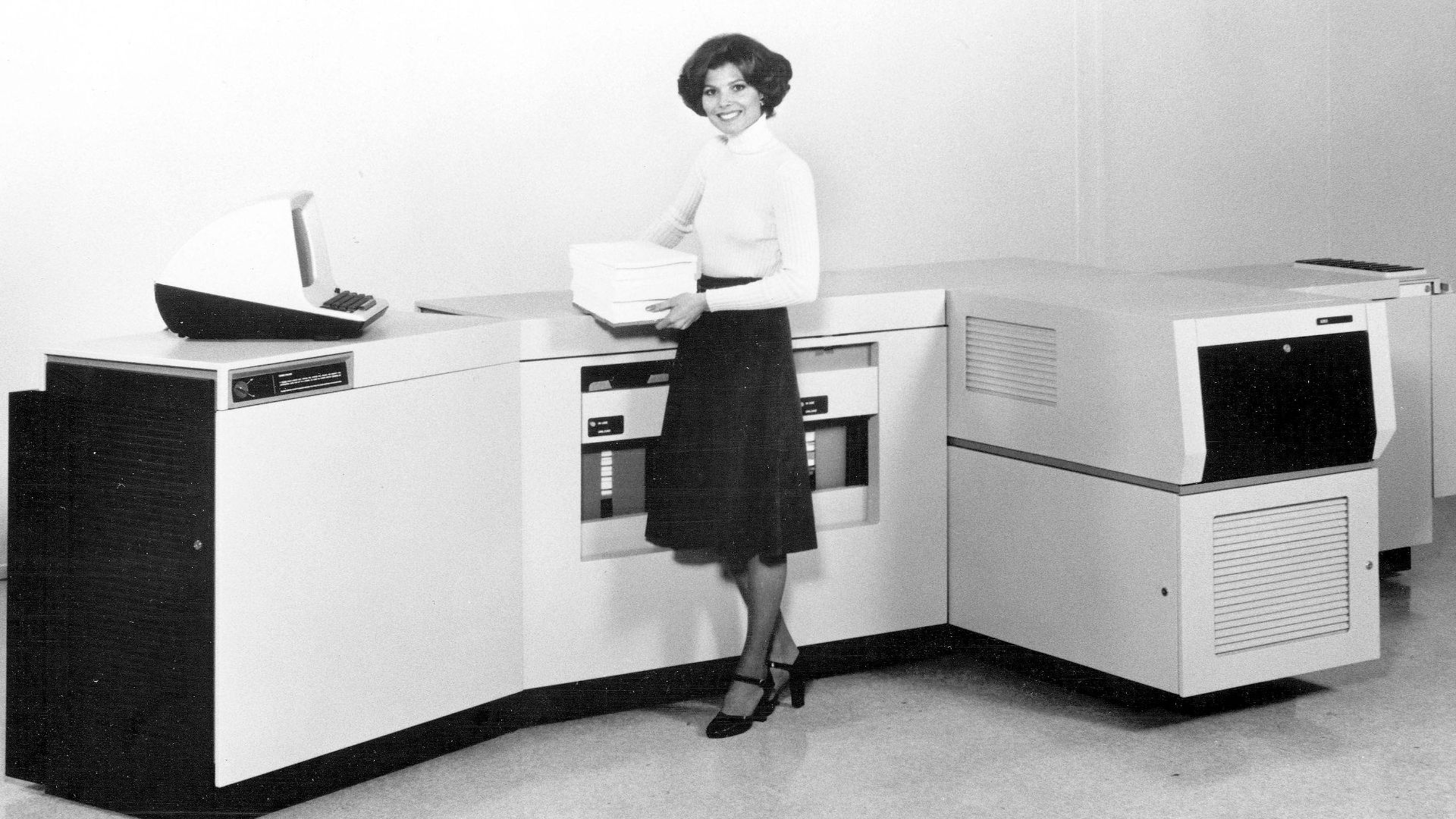
Businesses and public institutions often rented photocopiers instead of buying them. In 1980, officials in Overbrook, Kansas, considered renting a 3M copier for $50 monthly, including maintenance. By 1985, Maryland's St. Mary's College had approved a Xerox rental agreement costing more than $500 per month. Renting provided access to expensive equipment without the upfront purchase cost.
Stereo Systems
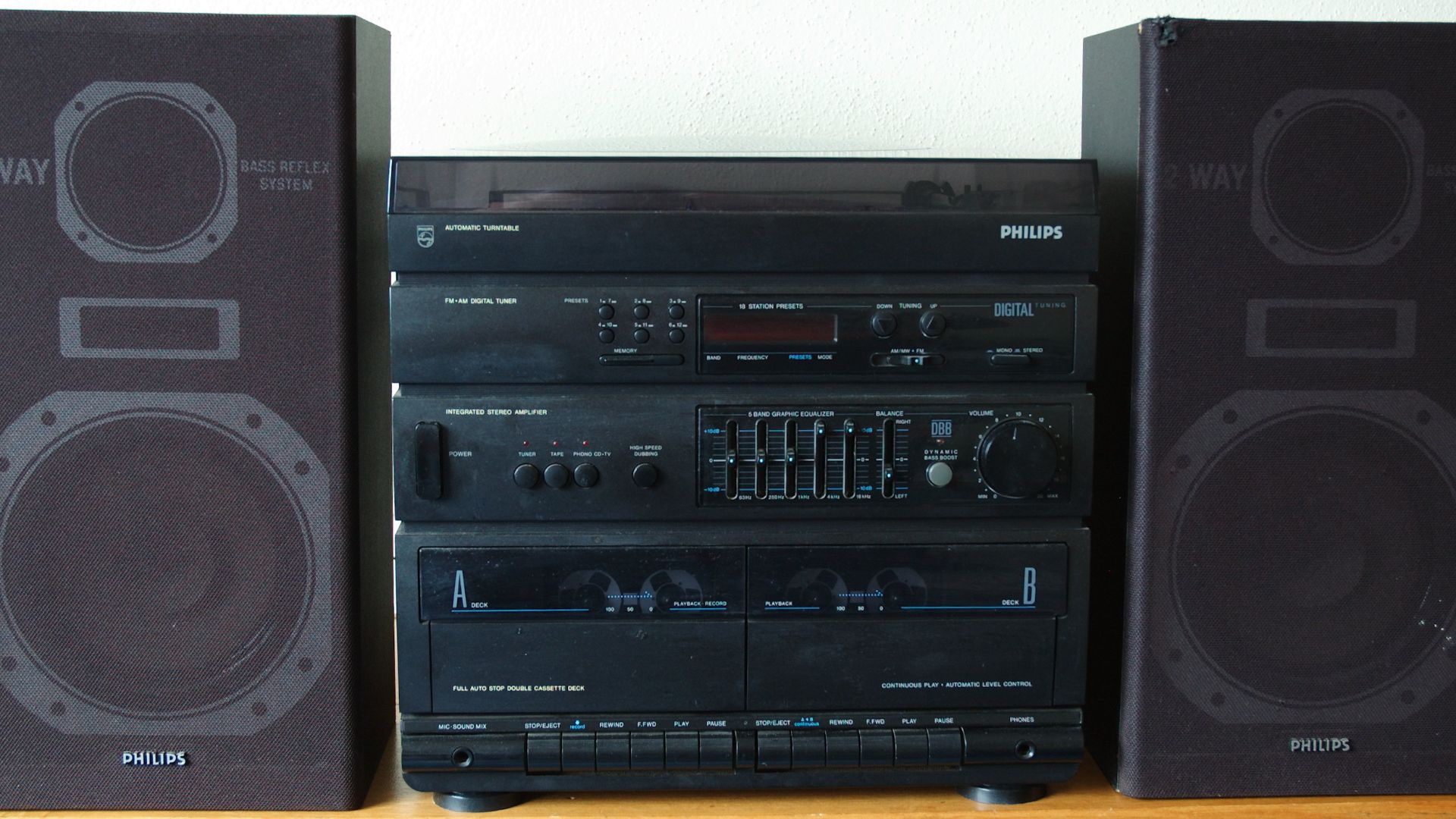
A complete home stereo system wasn't necessarily something a family had to buy. In September 1984, a Florida electronics retailer advertised integrated stereos starting at $13.95 per week. These systems offered an alternative for customers who wanted to enjoy records and radio at home without buying the equipment. However, uninterrupted payments at that rate would total $725.40 over a year.
 Gary Houston, Wikimedia Commons
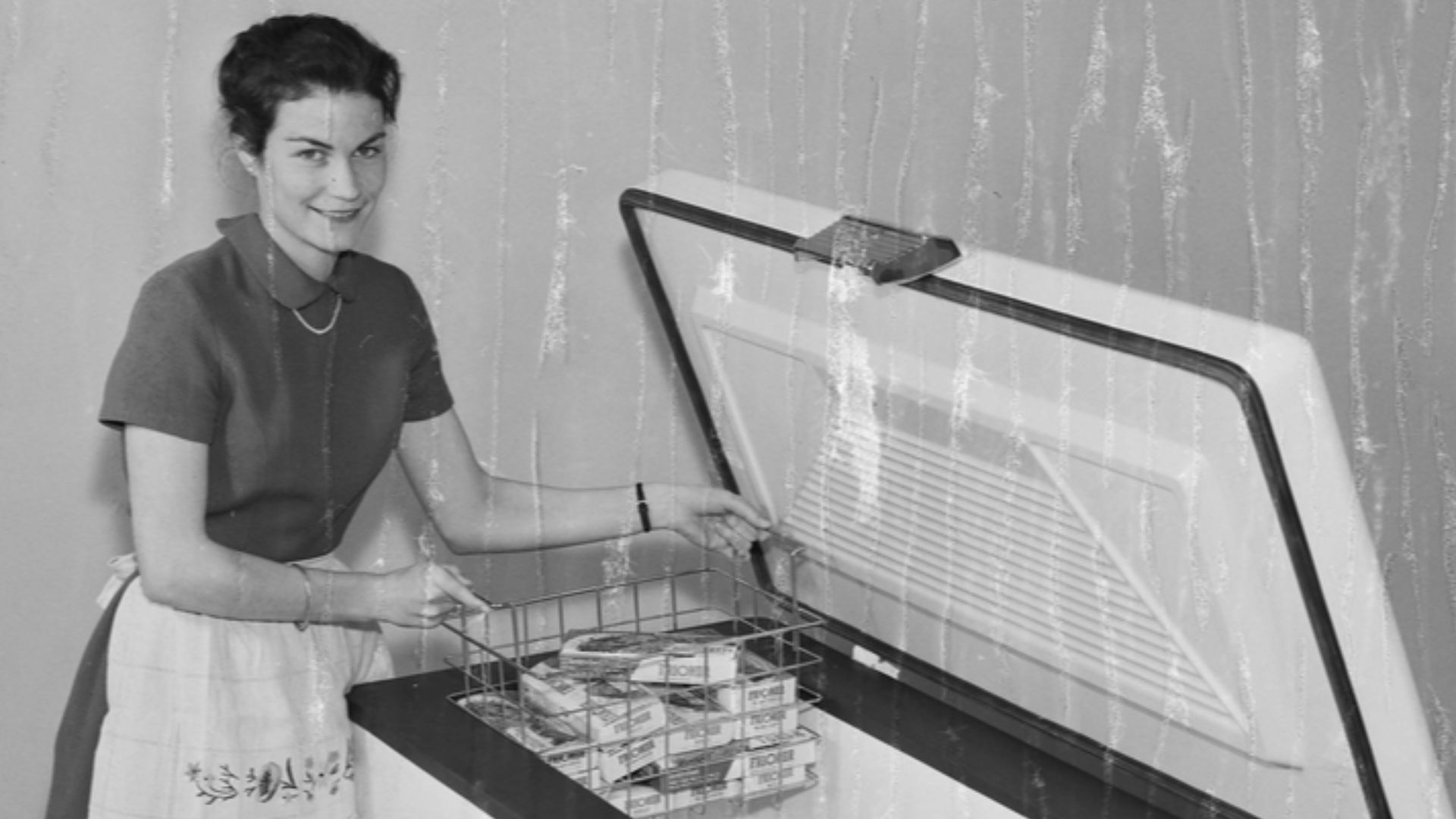
Freezers
Separate household freezers were also available through rental companies. A 1984 Florida electronics advertisement specifically listed freezers among its rental merchandise. Although the advertisement didn't provide an individual freezer price, it confirmed that customers could obtain one through the same rent-to-own service. That meant even extra storage for frozen food could involve recurring payments.
 Leif Ørnelund, Wikimedia Commons
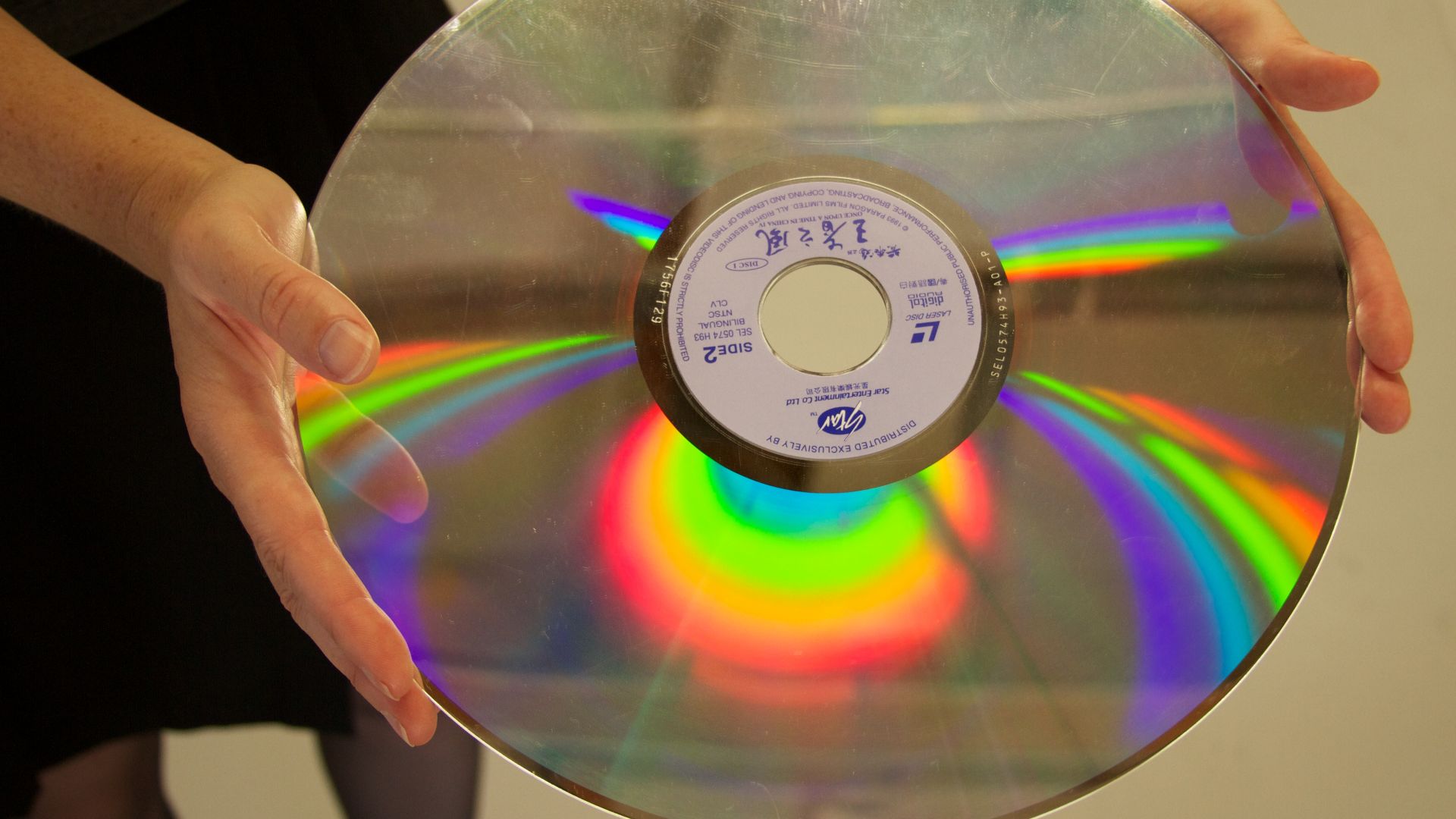
Laserdiscs
Americans could even rent laserdiscs instead of buying them. In 1988, The Washington Post reported that a Maryland public library charged $1 per day to borrow laserdiscs from a collection of roughly 600 titles. A Virginia retailer charged $1.99 daily for disc rentals. The discs offered another way to enjoy movies at home without purchasing them.
 Windell Oskay, Wikimedia Commons
Dining Room Furniture
Even the table where a family ate dinner could belong to a rental company. In 1989, California furniture rental businesses offered dinette sets at weekly or monthly rates. One retailer advertised sets starting at $12.99 weekly, providing an alternative to an immediate purchase. These arrangements were particularly useful for people who needed furniture for a limited period.
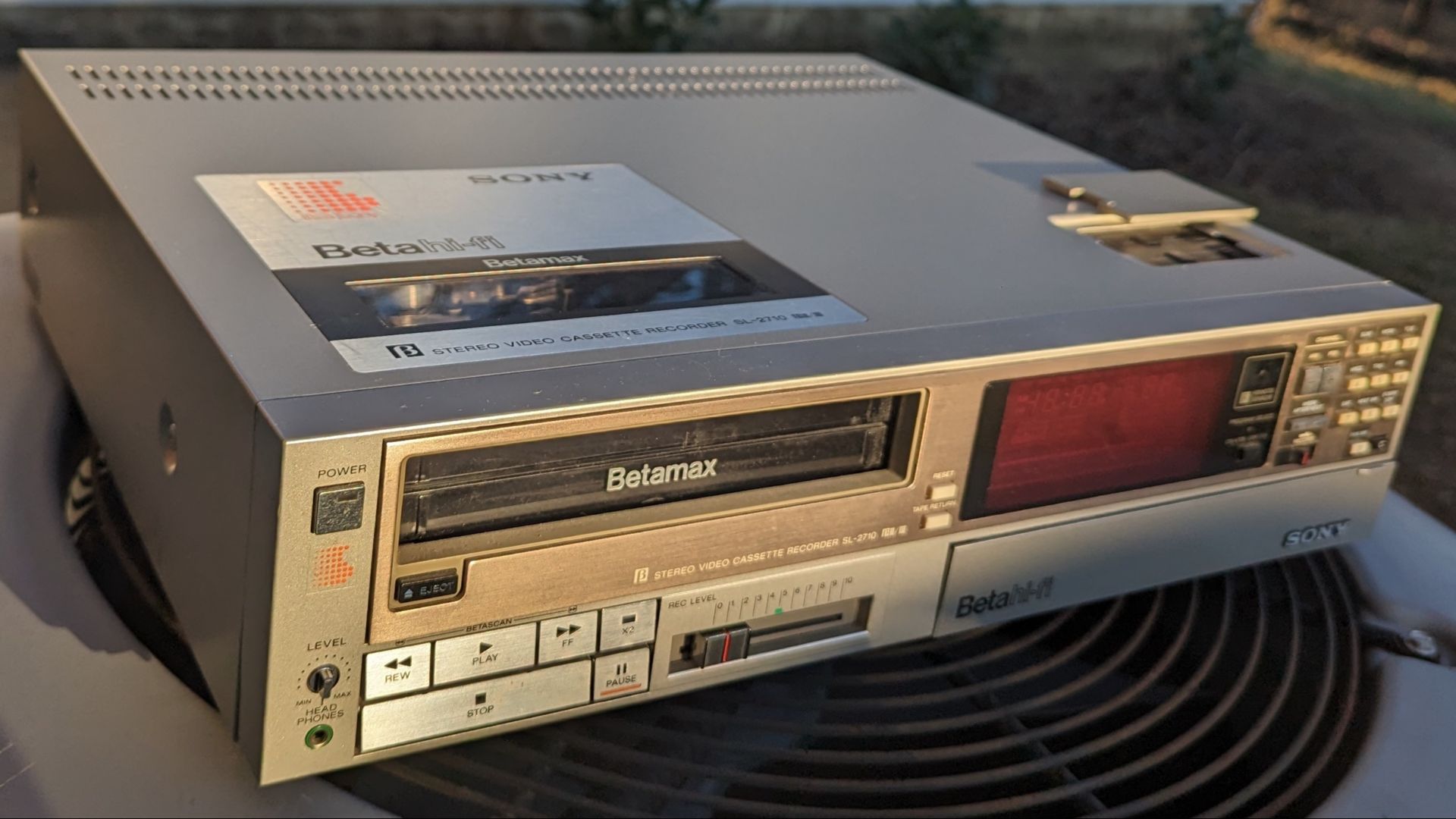
Betamax Movies
VHS wasn't the only home-video format customers could rent. Betamax tapes remained available at some rental stores throughout the 1980s, although the format steadily lost ground to VHS. By early 1989, a Los Angeles Times survey found that approximately 90% of video rental stores in the San Fernando Valley carried only VHS. Betamax owners increasingly struggled to find movies for their machines.
 AndyHemmerCincinnati, Wikimedia Commons
Tuxedos
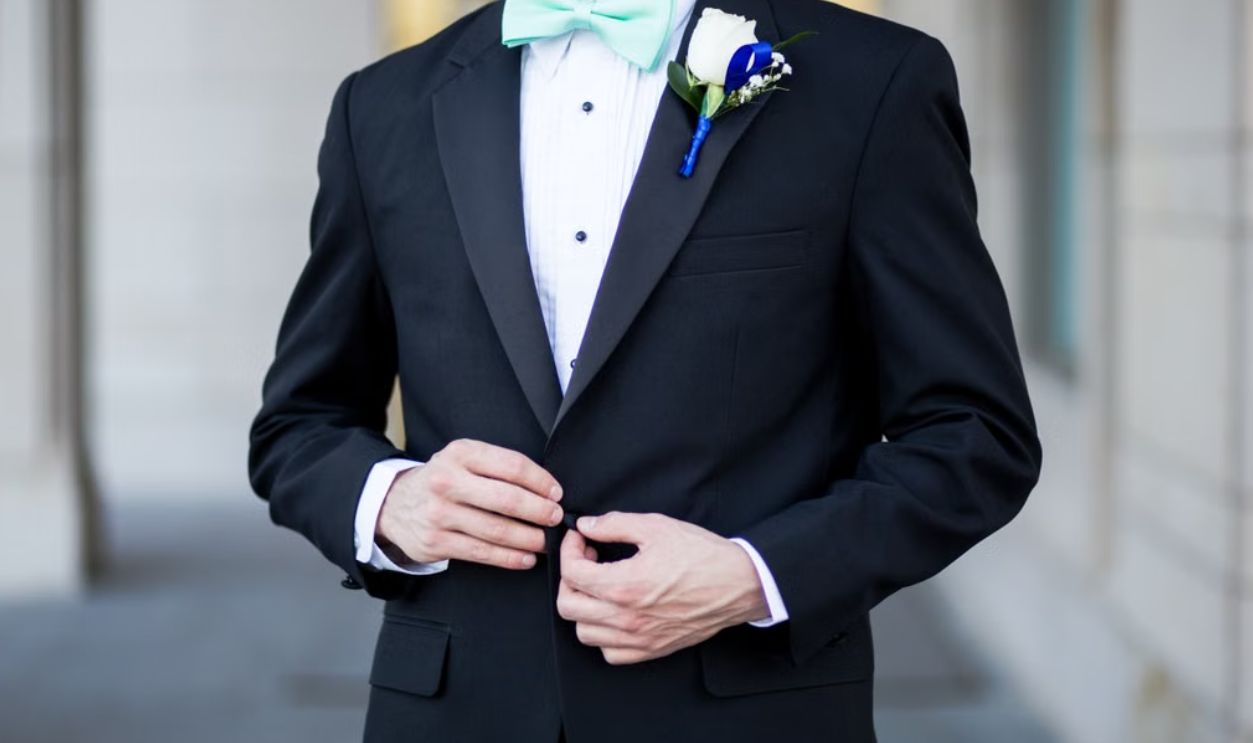
Tuxedo rentals were well established by the 1980s, particularly for weddings and formal celebrations. A January 1987 Los Angeles Times story followed a Pierre Cardin tuxedo that had been rented to multiple customers during the holiday season. The size 40 regular garment rented for $75. Unlike many other 1980s rental habits, formalwear rentals remain familiar today.
When Renting Was A Way Of Life
In the 1980s, renting wasn't just for cars, apartments, and movies. Americans could rent everything from kitchen appliances to the latest technology, often because buying was too expensive upfront. While some arrangements made financial sense, others cost far more than ownership in the long run. Looking back, it's surprising how many everyday purchases once came with a weekly or monthly bill.

You May Also Like:
The Real Cost Of A Family Movie Night In The 1980s Compared With Today
Electronics Americans Saved Up For In The 1980s That Are Practically Worthless Today
Forgotten Frozen Foods From The 1970s And 1980s That Once Filled America's Freezers