When Small Change Bought Something
Five-and-dime stores once anchored American downtowns and shopping centers, selling everything from sewing notions to lunchtime specials. By the 1970s, however, inflation, suburban malls and increasingly powerful discount chains were undermining the business model. These 25 familiar banners eventually disappeared, taking an affordable retail era with them.
 Unknown Postcard Printer, Wikimedia Commons, Modified
25. M.H. Fishman
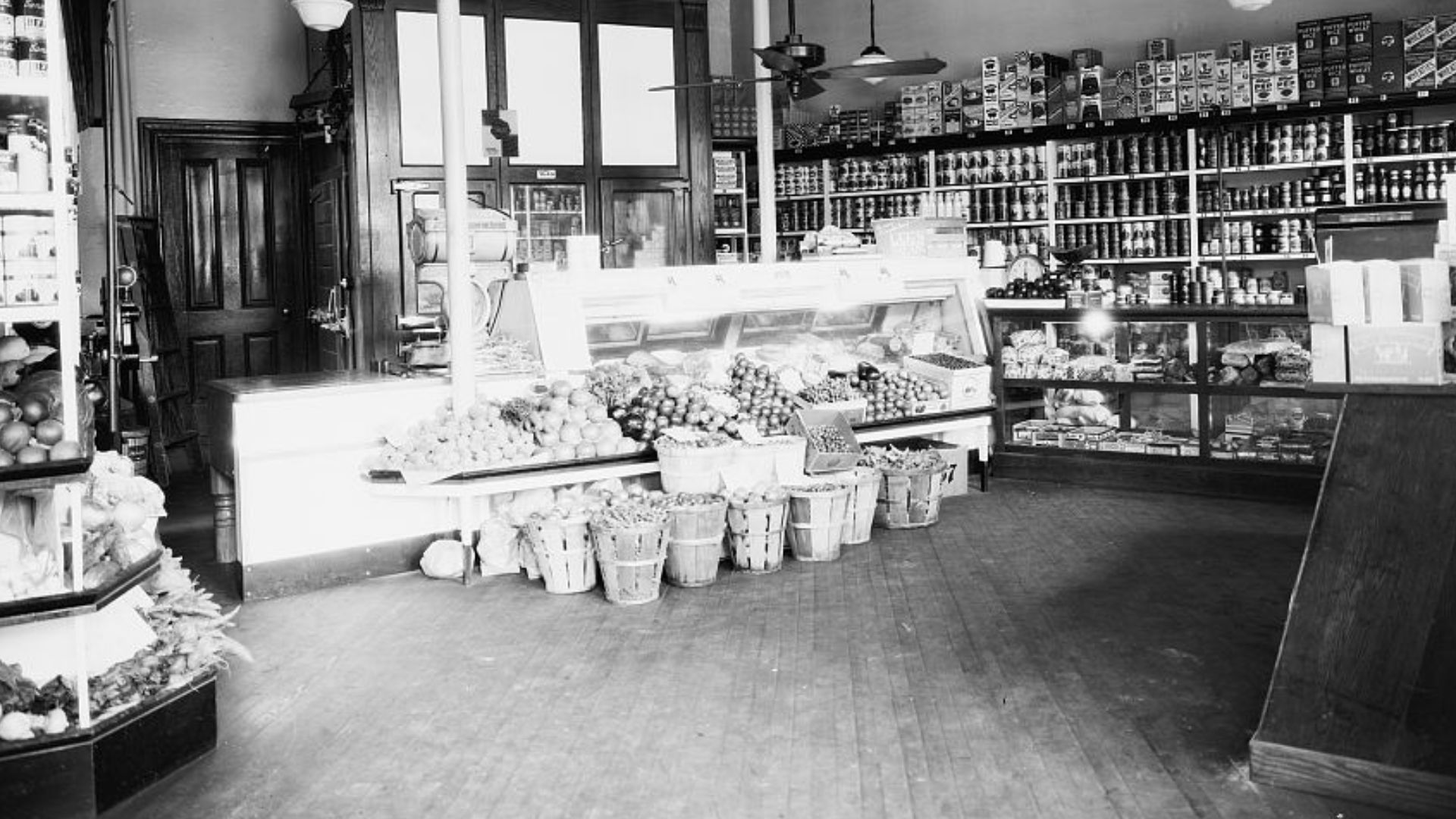
M.H. Fishman operated approximately 50 variety stores extending from Alabama to Maine. The company was still serving bargain-conscious shoppers during the 1970s, but it was sold in 1979. Its disappearance reflected a growing financial problem for regional chains: they lacked the purchasing power and advertising budgets of emerging national discounters.
 National Photo Company, Wikimedia Commons
24. Rasco
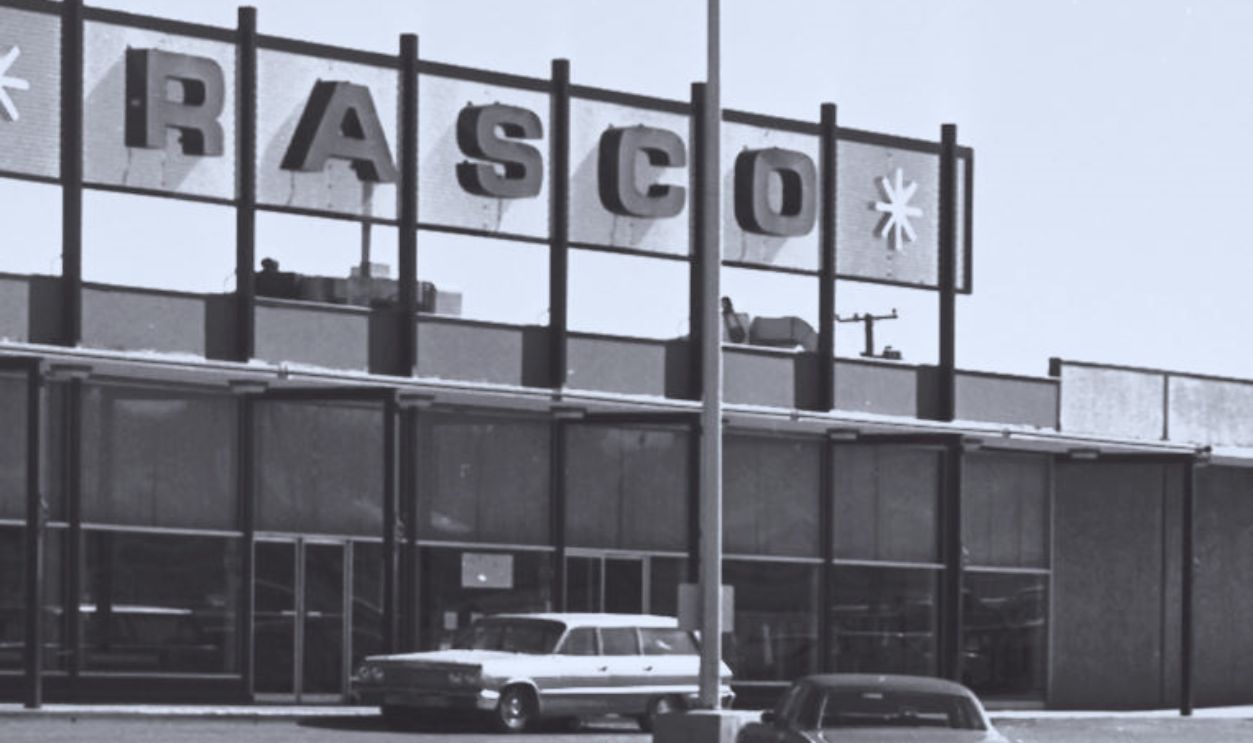
F.S. Rasco operated a network of franchised variety stores concentrated in California, Arizona, Nevada and New Mexico. The company also became involved with larger discount formats during the 1970s. Its stores disappeared in the early 1980s as corporate instability and the financial troubles of its parent organization overtook the regional chain.
 Gamble-Skogmo, Inc., Wikimedia Commons
23. M.E. Moses
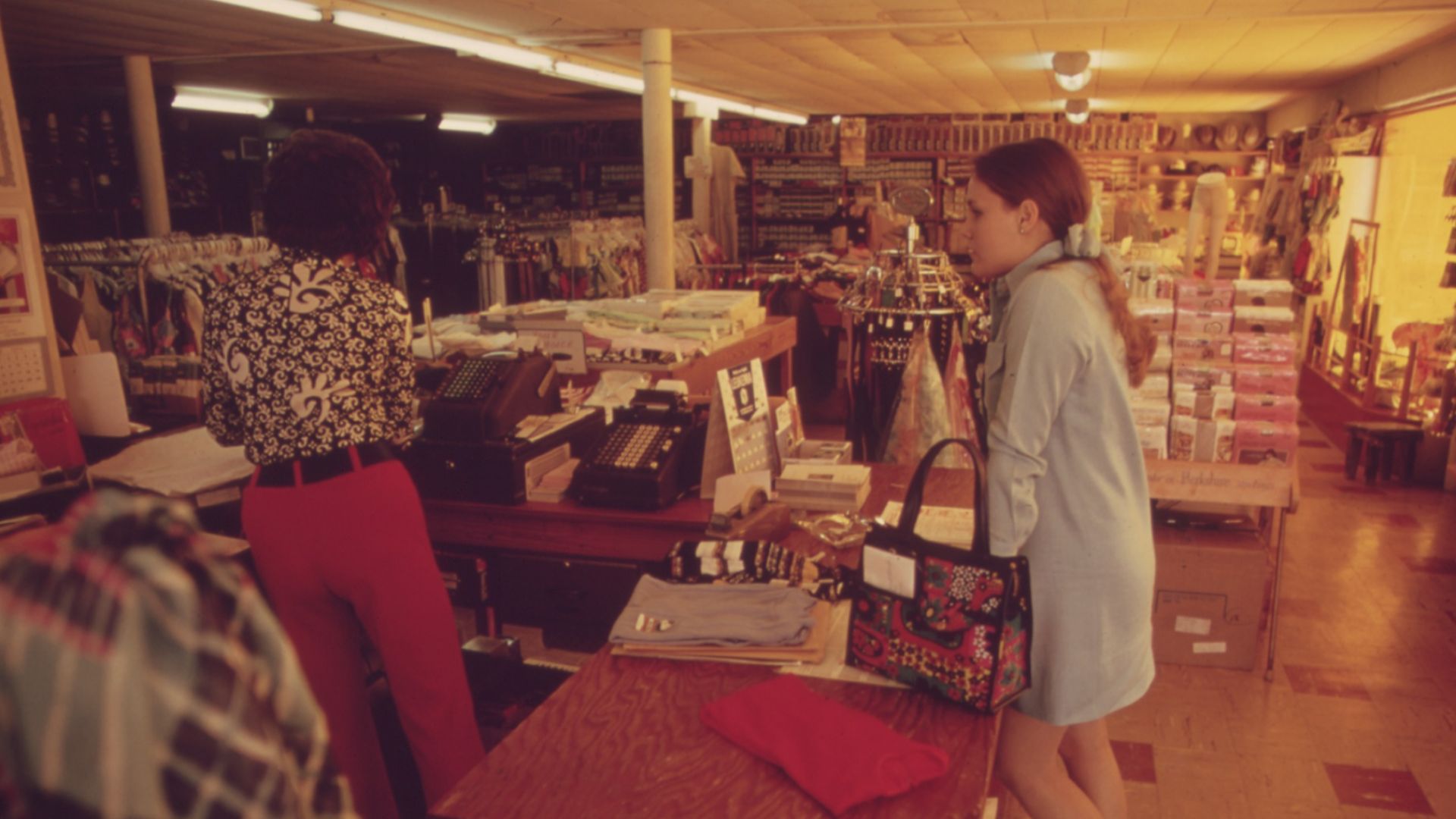
Texas shoppers once recognized M.E. Moses as a dependable place for inexpensive household goods, school supplies and small treats. The regional chain remained part of the five-and-dime landscape into the late 20th century but folded by the 1990s. Scale increasingly mattered, and small chains struggled to match national competitors’ prices.
 Marc St. Gil, Wikimedia Commons
22. Mott’s
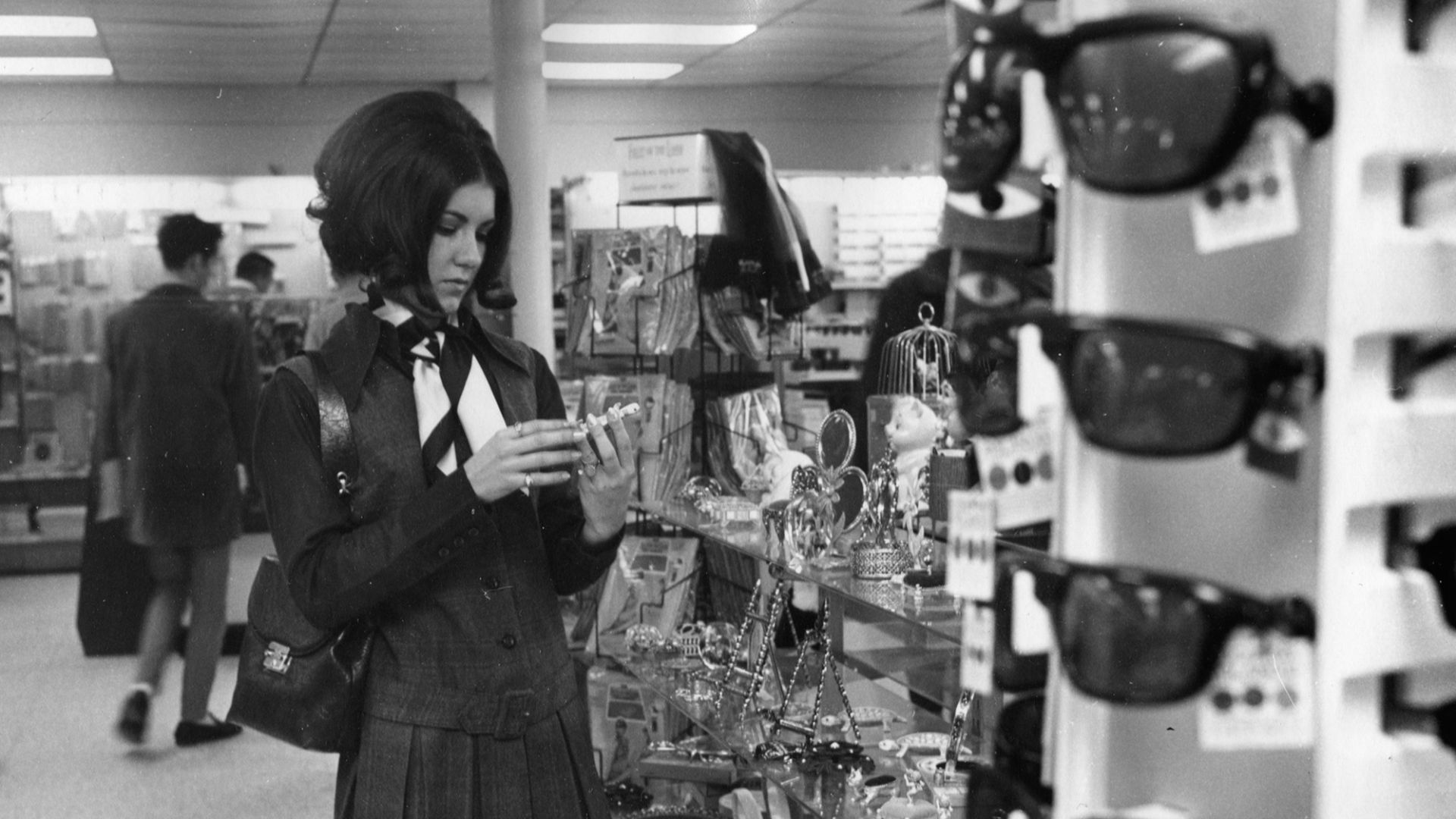
Mott’s reached a peak of 73 stores, most of them in Texas. Its low-price model depended heavily on narrow profit margins and favorable long-term leases. By the 1980s, changing consumer habits and big-box competition were squeezing the business. The remaining 23 stores closed in 1998 after nearly six decades.
 University of Texas at Arlington News Service Photograph Collection, Wikimedia Commons
21. Danners 5 & 10
Danners brought the classic variety-store assortment to communities in the central United States. The company was sold in 1985, and the chain was gone by the end of the decade. Like many regional retailers, Danners faced a difficult financial equation: rising operating expenses without enough sales volume to negotiate the lowest wholesale prices.
20. Wacker’s
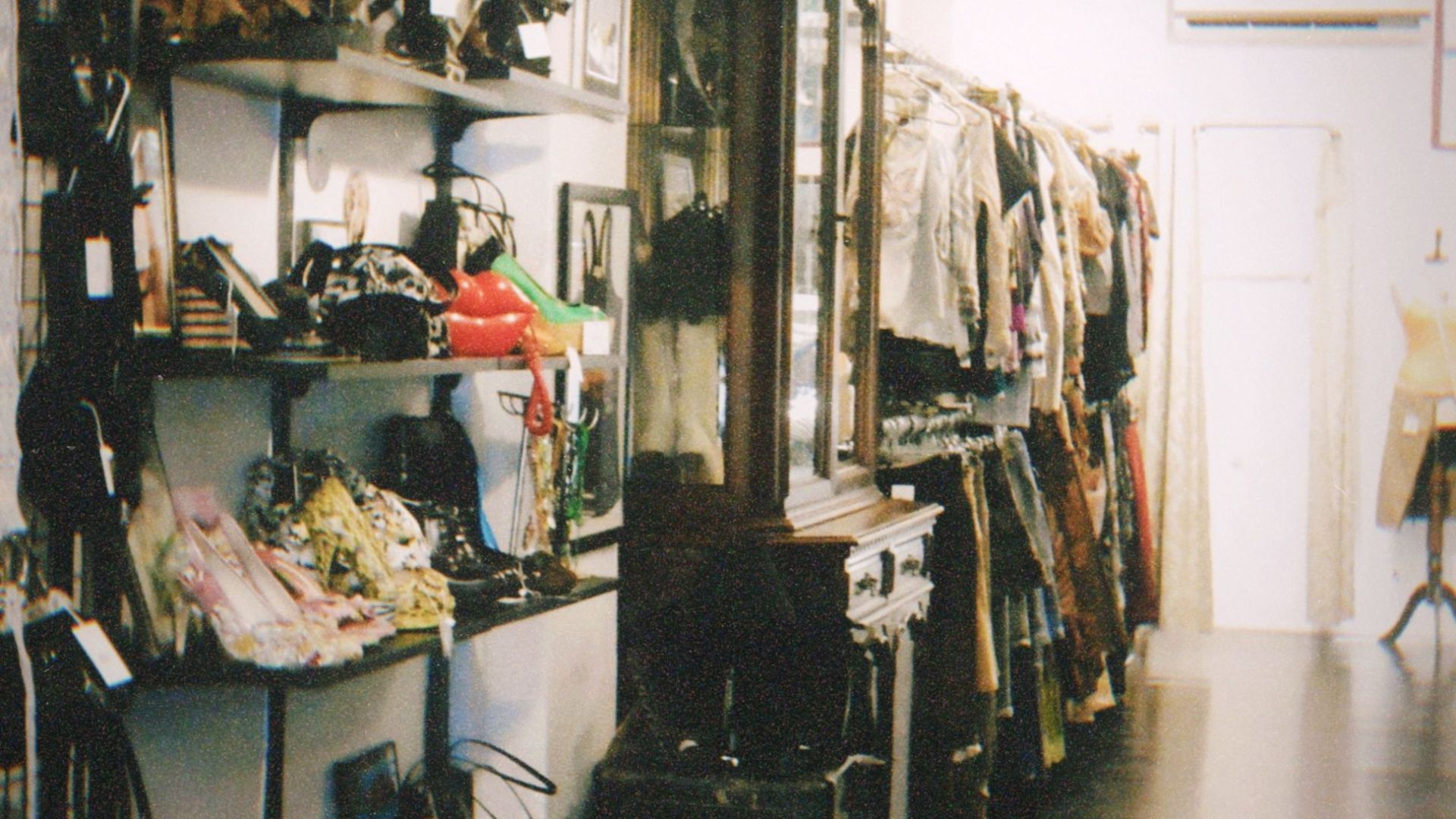
Wacker’s grew into a substantial regional variety chain, operating more than 200 stores at its peak. Many locations served smaller communities overlooked by department stores. Successor ownership kept portions of the operation alive for years, but the Wacker’s banner ultimately vanished as consolidation reshaped the American value-retail market.
 Museum of History and Industry, Picryl
19. Silver’s 5 & 10
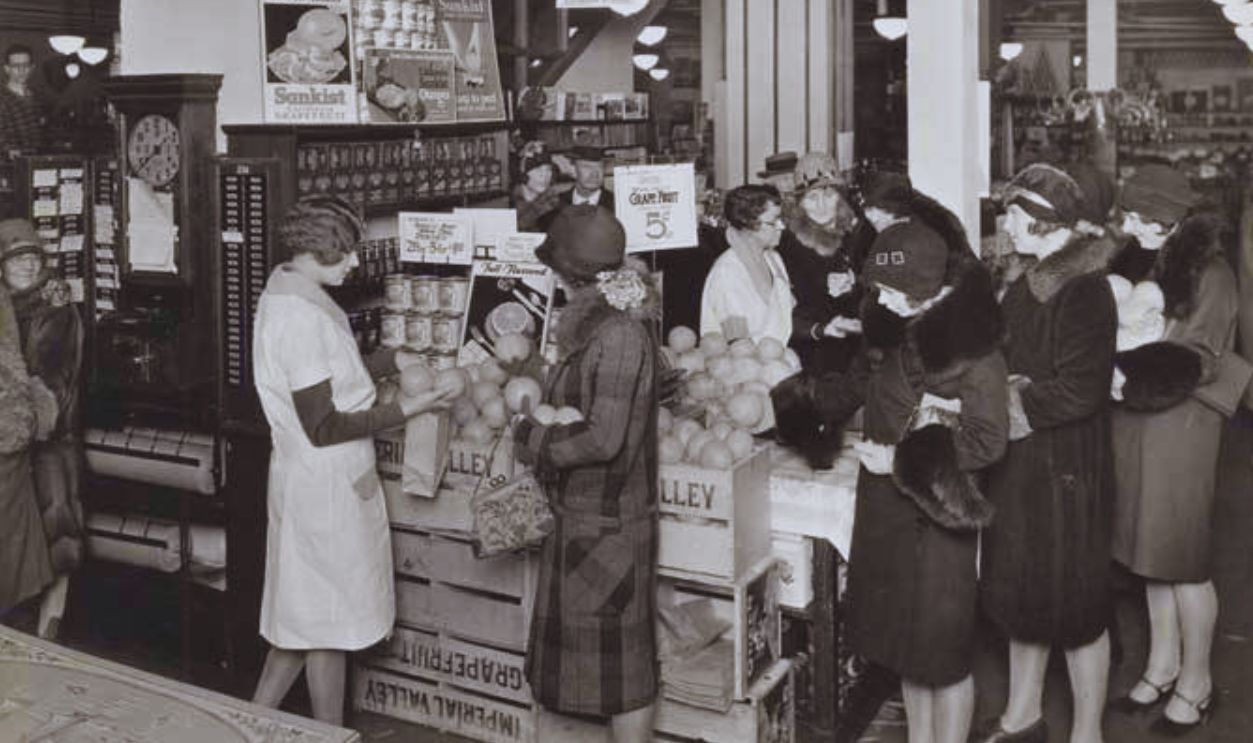
Silver’s was one of several smaller variety-store banners that eventually became part of the sprawling McCrory organization. Although consolidation could reduce purchasing and administrative costs, it also left multiple aging store brands competing for investment. The Silver’s name eventually disappeared as its parent company closed, converted or combined locations.
18. Kittinger
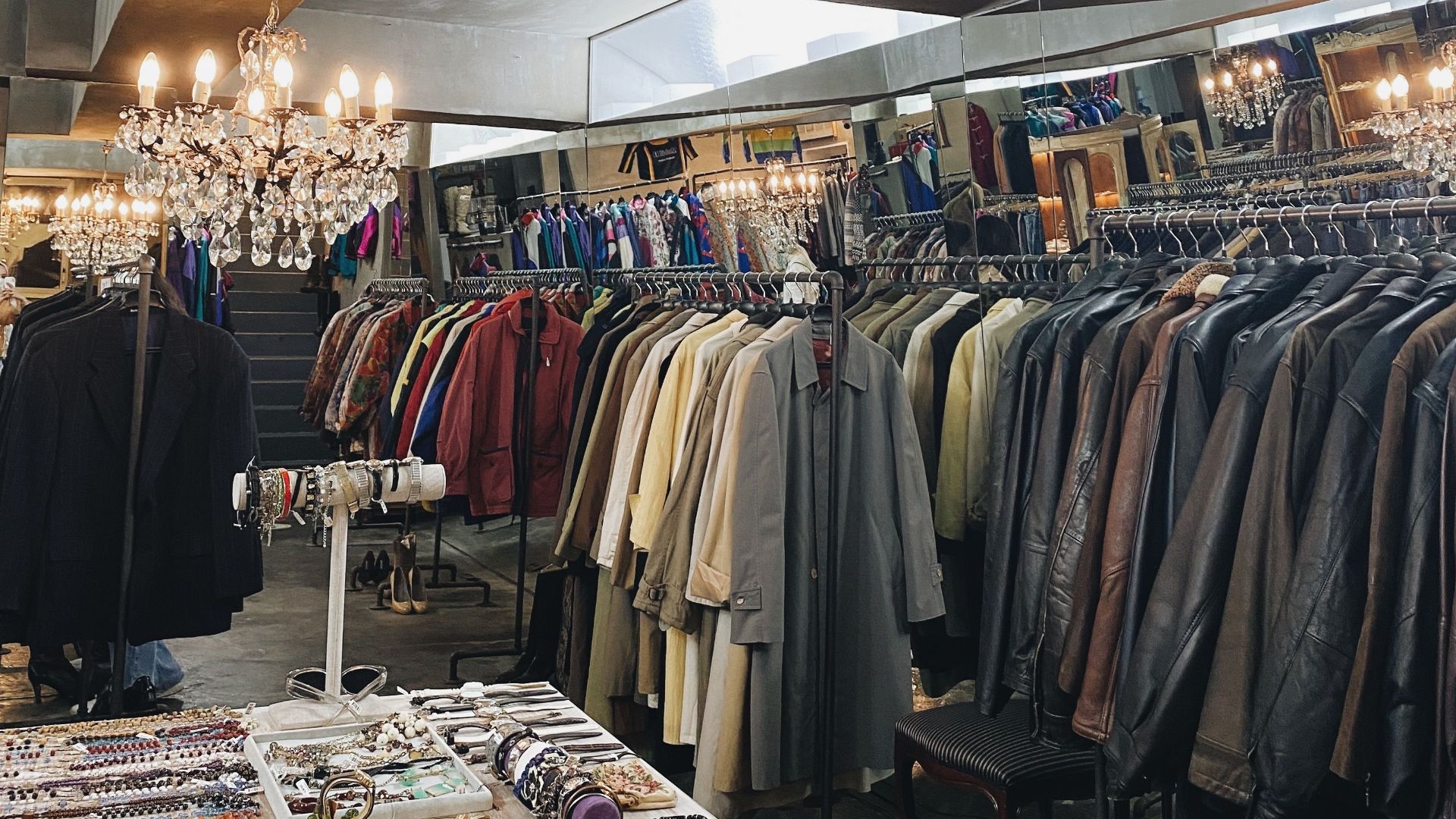
Kittinger stores once belonged to the crowded world of regional five-and-dime retailers. The banner was ultimately absorbed into the McCrory retail family and vanished from American shopping districts. Its story shows why acquisitions did not guarantee survival: combining struggling stores could create scale, but it could also multiply leases, inventory costs and underperforming locations.
17. Britts
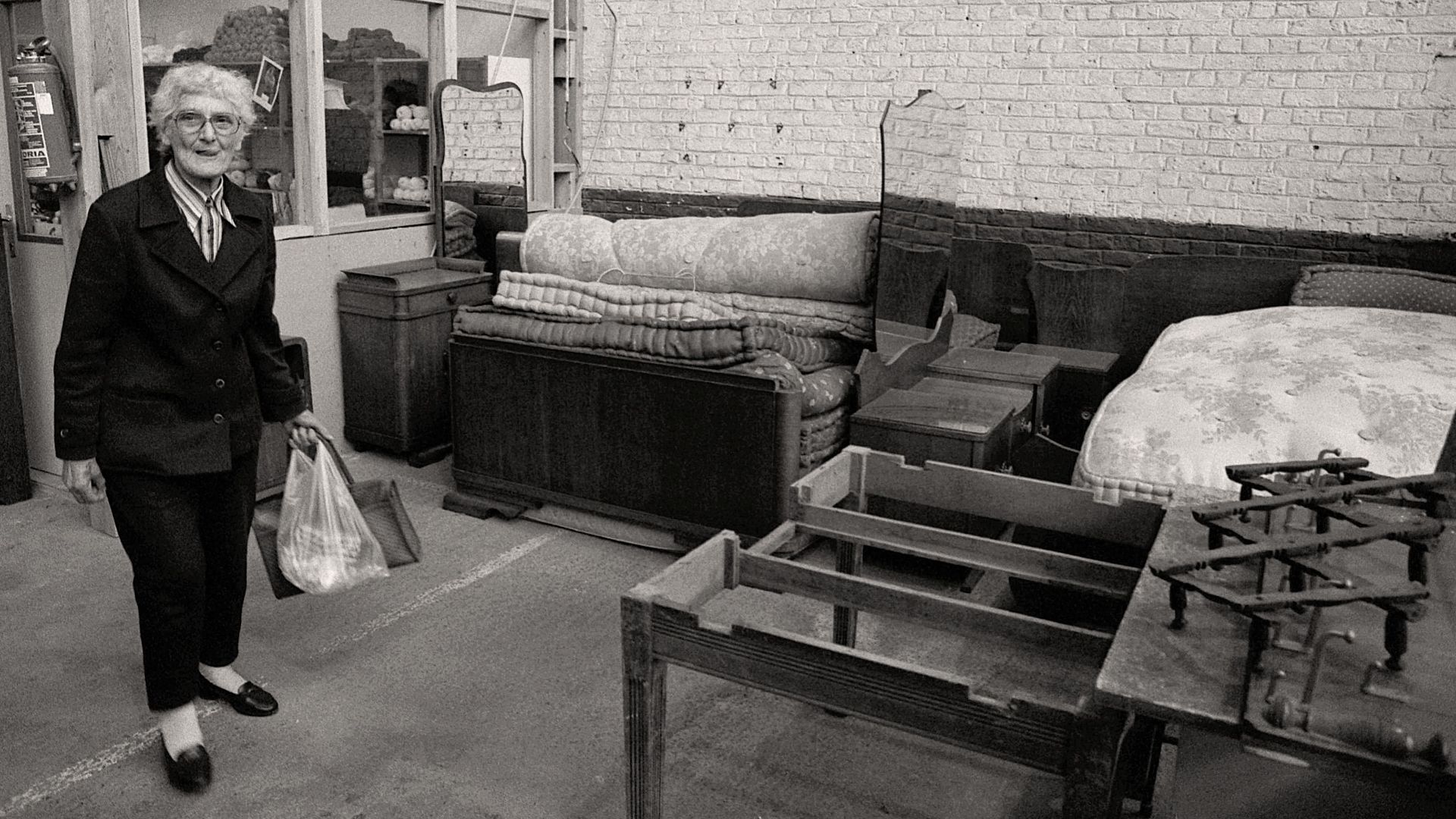
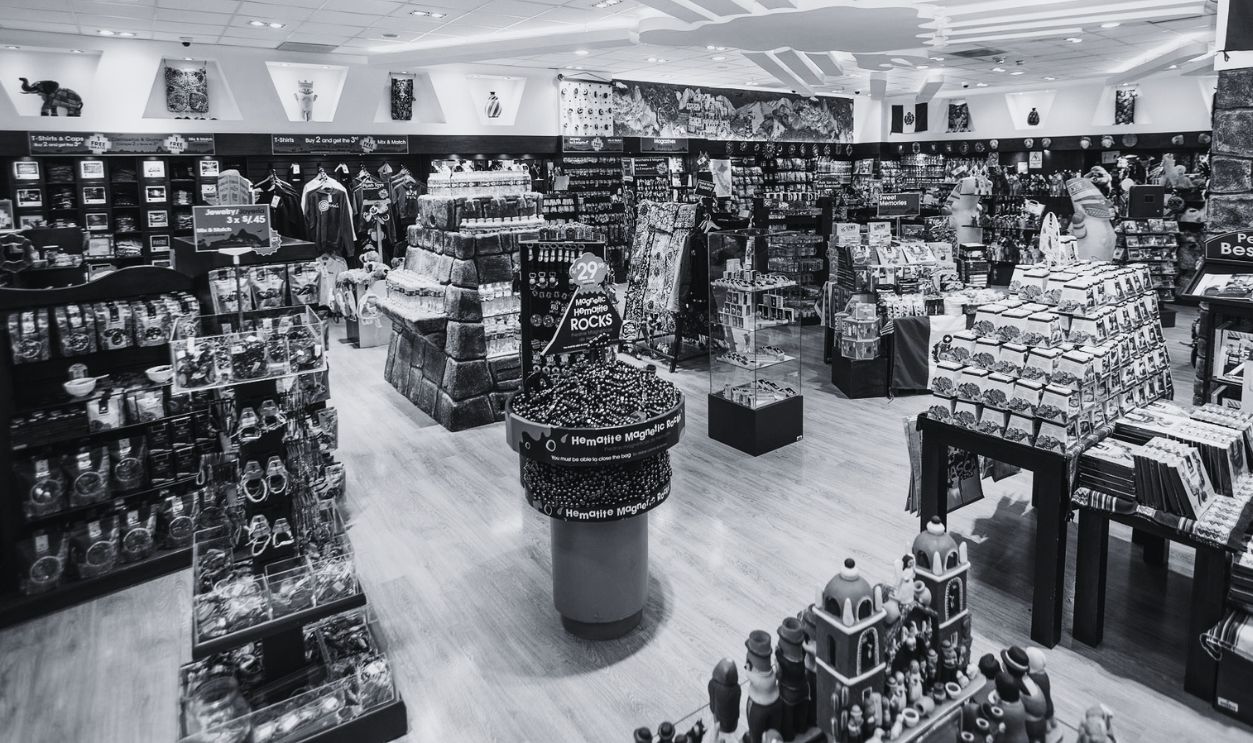
Britts was another variety-store banner that eventually operated under McCrory ownership. The name disappeared as the parent company attempted to simplify its portfolio and confront growing financial pressure. By then, specialty chains and discount superstores could frequently offer broader selections or lower prices than a traditional variety store could manage.
 D oconitrillo, Wikimedia Commons
16. Elmore’s
V.J. Elmore built a sizable Southern variety-store chain, with dozens of locations by the early 1960s. The business was acquired by S.H. Kress, and the two operations were combined in the 1970s. Elmore’s soon disappeared, illustrating how a familiar local name could be sacrificed when corporate owners pursued consolidation and lower overhead.
15. Sterling Stores
Sterling Stores served communities across several states before being acquired by Duckwall in 1983. The Sterling name remained on some locations afterward, but the final store eventually closed in 2005. Its long decline mirrored the pressures facing rural variety stores: limited population growth, thin margins and increasingly mobile shoppers with more retail choices.
14. M.H. Lamston
M.H. Lamston was a New York-area variety chain known for practical, moderately priced merchandise. It survived the 1970s and operated roughly two dozen stores as late as the early 1990s. Yet regional density could not fully protect it from high urban operating costs and competition from drugstores, specialty retailers and large discount chains.
 Hryshchyshen Serhii, Shutterstock
13. Duckwall
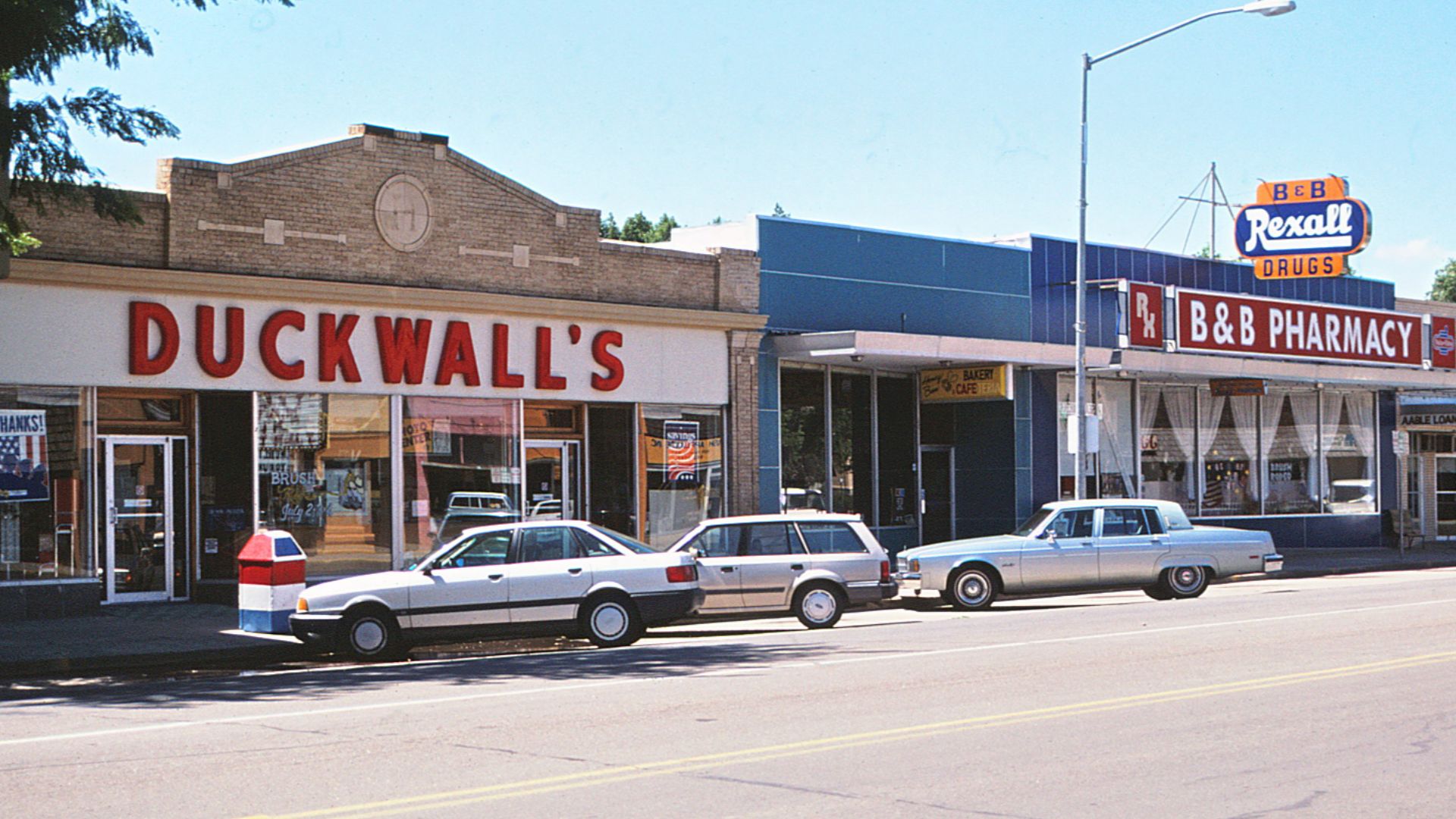
Duckwall began as a five-and-dime operation and continued running small-town variety stores alongside larger discount outlets. Financial pressure intensified as rural economies weakened and heavily financed competitors expanded. Following years of restructuring and corporate change, nearly every remaining Duckwall location was permanently closed during fiscal 2011.
 L.T. Hanlon, Wikimedia Commons
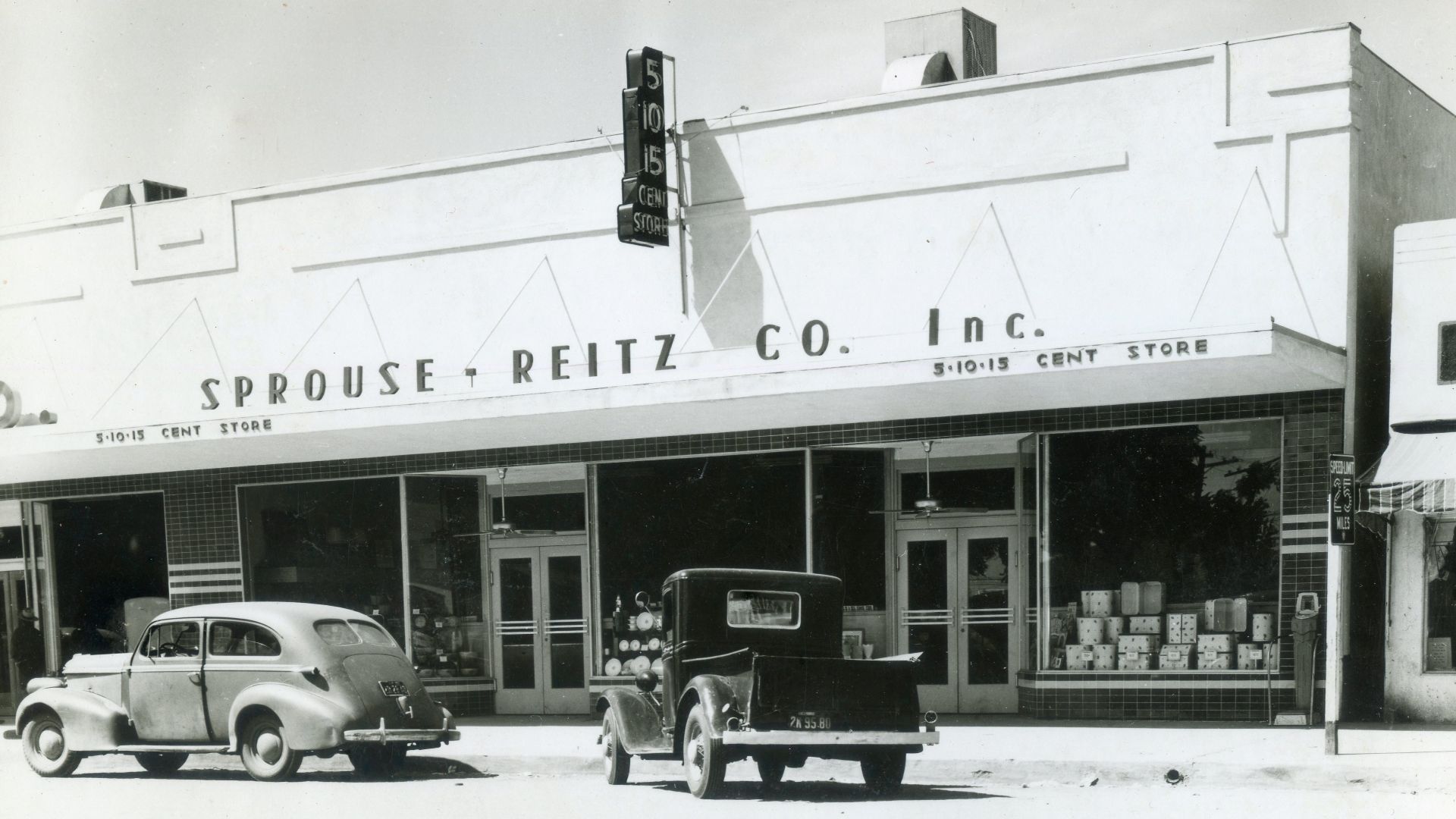
12. Sprouse-Reitz
Sprouse-Reitz once had nearly 400 stores across 11 Western states. By the late 1980s, dollar stores and expanding drugstore chains were taking away customers. One revealing year saw sales rise while profits fell approximately 45%, demonstrating how revenue growth can conceal collapsing margins. The company liquidated its remaining stores in 1994.
 Phillip Pessar from Miami, USA, Wikimedia Commons
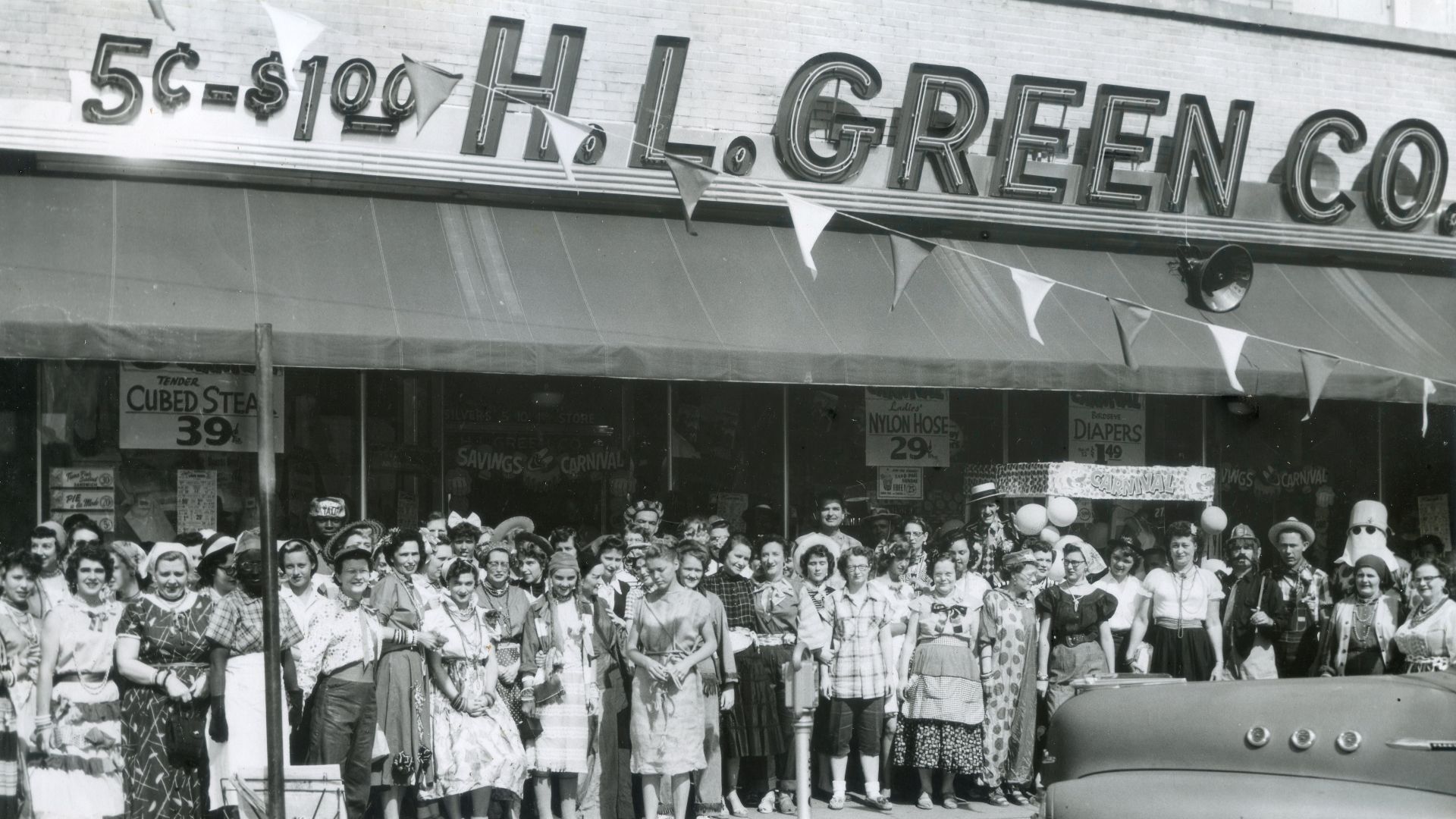
11. H.L. Green
H.L. Green was once one of America’s largest variety-store organizations. McCrory acquired the chain in 1961 but continued using its familiar name afterward. Over time, the banner faded as locations were closed or converted. Green’s fate demonstrated that brand recognition alone could not compensate for aging stores and changing consumer traffic.
 Phillip Pessar, Wikimedia Commons
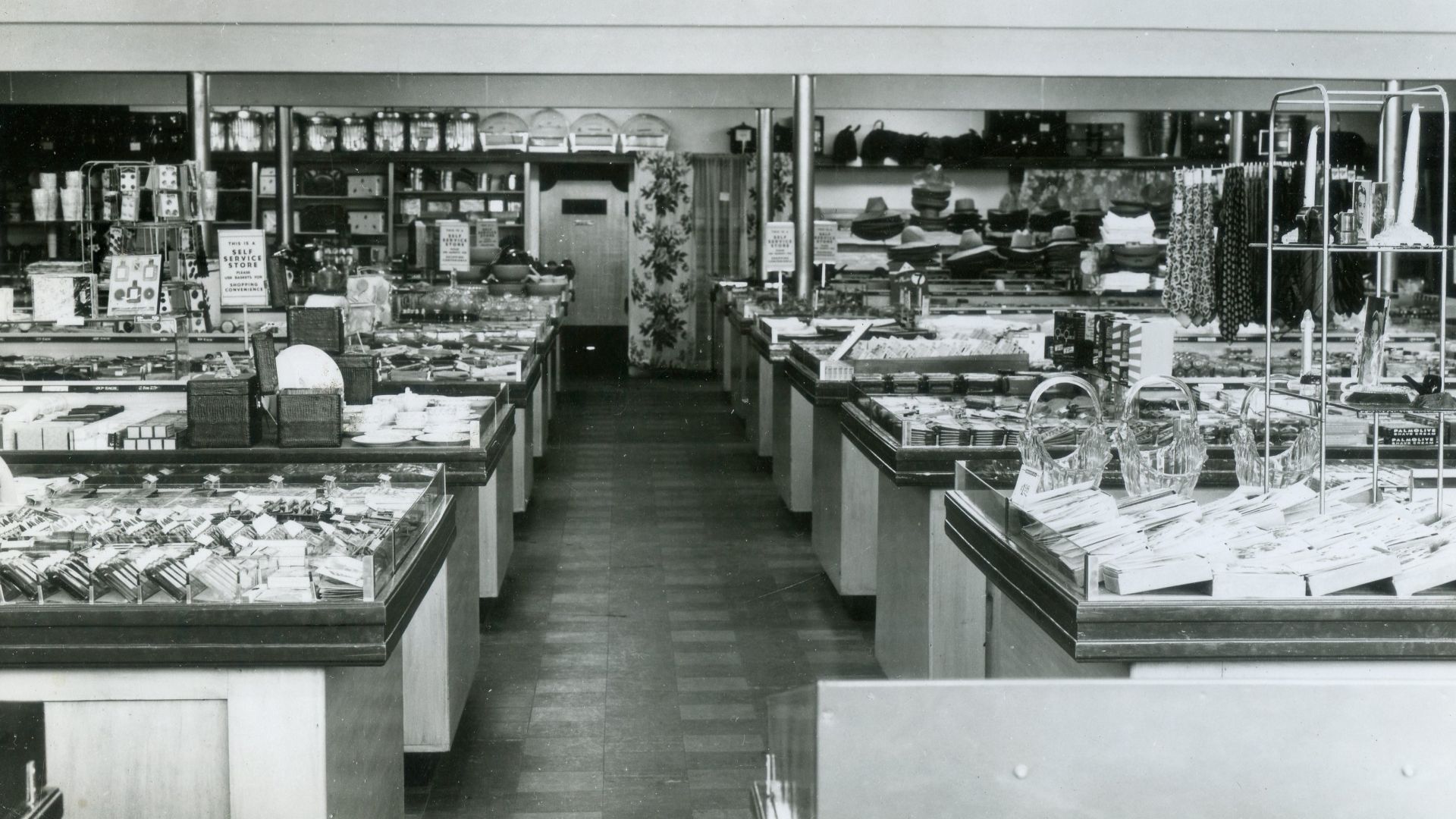
10. McLellan
McLellan operated hundreds of stores before merging with McCrory in 1959, although its name remained visible in later decades. The banner gradually disappeared as its parent consolidated operations. Maintaining multiple store identities offered regional familiarity, but it also complicated advertising, merchandising and investment decisions when the underlying retail format was already losing ground.
 Phillip Pessar from Miami, USA, Wikimedia Commons
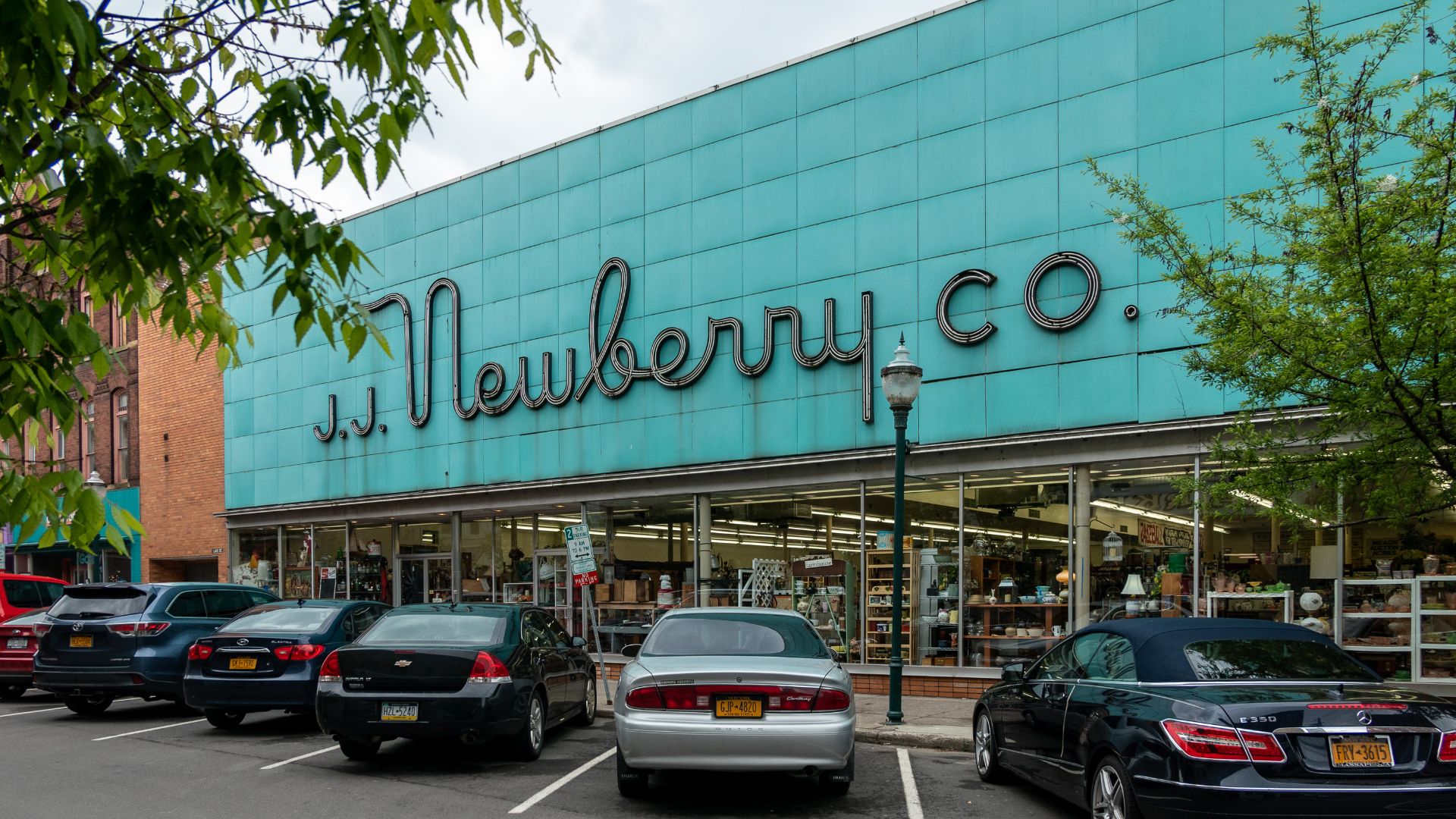
9. J.J. Newberry
J.J. Newberry had grown to more than 400 stores by the time McCrory acquired it in 1972. The recognizable name remained on many locations for decades, but the final Newberry stores closed when McCrory ended operations in 2002. Acquisition extended the banner’s life without solving the five-and-dime sector’s deeper financial problems.
 Kenneth C. Zirkel, Wikimedia Commons
8. Neisner’s
Neisner’s entered the 1970s as a major variety-store company, but expansion into larger retail formats did not rescue it. The business filed for bankruptcy in December 1977 and was acquired by Ames the following year. Most Neisner’s signs disappeared by 1980—a remarkably swift end for a chain that had once operated nationwide.
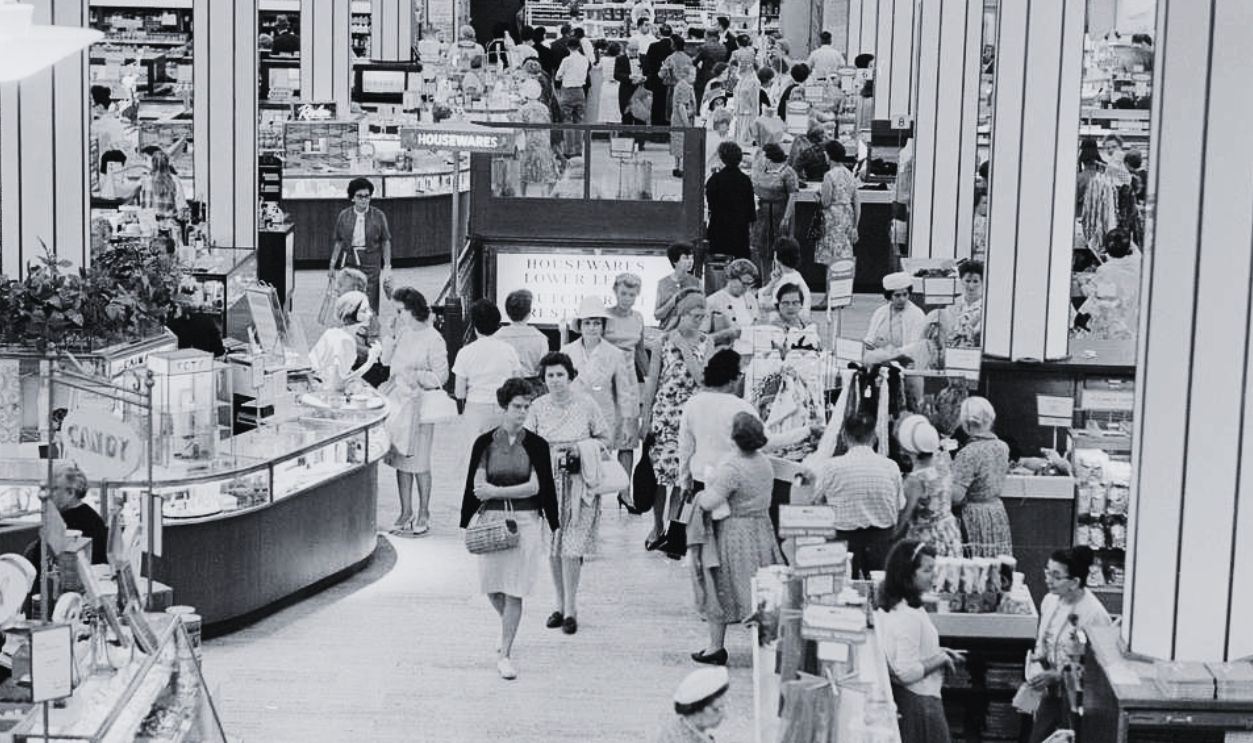
7. TG&Y
TG&Y grew from an Oklahoma business into a chain with hundreds of locations, remembered for its “Toys, Games and Yo-Yos” nickname. Financial difficulties led to its purchase by McCrory in 1986. The remaining TG&Y stores were eventually liquidated in 2002, victims of both discount competition and their parent company’s own financial collapse.
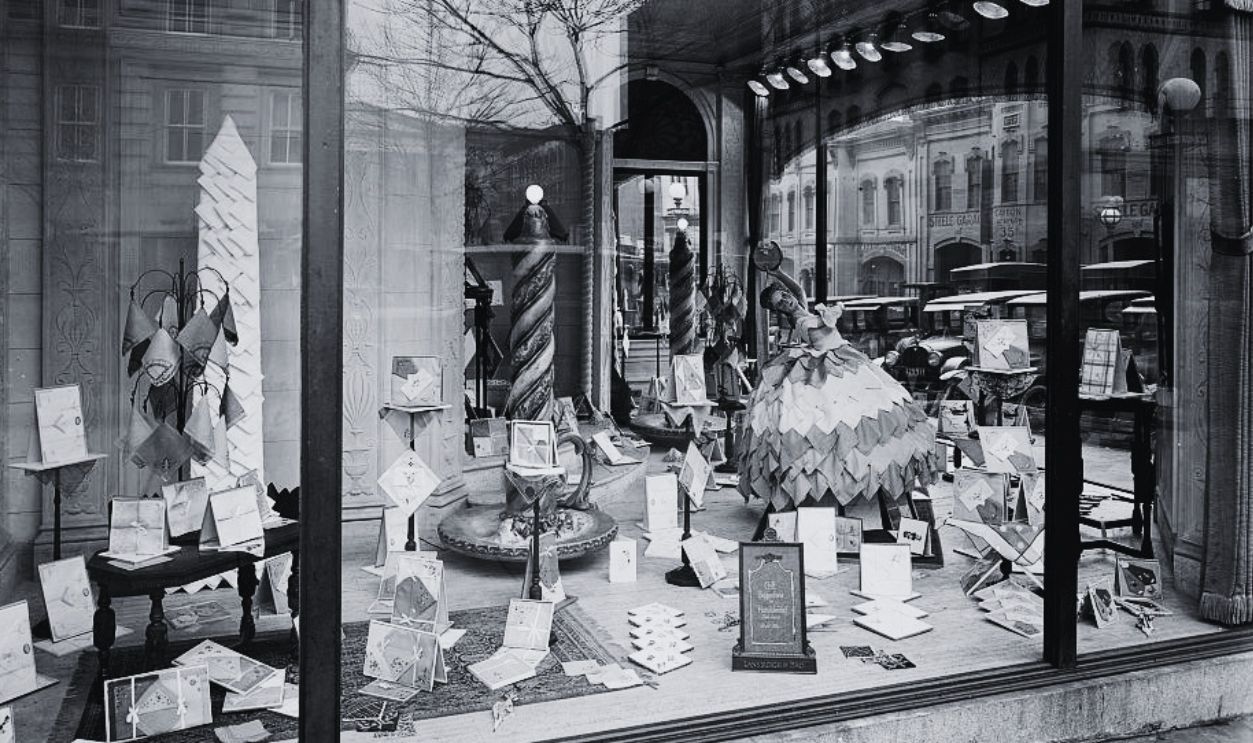
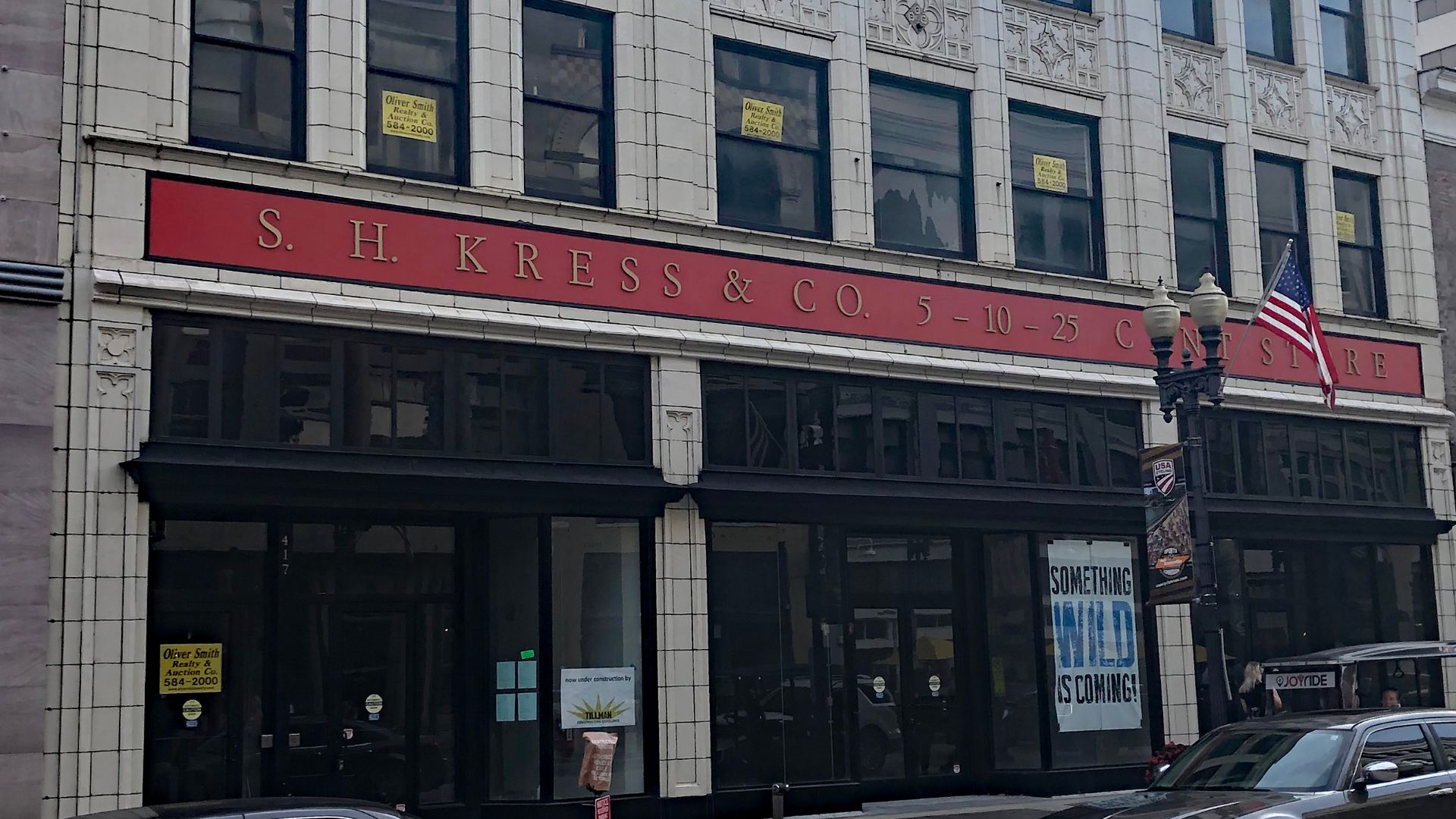
6. S.H. Kress
Kress stores were famous for elaborate architecture that often looked more expensive than the merchandise inside. The chain shrank during the 1970s as some locations became unprofitable; its New York flagship closed in 1977 for that reason. McCrory acquired what remained in 1981, and the once-prominent Kress banner ultimately vanished.
 ChicagoAreaTom, Wikimedia Commons
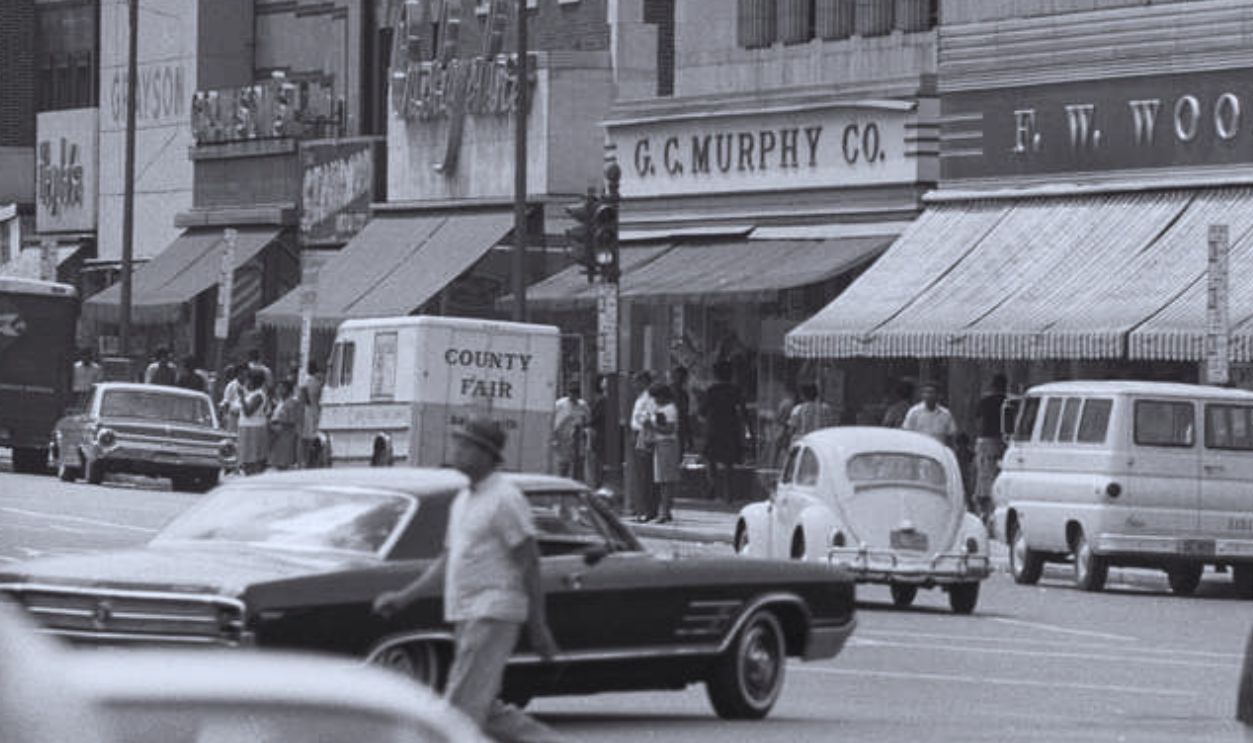
5. G.C. Murphy
G.C. Murphy operated traditional variety stores while also experimenting with the larger Murphy’s Mart discount format. Ames acquired the company in 1985, and McCrory later obtained many of the variety locations. The Murphy name disappeared as the stores were converted or closed, despite the company’s efforts to adapt to big-box retailing.
 Leffer, Warren K., photographer, Picryl
4. McCrory
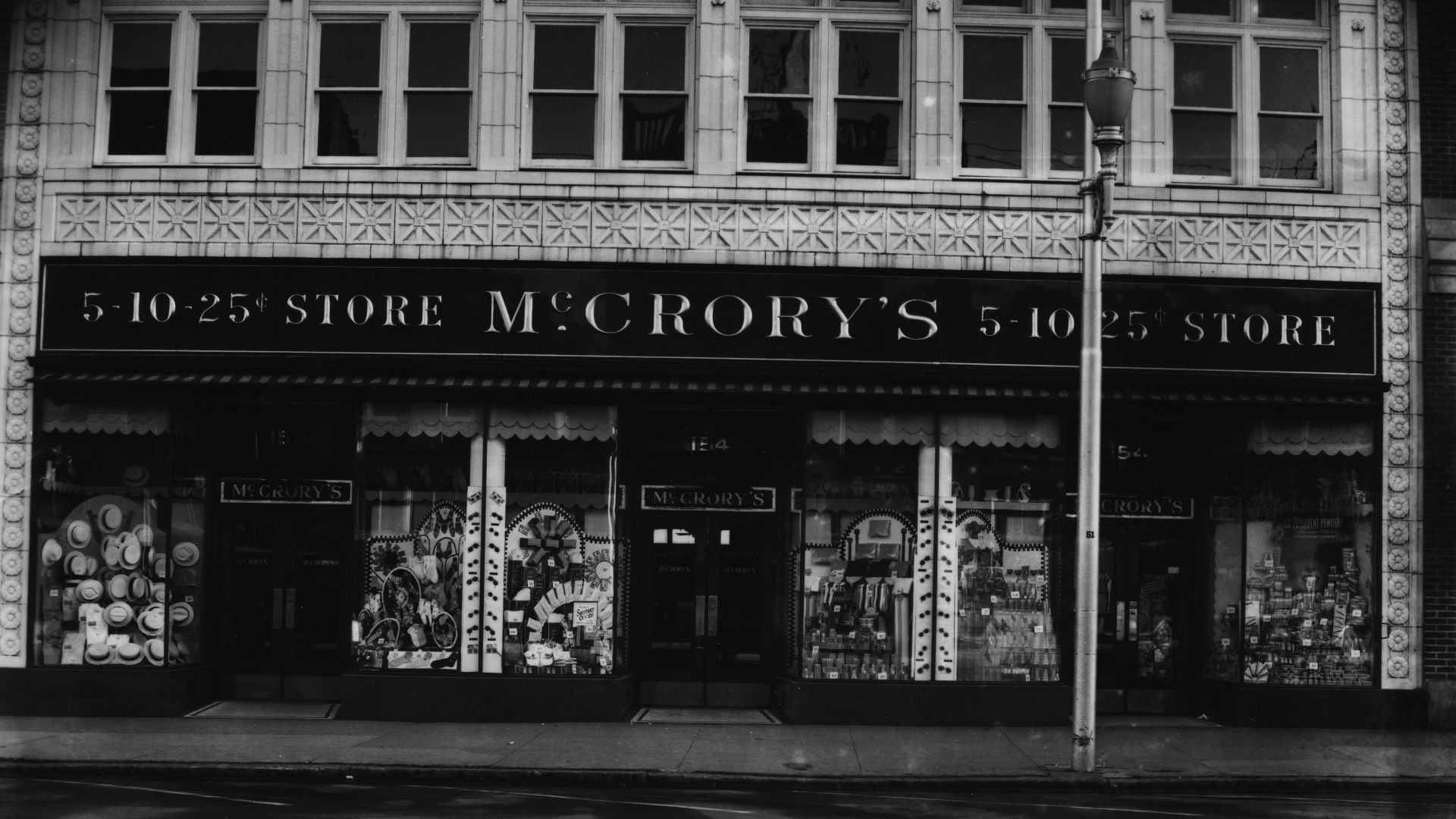
McCrory survived long enough to collect many of its former competitors, including Newberry, Green, Kress and TG&Y. But acquisitions created a large portfolio of aging stores and financial obligations. McCrory filed for Chapter 11 bankruptcy protection in 1992 with heavy debt, and its remaining operations were liquidated in 2002.
 Mississippi Department of Archives and History, Wikimedia Commons
3. S.S. Kresge
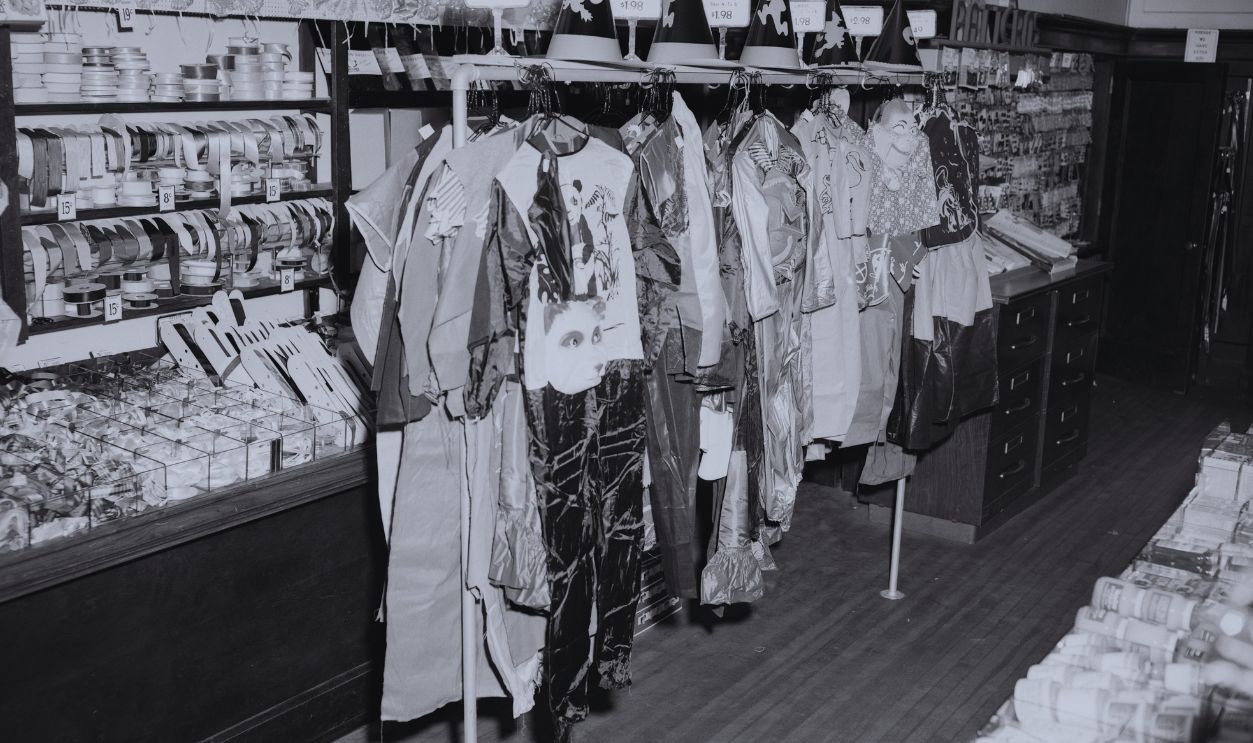
S.S. Kresge helped define the five-and-dime business, but its corporate future belonged to Kmart. During the 1970s, the company concentrated investment on its larger discount stores and phased out many traditional Kresge locations. Kmart sold the remaining outlets to McCrory in 1987, and the final Kresge store closed in 1994.
 Leon Abdalian, Wikimedia Commons
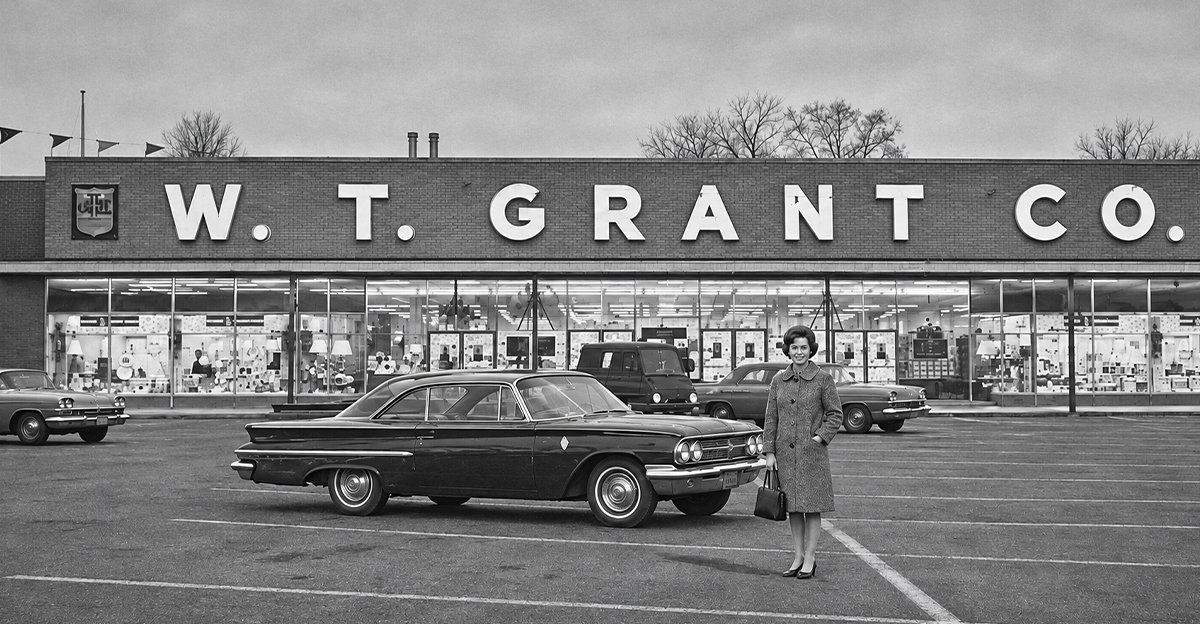
2. W.T. Grant
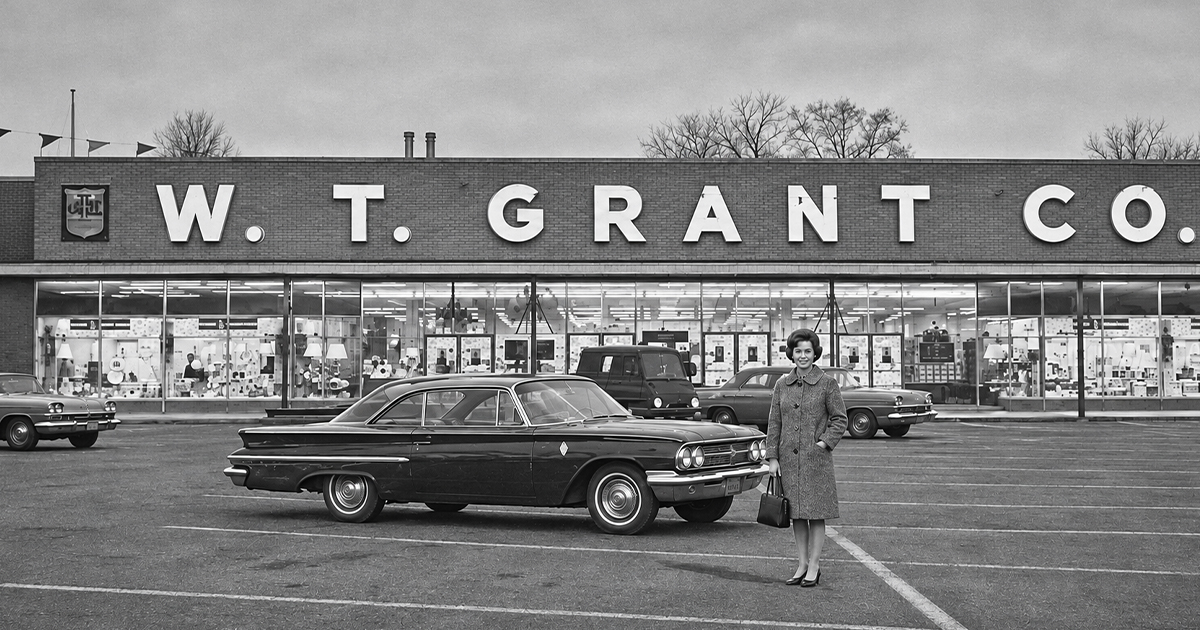
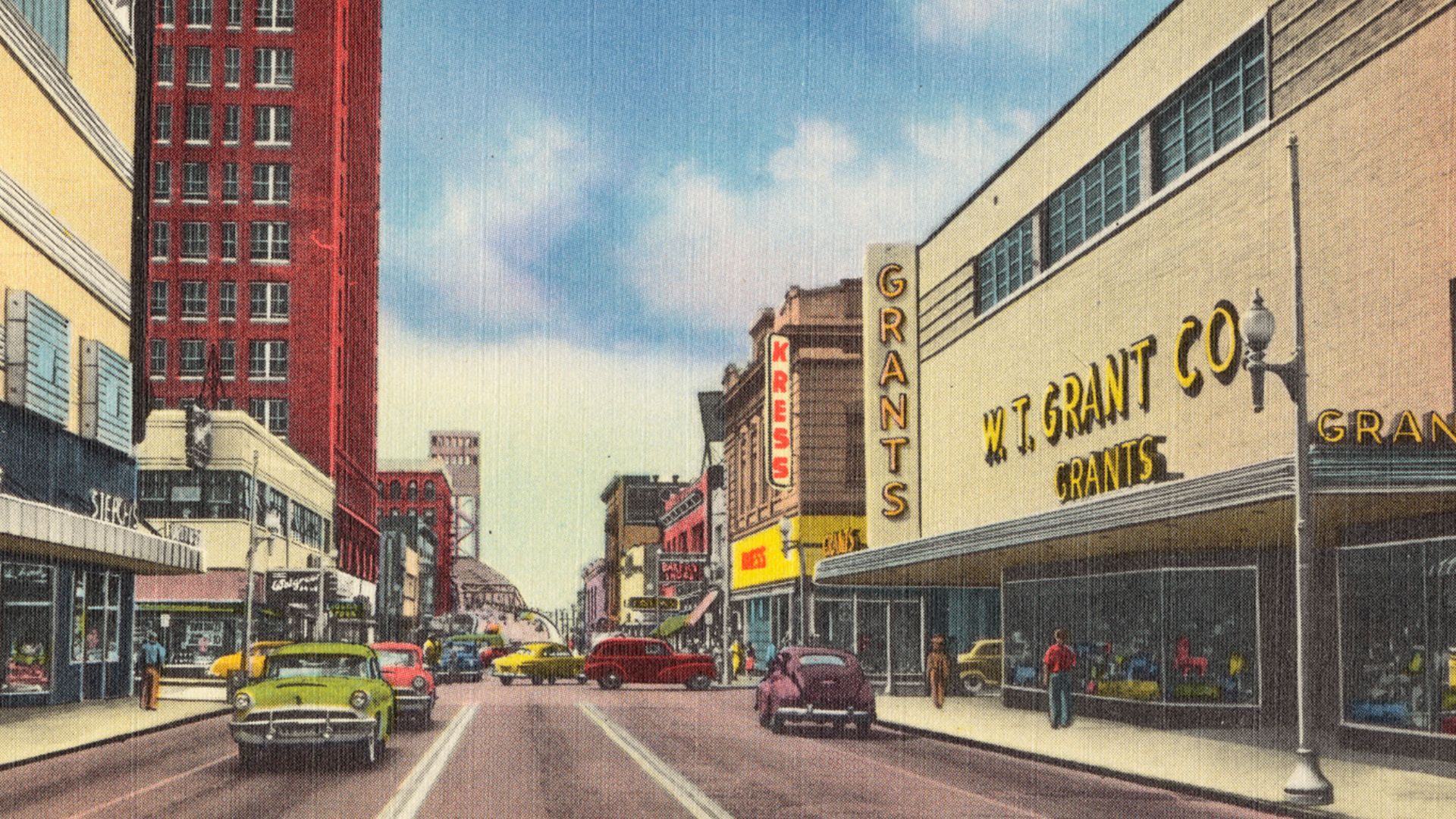
W.T. Grant expanded aggressively and tried to compete with larger discount stores, but its growth was accompanied by weak credit practices and mounting financial problems. The company entered bankruptcy in 1975 and liquidated in 1976. Its collapse was then the largest retail bankruptcy in American history, leaving tens of thousands without jobs.
 Boston Public Library, Wikimedia Commons
1. F.W. Woolworth
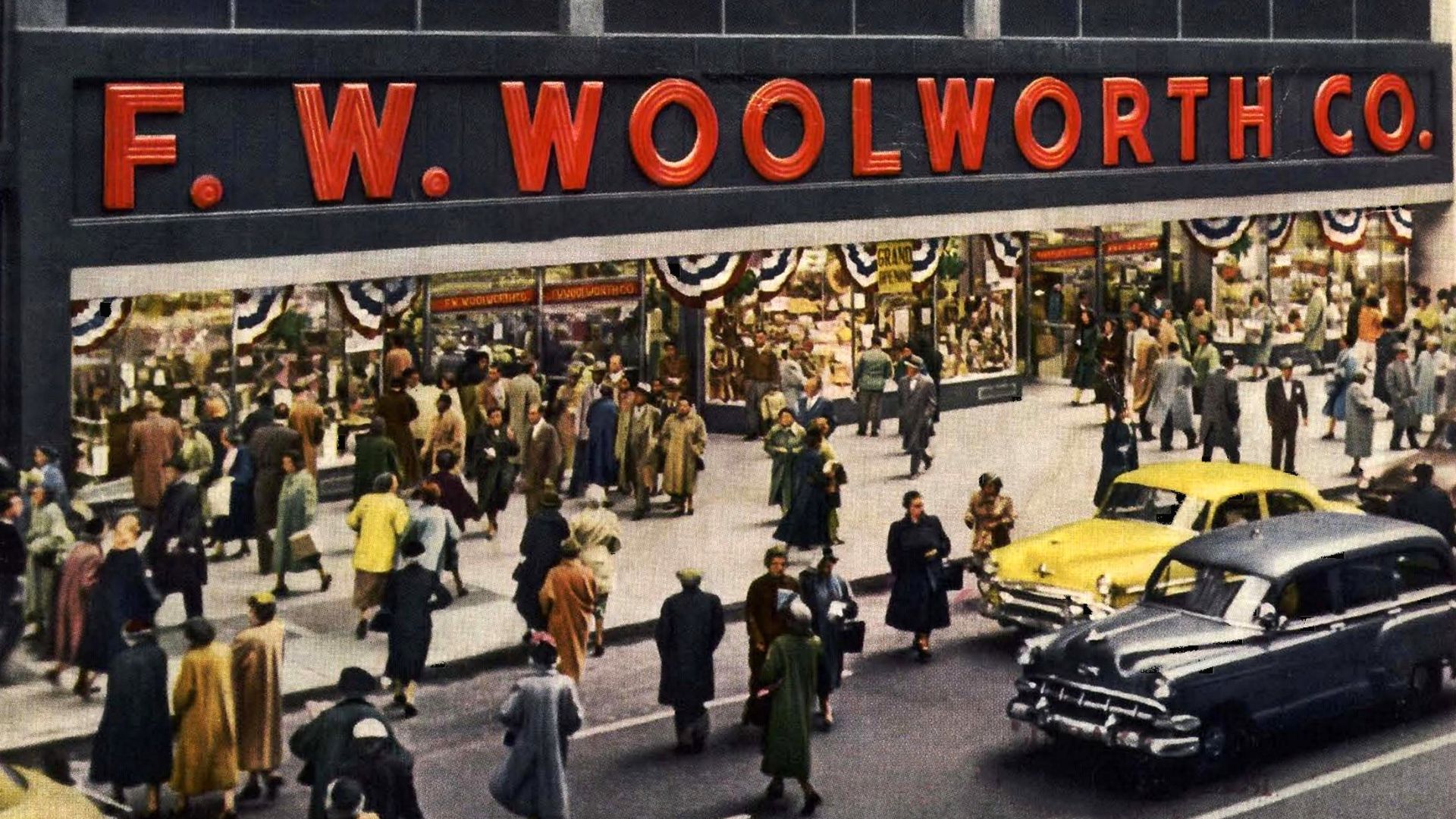
Woolworth was the name most closely associated with five-and-dime shopping. It still operated more than 1,500 American variety stores in 1976, but discount chains, malls and specialty retailers steadily eroded its customer base. After posting a $37 million loss in 1996, the company closed its remaining U.S. Woolworth stores in 1997.
 Click Americana, Wikimedia Commons
You May Also Like: Grocery Items That Were So Cheap In The 1980s, You Didn't Even Think Twice About Buying Them