
The Insane Prices Hid An Even Bigger Secret
Crazy Eddie was everywhere in the 1980s. His outrageous commercials promised unbelievable electronics deals, and investors couldn't buy his company's stock fast enough. But behind the screaming advertisements was a massive financial fraud involving secret bank accounts, fake inventory, and millions in manipulated earnings.
So how did Crazy Eddie fool Wall Street, and what finally brought his retail empire crashing down?
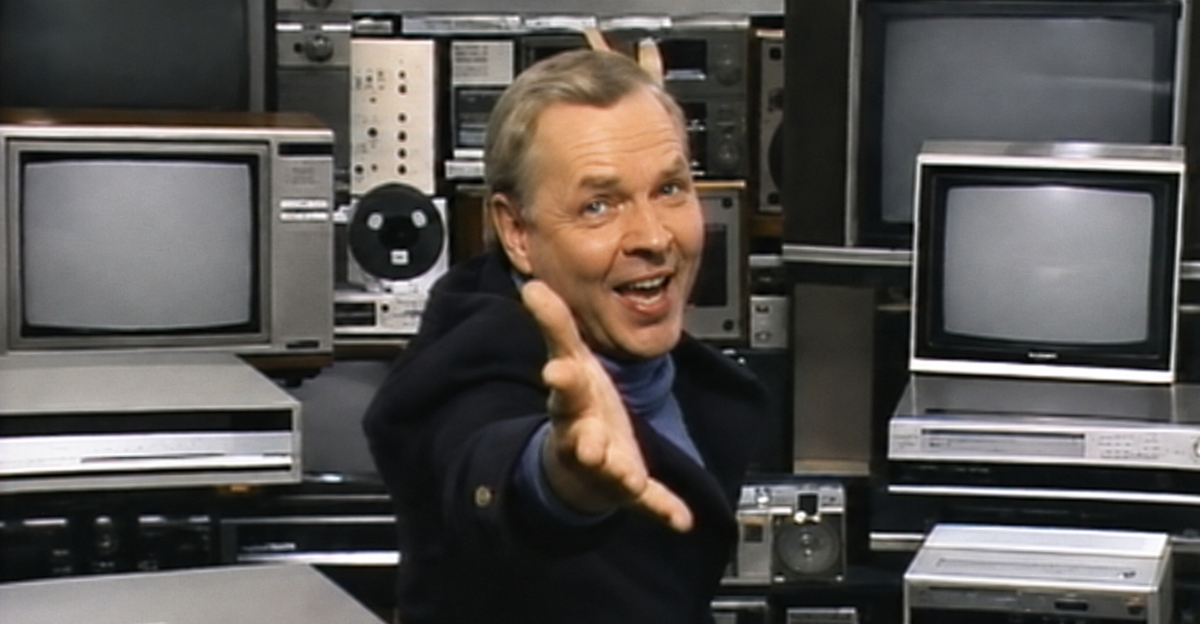 Crazy Eddie Commercial (1985), Crazy Eddie Inc.
His Prices Were Insane
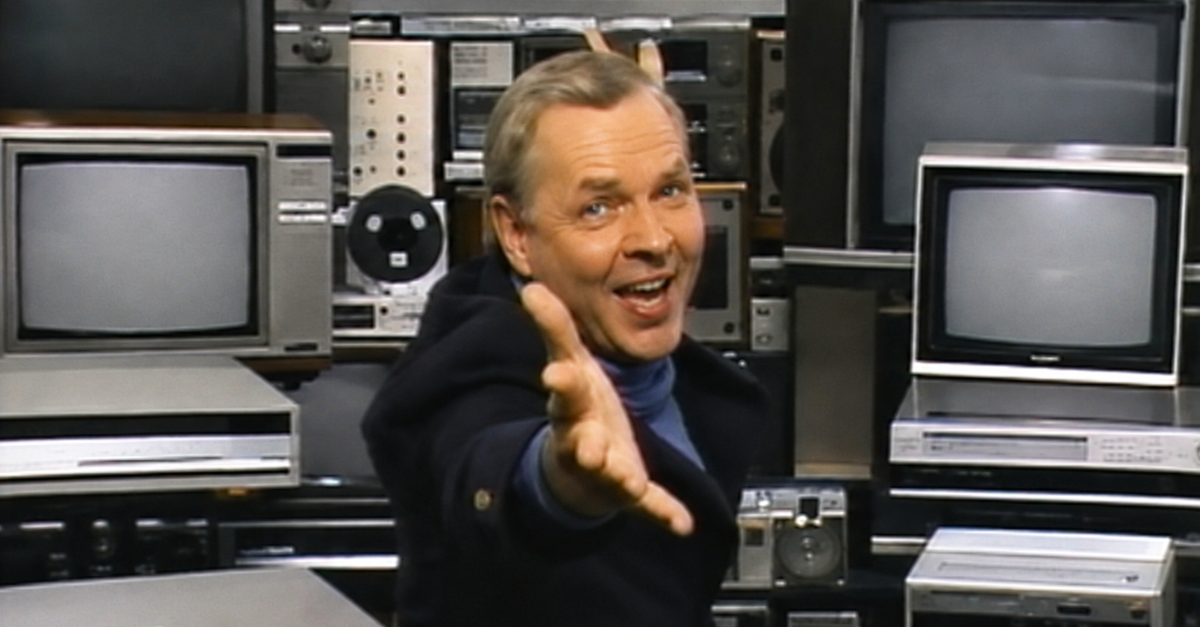
For anyone who watched television around New York during the 1970s and 1980s, Crazy Eddie was almost impossible to forget. His commercials featured a frantic salesman shouting about unbelievable discounts on televisions, stereos, and other electronics. The unforgettable slogan, "His prices are insane!" helped turn a regional discount chain into a household name.
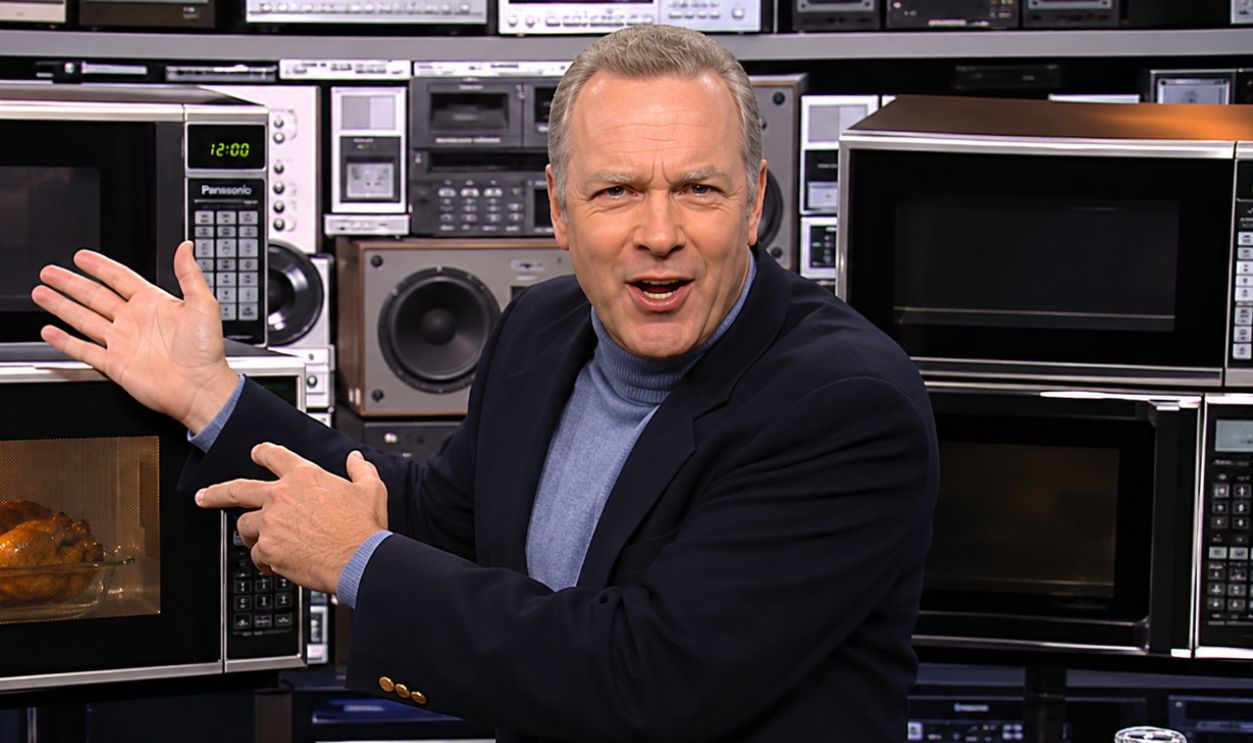 Screenshot from Crazy Eddie Commercial, Crazy Eddie Electronics (1970s–1980s), Enhanced
It Started With One Brooklyn Store
Eddie Antar entered the electronics business in 1969, operating a Brooklyn store with his father, Sam M. Antar, and another relative. The family eventually developed the Crazy Eddie name as it expanded its retail operation. What began as a modest business would become one of the Northeast's most recognizable electronics chains.

Eddie Was A Relentless Salesman
Antar developed a reputation for aggressive sales tactics designed to keep customers from leaving empty-handed. According to accounts of his early career, one approach was called "Nail 'em at the Door," which involved targeting shoppers who were about to walk out. His determination to close every possible sale helped shape Crazy Eddie's high-pressure reputation.
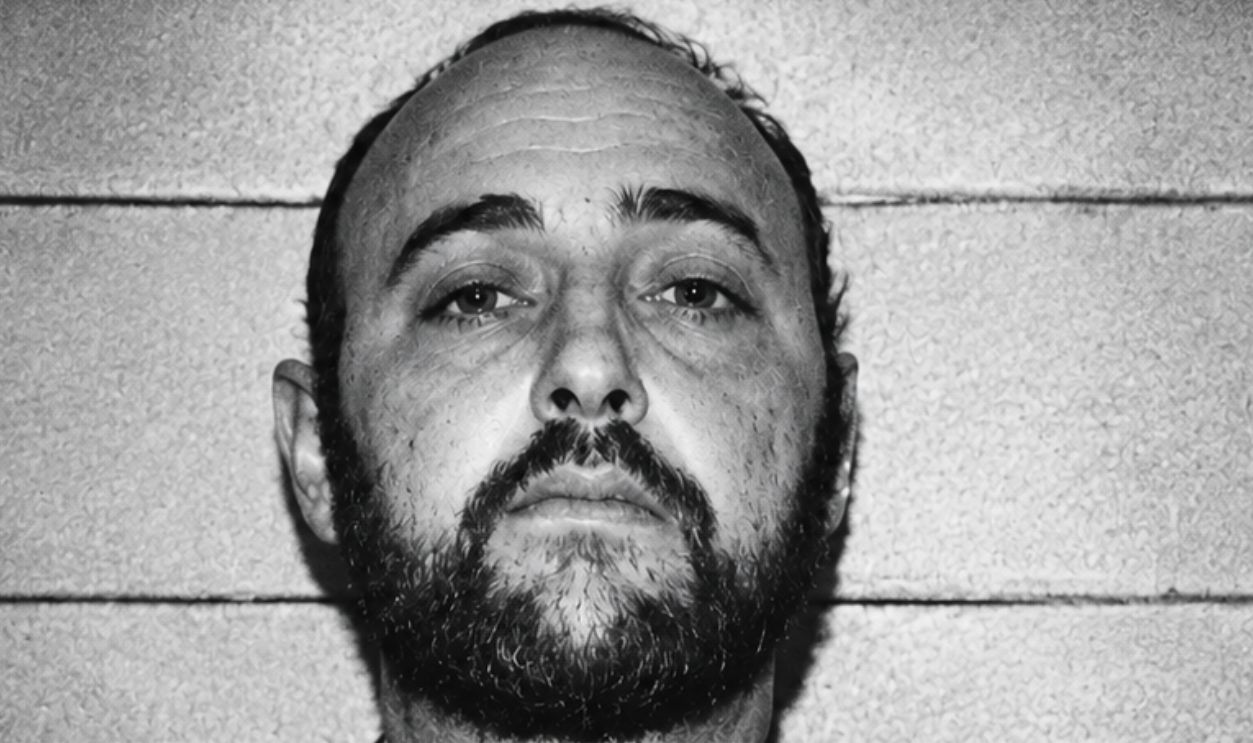 United States Marshals Service, Wikimedia Commons, Modified
The Commercials Changed Everything
Crazy Eddie initially relied on radio advertisements to attract customers. But when the company moved into television advertising in the mid-1970s, its frantic sales pitches reached an even bigger audience. The loud, fast-talking commercials became nearly impossible to ignore, helping turn Crazy Eddie into a household name.
 Crazy Eddie Commercial (1987), Crazy Eddie Inc.
Crazy Eddie Wasn't Actually In The Commercials
Despite what many viewers assumed, the wild-eyed salesman shouting about insane prices wasn't Eddie Antar. It was Jerry Carroll, a radio disc jockey whose energetic delivery had originally caught Antar's attention. The real Eddie stayed largely behind the scenes while Carroll became the recognizable face of the retail empire.
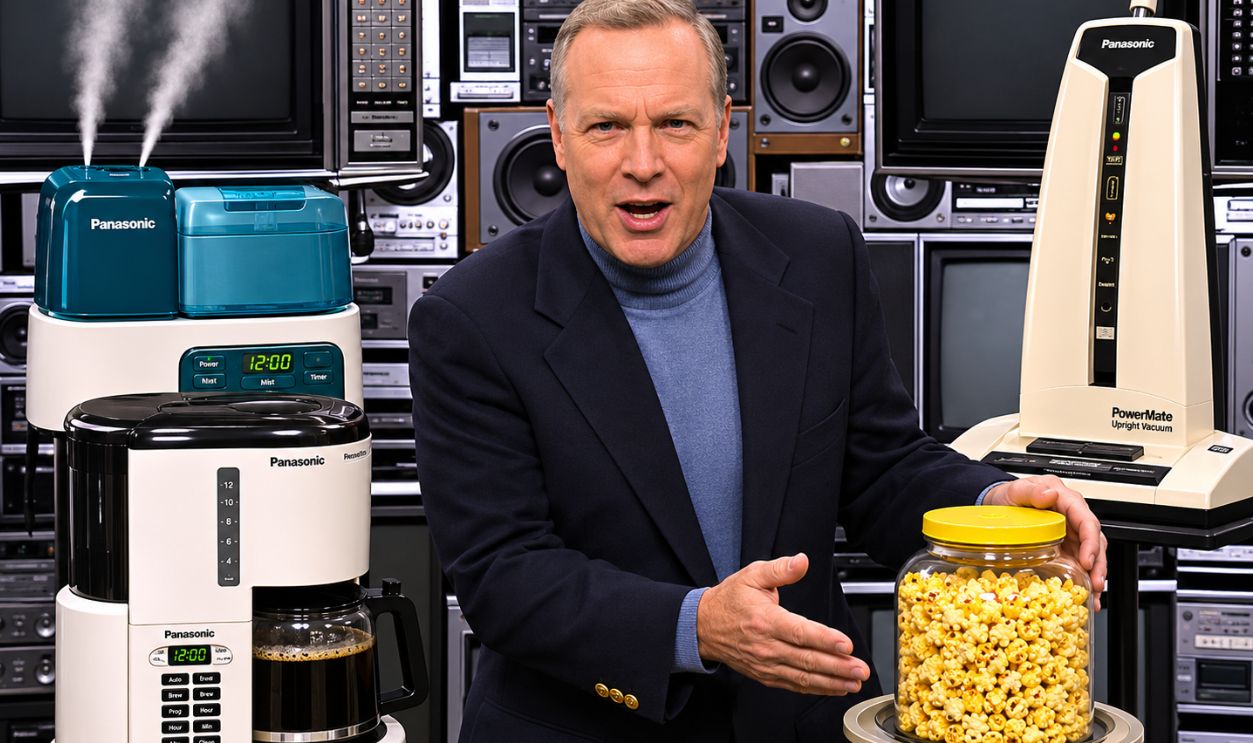 Screenshot from Crazy Eddie Commercial, Crazy Eddie Electronics (1970s–1980s), Enhanced
The Ads Became A Cultural Phenomenon
Crazy Eddie's advertising was deliberately loud, repetitive, and difficult to ignore. The company produced thousands of commercials, featuring everything from Christmas promotions in August to elaborate pop-culture references. The campaign became so recognizable that its over-the-top style was parodied on Saturday Night Live in 1977.
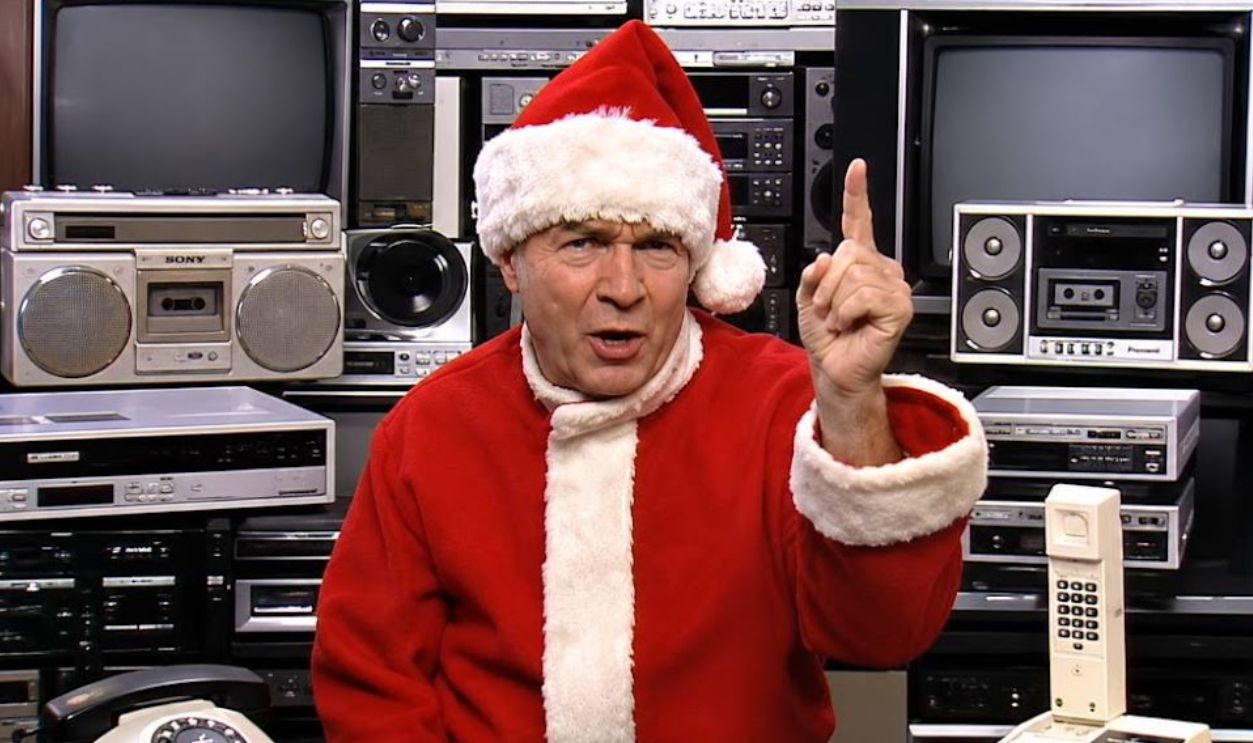 Screenshot from Crazy Eddie Commercial, Crazy Eddie Electronics (1970s–1980s), Enhanced
Even Queen Showed Up
Crazy Eddie's popularity extended beyond television commercials. On July 27, 1982, all four members of Queen appeared at a Crazy Eddie store in New York City to promote their album Hot Space. The event was photographed as a press conference, showing just how prominent the electronics retailer had become.
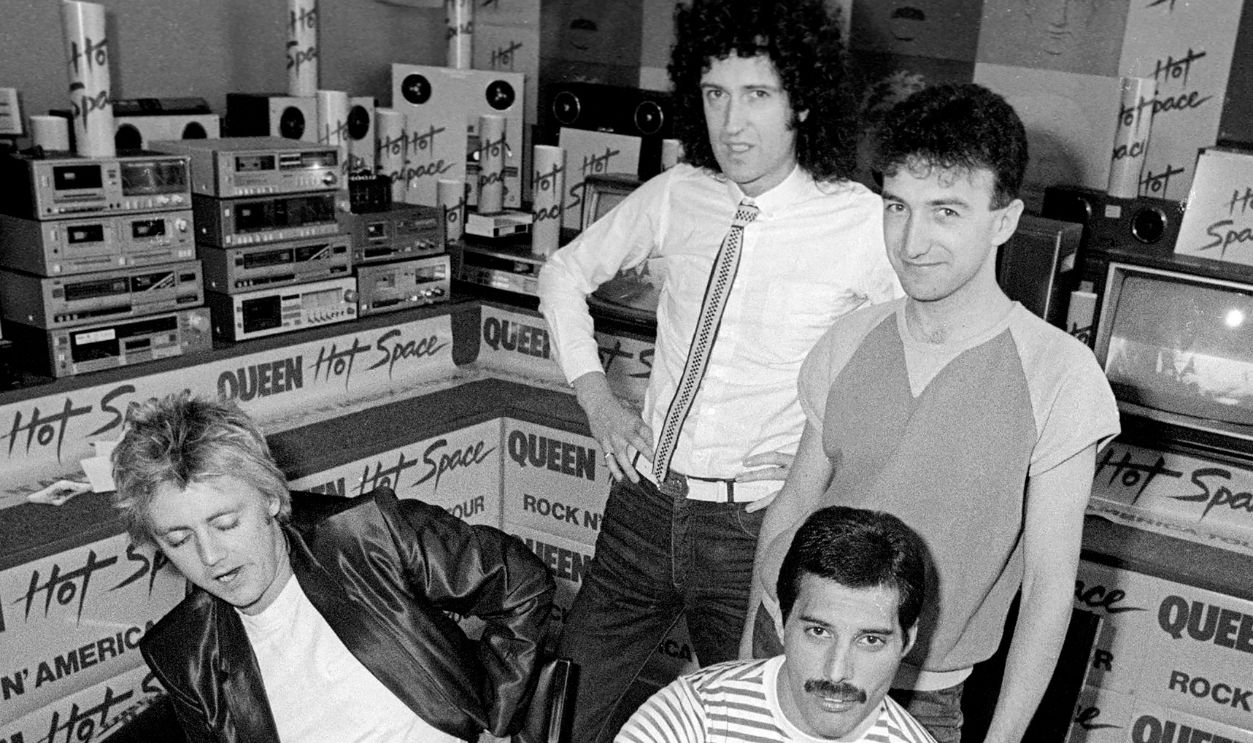
The Timing Couldn't Have Been Better
During the late 1970s and early 1980s, Americans were spending heavily on home entertainment equipment. Videocassette recorders, stereos, televisions, and answering machines created enormous opportunities for electronics retailers. Crazy Eddie capitalized on the demand with aggressive pricing, memorable advertising, and an expanding network of stores.
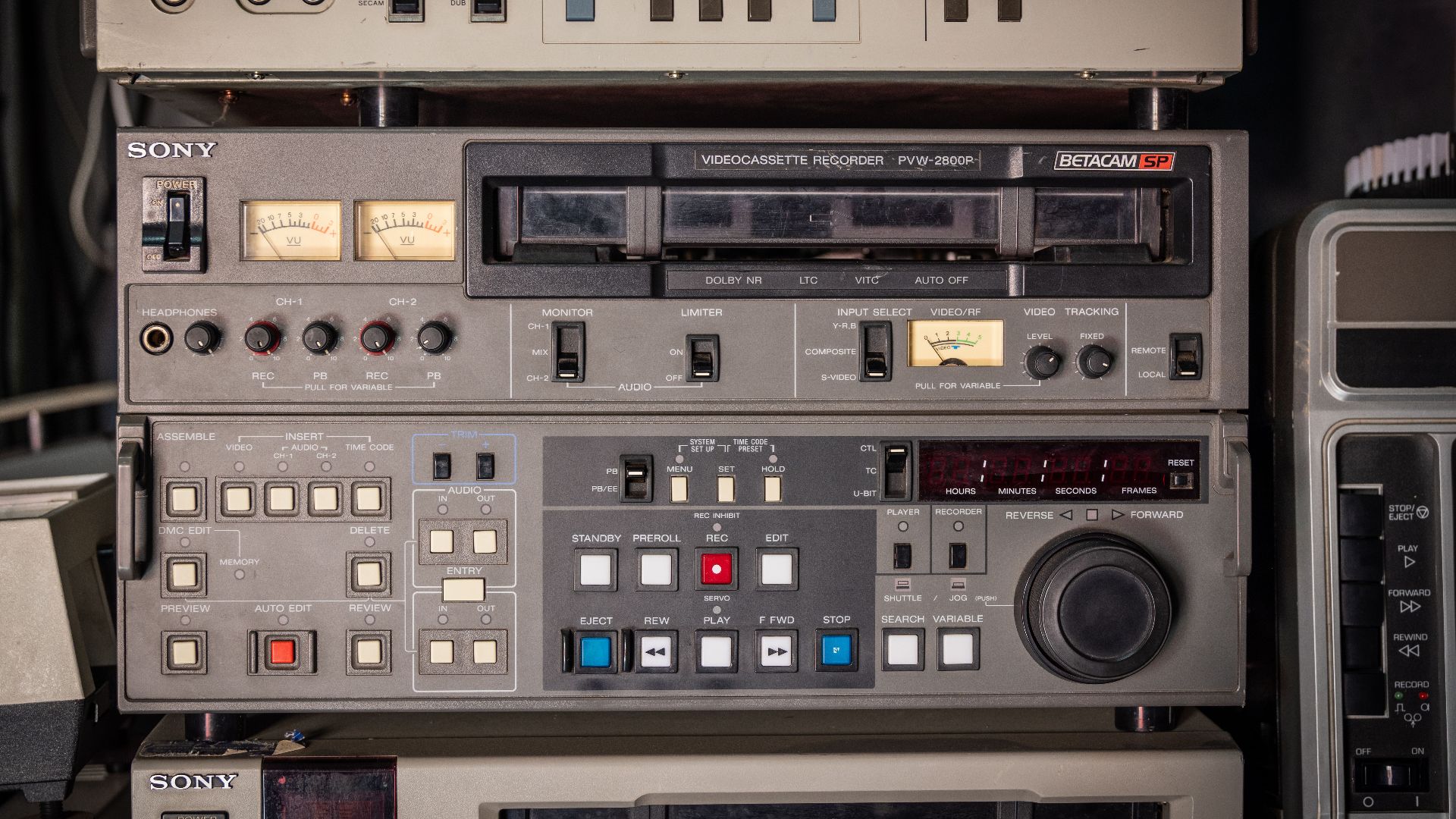
The Company Expanded Rapidly
Crazy Eddie eventually operated as many as 43 stores across New York, New Jersey, Connecticut, and Pennsylvania. Its reported annual sales surpassed $300 million during the company's peak years. The retailer appeared to be an extraordinary success, but its financial records concealed problems that customers and investors couldn't see.
 Angie Linder from Detroit, USA, Wikimedia Commons
Something Was Wrong Behind The Scenes
For years, members of the Antar family had been secretly taking cash from the business before recording the sales. This practice, known as cash skimming, kept revenue out of the company's official financial statements. It also allowed those involved to evade taxes while accumulating substantial amounts of hidden money.
 Towfiqu barbhuiya, Unsplash, Modified
Millions Were Hidden Overseas
The concealed cash didn't simply remain in the United States. Court records established that members of the Antar family deposited millions of dollars into secret Bank Leumi accounts in Israel. By the end of 1983, deposits into those accounts had exceeded $6 million, keeping substantial sums outside the company's books.

Then Eddie Had An Even Bigger Idea
By the early 1980s, Crazy Eddie was preparing to sell shares to the public. An initial public offering would raise money for expansion while giving family shareholders an opportunity to profit from their holdings. But convincing investors to buy the stock required financial statements showing a business with consistently growing earnings.

They Found A Strange Way To Inflate Profits
Instead of immediately ending the cash skimming, the family gradually reduced how much money it diverted from recorded sales. As more revenue appeared in the company's accounts, reported earnings seemed to grow faster. A federal court later found that this technique created a misleading picture of a steadily improving business.

Wall Street Bought The Story
Crazy Eddie went public in September 1984, offering shares at $8 apiece. Investors were presented with a rapidly growing retailer whose financial history suggested impressive profitability. What they didn't know was that years of manipulated revenue had made the company's earnings trend look considerably stronger than it really was.
 Robert Hösle, Wikimedia Commons
The Stock Became A Sensation
Crazy Eddie's shares surged as investors embraced the apparent success of the discount retailer. The company's market value climbed into the hundreds of millions of dollars, making the Antar family's holdings extraordinarily valuable. But the impressive stock performance created another incentive to keep manipulating the company's financial results.

The Fraud Took A Dangerous Turn
Before Crazy Eddie went public, insiders had largely concealed income to avoid paying taxes. After the stock offering, they increasingly overstated the company's financial performance to impress investors. The deception now involved inventing profits, exaggerating inventory, and disguising business transactions to support an inflated share price.

They Started Inventing Inventory
One of the company's biggest accounting tricks involved exaggerating how much merchandise it actually owned. Employees falsified inventory counts, making stores and warehouses appear to hold millions of dollars more in electronics than they really did. For fiscal 1986, court records established that Crazy Eddie's reported pretax income of $27.3 million was overstated by approximately $7.5 million to $10 million.

They Even Borrowed Merchandise To Fool Auditors
The deception went beyond changing numbers on paper. Before its March 1987 year-end inventory count, Crazy Eddie borrowed approximately $2.5 million in merchandise from a wholesaler called Zazy International and included those goods in its inventory. The company also counted millions in merchandise from another supplier before recording the corresponding invoices, making its financial position look stronger.

Fake Paperwork Created Millions In Profits
Company insiders also fabricated documents claiming that suppliers owed Crazy Eddie money for returns, discounts, and other adjustments. These fake debit memos allowed the retailer to reduce the amounts it appeared to owe suppliers. During fiscal 1987, the fraudulent paperwork understated accounts payable by approximately $20 million, helping conceal the company's deteriorating finances.
 Lukas Blazek, Pexels, Modified
Even The Sales Figures Were Manipulated
Crazy Eddie wanted investors to believe its established stores were attracting more customers and generating stronger sales. In one quarter of fiscal 1987, the company reported a 5% increase in comparable-store sales after improperly recording $5.7 million in wholesale checks. The actual figures showed an 8% decline, turning a disappointing result into an apparently encouraging one.

They Used Secret Money To Boost Sales
Some of the money previously hidden overseas eventually found its way back into the business. Court proceedings examined how approximately $1.5 million was transferred from Israel through Panama as part of a scheme to inflate reported comparable-store sales. The transactions helped make selected stores look busier and more profitable than they actually were.
 Willem van de Poll, Wikimedia Commons
Eddie Cashed In On The Deception
While ordinary investors relied on the company's financial statements, Eddie Antar sold enormous amounts of Crazy Eddie stock. Between 1984 and 1987, he sold approximately 6.5 million shares for proceeds exceeding $74 million. The federal court later found that insiders had benefited from stock prices artificially inflated by the company's fraudulent financial reporting.
 Aedrian Salazar, Unsplash, Modified
They Started Destroying The Evidence
As the financial deception grew more complicated, company insiders became increasingly concerned about incriminating paperwork. Court findings established that falsified inventory sheets and other records were destroyed during the fraud. A separate 1988 court opinion also described a mass shredding of corporate documents shortly before new investors took control of Crazy Eddie in November 1987.

The Family Business Began Falling Apart
The Antar family's internal relationships were deteriorating alongside the company's finances. Personal disagreements and disputes over control contributed to growing divisions among the people running the retailer. Eddie resigned as company president in December 1986, and his brother Mitchell left his executive positions in June 1987.
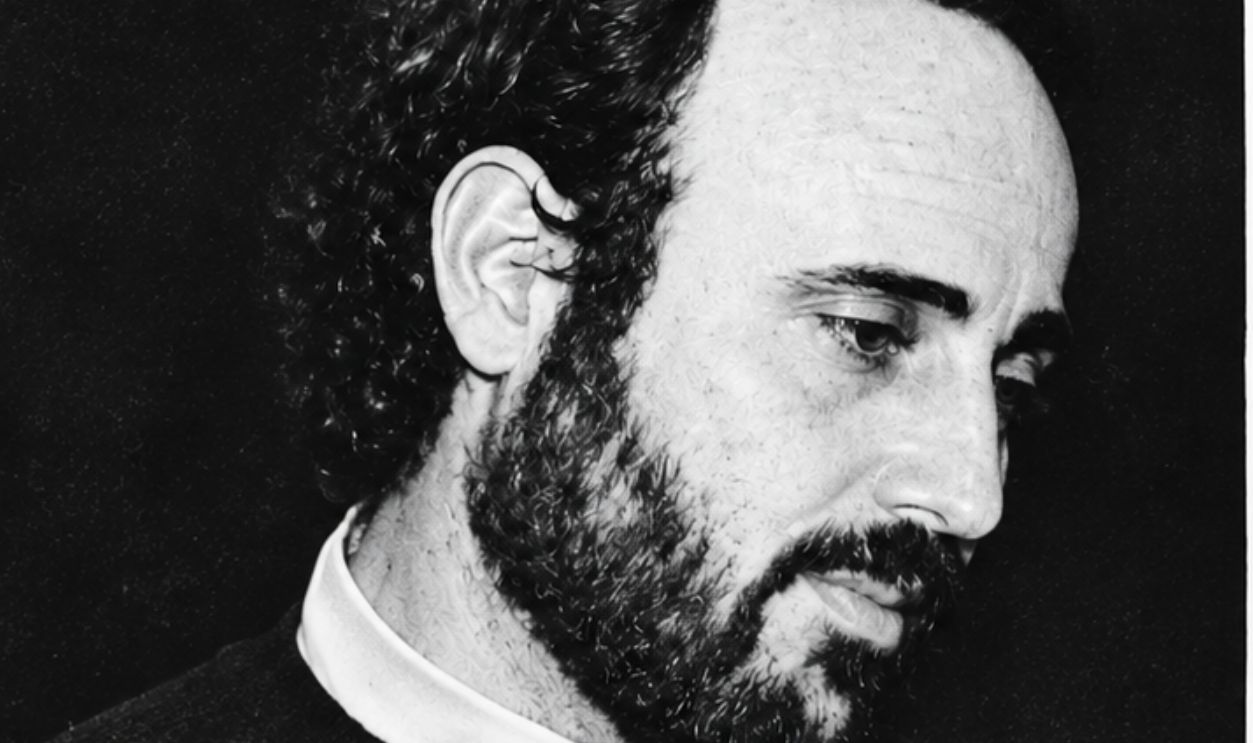 United States Marshals Service, Wikimedia Commons, Modified
New Investors Seized Control
By 1987, Crazy Eddie was facing declining performance and growing shareholder dissatisfaction. A group of dissident investors led a successful fight to remove the company's existing leadership. On November 6, 1987, shareholders elected an entirely new board of directors and dismissed virtually all the former executives.
 Werner Pfennig, Pexels, Modified
They Discovered A $45 Million Surprise
The new management team quickly began examining the company's merchandise and financial records. Within weeks, Crazy Eddie announced that an inventory count had revealed an estimated $45 million shortfall. By January 1988, the inventory write-off had grown to $65 million, while the company's reported net worth had plunged from $93 million to just $7 million.
 Artem Podrez, Pexels, Modified
Crazy Eddie's Empire Collapsed
The revelations devastated investor confidence and made the company's existing financial problems much worse. Crazy Eddie entered Chapter 11 bankruptcy protection in June 1989 after creditors sought to force its liquidation. On October 3, 1989, the retailer announced that it would liquidate its assets and shut down after failing to secure sufficient credit from suppliers.
 Vitalii Vodolazskyi, Shutterstock
Eddie Tried To Escape The Consequences
As federal authorities investigated the fraud, Eddie Antar moved substantial amounts of money into overseas accounts. In 1990, he fled the United States after a court ordered him to return money held abroad. Authorities eventually located him in Israel, where he was arrested in June 1992 before being returned to the United States to face criminal charges.

His First Conviction Didn't Stick
A federal jury convicted Eddie Antar in 1993, but an appeals court overturned the conviction in 1995 because of concerns about the trial judge's impartiality. Rather than face another trial, Antar pleaded guilty to racketeering conspiracy in May 1996. He was sentenced in February 1997 to 82 months in prison, bringing years of criminal proceedings toward a conclusion.

The Real Cost Of Crazy Eddie's Insane Prices
Crazy Eddie became a notorious example of how impressive sales figures and soaring stock prices can conceal serious financial misconduct. Former company executive Sam E. Antar, who admitted participating in the fraud, later became an outspoken educator on corporate deception. The scandal left investors with a lasting lesson: a famous brand and spectacular reported earnings are no substitute for reliable financial statements.
 Artem Podrez, Pexels, Modified
You May Also Like:
Companies That Were Worth Billions In The 1990s—Then Everything Fell Apart
How Borders Books Lost Its Retail Advantage Before Its Final Bankruptcy
Sneaky Ways Companies Make Prices Look Lower Than What You Actually Pay