
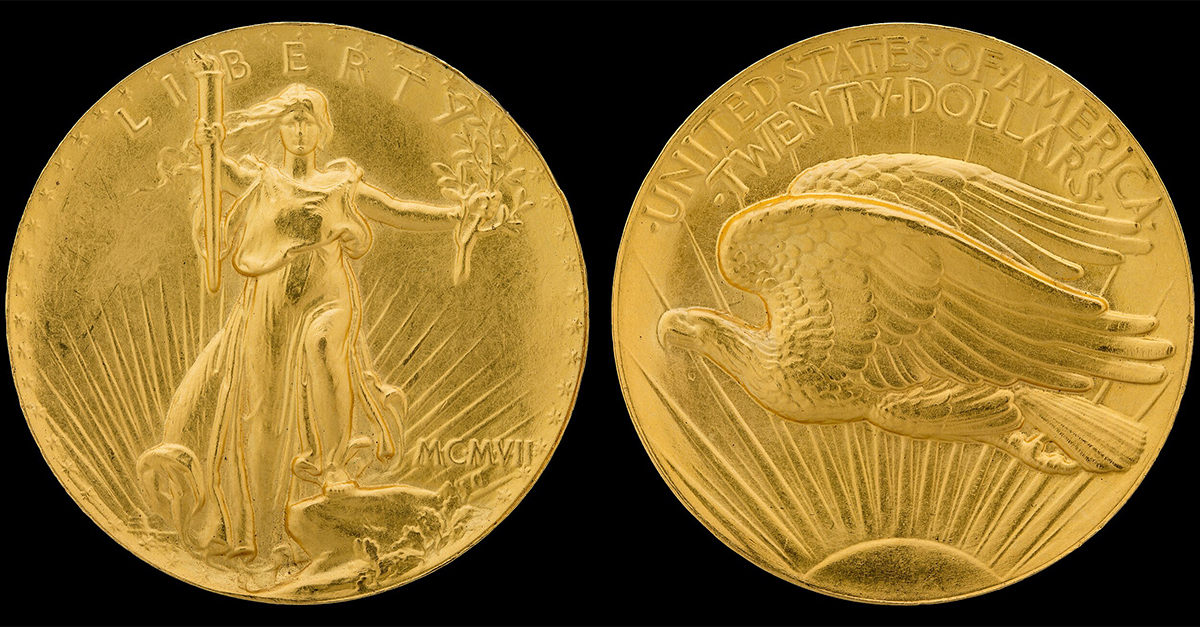
Why High-Relief Coins Are Different
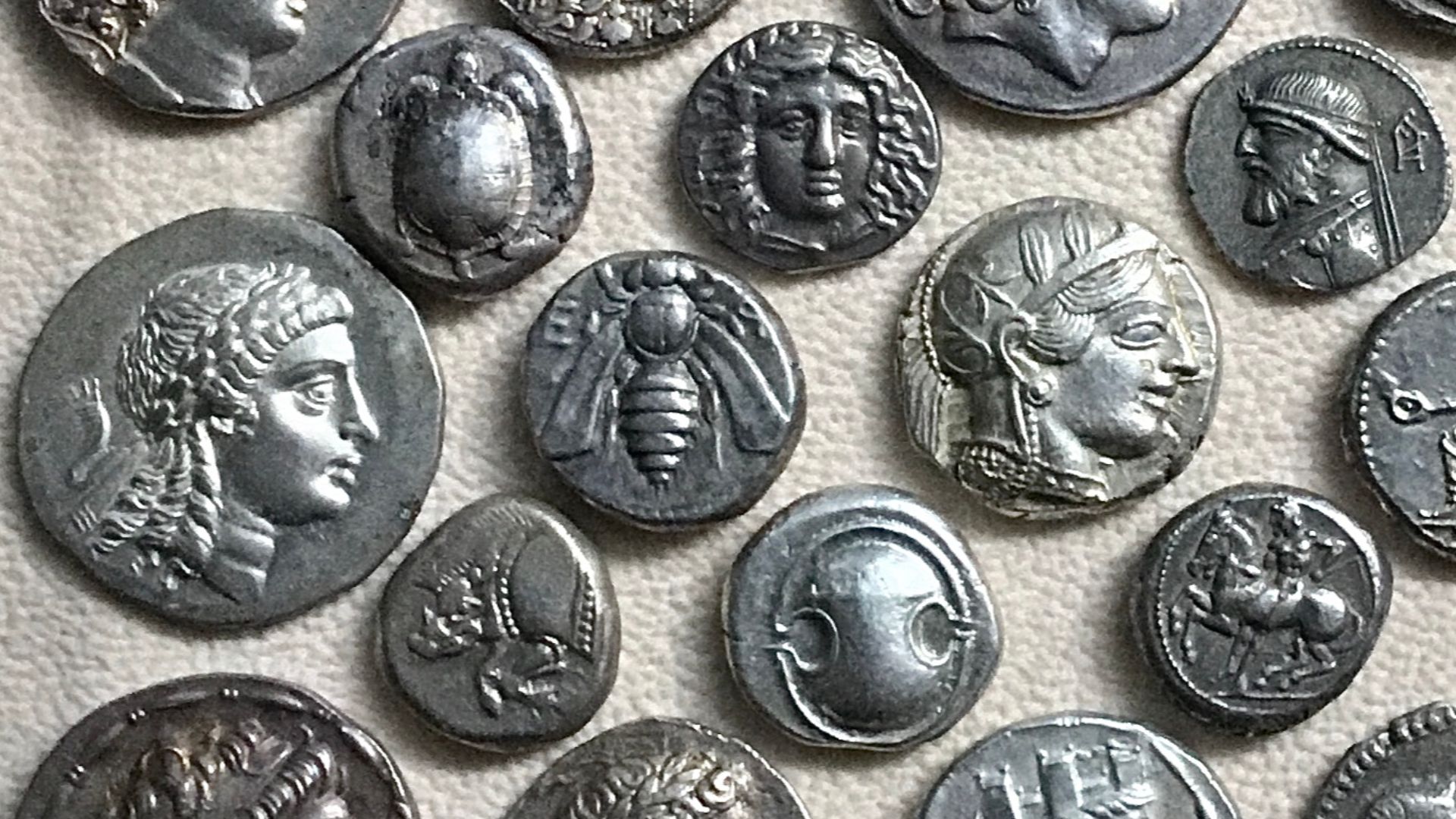
High-relief gold and silver coins catch light and command attention. Unlike flat, mass-produced coinage, their designs rise dramatically from the coin’s surface, adding depth, shadow, and sculptural presence. Those who collect these coins consider them to be miniature works of art that hooked them at first glance.
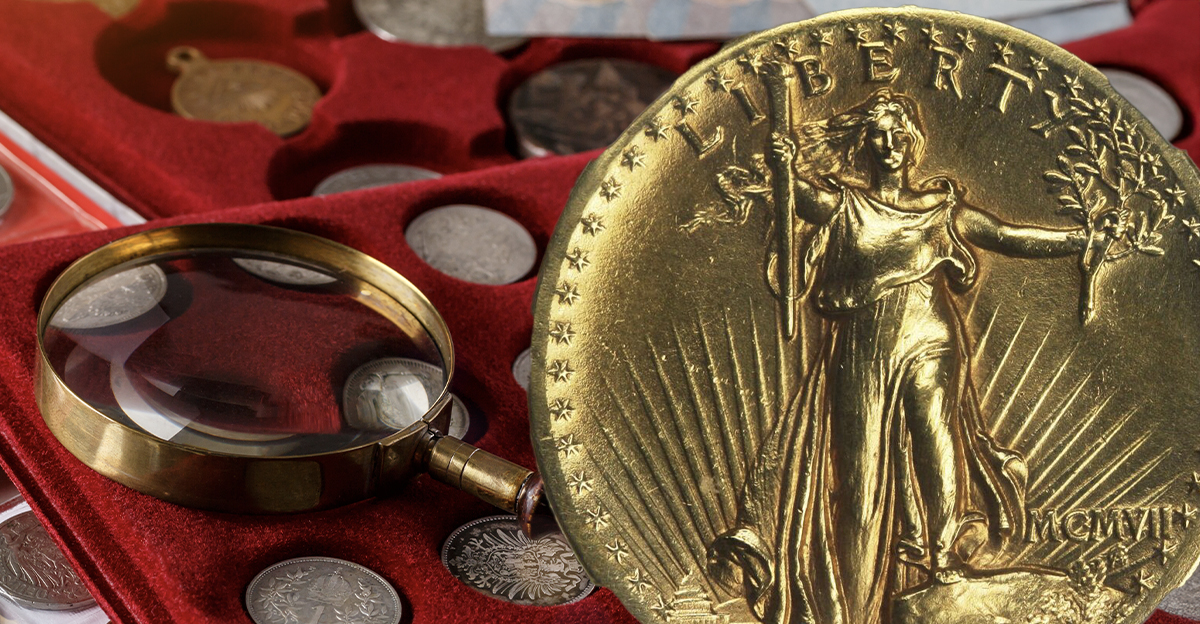 Heritage Auctions (image), Wikimedia Commons; Bukhta Yurii, Shutterstock
What “High-Relief” Actually Means
Relief just refers to how much a coin’s design sticks up from its background. High-relief coins boast deeply sculpted elements that stand out noticeably, sometimes needing multiple strikes to produce. This extra depth transforms portraits and symbols into 3-dimensional forms, forming the basis for why these coins feel so alive.
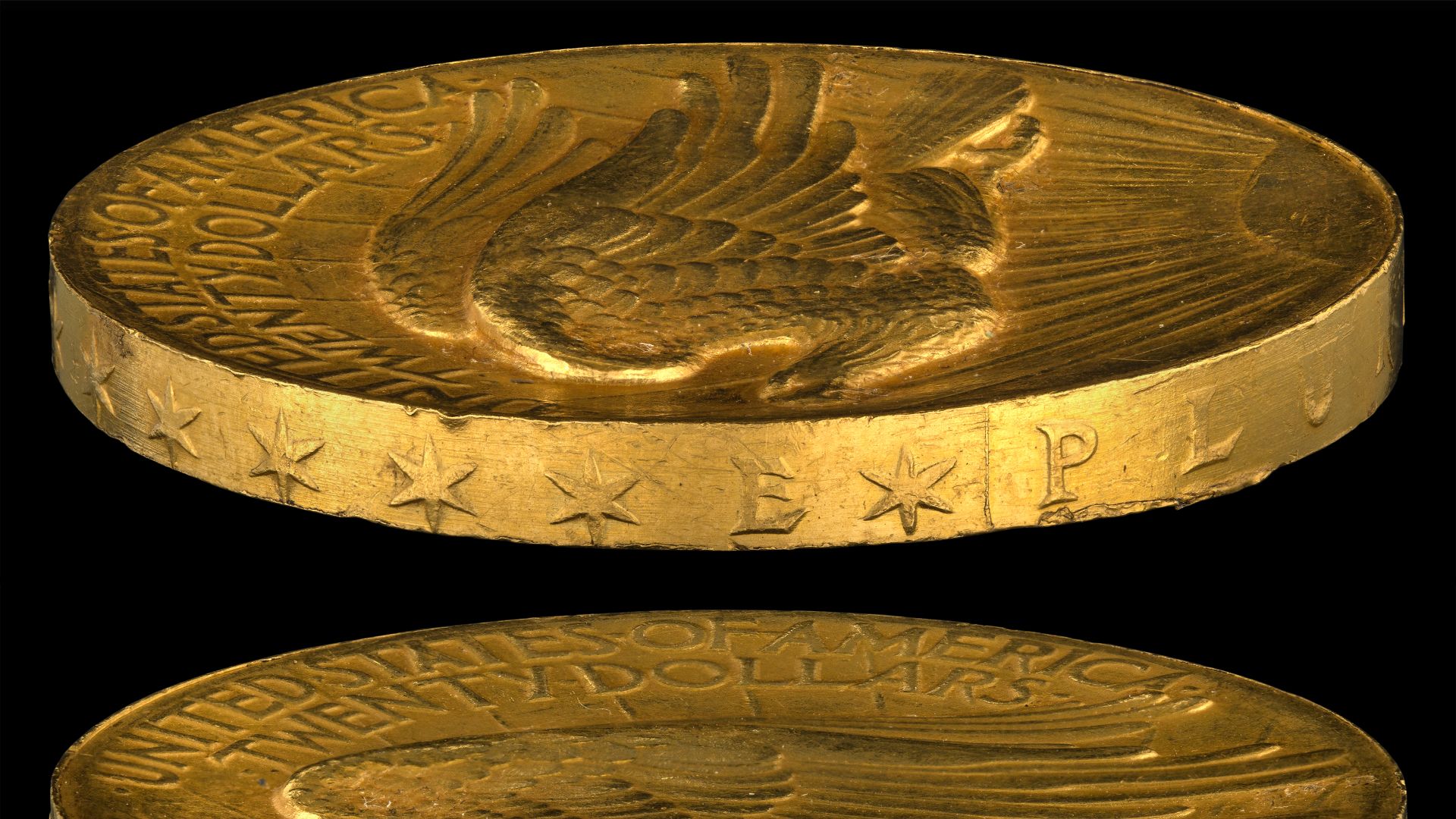 US Mint (coin), National Numismatic Collection (photograph by Jaclyn Nash), Wikimedia Commons
High Relief Vs Ultra High Relief
Ultra high-relief coins push this concept even further, with exceptionally raised designs and exacting detail. These pieces often require specialized minting techniques and much lower production numbers. The difference isn’t just on the technical side: high relief coinage production affects scarcity, cost, and long-term value, which is a crucial factor when deciding what belongs in a serious collection.
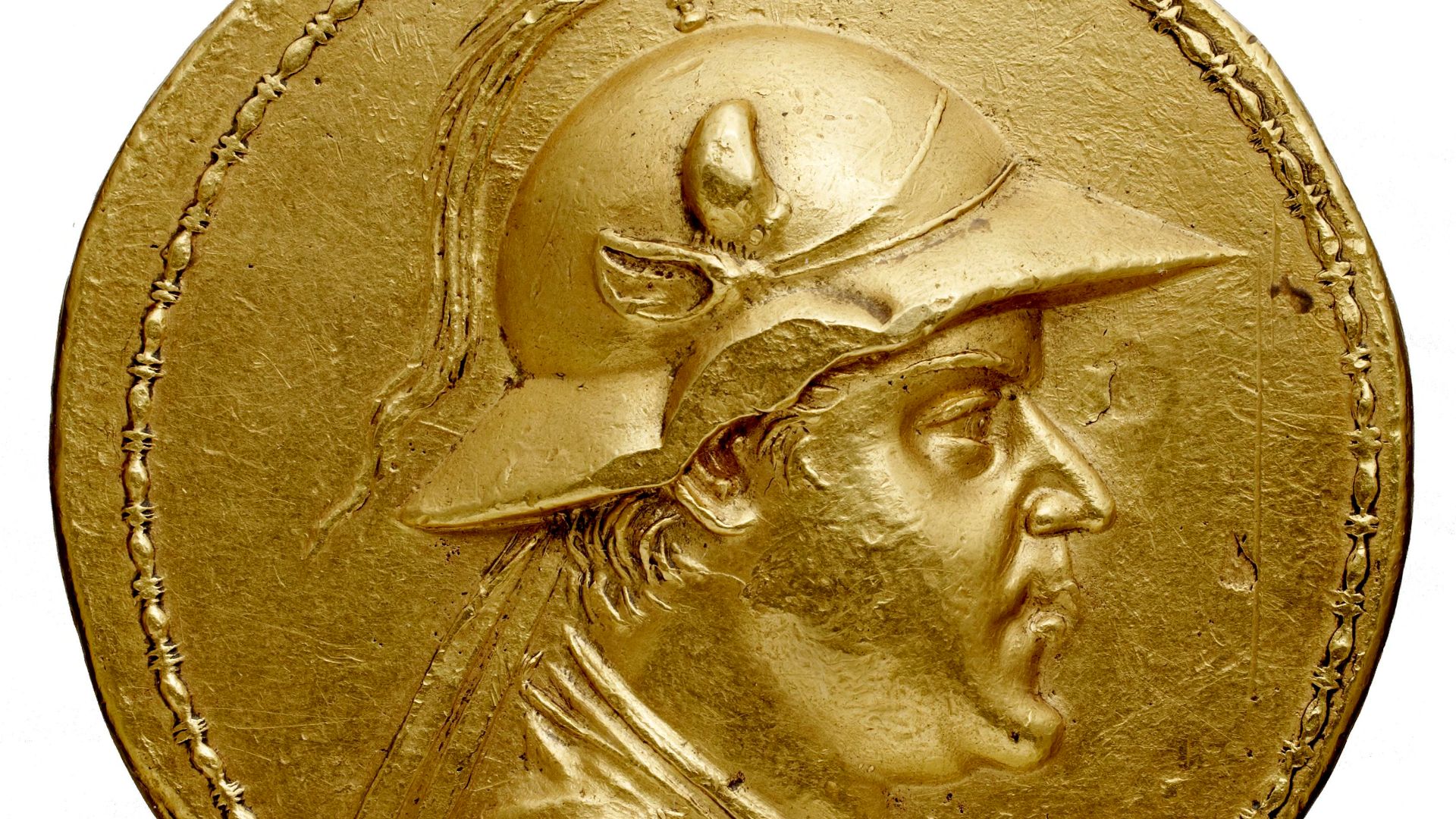 Eucratides I / BnF, Wikimedia Commons
Why Collectors Love High-Relief Coinage
Collectors are drawn to high-relief coins because they reward close inspection by the trained eye of the connoisseur. Every angle reveals new textures and subtle detailing. These coins feel more custom-made than industrial, which is part of the reason why they straddle the line between investment metal and artistic object. It’s that balance that drives much of their modern appeal.
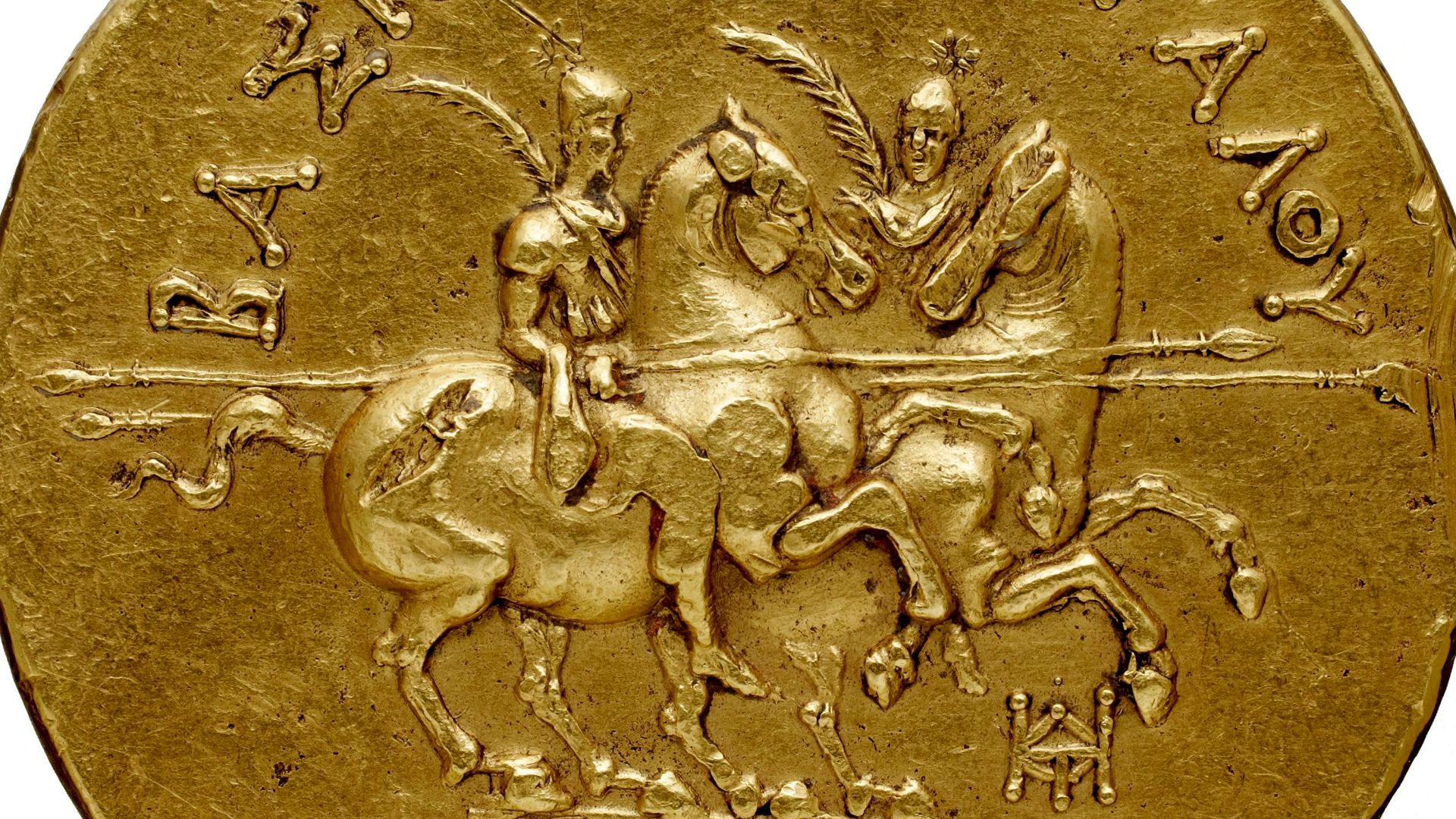 Eucratides I / BnF, Wikimedia Commons
Art You Can Hold In Your Hand
High-relief coinage borrows more from sculpture than currency. Raised profiles create depth similar to classical bas-relief, giving faces, animals, and symbols tactile form. This artistic quality is at the heart of their desirability, and that’s no accident; the historical roots of these coins stretch back thousands of years.
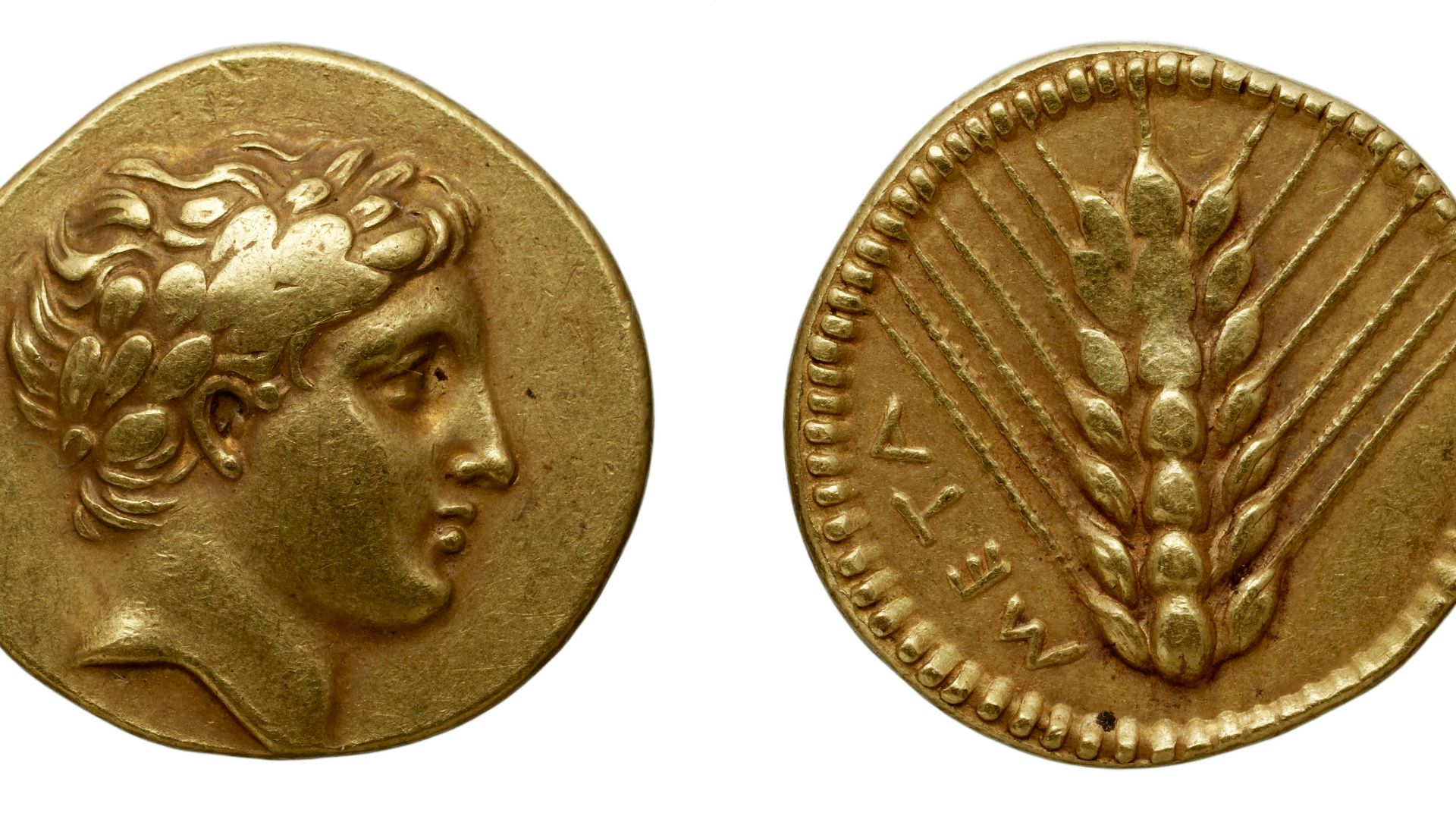 Unknown authorUnknown author / National Library of France, Wikimedia Commons
Ancient Roots In Greek Coinage
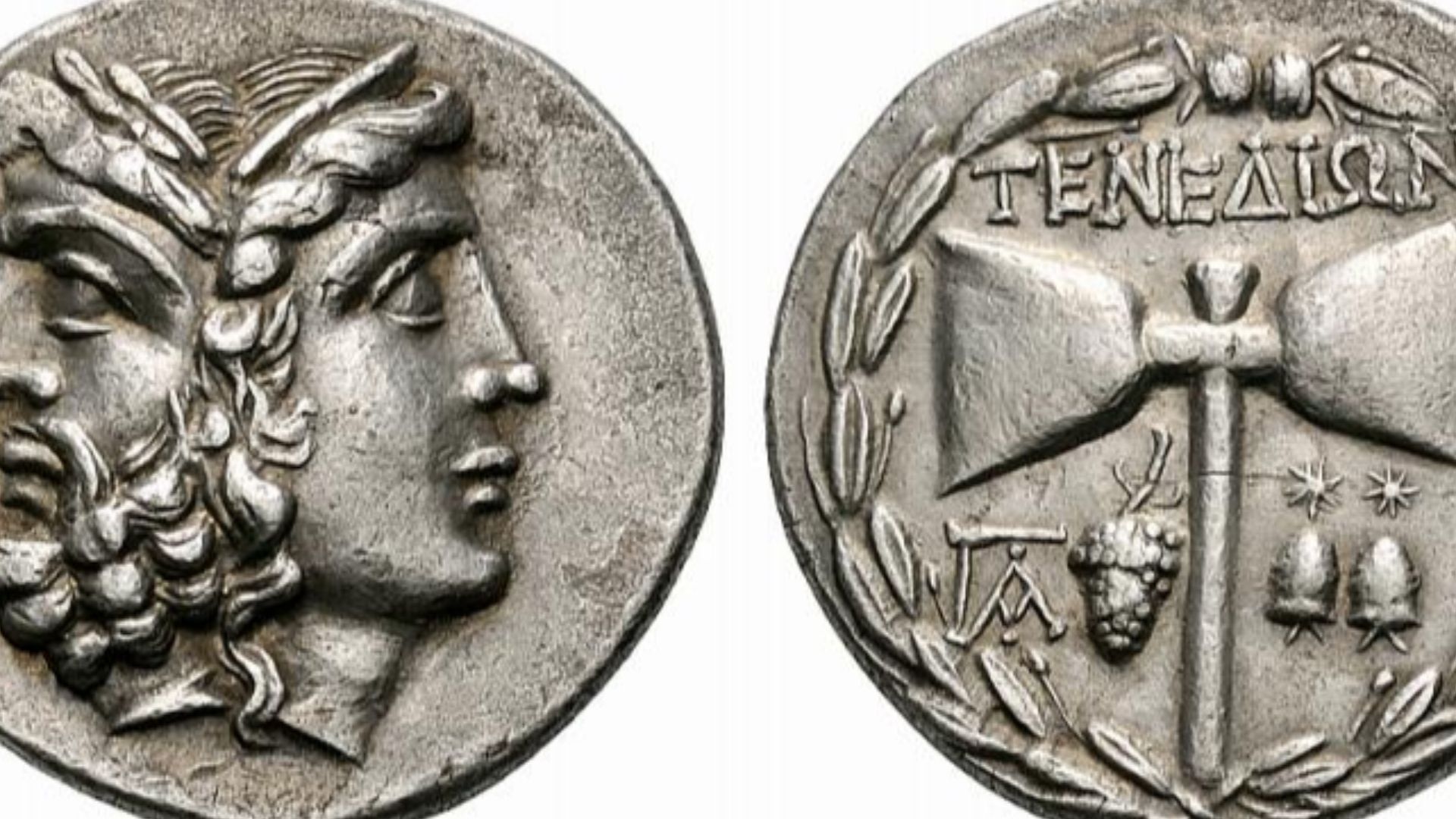
Ancient Greek coins often featured high-relief imagery, especially during the classical era. City-states looked on their coinage as a canvas to imprint with cultural pride, often commissioning designs that rivalled the sculpture of the era. These early masterpieces set high standards for beauty that later civilizations, including Rome, eagerly adopted, refined, and emulated.
Roman Coins And Imperial Power
Roman coinage carried on the high-relief tradition, using depth and realism to project authority and a sense of permanence. Emperors’ portraits appeared almost sculpted, reinforcing legitimacy through artistry. Centuries later, these ancient examples would re-emerge to exert a surprising influence on American coin design.
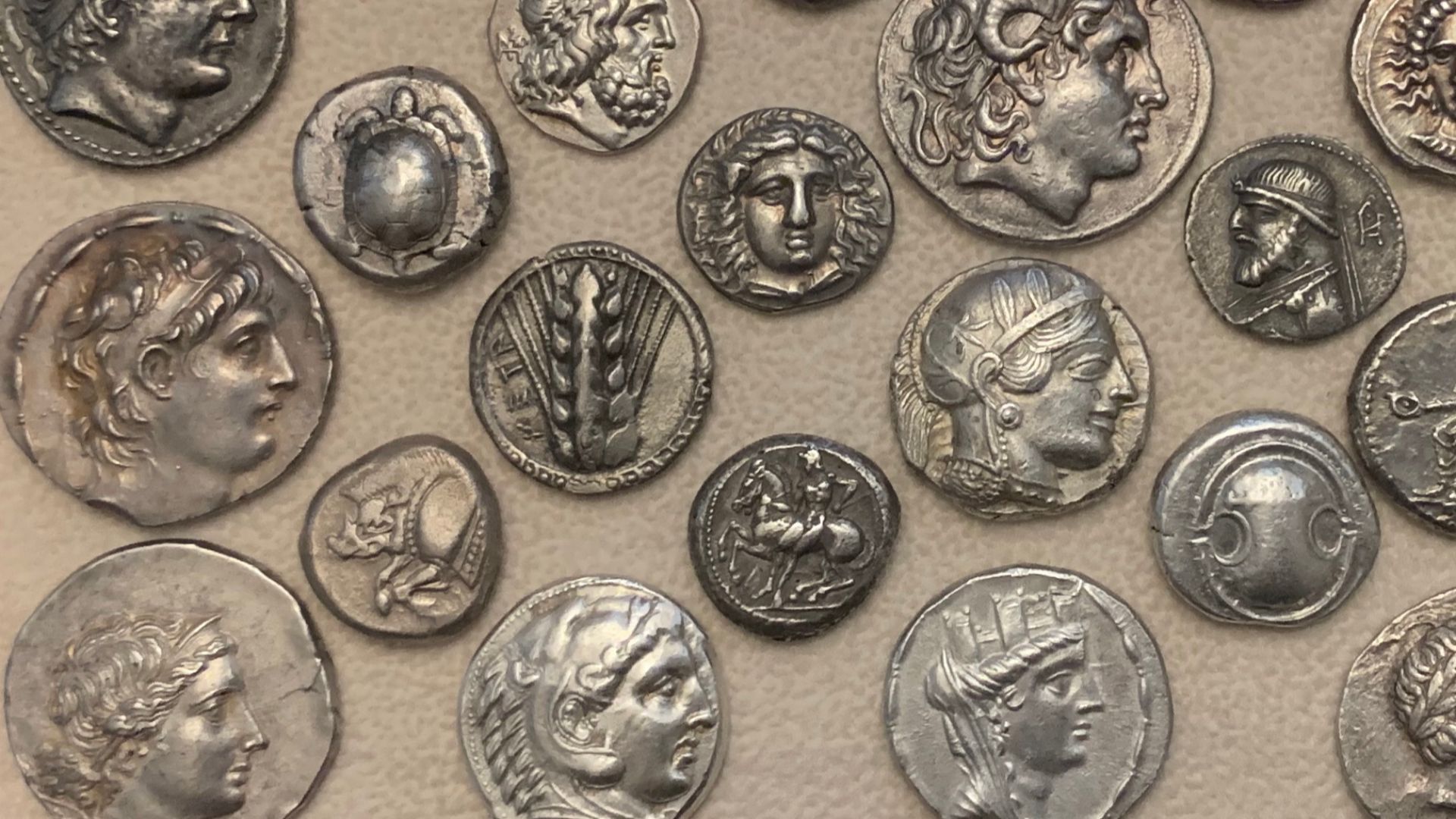 Arkaio Nomisma, Wikimedia Commons
Theodore Roosevelt And The Coinage Revolution
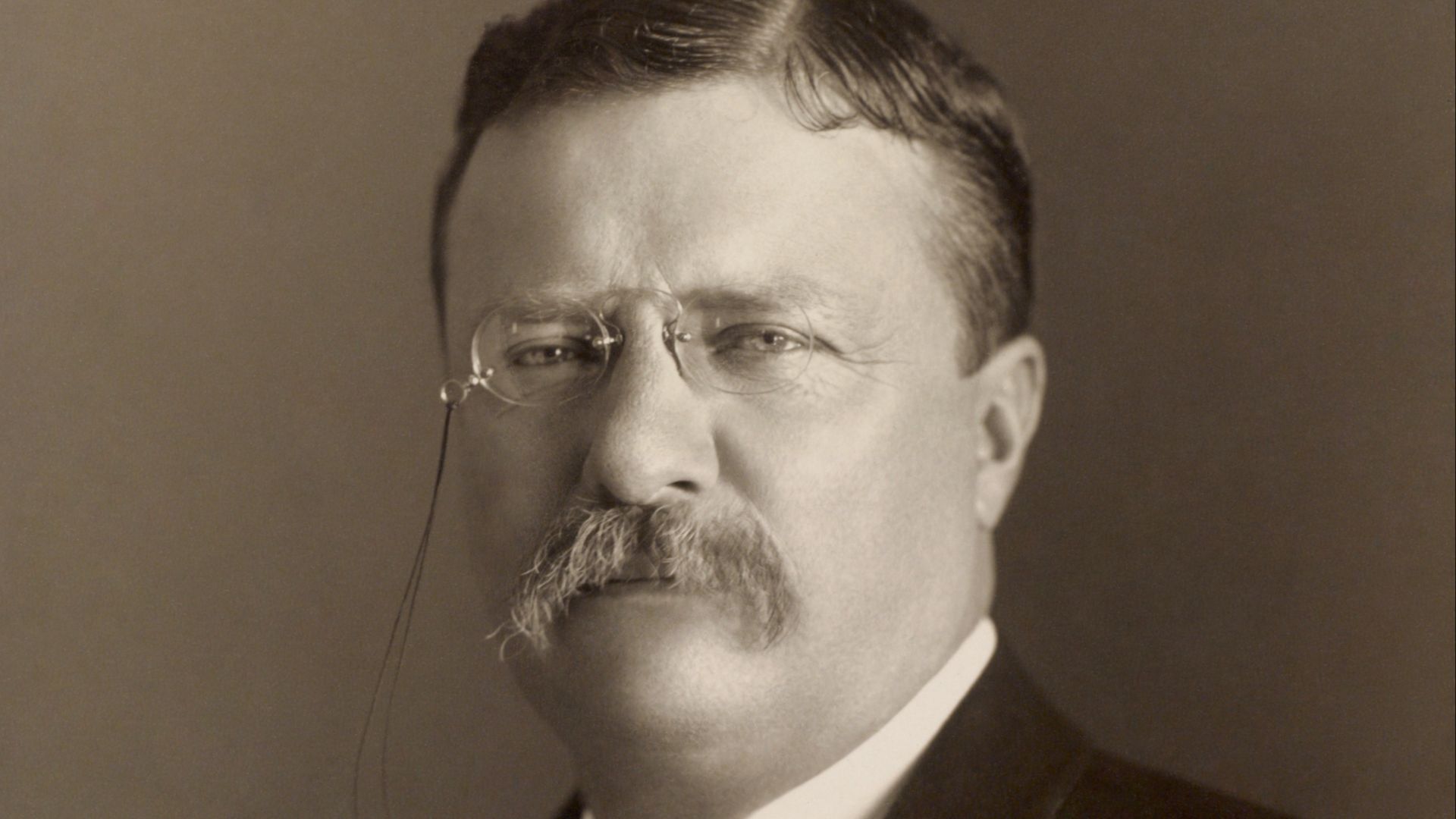
In the early 1900s, Theodore Roosevelt was of the belief that U.S. coins had become dull and uninspired. He pushed for a redesign modeled after the well-known classical Greek and Roman examples. He believed that American coinage should be a reflection of artistic excellence. His forceful vision sparked a brief but still-influential revival of high-relief minting in the United States.
 Adam Cuerden, Wikimedia Commons
The Legendary Saint-Gaudens Gold Double Eagle
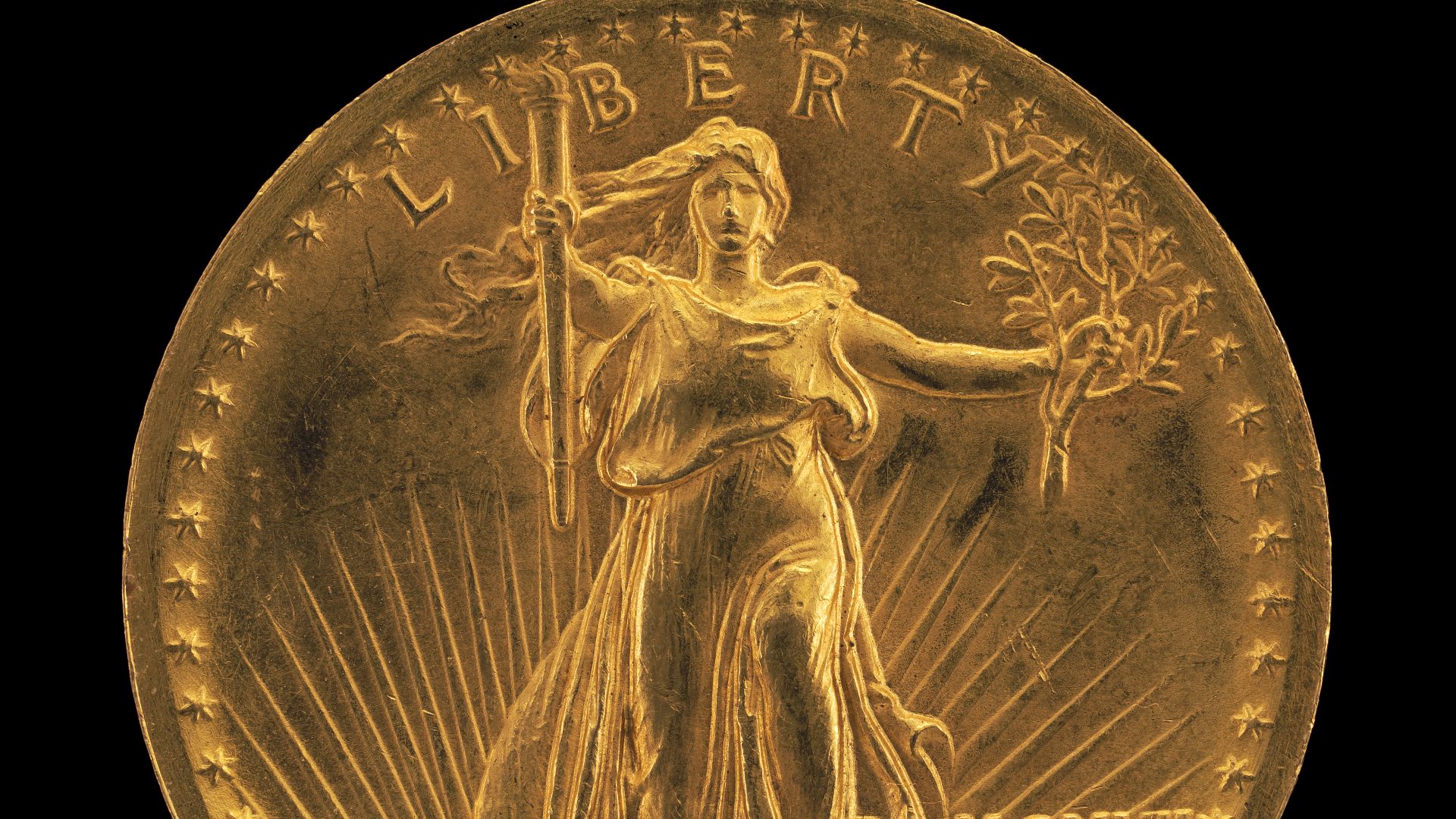
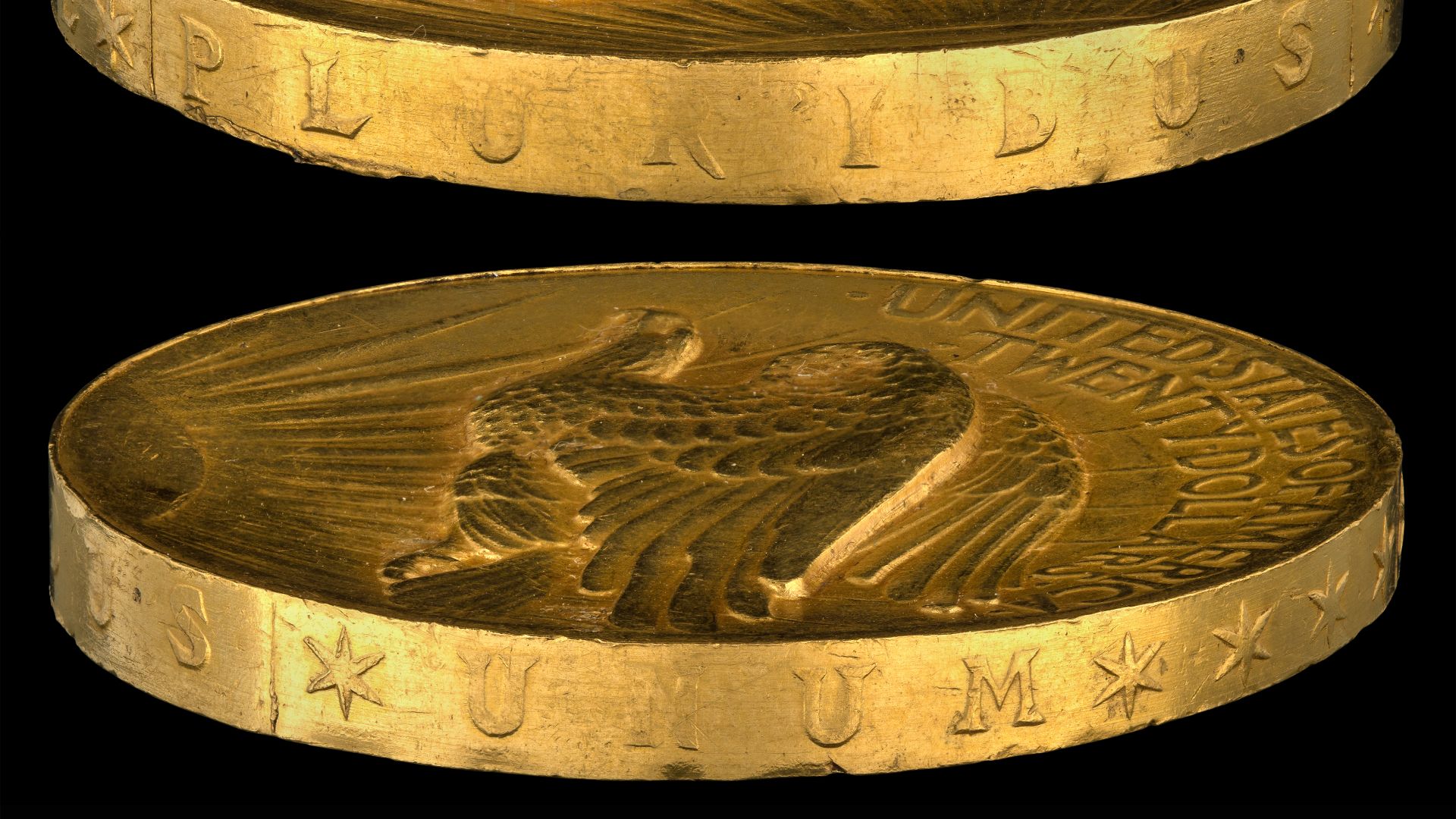
The most famous product of Roosevelt’s reform was the Saint-Gaudens $20 Double Eagle first issued in 1907. Its original high-relief version was absolutely stunning. The problem was that it wasn’t very practical for mass circulation. While it was short-lived, it proved that American pursuit of excellence in coinage could rival that of the ancient art, setting a standard that collectors still chase today.
 Augustus Saint-Gaudens, Wikimedia Commons
Why High-Relief Coins Cost More
High-relief coins require more striking pressure, specialized dies, and generally slower minting processes. Production runs are usually a lot smaller, which means there are fewer of these coins around. Add in higher artistic labor and collector demand, and the premiums rise quickly. Getting a sense of this cost structure helps buyers avoid sticker shock and make smart collecting decisions.
 US Mint (coin), National Numismatic Collection (photograph by Jaclyn Nash), Wikimedia Commons
How To Start A High-Relief Collection
New collectors should always start out small, and focus their efforts on modern bullion high-relief issues before they endeavor to branching into rare and far more expensive historical pieces. Look for reputable mints, clear documentation, and designs that you genuinely enjoy holding in your hand and looking at. This approach builds confidence while also laying the foundation for evaluating quality and long-term value.
What Makes A Great High-Relief Coin
The clarity of the design matters just as much as its depth. Strong contrast, clean transitions, and sharp edges indicate quality striking by someone who knew what he (or she) was doing. Sloppy details or uneven relief can ruin what was an otherwise impressive design. Learning to spot these traits trains your eye, which is your greatest tool when comparing similar pieces across price ranges.
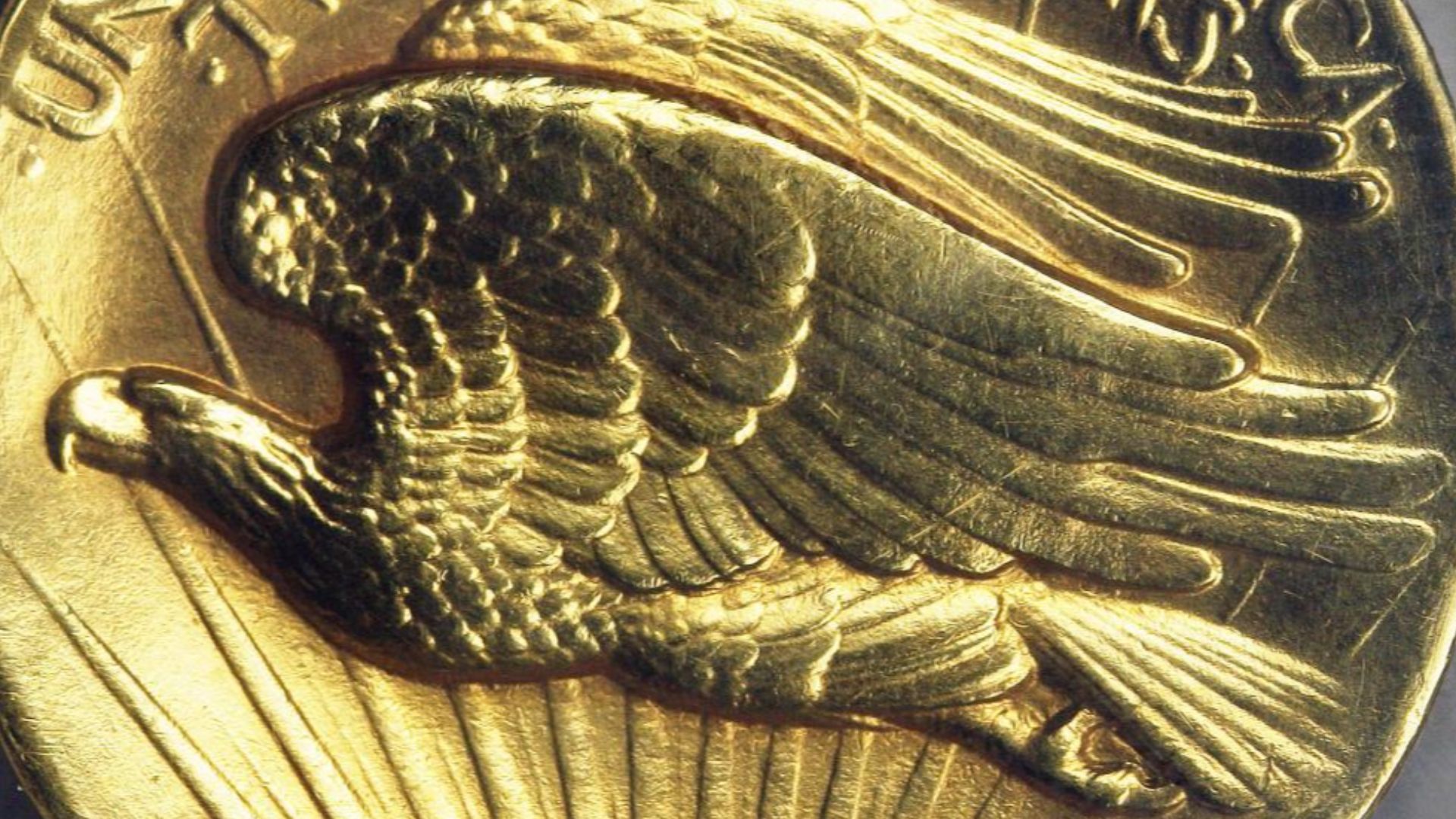 Coin: Augustus Saint-Gaudens Image by Lost Dutchman Rare Coins, Wikimedia Commons
Gold Or Silver: Which To Choose
As you can imagine, gold high-relief coins carry higher premiums than silver, but they concentrate value in smaller space. Silver offers a lot more accessibility, allowing collectors to experiment without such heavy upfront cost. Many seasoned collectors hold both, using the silver to explore different eras and artistic styles while reserving gold for collection centerpieces with lasting prestige.
Proof, Bullion, Or Limited Editions
Proof high-relief coins emphasize mirror finishes and fine detail, while bullion versions put the emphasis on metal content. Limited editions combine the best of both worlds, often driving higher premiums. Knowing the difference between the two helps navigate the market and align purchases with your goals, whether it’s aesthetic enjoyment, wealth storage, or speculative appreciation.
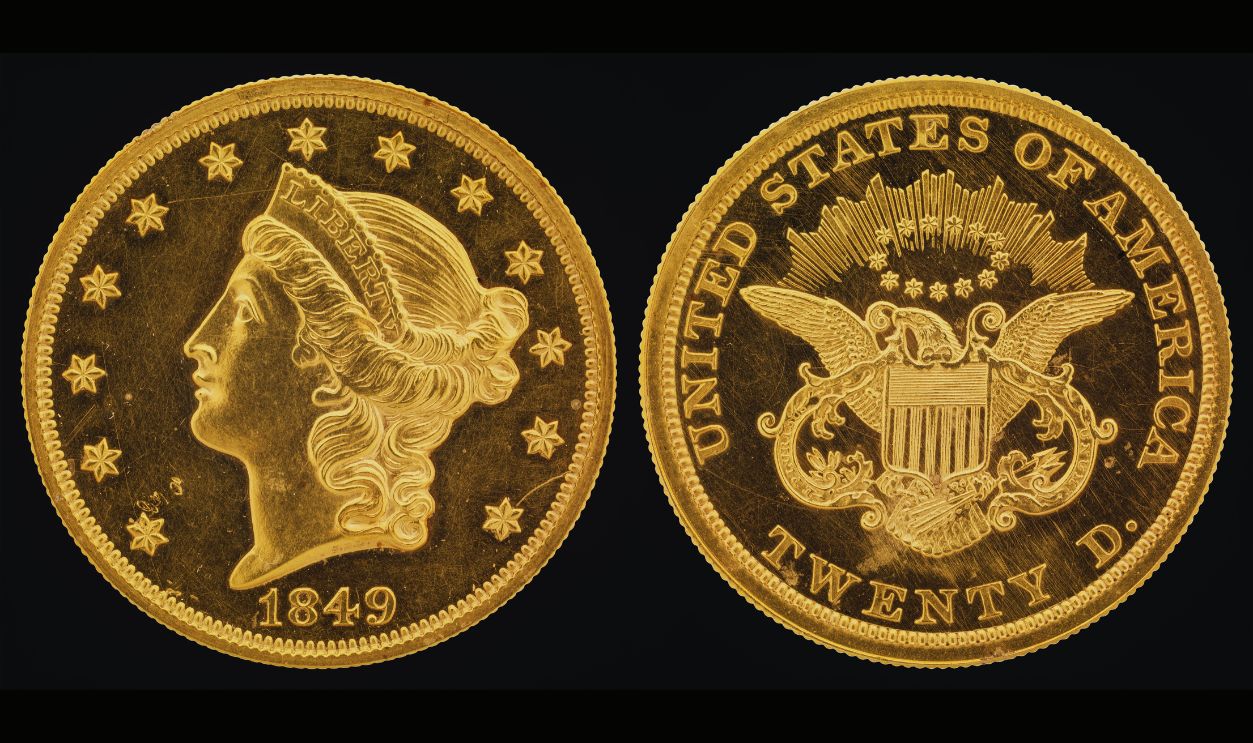 US Mint (coin), National Numismatic Collection (photograph by Jaclyn Nash), Wikimedia Commons
How Much Silver?
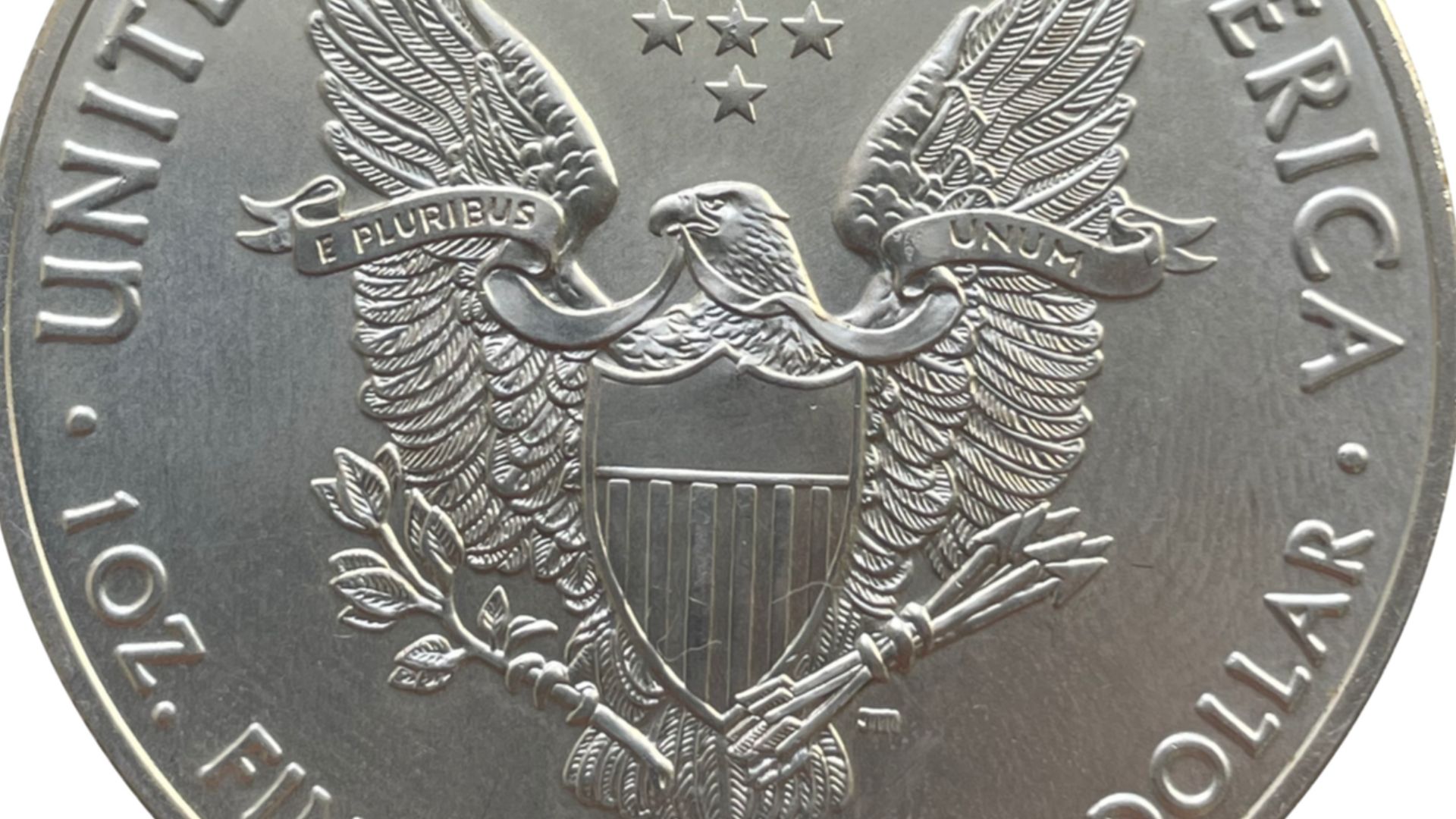
Modern silver coins minted for collectors and investors are prized for their high metal content. Today’s bullion coins, like the widely collected American Silver Eagle, are struck from .999-fine silver, meaning 99.9 % pure silver content per ounce, with some issues reaching .9999 purity in special series. This near-pure metal enhances both intrinsic value and investor confidence. Note that the American Silver Eagle isn’t a high-relief coin, though.
Popular Modern High-Relief Coins To Collect
Collectors gravitate toward high-relief coins from respected private and national mints. These can include themed series featuring mythological figures, animals, and historical icons. These modern releases balance timeless dramatic artistry with reliable precious metal content, making them ideal entry points for the novice before moving on in pursuit of rarer or vintage examples.
 Arkaio Nomisma, Wikimedia Commons
A Gold Standard
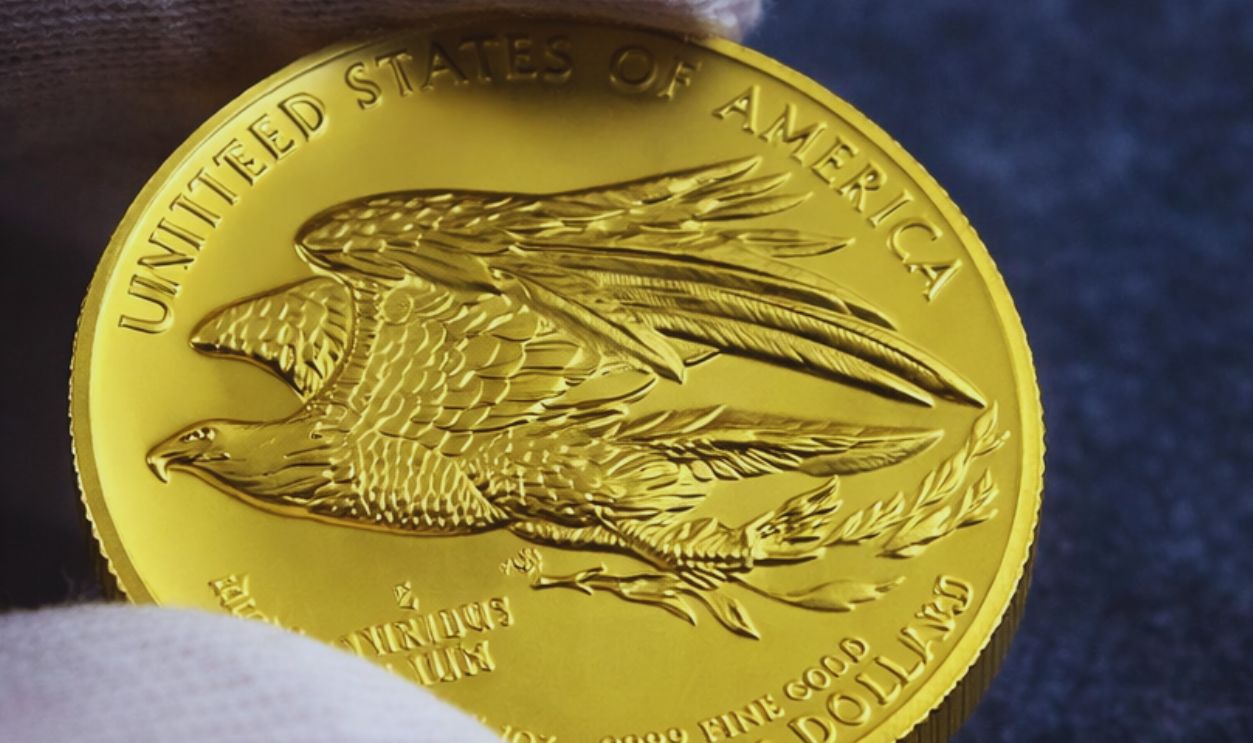
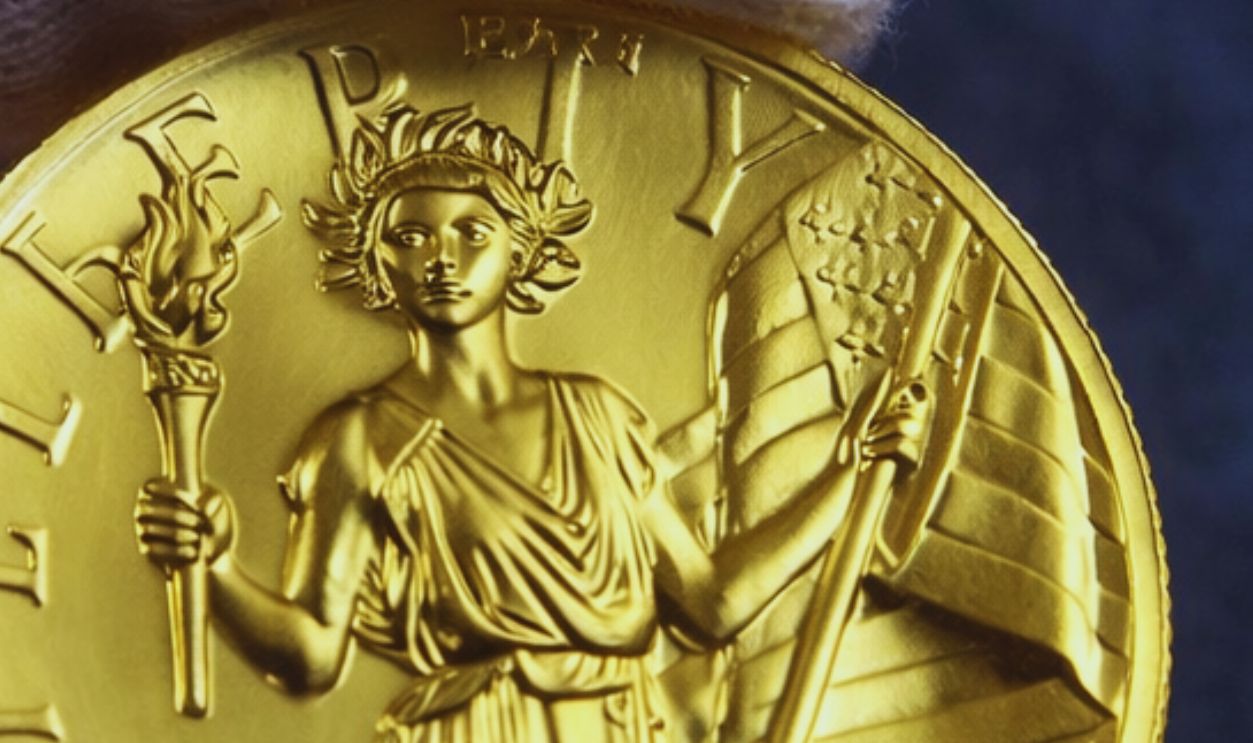
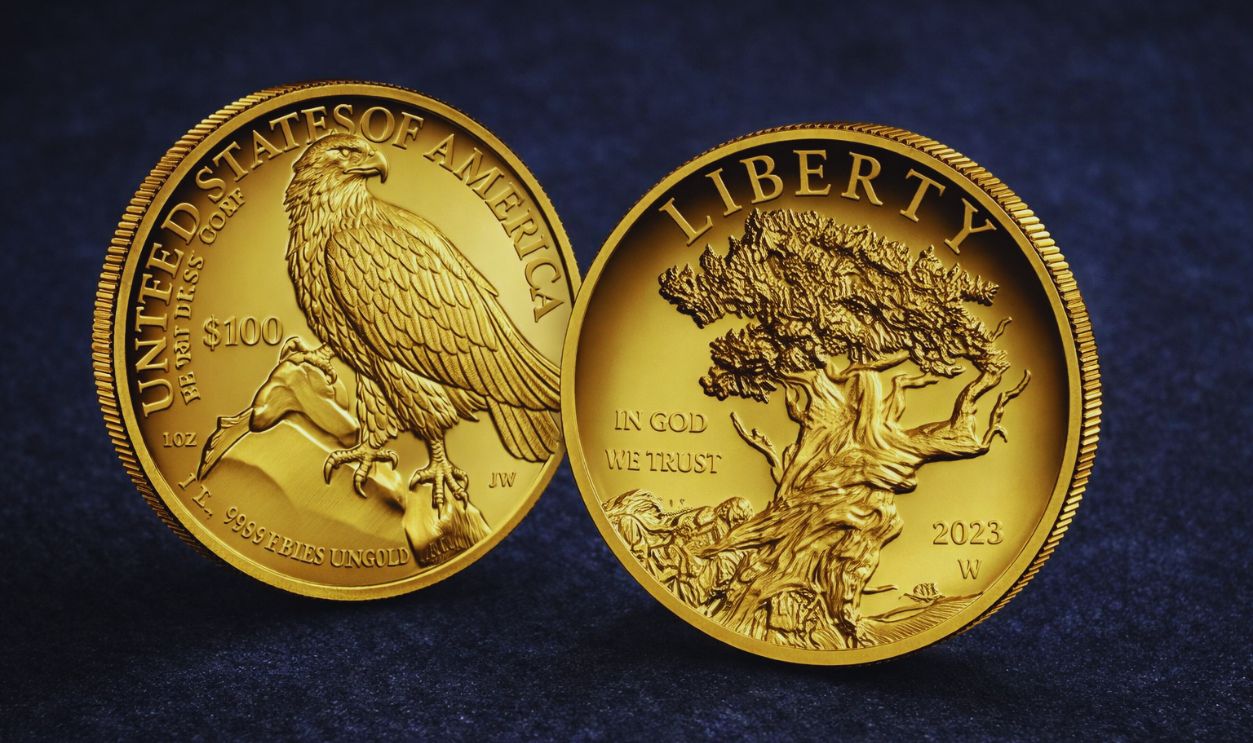
The 2023 American Liberty High Relief Proof Gold Coin is a stunning modern showcase of high-relief artistry and U.S. minting excellence. Struck on one ounce of .9999-fine (24K) gold, it carries a $100 face value and a tight authorized mintage of just 12,500 pieces, making it highly collectible. As of late 2025, dealer and auction prices cluster in the mid-$6,000s to low-$8,000s, reflecting both its metal content and strong collector demand.
Silver Standout
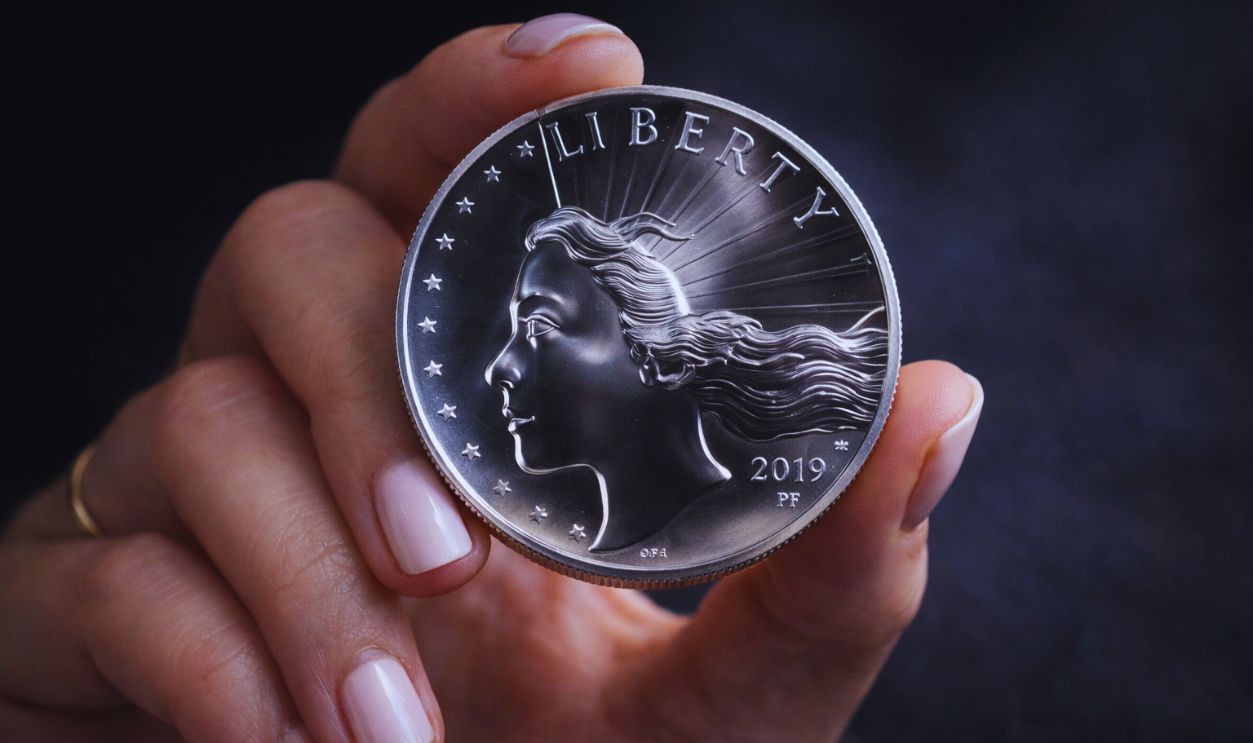
The American Liberty Silver Medals pair with the high-relief gold coins as modern interpretations of freedom from the U.S. Mint’s Liberty series. First struck in high relief in 2019, these medals share iconic Liberty-themed designs and are typically produced in 99.9 % fine silver, often with limited mintages that appeal to collectors who value artistry as much as they do metal content.
Storage And Protection Considerations
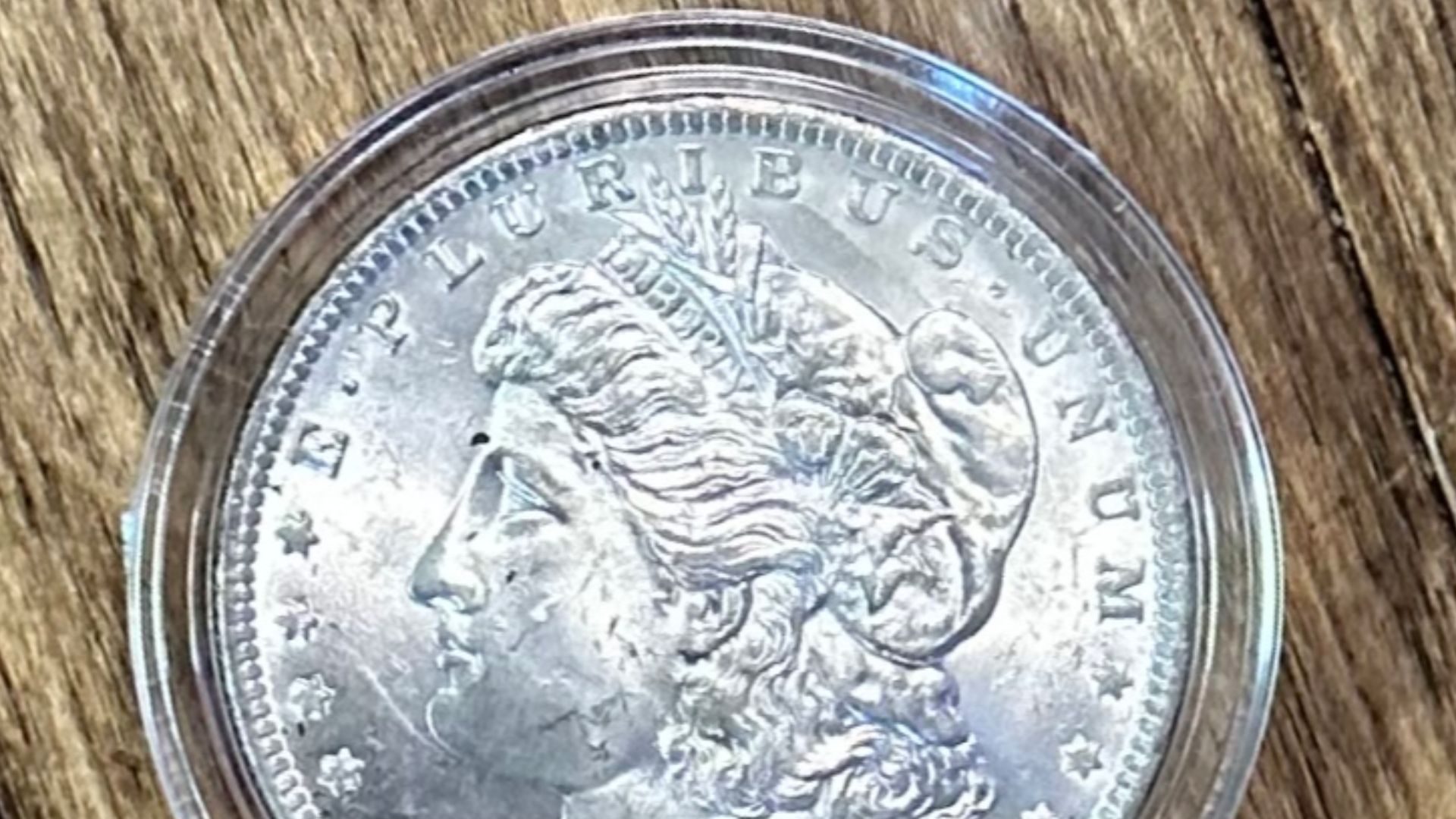
High-relief coins are a lot more vulnerable to contact and abrasion because of their raised designs. Protective capsules and controlled storage conditions are a must. Any neglect of the storage conditions can erase value quickly, which will be an especially painful experience when dealing with premium pieces intended to hold worth over time.
Estimating Long-Term Value
Long-term appreciation of high-relief coins depends on more than just metal prices. Artistic reputation, mintage limits, and prolonged strong collector interest are all important factors. High-relief coins linked to enduring themes or iconic designs tend to age a lot better than novelty releases. Your enthusiasm must be balanced by comprehensive background research.
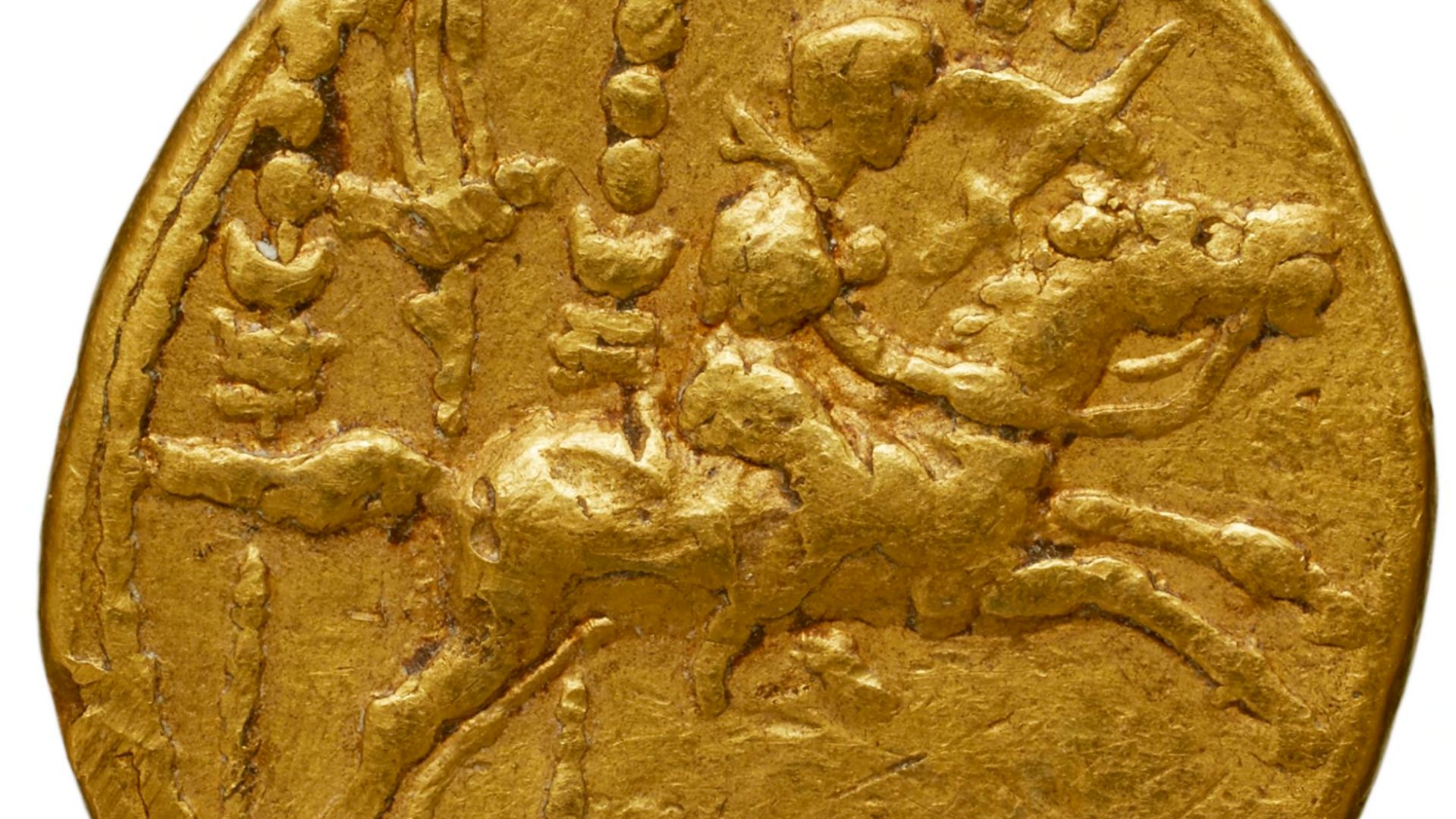 Unknown authorUnknown author / National Library of France, Wikimedia Commons
Balancing Beauty And Investment
The strongest collections are built where visual appeal comes under the eagle eye of a wily collector who has done his homework. Don’t chase hype alone. Instead, try to focus on the coins you’d happily keep around even if prices should stagnate. This mindset helps collectors avoid regret while allowing the financial upside to emerge naturally over time.
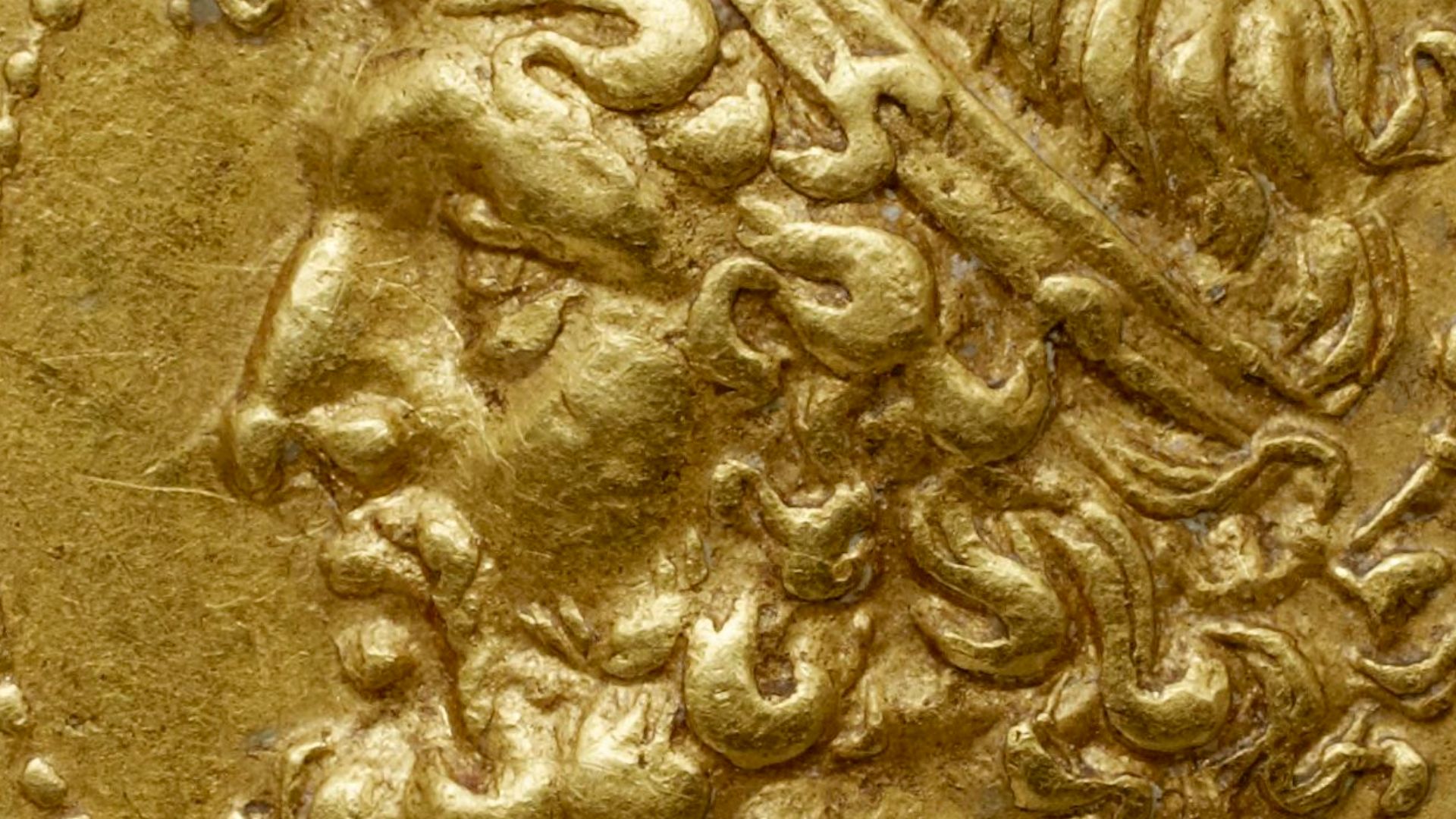 Unknown authorUnknown author, Wikimedia Commons
Why High-Relief Coins Keep Winning New Fans
High-relief coinage offers collectors something rare: tangible wealth fused with craftsmanship that approaches artistry. In a disposable age of digital assets and abstract investments, their physical presence is solid, tangible, and timeless. That unique appeal ensures that demand continues to grow, which is why new collectors keep discovering them every year.
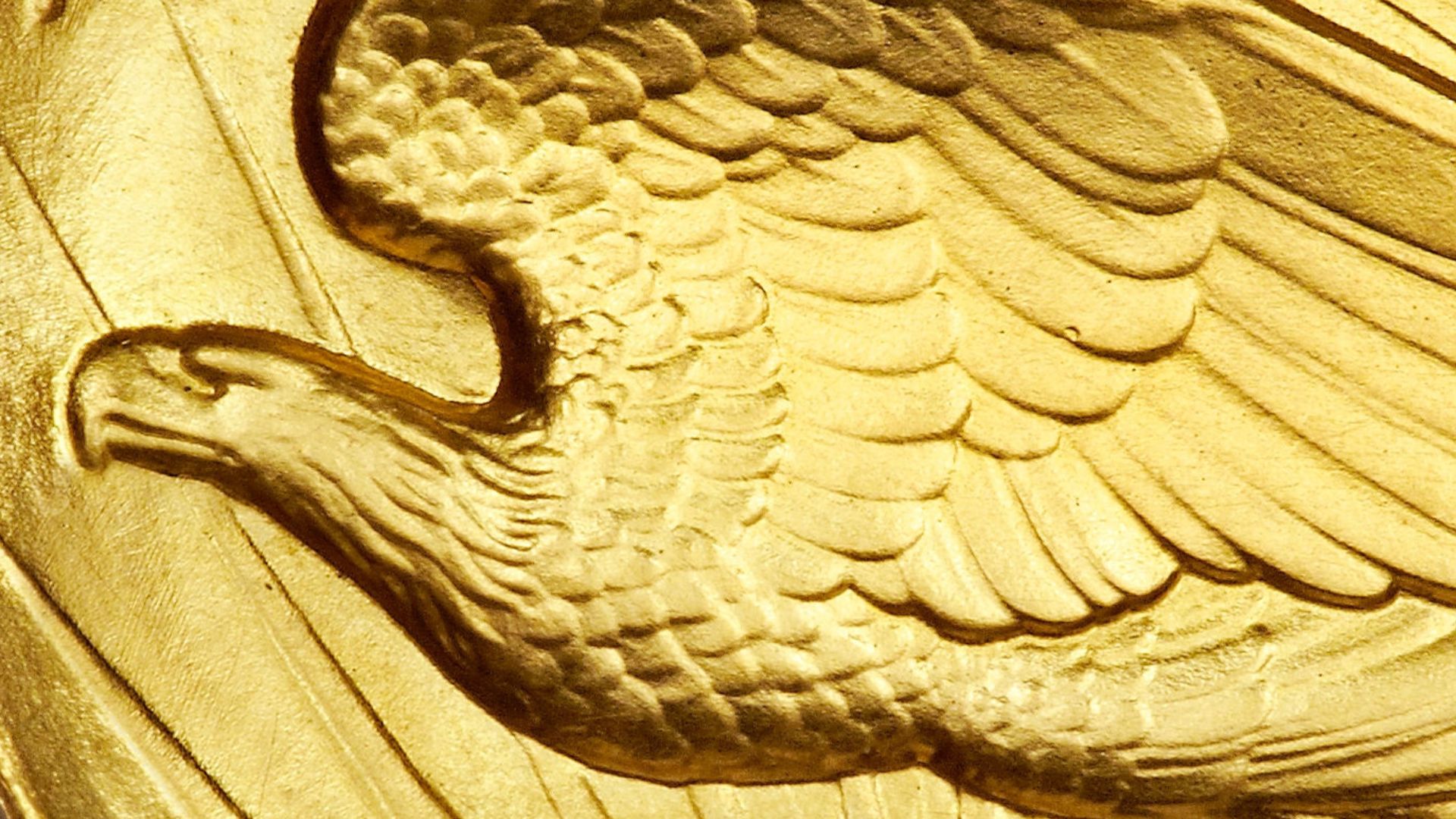 Heritage Auctions (image); U.S. Mint (coin), Wikimedia Commons
You May Also Like:
Every True Collector Would Do Anything These For Coins
Old Coins From Other Countries That Are Now Worth A Pretty Penny







.jpg%20)