
When One Tap Turns Into Two Charges
You finally make a big purchase and tap your card with confidence. Then your banking app lights up with two identical charges and your account suddenly freezes up. Duplicate charges are more common than many people realize, usually caused by processing glitches or authorization errors. The good news is that there are clear steps you can take to get your money back and restore access to your account quickly.

Why Duplicate Charges Happen
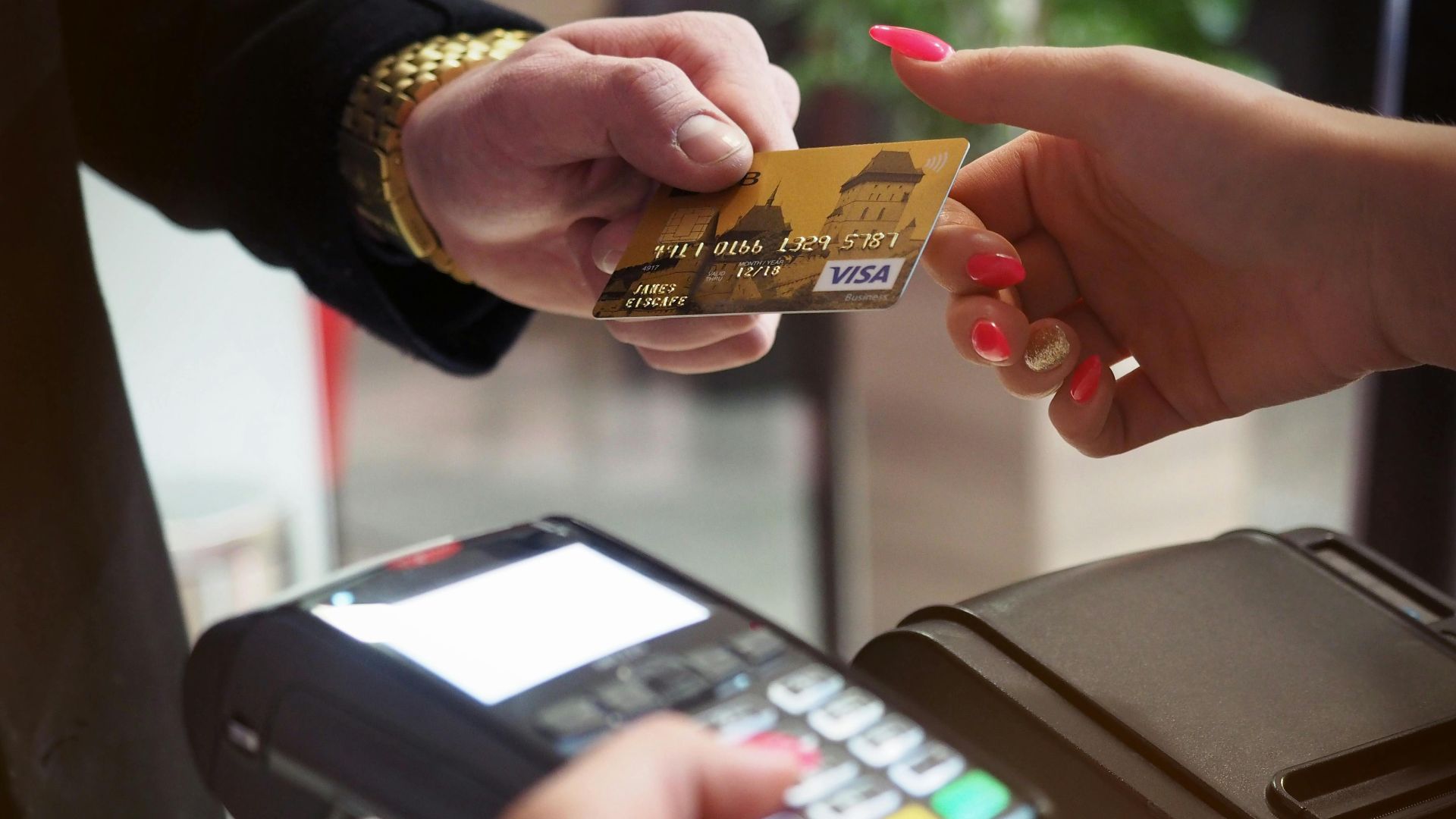
Card payments move through several systems before they officially settle. A glitch at the payment terminal, bank, or payment network can accidentally create two pending transactions. Sometimes the merchant unknowingly retries the payment after a delay.
Restaurants, hotels, gas stations, and large retailers are especially known for authorization issues. A tap that appears to fail may actually go through behind the scenes. When the cashier asks you to tap again, you could end up with two charges.
The Difference Between Pending And Posted Charges
Not every duplicate charge is permanent. Many duplicate transactions first appear as pending authorizations. These temporary holds often disappear within a few business days.
A posted charge is different because the money has officially left your account. Pending transactions may resolve themselves automatically, but posted duplicate charges usually require action from the merchant or bank.

Why Your Account May Freeze
Large duplicate charges can trigger fraud alerts or overdraft protections. Banks monitor unusual spending patterns and may temporarily freeze an account or decline additional purchases if something looks suspicious.
This can be especially stressful if the purchase drained most of your available balance. Some banks also freeze debit cards automatically while they investigate potential fraud.

Debit Card Problems Can Hit Harder
Duplicate charges on debit cards can create immediate cash flow issues. The money comes directly out of your checking account, which can affect rent payments, automatic bills, and everyday purchases.
Credit card disputes are often easier to manage because the money has not technically left your bank account yet. With debit cards, you may have to wait for the funds to return.

Start By Checking Your Receipt
Your receipt is one of the most important pieces of evidence. Look closely at the timestamp, amount, and authorization details. This helps confirm whether the charges are truly duplicates or if one includes a tip or fee adjustment.
Digital receipts and screenshots from your banking app are also useful. Save copies immediately in case the transaction history changes later.

Contact The Merchant First
The merchant is often the fastest path to a resolution. Call the store and explain that you were charged twice for the same purchase. Many businesses can quickly reverse one transaction if they spot the error.
Be polite but direct. Ask for a timeline on when the refund should appear because reversals can take several business days.

Ask If One Charge Is Just A Hold
Some merchants place temporary authorization holds that look like real charges. Hotels, gas stations, and car rental companies commonly do this to confirm funds are available.
If one transaction is only a hold, it may disappear automatically. Ask the merchant whether both transactions settled or if one is still pending.

Call Your Bank Immediately
If the merchant cannot help or you cannot reach them, contact your bank or card issuer right away. Explain that you see duplicate charges tied to a single purchase.
Banks can often flag the transaction and start a dispute investigation. Acting quickly also helps protect you from additional fraudulent activity if the issue is not simply a processing error.

Know Your Consumer Protections
Consumers in the United States have legal protections for billing errors. The Fair Credit Billing Act protects credit card users from certain unauthorized or incorrect charges.
Debit card protections exist too, though they work differently under the Electronic Fund Transfer Act. Timing matters because reporting delays can reduce your protection rights.

Timing Matters More Than You Think
The sooner you report a duplicate charge, the better. Many banks recommend notifying them within 60 days after the statement date that includes the error.
For debit cards, reporting within two business days after noticing suspicious activity can limit your liability. Waiting too long can complicate the dispute process.

Watch For Temporary Refund Credits
Some banks issue provisional credits during investigations. This means they temporarily return the disputed amount while they review the case.
A provisional credit can help restore access to your money faster. However, the bank can remove it later if the investigation finds the charge was valid.

Keep Detailed Notes
Write down every conversation you have about the issue. Record names, dates, times, and reference numbers from both the merchant and your bank.
Documentation can become extremely important if the dispute drags on. Organized records also make it easier to escalate the problem later if necessary.

Monitor Your Account Daily
Continue checking your account while the dispute is active. Look for refunds, updated transaction statuses, or new suspicious activity.
Fraud sometimes follows payment processing errors. Staying alert helps you catch additional unauthorized charges quickly.

Understand How Tap Payments Work
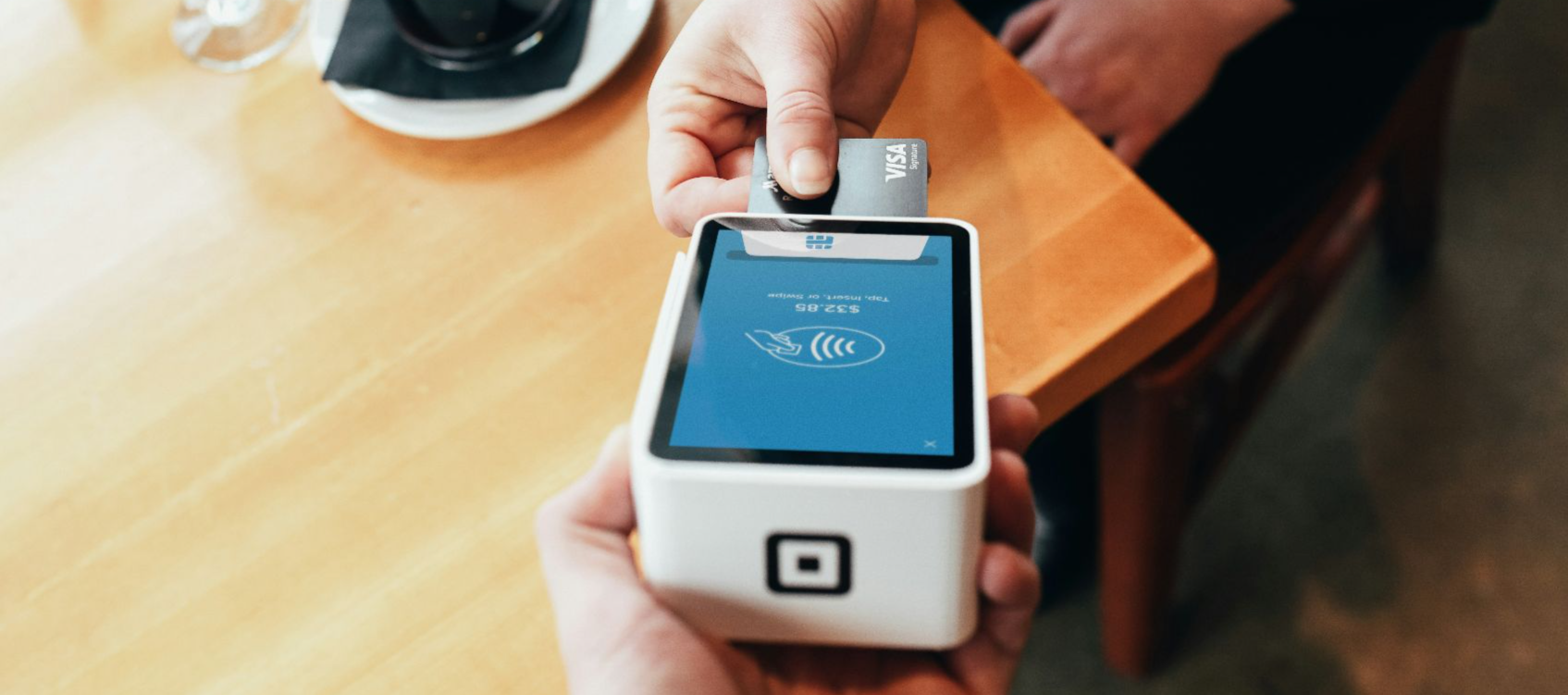
Tap-to-pay transactions use near-field communication technology. They are generally secure and encrypted, but no payment system is completely immune to technical failures.
Sometimes a terminal loses connection mid-transaction. The system may process the payment anyway even though the cashier sees an error message.
Why Cashiers May Accidentally Cause Double Charges
If a payment terminal freezes or lags, employees may ask customers to tap again. Unfortunately, the original payment may already be processing in the background.
This can create two authorizations within seconds of each other. The duplicate may not become obvious until the transactions appear in your account later.

Large Purchases Raise More Red Flags
Banks pay closer attention to unusually large transactions. A duplicate luxury purchase, appliance order, or electronics payment can trigger automatic fraud systems.
This is why your account or card may suddenly become restricted. The bank may interpret the second charge as suspicious activity.
Credit Cards Usually Offer Better Protection
Financial experts often recommend using credit cards for major purchases because dispute protections are typically stronger. Credit card issuers may also provide faster fraud investigations and easier chargeback processes.
Debit card disputes can take longer because the money leaves your account immediately. This difference becomes especially important during emergencies.

Ask About Expedited Investigations
Some banks can speed up investigations if the duplicate charge created financial hardship. Explain clearly if the frozen funds are preventing you from paying bills or buying necessities.
While not guaranteed, banks sometimes prioritize cases involving large sums or account access problems. It never hurts to ask.

Beware Of Scam Calls After A Dispute
Fraudsters sometimes target consumers after banking problems arise. If someone calls claiming to be from your bank, never provide passwords, PINs, or verification codes unless you initiated the call yourself.
Use the phone number listed on your bank card or official website. Scammers often exploit stressful financial situations.

Consider Using Alerts In The Future
Banking alerts can help you spot duplicate charges immediately. Most banks allow you to enable push notifications or text alerts for every card transaction.
Real-time notifications make it easier to react quickly. Faster reporting can improve your chances of a smooth resolution.

Mobile Wallets Add Another Layer Of Security
Digital wallets like Apple Pay and Google Wallet tokenize card information instead of sharing the actual card number with merchants. This can reduce some types of fraud risk.
However, tokenized payments can still experience processing glitches. Even secure payment systems are not immune to duplicate authorizations.

Chargebacks Are A Last Resort
If the merchant refuses to fix the issue, your bank may initiate a chargeback. This process forces the merchant’s payment processor to review the dispute.
Chargebacks can take several weeks or even months. They are powerful consumer tools, but they are usually not the fastest solution.

Keep Emergency Savings If Possible
A frozen account highlights why emergency savings matter. Even temporary banking errors can disrupt access to money for days or longer.
Financial experts often recommend keeping a small cash buffer in a separate account. That cushion can help during unexpected payment problems.

Avoid Repeated Tapping At Checkout
If a payment terminal seems slow, wait before tapping again. Ask the cashier to confirm whether the transaction went through first.
Repeated taps can accidentally trigger multiple authorizations. Patience at checkout may save you hours of frustration later.

What To Do If The Refund Never Arrives
If weeks pass without a resolution, escalate the issue. Ask to speak with a supervisor at your bank or file a written complaint with the Consumer Financial Protection Bureau.
You can also request written confirmation of the dispute investigation results. Persistent follow-up is sometimes necessary to recover your money.

The Bottom Line On Duplicate Charges
A duplicate card charge can feel terrifying, especially when it freezes your account during a major purchase. Fortunately, most cases are fixable with quick action, careful documentation, and persistence.
Start with the merchant, contact your bank immediately, and keep detailed records throughout the process. The faster you act, the better your chances of resolving the issue without lasting financial damage.

You May Also Like:
My bank froze my account after I made one large deposit. Is that really legal?