
My Bank Charged Me A Fee For Being Poor
You check your bank account, realize you’re already running low, and then suddenly there’s another charge sitting there making things even worse. Maybe it’s an overdraft fee, a non-sufficient funds fee, or a minimum balance fee, but the reaction is usually the same: how does this make any sense? If you’re already struggling financially, why is the bank charging you more money? It feels backwards and honestly kind of cruel. The surprising answer is yes, these fees are generally legal, but that doesn’t mean banks can charge whatever they want however they want. There are rules around how these fees work, and there may be ways to reduce or avoid them.
Banks Make A Lot Of Money From These Fees
This is the part many people don’t realize: overdraft and related account fees have historically generated billions of dollars for banks every year. That’s one reason these fees became such a huge target for regulators and consumer advocates in recent years.

What An Overdraft Fee Actually Is
An overdraft fee usually happens when your account balance drops below zero and the bank still allows a payment or transaction to go through. Essentially, the bank temporarily covers the shortfall, then charges you a fee for doing it. In the bank’s view, they extended short-term credit. In your view, it probably feels like getting kicked while you’re already down.

NSF Fees Are Slightly Different
A non-sufficient funds (NSF) fee happens when the bank declines a payment because you didn’t have enough money available. So ironically, whether the transaction goes through or gets rejected, you can sometimes still end up paying a fee. That’s part of why so many consumers find these charges so frustrating.

Minimum Balance Fees Catch People Off Guard Too
Some banks charge monthly maintenance fees if your balance falls below a certain amount. These are different from overdraft fees, but they trigger the same emotional reaction: “I’m being penalized for being broke”. Unfortunately, these fees are also generally legal as long as the bank properly disclosed them in the account agreement.
 Andrii Iemelianenko, Shutterstock
Yes, These Fees Are Usually Legal
As annoying as they are, overdraft and account fees are generally legal under US banking laws if the bank clearly disclosed the terms to customers. That disclosure piece is extremely important because banks can get into trouble when fees are hidden, misleading, or applied unfairly.

Regulators Have Been Cracking Down
The Consumer Financial Protection Bureau (CFPB) has spent years targeting what it considers abusive or unfair overdraft practices. That includes surprise overdraft fees and situations where consumers couldn’t reasonably anticipate getting charged.
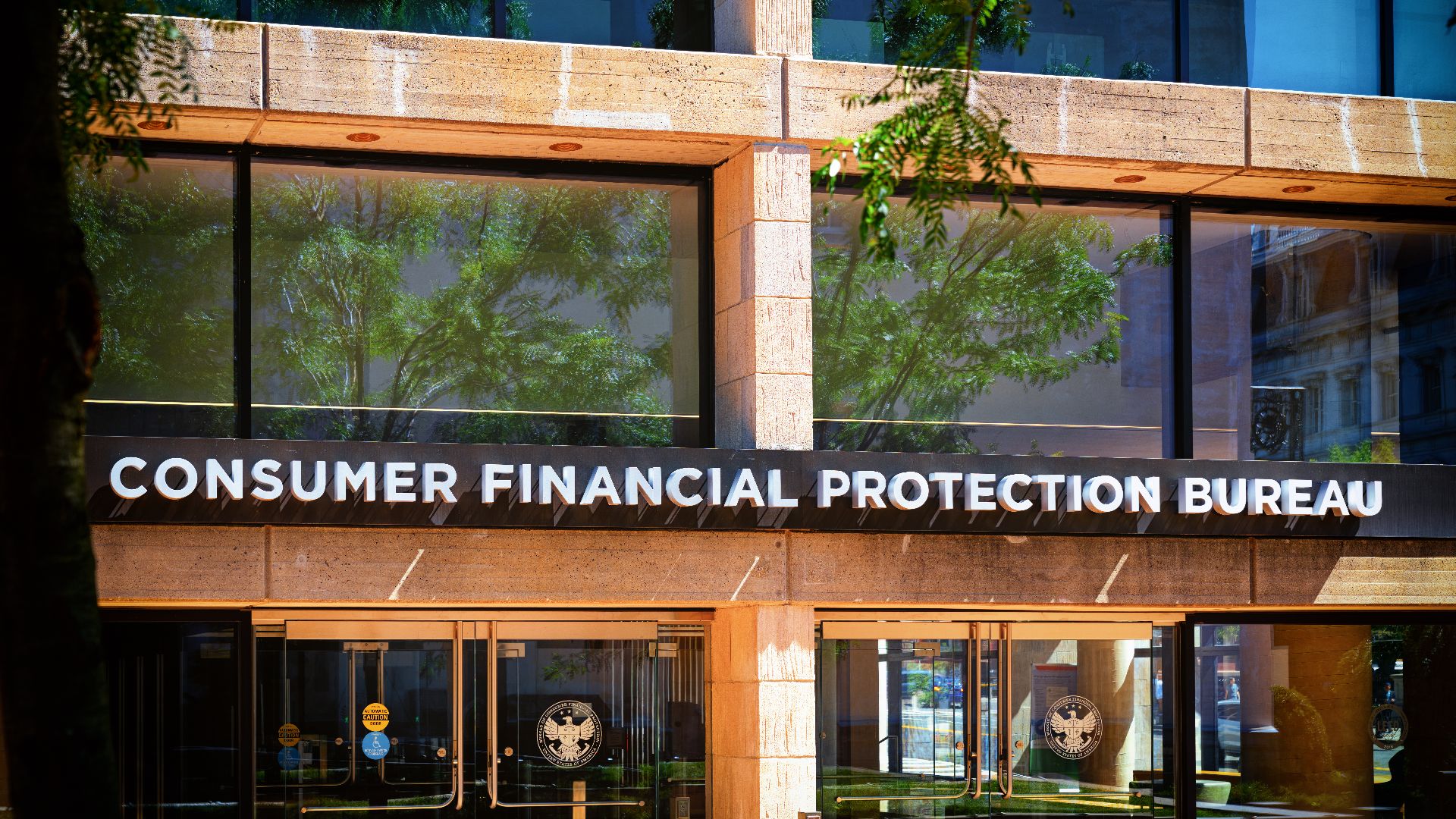 Tony Webster, Wikimedia Commons
Some Banks Changed Their Policies
Because of regulatory pressure and public backlash, many banks have reduced or eliminated certain overdraft fees in recent years. Some now offer grace periods, lower fees, or no-overdraft accounts altogether. So, while the fees are still common, the banking industry has started shifting somewhat.

The “Authorize Positive, Settle Negative” Problem
One controversial practice involved transactions that appeared approved when your balance looked sufficient, only to trigger overdraft fees later when other charges posted first. Regulators specifically criticized these practices as potentially unfair.

The Fees Can Snowball Fast
One overdraft fee often turns into multiple fees. A single negative balance can trigger additional penalties, declined payments, or recurring subscription charges bouncing one after another. That’s why overdraft situations can spiral so quickly.
Step One: Read Your Account Terms
As boring as it sounds, your account agreement matters here. It explains when fees apply, how much they are, and whether you opted into overdraft coverage. A lot of people don’t even realize they previously agreed to overdraft protection.

You Usually Have To Opt In For Debit Card Overdrafts
Federal rules generally require banks to get your permission before charging overdraft fees on most debit card and ATM transactions. If you never opted in, and you’re still being charged certain overdraft fees, that’s worth questioning.

Step Two: Ask The Bank To Waive The Fee
Here’s something people underestimate: banks often waive fees if you ask politely, especially for first-time overdrafts or long-time customers. It’s absolutely worth making the call instead of assuming the answer is automatically no.

Smaller Banks And Credit Unions May Be More Flexible
Big national banks tend to rely more heavily on fee revenue. Smaller community banks and credit unions are sometimes more flexible and consumer-friendly when it comes to overdraft policies.

You Can Turn Overdraft Protection Off
If you’d rather have transactions declined instead of risking overdraft fees, you may be able to opt out of overdraft coverage entirely. That can prevent future surprise fees, though it also means purchases may get rejected when funds are low.

Low-Balance Alerts Can Help A Lot
Many banks let you set up text or app alerts warning you when your balance drops below a certain amount. These alerts can help you catch problems before fees start stacking up.

Linked Savings Accounts Can Reduce Fees
Some banks allow automatic transfers from savings to checking if your balance gets too low. That’s often much cheaper than paying repeated overdraft charges.

There’s Growing Political Pressure Around These Fees
Overdraft fees became such a controversial issue that lawmakers and regulators repeatedly called them “junk fees.” There have even been proposals to cap overdraft fees at much lower amounts. Some reforms moved forward, others faced lawsuits or rollback efforts. As such, the exact rules may continue evolving over time.

So, What Should You Do Right Now?
Start by reviewing exactly what kind of fee you were charged and why. Then contact your bank to ask whether the fee can be waived or whether there are account options with fewer penalties. Going forward, alerts, overdraft settings, and different account types may help you avoid repeat charges.

Final Thoughts
Yes, banks can legally charge overdraft, NSF, and minimum balance fees in many situations, even though it feels incredibly unfair when money is already tight. But banks still have to follow disclosure and consumer protection rules, and regulators have increasingly cracked down on abusive practices. The encouraging thing is that you’re not powerless here. Between fee waivers, account changes, and newer consumer protections, there are often ways to reduce or avoid these charges moving forward.

You May Also Like:
I’m 60 years old and I just heard about the retirement Rule of 173—now I’m panicking. Am I too late?