
Where Did Your Money Go?
You walk up to the ATM, deposit your cash, and expect it to show up in your account like normal. Instead, the machine freezes, spits out an error, and suddenly your $1,000 is nowhere to be found. Then to make things worse, your account gets locked while the bank “investigates.” It’s stressful, confusing, and feels completely out of your control. But here’s the reassuring part: ATM errors like this do happen, and there’s a standard process for fixing them. In most cases, the money does get tracked down, even if it takes a little time.
ATM Errors Are Rare, But Not Unheard Of
Banks design ATMs to be highly accurate, but they’re still machines, and machines can fail. Deposits can jam, sensors can misread bills, or the system can crash mid-transaction. When that happens, your money doesn’t just disappear into thin air, it usually ends up inside the machine and gets flagged during reconciliation. That’s why banks take these situations seriously, even if it feels slow from your side.
 Alexandros Giannakakis, Unsplash
Your Account Lock Isn’t Punishment
Seeing your account locked can feel like you’re being blamed, but that’s usually not what’s happening. Banks often restrict accounts temporarily when there’s an unresolved transaction, especially one involving cash. It’s meant to prevent further activity until they verify what happened. Annoying? Definitely. But it’s part of their process, not a sign you did something wrong.

Report The Issue Immediately
If you haven’t already, contact your bank as soon as possible and report exactly what happened. Give them the ATM location, date, time, and the amount you were trying to deposit. The more details you provide, the easier it is for them to track the transaction. Timing matters here, so don’t wait hoping it resolves on its own.

Keep Your Receipt Or Confirmation
If the ATM printed a receipt or showed any kind of confirmation screen, hold onto that information. Even partial receipts or error messages can help support your claim. If you didn’t get a receipt, don’t worry, the bank can still investigate using the machine’s internal records.

Ask For A Case Number
When you report the issue, ask for a claim or case number. This gives you something to reference if you need to follow up. It also ensures your issue is officially logged instead of getting lost in general customer service notes.

How The Bank Actually Investigates
Behind the scenes, the bank will review the ATM’s electronic logs and physically count the cash inside the machine. ATMs track deposits very closely, so if there’s extra cash in the machine, it usually matches a failed transaction. This process is what ultimately confirms whether your deposit went through or got stuck.

Why It Takes Time
This is the part most people find frustrating. ATM audits don’t always happen immediately, especially if the machine is serviced on a schedule. It can take several days, or sometimes longer, for the bank to reconcile the machine and confirm your claim. It feels slow, but it’s part of making sure everything lines up correctly.

You May Get A Temporary Credit
In some cases, banks will issue a provisional or temporary credit while they investigate. This means they give you access to the funds while the review is ongoing. It’s not guaranteed, but it’s worth asking about if the missing money is causing immediate problems.

Follow Up If You Don’t Hear Back
Don’t assume no news is good news. If you haven’t heard anything within a few days, follow up with your bank using your case number. Staying on top of it shows you’re paying attention and can help keep things moving.

Document Everything
Keep a record of every call, email, and interaction with your bank. Write down dates, times, and who you spoke with. If the process drags on or there’s a dispute, having a clear timeline can help your case.

What If The ATM Wasn’t Your Bank’s?
If you used an ATM from a different bank or a third-party machine, things can get a bit more complicated. You’ll still report the issue to your own bank, but they may need to coordinate with the ATM owner. This can add time, but the process is still the same in principle.
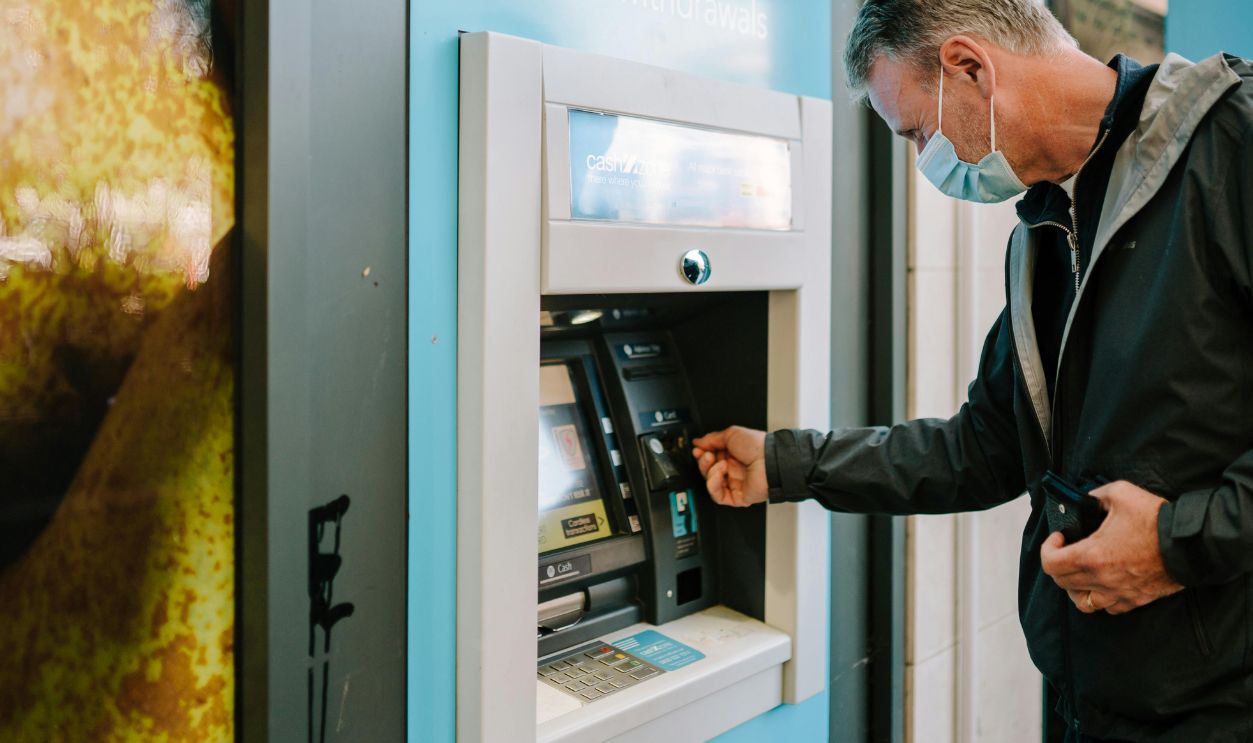 Centre for Ageing Better, Pexels
Understand Your Rights
In the U.S., ATM errors fall under electronic funds transfer protections. That means banks are required to investigate and respond within certain timeframes. Knowing this can give you confidence if things start to feel stalled.

Escalate If It’s Taking Too Long
If the bank isn’t responding or the investigation drags on without updates, you can escalate the issue. Ask to speak with a supervisor or file a formal complaint. If needed, you can also contact the Consumer Financial Protection Bureau (CFPB).

Stay Calm, Even If It’s Frustrating
It’s easy to feel like you’re getting the runaround, especially when your money is involved. But most ATM disputes do get resolved once the machine is balanced. Staying calm and persistent tends to get better results than getting aggressive.

Avoid Using That ATM Again
At least for now, it’s best to avoid the machine where the issue happened. Stick to ATMs inside bank branches if possible, since they’re generally serviced more frequently and can be easier to resolve issues with.

Consider Depositing Inside The Bank Next Time
As inconvenient as it can be, depositing cash with a teller gives you immediate confirmation and reduces the risk of errors. For larger amounts, it’s often the safer option.

You’re Not The Only One This Happens To
ATM deposit issues happen more often than people realize, especially with cash deposits. Banks have established procedures because they deal with these situations regularly. That means you’re not navigating something completely unknown.
 Vodafone x Rankin everyone.connected, Pexels
Most Cases Do Get Resolved
The encouraging part is that when the machine is audited and the numbers don’t match, your missing deposit usually shows up. It may take time, but the system is designed to catch these discrepancies.

So, What Should You Do Right Now?
If you haven’t already, report the issue, get a case number, and gather any details you can remember. Then follow up regularly and ask about provisional credit if needed. Stay organized and patient while the bank completes its investigation.

Final Thoughts
An ATM “losing” your money is one of those situations that instantly feels like a disaster. But in reality, it’s usually a temporary problem rather than a permanent loss. By acting quickly, keeping good records, and staying on top of the process, you give yourself the best chance of getting your money back and getting your account back to normal.

You May Also Like: