
When Your Setup Suddenly Isn’t Allowed
You’ve had your balcony set up the same way for years but then, out of nowhere, you get a notice from your condo board saying your furniture violates new safety rules. Not only that, they’re threatening fines if you don’t remove it. Now you’re wondering how something that was fine yesterday is suddenly a problem today, and whether they can actually enforce that. The short answer is: sometimes yes, but it depends on a few key details.

Condo Boards Usually Have Broad Rule-Making Power
Condo boards typically have the authority to create and enforce rules about common elements and exterior spaces, including balconies. Even though your balcony feels like your space, it’s often considered a limited common element, which means the board can regulate how it’s used.

Safety Rules Are Taken Seriously
When a condo board frames something as a safety issue, that carries weight. Rules about balcony use are often tied to concerns like fire risk, falling objects, or structural limits. If they can justify the rule on safety grounds, it’s more likely to hold up.

Your Condo Documents Matter A Lot
The first thing to check is your condo declaration, bylaws, and rules. These documents outline what the board can regulate and how rules can be changed. If the board followed the proper process, the rule may be valid even if it feels sudden.

New Rules Can Apply To Existing Setups
This is one of the more frustrating parts. Even if your furniture was allowed before, new rules can sometimes apply going forward. That means you may be required to comply, even if nothing about your setup has changed.

But The Board Has To Follow Proper Procedure
Condo boards can’t just make up rules on the spot. There’s usually a process they need to follow, like providing notice to owners or holding a vote, depending on your building’s governing documents and local laws.

Ask For The Rule In Writing
If you haven’t already received it, ask for a copy of the specific rule you’re allegedly violating. You want to see exactly what it says, how it’s worded, and when it was adopted. Some rules are very specific, like limits on furniture size, weight, or materials. Others are more general. The wording matters, because it determines whether your setup actually violates it.

Check If The Rule Is Being Applied Consistently
Take a look around your building. Are other residents being told to remove similar furniture? If the rule is only being enforced against you, that could raise fairness concerns.

Fines Are Often Allowed, But Not Unlimited
Many condo boards have the authority to issue fines for rule violations, but there are usually limits. There may be caps on amounts, requirements for warnings, or steps they need to follow before issuing penalties.

You May Be Entitled To Notice And A Chance To Respond
In many cases, the board has to give you notice of the violation and an opportunity to respond or correct it before fines start adding up. This process is often spelled out in your condo documents.

Ask Questions Before Taking Action
Instead of immediately removing everything, consider asking the board for clarification. What exactly is the concern? Is it the type of furniture, the placement, or something else? Getting specifics can help you figure out your options.

There May Be Room For Compromise
Sometimes the issue isn’t all of your furniture, just certain pieces. For example, they might be concerned about heavy items, unsecured objects, or anything that could blow off in strong winds. In some cases, adjusting your setup can resolve the issue.

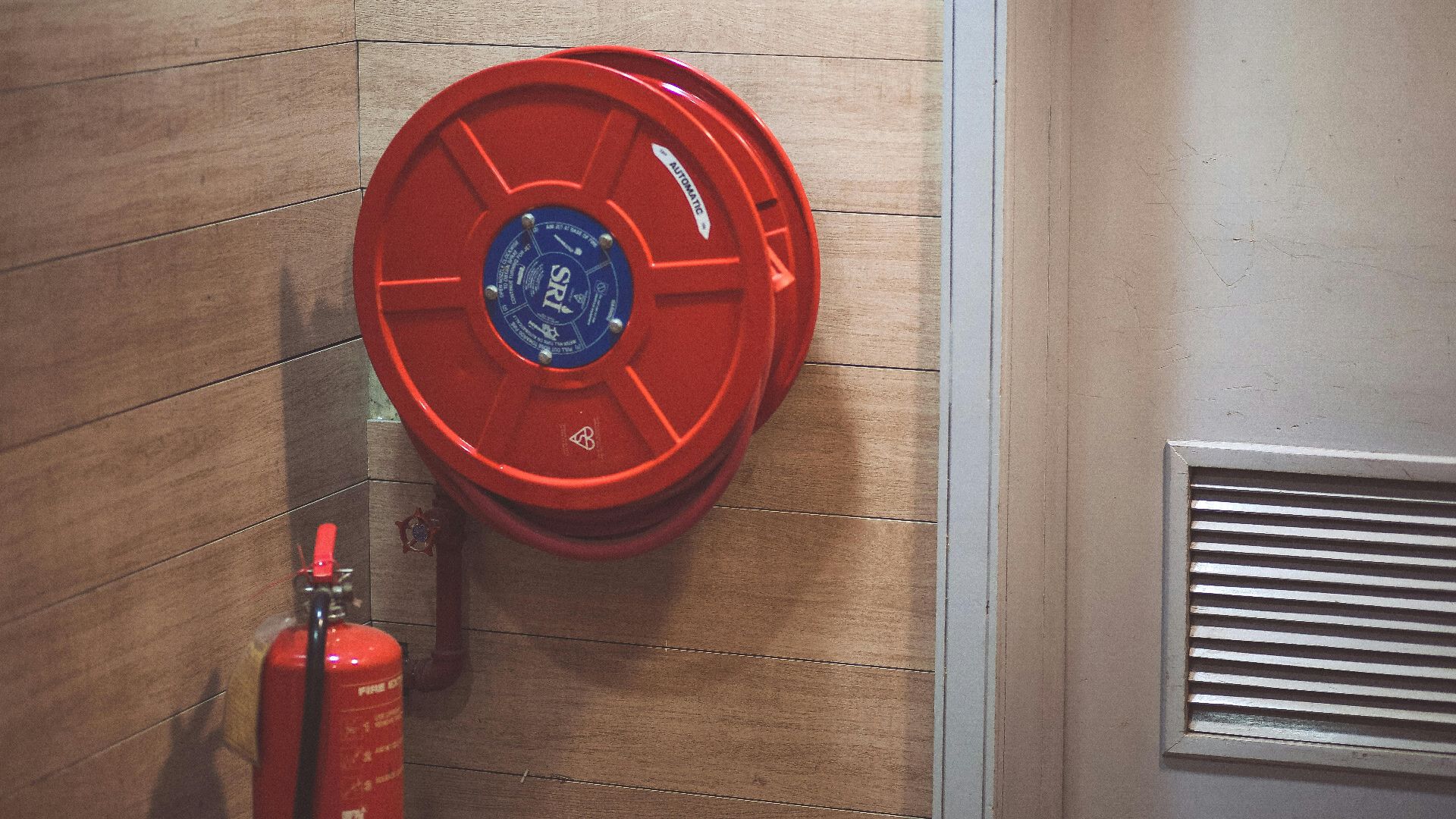
Safety Concerns Can Include Fire Regulations
In some buildings, balcony rules are tied to fire codes. Certain materials, storage of items, or blocking access points can be restricted. If that’s the case, the board may be enforcing external regulations, not just internal preferences.
You Can Request A Hearing Or Appeal
If you believe the rule is being applied unfairly or incorrectly, you may have the right to request a hearing with the board. This gives you a chance to explain your side and challenge the violation.

Documentation Helps Your Case
Take photos of your balcony setup and keep copies of all communication with the board. If things escalate, having a clear record can make a big difference.

Mediation Is An Option In Some Buildings
If the situation becomes tense, mediation can be a way to resolve the issue without escalating it further. Some condo associations even offer this as part of their dispute process.

Legal Advice Might Be Worth It For Larger Disputes
If fines are adding up or you believe the board is overstepping, it may be worth talking to a lawyer who specializes in condo or HOA law. They can review your documents and tell you if the rule is enforceable.

Don’t Ignore The Notices
Even if you disagree with the rule, ignoring it can make things worse. Fines can accumulate, and in some cases, the board may take further action to enforce compliance.

Final Thoughts: They Might Be Able To Enforce It, But You Still Have Options
Condo boards often do have the authority to enforce new safety rules, even if they affect existing setups like your balcony furniture. That said, they still have to follow proper procedures and apply rules fairly. Before removing everything, review the rule, ask questions, and consider your options. In some cases, a small adjustment or a formal challenge can resolve the issue without going straight to fines.

You May Also Like:
My landlord is refusing to return my deposit over "abnormal wear and tear." Do I have any recourse?