
When A Hidden Problem Finally Explodes
You lived above a problem you couldn’t fully see. There were smells, pests, and a definite sense over time that something next door wasn’t right. But it wasn’t until you totaled up the bill for duct cleanings, pest removal, and mold remediation that the damage became real: it ended up costing you thousands. It turns out that the source of the problem was next door, where your neighbor was a longtime hoarder. Now you’re left wondering why the HOA or property managers didn't know about the problem before things got this bad.
 World of AI, Adobe Stock; Factinate
What The Situation Reveals
Situations like yours are more common than you think. The owner or tenant of one unit will hoard trash for years, with tenants trying to alert management who are slow to take action. The result is damage that spreads outward and upward, leaving the neighboring owners stuck with major repair costs.

Hoarding Isn’t Just A Personal Issue
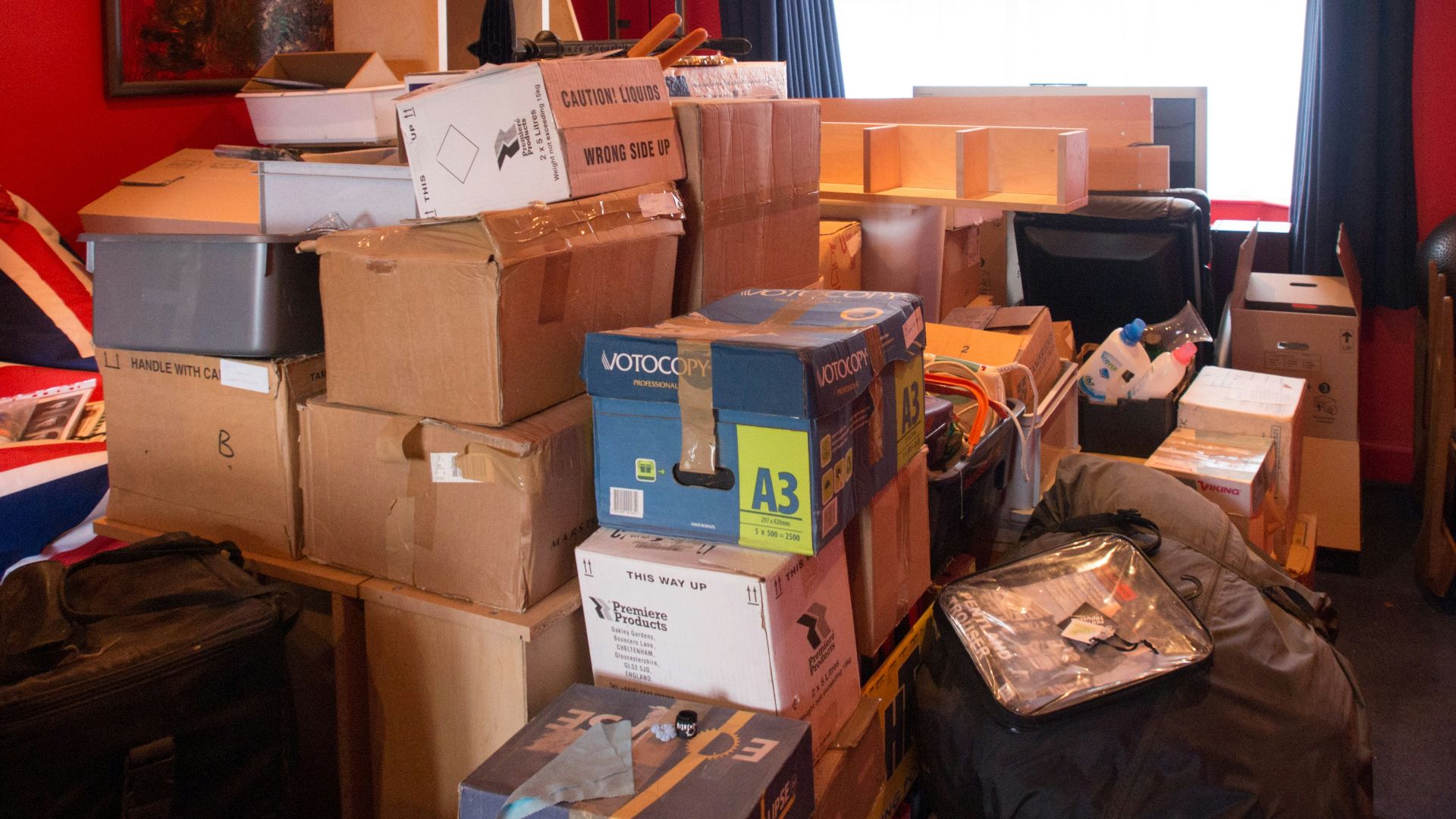
Hoarding is often treated as a private matter, and for a detached house that may be true. But in a shared building it becomes everyone’s problem. It can lead to mold, pests, water damage, and serious fire hazards. These risks don’t stay contained. They move through walls, floors, and shared systems, affecting neighboring units.
When Property Managers Are Put On Notice
The turning point in your case is knowledge. Once property managers or condo boards know about a dangerous condition, they’re obliged to act. Ignoring repeated complaints or visible warning signs can shift responsibility onto them if damage later occurs.

Duty To Maintain The Building
Condo corporations and property managers have a legal duty to maintain common elements and enforce rules. That includes preventing conditions that could damage the property or harm residents. Hoarding often falls squarely into that category when it creates safety or structural risks.

Why Inaction Can Become Negligence
Negligence isn’t just about doing something wrong. It’s often about failing to act when action was required. If management knew about the hoarding and chose not to intervene, that failure may be considered a breach of their duty of care.

The Neighbor Still Shares Responsibility
Even if management failed to act, the hoarding neighbor may still be responsible for the damage. Their behavior is what directly caused the problem. In many cases, liability ends up being shared between the resident who caused the issue and the party that failed to stop it.

Real Risks Highlighted By Other Owners
Anyone familiar with hoarding behavior can tell you about the hazards that it brings. Hoarding can lead to fires, infestations, and structural damage that spreads between units. Failure to tackle the issue early can expose the entire building to serious risk and higher long-term costs.
Why Condo Boards Sometimes Delay Action
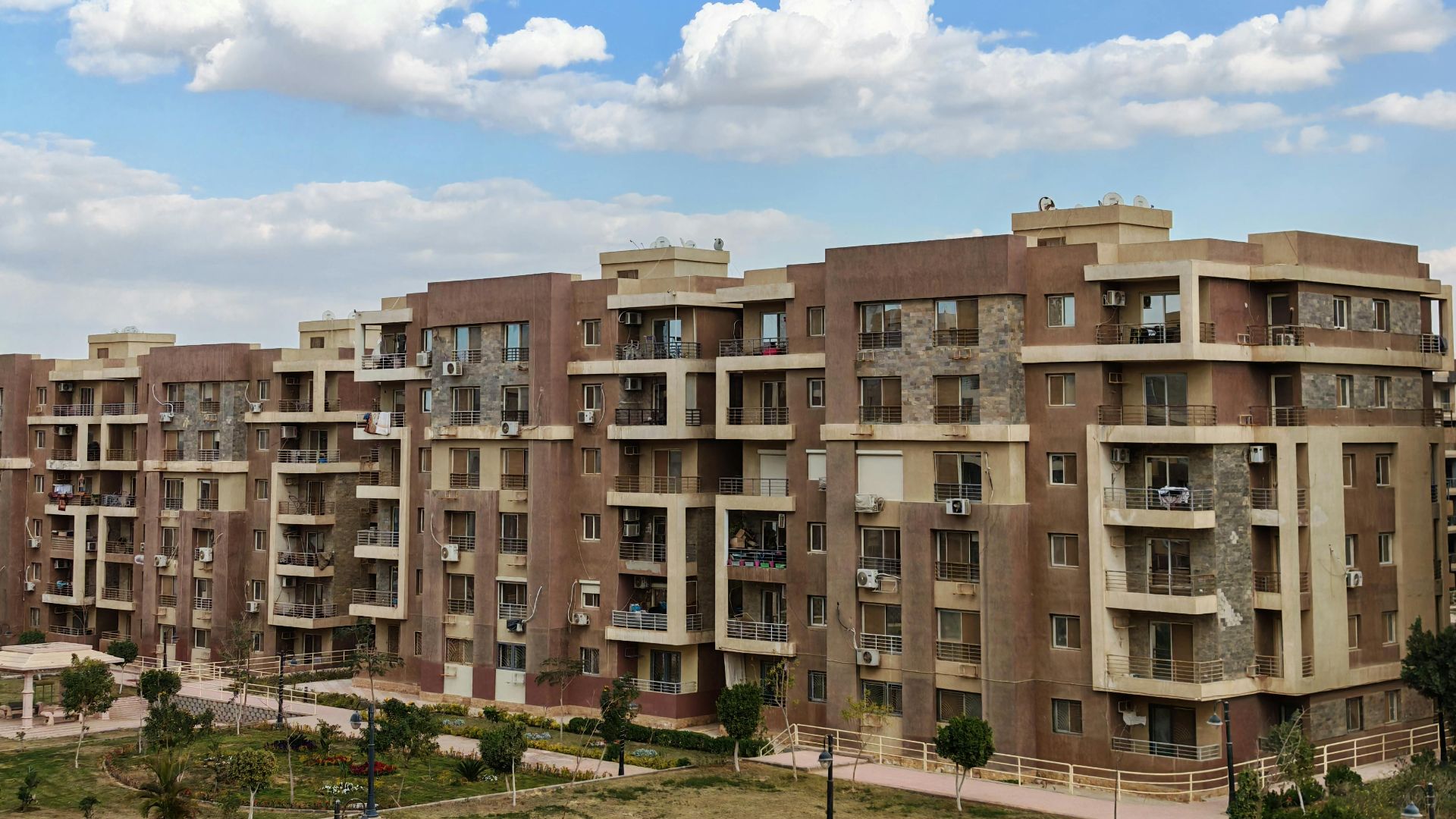
Boards don’t always act quickly, even when problems are obvious. They may hesitate because hoarding is tied to mental health, or because entering a unit requires legal justification. But the delays only make the situation worse and increase financial exposure.
 Henri Mathieu-Saint-Laurent, Pexels
Bylaws Are Your First Line Of Defense
Your condo’s bylaws will any prohibit conditions that create hazards, odors, or damage. Hoarding is almost always a violation of these rules. If management failed to enforce them despite complaints, that strengthens your position significantly.

Insurance Adds Another Layer
Insurance is often the first place you turn after damage occurs, but insurance companies may try to shift the blame back onto the condo corporation or the neighbor. Understanding who ultimately pays can take some time and may involve multiple claims or disputes.

Importance Of Proving Knowledge
To hold management accountable, you usually need to show conclusively that they knew about the problem. Emails, complaints, inspection reports, or even testimony from other residents can establish this. Without proof of knowledge, your case gets a lot harder.

Documentation: What Makes Or Breaks Your Case
If you’re dealing with this situation now, start documenting everything as soon as possible. Take photos, keep copies of communications, and write down timelines. A detailed record can show how long the problem existed and who failed to act.

Start With A Formal Complaint
Before you escalate, submit a written complaint to the condo board or property manager. Clearly outline the damage, your costs, and your belief that the issue was preventable. This step generates a paper trail and may push them toward resolution.

Why Collective Action Helps
If other residents were affected, consider working together. Multiple complaints carry more weight than one. Organizing neighbors can increase pressure on management to take action and resolve the issue properly.

When Legal Action Becomes Necessary
If the financial damage is significant, you may need to consult a lawyer. A legal professional can evaluate whether you have a negligence claim against the condo corporation, the property manager, or the neighbor.

Possible Legal Paths
You may be able to pursue compensation through small claims court or a larger civil case. In some regions, condo tribunals or mediation processes may also be available depending on the nature of the dispute.

Mediation As A Practical Option
Litigation can be slow and expensive. Mediation offers a faster and often more cooperative way to resolve disputes. It allows all parties to negotiate a settlement without the uncertainty of a court decision.

Prevent This From Happening Again
Once the immediate issue is addressed, push for stronger enforcement of building rules. Regular inspections, clearer reporting systems, and quicker responses to complaints can help prevent similar problems.

Bottom Line
If management knew about a hoarding problem and failed to act, you may have a strong case for compensation. These situations often involve shared responsibility, but you are not stuck absorbing the loss alone. With strong evidence and persistence, you can get accountability from those responsible.

You May Also Like: