When Your Inbox Becomes A Security Risk
Realizing your email has been hacked is a gut-punch moment. It’s not just about losing access to messages, it’s about everything tied to that inbox. Bank accounts, shopping sites, social media, even password resets all flow through your email. So if someone got in, it’s totally fair to worry they’ve already used it to break into other accounts. The good news is, you’re not powerless here. If you act quickly and methodically, you can lock things down and limit the damage before it spirals.
Why Email Access Is Such A Big Deal
Your email is basically the master key to your digital life. Most online accounts rely on it for password resets, security alerts, and identity verification. If a hacker controls your email, they can request password resets and intercept those emails before you ever see them. That’s why email breaches are often the starting point for bigger financial or identity theft issues. The upside is that once you secure your email again, you can cut off that access and start locking everything else down pretty quickly.
First Priority: Secure Your Email Account
If you still have access, change your password immediately. Make it strong, unique, and completely different from anything you’ve used before. If you’ve been locked out, start the recovery process with your provider right away. Time matters here, because the longer someone has access, the more they can do.

Enable Two-Factor Authentication
Once you’re back in, turn on two-factor authentication (2FA). This adds a second layer of security, usually a code sent to your phone or generated by an app. Even if someone knows your password, they won’t be able to get in without that second step.
Log Out Of All Active Sessions
Most email platforms let you sign out of all devices at once. Use this feature. It kicks out anyone else who may still be logged in and forces a fresh login with your new credentials.

Check For Suspicious Activity
Dig into your account. Look at your sent folder, trash folder, and any archived emails. Hackers often delete traces of what they’ve done, but sometimes things slip through. Also check login history for unfamiliar locations or devices.

Look For Sneaky Forwarding Rules
This is a big one people miss. Hackers sometimes set up auto-forwarding so they continue receiving your emails even after you change your password. Check your settings for forwarding rules or filters and remove anything you don’t recognize.

Review Recovery Settings
Make sure your recovery email and phone number haven’t been changed. If they have, fix them immediately. Hackers often update these so they can regain access even after you lock them out.

Move Quickly On Financial Accounts
Once your email is compromised, assume your financial accounts could be next. Log into your bank, credit cards, PayPal, and any investment accounts and change those passwords right away. Don’t reuse your email password here.
Enable Alerts Everywhere
Turn on transaction alerts for your financial accounts. This way, you’ll get notified immediately if there’s a charge, transfer, or login attempt. The faster you spot something, the easier it is to stop.
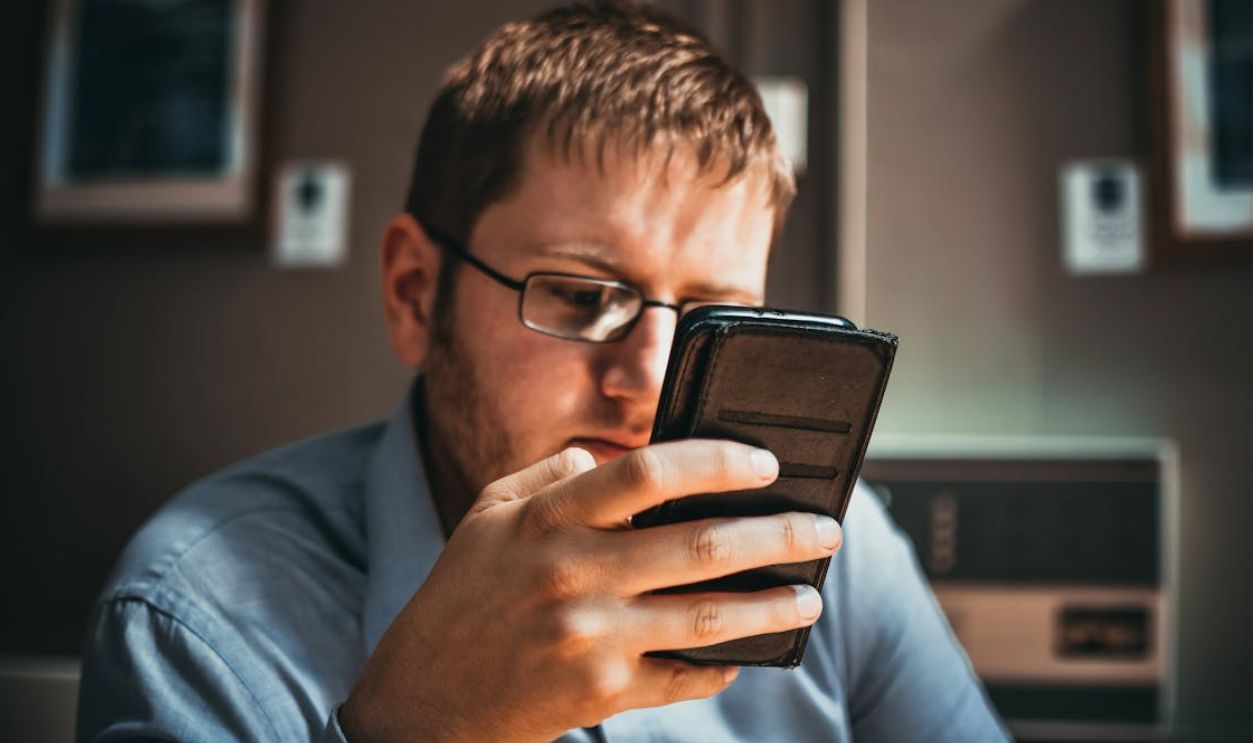
Check For Unauthorized Transactions
Go through your recent activity carefully. Look for anything unusual, even small charges. Fraudsters often test accounts with minor transactions before making larger moves.

Contact Your Bank If Anything Looks Off
If you see anything suspicious, call your bank immediately. They can freeze accounts, reverse transactions, and issue new cards. Acting quickly can mean the difference between a minor inconvenience and a major financial loss.

Update Passwords Across All Important Accounts
Even if you don’t see signs of compromise elsewhere, change passwords for all major accounts. This includes shopping sites, cloud storage, social media, and anything tied to your identity or finances.

Use Strong, Unique Passwords
If you’ve been reusing passwords, now’s the time to stop. Each account should have its own unique password. That way, one breach doesn’t open the door to everything else.

Consider A Password Manager
A password manager can generate and store strong passwords for you. It makes it much easier to maintain good security without having to remember dozens of complex logins.

Look For Password Reset Emails
Check your inbox for password reset requests you didn’t initiate. This can help you identify which accounts the hacker may have tried to access or successfully reset.

Watch For Signs Of Identity Theft
Keep an eye on your credit report and watch for unfamiliar accounts, credit checks, or bills. Email access can sometimes lead to broader identity theft attempts.
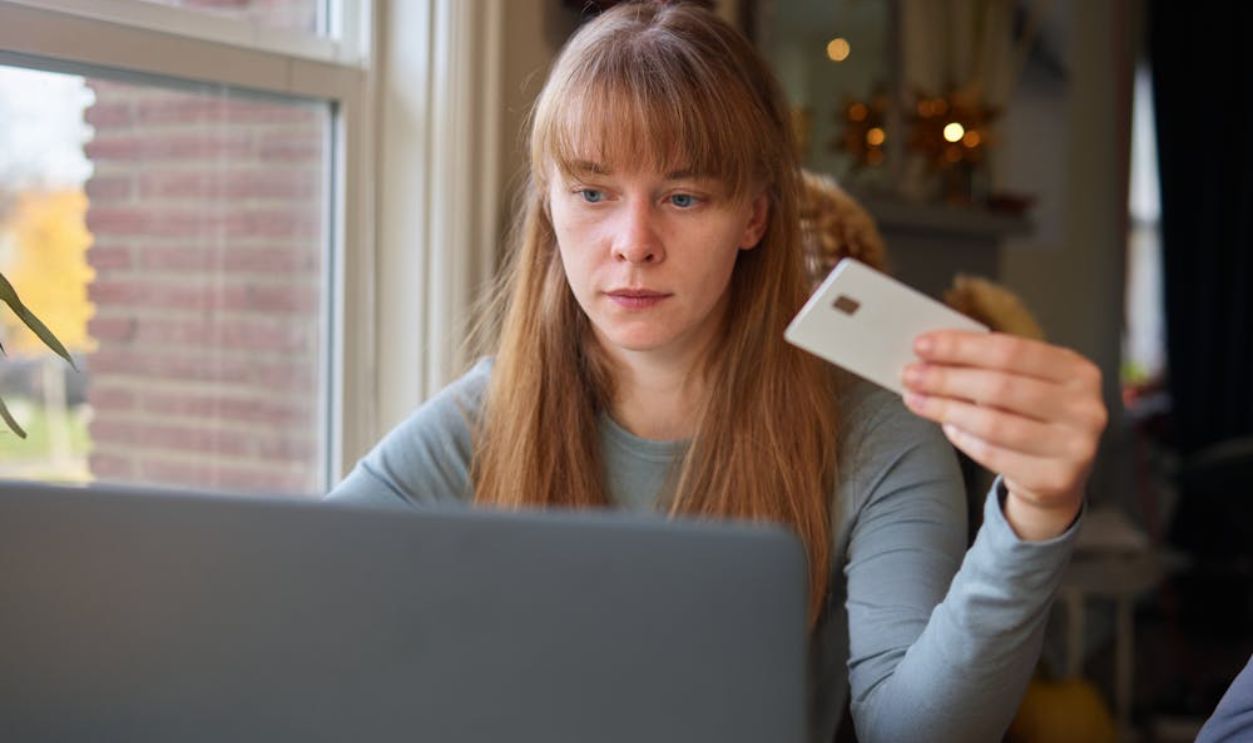
Consider A Fraud Alert Or Credit Freeze
If you’re concerned your personal information was exposed, placing a fraud alert or freezing your credit can help prevent new accounts from being opened in your name.

Scan Your Devices For Malware
Run a full security scan on your devices. While many email hacks come from stolen passwords, some involve malware or keyloggers. It’s better to rule that out completely.

Be Careful With Follow-Up Scams
After a breach, scammers sometimes try to follow up with phishing emails pretending to help you recover your account. Be cautious of any unexpected messages asking for personal information or login details.

Notify Important Contacts If Needed
If your email was used to send messages, consider warning your contacts. Let them know not to click on suspicious links or respond to unusual requests that may have come from your account.

This Can Happen To Anyone
It’s easy to feel like you messed up, but email hacks are incredibly common. Data breaches, phishing, and password leaks happen all the time. What matters most is how quickly and effectively you respond. Most people who act fast are able to secure their accounts before things escalate.

Final Thoughts
A hacked email is serious, but it doesn’t have to turn into a full-blown crisis. By acting quickly, staying organized, and securing your accounts step by step, you can limit the damage and regain control. It’s a stressful situation, but it’s one you can absolutely recover from with the right approach.

You May Also Like:
My friend says credit scores are a scam and he ignores his completely. Can you actually do that?