You Were Left Something… But Can’t Access It
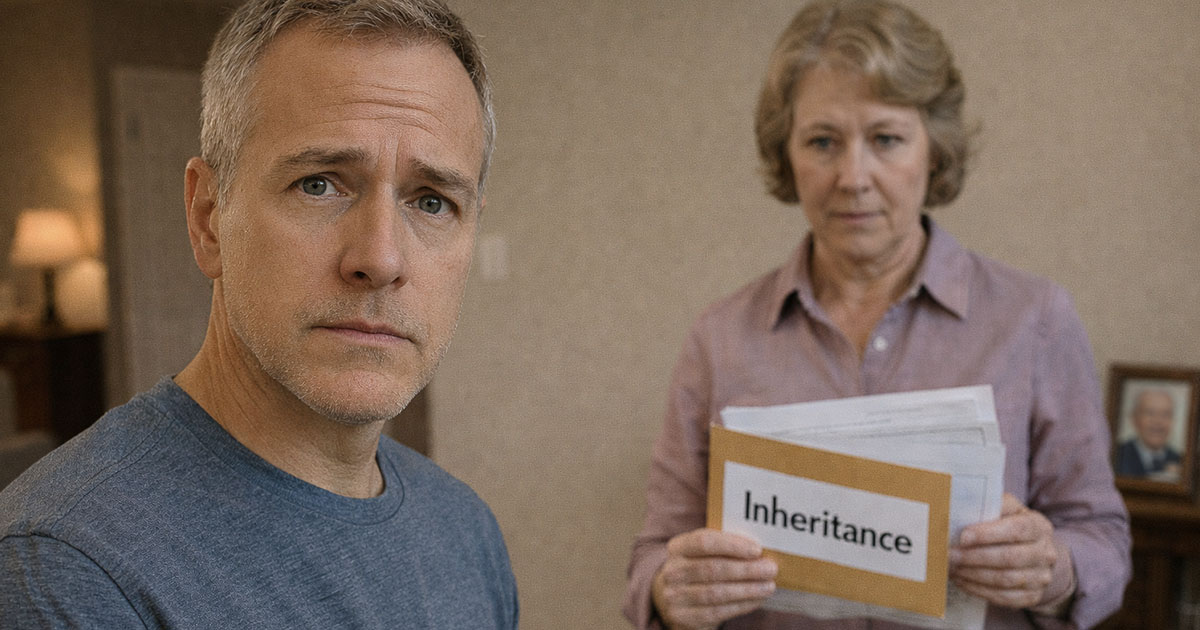
Your grandpa passed away. Your cousins got their inheritance. You? Nothing—because your mom is keeping your share. You’re 40, so this feels off. Can she legally do that? This guide will help you understand how inheritance works, what to look for in the will, and what you can do if someone is blocking what’s rightfully yours.

First: Was There a Will?
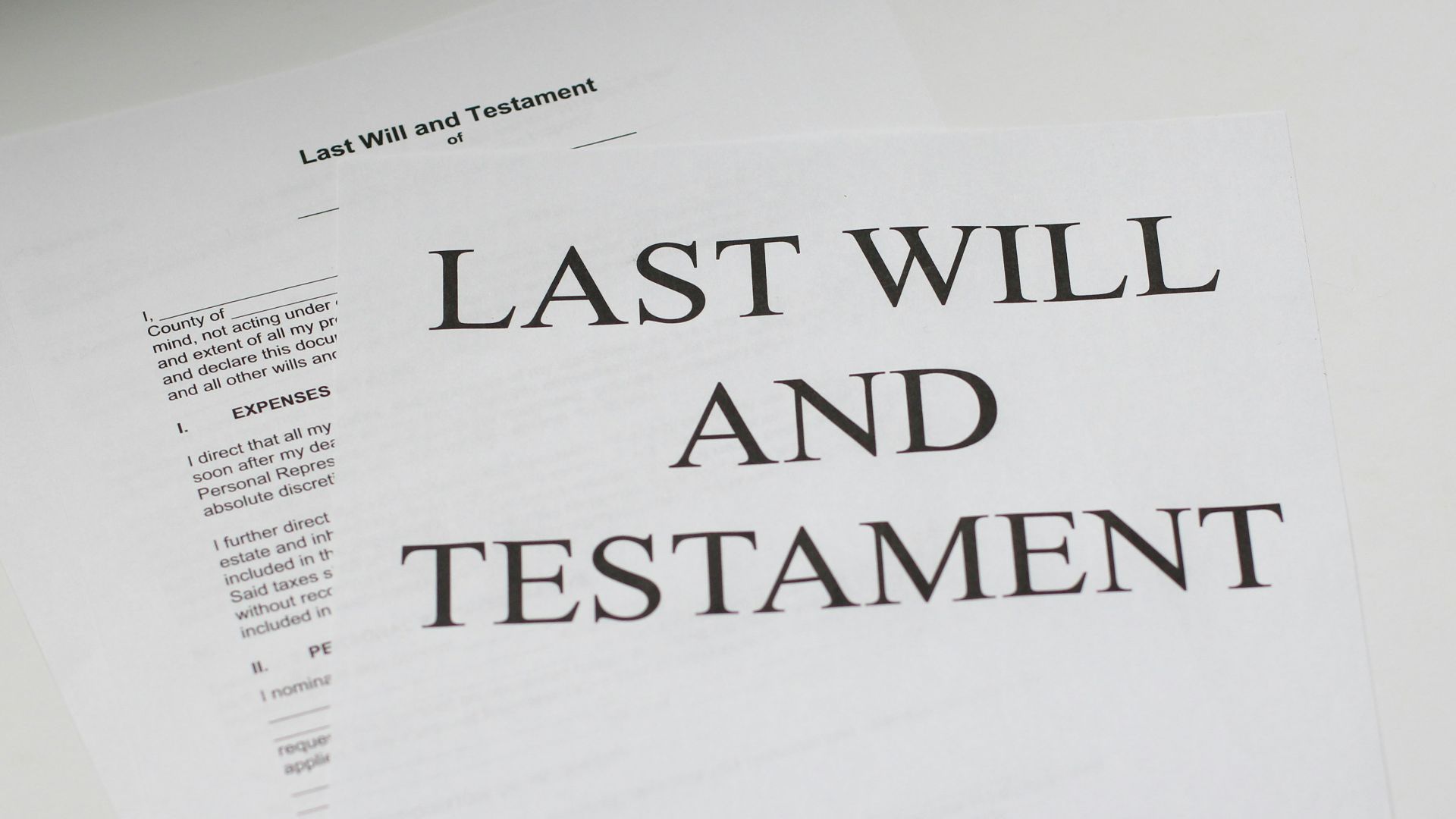
The first thing to find out is whether your grandpa had a will. Wills spell out exactly who gets what. If he wrote that you were supposed to receive a portion directly, your mom shouldn’t be controlling it. You’re an adult. Start by asking for a copy of the will.
Who’s the Executor?
The executor is the person legally in charge of handling your grandpa’s estate. If it’s your mom, she has a duty to follow the will. But that doesn’t mean she owns the assets. She’s just the manager. If she’s not the executor, then someone else should be overseeing the distribution.
Were You Actually Named?
You might assume your grandpa left you something, but it’s worth confirming. Sometimes people leave money to their children (like your mom), expecting them to “pass it on” to grandkids. But unless your name is listed in the will, your mom may not be legally required to give you anything.

What If the Inheritance Was in a Trust?
Some people set up trusts to control how and when money is given out. If your grandpa used a trust and named your mom as the trustee, she might have some control—but she also has legal duties. She can’t just withhold money out of spite or play favorites.
Can She Hold the Money “For Your Own Good”?
If she says she’s keeping it to protect you or manage it for you—at 40 years old—you’re allowed to ask questions. Unless she’s legally your guardian or the will/trust says she can manage your money, that excuse doesn’t hold up.

Ask to See the Documents
You have a right to ask for a copy of the will or trust. If your mom refuses, you can contact the probate court in the county where your grandpa lived. These documents are often public records once probate is filed.

What Is Probate?
Probate is the court process for distributing someone’s assets after they die. If your grandpa had a will, it goes through probate. If he didn’t, the court decides who gets what based on state law. Either way, the court keeps records—and you can ask to see them.

Did She Already Get the Money?
If your mom already received your grandpa’s assets and is supposed to pass some to you, check how it was titled. If she was listed as a joint account holder or named as a direct beneficiary, she may legally own that money now—even if that wasn’t the spirit of the gift.

Was It a Verbal Promise?
If your grandpa told you or others that you’d be getting something, but it wasn’t in writing, unfortunately, it may not be enforceable. Wills and trusts usually override verbal promises unless you have proof and a strong legal case.

What If She’s Spending the Money?
If you were legally named in a will or trust and your mom is withholding or using the funds, she could be violating her fiduciary duty. That’s a legal problem. You may be able to take action to recover your share. But you’ll need documentation.
 Photo By: Kaboompics.com, Pexels
Talk to a Probate Attorney
A quick conversation with a probate or estate attorney can give you clarity. They can help you get a copy of the will, interpret confusing legal terms, and let you know if your mom’s actions cross a legal line. Many offer free consultations.

Keep Records of Everything
If this gets messy, you’ll want notes, emails, texts—anything that shows what was said and done. Especially if your mom is shifting stories or dragging her feet. Keep things respectful, but don’t let important details disappear.
 Stephen Phillips - Hostreviews.co.uk, Unsplash
Don’t Let Guilt Shut You Down
Family drama and money can bring out the worst in people. If your mom is making you feel guilty for asking questions, don’t let that stop you. You’re not being greedy—you’re standing up for what your grandfather may have wanted for you.
 Photo By: Kaboompics.com, Pexels
What If You Were Disinherited?
It’s possible you were left out of the will on purpose. It’s painful, but legal in most states unless there’s proof of fraud, coercion, or mental decline. If something feels off about the will’s creation, that’s when a legal review really matters.

Can You Challenge the Will?
Yes, but only if you have legal standing and a valid reason—like forgery, undue influence, or lack of mental capacity. These challenges aren’t easy, and they can get expensive and emotional. A lawyer can tell you if it’s worth pursuing.

Consider a Family Meeting
If you think it might help, suggest a family meeting (with a neutral third party, if possible). Sometimes just getting everyone in the same room with a clear explanation of the will or trust can clear up confusion and stop resentment from building.

You Deserve Answers
You’re not a child. You deserve to know if you were meant to receive part of your grandpa’s estate. Whether it was a misunderstanding, a legal slip, or something more serious, getting answers is your right—and your responsibility.

You May Also Like:
My parents used my inheritance to pay off their own debt. Am I just out of luck?