
Wait, There’s A Limit On Yard Sales?
You're clearing out the garage again and decide to put some old furniture, clothes, tools, and household junk on the lawn for another Saturday yard sale. Then your neighbor wanders over with some unexpected legal advice: you've already had two sales this year, so apparently you need a permit for this one.
Is there really a law keeping track of how many yard sales Americans have?

Weirdly Enough, There Can Be
Your neighbor didn't necessarily invent this one. Cities across the United States really do regulate garage and yard sales, and some limit residential properties to only two sales during a calendar year or 12-month period. Others require permits from the very first sale. The exact rules are intensely local, however, so there's no nationwide "two yard sales and then get a permit" rule.
 https://kaboompics.com/, Pexels
This Isn't A Federal Yard-Sale Rule
The federal government isn't keeping a spreadsheet of how many folding tables you've put in your driveway this year. Yard-sale restrictions generally come from municipal ordinances, zoning codes, licensing rules, and occasionally county regulations. That means two Americans living in different cities can face completely different requirements for essentially identical Saturday sales.

Your Neighbor's Version Is Probably Too Simple
The statement "you need a permit if you have more than two yard sales" combines two separate questions. First, does your city require a permit? Second, how many sales does your city allow? In some places, you need a permit for every sale. In others, no permit is required at all—but you're still prohibited from holding more than a certain number.

Miami Requires A Permit
The City of Miami requires residents to obtain a permit to conduct a garage sale at residential property. The city generally allows two garage sales during the same 12-month period. So if you live there, the permit requirement doesn't suddenly appear after your second sale. You were supposed to get one for the first one too.

Oklahoma City Does Something Similar
Oklahoma City requires a garage-sale permit and generally allows each household two garage sales per year. A permit covers up to three consecutive days and currently costs $10. The city also regulates hours, signs, and what can be sold. Holding sale number three isn't solved by simply buying another permit because the annual limit itself matters.

Dallas Has Its Own Version
Dallas also limits garage sales at a premises to two during a 12-month period. Its permit application states that a sale may last up to three consecutive calendar days. The first permit is free, while the second carries a fee. Again, this isn't a system where unlimited additional sales become legal once you purchase enough permits.

Then There's West Hollywood
West Hollywood requires a permit for garage, yard, and estate sales, but the permit is free. The city allows no more than two garage sales per residential property per calendar year. Interestingly, that restriction applies to the property, not each individual resident, which can become important in apartment buildings and other multi-unit properties.

But Tacoma Doesn't Require A Permit
Now the rules change completely. Tacoma, Washington, allows residents to hold two garage sales per calendar year, but the city says no permit or license is required. A third qualifying sale can fall into what Tacoma defines as a prohibited "continuous garage sale." So your neighbor might be correct about the number two while being completely wrong about needing a permit.
 Unknown authorUnknown author or not provided, Wikimedia Commons
Costa Mesa Is Another Example
Costa Mesa, California, allows no more than two garage or yard-sale events per parcel or property per year, with each lasting no more than three consecutive days. However, the city says no permit is required. After you've used your two events, obtaining a permit isn't the solution because there isn't one to obtain for an ordinary yard sale.

Miami-Dade County Shows The Same Problem
In unincorporated Miami-Dade County, residential properties may generally hold two garage sales per year and no permit is required. Anything beyond that isn't permitted under the county's residential garage-sale rules. Once again, sale number three doesn't simply move you into a different permit category.

So "Two Per Year" Is A Real Thing
That's probably where your neighbor heard this. Two-sale limits genuinely exist in numerous American municipalities. Phoenix, for example, limits residential properties to two yard or garage sales within a 12-month period, with each sale lasting no more than three consecutive days.
But that doesn't mean the same rule applies where you live.

Why Would A City Care?
At first glance, limiting garage sales seems absurdly bureaucratic. You're selling your own old toaster on your own lawn. Why should City Hall care whether it's your second or fourth Saturday doing it? The reason usually has less to do with the toaster and more to do with preventing residential properties from turning into permanent retail businesses.

Imagine A Yard Sale Every Weekend
One occasional sale probably creates little neighborhood disruption. Now imagine your neighbor running one every Friday, Saturday, and Sunday for the entire summer. Cars line the street, strangers constantly visit the property, signs appear everywhere, merchandise stays displayed outside, and the house effectively starts functioning like a flea market.
That's what many of these restrictions are trying to prevent.

Residential Zoning Is Part Of The Story
Homes are generally located in areas zoned primarily for residential use. Occasional sales of personal belongings are often permitted as an incidental residential activity. Continually purchasing merchandise and reselling it from the driveway, however, can start looking much more like a commercial operation.
That's when zoning and business-licensing issues can enter the picture.

What You're Selling Can Matter Too
A traditional yard sale generally involves used personal property from your household: old furniture, clothing, toys, kitchenware, books, tools, and similar possessions. Some municipalities specifically prohibit selling new merchandise, consignment inventory, or items acquired for resale under ordinary garage-sale rules.
In other words, you're supposed to be cleaning out the garage, not secretly operating a discount store from it.

Fifty Identical New Toasters Might Raise Questions
Suppose you advertise a "yard sale," but every Saturday you have 40 brand-new boxed appliances, racks of new clothing, and cases of unopened merchandise. Officials might reasonably wonder whether you're actually running a retail business. Calling something a yard sale doesn't necessarily make it one if the facts suggest otherwise.

The Number Of Days Can Matter Too
Cities don't necessarily count each individual day as a separate sale. A permit or permitted event may cover several consecutive days. Oklahoma City allows a permitted garage sale to run for three consecutive days. Dallas likewise allows up to three consecutive calendar days for an occasional sale.
So a Friday-through-Sunday event may count as one sale rather than three.

But You Can't Necessarily Stretch It Forever
You probably can't declare one "yard sale" in April and then continue it every weekend until September. Local ordinances commonly impose consecutive-day limits precisely to prevent that kind of workaround. Tacoma, for example, treats a garage sale lasting more than three consecutive days as a continuous garage sale under its rules.

Rain Dates Can Get Surprisingly Complicated
What happens if your Saturday sale gets washed out? Don't automatically assume you can move it to another weekend without consequences. Some permit systems have specific cancellation or replacement procedures. Dallas, for example, provides for a replacement permit in certain circumstances involving inclement weather, subject to its rules.
Yes, there are places where even your rained-out garage sale has paperwork.

Signs Are Often More Regulated Than The Sale
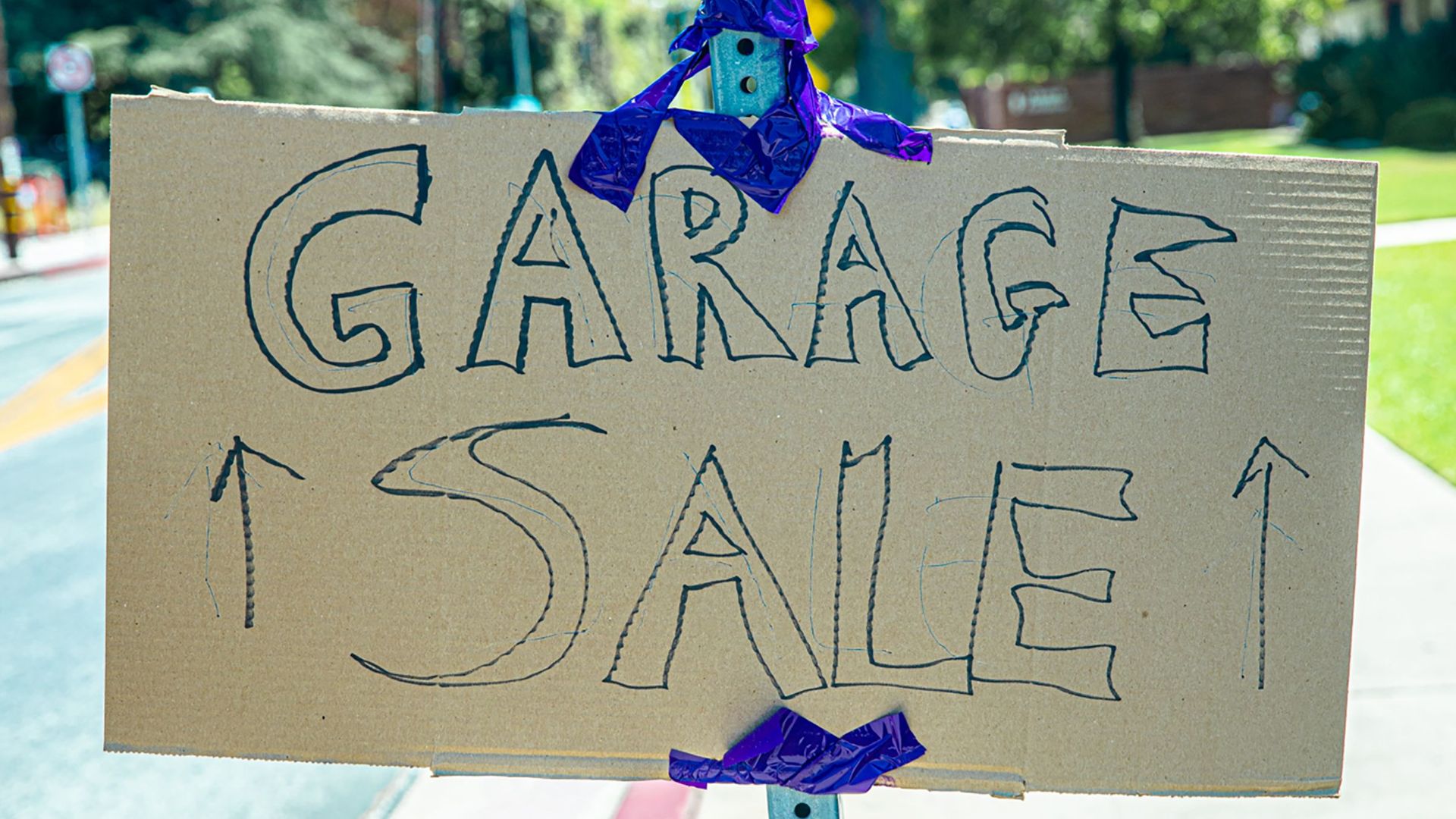
This is where many perfectly ordinary yard sales can accidentally create trouble. Municipalities frequently regulate where temporary garage-sale signs may be placed. Utility poles, traffic signs, medians, and public rights-of-way are common problem areas.
Your sale might be completely lawful while the five handmade arrows you taped around the neighborhood aren't.
Oklahoma City Has Specific Sign Rules
Oklahoma City's garage-sale guidance says signs aren't allowed on utility poles, traffic-sign poles, medians, or public rights-of-way. The city permits one sign in front of the house, subject to size restrictions. That means advertising the sale can create a separate violation even when you've obtained the required permit.
Dallas Regulates Signs Too
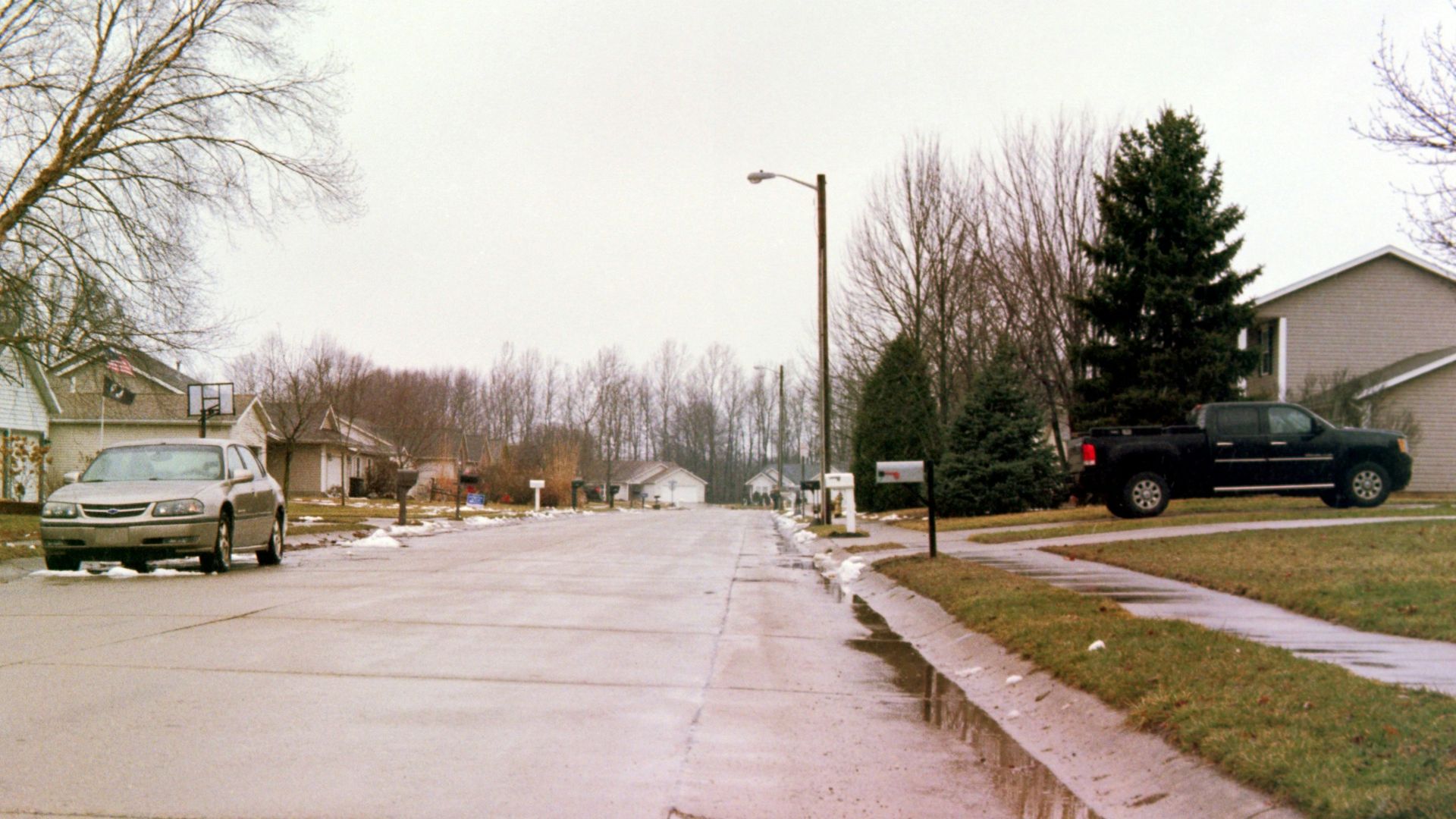
Dallas allows limited garage-sale signage and requires remote signs to be placed on private property with the property owner's permission. Signs are prohibited in rights-of-way such as medians and utility poles and must be removed after the sale.
That telephone pole at the end of the street isn't necessarily your free community bulletin board.
 Bonnachoven, Wikimedia Commons
Your HOA Might Have Another Set Of Rules
Even if your city allows the sale, your homeowners association may impose additional restrictions under its governing documents. An HOA could potentially regulate sale dates, signage, community-wide events, or other activities on properties subject to its covenants. Municipal permission doesn't automatically override private HOA restrictions.

Renters Should Check Their Lease Too
If you rent, don't assume the lawn automatically comes with unlimited retail privileges. Your lease, apartment rules, condominium rules, or landlord policies may restrict garage sales, especially where customers would enter shared parking lots or common areas. You could comply with the city and still have a problem with the property owner.

What If You And Your Neighbor Each Have A Sale?
That depends on how your local rule counts events. Some ordinances regulate the number of sales at a particular property or premises, rather than the number held by each individual resident. West Hollywood specifically limits sales per residential property, including multi-unit buildings.
Changing the name written on the folding table may therefore accomplish nothing.

What About A Neighborhood-Wide Sale?
Some communities make exceptions or have separate rules for subdivision or citywide sales. Nixa, Missouri, for example, normally requires residents to obtain free garage-sale permits and limits them to two per year, but certain citywide garage-sale events don't require permits and don't count toward that two-sale limit.
That's why reading the exceptions can be just as important as reading the general rule.
What If You're Raising Money For Charity?
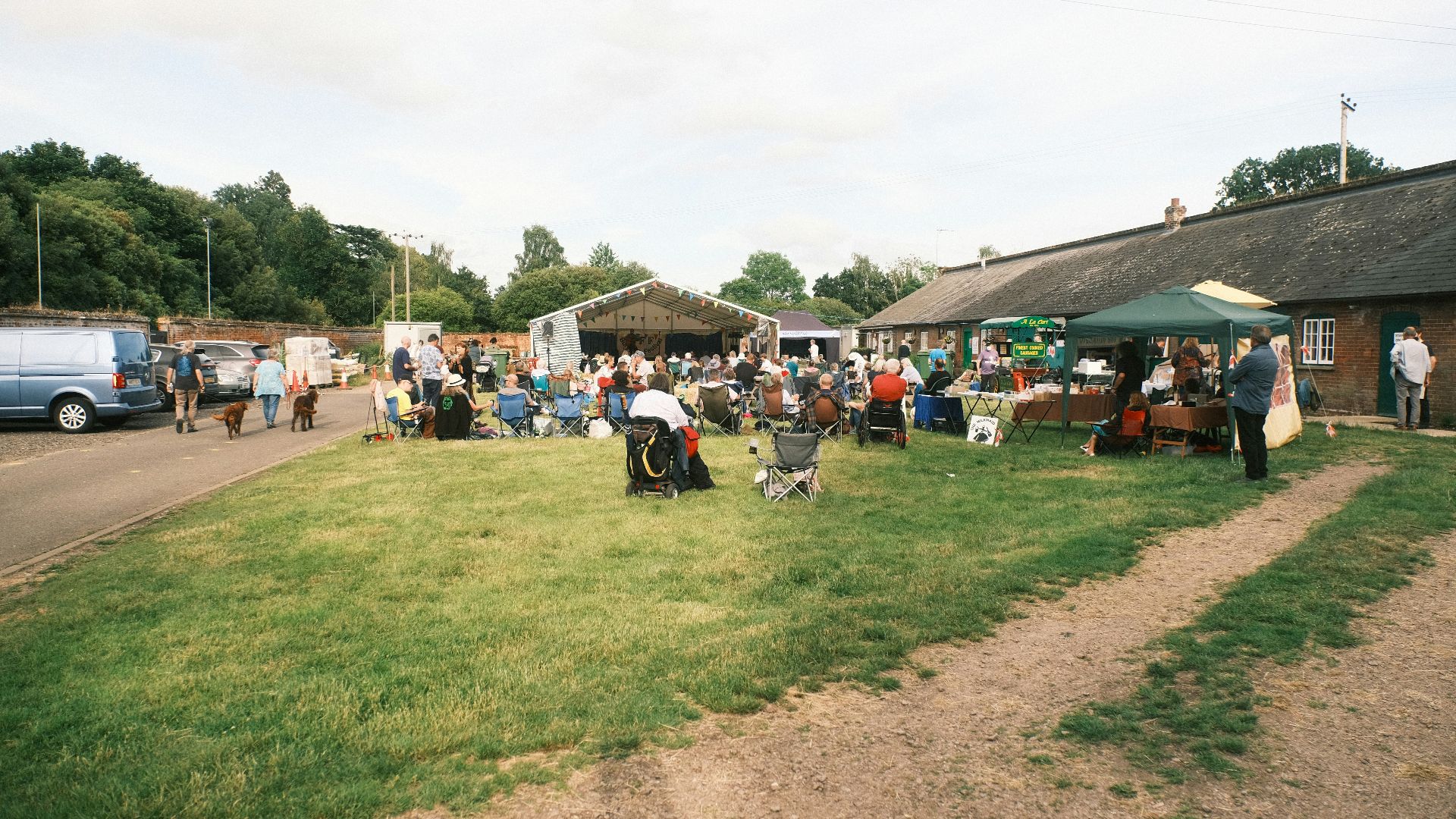
Don't assume "It's for charity" automatically exempts the event. Some ordinances provide special treatment for qualifying nonprofit or charitable organizations, while others have separate rules. Whether your fundraiser qualifies depends on the local code, not merely what you intend to do with the proceeds.
 Richard Sutcliffe , Wikimedia Commons
Can Your Neighbor Report You?
Absolutely. Your neighbor doesn't need to be deputized by the Department of Folding Tables to make a code complaint. Cities commonly allow residents to report suspected zoning or neighborhood-code violations. Phoenix specifically tells residents how to report frequent garage or yard sales.
But a complaint doesn't automatically mean you've violated anything.

Code Enforcement Still Has To Apply The Rules
Your neighbor saying, "That's her third sale!" isn't a legal judgment. Code-enforcement officials need to determine whether the local ordinance applies, how the city counts sales, whether previous events actually qualify, and whether any exception exists.
The neighbor can report you. The neighbor doesn't get to write the municipal code.

What Happens If You Ignore The Rules?
That varies considerably. Some municipalities can issue citations or fines for unpermitted or prohibited sales. West Hollywood states that residents conducting garage sales without the required permit can receive a $150 citation. Oklahoma City warns that conducting a sale without the required license can carry a fine of up to $200 plus costs.
Those are expensive ways to sell a $4 lamp.

Don't Assume Buying A Permit Fixes Everything
This is the biggest misconception in the original question. A permit isn't necessarily a magical pass that allows additional sales. Your city might require permits but still impose a hard annual maximum. Alternatively, it might impose an annual maximum without requiring permits at all.
You need to determine both rules.

So... Do You Need A Permit After Two Yard Sales?
Maybe—but that's not a general rule, and in many places that's actually the wrong way to describe the law. Some cities require a permit for every garage or yard sale and separately limit residents to two sales per year. Other cities allow two sales without requiring any permit at all and simply prohibit a third. Still others have different limits, permit systems, or no comparable restriction.
There is no nationwide American rule saying your first two yard sales are free and sale number three requires a permit.

Your Neighbor Might Be Half Right
Before cancelling the sale, visit your city or county government's website and search for "garage sale," "yard sale," "occasional sale," or "temporary sale." Check whether a permit is required, how many events are allowed, how long each can last, and where signs can be placed.
If you've already reached your municipality's annual maximum, don't assume another permit will save the day. You may simply have to wait.
And if your neighbor triumphantly tells you, "I told you so," you can at least enjoy one small victory: unless they actually looked up your local ordinance, they were still guessing.

You May Also Like: