
My realtor said I don’t need to disclose a minor water issue. My friend says that could turn into a lawsuit. Who’s telling the truth?

My realtor said I don’t need to disclose a minor water issue. My friend says that could turn into a lawsuit. Who’s telling the truth?


February 27, 2026 | Allison Robertson

My realtor said I don’t need to disclose a minor water issue. My friend says that could turn into a lawsuit. Who’s telling the truth?


Is That “Minor” Water Issue Really No Big Deal — Or A Legal Time Bomb?

You’re about to list your house. Your realtor casually says a small past leak isn’t worth mentioning. Your friend says hiding water problems is how lawsuits start. So is this harmless oversharing… or something that could come back to haunt you?

Water leakFactinate Ltd.

Advertisement

First, What Counts As A “Minor” Water Issue?

Water issues range from a one-time plumbing drip to recurring basement flooding. A tiny leak under a sink that was fixed years ago isn’t the same as foundation seepage. The problem? Sellers don’t always define “minor” the same way buyers — or courts — do.
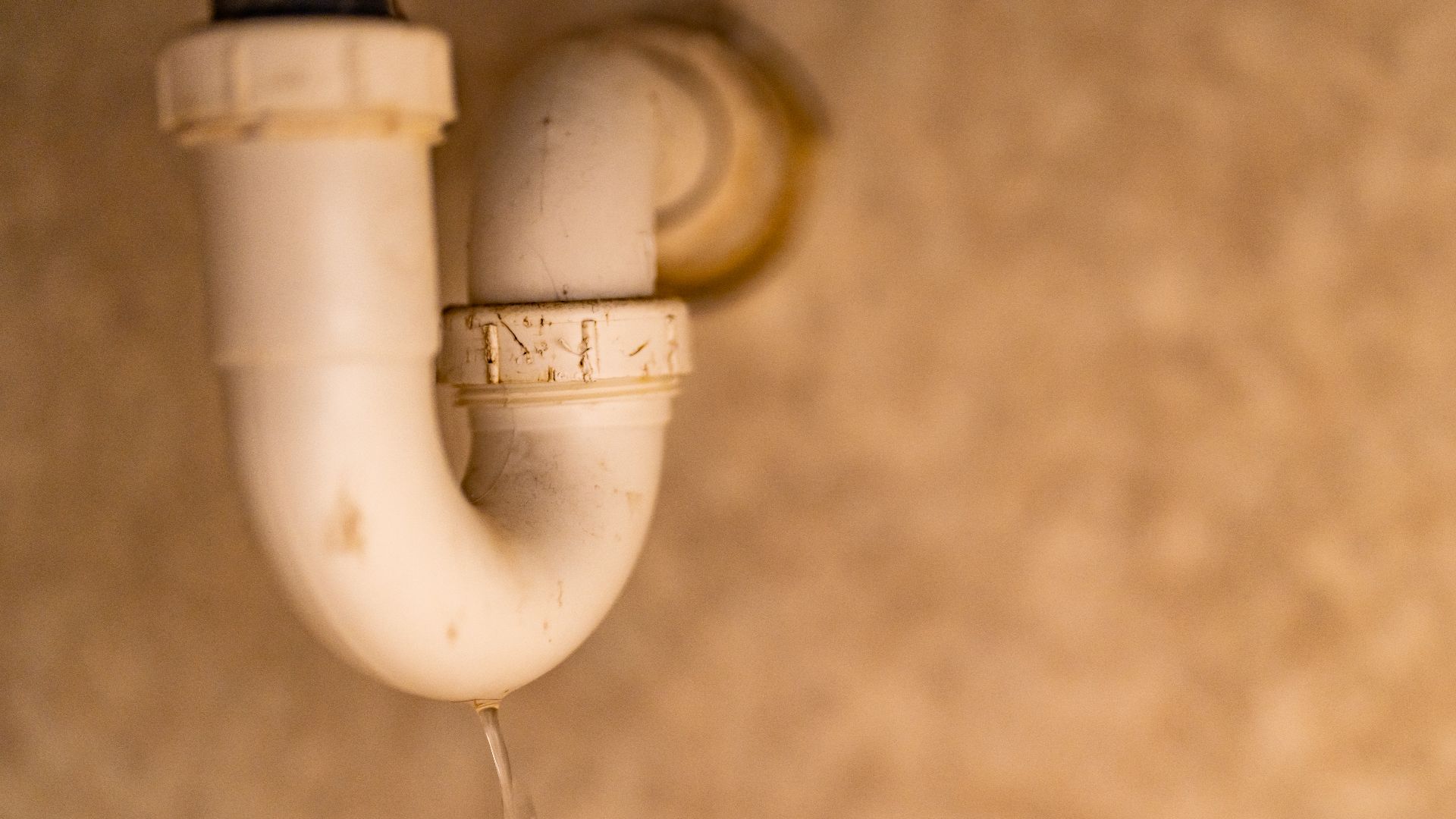
A leaking PVC pipe under a bathroom sink, at the P-trap in the plumbing.Tony Webster, Wikimedia Commons

Advertisement

Why A Realtor Might Downplay It

In competitive markets, sellers want clean listings. Fewer disclosed issues can make a property feel more attractive. Some agents believe that repaired, insignificant issues don’t need emphasis if they’re fully resolved.

Family with child talks to real estate agent in modern kitchen during home showing.MART PRODUCTION, Pexels

Advertisement

But Disclosure Laws Are Serious

Most states require sellers to disclose known material defects. A “material defect” is anything that could affect the home’s value or desirability. Water intrusion often qualifies — especially if it’s recurring, structural, or tied to mold risk.

A couple consults with a real estate agent in a modern indoor setting, reviewing property documents.Alena Darmel, Pexels

Advertisement

The Key Word: Known

If you know about a problem and fail to disclose it, that’s where legal trouble starts. Courts care less about whether the issue was huge and more about whether you intentionally withheld information.

Realtor showing a property to a client indoors, discussing details.RDNE Stock project, Pexels

Advertisement

Why Water Is Different

Water damage isn’t just cosmetic. It can lead to mold, wood rot, electrical issues, and structural weakening. Even small leaks can signal bigger underlying problems. Buyers — and their inspectors — take water seriously.
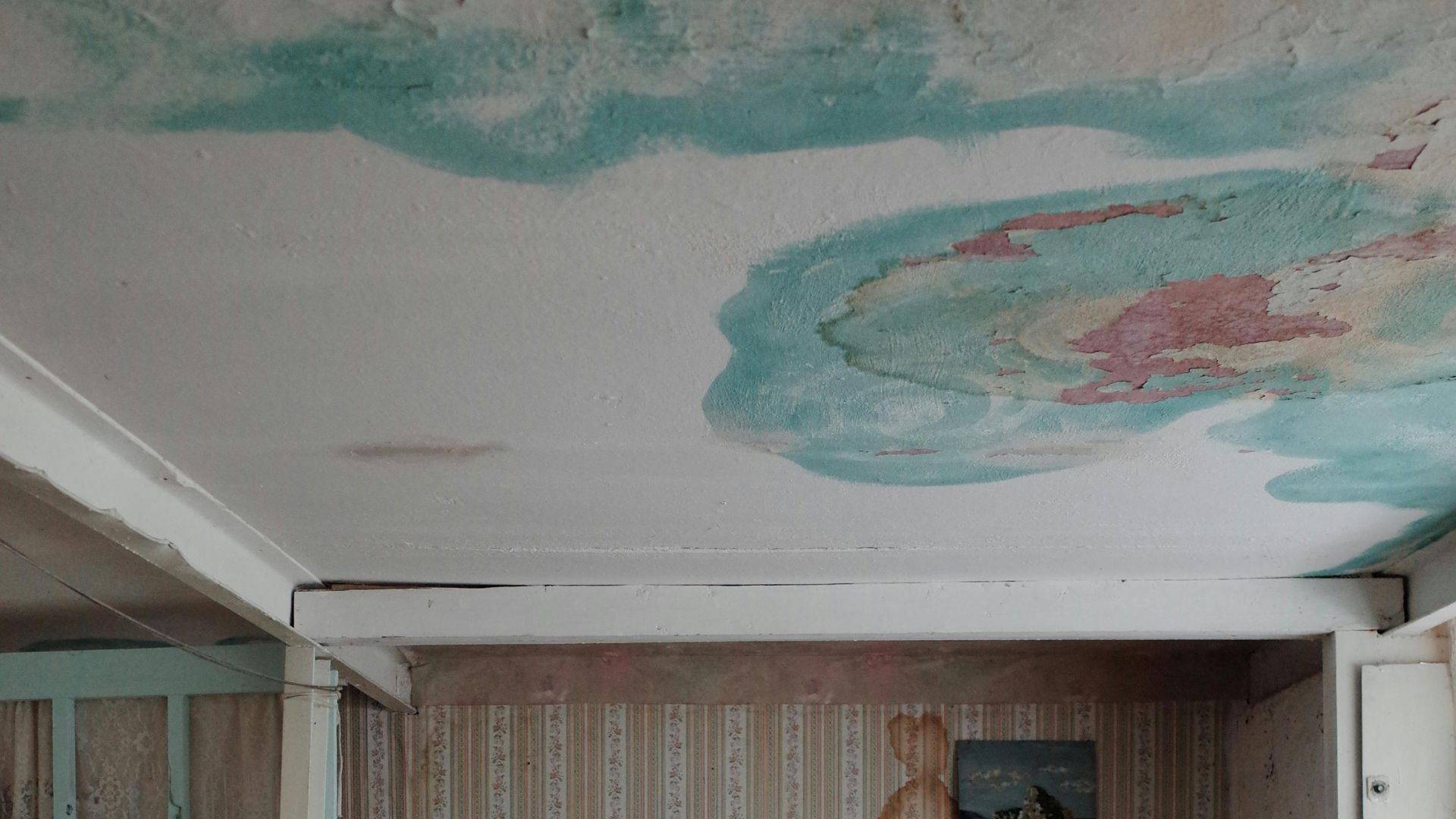
A small bedroom with a unique ceiling design, featuring water stains and an eclectic bed setup.Marina Leonova, Pexels

Advertisement

“But It Was Fixed”

This is where many sellers feel safe. If the leak was repaired professionally and hasn’t returned, disclosure might simply involve explaining what happened and how it was resolved. Transparency often reduces suspicion.

A professional worker sanding the ceiling during a home renovation project. Indoor construction setting.Tima Miroshnichenko, Pexels

Advertisement

What Happens If You Don’t Disclose?

If the buyer discovers post-sale water damage tied to a known issue you didn’t reveal, they could pursue legal action. Claims often fall under misrepresentation or failure to disclose material defects.

Lawyer meeting with clients in a formal office setting for legal consultation.www.kaboompics.com, Pexels

Advertisement

Lawsuits Aren’t Just TV Drama

Real estate disclosure lawsuits are common enough to keep attorneys busy. Even if you ultimately win, defending a claim costs time, stress, and money. Settlements can reach thousands — sometimes much more.

August de RichelieuAugust de Richelieu, Pexels

Advertisement

What Your Friend Is Worried About

Your friend is thinking worst-case scenario: the buyer finds mold behind drywall months later and traces it back to an issue you knew about. At that point, “minor” won’t matter much.

Close-up of a wall showcasing peeling, weathered paint in vibrant colors and grunge textures.Brett Sayles, Pexels

Advertisement

Does Every State Work The Same Way?

No. Disclosure requirements vary by state. Some states use strict property condition disclosure forms. Others follow “buyer beware” principles — but even there, intentional concealment can still trigger liability.

A man sits in a modern living room, writing on a clipboard, focused on paperwork.RDNE Stock project, Pexels

Advertisement

Can An Inspection Protect You?

A buyer’s inspection helps, but it doesn’t eliminate your responsibility. If you knowingly hide something, the fact that an inspector missed it won’t automatically protect you.

Real estate agent showing an unfinished house to potential buyers during a viewing session.Pavel Danilyuk, Pexels

Advertisement

What About Realtor Advice?

Realtors aren’t attorneys. While most aim to protect clients, legal interpretation of disclosure laws is ultimately a legal matter. When in doubt, a real estate attorney provides more reliable guidance than casual advice.

Realtor showing property to senior couple inside a modern home in Portugal.Kampus Production, Pexels

Advertisement

The Cost Of Over-Disclosing

Here’s the upside: over-disclosing rarely leads to legal problems. It might spark a buyer question or negotiation, but it reduces the risk of future claims.

A group of adults reviewing real estate documents outside a house on a sunny day.Kindel Media, Pexels

Advertisement

The Cost Of Under-Disclosing

Under-disclosing, on the other hand, can lead to rescinded deals, repair demands, escrow disputes, or post-closing litigation. Even a “small” issue can snowball legally.

Three professionals discuss design plans inside a new house wearing hard hats.Thirdman, Pexels

Advertisement

Intent Matters

If you genuinely didn’t know about an issue, that’s different from actively hiding it. Courts look closely at intent. Emails, repair invoices, and contractor reports can all become evidence.

A judge in a courtroom examining documents under a classic green lamp.khezez | khazaz, Pexels

Advertisement

How Buyers View Transparency

Buyers often appreciate honesty. Disclosing a repaired leak with documentation can actually build trust. Hiding it and having it discovered later destroys trust instantly.

Real estate agent consulting a couple in a modern living room setting, surrounded by indoor plants.Vitaly Gariev, Pexels

Advertisement

So… Who’s Telling The Truth?

Your realtor may be thinking strategically about market appeal. Your friend is thinking about liability. When it comes to legal exposure, your friend’s concern carries real weight.

Realtor guiding potential buyers through a stylish apartment viewing.Ivan S, Pexels

Advertisement

The Bottom Line

A “minor” water issue might feel insignificant — until it becomes a major dispute. Disclosure protects you more than it hurts you. In most cases, honesty isn’t just ethical — it’s legally safer.

Realtor explaining home inspection details to clients at office with checklist and calculator.RDNE Stock project, Pexels

Advertisement

You May Also Like:

My insurance company viewed my property on Google Earth, then immediately canceled my policy because I have shipping containers. Can they do that?

I put a $12k purchase on my credit card, and my brother says it’ll be reported to the IRS. My dad says only cash purchases are reported. Who’s right?

Sources: 1, 2, 3


READ MORE

BankSecrecyAct

I split a large cash deposit into two smaller ones—did that make things worse?

Banks notice patterns. Someone deposits cash strategically to stay under certain thresholds. The person thinks they're being smart about paperwork, but they are actually committing a felony under federal banking law without realizing it.
February 27, 2026 Marlon Wright
Social media content creator

I quit my job to be an influencer. I made one video that went viral—and nothing since. Can I go back to my old career?

The decision to quit a stable job for influencer fame, very often than not, hinges on a single assumption: that viral success can be replicated. For thousands of aspiring creators annually, this assumption proves catastrophically wrong. The pattern is consistent and brutal. One video explodes across platforms, racking up millions of views and thousands of new followers, creating an intoxicating illusion of overnight success. The creator interprets this as validation of their content skills, quits their job to focus full-time on creation, then watches in bewilderment as subsequent videos barely crack five-figure view counts. No, this isn't a failure of talent or effort. It's a fundamental misunderstanding of how virality works and what it takes to build a sustainable creator career. The viral video was likely a perfect collision of timing, cultural moment, and algorithmic favor—a combination nearly impossible to engineer deliberately. Meanwhile, rent still comes due, savings accounts drain faster than anticipated, and the question becomes urgent: can you actually go back to the career you abandoned?
February 27, 2026 Miles Brucker
Young Woman Looking Back While Travelling In Car

I traded in a paid-off car for a $45K loan. Can I undo this mistake?

There’s a special kind of stomach drop that happens when you realize you didn’t just splurge on a fancy dinner—you signed up for years of payments. Trading in a paid-off car can feel responsible in the moment. The dealer makes it easy. The new ride smells amazing. The monthly payment doesn’t seem that bad. And then reality shows up with a bill.
February 27, 2026 J. Clarke

Brands That Baby Boomers Wish They Could Bring Back

Take a nostalgic trip through the brands that defined the Baby Boomer generation—from iconic department stores to beloved snack foods and classic tech gadgets. Discover 25 unforgettable brands Boomers wish they could bring back.
February 27, 2026 Jack Hawkins

My uncle told me that I can deduct my service animal purchases on my taxes, but my personal accountant says I can't. Who's right?

Can you deduct service animal expenses on your taxes? We break down what the IRS really says about service dogs, medical deductions, and who’s right—your uncle or your accountant.
February 27, 2026 Jack Hawkins

My parents died with credit card debt and no will. As their only child I live in their house and pay the mortgage. What can I do to keep the house?

You want to keep your childhood home, but your parents have passed on with no will and credit card debt debt hanging over the estate. We explore your possible options.
February 27, 2026 Penelope Singh


Disclaimer

The information on MoneyMade.com is intended to support financial literacy and should not be considered tax or legal advice. It is not meant to serve as a forecast, research report, or investment recommendation, nor should it be taken as an offer or solicitation to buy or sell any securities or adopt any particular investment strategy. All financial, tax, and legal decisions should be made with the help of a qualified professional. We do not guarantee the accuracy, timeliness, or outcomes associated with the use of this content.


Dear reader,


It’s true what they say: money makes the world go round. In order to succeed in this life, you need to have a good grasp of key financial concepts. That’s where Moneymade comes in. Our mission is to provide you with the best financial advice and information to help you navigate this ever-changing world. Sometimes, generating wealth just requires common sense. Don’t max out your credit card if you can’t afford the interest payments. Don’t overspend on Christmas shopping. When ordering gifts on Amazon, make sure you factor in taxes and shipping costs. If you need a new car, consider a model that’s easy to repair instead of an expensive BMW or Mercedes. Sometimes you dream vacation to Hawaii or the Bahamas just isn’t in the budget, but there may be more affordable all-inclusive hotels if you know where to look.


Looking for a new home? Make sure you get a mortgage rate that works for you. That means understanding the difference between fixed and variable interest rates. Whether you’re looking to learn how to make money, save money, or invest your money, our well-researched and insightful content will set you on the path to financial success. Passionate about mortgage rates, real estate, investing, saving, or anything money-related? Looking to learn how to generate wealth? Improve your life today with Moneymade. If you have any feedback for the MoneyMade team, please reach out to [email protected]. Thanks for your help!


Warmest regards,

The Moneymade team